Recognizing personal behaviors that contribute to a negative relationship environment is an essential step toward emotional maturity. Many individuals focus primarily on the flaws of their partners while overlooking their own harmful habits and patterns. Internal reflection helps identify actions that may be causing distress or creating barriers to a healthy and supportive connection. This overview provides information on specific behaviors that might indicate a toxic influence within a romantic partnership.
Constant Criticism

Frequent negative comments about a partner’s personality or appearance can create a hostile emotional environment. This behavior often serves as a way to maintain control by making the other person feel small or incapable. Over time the recipient may begin to lose confidence and feel like they can never do anything correctly. Constructive feedback is replaced by a pattern of nitpicking that prevents the relationship from flourishing.
Stonewalling

Refusing to engage in conversation during a conflict effectively shuts down any chance of a productive resolution. This withdrawal acts as a psychological barrier that leaves the other person feeling ignored and unimportant. By closing off communication, the individual exerts power by controlling when or if the issue will be discussed. Long periods of silence prevent the couple from growing and understanding each other’s needs.
Accountability Avoidance

Individuals who refuse to take responsibility for their mistakes often shift the blame onto their partners instead. This lack of ownership prevents growth and leaves the other person feeling unfairly burdened with guilt. Apologies are frequently hollow or include conditions that redirect the fault back to the victim of the behavior. A relationship cannot be balanced when one party refuses to admit when they are in the wrong.
Gaslighting Patterns

Manipulating someone into doubting their own reality or memories is a severe form of psychological control. This tactic involves denying events happened or insisting that the partner is overreacting to legitimate concerns. Such behavior erodes the victim’s sense of trust in their own judgment and perceptions. It creates a power imbalance where the gaslighter becomes the ultimate authority on what is true.
Extreme Jealousy

Feeling threatened by a partner’s outside relationships or achievements often leads to restrictive and suspicious behavior. This mindset stems from personal insecurity but manifests as a lack of trust in the other person’s loyalty. Monitoring phone calls or demanding constant updates on location can suffocate the person being watched. Healthy relationships require a foundation of mutual trust and individual freedom to thrive.
The Silent Treatment

Using silence as a weapon to punish a partner is a form of emotional manipulation that avoids healthy conflict. This behavior forces the other person to beg for attention or apologize just to break the uncomfortable tension. It creates a cycle where the silent party holds all the emotional leverage during disagreements. Communication is the only way to resolve issues, and withholding it serves only to damage the bond.
Emotional Manipulation

Using tears or anger to influence a partner’s decisions is a way to gain the upper hand in a relationship. This strategy ensures that the other person feels responsible for the manipulator’s emotional state at all times. It often leads to the partner walking on eggshells to avoid triggering a negative reaction. Genuine compromise is impossible when one person uses emotional displays to get their way.
Keeping a Relationship Scorecard

Bringing up past mistakes during current arguments prevents the couple from moving forward and healing. This behavior turns the relationship into a competition where one person is always trying to stay ahead in terms of perceived wrongs. It creates a culture of resentment where old wounds are constantly reopened to win an argument. True forgiveness requires letting go of past errors rather than using them as future ammunition.
Disregarding Boundaries

Ignoring a partner’s requests for personal space or privacy is a sign of disrespect for their individuality. This can include checking personal messages or showing up unannounced when the other person needs time alone. Failing to honor established limits makes the partner feel unsafe and undervalued within the connection. Boundaries are essential for maintaining a sense of self while being part of a couple.
Diminished Empathy

Failing to show concern or understanding for a partner’s feelings creates a sense of emotional isolation. When one person consistently dismisses the pain or joy of the other, the relationship loses its supportive core. This behavior often makes the partner feel as though their experiences do not matter. Empathy is the glue that holds a partnership together during difficult times and life transitions.
Financial Coercion

Controlling access to money or making all financial decisions without input is a significant red flag for toxicity. This behavior limits the partner’s independence and creates a dependency that can be difficult to break. It often involves questioning every purchase or withholding funds as a form of punishment. Financial equality is a key component of a respectful and balanced adult partnership.
Passive Aggressive Behavior

Using sarcasm or indirect comments to express dissatisfaction avoids direct and honest communication. This style of interaction leaves the partner guessing about what is actually wrong while feeling targeted. It prevents issues from being addressed clearly and can lead to a buildup of hidden resentment. Clear and direct dialogue is much more effective for resolving the root causes of conflict.
Imposing Double Standards

Expecting a partner to follow certain rules while exempting oneself from those same expectations is inherently unfair. This behavior suggests that one person’s needs and desires are more important than those of their partner. It can manifest in areas like social outings, housework, or emotional transparency. Consistency in expectations is necessary to maintain a sense of fairness and mutual respect.
Using Breakup Threats

Frequently threatening to end the relationship during arguments creates a sense of instability and fear. This tactic is used to force the partner into submission by preying on their fear of abandonment. It prevents the couple from having safe discussions because the stakes are always perceived as extreme. A secure bond allows for disagreements without the constant threat of total termination.
Public Shaming

Making fun of a partner or revealing their private secrets in front of friends and family is a form of betrayal. This behavior undermines the partner’s dignity and damages their social standing among peers. It often leaves the person feeling humiliated and unsupported by the one who should care for them most. Respect should be maintained in both private and public settings to ensure a healthy dynamic.
Violating Privacy

Snooping through a partner’s phone or emails without permission indicates a profound lack of trust and respect. This behavior invades the other person’s personal sphere and can lead to unnecessary misunderstandings. It demonstrates an urge to control the partner’s outside interactions and private thoughts. Trust is built on transparency and the belief that a partner deserves their own private space.
Frequent Guilt Tripping

Making a partner feel bad about their choices or their time spent away is a way to control their behavior. This often involves highlighting personal sacrifices to make the other person feel indebted. It creates an atmosphere where the partner feels obligated to comply rather than choosing to engage out of love. Healthy support should be given freely without the expectation of emotional repayment or guilt.
Adopting a Victim Mentality

Consistently acting as the victim in every situation prevents an individual from seeing their own role in a conflict. This perspective makes it impossible to find solutions because the person believes they are never the cause of the problem. It forces the partner into the role of the constant offender, which is exhausting and unfair. Progress in a relationship requires both parties to look at their own contributions to any issue.
Constant Need for Reassurance

Demanding continuous validation and attention can become a significant emotional burden on a partner. This behavior often stems from deep insecurity that no amount of outside praise can truly fix. It can lead to the partner feeling responsible for the other person’s entire sense of personal worth. While support is important, each person must also find ways to validate themselves independently.
Invalidating Emotions

Telling a partner that they are too sensitive or that their feelings are wrong is a way of dismissing their experience. This behavior shuts down emotional intimacy because the partner no longer feels safe sharing their thoughts. It implies that only one person’s perspective is valid and worthy of consideration. Validating a partner’s feelings does not mean agreeing with them, but it does mean acknowledging their reality.
Projecting Personal Issues

Accusing a partner of thoughts or actions that one is actually guilty of themselves is a common defensive mechanism. This projection shifts the focus away from the individual’s own insecurities or mistakes. It creates a confusing environment where the partner is forced to defend themselves against baseless accusations. Dealing with personal issues directly is the only way to prevent them from poisoning the relationship.
Sabotaging Special Moments

Creating conflict or acting out during holidays and celebrations ruins important experiences for the partner. This behavior often occurs because the individual wants to redirect the focus back onto themselves. It leaves the partner feeling disappointed and hesitant to plan future events or milestones. A healthy partner should be able to share in joy and celebrate achievements without causing unnecessary drama.
Withholding Physical Affection

Using touch or intimacy as a bargaining chip or a form of punishment creates a cold and transactional dynamic. This behavior leaves the partner feeling rejected and emotionally disconnected from their significant other. Physical closeness is an important part of bonding and should not be used to manipulate or control. A lack of affection can lead to deep feelings of loneliness within the partnership.
Habitual Interrupting

Constantly speaking over a partner shows a lack of respect for their voice and their ideas. This behavior suggests that one’s own thoughts are significantly more important than whatever the other person has to say. It prevents the partner from finishing their sentences and feeling heard during important discussions. Active listening is a vital skill for anyone looking to build a balanced and respectful relationship.
Encouraging Social Isolation

Making negative comments about a partner’s friends or family is a way to slowly cut them off from their support system. This behavior makes the partner more dependent on the toxic individual for social and emotional needs. It often starts subtly but can lead to a total loss of outside perspectives and help. Maintaining outside connections is essential for a balanced and healthy personal life.
Volatile Emotional Outbursts

Reacting with extreme anger or dramatic displays over small issues creates an environment of fear and instability. This unpredictability makes the partner feel as though they must always be careful to avoid a blowup. It is a way of controlling the household by making everyone else manage the individual’s emotions. Learning healthy ways to process and express frustration is necessary for a stable bond.
Persistent Dishonesty

Lying about small or large things destroys the foundation of trust that every relationship needs to survive. Even white lies can create a pattern of deception that makes the partner question everything. This behavior often serves to hide mistakes or avoid difficult conversations that are necessary for growth. Honesty is the most important element for creating a secure and lasting connection between two people.
Refusal to Negotiate
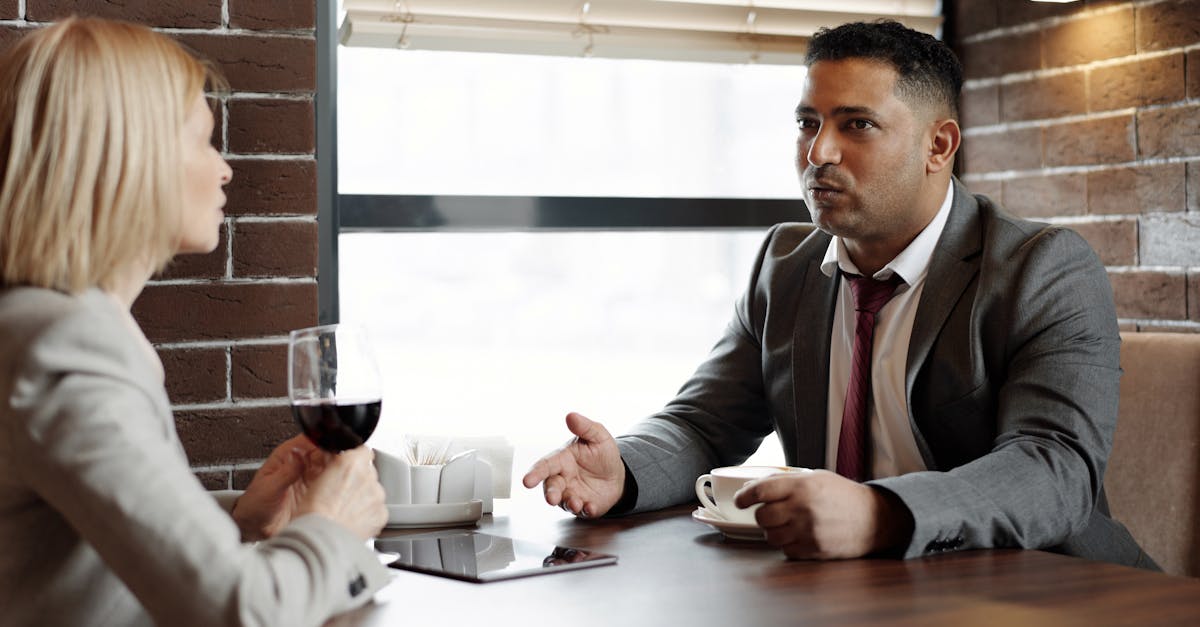
Taking a rigid approach to decisions prevents any real compromise from occurring in the partnership. This means that only one person’s preferences are ever met, leaving the other feeling ignored. A relationship is a series of negotiations where both parties should feel that their needs are being considered. Flexibility is a requirement for navigating the many challenges that couples face over time.
Intense Love Bombing

Overwhelming a partner with excessive affection and attention at the start of a relationship can be a form of manipulation. This behavior is often used to quickly establish a deep bond and gain control over the other person. While it may feel positive initially, it is usually followed by a sudden shift toward critical or controlling behaviors. True love develops at a natural pace rather than being forced through intense and early pressure.
Unfavorable Comparisons

Regularly comparing a partner to former lovers or other people can cause deep feelings of inadequacy. This behavior suggests that the partner is not enough as they are and needs to change to meet a different standard. It creates a competitive atmosphere that is damaging to the partner’s self-esteem and the relationship’s health. Appreciating a partner for their unique qualities is essential for a loving and supportive dynamic.
Please share your thoughts on these relationship signs in the comments.