Most people walk around in ill-fitting shoes without realizing the damage it causes to their feet and overall posture. Wearing the incorrect size can lead to chronic pain and permanent foot issues that persist long after the shoes are removed. Recognizing the subtle indicators of a poor fit is the first step toward better foot health and comfort. This guide outlines the most common signals that it is time to measure your feet again and adjust your sizing.
Blisters
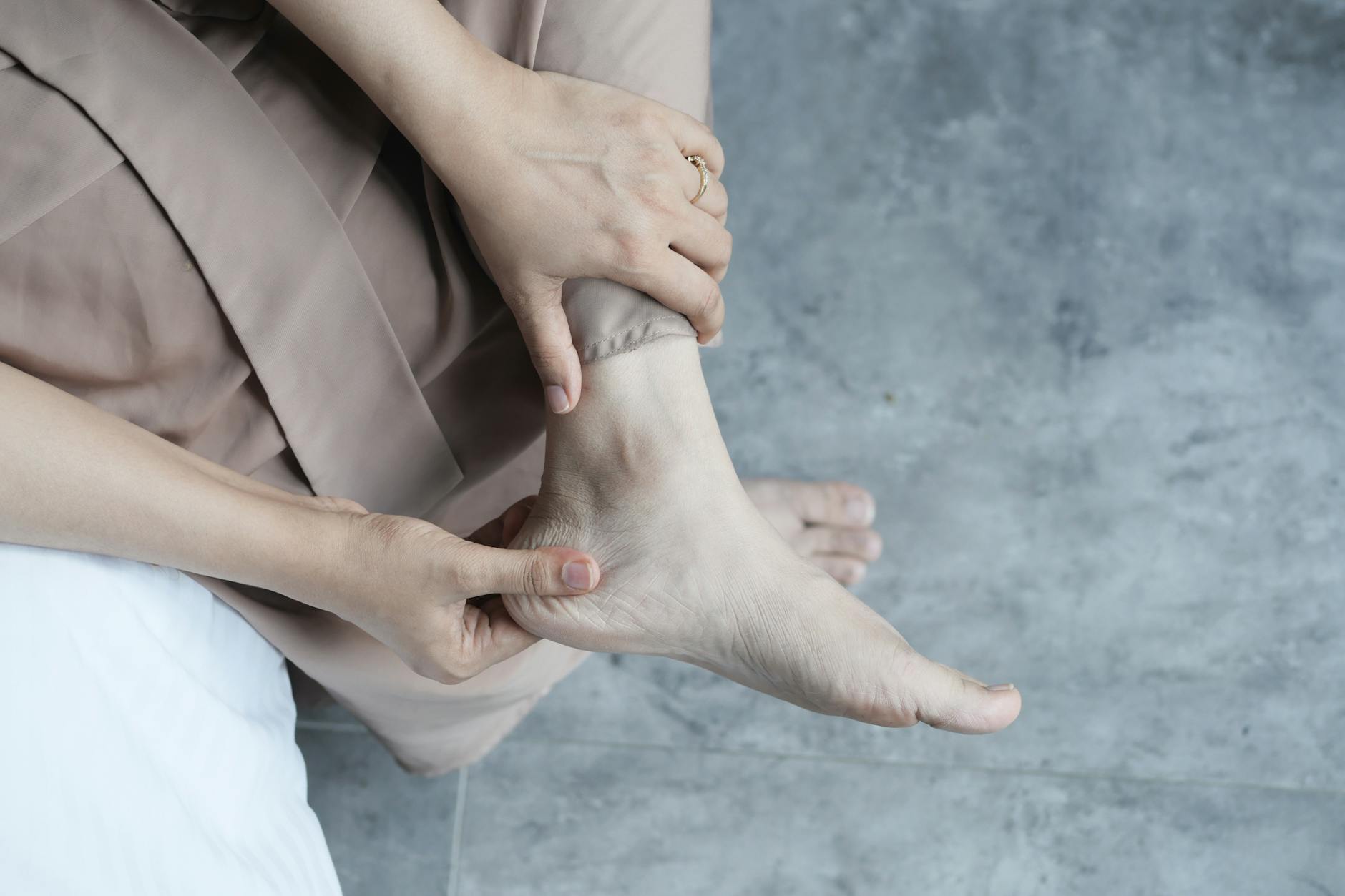
Blisters are the most immediate visual sign that your footwear is creating excessive friction against your skin. These painful fluid-filled pockets usually form on the heel or toes when a shoe is too tight or too loose. Constant rubbing wears away the top layer of skin and indicates that the shoe structure does not align with your foot shape. Ignoring this friction can eventually lead to calluses or open wounds that make walking difficult.
Black Toenails
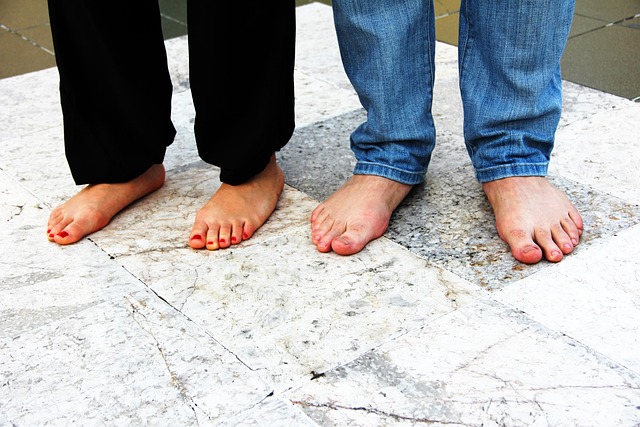
Runners often experience bruised or blackened toenails when their shoes are too short for their feet. This discoloration happens because the toes repeatedly hit the front of the shoe box during movement. The constant impact causes bleeding beneath the nail plate and can eventually cause the nail to fall off completely. Ensuring there is a thumb width of space at the front of the shoe prevents this common injury.
Heel Slippage
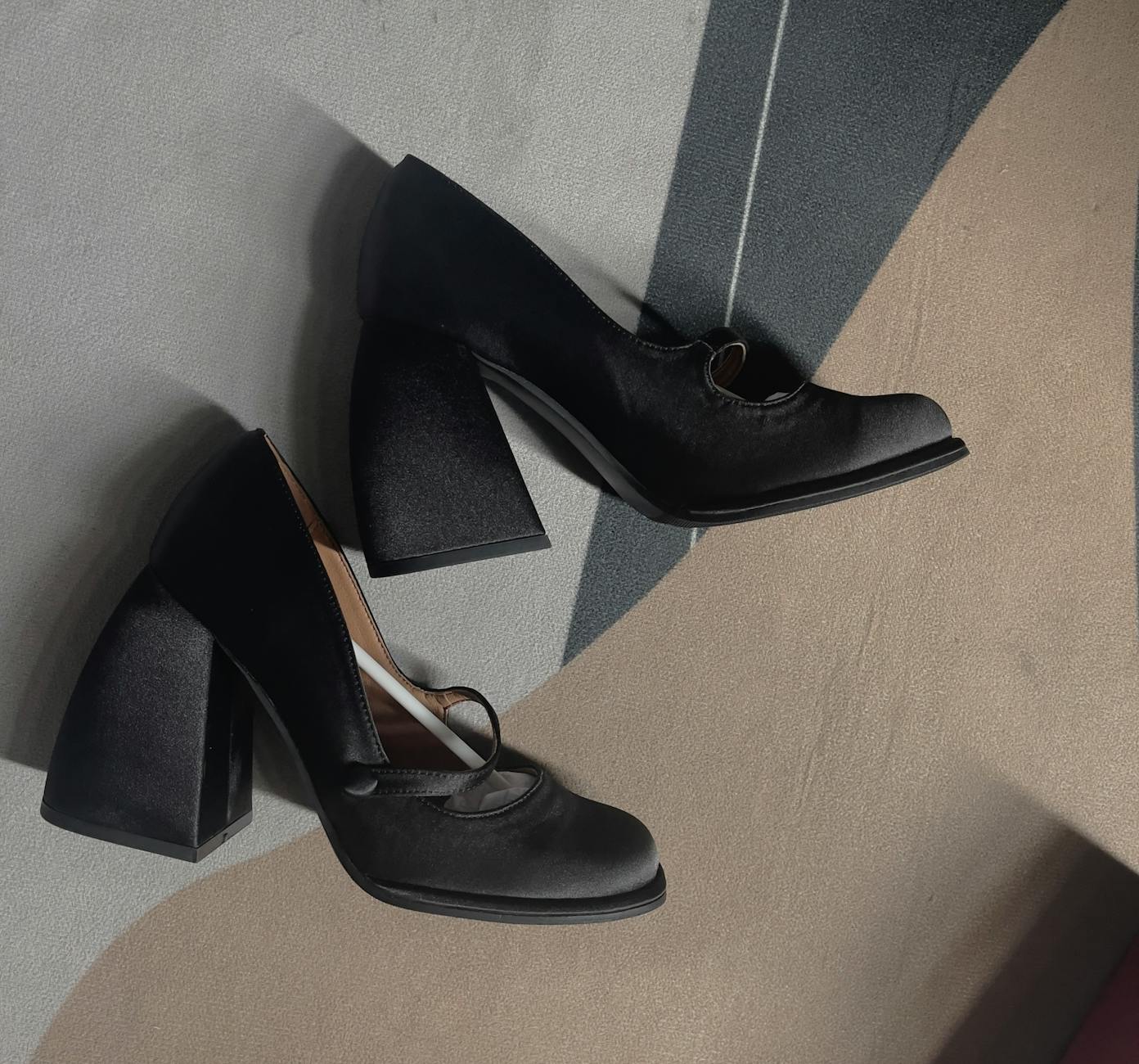
Your heel should sit securely in the back of the shoe without sliding up and down as you walk. Significant slippage usually means the shoe is too large or the heel cup is too wide for your specific foot shape. This movement forces your toes to grip the bottom of the shoe for stability and alters your natural gait. Using a different lacing technique might help but persistent slipping generally requires a smaller size or narrower width.
Numbness or Tingling
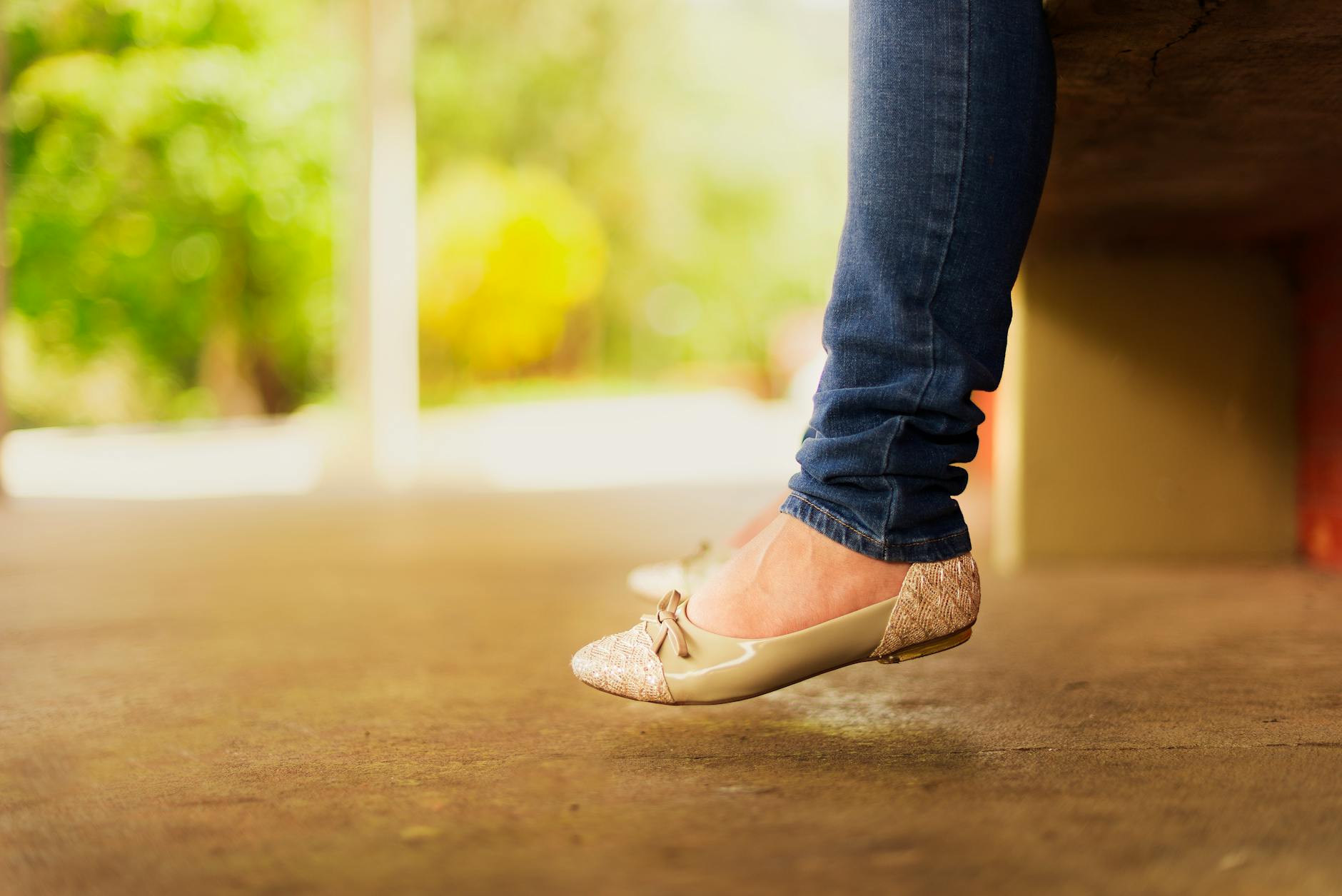
Experiencing a pins and needles sensation suggests that your shoes are compressing the nerves in your foot. This usually occurs when the shoe is too narrow or the instep is too tight across the top of the foot. Restricted blood flow can cause your feet to fall asleep even during short periods of wear. Loosening the laces provides temporary relief but the underlying issue is typically insufficient volume within the shoe.
Morning Foot Pain
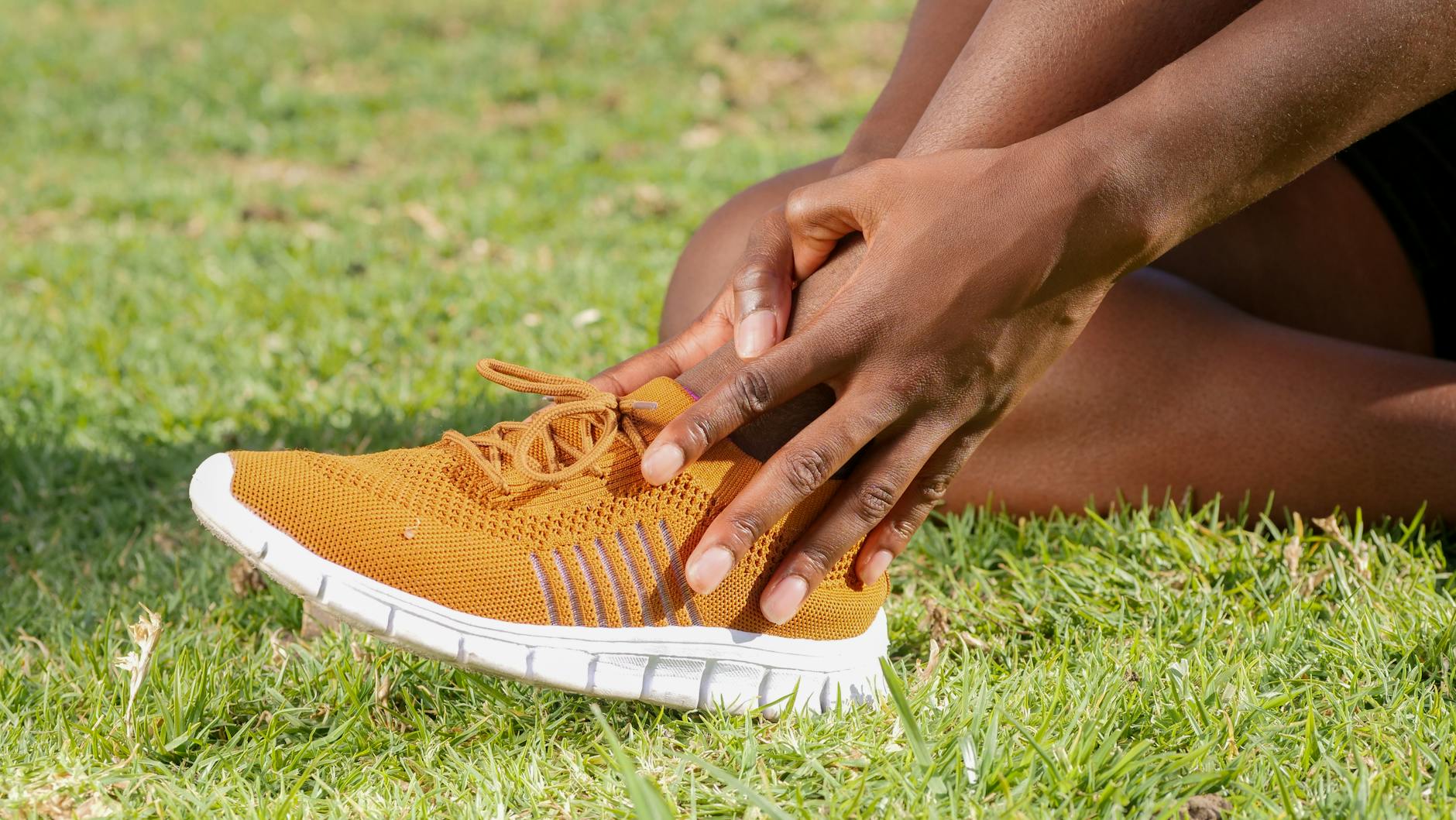
Waking up with aching arches or stiff joints often points to footwear lacking proper support or size. Shoes that are too flat or unsupportive force the plantar fascia to strain excessively throughout the day. This strain manifests as sharp pain in the heel or arch when taking those first steps out of bed. Correctly sized shoes with adequate arch support distribute weight evenly and prevent this morning discomfort.
Corns and Calluses
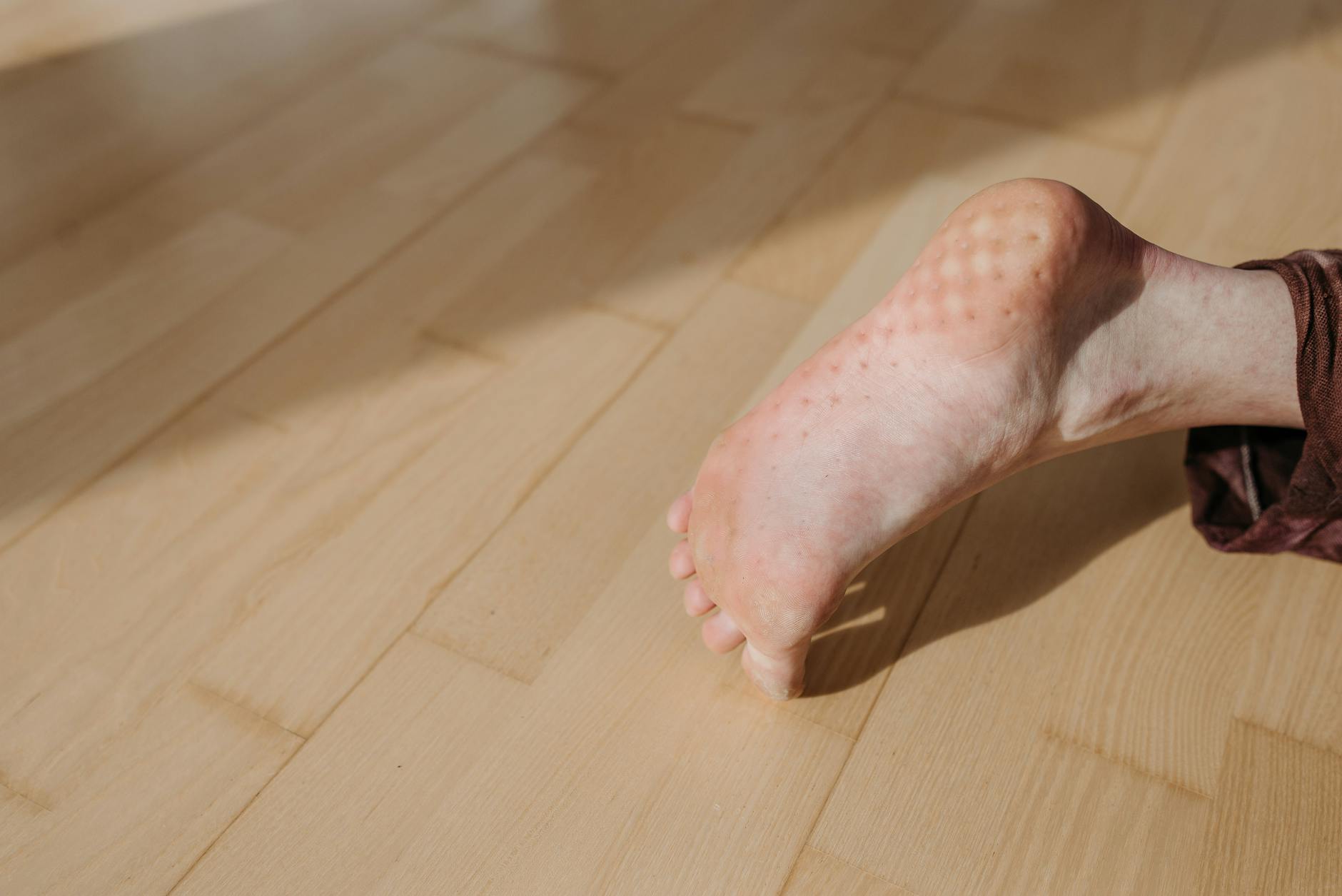
Thickened patches of skin develop as a protective reaction to sustained pressure on specific areas of the foot. Corns typically appear on the tops or sides of toes that are cramped inside a narrow toe box. Calluses form on the soles or heels where weight distribution is uneven due to poor shoe structure. These hardened skin layers are a clear physical manifestation that your shoes are forcing your feet into unnatural positions.
Arch Gaps
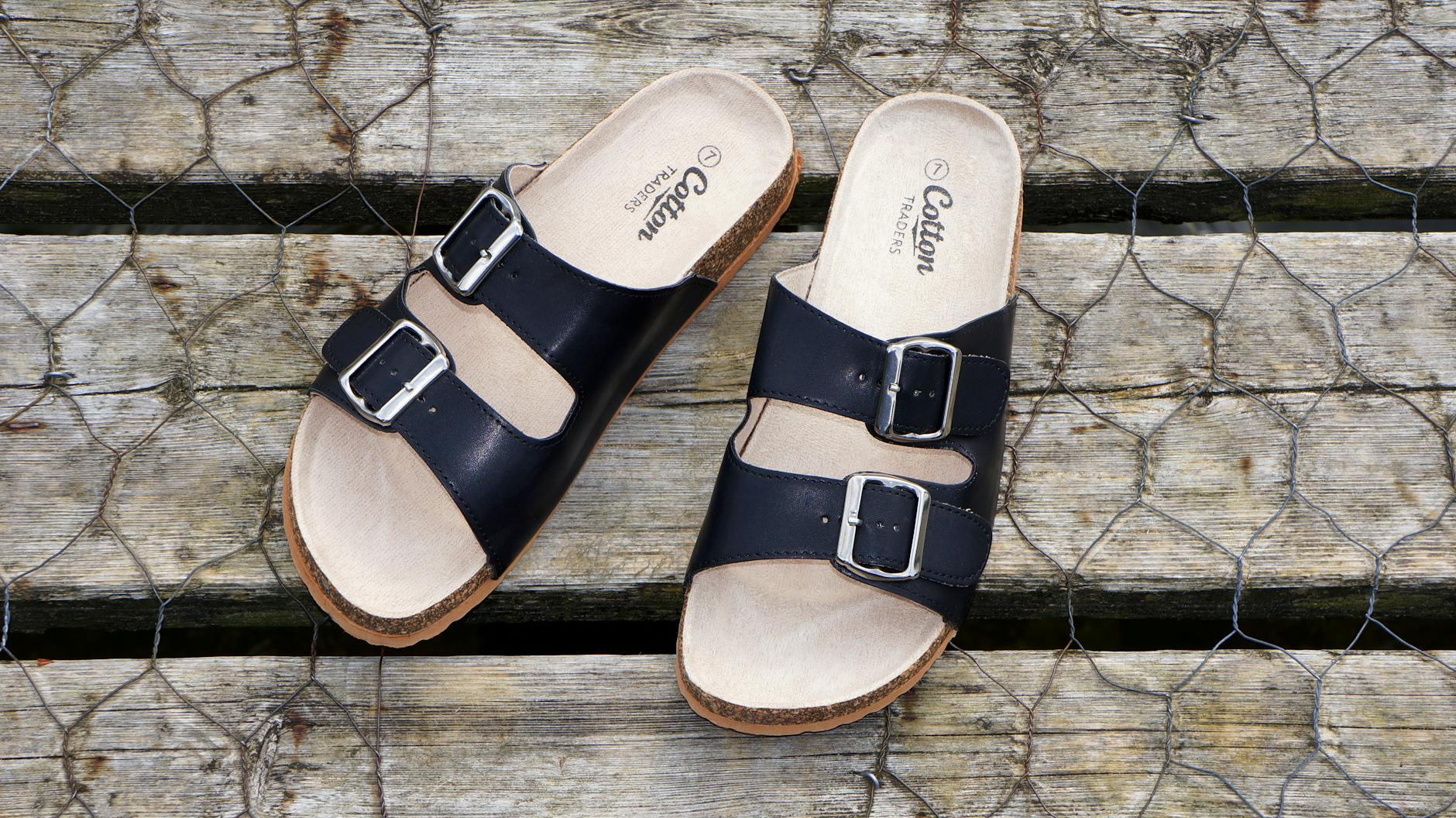
A noticeable gap between your foot arch and the shoe sole indicates a mismatch in support structure. This lack of contact means the muscles in your foot must work harder to support your body weight. The resulting fatigue can travel up the legs and affect your knees and lower back over time. Proper footwear should contour to the natural curve of your arch to provide stability and comfort.
Toe Overlap
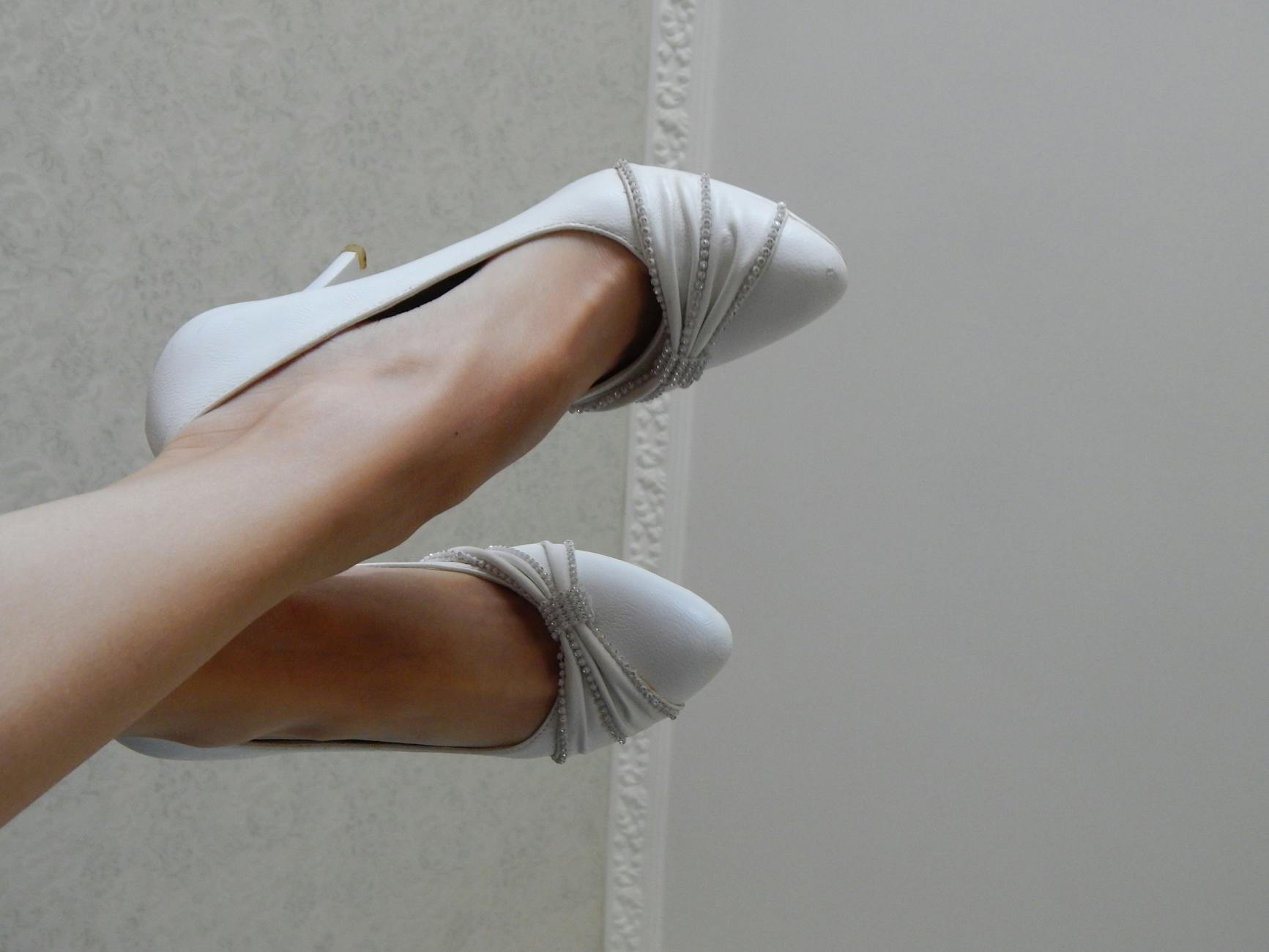
Toes that curl or cross over one another are fighting for space within a crowded toe box. This cramping is a definitive sign that the shoe width is insufficient for the spread of your forefoot. Natural toe splay is essential for balance and pushing off effectively while walking or running. Consistently wearing narrow shoes can permanently alter toe alignment and lead to conditions like bunions.
Uneven Wear Patterns
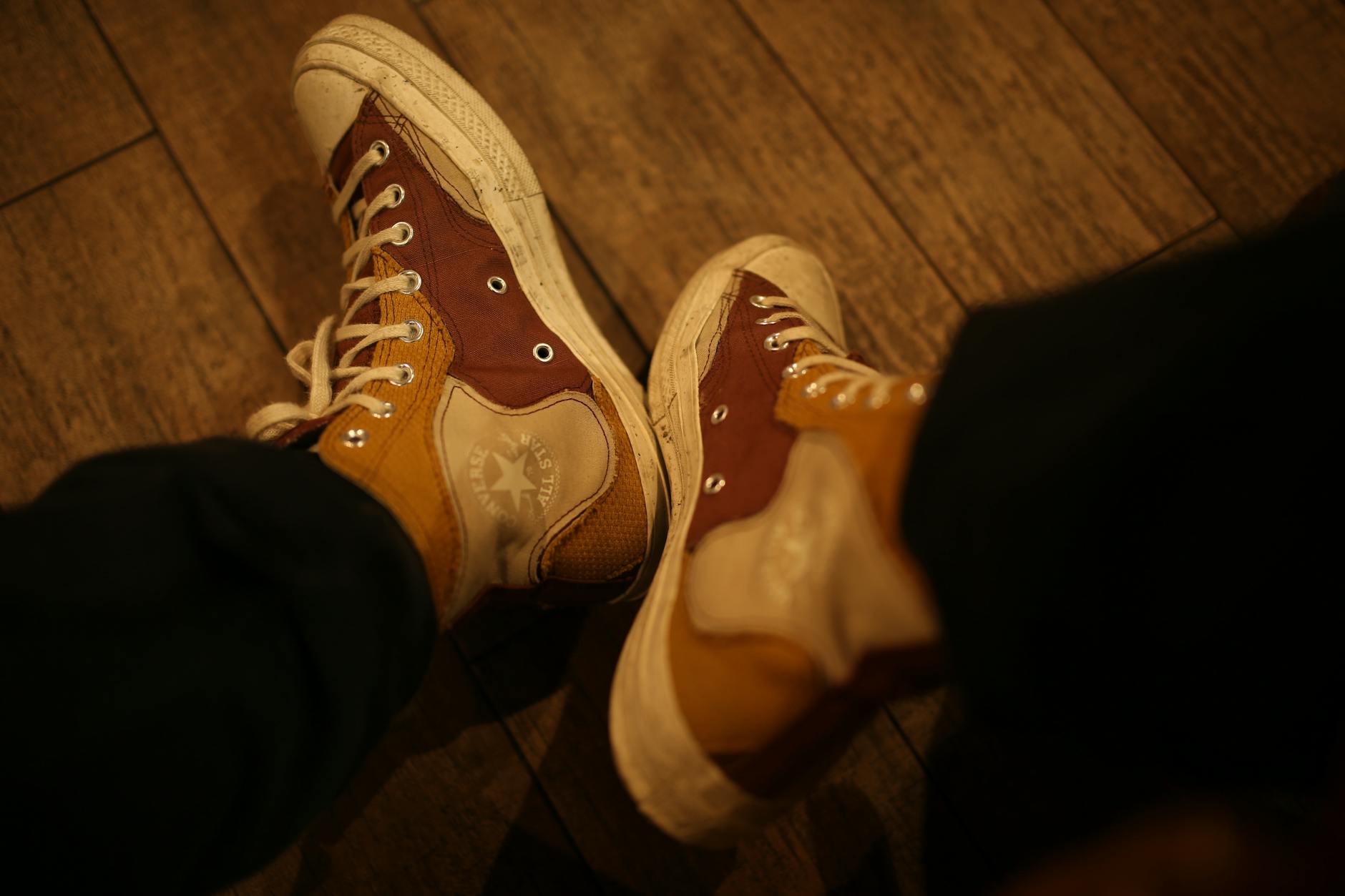
Examining the soles of your old shoes reveals how your feet interact with the ground. Excessive wear on the inner or outer edges suggests that the shoe is not correcting your pronation or supination effectively. Wearing the wrong size exacerbates these alignment issues and accelerates the breakdown of the shoe materials. A properly fitted shoe promotes a more neutral wear pattern centered along the ball of the foot and heel.
Burning Sensation
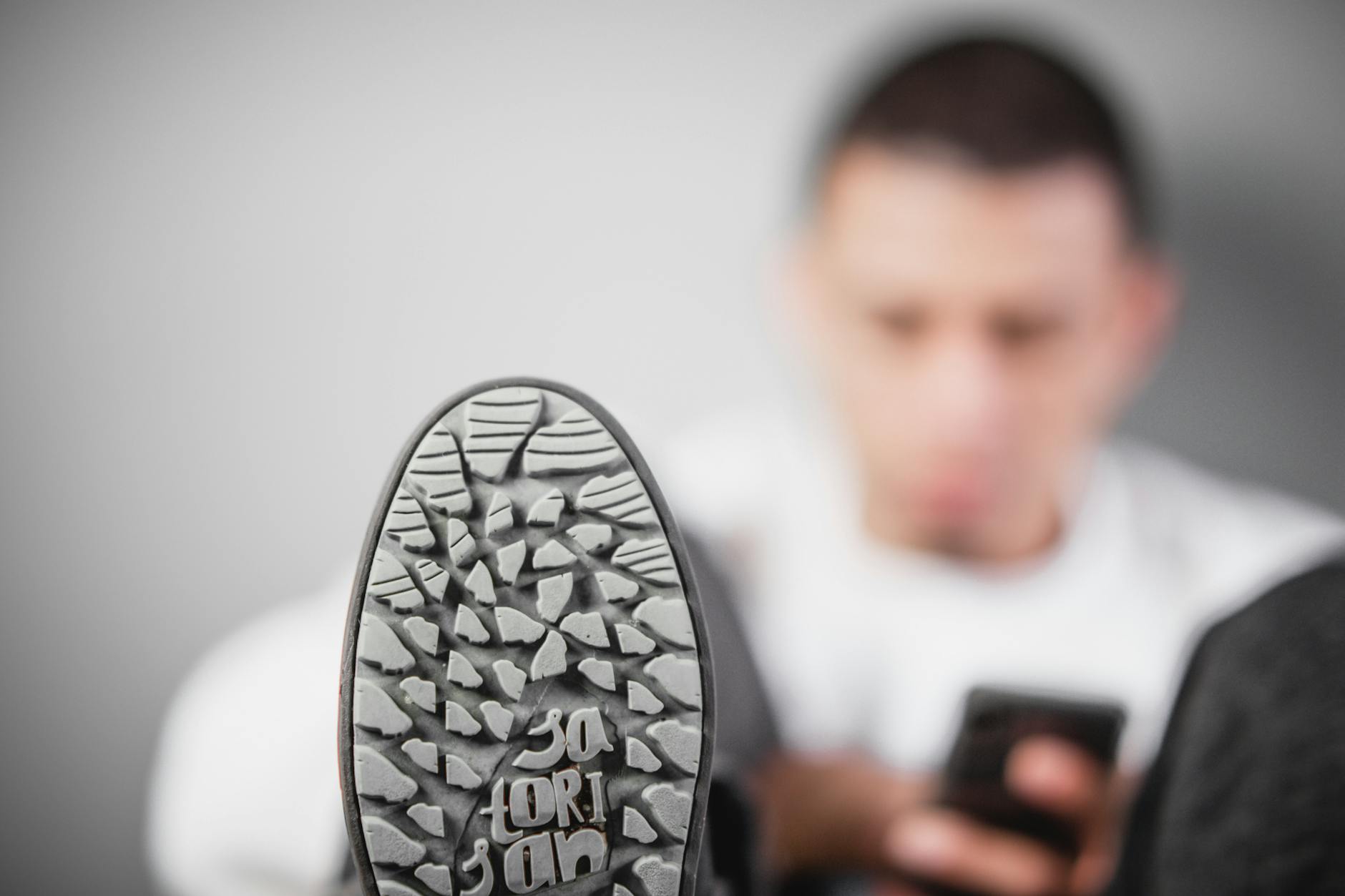
A feeling of heat or burning in the balls of the feet is often diagnosed as metatarsalgia. This inflammation frequently stems from shoes that are too tight or have worn-out cushioning in the forefoot. The compression squeezes the metatarsal heads together and irritates the nerves running between them. Switching to wider shoes with ample cushioning allows the bones to spread naturally and alleviates this painful burning.
Tell us about your experiences with finding the perfect shoe fit in the comments.