Covert narcissism often goes unnoticed because it lacks the loud bravado associated with the overt type. These individuals hide their self-importance behind a mask of shyness or vulnerability. Relationships with them can feel confusing and emotionally draining without obvious reasons why. Recognizing the subtle behavioral patterns is the first step toward understanding the dynamic. This guide outlines common traits observed in this complex personality type.
Passive Aggressive Behavior

These individuals rarely express anger directly but use subtle digs to convey hostility. You might notice heavy sighs or eye rolls when you speak to them regarding serious matters. Deliberate inefficiency becomes a tool to frustrate you without explicit confrontation. This behavior allows them to deny any wrongdoing while still inflicting emotional distress. Silence is often used as a weapon to punish you for perceived slights.
False Humility

Covert narcissists often downplay their accomplishments to fish for compliments. They might criticize their own work in hopes that you will reassure them of their greatness. This tactic serves to feed their need for validation without appearing arrogant. It creates a dynamic where you are constantly required to build up their ego. Their self-deprecation is usually a calculated performance rather than genuine modesty.
The Perpetual Victim

Every story they tell features them as the unfortunate target of someone else’s malice. They refuse to take responsibility for their life circumstances and blame others for their failures. This narrative garners sympathy and prevents you from holding them accountable for their actions. You often find yourself comforting them even when they were the ones who hurt you. They rewrite history to ensure they always appear innocent and misunderstood.
Lack of Empathy

While they may feign concern when it benefits them they struggle to genuinely feel for others. Your emotional needs are often viewed as a burden or an inconvenience to their daily life. They might tune out when you discuss your problems or turn the conversation back to themselves. This emotional disconnect leaves partners feeling lonely and unsupported. Their inability to connect on a deep level prevents true intimacy.
Subtle Gaslighting
They manipulate your perception of reality in ways that make you question your sanity. You might hear phrases suggesting you are too sensitive or that you imagined an event. They deny saying things they definitely said or twist your words to change their meaning. This gradual erosion of your confidence makes you dependent on their version of the truth. It is a slow process that destabilizes your trust in your own memory.
Hypersensitivity to Criticism

Even the slightest constructive feedback is met with defensiveness or withdrawal. They perceive neutral comments as severe personal attacks on their character. This fragility forces you to walk on eggshells to avoid triggering a negative reaction. Their reaction is often disproportionate to the situation and can last for days. You eventually stop expressing your needs to keep the peace.
Grudge Holding

They have an uncanny ability to remember every slight or mistake you have ever made. These past grievances are brought up repeatedly during arguments to deflect from current issues. Forgiveness is rarely granted and is often conditional on your total submission. This scorecard keeps you in a state of perpetual guilt and indebtedness. They use these old wounds to justify their poor treatment of you.
The Silent Treatment

Withdrawal is a primary method of control and punishment in the relationship. They will stop speaking to you or acknowledging your presence for extended periods. This tactic triggers anxiety and a desperate need in you to resolve the conflict. They only resume communication once you have apologized or conceded to their demands. It establishes their dominance and control over the emotional climate.
Smear Campaigns

They quietly spread rumors or half-truths about you to friends and family. This is done to control the narrative and ensure they look like the victim if the relationship ends. They appear concerned or sad while destroying your reputation behind your back. You often find that people treat you differently without knowing exactly why. This isolation tactic weakens your support system significantly.
Triangulation

They introduce a third person into the dynamic to create jealousy or insecurity. This could be an ex-partner or a coworker they compare you to unfavorably. It creates a sense of competition where you must vie for their attention and approval. They enjoy watching others fight for their validation. This manipulation keeps you off balance and eager to please.
Grandiose Fantasies

Covert narcissists often retreat into a fantasy world where they are powerful and admired. They believe they are destined for greatness but the world has failed to recognize their genius. These daydreams serve as a buffer against their deep-seated feelings of inadequacy. They may spend excessive time planning unrealistic futures without taking steps to achieve them. You are expected to support and believe in these delusions without question.
Emotional Neglect

They consistently fail to provide the emotional support and validation you need. Your triumphs are ignored or minimized while your struggles are dismissed. This neglect makes you feel invisible and unimportant within the relationship. They withhold affection or praise as a way to maintain power. Over time this leads to a profound sense of loneliness.
Sense of Entitlement

They believe they deserve special treatment without having to earn it. Routine tasks or social obligations are often viewed as beneath them. They expect you to cater to their needs and anticipate their desires without being asked. When these unreasonable expectations are not met they feel resentful and victimized. This attitude creates a one-sided dynamic where they take and you give.
Projection

They attribute their own negative traits or behaviors to you. If they are being selfish they will accuse you of only thinking about yourself. This defense mechanism allows them to avoid confronting their own flaws. It creates confusion as you find yourself defending against accusations that actually describe them. You end up apologizing for behavior that originated with them.
Hidden Envy

They experience intense jealousy toward anyone who has what they want. This envy is often masked by criticism or cynical remarks about the successful person. They struggle to be happy for your achievements and may try to sabotage your joy. Their bitterness stems from a belief that they are more deserving than those who succeed. They perceive the success of others as a personal slight.
Weaponized Incompetence

They pretend not to know how to do simple tasks to force you to do them. This learned helplessness ensures they avoid responsibilities they find unpleasant. You eventually take over the task because it is easier than arguing or watching them fail. It is a passive way of controlling your time and energy. They maintain a facade of trying while ensuring they never actually succeed.
Emotional Vampirism

Interacting with them leaves you feeling exhausted and depleted of energy. They constantly require reassurance and attention to regulate their own self-esteem. Your mood is expected to mirror theirs and you must manage their emotional state. This parasitic dynamic drains your resources while they remain insatiable. You feel like a caregiver rather than an equal partner.
Changing the Goalposts

The requirements to please them or earn their approval are constantly shifting. Just when you think you have met their expectations they introduce new demands. This ensures that you never feel secure or adequate in the relationship. You remain in a constant state of striving without ever reaching satisfaction. It is a control tactic to keep you working for their validation.
Public vs Private Persona

They present a charming and altruistic face to the outside world. Behind closed doors they are often cold and critical or dismissive. This discrepancy makes it difficult for others to believe your experiences with them. You feel isolated because the person everyone else loves is not the person you know. It creates a sense of dissonance and self-doubt.
Withholding Information

They keep secrets or withhold vital information to maintain control. This exclusion makes you feel like an outsider in your own relationship. They may make major decisions without consulting you or hiding financial details. It creates a power imbalance where they hold all the cards. Trust becomes impossible when transparency is consistently denied.
Dismissiveness
Your opinions and feelings are treated as trivial or irrelevant. They may interrupt you frequently or physically turn away while you are speaking. This behavior signals that they consider themselves superior to you. It erodes your self-worth and discourages you from sharing your thoughts. You eventually learn that your voice does not matter to them.
Pathological Lying

Small lies are told frequently even when the truth would suffice. These fabrications serve to bolster their image or avoid minor inconveniences. When caught they often double down or create elaborate stories to cover the initial lie. The constant dishonesty creates a reality that is fluid and unreliable. You never truly know where you stand or what is real.
Future Faking

They make elaborate promises about the future to get what they want in the present. These promises of marriage or trips never actually materialize. It keeps you hooked on the potential of the relationship rather than the reality. When the time comes to deliver they have endless excuses for the delay. You hold onto hope for a future that they never intend to build.
Negging

They give backhanded compliments that are actually insults in disguise. A comment might praise your outfit while subtly criticizing your body. This technique lowers your self-esteem while allowing them to claim they were being nice. It makes you seek their approval to prove the insult wrong. You are left feeling insecure despite the surface-level praise.
Lack of Accountability

They refuse to accept blame for mistakes or bad behavior. External factors or other people are always cited as the cause of their actions. An apology from them often includes the word but followed by an excuse. This refusal to own their actions prevents any real conflict resolution. Patterns of behavior never change because they never admit they are wrong.
Emotional Inconsistency

Their affection and attention fluctuate wildly without warning. One day they are loving and attentive while the next they are cold and distant. This intermittent reinforcement creates a chemical addiction to the relationship. You stay during the bad times waiting for the good version of them to return. It keeps you unstable and constantly monitoring their mood.
Superficial Charm

They can be incredibly polite and engaging when they want to make a good impression. This charm is turned on specifically for an audience or during the initial courtship. It lacks depth and disappears once they have secured your admiration. You may notice their eyes looking empty even when they are smiling. It is a tool used for manipulation rather than genuine connection.
Sabotage

They may subtly undermine your success or happiness. This could involve picking a fight right before a big interview or event. They might forget to give you important messages that would help your career. Their insecurity cannot handle you outshining them in any area. They prefer you to stay reliant on them rather than thriving independently.
Boundary Crossing

They consistently ignore or push against the personal limits you set. If you ask for space they may intrude or demand attention immediately. They view your boundaries as a challenge or a rejection rather than a right. This disrespect shows that their needs always supersede your comfort. You feel suffocated and unable to maintain autonomy.
Cognitive Empathy Only

They understand intellectually how they should react but do not feel it. They can mimic the appropriate emotions they see in others without internalizing them. You might notice their comfort feels rehearsed or slightly delayed. They use this intellectual understanding to manipulate situations to their advantage. It creates a hollow interaction that lacks human warmth.
Crisis Creation

They often manufacture drama or crises to garner attention. A minor illness or conflict becomes a major event requiring your total focus. This pulls attention away from you and places it firmly back on them. It creates a chaotic environment where you are always in crisis management mode. Peace is rarely allowed to last for long.
Moral Superiority

They often act as the moral authority on various subjects. They judge others harshly for behaviors they often engage in themselves. This posturing allows them to feel better than those around them. They use their supposed high moral ground to criticize and control you. It is a way to mask their own ethical shortcomings.
Hoovering

If you try to leave they will suck you back in with intense kindness. They may promise to change and suddenly become the partner you always wanted. This phase lasts only long enough to secure your commitment again. Once you are back the old patterns of abuse return quickly. It is a cycle designed to prevent you from escaping.
Physical Somatic Complaints

They frequently complain of vague physical ailments to gain sympathy. Headaches or back pain appear conveniently when you need support or during conflicts. These complaints force you into a caretaking role and deflect from the issue at hand. It creates a dynamic where you cannot be angry because they are unwell. Their health becomes the central focus of the relationship.
Love Bombing

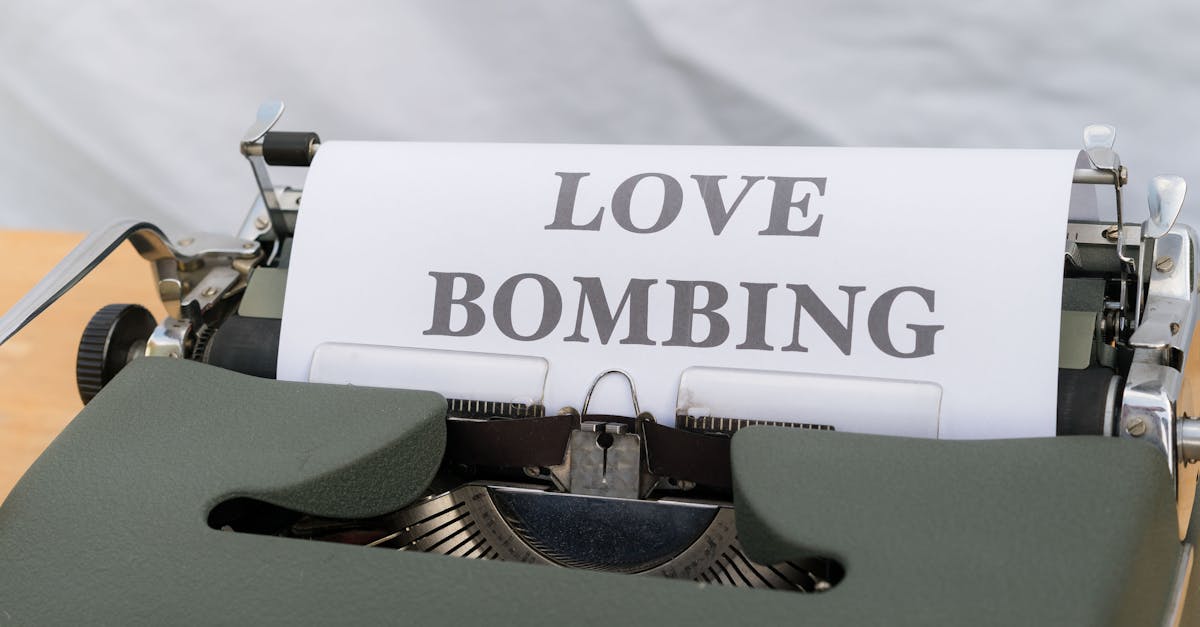
The beginning of the relationship is marked by intense and overwhelming affection. They move the relationship forward very quickly and declare you are their soulmate. This idealization phase hooks you before their true colors are revealed. It sets a high benchmark that you spend the rest of the relationship trying to recover. It is a manipulative tactic to secure a supply of adoration.
Please share your own experiences or observations regarding these signs in the comments.