Financial stability requires a delicate balance between income and expenditure but many people struggle to maintain this equilibrium. Recognizing the early warning signs of overspending is the first step toward regaining control over your personal finances. These indicators often manifest in subtle behavioral patterns or specific account activities that go unnoticed until debt accumulates. Understanding these red flags allows individuals to adjust their habits before the situation becomes critical. The following list outlines common symptoms of a lifestyle that exceeds financial reality.
Carrying Credit Card Balances
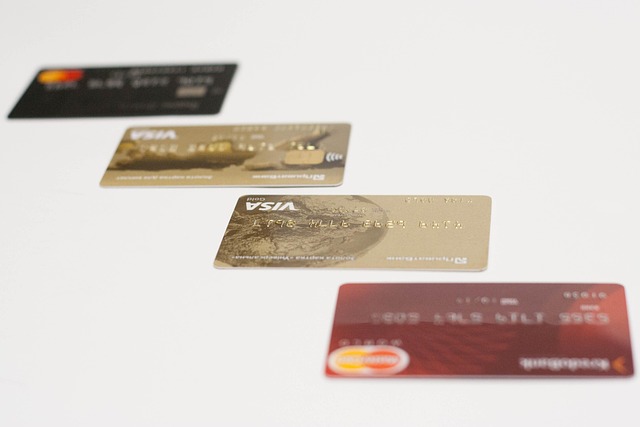
Revolving debt on credit cards suggests that monthly spending consistently exceeds actual income. Interest charges accumulate quickly and make future purchases significantly more expensive over time. This expensive cycle often prevents consumers from ever paying down the principal amount they owe. Financial advisors universally recommend paying full statement balances every month to avoid this compounding trap. Persistent revolving debt remains one of the clearest and most dangerous indicators of an unsustainable lifestyle.
Zero Emergency Savings

Life brings unexpected expenses like car repairs or sudden medical bills without warning. A lack of savings forces reliance on high-interest debt when these inevitable costs eventually arise. Most experts suggest keeping three to six months of living expenses in a separate liquid account. Living paycheck to paycheck leaves absolutely zero room for these necessary safety nets to function. This financial fragility indicates that current spending habits consume every available dollar each month.
Housing Costs Exceeding Guidelines

Housing expenses should ideally consume no more than thirty percent of your gross monthly income. Spending more than this benchmark leaves insufficient funds for other necessities like food and transportation. Many people stretch their budgets to afford luxury apartments or larger homes they cannot truly afford. This single fixed cost creates a massive burden that restricts all other financial decisions. Downsizing is often the only way to correct this fundamental budget imbalance.
Borrowing to Pay Bills

Using one credit card to pay off another or taking personal loans for utilities signals a severe cash flow problem. This robbing Peter to pay Paul strategy provides only temporary relief while deepening the debt hole. It indicates that your liquid assets are insufficient to cover your basic recurring obligations. Lenders view this behavior as high risk and it can severely damage credit scores. Relying on credit for essentials means the gap between income and expenses has become critical.
Emotional Spending Habits

Retail therapy often serves as a coping mechanism for stress or unhappiness rather than a genuine need for goods. Making impulse purchases to feel better leads to buyer’s remorse and cluttered homes. These unplanned transactions rarely fit into a structured budget and quickly drain disposable income. Tracking spending triggers helps identify the emotional root of this financial behavior. Consistently buying non-essential items to boost mood is a hallmark of financial mismanagement.
No Retirement Contributions

Skipping contributions to a 401(k) or IRA often happens when current expenses take priority over future security. Losing out on compound interest in your earlier years makes retirement planning exponentially harder later. Employers often match contributions and missing this benefit is effectively throwing away free money. A budget that cannot accommodate retirement savings is a budget that is fundamentally broken. prioritizing the present over the future is a risky long-term financial strategy.
Frequent Overdraft Notifications
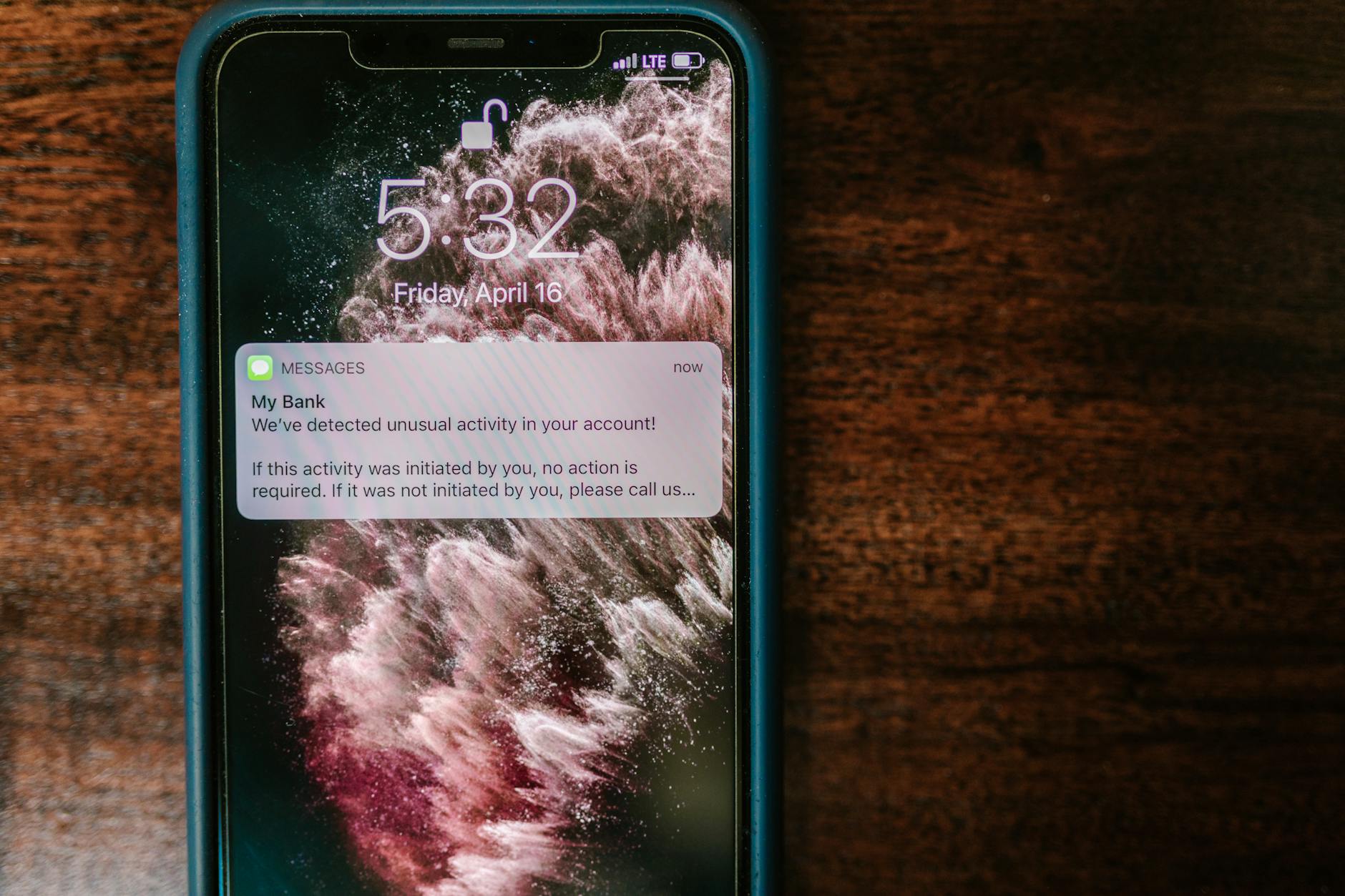
Overdraft fees represent a penalty for failing to track account balances accurately. Relying on overdraft protection to cover grocery bills or gas indicates a lack of buffer money. These fees add up quickly and further reduce the cash available for necessary expenses. Regular alerts from the bank suggest that spending is happening faster than income is being deposited. This chaotic approach to cash management reveals a disconnect from financial reality.
The Minimum Payment Trap
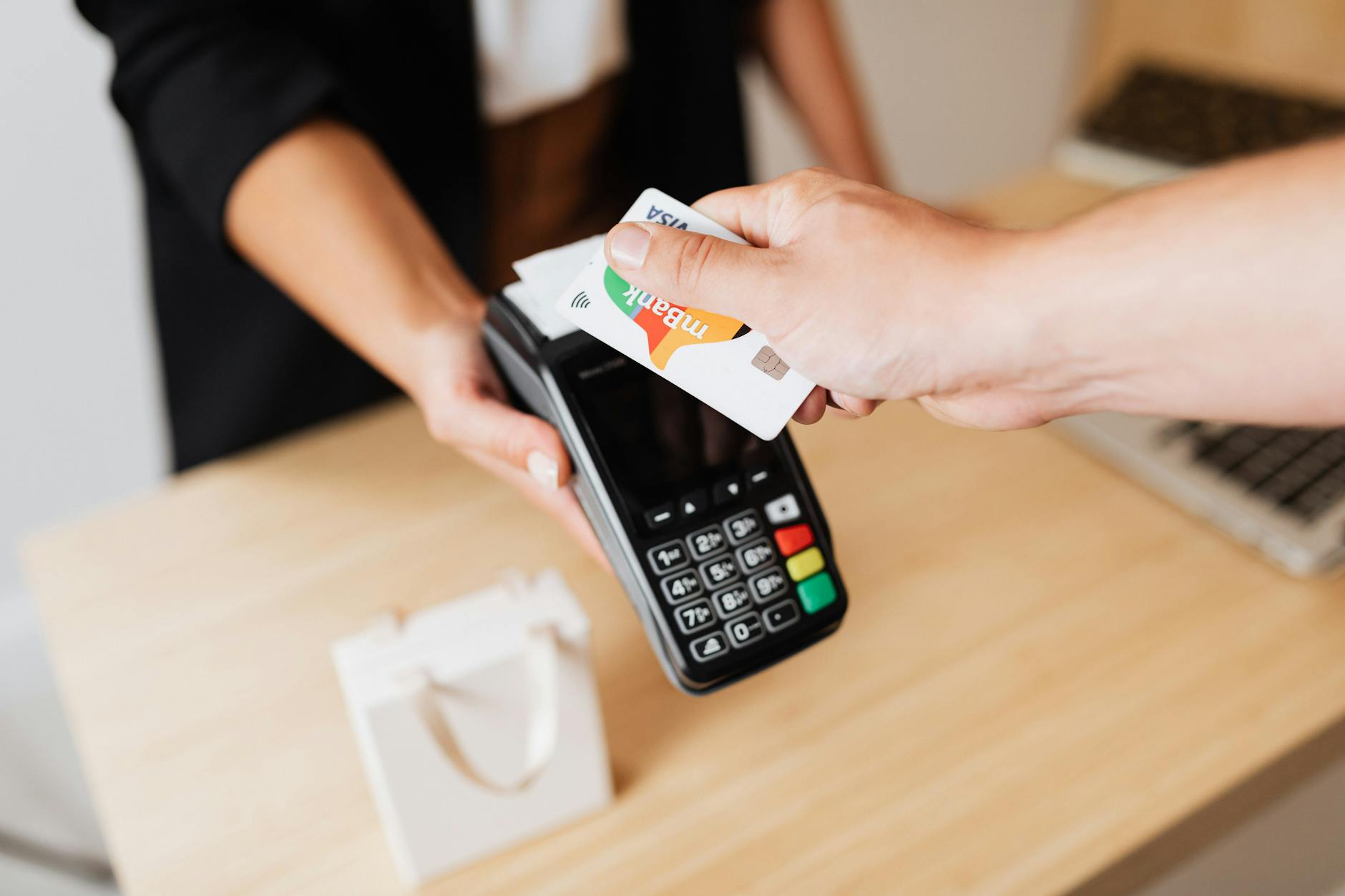
Making only the minimum payment on credit cards extends the repayment period for decades. This habit causes the total amount paid to balloon to double or triple the original purchase price. It signals an inability to clear debt and a resignation to carrying it indefinitely. Lenders design minimum payments to maximize their profit while keeping the borrower in debt. Breaking this cycle requires aggressive repayment strategies and a halt to new charges.
Fear of Checking Accounts
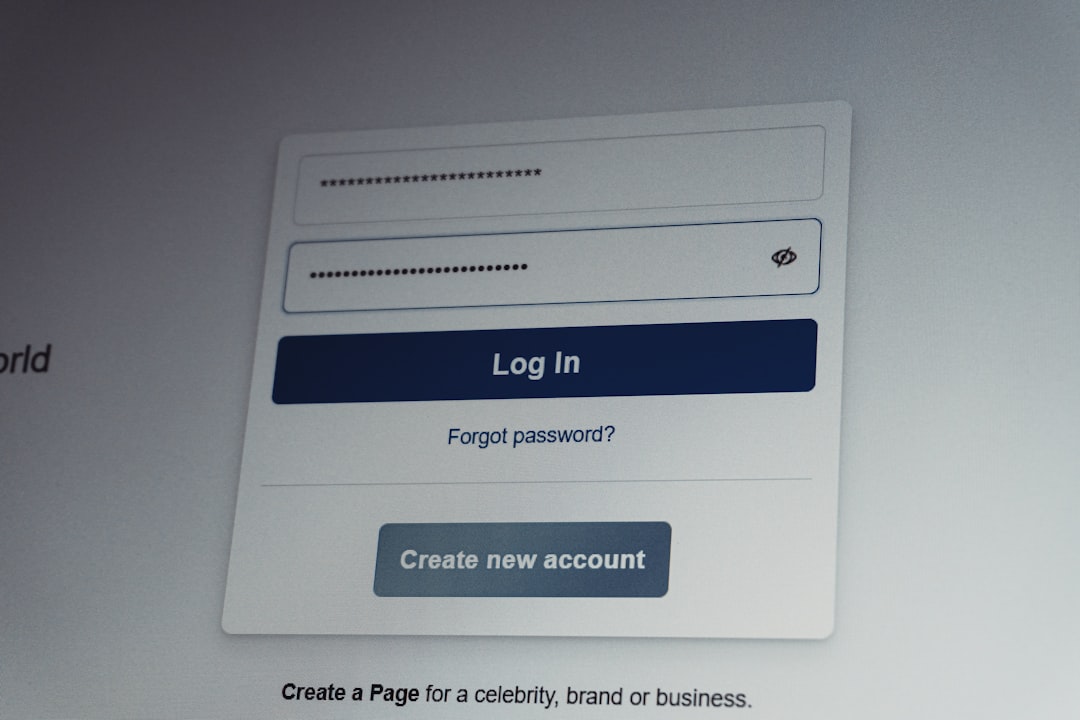
Anxiety about logging into a banking app often stems from knowing the numbers will be bad. Avoidance allows financial problems to fester and grow in the dark without intervention. Ignoring bank statements leads to missed fraudulent charges or forgotten subscriptions draining the account. Facing the numbers head-on is terrifying but necessary for anyone attempting to fix their finances. This psychological barrier is a strong symptom of deep financial insecurity.
Keeping Up With Appearances

Pressure to match the lifestyle of friends or social media influencers drives unnecessary consumption. Buying luxury cars or designer clothes to impress others creates a hollow financial foundation. This comparative spending ignores the fact that peers may also be drowning in secret debt. True wealth is often silent while flashy displays frequently mask significant financial trouble. Basing purchase decisions on social status is a rapid way to deplete net worth.
Reliance on Future Income

Spending a bonus or tax refund before it actually arrives is a dangerous gambling habit. Unexpected delays or reductions in these payouts can leave you with debt you cannot cover. Budgets should be built on guaranteed current income rather than speculative future windfalls. This behavior indicates that the regular salary is insufficient to support the current lifestyle. Banking on uncertain money removes the safety margin needed for a stable financial life.
Frequent Late Fees

Paying bills late creates unnecessary costs that eat away at disposable income. Disorganization or a simple lack of funds are usually the culprits behind these penalties. Late payments also trigger interest rate hikes and can negatively impact credit reports. Establishing autopay is impossible if the account lacks sufficient funds to cover the withdrawal. Consistently missing due dates implies the budget is too tight to manage effectively.
Hiding Purchases

Concealing shopping bags or lying about prices to a partner reveals guilt about spending. Financial infidelity creates stress in relationships and prevents honest conversations about money management. This behavior suggests the spender knows the purchase was irresponsible or outside the agreed budget. Secret spending creates a phantom drain on household resources that makes planning impossible. Transparency is essential for any household attempting to build wealth together.
Declining Net Worth

A healthy financial trajectory involves a net worth that gradually increases over time. If liabilities are growing faster than assets then the overall financial health is deteriorating. This metric provides a big picture view that goes beyond monthly cash flow. Consistently seeing this number drop implies that consumption is destroying wealth rather than building it. Tracking net worth annually helps reveal the long-term impact of daily spending choices.
Lifestyle Inflation
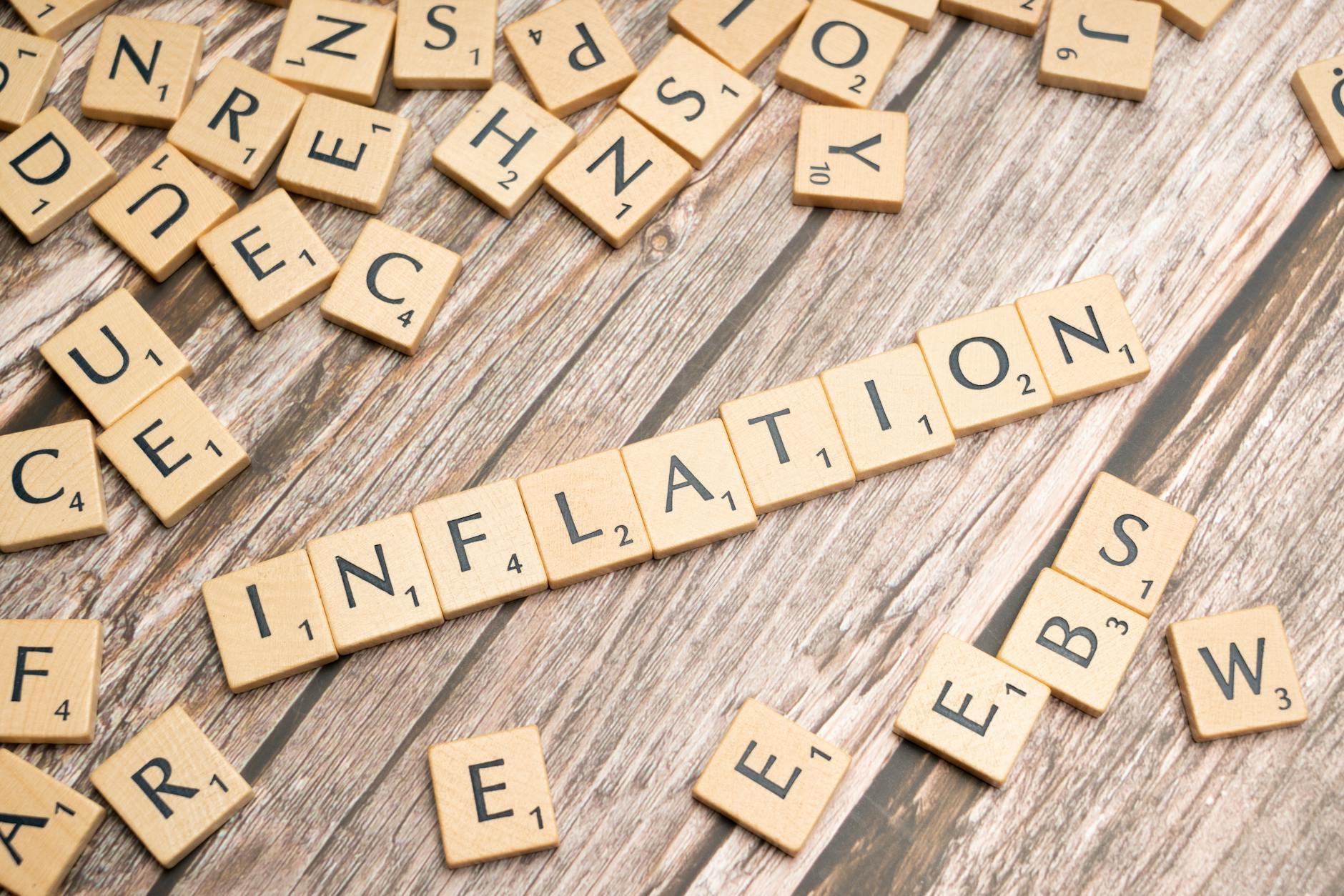
Raises and bonuses often lead immediately to expensive car leases or apartment upgrades. Absorbng new income into daily spending prevents that money from boosting savings or investments. This phenomenon keeps people trapped in the rat race despite earning higher salaries. The gap between income and expenses remains narrow regardless of how much money comes in. Maintaining a previous standard of living while income rises is key to building wealth.
Inability to Save for Goals

Big purchases like a home or a wedding require consistent long-term saving habits. A budget that leaves zero dollars for these buckets means major life milestones get delayed indefinitely. Relying on credit to fund vacations or large purchases is a symptom of this inability to save. It indicates that instant gratification is winning over long-term strategic planning. Financial freedom requires the discipline to set aside money for future aspirations today.
Using Cards for Essentials
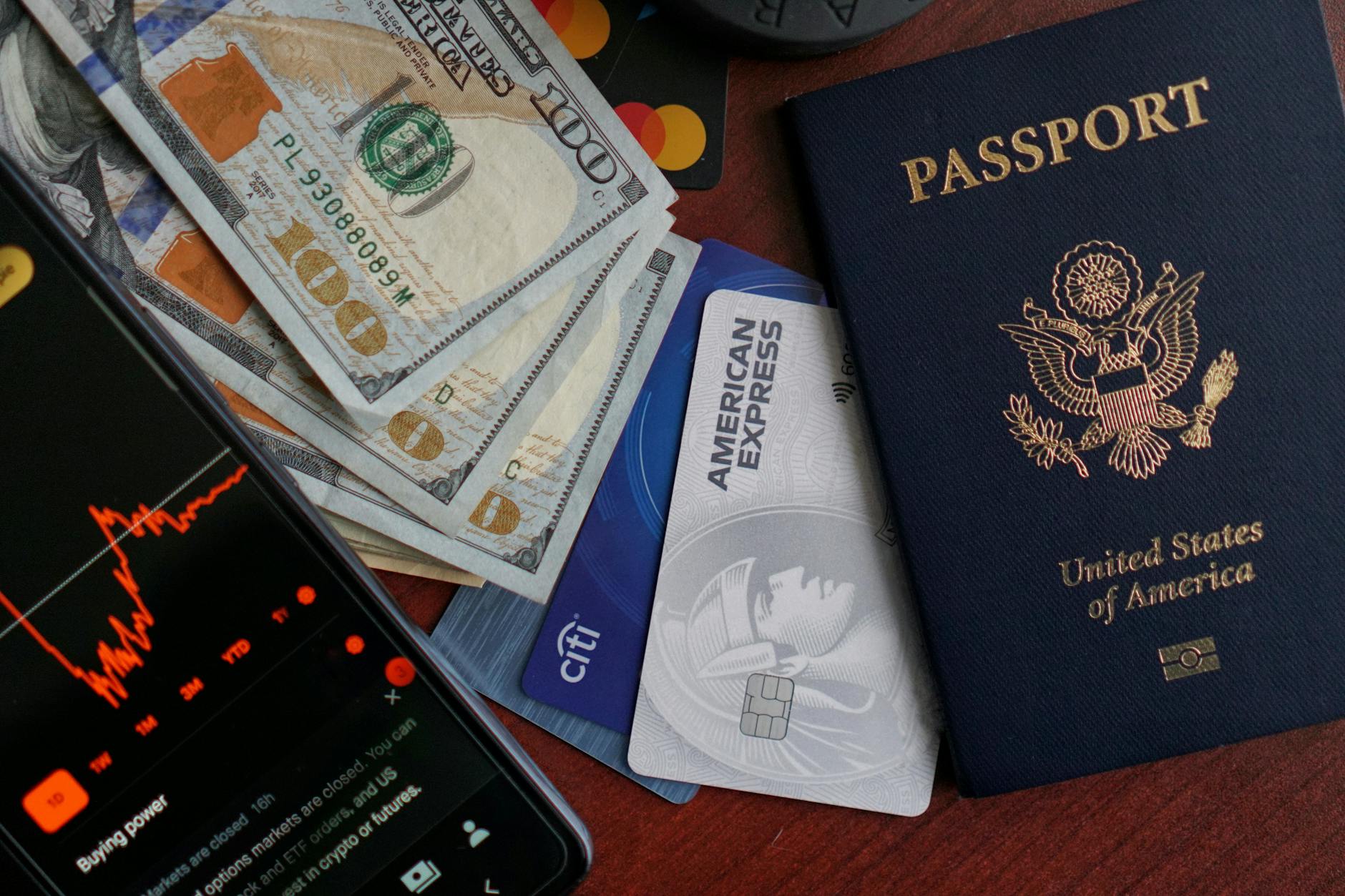
Charging groceries or gas because the checking account is empty is a major warning sign. Credit cards should offer convenience or rewards rather than serving as a lifeline for survival. This habit creates a debt spiral where next month’s income pays for this month’s food. It essentially means you are borrowing against your future self to survive the present. True stability means day-to-day living expenses come strictly from cash on hand.
High Car Payments

Vehicle costs including insurance and gas often wreck otherwise healthy budgets. Driving a car that costs a large percentage of annual income is a common financial mistake. New cars depreciate rapidly and high monthly payments restrict cash flow for years. Extending loan terms to seven years to lower payments masks the true unaffordability of the vehicle. Reliable transportation does not require a luxury price tag or a burdensome loan.
Subscription Fatigue

Signing up for multiple streaming services and subscription boxes creates a slow leak in the budget. Many people lose track of these recurring charges and pay for services they rarely use. These small monthly fees aggregate into a significant annual expense that offers little return. Failing to audit bank statements allows these zombie subscriptions to persist unnoticed. cutting unused services is one of the easiest ways to reclaim monthly cash flow.
Constant Financial Stress

Worrying about money constantly affects physical health and mental well-being. Sleep disturbances and relationship arguments often trace back to underlying financial pressure. This chronic stress indicates that the financial buffer is too thin to provide peace of mind. Money should be a tool that provides security rather than a source of constant anxiety. A sustainable lifestyle brings a sense of control rather than perpetual fear.
Frequent Dining Out

Eating at restaurants or ordering delivery multiple times a week drains budgets rapidly. The markup on prepared food is substantial compared to cooking meals at home. Convenience often overrides cost considerations for those living beyond their means. Tracking food spending usually reveals a shocking total that exceeds utility bills or car payments. Learning to cook is a primary skill for anyone looking to reduce monthly outflows.
Buy Now Pay Later Dependence
Splitting small purchases into four payments signals a lack of immediate liquidity. These services encourage consumers to buy items they cannot actually afford today. While often interest-free these plans normalize debt for minor consumer goods like clothes or makeup. Missed payments on these platforms can still result in fees and credit damage. Relying on installment plans for non-essentials is a clear sign of overconsumption.
Lack of a Budget

Operating without a spending plan makes it impossible to know where money is going. People often assume they know their finances but are surprised when they actually track every dollar. A budget acts as a roadmap to ensure income is allocated to priorities before wants. Flying blind financially almost always leads to overspending and missed savings opportunities. Intentionality is the enemy of lifestyle creep and the friend of wealth building.
Justifying Wants as Needs

Convincing yourself that a vacation is necessary for mental health is a slippery slope. Rationalizing luxury purchases blurs the line between essential survival items and optional desires. This mental gymnastics allows people to overspend without feeling the appropriate amount of guilt. True needs are food and shelter while almost everything else falls into the category of wants. honest self-assessment is critical to distinguishing between the two categories.
Borrowing from Friends and Family

Asking loved ones for loans creates awkward dynamics and risks damaging personal relationships. It suggests that traditional lenders have already cut off access to credit. This is often the lender of last resort and indicates a total collapse of financial independence. It places the burden of your financial mismanagement onto the shoulders of those close to you. Regaining self-sufficiency is vital to preserving both dignity and personal connections.
Please share your thoughts on which of these signs you have encountered in your own financial journey in the comments.