Exfoliation remains a cornerstone of modern skincare routines for its ability to reveal fresh and radiant skin. Many enthusiasts mistakenly believe that more exfoliation equals better results and smoother texture. The skin has a delicate moisture barrier that requires lipids and hydration to function correctly. Aggressive scrubbing or chemical overuse strips away these essential elements and leads to significant damage. Recognizing the early warning signs helps preserve skin health and prevents long-term sensitivity issues.
Persistent Redness

The skin turns a noticeable shade of pink or red that refuses to fade after your skincare routine. This inflammation indicates the top layer has been scrubbed away too aggressively. Capillaries near the surface dilate in response to the trauma caused by harsh acids or physical scrubs. A compromised barrier struggles to calm itself down without intervention and rest.
Unnatural Shine

Your forehead or cheeks might reflect light like plastic or glass rather than maintaining a healthy glow. This specific type of sheen occurs because the natural texture of the skin has been stripped completely smooth. It often signifies that the essential oil barrier is gone and the skin is exposed. The underlying tightness confirms this is not natural oiliness but rather a sign of distress.
Burning Sensation

Applying benign products like moisturizer or gentle toner causes an immediate stinging feeling. This reaction happens because the protective acid mantle has been disrupted or removed. Nerve endings become more exposed to topical ingredients that usually cause no issues. It serves as an immediate warning signal from the body to stop active treatments.
Increased Breakouts
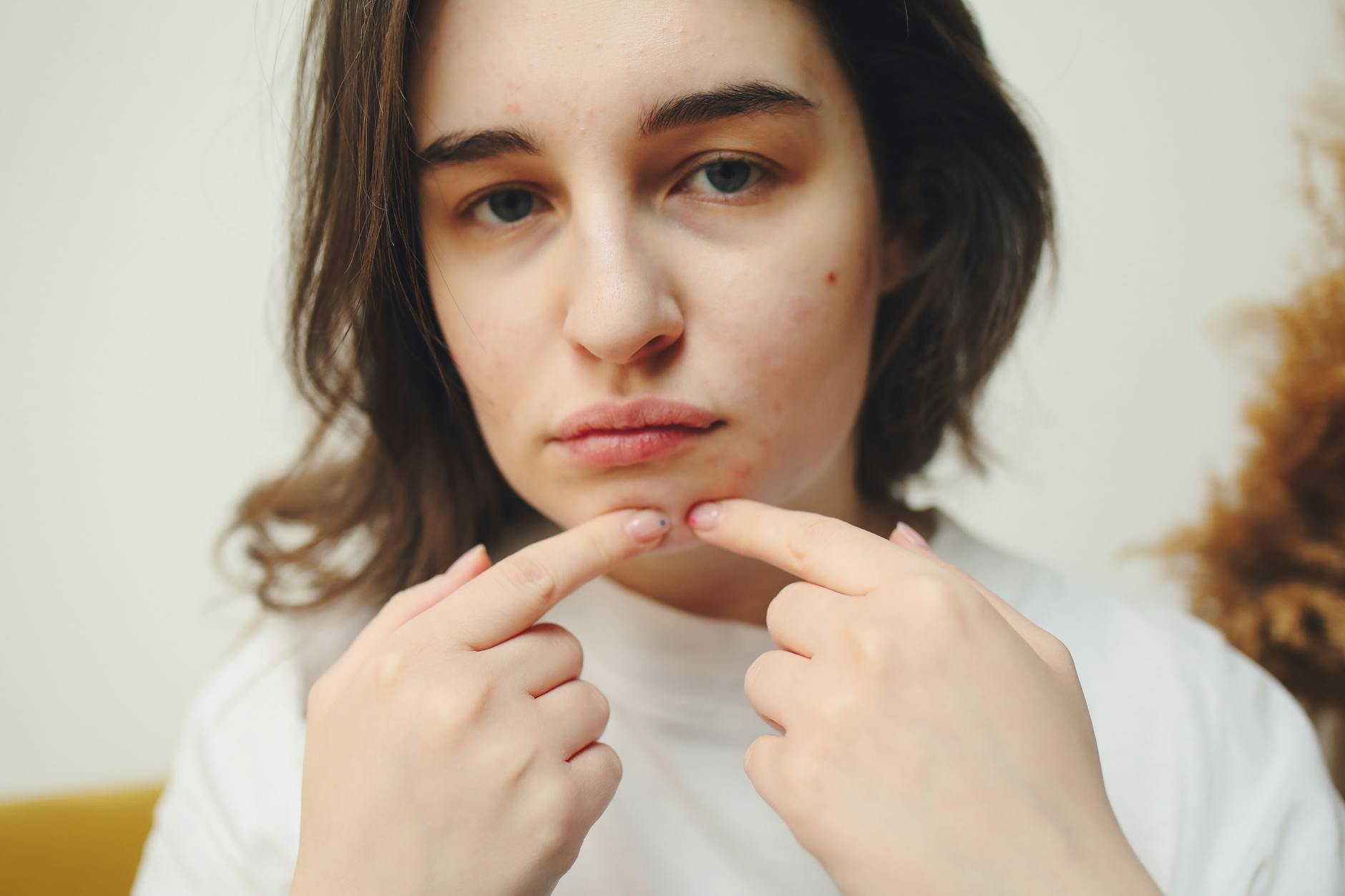
You might notice a sudden surge in pimples despite using products meant to clear acne. The skin attempts to compensate for the loss of moisture by overproducing sebum. This excess oil gets trapped under inflamed skin and leads to congestion. A damaged barrier also lets bacteria enter the pores more easily than healthy skin.
Flaking and Peeling

Patches of dry skin appear around the nose and mouth even after applying heavy creams. This shedding indicates that the cell turnover rate has been accelerated beyond what the skin can handle. The moisture barrier cannot retain hydration efficiently resulting in visible desquamation. It creates an uneven surface that makes makeup application difficult and patchy.
Tightness
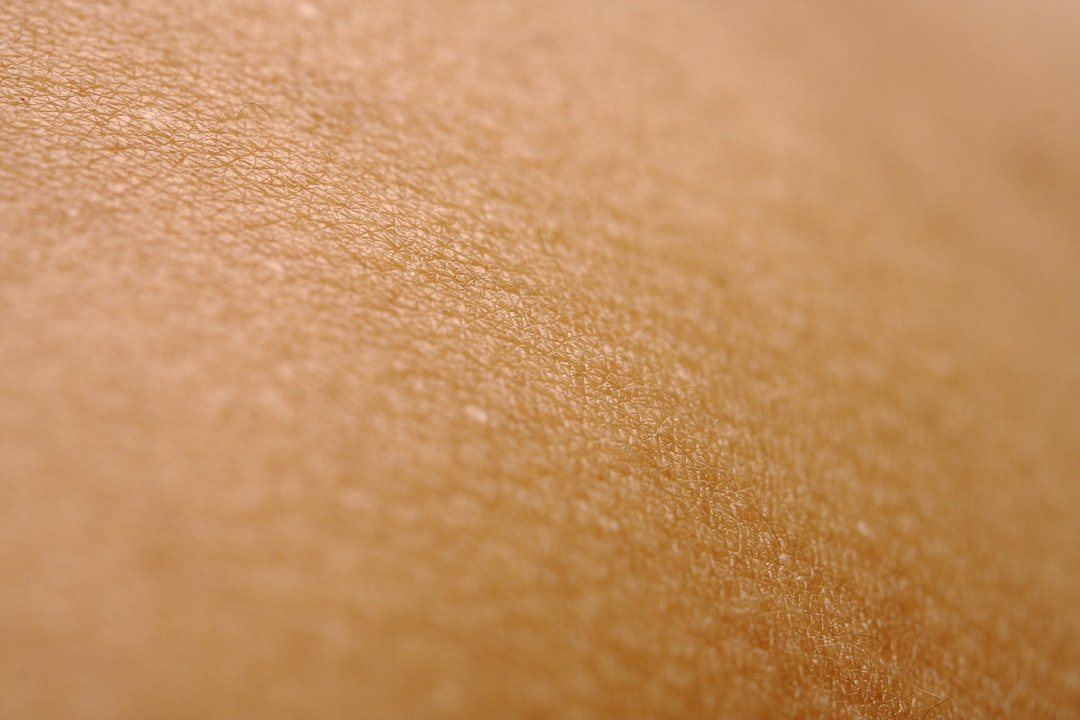
The face feels stretched or too small for the underlying bone structure especially after cleansing. This uncomfortable sensation suggests the lipids that keep skin pliable have been washed away. Movement of the face might feel restricted or cause fine dehydration lines to appear. It is a classic symptom of severe dehydration caused by stripping natural oils.
Rough Texture
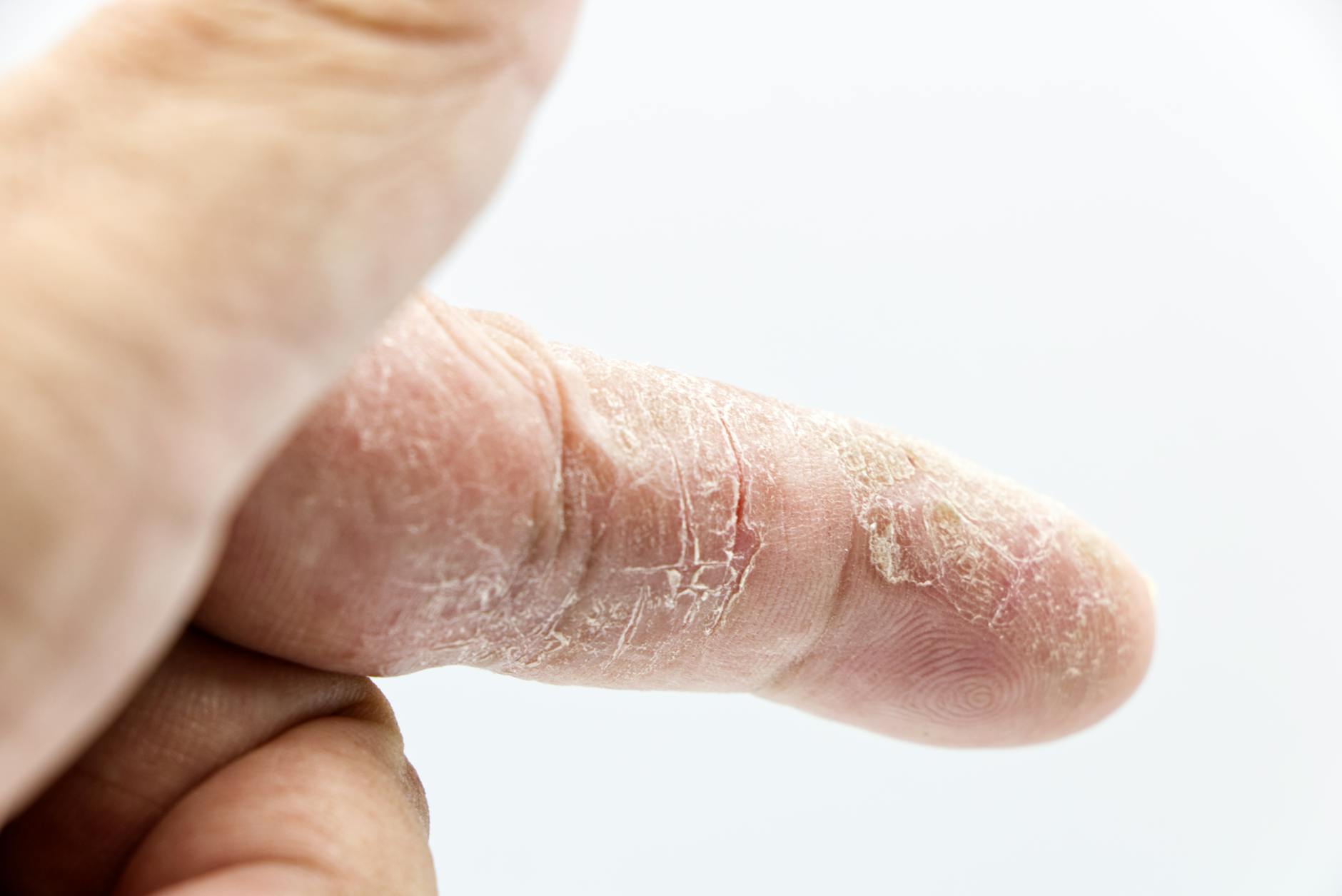
The skin feels like sandpaper to the touch instead of becoming smoother. This counterintuitive result happens because the skin is trying to heal itself rapidly. Dead skin cells accumulate in uneven patches as part of the inflammatory response. Continued scrubbing only worsens this texture rather than smoothing it out.
Increased Sensitivity
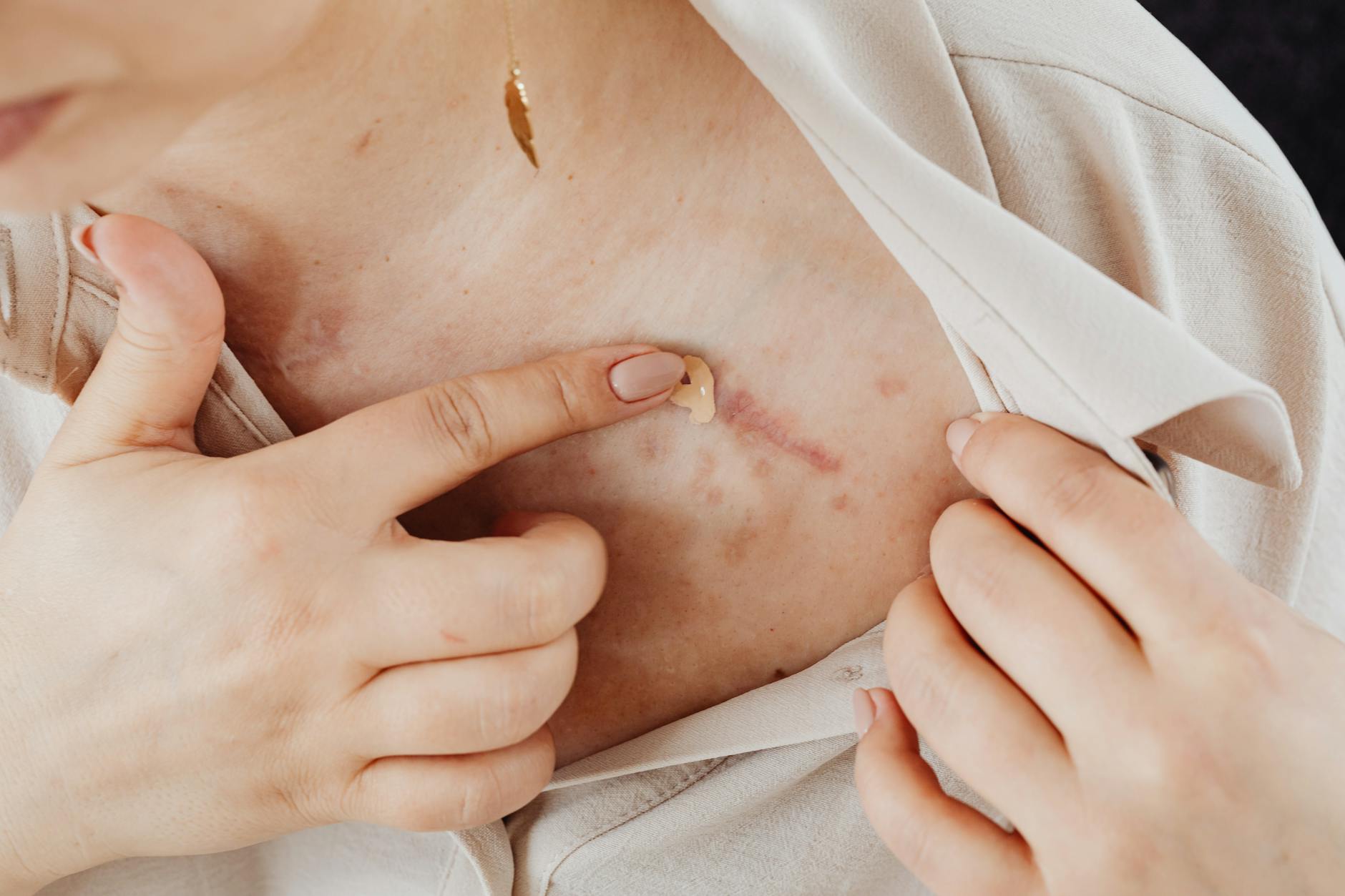
Areas of the face become reactive to environmental factors like wind or sun or temperature changes. You might feel discomfort when stepping into a hot shower or walking outside in cold air. The thinning of the stratum corneum reduces the natural defense against external stressors. This heightened reactivity requires a simplified routine to restore resilience.
Dehydration Lines
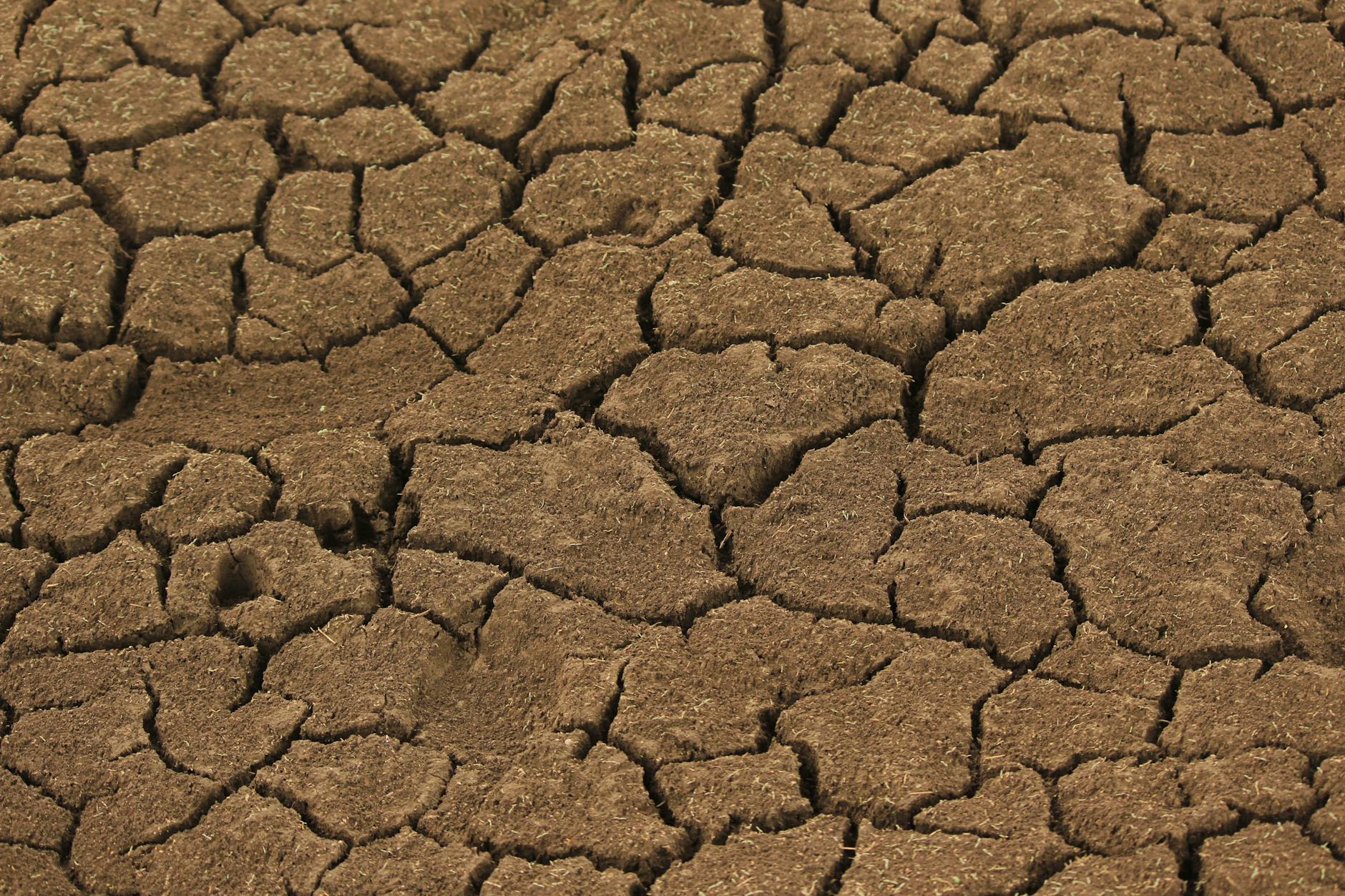
Fine crepey lines appear suddenly on the forehead or around the eyes. These are not permanent wrinkles but rather surface cracks caused by a lack of water retention. The compromised lipid barrier allows transepidermal water loss to occur at a rapid rate. Hydrating serums often fail to fix this until the exfoliation is paused.
Itchiness
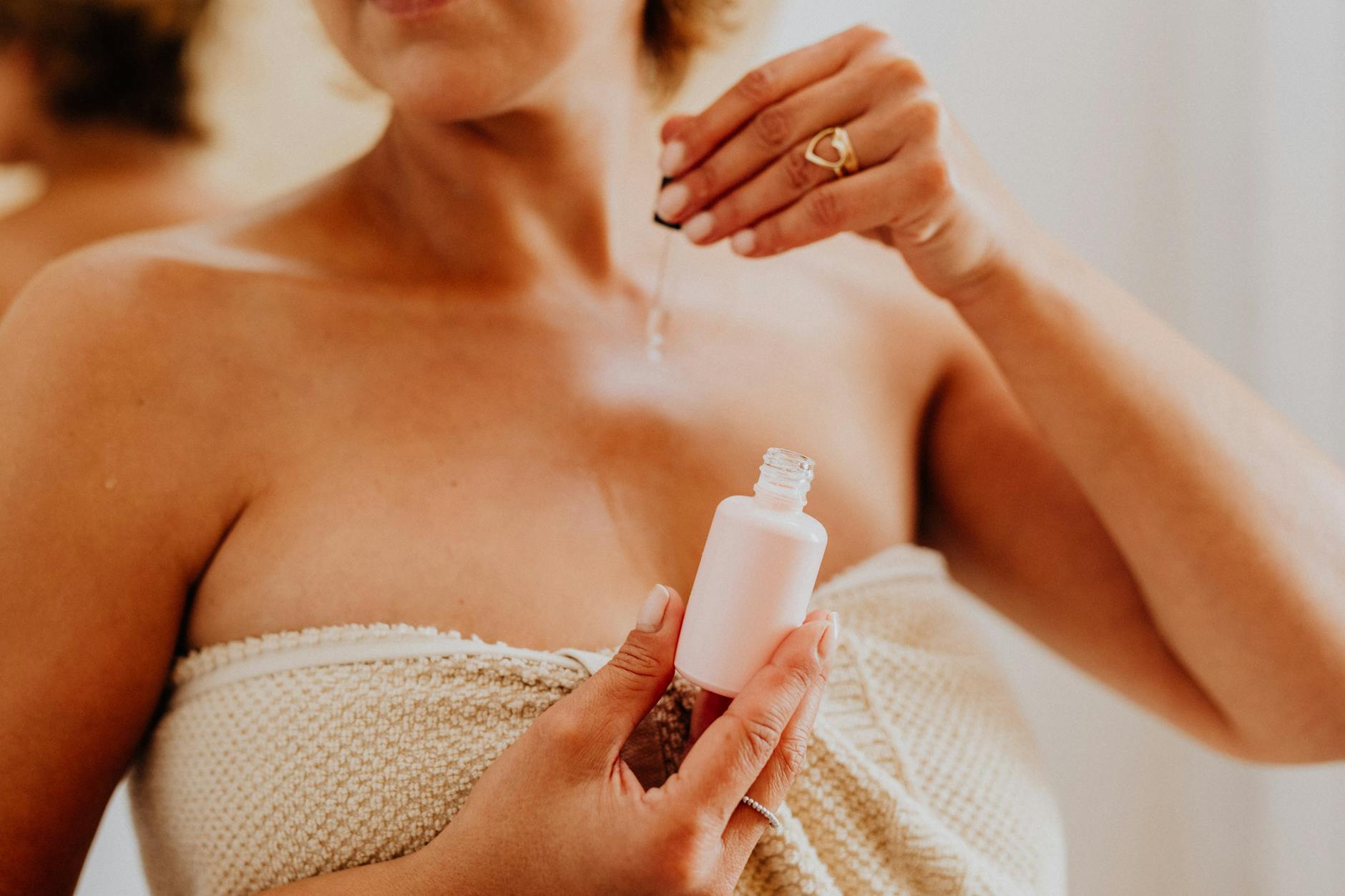
A persistent tickle or urge to scratch develops along the jawline or cheeks. This sensation often accompanies dryness and signals a disruption in the microbiome. Histamines are released as the skin tries to fight off the perceived attack from chemical agents. Scratching the area creates further micro-tears and prolongs the healing process.
Waxy Texture
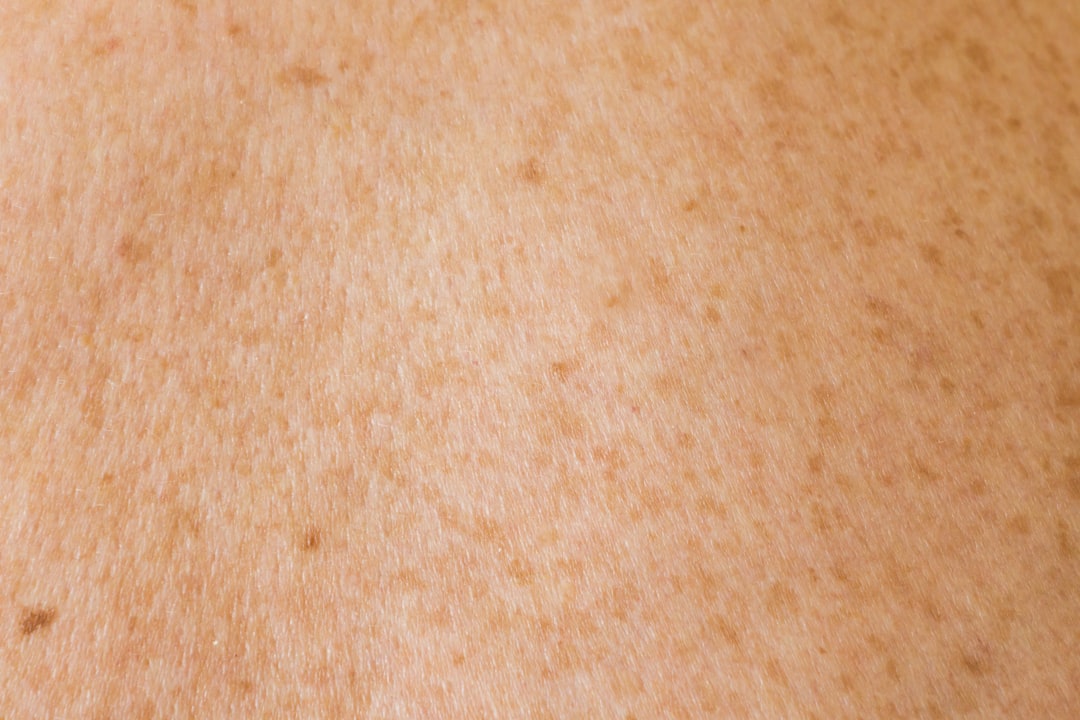
The skin looks depleted and stiff with a texture resembling candle wax. This appearance suggests the natural oils and water content have been completely depleted. It is often a transitional stage before severe cracking or peeling begins. The skin loses its plumpness and vitality due to the harsh removal of healthy cells.
Rash-like Bumps

Small red clusters that look like an allergic reaction form on the cheeks or forehead. These bumps are actually a form of contact dermatitis caused by barrier impairment. They differ from acne as they do not contain pus and feel rough to the touch. This indicates the skin’s immune system is reacting to the aggressive treatment.
Puffiness and Swelling
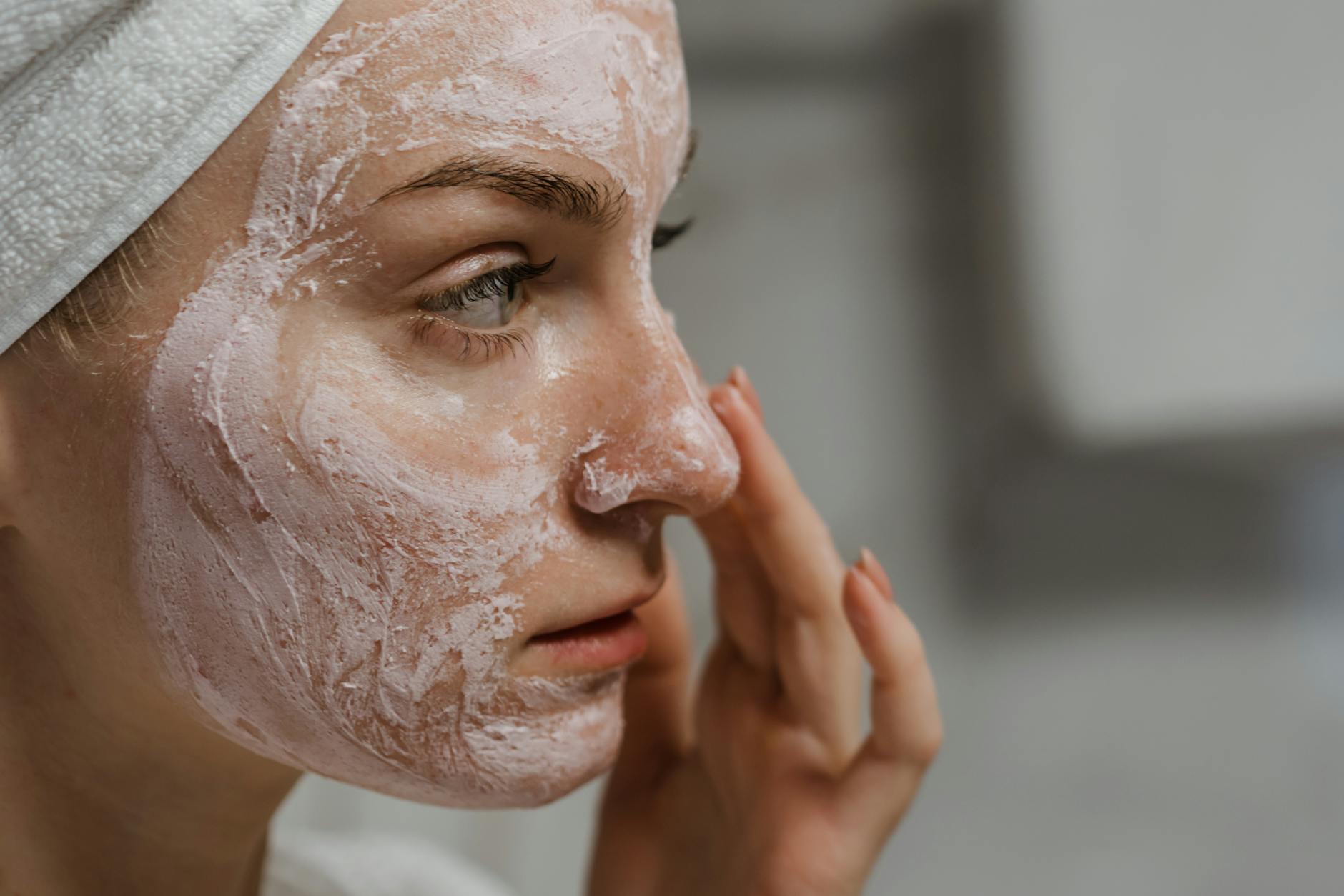
Mild edema occurs as the skin retains fluid to protect the damaged tissue. Inflammation causes blood flow to increase to the injured area leading to a swollen look. This puffiness often masks the bone structure and makes the face look tired. It is an internal healing mechanism responding to surface trauma.
Products Stop Working
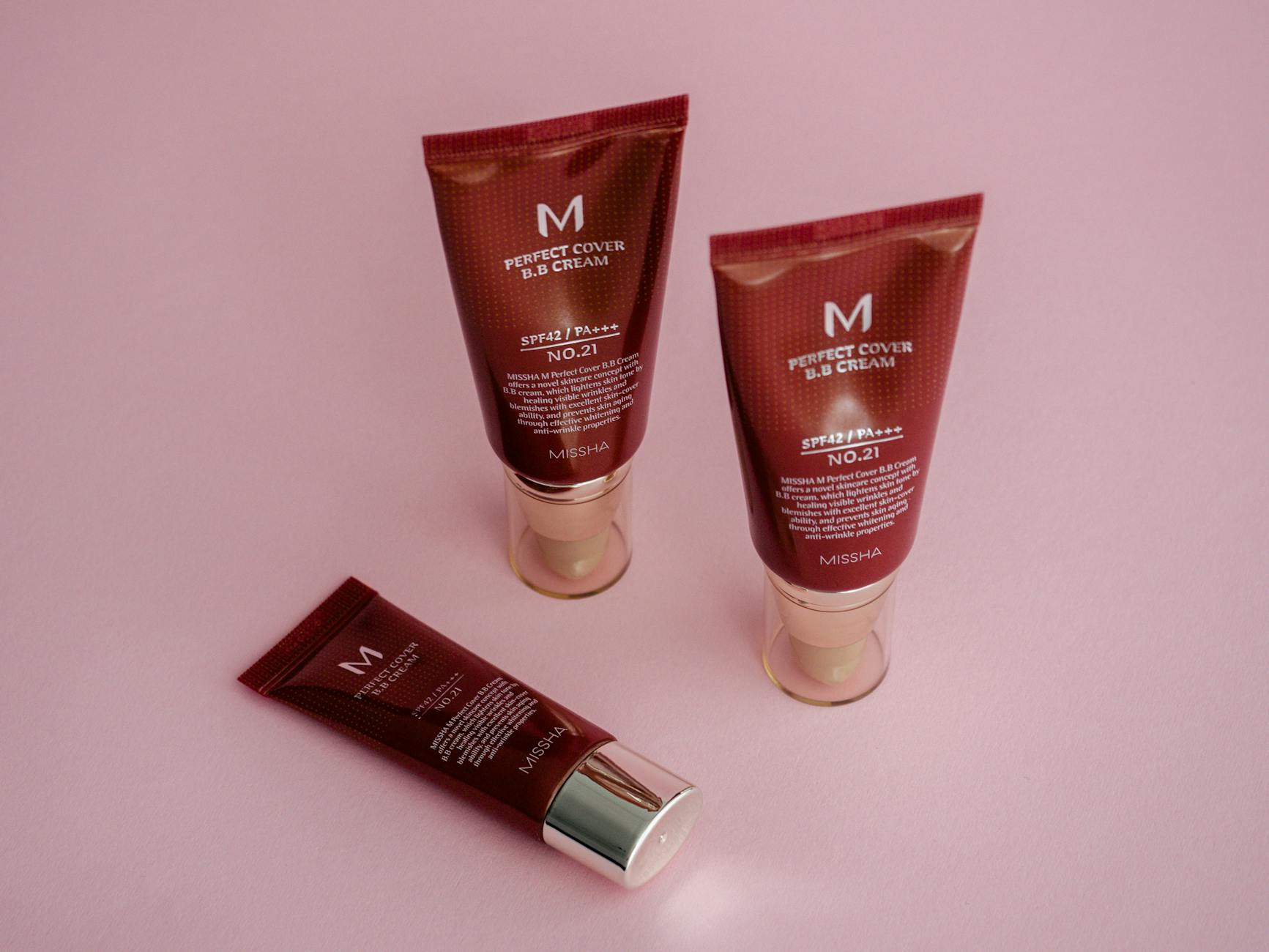
Your favorite serums and creams seem to sit on top of the surface without absorbing. The damaged texture prevents proper penetration of active ingredients. A compromised barrier lacks the organized lipid structure needed to transport nutrients deep into the dermis. This renders expensive skincare products temporarily ineffective until health is restored.
Pigmentation Changes

Dark spots may appear darker or new discoloration might emerge after exfoliation. Inflammation triggers melanocytes to produce more pigment as a defense mechanism. This post-inflammatory hyperpigmentation defeats the purpose of trying to brighten the complexion. It is especially common in deeper skin tones when acids are used too frequently.
Sun Sensitivity
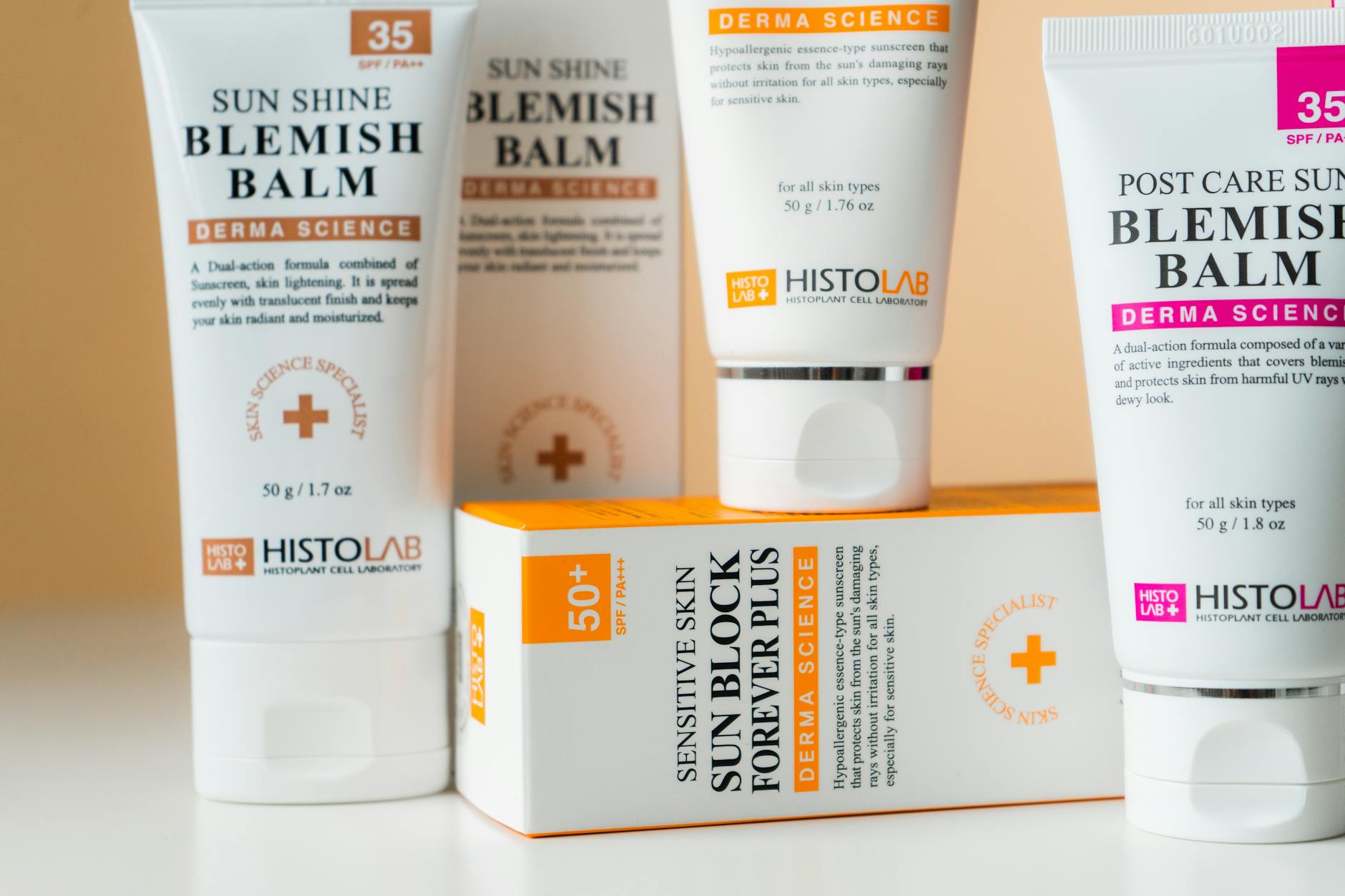
The face burns much faster than usual when exposed to daylight. Removing the top layer of dead skin cells eliminates a mild natural physical barrier against UV rays. Fresh cells underneath are vulnerable and sustain DNA damage more easily. This necessitates diligent sunscreen application to prevent long-term harm.
Visible Capillaries
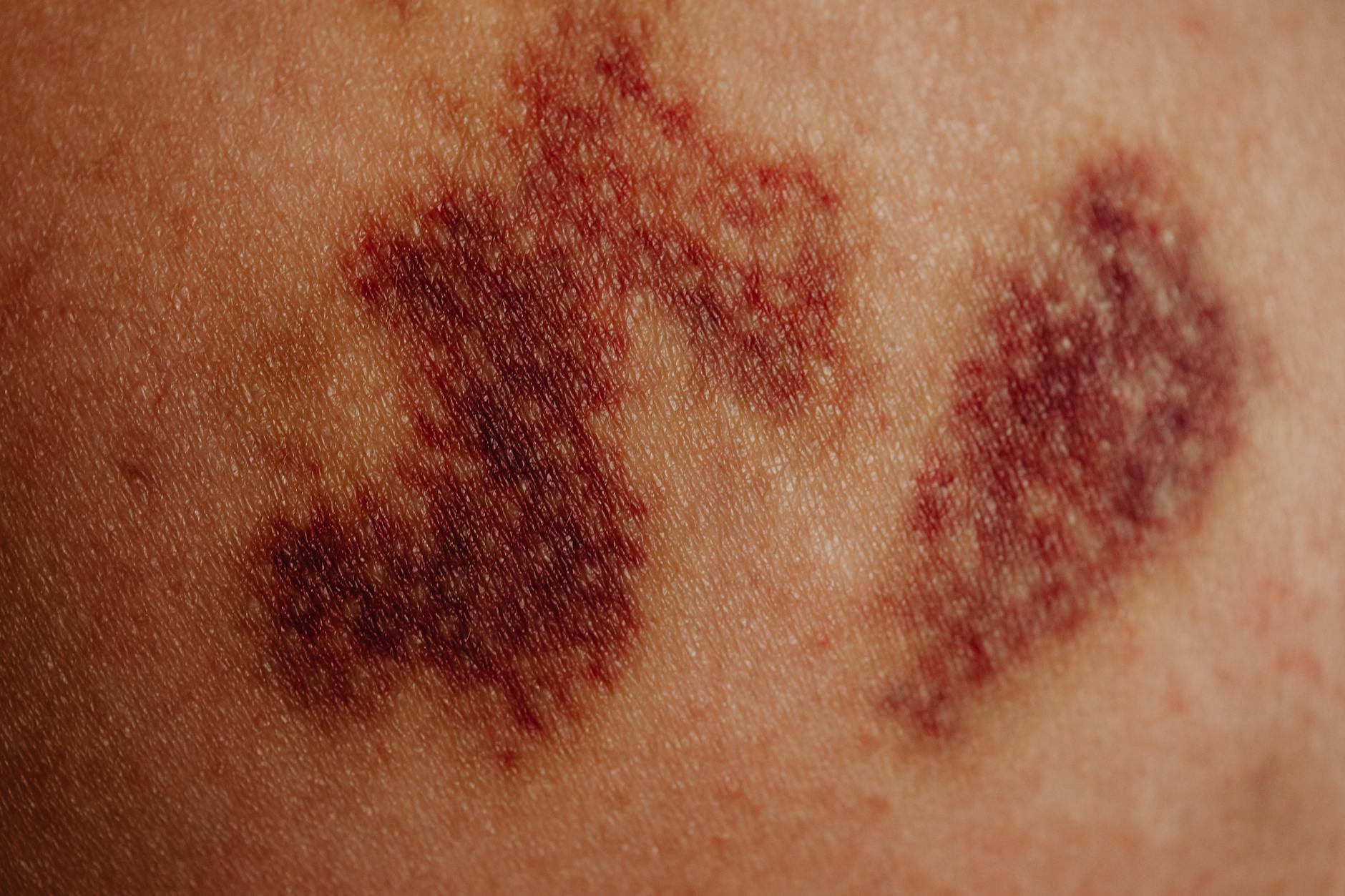
Tiny blood vessels become visible around the nose and cheeks. Thinning the skin makes these underlying structures more apparent to the naked eye. The inflammation keeps these vessels dilated for extended periods. Chronic over-exfoliation can eventually lead to broken capillaries that require laser treatment.
Dullness
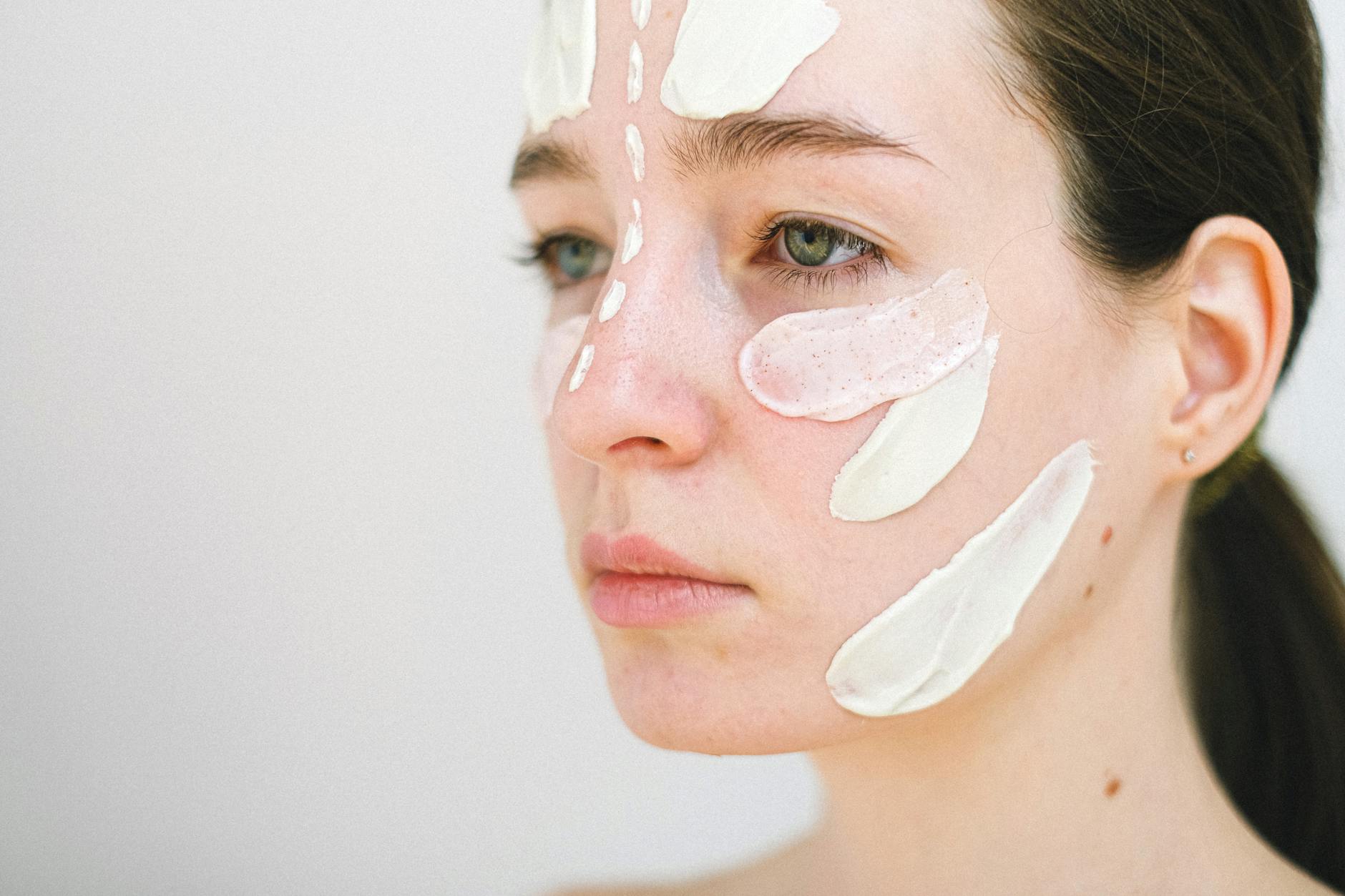
The complexion looks gray or tired rather than radiant. Light scatters poorly off an uneven and damaged surface. The lack of moisture prevents the skin from looking plump and reflective. Restoring the barrier is the only way to bring back natural luminosity.
Please share your experiences with skin barrier repair in the comments.