Cortisol acts as the primary stress hormone in the human body and plays a vital role in regulating various vital functions. Prolonged periods of elevated cortisol can lead to widespread physiological and psychological disruptions. Recognizing the physical and mental indicators of chronic stress is the first step toward restoring hormonal balance and overall health.
Weight Gain Around the Abdomen

Elevated stress hormones trigger the body to store extra energy in the form of visceral fat. This specific type of fat accumulates deep within the abdominal cavity and wraps around vital organs. Biological receptors for stress hormones are highly concentrated in this central region of the body. The resulting abdominal obesity significantly increases the risk factors for cardiovascular issues and metabolic disturbances.
Persistent Sleep Disturbances

Individuals with elevated stress hormones often struggle to fall asleep or experience frequent midnight awakenings. The natural circadian rhythm dictates that stress hormone levels should drop significantly during evening hours to facilitate rest. When these levels remain artificially high at night the brain remains in a state of hyperarousal. This prevents the transition into deep restorative sleep cycles and leaves the individual feeling exhausted the next morning.
Chronic Fatigue

Living in a constant state of physiological arousal drains the cellular energy reserves of the body. Even after achieving a full night of rest people with hormonal imbalances still wake up feeling physically drained. The adrenal glands eventually struggle to maintain the constant demand for energy production. This persistent depletion impacts daily productivity and drastically reduces overall physical stamina.
Frequent Infections
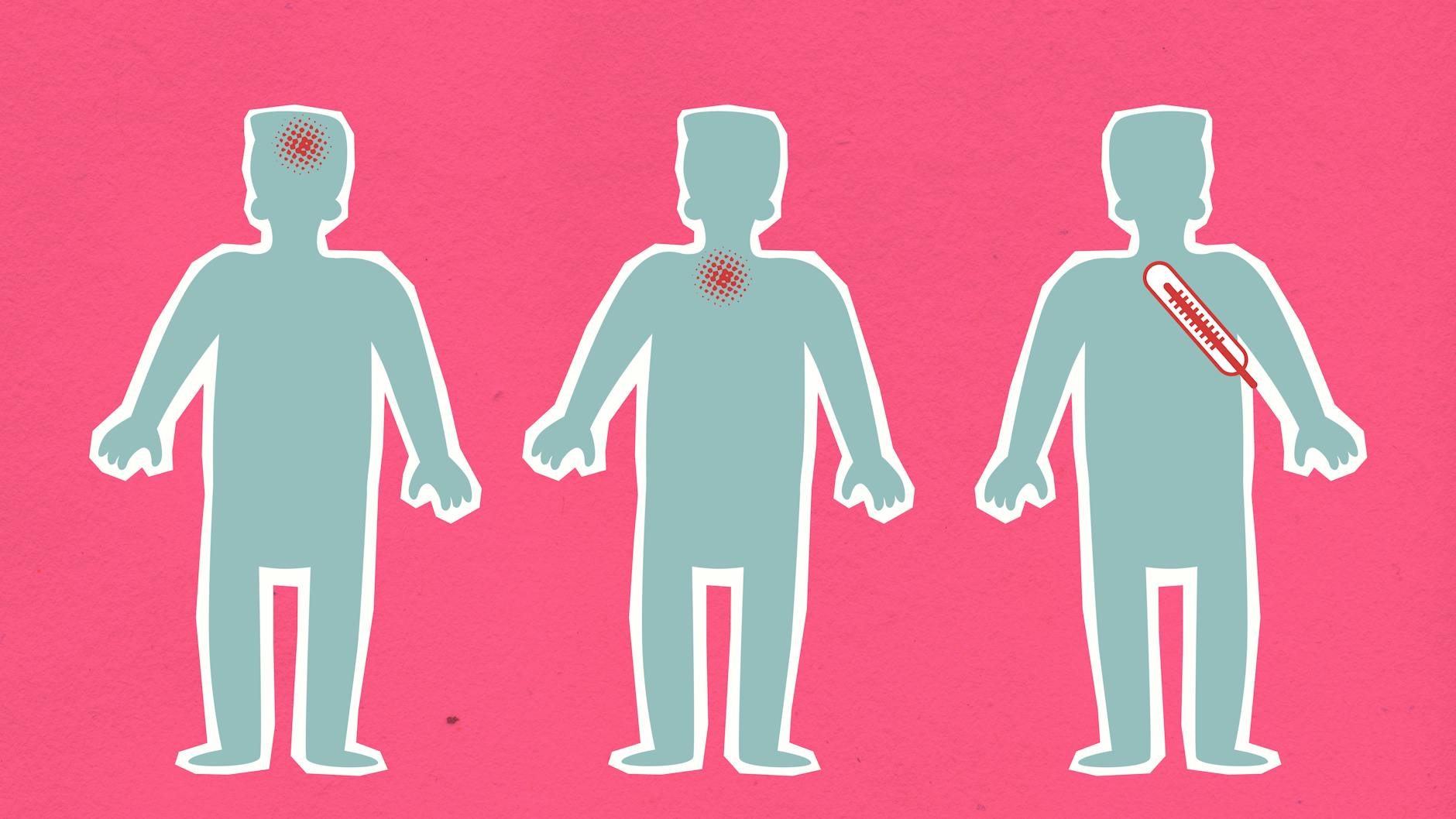
A continuous flood of stress hormones actively suppresses the optimal functioning of the immune system. The body prioritizes immediate survival mechanisms over the production of protective white blood cells. This biological shift leaves individuals highly susceptible to catching common colds and respiratory infections. Wounds and minor scrapes also take a significantly longer time to heal fully under these physiological conditions.
Constant Sugar Cravings

The biological response to stress requires immediate access to quick energy sources for survival. This mechanism alters brain chemistry and creates intense biological urges for sweet and carbohydrate heavy foods. Consuming sugary foods provides a temporary surge of energy that rapidly crashes and reinforces the craving cycle. This eating pattern heavily disrupts blood sugar regulation and contributes to further metabolic imbalance.
Brain Fog
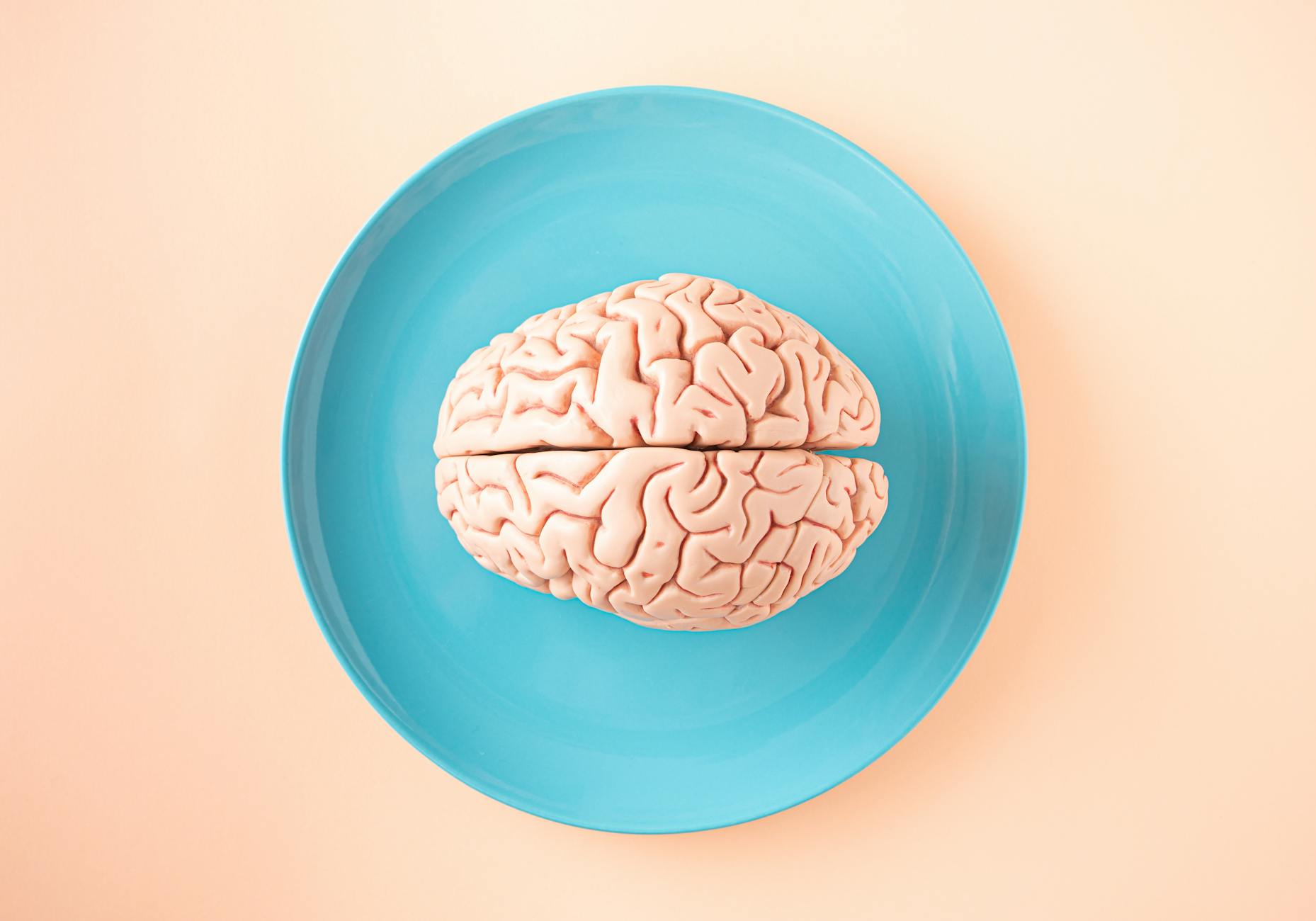
High concentrations of stress chemicals actively interfere with cognitive processing and memory consolidation. Individuals often experience profound difficulty concentrating on simple tasks or recalling recent conversations. The hippocampus suffers structural changes when exposed to prolonged periods of chemical stress. This results in a persistent feeling of mental cloudiness that disrupts professional and personal obligations.
Muscle Weakness

Excessive stress hormones catabolize protein structures to ensure an immediate supply of amino acids for energy. This biological breakdown targets skeletal muscles and leads to noticeable physical weakness over time. Individuals might struggle with carrying groceries or completing exercise routines they previously managed with ease. The steady loss of lean muscle mass also negatively impacts the resting metabolic rate of the individual.
Thinning Skin
The structural integrity of the skin relies heavily on collagen production and healthy cell turnover. Chronic hormonal elevation actively degrades these vital proteins and prevents the creation of new dermal tissue. This process causes the skin to become remarkably fragile and highly prone to easy bruising. Minor bumps against furniture can result in prominent dark marks that take weeks to fade away.
Elevated Blood Pressure
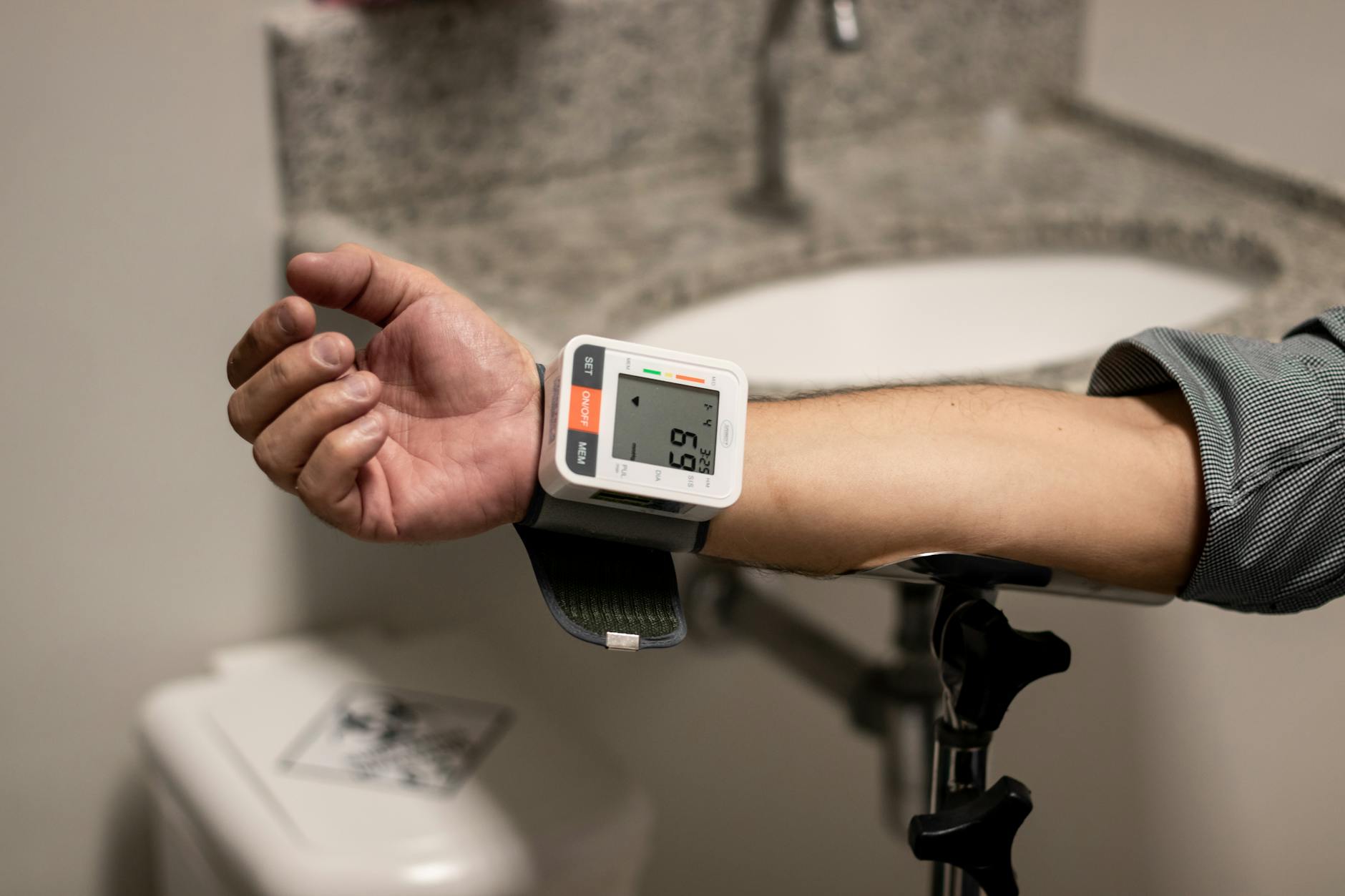
The cardiovascular system operates under increased strain when the body senses a continuous threat. Stress hormones naturally constrict blood vessels to elevate pressure and deliver oxygen quickly to major muscle groups. Maintaining this constricted state forces the heart to pump much harder against increased resistance. This chronic cardiovascular stress significantly heightens the risk of severe cardiac events in the future.
Unexplained Headaches

Prolonged muscular tension often accompanies the physical manifestation of chronic stress. This constant tightening of the neck and shoulder muscles restricts optimal blood flow to the head. The resulting tension headaches typically present as a dull and persistent ache across the forehead or temples. Managing these specific headaches requires addressing the underlying chemical imbalance rather than just relying on pain medication.
Digestive Distress

The central nervous system redirects blood away from the gastrointestinal tract during periods of perceived danger. This physiological shift halts normal digestion and severely disrupts the delicate microbiome of the gut. Individuals frequently experience uncomfortable bloating and irregular bowel movements as a direct result. These constant gastrointestinal issues significantly interfere with the absorption of essential nutrients from daily meals.
Adult Acne

Hormonal fluctuations drastically increase the production of sebum within the microscopic glands of the skin. This excess oil quickly mixes with dead skin cells to clog pores and create painful breakouts. These specific blemishes typically cluster around the jawline and the lower portions of the face. Traditional topical treatments often fail to resolve this acne because the root cause remains internal and chemical.
Decreased Libido

The human reproductive system shuts down nonessential functions when the body prioritizes immediate survival. Chemical signals actively suppress the production of sex hormones like testosterone and estrogen. This biological suppression leads to a profound lack of interest in physical intimacy. The resulting strain on romantic relationships often creates additional emotional stress for the affected individual.
Anxiety and Irritability

An overactive nervous system keeps the brain locked in a permanent state of heightened alertness. This constant neurological vigilance manifests as profound anxiety and a noticeably short temper with loved ones. Small inconveniences trigger disproportionately large emotional responses that feel impossible to control. The inability to naturally calm the mind creates a vicious cycle of emotional instability and further hormonal release.
Hair Loss

The biological growth cycle of hair follicles requires a stable internal environment to function properly. Severe hormonal stress forces a large number of active follicles into a premature resting phase simultaneously. Affected individuals typically notice significant shedding during routine washing or daily brushing. This diffuse thinning across the entire scalp serves as a visible indicator of systemic chemical imbalance.
Poor Bone Density
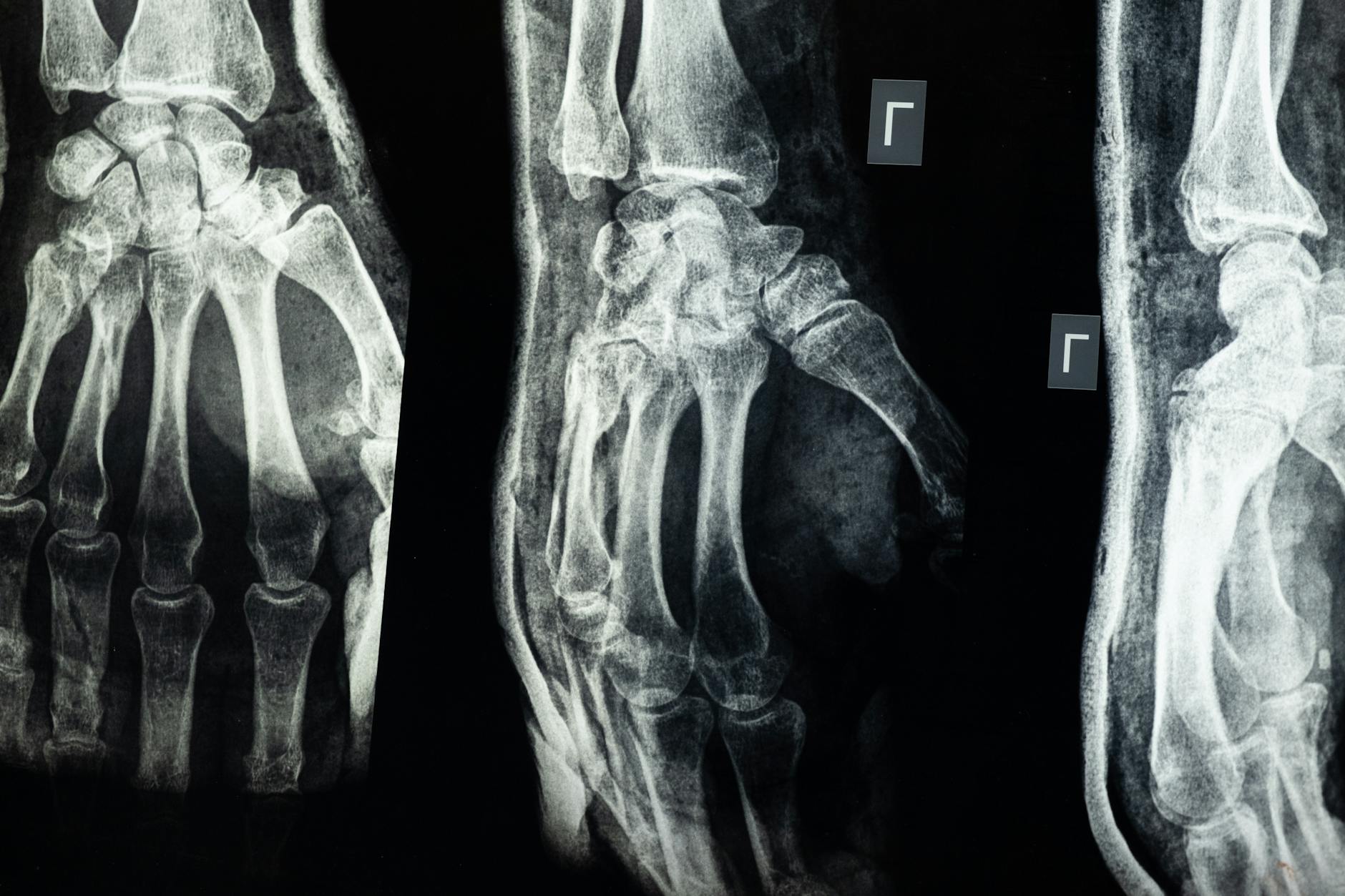
Elevated stress chemicals directly interfere with the biological mechanisms responsible for building new bone tissue. The body simultaneously increases the rate at which old bone minerals are broken down and absorbed. This dangerous combination leads to a gradual but steady loss of overall skeletal mass. Individuals face a significantly higher risk of sustaining unexpected fractures from minor falls or daily activities.
Water Retention

The endocrine system heavily regulates the delicate balance of fluid and essential minerals within the body. Chronic chemical stress disrupts the normal processing of sodium and potassium by the kidneys. This dysfunction causes the body to retain excessive amounts of water in the extremities. Patients often observe noticeable swelling in their fingers and ankles by the end of the day.
Changes in Menstrual Cycle

The female reproductive organs rely on precise chemical signaling to maintain regular monthly cycles. A continuous flood of stress hormones actively suppresses the delicate communication between the brain and ovaries. This disruption frequently results in completely missed periods or highly irregular bleeding patterns. Women might also experience an intensification of physical cramping and emotional mood swings during their cycle.
Excessive Sweating

The autonomic nervous system regulates body temperature through the active stimulation of sweat glands. A heightened state of biological alarm triggers these glands to produce moisture even in completely cool environments. This physiological response often presents as uncomfortable dampness on the palms and the soles of the feet. The frequent need to change clothing due to unexpected perspiration adds unnecessary frustration to daily life.
Heart Palpitations

A sudden surge of survival chemicals directly stimulates the cardiac muscle to contract with much greater force. Individuals frequently report feeling their heart racing or fluttering wildly within their chest cavity. These frightening episodes often occur without any preceding physical exertion or obvious environmental trigger. Experiencing these sudden cardiac changes typically causes secondary panic that further elevates systemic hormone levels.
Please tell us which of these stress indicators you recognize in your own daily routine by sharing your thoughts in the comments.