Every runner knows the feeling of slipping on a fresh pair of shoes and hitting the pavement with confidence, but knowing when to retire an old pair is just as important as choosing the right one. Running shoes endure significant wear and tear with every mile, and continuing to train in a deteriorated pair can lead to discomfort, poor performance, and even injury. These are the clearest signs that your running shoes have reached the end of their useful life.
The Midsole Feels Flat and Hard

The midsole is the most critical component of a running shoe because it absorbs the impact of each stride. Over time the foam compresses and loses its ability to spring back, leaving the shoe feeling noticeably harder underfoot. Runners often notice this change gradually, which makes it easy to overlook until discomfort sets in. Pressing your thumb firmly into the midsole of a worn shoe will reveal very little give compared to a newer pair. Once that cushioning is gone it cannot be restored, regardless of how intact the upper looks.
The Outsole Is Worn Through
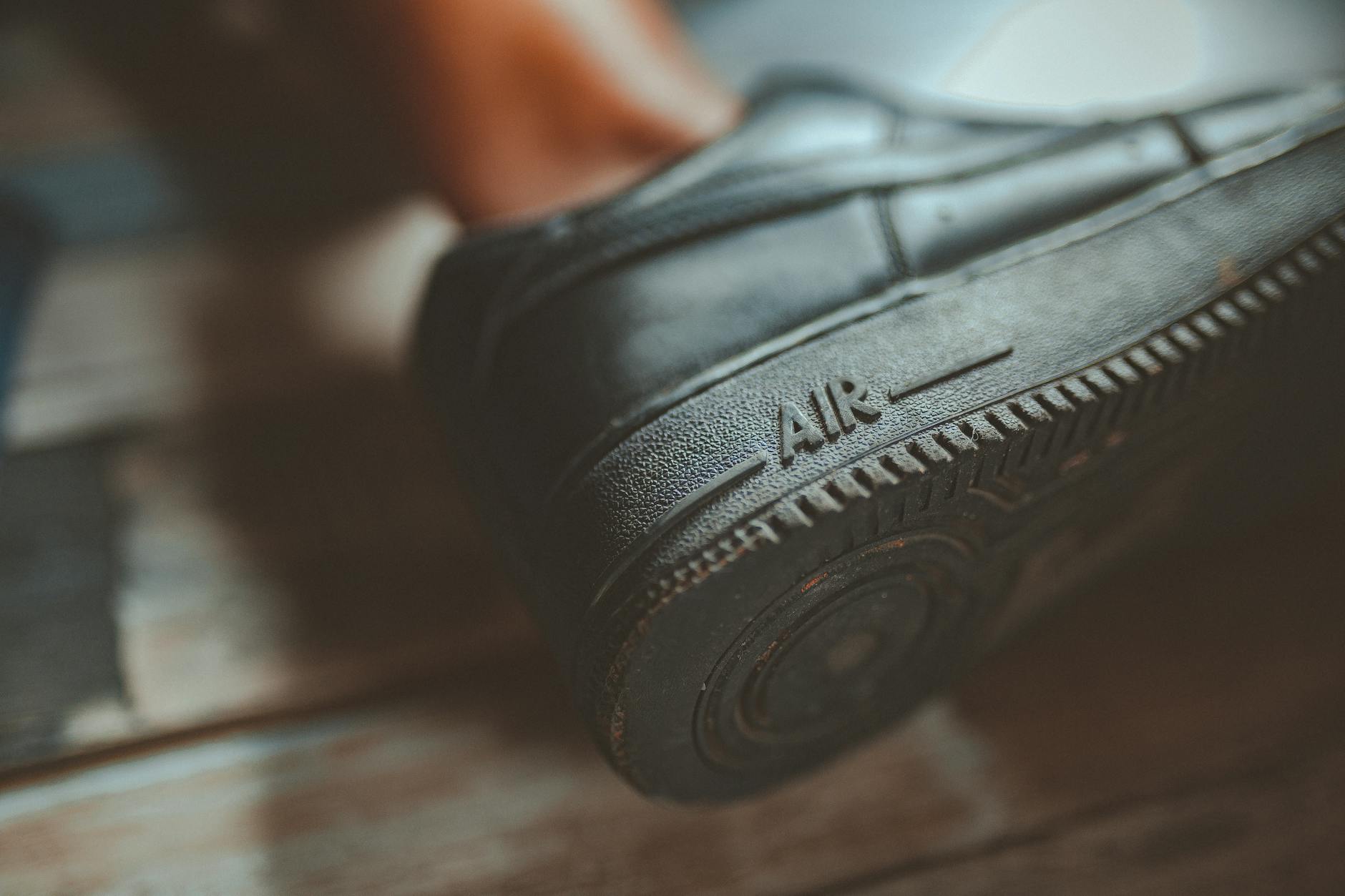
The outsole is the rubber layer on the bottom of the shoe that provides grip and protects the midsole from direct contact with the ground. When the outsole wears down unevenly or wears through entirely, the structural integrity of the shoe is compromised. Uneven wear patterns also reveal gait issues that can worsen over time if not addressed with a fresh pair. Smooth patches where the tread has completely disappeared are a reliable indicator that the shoe has reached its limit. Continuing to run on a worn outsole increases the risk of slipping and accelerates damage to the layers above.
You Notice New Aches and Pains
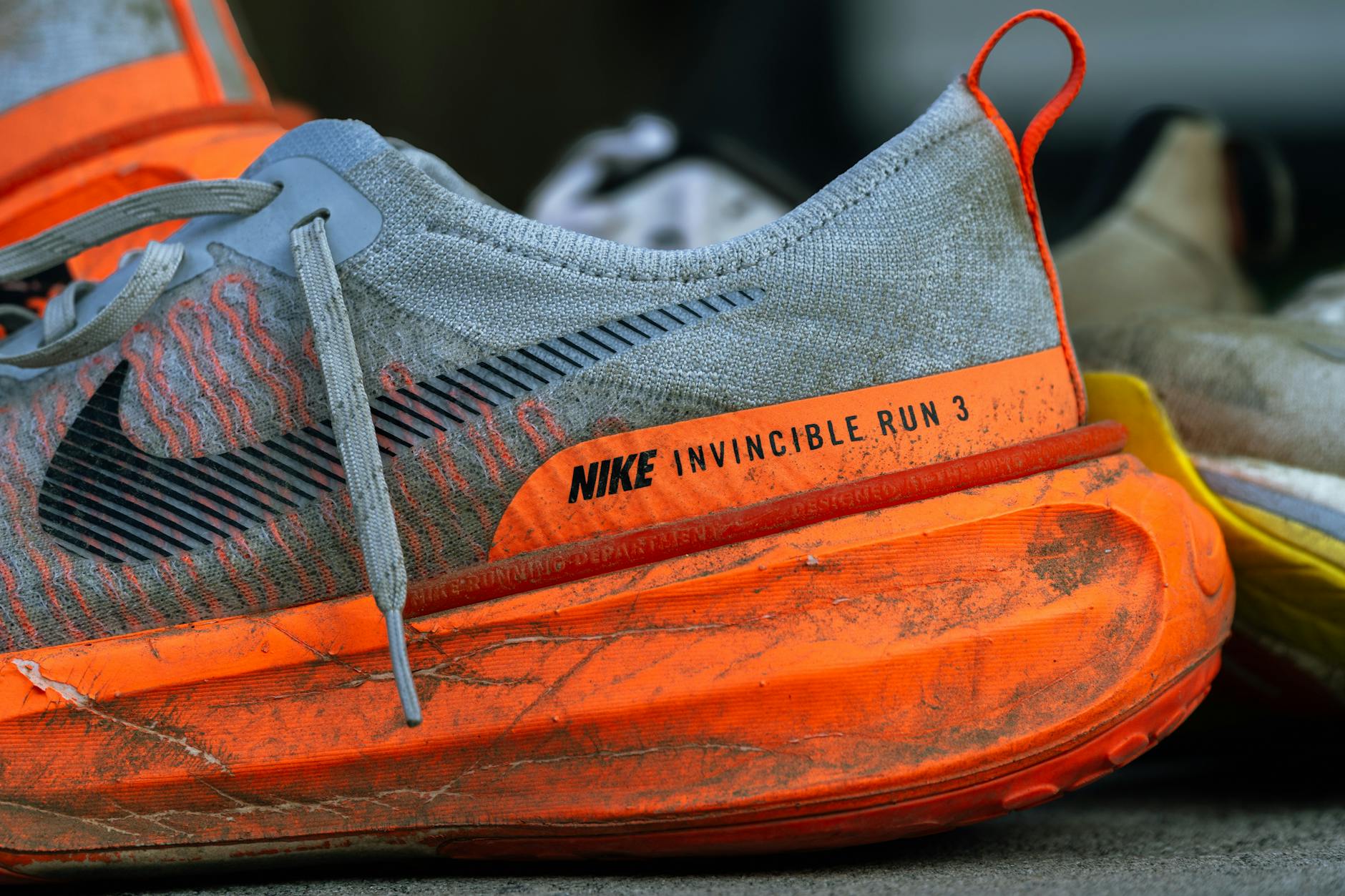
Unexplained soreness in the knees, hips, shins, or feet is one of the most telling signs that your shoes are no longer doing their job. Running shoes are engineered to absorb shock and support the foot through a complex range of motion, and when that support degrades the body compensates in ways that cause strain. Many runners make the mistake of attributing new discomfort to overtraining or aging rather than examining their footwear. Switching to a fresh pair of the same shoe model often brings immediate relief, which confirms the old pair was the culprit. Persistent joint pain that appears without a clear training explanation should always prompt a close look at shoe condition.
The Heel Counter Has Collapsed

The heel counter is the firm structure at the back of the shoe designed to stabilize the foot and prevent excessive inward rolling. When this component softens or collapses, the foot loses critical lateral support during every footfall. A collapsed heel counter is easy to test by pressing the sides of the heel cup and noting whether it holds its shape or caves inward with minimal pressure. This kind of structural breakdown is particularly risky for runners who overpronate, as they rely heavily on that support. Shoes with a compromised heel counter should be replaced promptly to protect the ankle and lower leg.
The Upper Has Significant Holes or Tears
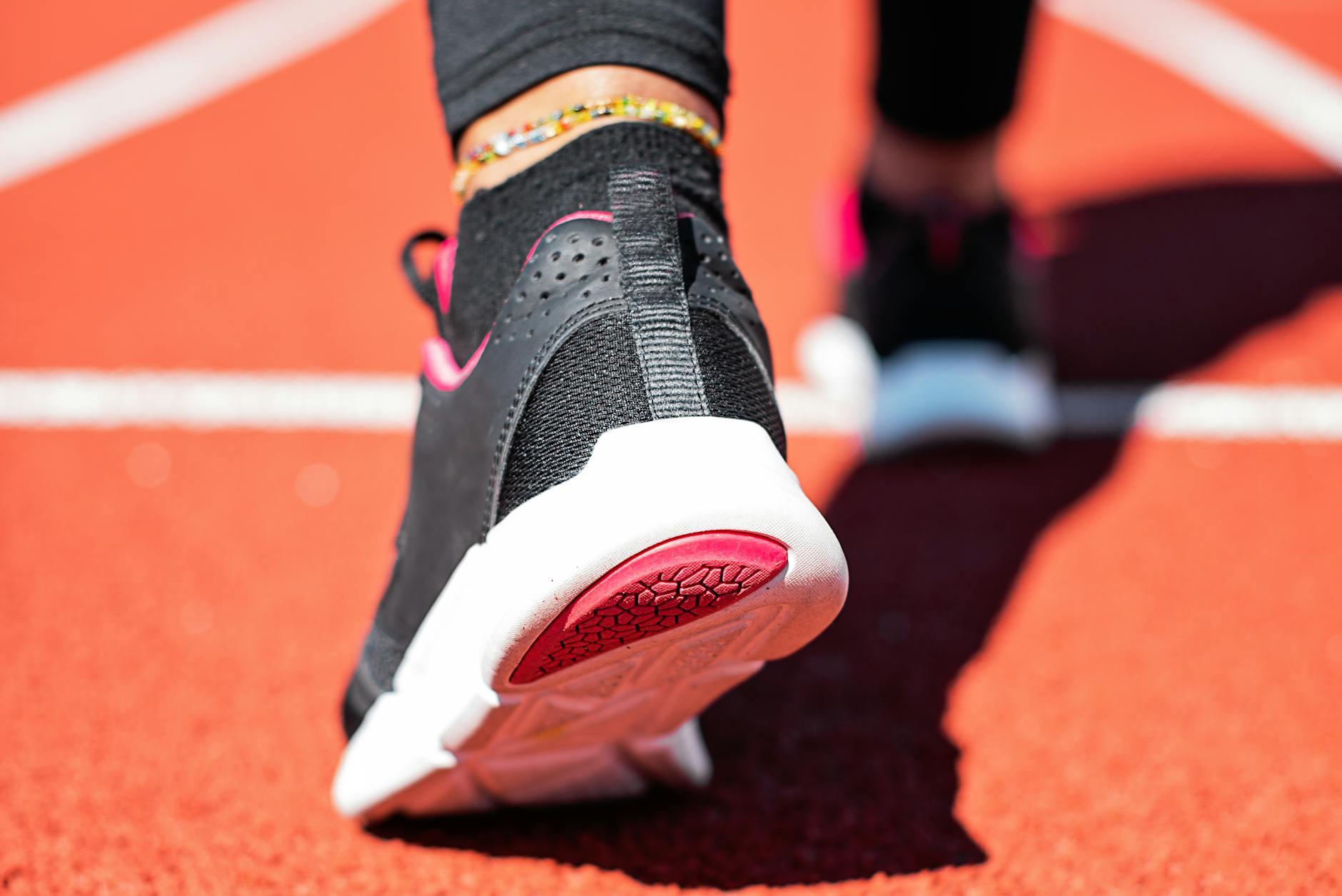
The upper of a running shoe holds the foot securely in place and plays a role in breathability and fit. Small scuffs or surface wear are normal, but holes, tears, or areas where the mesh has separated from the sole are signs of serious deterioration. A compromised upper can allow the foot to shift inside the shoe, reducing control and increasing the likelihood of blisters and black toenails. Torn overlays near the toe box or midfoot are particularly concerning because they affect how the shoe wraps and supports the foot. Once the structural integrity of the upper is broken, the shoe can no longer perform as intended.
The Shoe Creases Deeply Across the Midsole
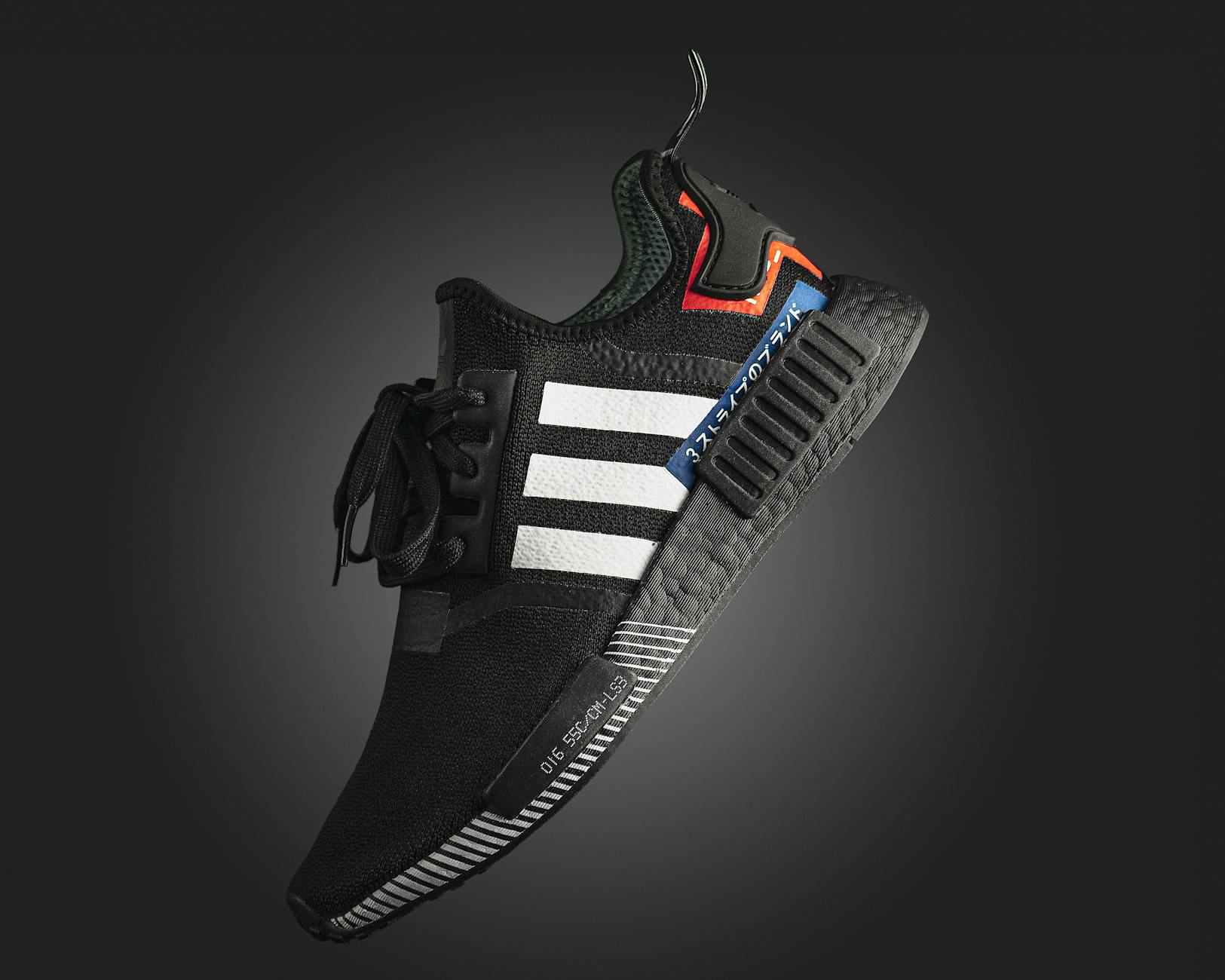
Visible creasing or wrinkling that runs horizontally across the midsole is a strong visual indicator of foam breakdown. This type of creasing happens when the foam has been compressed so many times that it can no longer fully return to its original shape. A brand new shoe will flex naturally but will not show deep permanent wrinkles when bent. Holding the shoe at both ends and bending it gently will reveal whether the midsole folds too easily in the middle, suggesting the cushioning has been depleted. This test is a quick and reliable way to assess the internal condition of a shoe without any equipment.
Your Feet Feel Fatigued Earlier in Runs
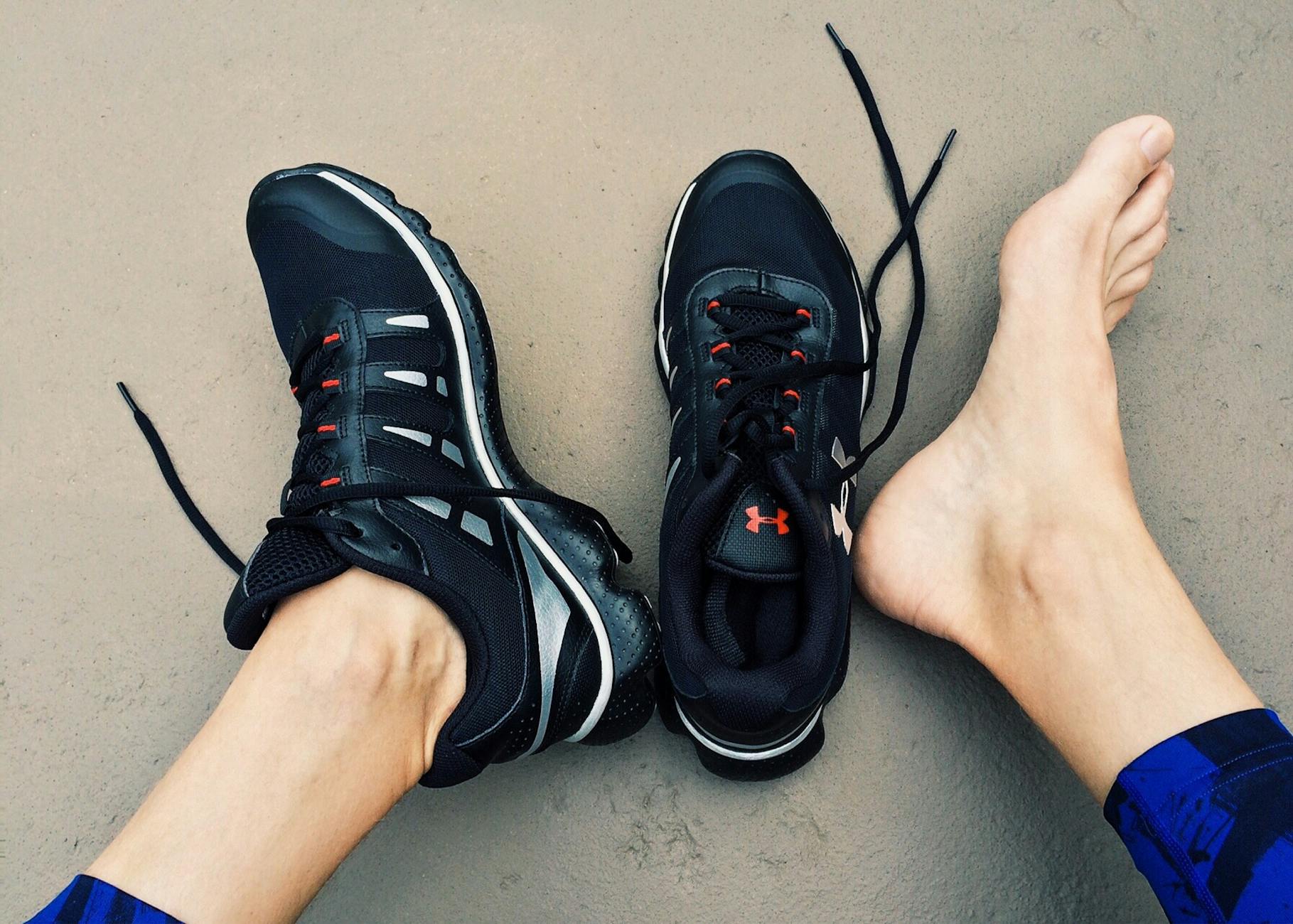
Running fatigue in the feet and lower legs earlier than usual during a standard distance is often linked to inadequate shoe cushioning. When shoes are fresh, the foam absorbs a meaningful portion of each impact, reducing the muscular effort required to stabilize and propel the body. As cushioning degrades, more of that load transfers directly to the foot, calf, and shin muscles, leading to earlier onset of fatigue. Runners who train consistently and track their effort levels are well positioned to notice this shift when it occurs. Increased foot tiredness without a corresponding increase in training volume is a practical sign that the shoes are no longer pulling their weight.
The Tread Pattern Is Barely Visible

Running shoe outsoles are designed with specific tread patterns that channel water, grip varied surfaces, and provide traction during push-off. When those grooves wear down to the point where the pattern is faint or entirely absent, the shoe’s performance on wet or uneven surfaces is significantly reduced. This is especially relevant for trail runners or those who train in rainy conditions where grip is essential for safety. A smooth outsole on a road running shoe also loses the ability to grip during the toe-off phase of the gait cycle, affecting running efficiency. Checking the tread depth periodically is a simple habit that can prevent dangerous slipping incidents.
The Shoe No Longer Sits Flat on a Surface
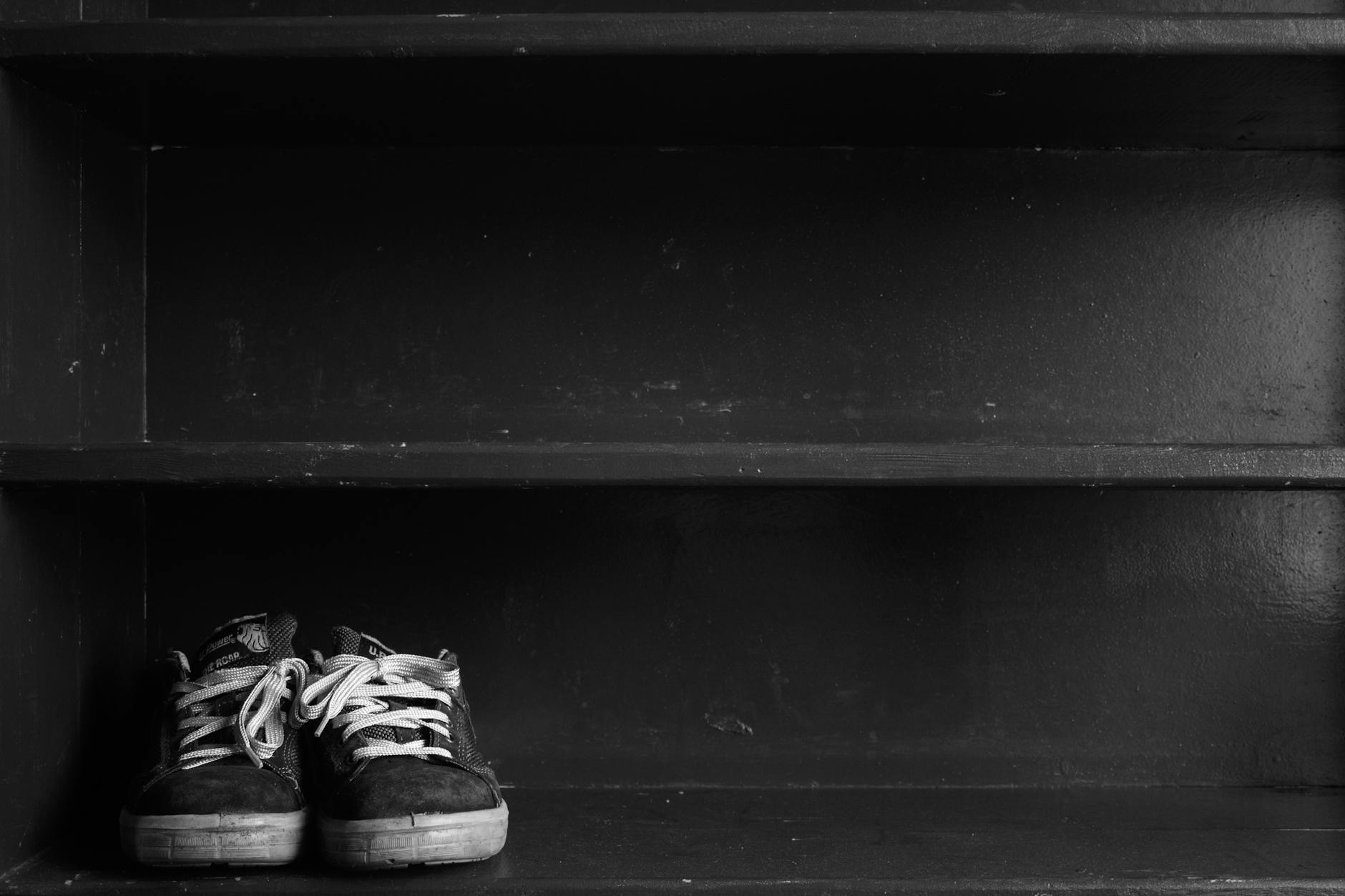
Placing the shoe on a flat surface and observing whether it sits evenly is a straightforward structural test. A shoe that rocks, tilts to one side, or shows a noticeable lean has developed uneven wear that affects how the foot is positioned during each stride. This misalignment can quietly transfer stress to the knees and hips over time, contributing to overuse injuries. The problem is most common in runners who have a pronounced heel strike or a strong supination pattern, as wear tends to concentrate in specific zones. If a shoe cannot sit neutrally on a flat surface, it is no longer providing the stable platform a runner needs.
You Have Logged More Than 500 Miles
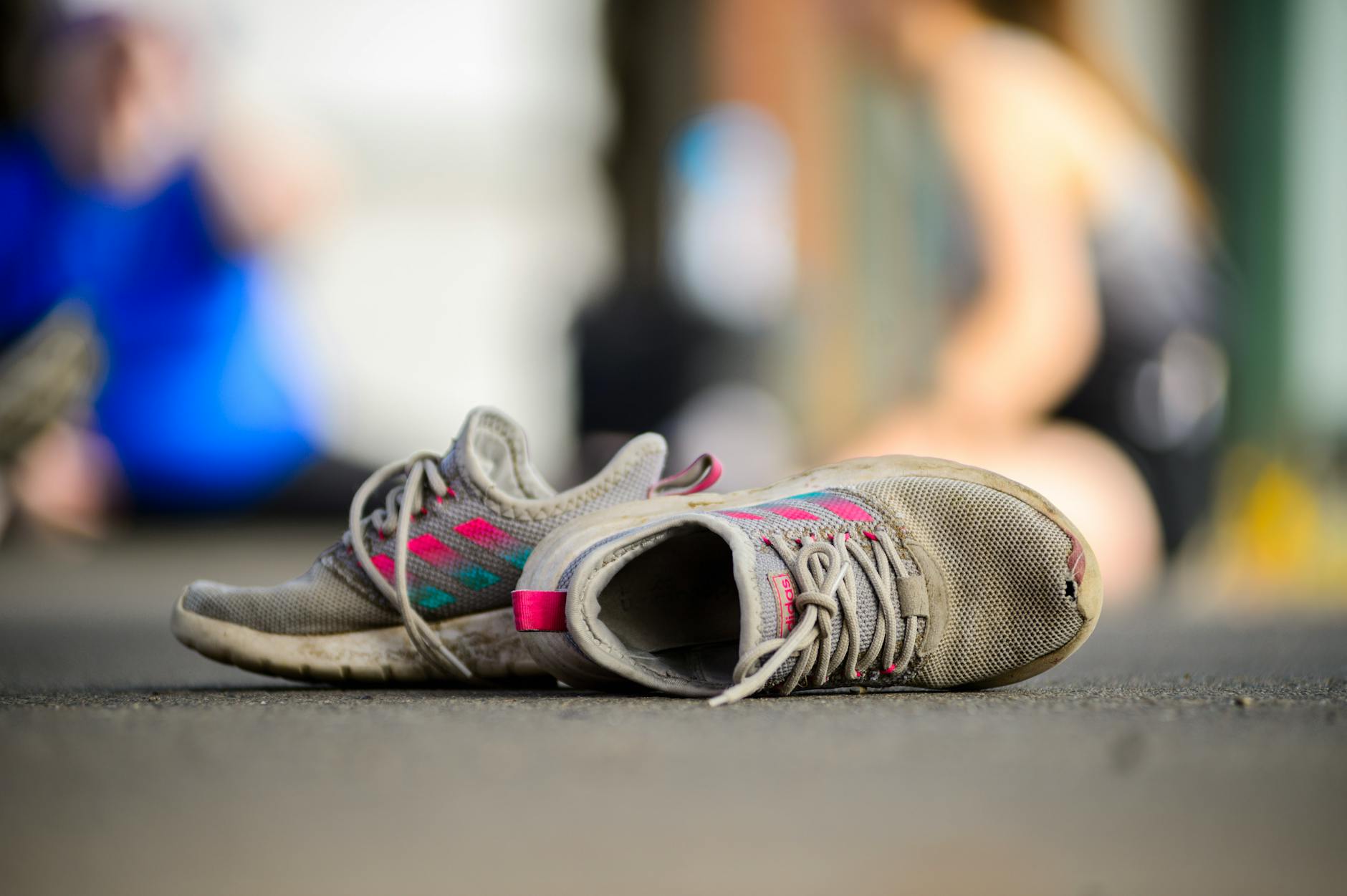
Most running shoes are engineered to perform optimally for between 300 and 500 miles depending on the runner’s weight, running surface, and gait. Keeping a training log makes it straightforward to track mileage and flag when a pair is approaching its recommended lifespan. Heavier runners and those who train primarily on hard pavement will typically find their shoes wear out closer to the 300 mile mark. Lightweight runners on softer surfaces may get closer to 500 miles or slightly beyond before noticing a meaningful decline. Mileage tracking is one of the most proactive tools available for staying ahead of shoe-related injuries.
The Toe Box Shows Stress Marks or Separation
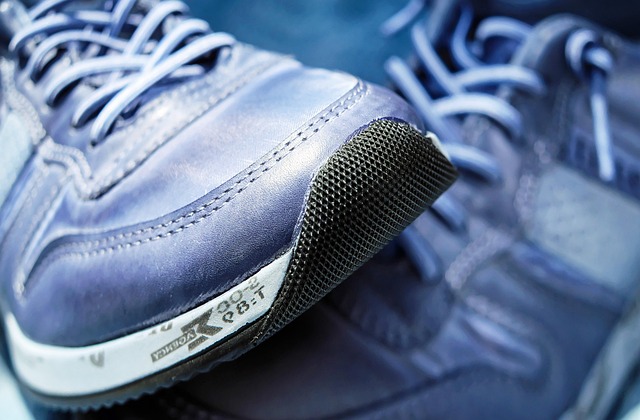
The toe box endures constant flexing with every step, and over time the materials in this area can crack, separate, or develop stress marks that indicate breakdown. Separation between the upper and the sole near the toe area is a particularly urgent sign because it can worsen rapidly and cause the shoe to fall apart mid-run. Stress marks on the outer mesh or synthetic overlays suggest the material has reached the limits of its flexibility. This kind of damage is accelerated in runners who tend to drag their feet or who frequently run on abrasive surfaces. A separating toe box is both a performance issue and a safety concern that warrants immediate replacement.
The Insole Is Compressed and Misshapen
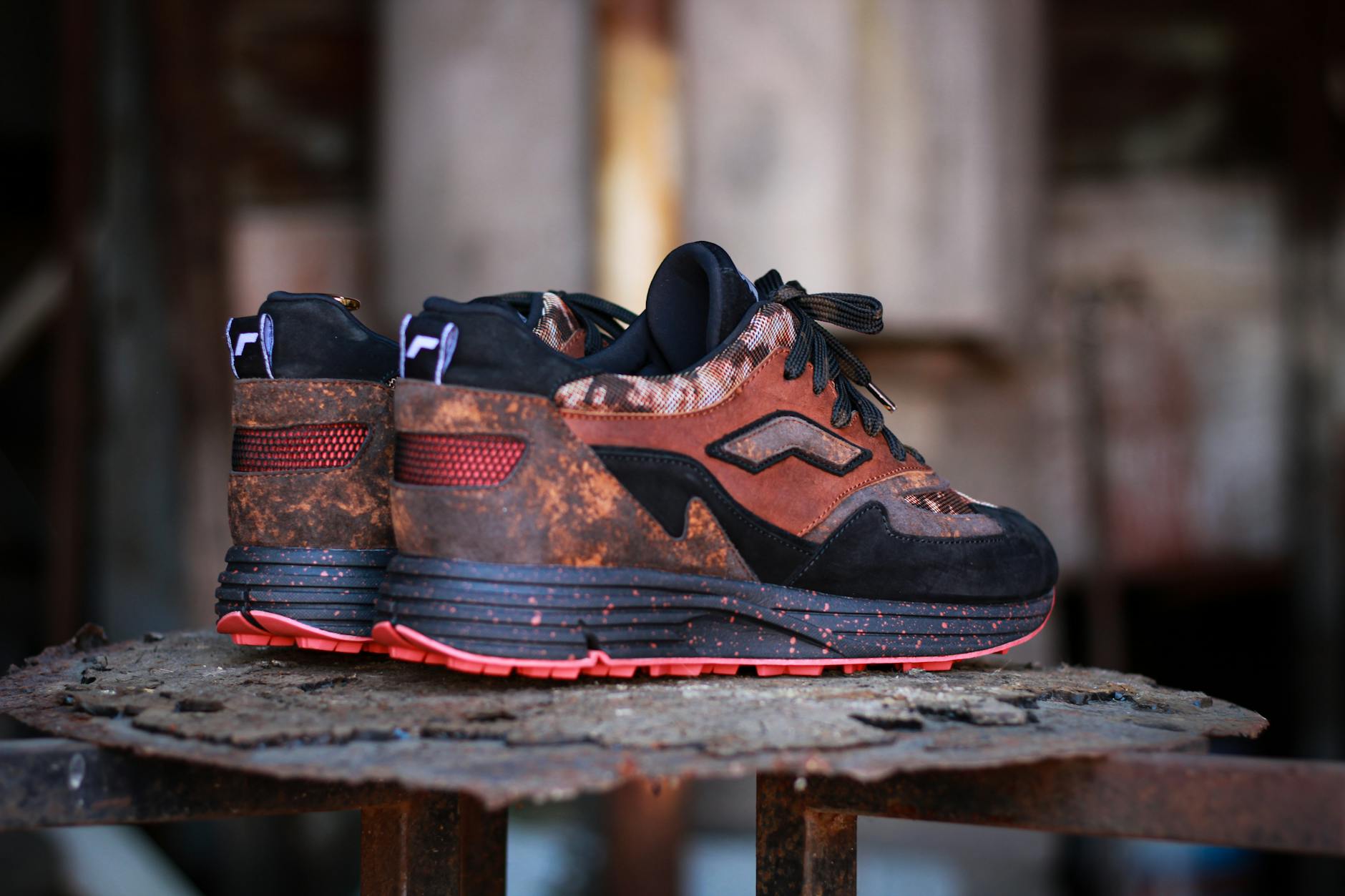
The removable insole inside a running shoe provides an additional layer of cushioning and helps shape the interior fit around the foot. With repeated use, insoles flatten, lose their arch contour, and develop permanent impressions from the heel and ball of the foot. While insoles can be replaced independently, a compressed insole is often a signal that the midsole beneath it has also degraded. Running on a flattened insole reduces comfort and can alter the way the foot is supported through the gait cycle. Inspecting the insole by removing it and examining its thickness and shape is an easy way to assess overall shoe condition.
The Fit Feels Looser Than It Once Did
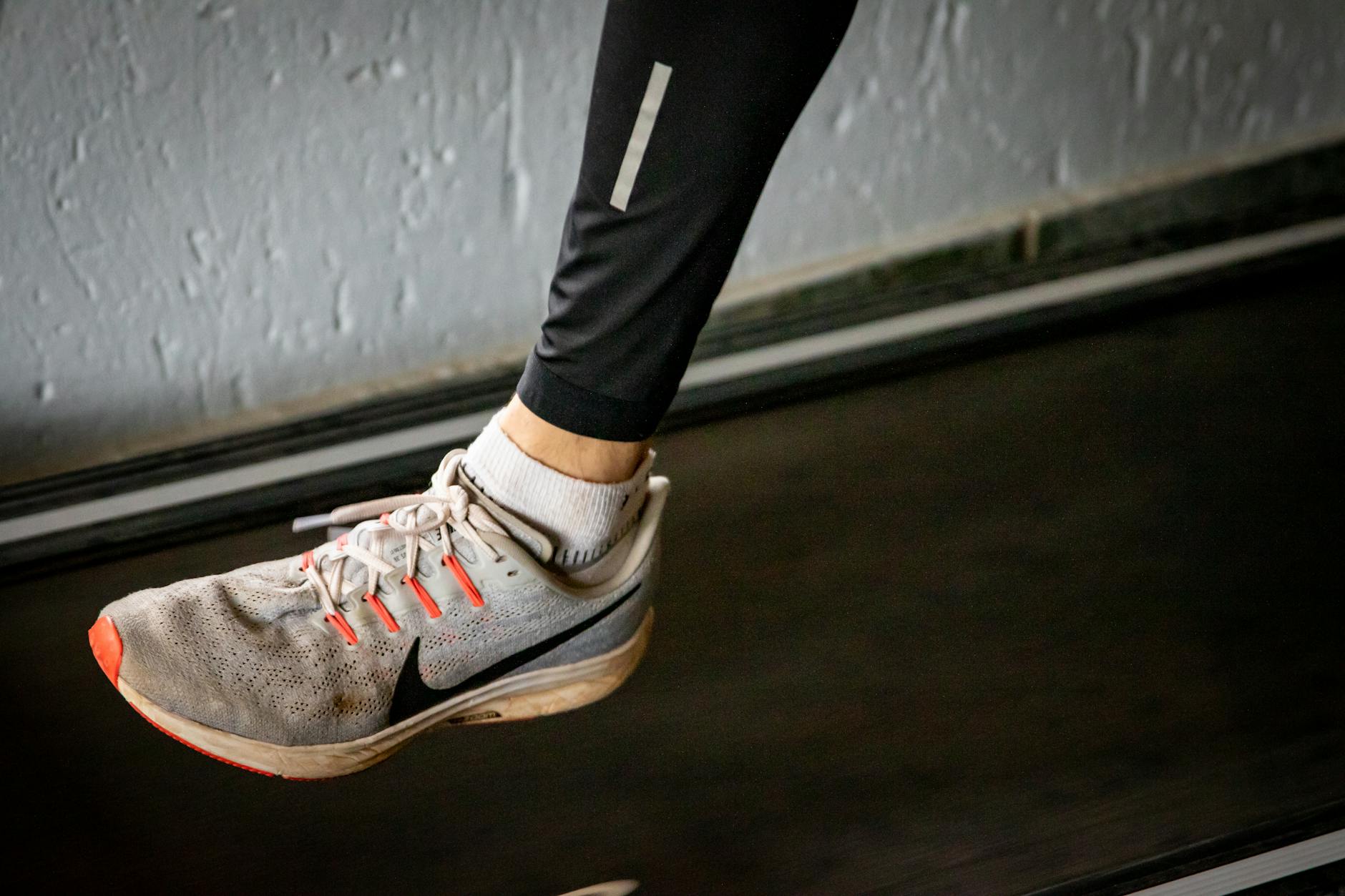
A running shoe that once fit snugly but now feels noticeably loose around the midfoot or heel has undergone structural changes that affect performance. The upper materials stretch and break down over time, particularly in high-stress areas around the lacing system and heel collar. Excessive movement of the foot inside the shoe during runs increases the risk of blisters and reduces the precision of each foot placement. Some runners compensate by lacing shoes more tightly, which can restrict circulation and create new pressure points. A shoe that cannot hold the foot securely in its original position no longer fits the biomechanical role it was designed to serve.
You Have Been Wearing the Same Pair for Over a Year

Time matters as much as mileage when assessing shoe condition, particularly for runners who train infrequently. The foam compounds used in running shoe midsoles break down through both physical compression and simple chemical aging, even when shoes are not being worn. A pair that has sat in a closet for 12 months or more may look pristine on the surface but have significantly degraded cushioning internally. Exposure to heat, humidity, and UV light accelerates this process, making storage conditions an important factor in shoe longevity. Runners who keep multiple pairs in rotation should note the purchase date on each pair and factor age into the replacement decision.
The Shoe Smells Persistently Despite Cleaning
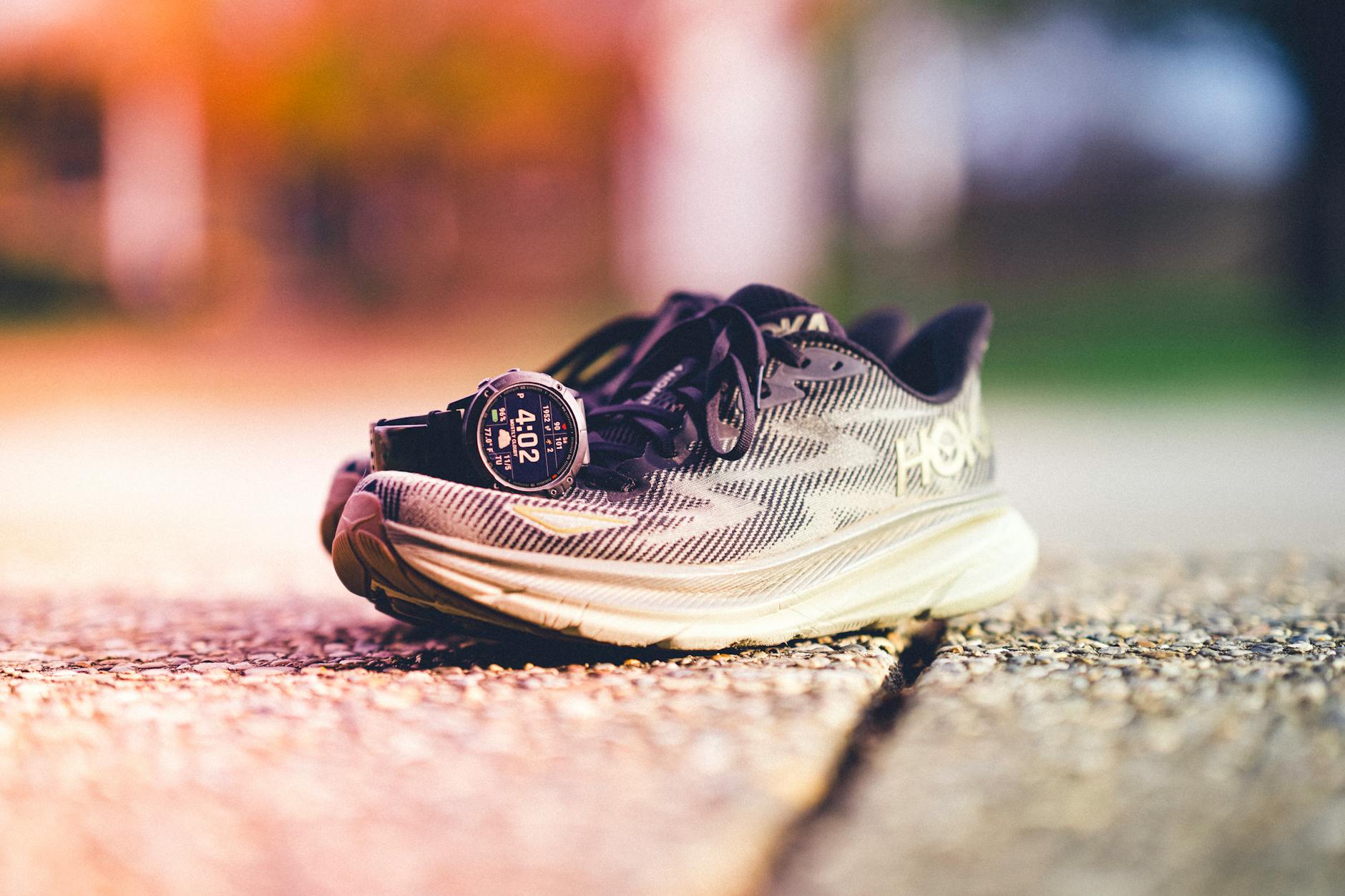
Persistent odor that does not respond to airing out or cleaning products is a sign of deep bacterial and fungal colonization within the shoe’s foam and fabric layers. This level of microbial buildup typically occurs after many months of heavy use, sweat absorption, and incomplete drying between runs. Beyond being unpleasant, this environment can contribute to skin conditions such as athlete’s foot and toenail fungus. Odor-neutralizing sprays and UV shoe sanitizers can offer temporary relief but cannot fully reverse the saturation of the foam materials. When a shoe smells persistently regardless of care efforts, it has passed the point where it can be hygienically maintained for continued use.
Share your own telltale signs that your running shoes are past their prime in the comments.