Your vehicle relies heavily on a healthy battery to start the engine and power various electrical systems. Recognizing the early warning indicators of a failing battery can save you from being stranded in an inconvenient location. Paying close attention to how your car behaves during startup and while driving provides valuable clues about your electrical system health. A proactive approach to vehicle maintenance ensures you can replace a dying component before it completely fails.
Slow Engine Crank

The most common indicator of a failing battery becomes apparent when you attempt to start your vehicle. You might notice the engine takes longer than usual to turn over and sounds sluggish. This delayed reaction occurs because the battery cannot push enough power to the starter motor. The internal components of the battery degrade over time and lose their ability to hold a strong charge. Replacing the unit when you first notice this sluggish behavior prevents a complete starting failure later.
Check Engine Light
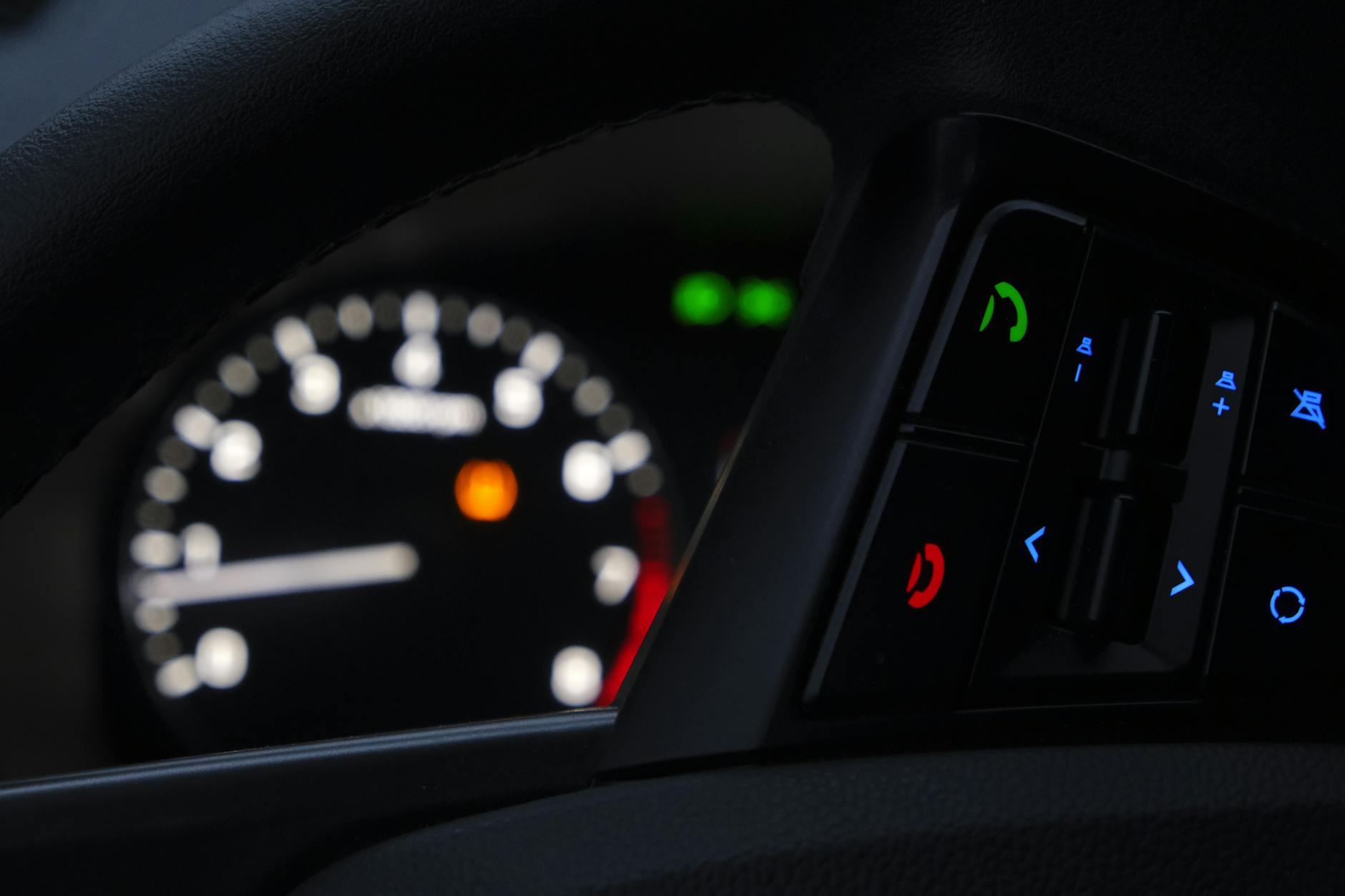
Modern vehicles feature complex computer systems that monitor the electrical voltage running through the entire car. The dashboard check engine indicator often illuminates when the battery power drops below a certain threshold. Sometimes the specific battery indicator light will activate to warn you of low system voltage. A professional diagnostic scan tool can quickly determine if the warning light stems from a dying battery. Taking this dashboard warning seriously allows you to address the power issue promptly.
Swollen Battery Case
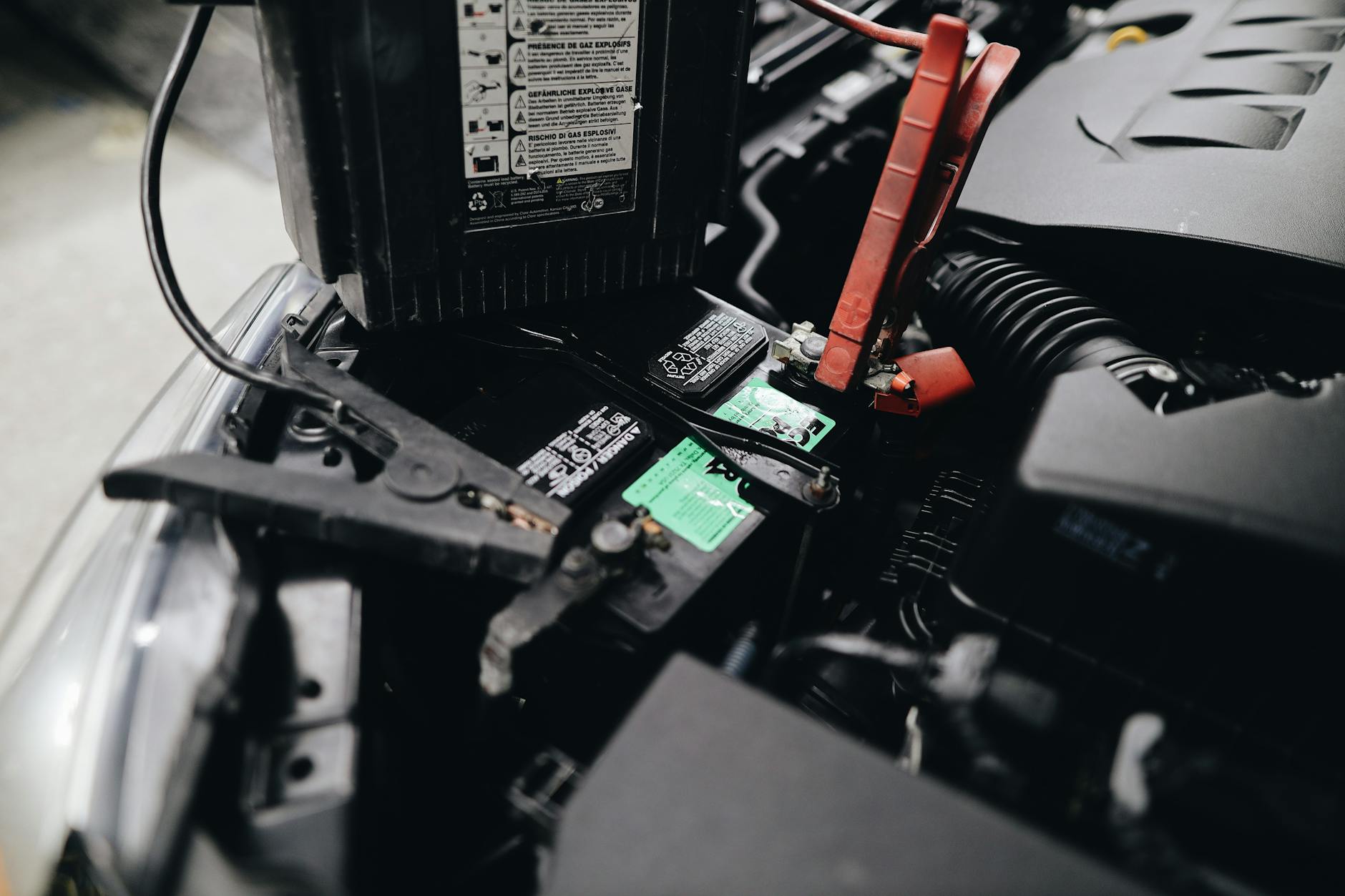
Extreme temperature fluctuations can cause significant physical damage to the exterior housing of a car battery. You can visually inspect the plastic casing under the hood to look for any unusual bulging or swelling. This physical distortion happens when the internal chemical reaction produces excessive gas and heat. A bloated case indicates a serious internal failure that requires immediate professional attention and replacement. Continuing to drive with a distorted power unit poses a significant safety risk to your vehicle.
Rotten Egg Smell
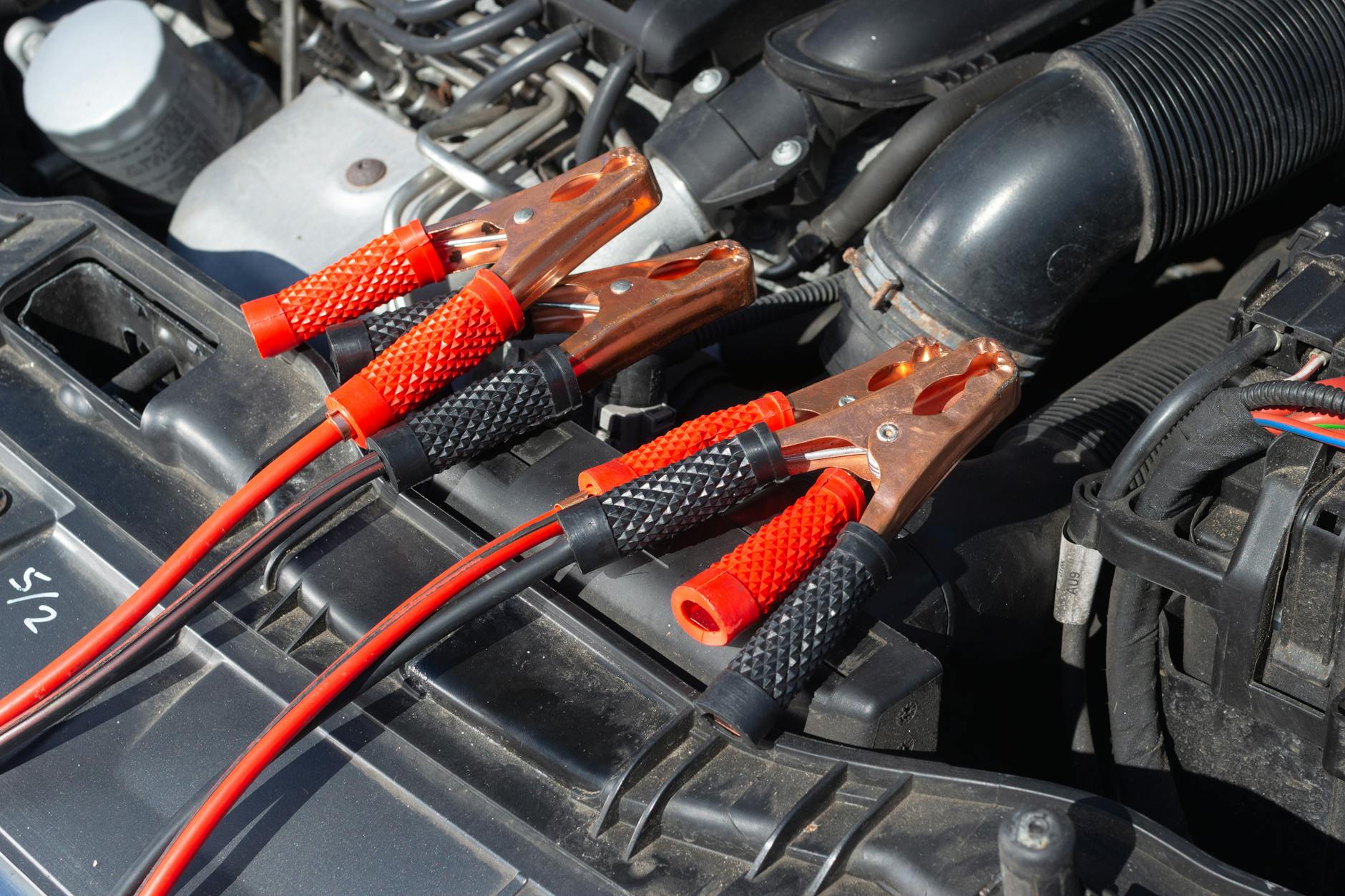
A failing lead acid battery can occasionally vent dangerous sulfur gas into the engine compartment. This escaping gas produces a very distinct and unpleasant odor similar to rotten eggs. The smell usually indicates that the internal components are boiling over from an excessive charging condition or internal short circuit. You should never ignore this specific scent because sulfuric acid can leak and damage surrounding engine parts. A mechanic must inspect the electrical system immediately when you detect this strong sulfur odor.
Dimming Headlights

The electrical demands of your headlights rely heavily on a steady stream of power from your battery. You might notice the exterior lights appearing significantly dimmer than usual when you drive at night. The brightness of the headlights may also fluctuate when you accelerate or idle the engine. This variation in light intensity means the electrical system cannot supply consistent power to all vehicle components. Upgrading to a fresh power source restores the proper voltage required for safe nighttime visibility.
Failing Electrical Accessories
Modern cars feature numerous power accessories like heated seats and advanced infotainment displays that draw significant current. A dying battery struggles to operate all these secondary electrical components simultaneously while the engine runs. You could experience slow power windows or a radio system that randomly resets or shuts off. The vehicle computer will intentionally disable these nonessential features to direct remaining power to the engine. Noting these electrical glitches helps you identify a weakening power source before it completely dies.
Corroded Connectors
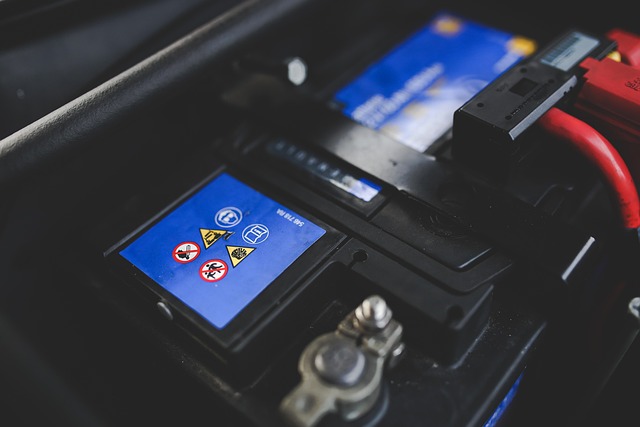
Visual inspections under the hood often reveal a crusty white or blue substance gathering on the battery terminals. This buildup prevents the electrical current from flowing efficiently between the battery and the vehicle cables. The resulting poor connection forces the charging system to work harder and ultimately damages the internal battery cells. You can clean this buildup with a wire brush and specialized cleaning solutions to improve the connection temporarily. Persistent corrosion usually signals that the battery is venting gas and reaching the end of its usable life.
Old Age
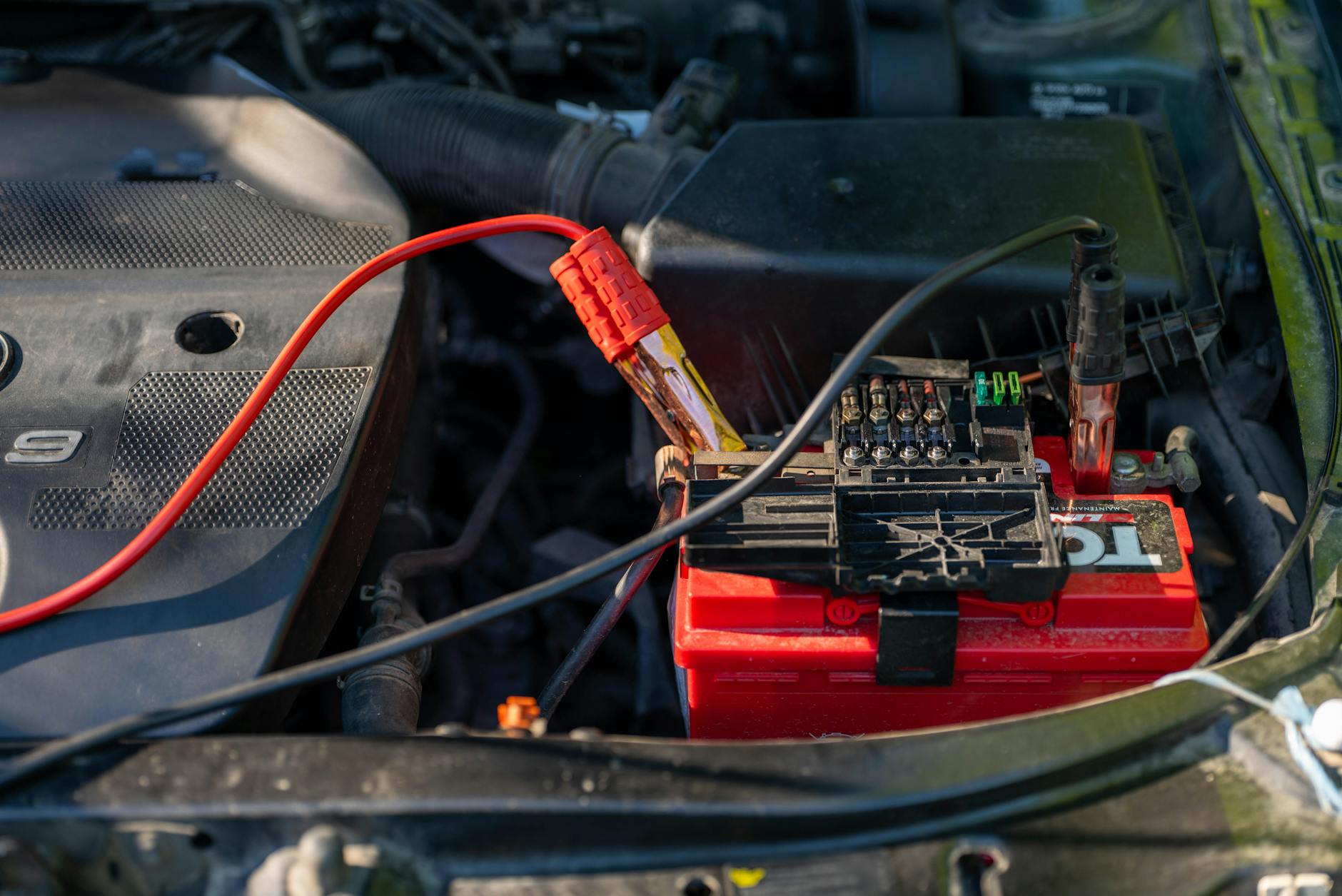
Most standard automotive batteries possess a predictable lifespan of roughly three to five years under normal driving conditions. The chemical composition inside the casing naturally degrades over this period regardless of how well you maintain the vehicle. Keeping track of the original purchase date helps you anticipate when a replacement will become necessary. You can often find a date code sticker physically attached to the top or side of the plastic housing. Scheduling a replacement around the four year mark prevents unexpected electrical failures on the road.
Frequent Jump Starts
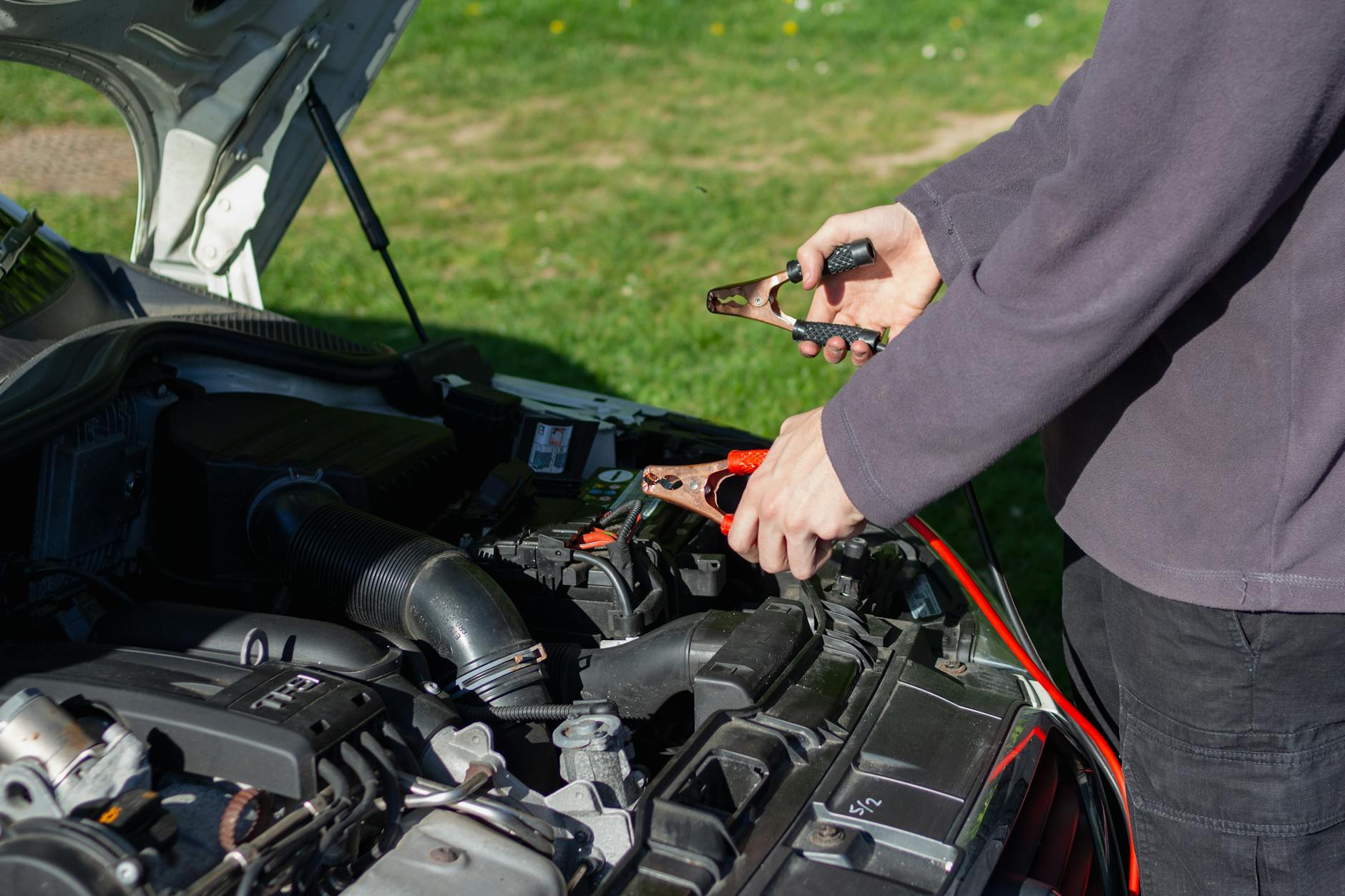
Requiring outside assistance to start your vehicle multiple times in a single week indicates a severe power retention problem. A healthy electrical system should hold an adequate charge overnight without any difficulty. Needing jumper cables constantly means the internal plates can no longer store the energy provided by the alternator. Each subsequent jump start puts additional strain on both the dying battery and the starter motor. Purchasing a new unit entirely resolves this frustrating cycle of unreliable vehicle starting.
Clicking Sound
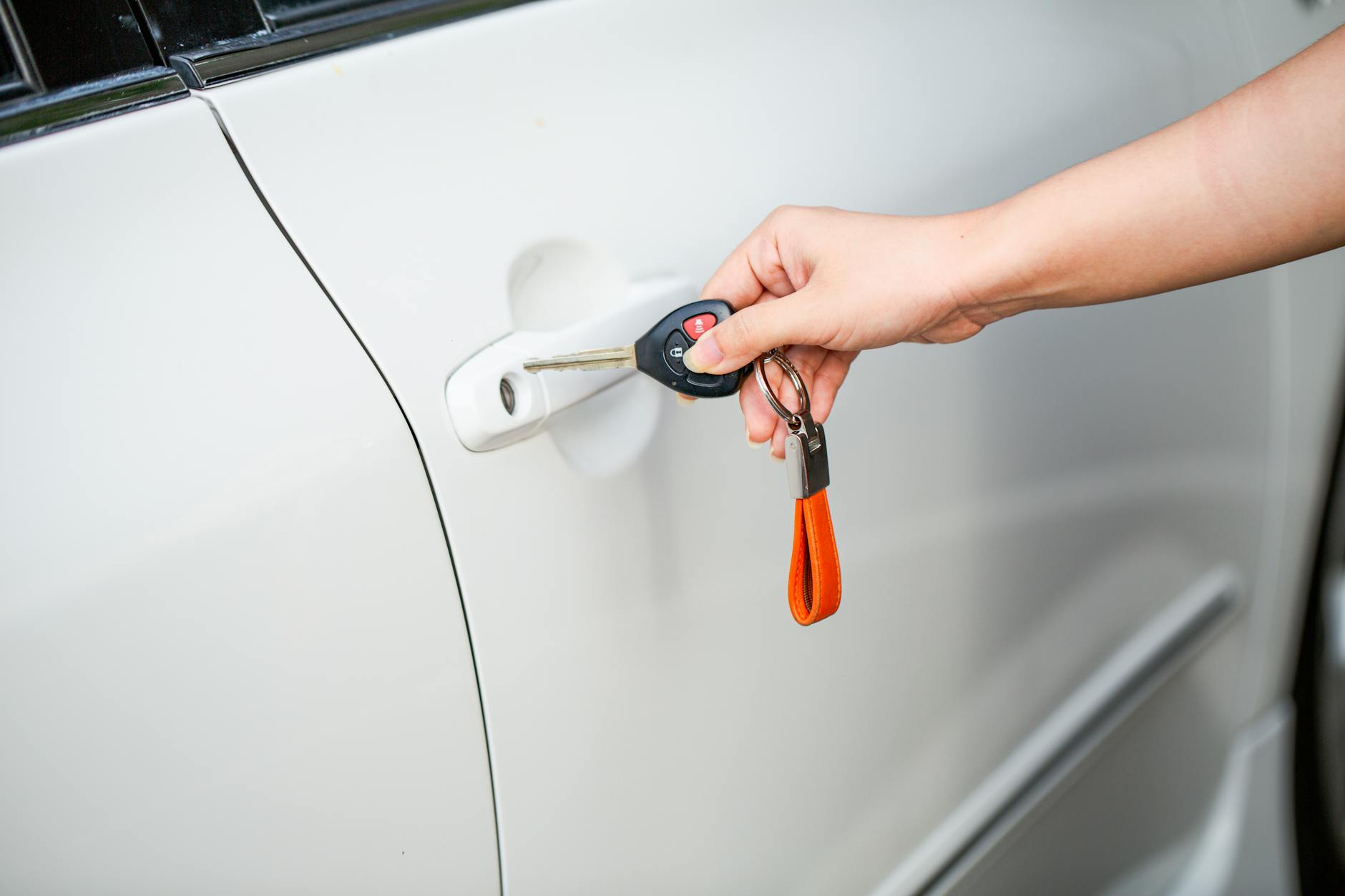
Turning the ignition key might produce a rapid clicking noise instead of the normal engine cranking sound. The starter solenoid makes this distinct repetitive noise when it receives insufficient electrical current from the battery. The voltage dropping too low prevents the starter gear from engaging properly with the engine flywheel. This auditory warning serves as a clear indicator that the electrical storage unit is nearly dead. Recognizing this specific mechanical sound tells you exactly which component needs testing and replacement.
Weak Horn

The vehicle horn requires a surprising amount of electrical amperage to produce its loud and clear warning sound. Pressing the steering wheel pad might result in a muffled or noticeably quieter noise than you expect. This reduction in volume happens when the battery lacks the necessary reserve capacity to power high draw accessories. Testing the horn while the engine is turned off provides a quick way to gauge the baseline battery strength. A weak sounding alert system strongly suggests the need for a comprehensive electrical system test.
Backfiring Engine

A failing battery can disrupt the delicate timing of the engine ignition system and cause unexpected combustion issues. Weak electrical sparks may fail to ignite the fuel mixture in the cylinders at the correct moment. This unburned fuel then travels into the hot exhaust system where it suddenly ignites with a loud pop. Experiencing these small explosions while driving points toward a deteriorating electrical supply to the spark plugs. Addressing the underlying power issue restores smooth engine performance and prevents expensive exhaust system damage.
Parasitic Draw Vulnerability
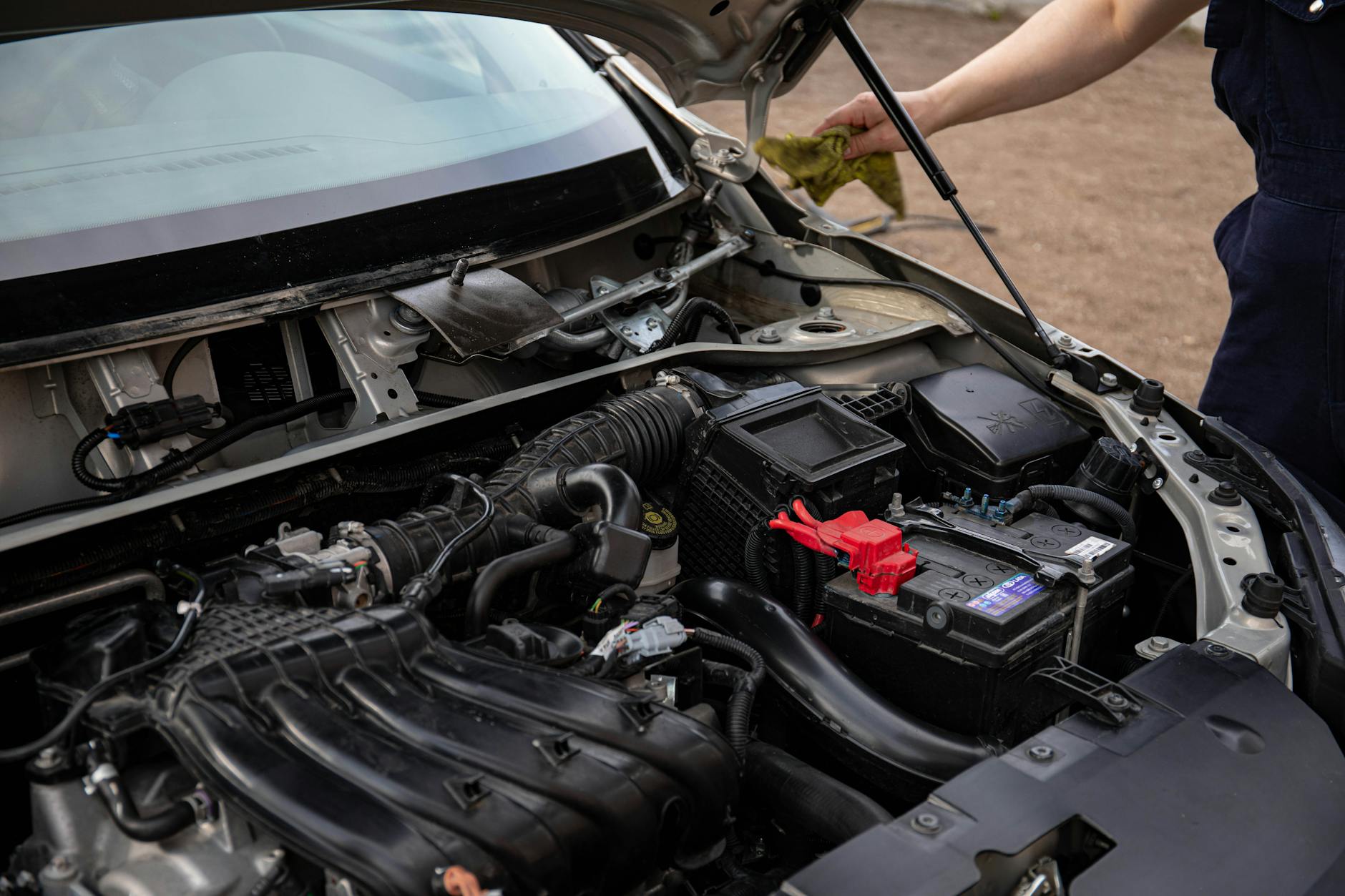
Vehicles always consume a tiny amount of power while parked to maintain computer memory and security systems. A degraded battery loses its ability to handle this normal slow drain over a few days of sitting idle. You might find the car completely dead after leaving it parked for just a weekend. The weakened internal cells discharge at an accelerated rate even when no electrical accessories are actively running. Installing a fresh battery restores the expected standby time and reliability for your daily commute.
Please share your own experiences with dying vehicle batteries and how you resolved them in the comments.