Regular vehicle maintenance is crucial for the longevity and performance of any automobile. Engine oil serves as the lifeblood of the car by lubricating moving parts and reducing friction that causes wear and tear. Neglecting this essential fluid can lead to catastrophic engine failure and expensive repairs down the line. Recognizing the early warning signs helps drivers address issues before they escalate into major mechanical problems. Staying vigilant about these indicators ensures a safer driving experience and protects your automotive investment.
Dashboard Warning Light
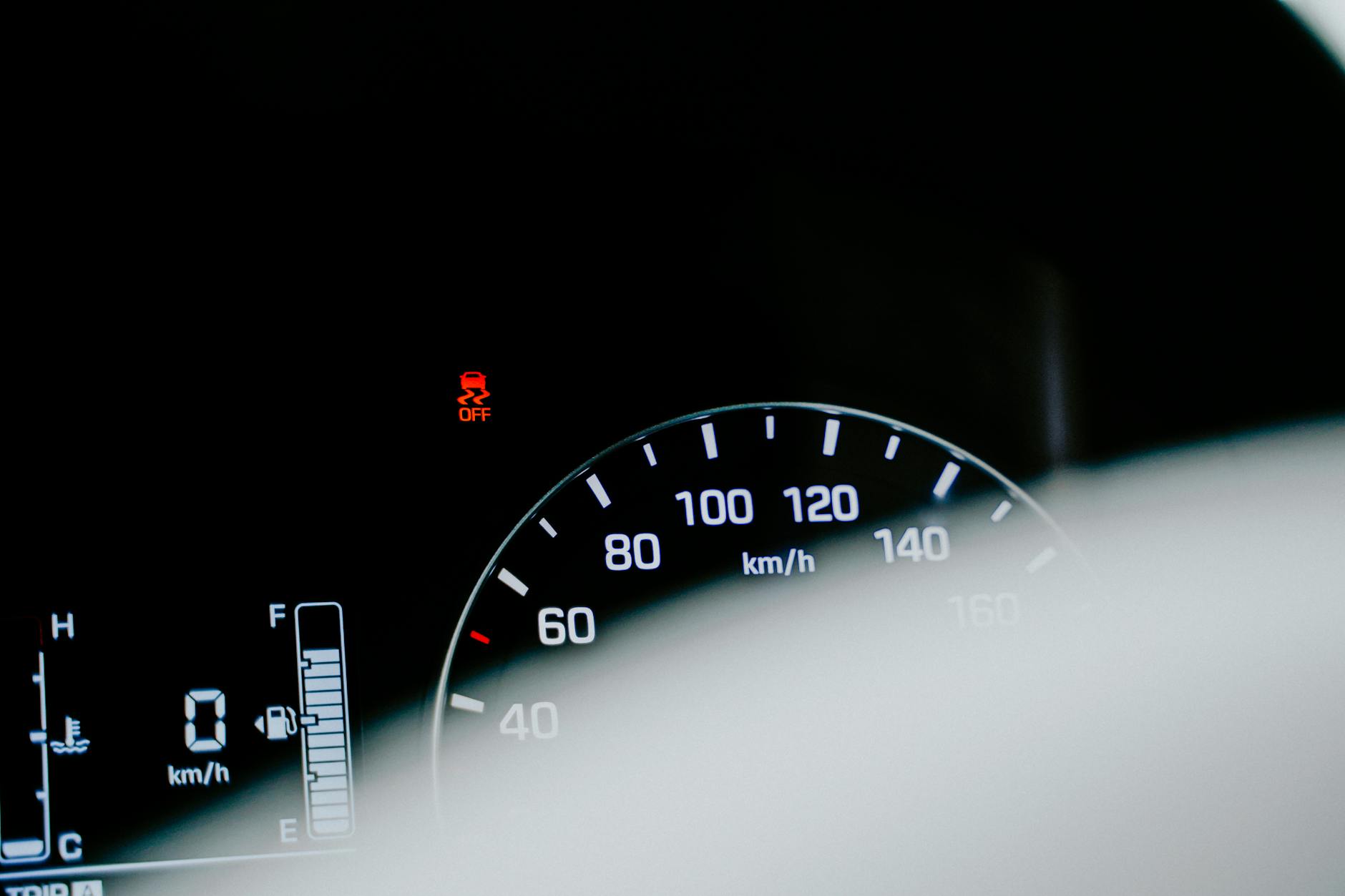
The most obvious indication of an issue is the illumination of the oil change or check engine light on your dashboard. This sensor monitors the oil pressure or fluid level within the system and alerts you when parameters fall below safe limits. Ignoring this warning can result in rapid engine damage due to lack of proper lubrication. You should check the oil level immediately using the dipstick when this light appears to verify the situation. Modern vehicles often have specific maintenance reminders that calculate oil life based on your driving habits.
Dark and Gritty Oil
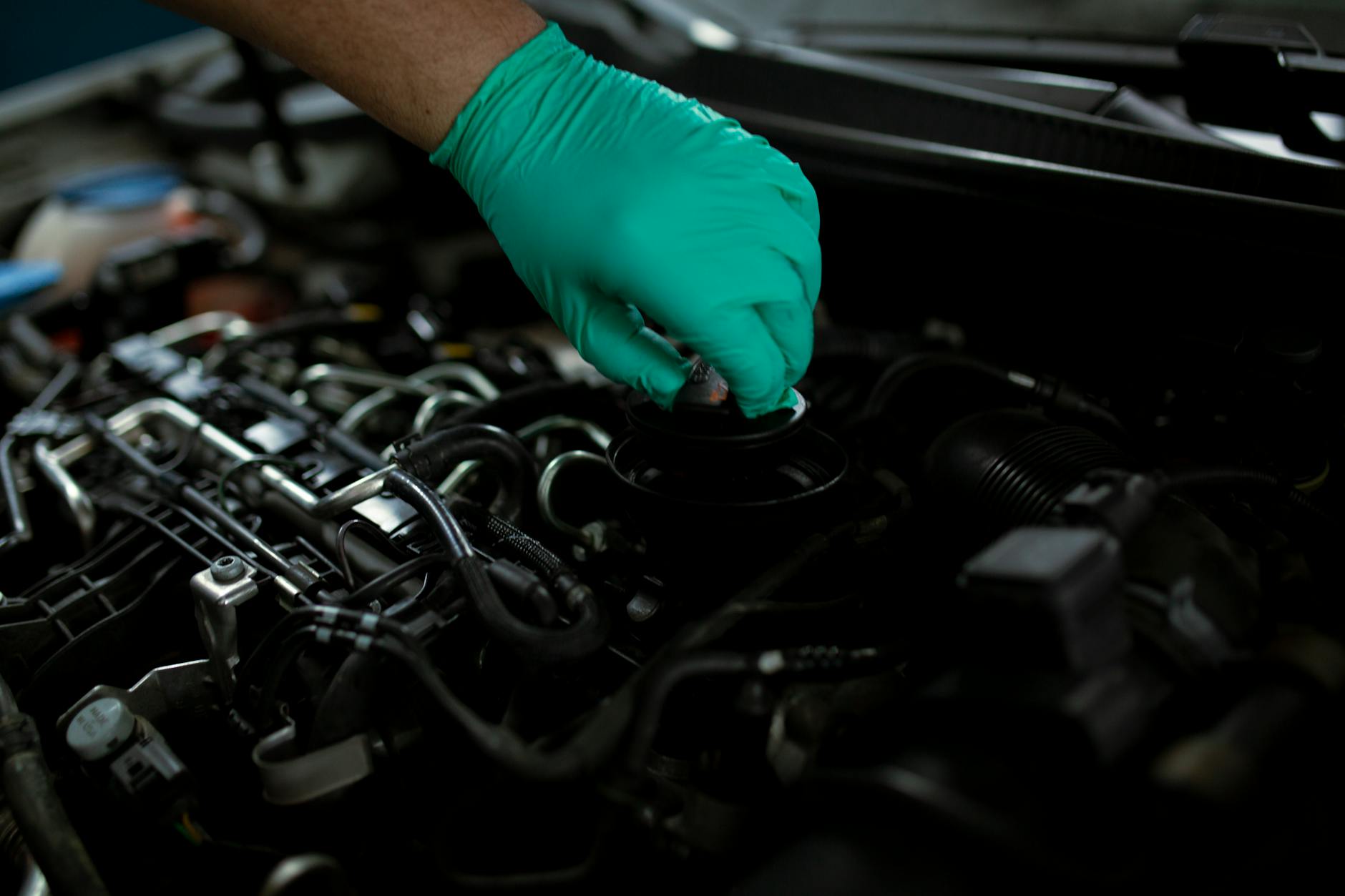
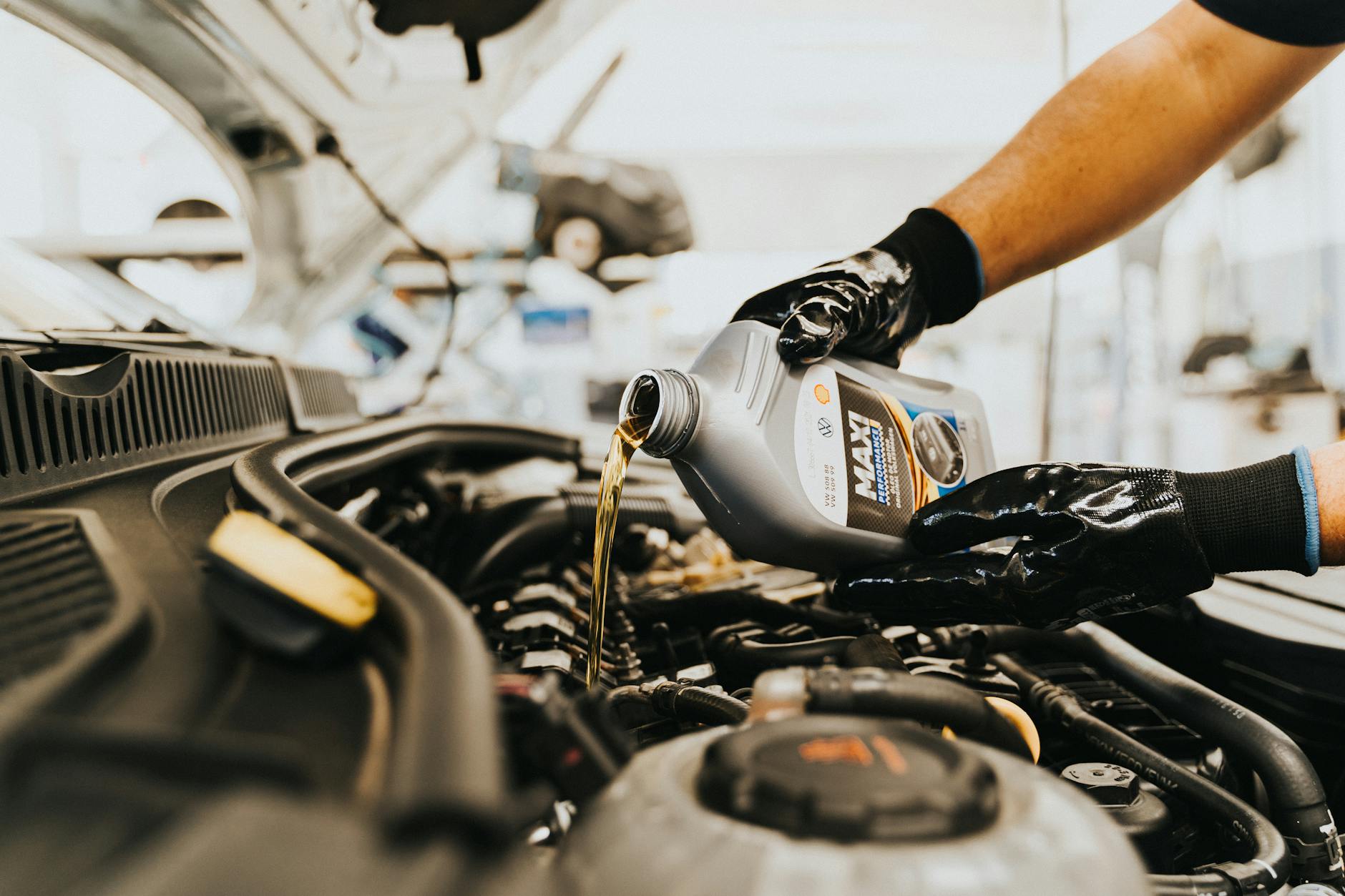
Fresh motor oil appears amber and translucent but naturally darkens as it cycles through the engine and collects debris. You can check the condition by pulling out the dipstick and wiping it on a clean white paper towel or cloth. Fluid that looks thick and black or contains visible grit is saturated with contaminants and needs replacement. This sludge prevents the oil from effectively coating engine parts and can clog the filter. Regular visual inspections help you catch this degradation before it harms internal components.
Knocking or Rumbling Sounds
Oil provides a protective barrier between moving engine parts to prevent metal brushing against metal. A lack of proper lubrication causes these components to grind together and creates loud knocking or rumbling noises. You might hear these sounds specifically when the car is running or accelerating as rods and bearings loosen. This auditory warning suggests the engine is tearing itself apart and requires immediate attention to prevent seizing. Driving with these noises present is extremely risky and often precedes total engine failure.
Burning Oil Smell

A distinct scent of burning oil inside the cabin often indicates a leak where oil is dripping onto hot engine parts. This smell might also signal that the engine is overheating due to low oil levels or old fluid. You should pull over safely and turn off the engine to allow it to cool down before investigating the source. Ignoring this odor can lead to severe engine damage or even a potential fire hazard in extreme cases. Identifying the location of the leak or burn is essential for determining the necessary repair.
Visible Exhaust Smoke
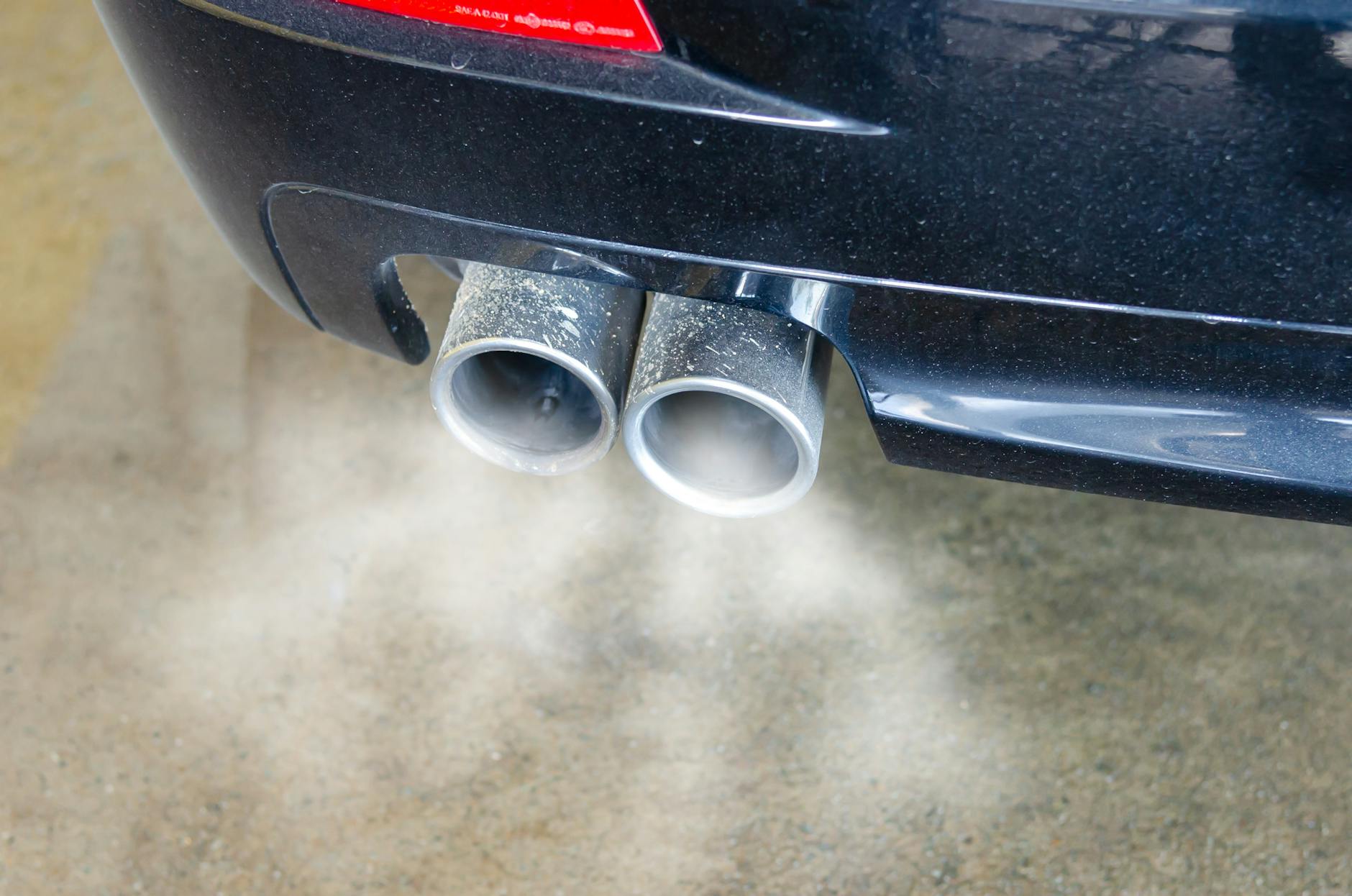
Most modern vehicles emit translucent vapor from the tailpipe that is barely visible during normal operation. Blue or grey smoke coming from the exhaust suggests that oil is leaking internally and burning within the combustion chamber. This symptom often points to worn piston rings or valve seals allowing fluid to seep where it does not belong. You might notice this smoke becomes thicker or more noticeable when accelerating or starting the car. A professional diagnostic test is usually required to pinpoint the exact seal failure causing the leak.
Excessive Engine Vibration
Old oil turns into sludge that forces the engine to work much harder to circulate fluid and maintain power. You may feel abnormal vibrations or shaking while the car is idling at a stoplight or parked. This roughness occurs because the increased friction prevents smooth operation of pistons and other internal mechanisms. High levels of friction cause the engine to shudder as it struggles to overcome the resistance of thick sludge. Changing the oil restores smooth lubrication and typically eliminates this uncomfortable idling sensation.
Low Oil Level
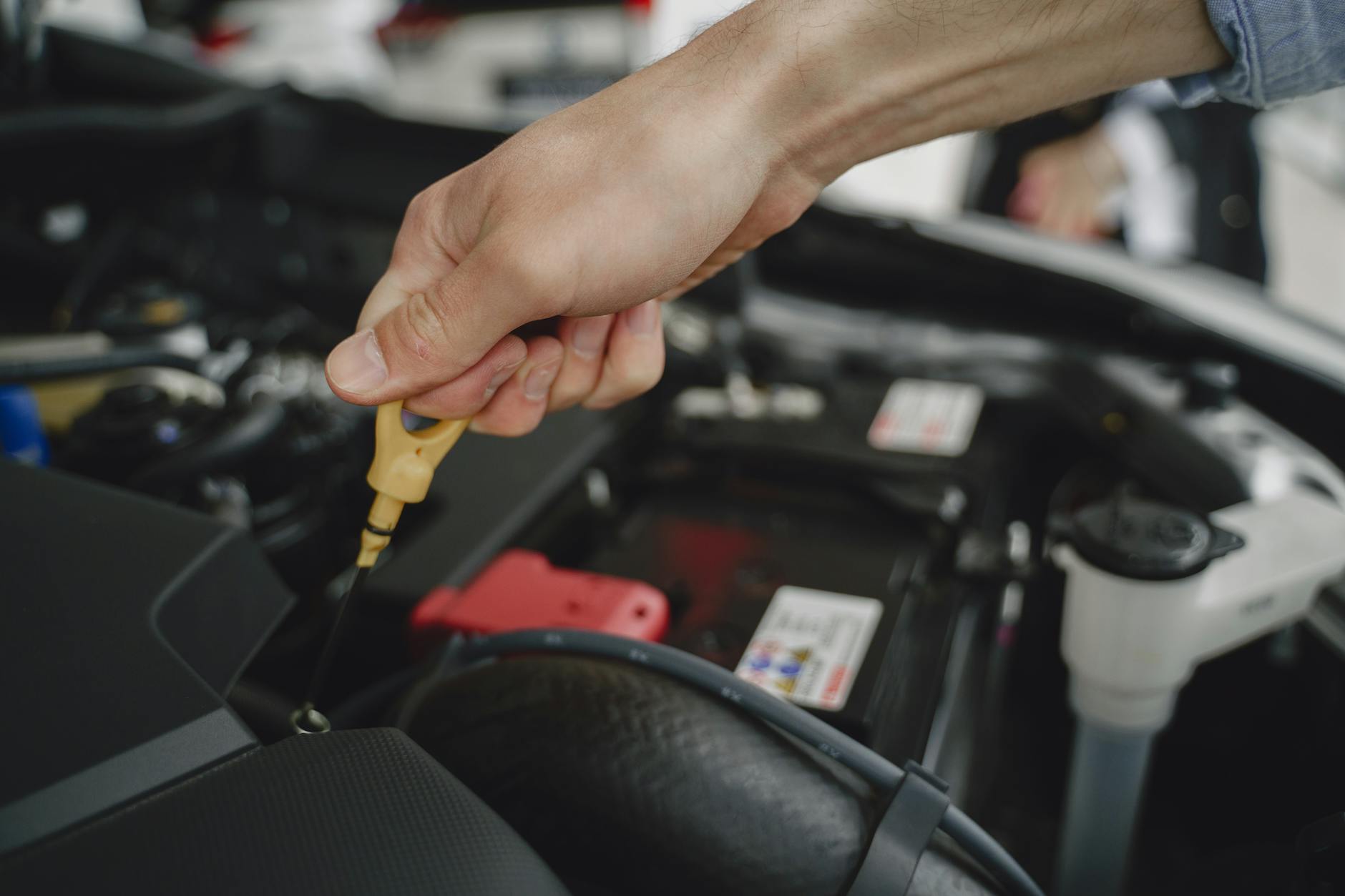
Routine checks of the dipstick might reveal that the oil level is consistently dropping below the minimum marker. A dropping fluid level without visible external leaks suggests the engine is consuming oil during operation. You must top off the oil immediately to prevent the pump from sucking in air and causing pressure loss. Running an engine with insufficient oil volume leads to rapid overheating and friction damage. Frequent need for top-offs is a clear signal that the system requires a full drain and refill service.
Engine Overheating

Oil plays a significant role in cooling engine components by reducing friction and transferring heat away from the combustion cycle. Old or low oil fails to regulate temperature effectively and causes the engine to run hotter than normal. You might see the temperature gauge rising into the red zone even during standard driving conditions. Continued operation at high temperatures can warp cylinder heads and blow gaskets. Fresh oil restores the thermal regulation capacity and helps keep the engine operating within a safe temperature range.
Ticking Noise Upon Startup
Engine oil settles at the bottom of the oil pan when the car sits for an extended period. Thick or dirty oil takes longer to circulate to the upper engine parts like valves and lifters when you start the car. You might hear a ticking or clicking sound for several seconds after ignition while these parts wait for lubrication. This noise indicates the fluid is too viscous to flow quickly and protect the engine during those critical first moments. Changing to fresh oil ensures immediate circulation and protection as soon as the key turns.
Sluggish Acceleration
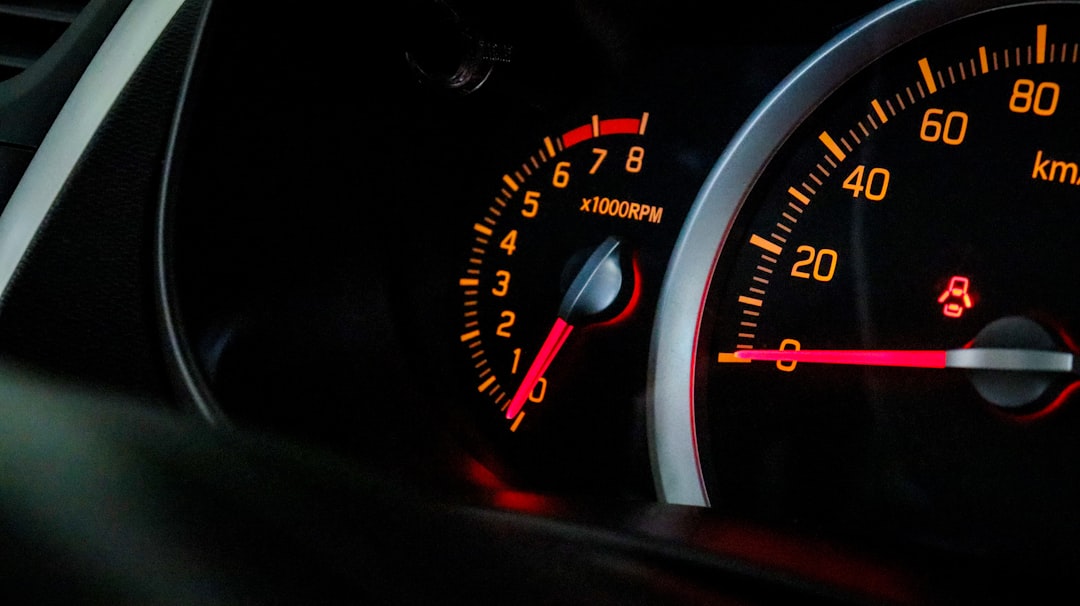
A well-lubricated engine moves freely and responds quickly when you press the gas pedal. Deteriorated oil creates resistance that makes the engine feel sluggish or unresponsive during acceleration. You might notice a lack of power when trying to merge onto highways or climb hills. The buildup of impurities affects the efficiency of moving parts and hampers overall performance. Restoring clean fluid allows the engine to deliver power smoothly and regain its original responsiveness.
Increased Engine Noise
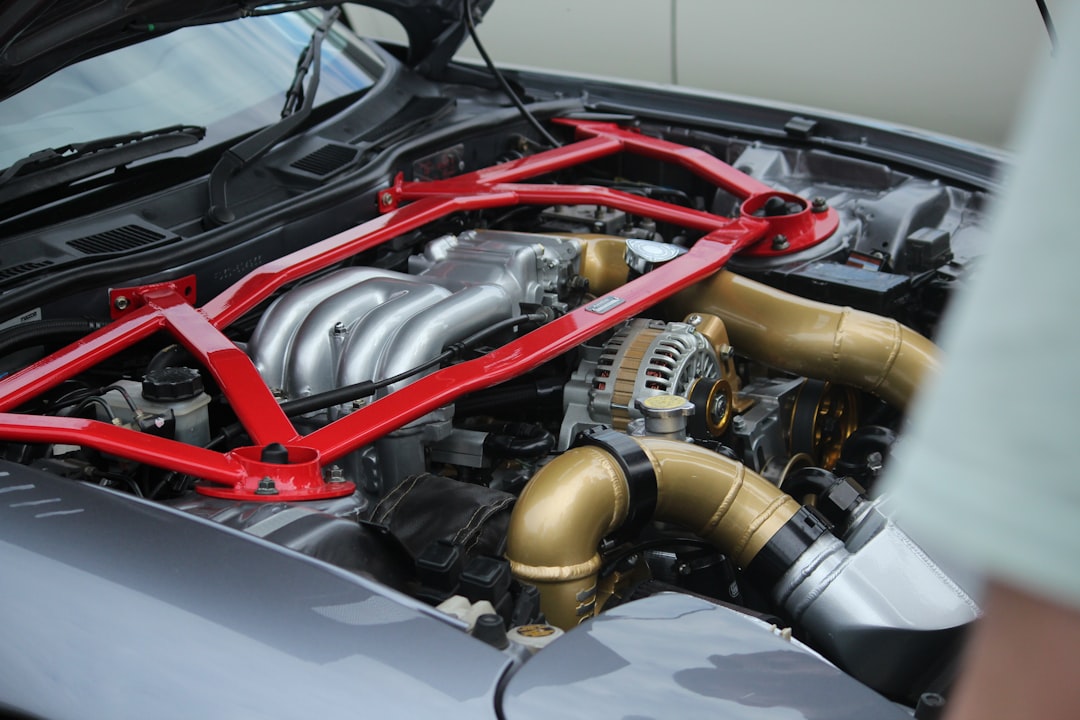
Clean oil acts as a sound dampener that muffles the mechanical clatter of pistons and valves. As the fluid breaks down and loses viscosity it becomes less effective at insulating these noises. You will notice the engine sounds louder than usual even if there is no distinct knocking or grinding. This general increase in decibels indicates the oil film is too thin to cushion the metal interactions properly. Replacing the fluid quiets the engine and returns the vehicle to a smoother and more refined state.
Milky Oil Texture
A milky or frothy appearance on the oil filler cap or dipstick indicates coolant has mixed with the motor oil. This contamination is often the result of a blown head gasket or a cracked engine block. The mixture loses its lubricating properties immediately and can cause rapid and severe engine destruction. You must address this symptom instantly as it represents a major mechanical failure rather than a simple maintenance item. A mechanic needs to diagnose the breach in the cooling system before any oil change will be effective.
Oil Stains Under Vehicle

Dark brown or black puddles forming on the ground where you park are a definitive sign of an external leak. Leaks can originate from the oil drain plug or the filter or a failing gasket. Losing oil externally eventually leads to dangerously low fluid levels inside the engine. You should inspect the undercarriage to locate the source of the drip before adding more oil. Fixing the leak and performing a full oil change ensures the system is sealed and protected.
Reduced Gas Mileage
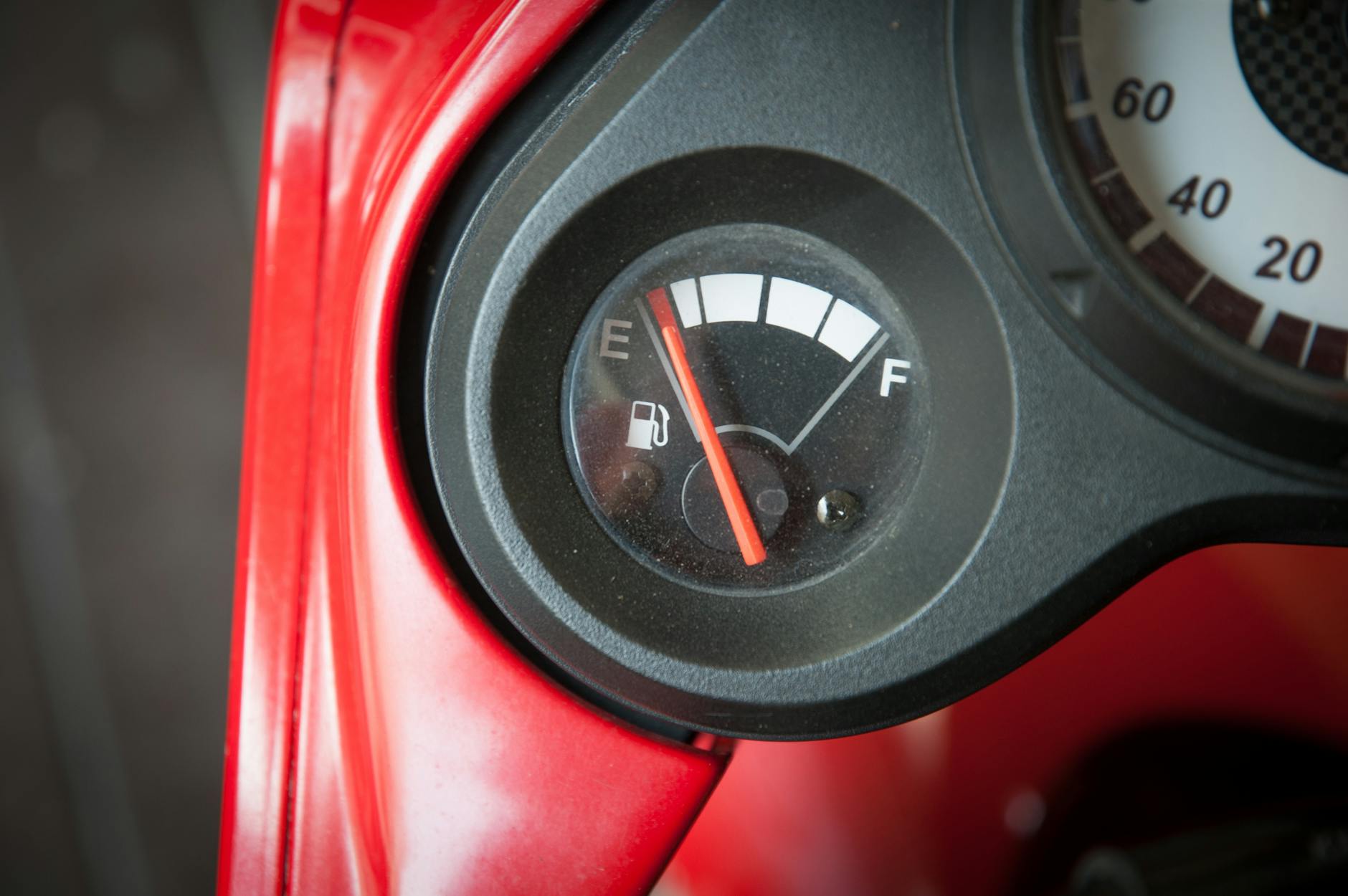
Thick and degraded oil increases engine friction which requires the vehicle to burn more fuel to maintain speed. You might notice you are visiting the gas station more frequently than usual for the same amount of driving. The engine has to work harder to overcome the resistance of sludge and this effort wastes energy. Monitoring your fuel economy can serve as a subtle indicator of engine health and maintenance needs. Fresh oil reduces internal drag and helps the engine run efficiently to maximize miles per gallon.
Overdue Maintenance Sticker
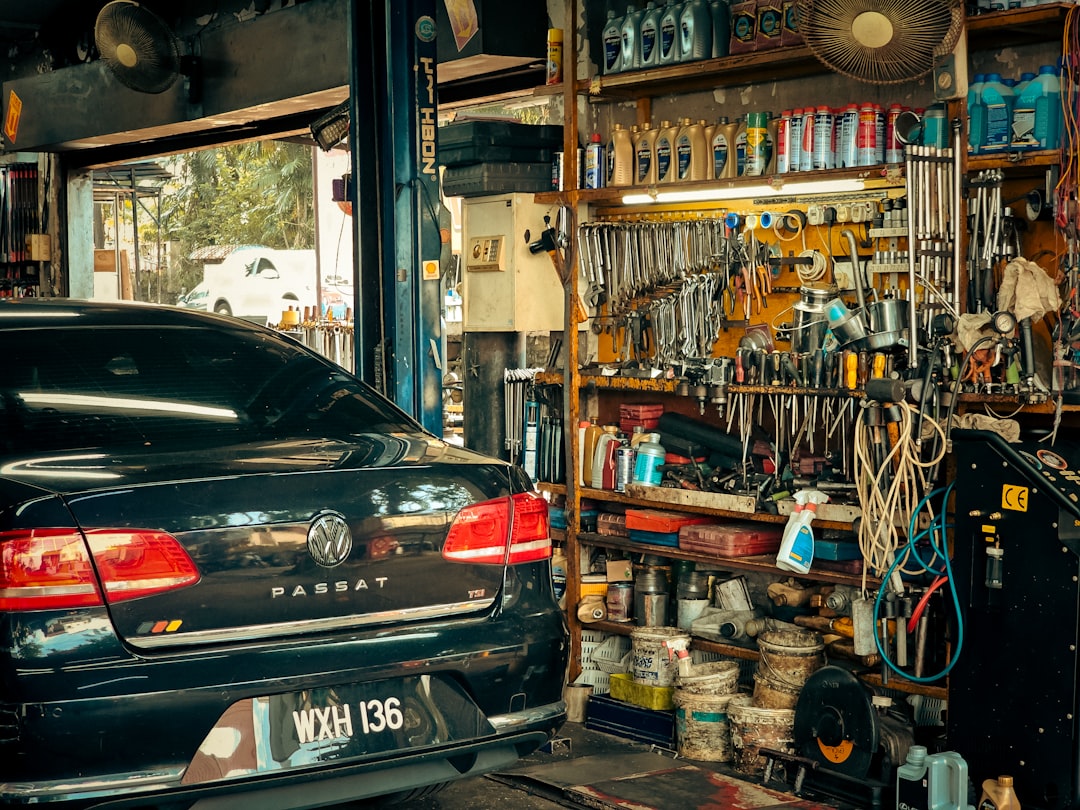
Service centers typically place a sticker on the windshield indicating the date or mileage for the next scheduled service. Exceeding this recommendation by a significant margin puts your engine at risk even if no other symptoms are visible yet. Oil additives break down over time and lose their ability to protect against corrosion and wear. Adhering to the manufacturer schedule is the best way to prevent sludge buildup and ensure long-term reliability. You should verify the sticker date regularly to stay ahead of necessary maintenance.
Share your thoughts on which sign you notice most often in the comments.