Cats are intelligent creatures that require mental and physical stimulation to maintain a healthy lifestyle. Boredom in felines often manifests through behavioral changes that owners might misinterpret as acts of rebellion or illness. Identifying these signs early allows pet parents to intervene with appropriate enrichment strategies. A combination of environmental changes and interactive play usually resolves these issues effectively.
Excessive Grooming
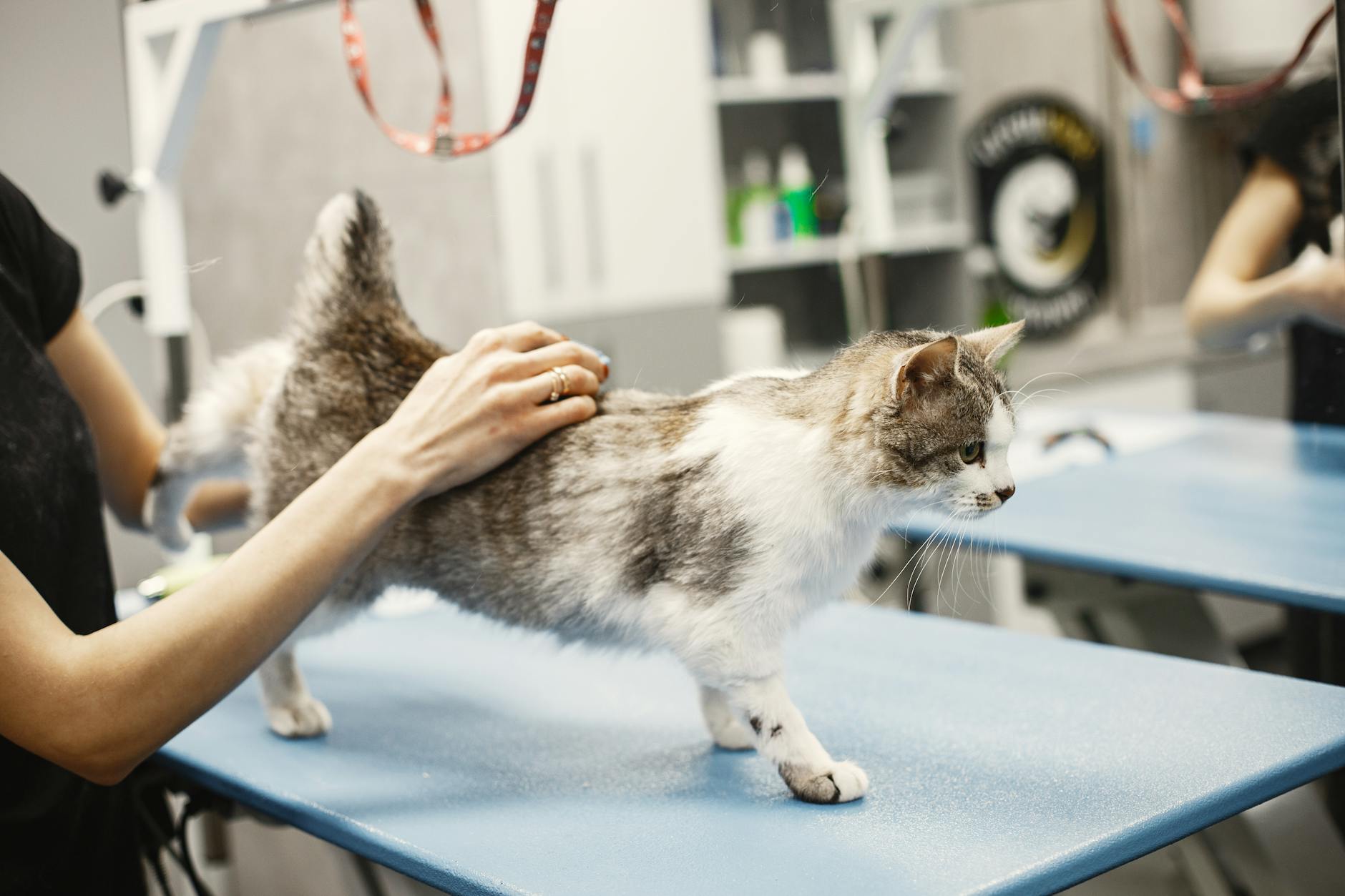
Cats naturally spend a significant portion of their day cleaning their fur. Bored felines often take this habit to an extreme level known as psychogenic alopecia. This compulsive behavior results in bald patches or skin irritation on the abdomen and legs. Owners should consult a veterinarian to rule out skin allergies before assuming the cause is lack of stimulation.
Destructive Scratching

Sharpening claws is a natural instinct but bored cats often target furniture or carpets aggressively. This behavior serves as a physical outlet for pent-up energy and frustration. Providing appropriate scratching surfaces does not always stop the destruction if the underlying boredom remains unaddressed. A lack of other activities drives them to create their own entertainment through destruction.
Constant Vocalization

Some cat breeds are naturally chatty but a sudden increase in noise indicates a need for attention. Felines often walk around the house crying or meowing loudly when they have nothing to do. This vocalization is a direct request for interaction or play from their human companions. Ignoring these cries often leads to an escalation in volume and frequency.
Overeating

Boredom eating is a common phenomenon in house cats with unlimited access to dry food. They visit the food bowl repeatedly simply because it gives them something to do. This habit quickly leads to obesity and associated health problems like diabetes or joint pain. Regulating meal times helps distinguish between genuine hunger and the need for activity.
Aggression Toward Other Pets

A bored cat often turns its energy toward other animals in the household. This manifests as ambushing dogs or bullying other cats during what should be peaceful times. The aggressor is usually seeking a reaction to break the monotony of their day. Providing separate outlets for this energy reduces tension between household companions.
Attacking Ankles
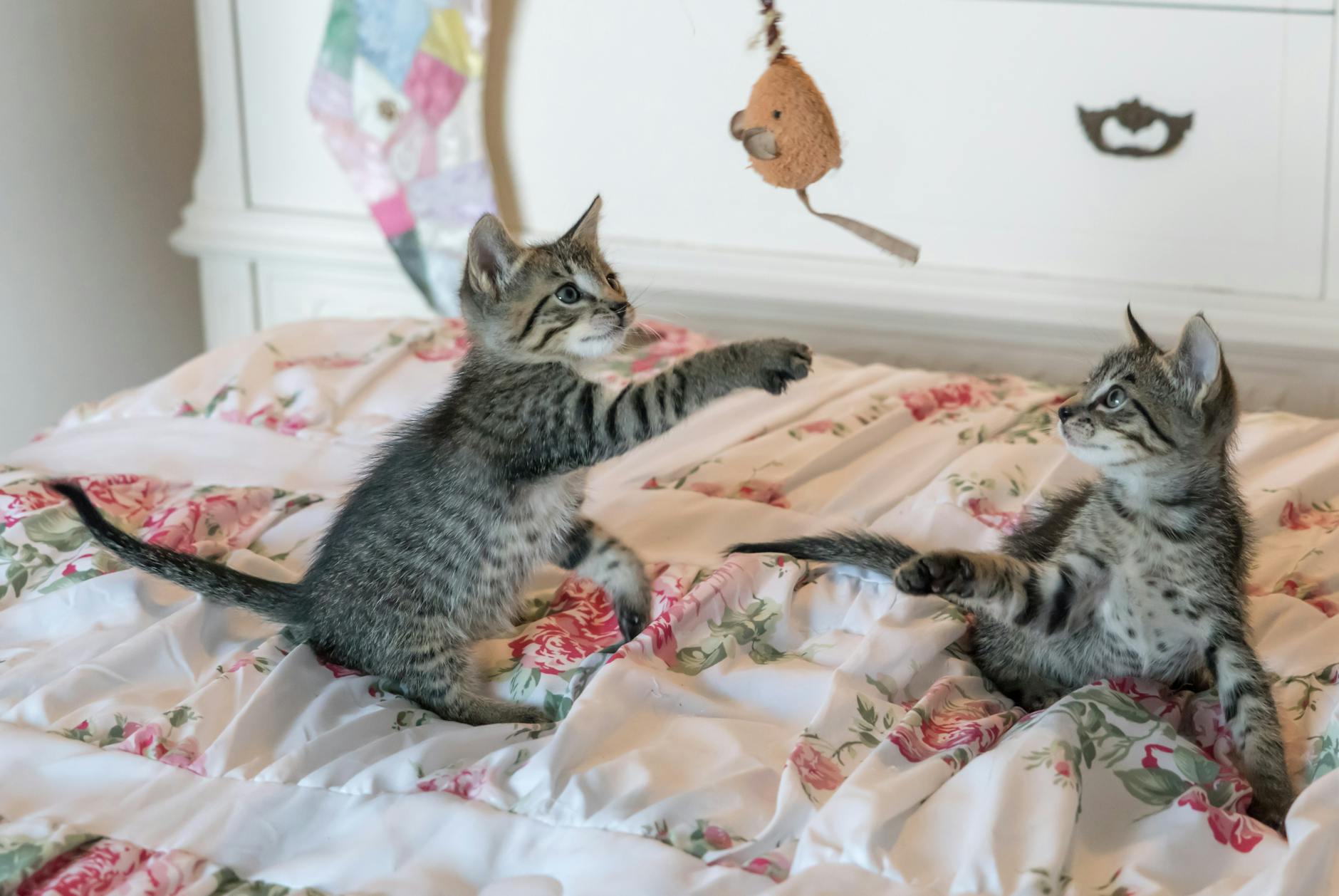
Human feet often become targets for cats that lack appropriate hunting simulations. The cat lies in wait and pounces when an owner walks past doorways or around corners. This predatory play signals a strong desire to hunt and chase moving objects. Redirecting this instinct to toys is essential to save your ankles from scratches.
Lethargy and Oversleeping
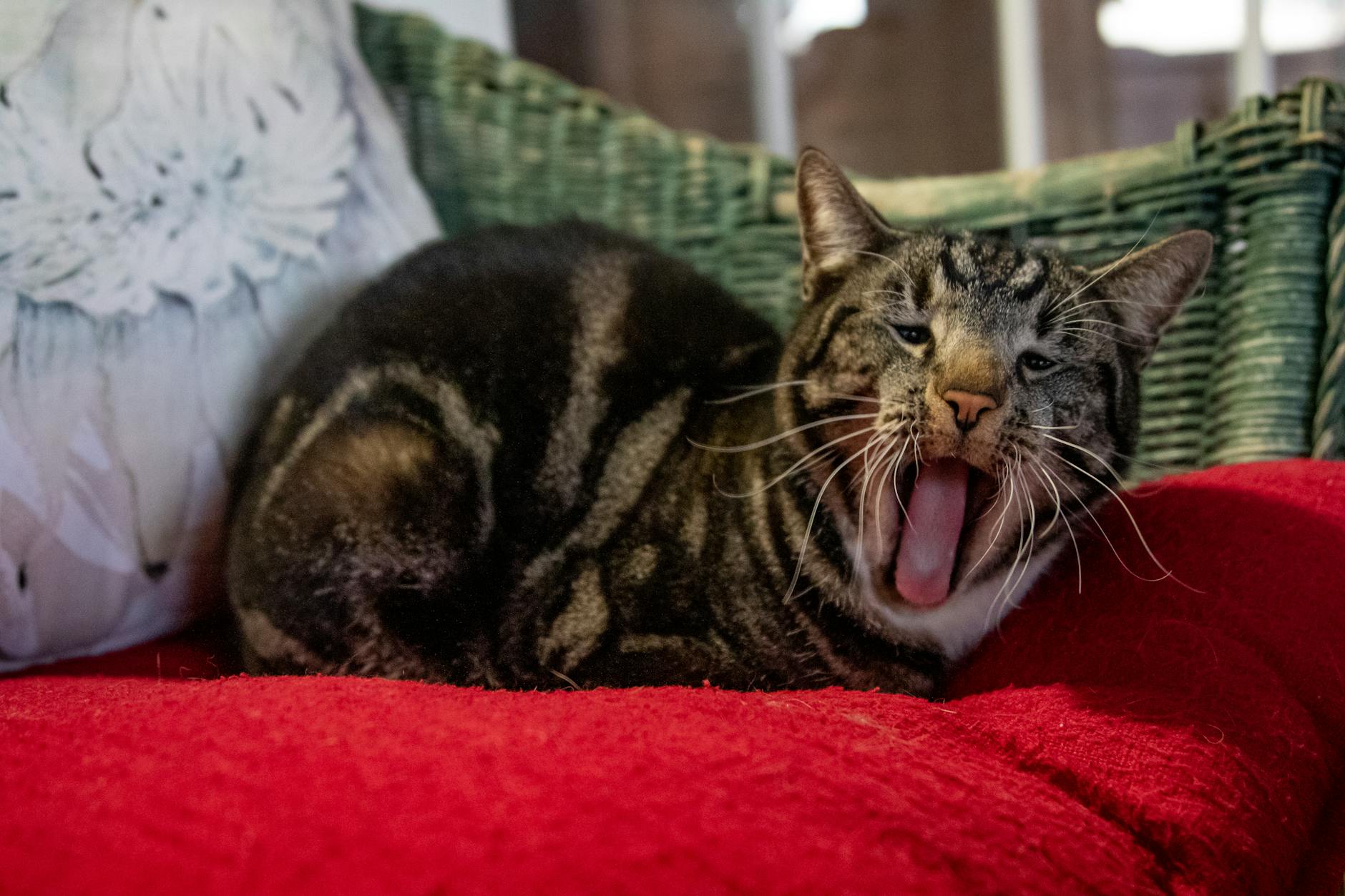
Cats sleep for many hours a day but excessive lethargy is a red flag. A bored cat may sleep more than usual simply because there is nothing else to engage with. They lose interest in their surroundings and interact less with family members. This depressive state requires active intervention to reawaken their natural curiosity.
Repetitive Pacing

Animals in captivity often pace back and forth when their environment is too small or unstimulating. Cats exhibiting this behavior walk the same path repeatedly without a clear destination. It indicates a high level of stress and a need for physical exertion. Increasing the available territory or vertical space often alleviates this restlessness.
Knocking Items Off Tables

The classic cat behavior of pushing objects off surfaces is often an experiment in cause and effect. They watch the object fall to see how it moves and to gauge the reaction of their owner. This mischief is a clear sign that the cat is looking for mental engagement. Clear surfaces and provide toys that are meant to be batted around instead.
Ignoring Food

Some bored cats go the opposite direction of overeating and lose interest in their meals. They might sniff the bowl and walk away even if they are physically healthy. This indifference can stem from a lack of excitement in their daily routine. Turning mealtime into a game often reignites their appetite and interest.
Litter Box Issues

Inappropriate elimination is sometimes a behavioral response to stress and boredom. Cats may urinate outside the box to mark territory or simply to act out. Veterinary checks are crucial to rule out infections before treating this as a behavioral problem. A bored cat uses this method to force owners to pay attention to their environment.
Climbing Curtains

Vertical exploration is a biological need for cats that must be met safely. When appropriate climbing structures are absent they will scale curtains or blinds. This destroys home decor and poses a risk of injury to the animal. Providing tall cat trees or shelving gives them a safe outlet for this climbing instinct.
Chase Behaviors

Cats may suddenly bolt from one room to another for no apparent reason. This is often an attempt to burn off excess energy that has accumulated throughout the day. They might also chase invisible prey or shadows on the wall. These bursts of activity suggest the need for structured play sessions.
Depression

Boredom left unchecked can spiral into feline depression. The cat may hide under beds or in closets for extended periods. They stop grooming themselves and show little interest in treats or affection. Reintroducing play and engagement slowly helps reverse this emotional slump.
Escaping

A bored cat will often try to bolt out the door the moment it opens. The outdoors represents a world of stimulation and excitement that is missing inside. They sit by windows or doors and vocalize their desire to leave the premises. Secure outdoor enclosures provide a safe compromise for indoor cats.
Puzzle Feeders

Food puzzles require cats to work for their meals by solving simple problems. These devices stimulate the predatory instinct to hunt and forage. The mental effort required to extract the kibble tires them out faster than physical exercise alone. Start with easy puzzles to avoid frustration and gradually increase the difficulty.
Vertical Space

Cats feel most confident and entertained when they can observe their domain from above. Installing shelves or tall cat trees increases the usable square footage of a room. This allows them to jump and climb while providing a safe vantage point. Vertical territory is essential for multi-cat households to prevent territorial disputes.
Window Perches
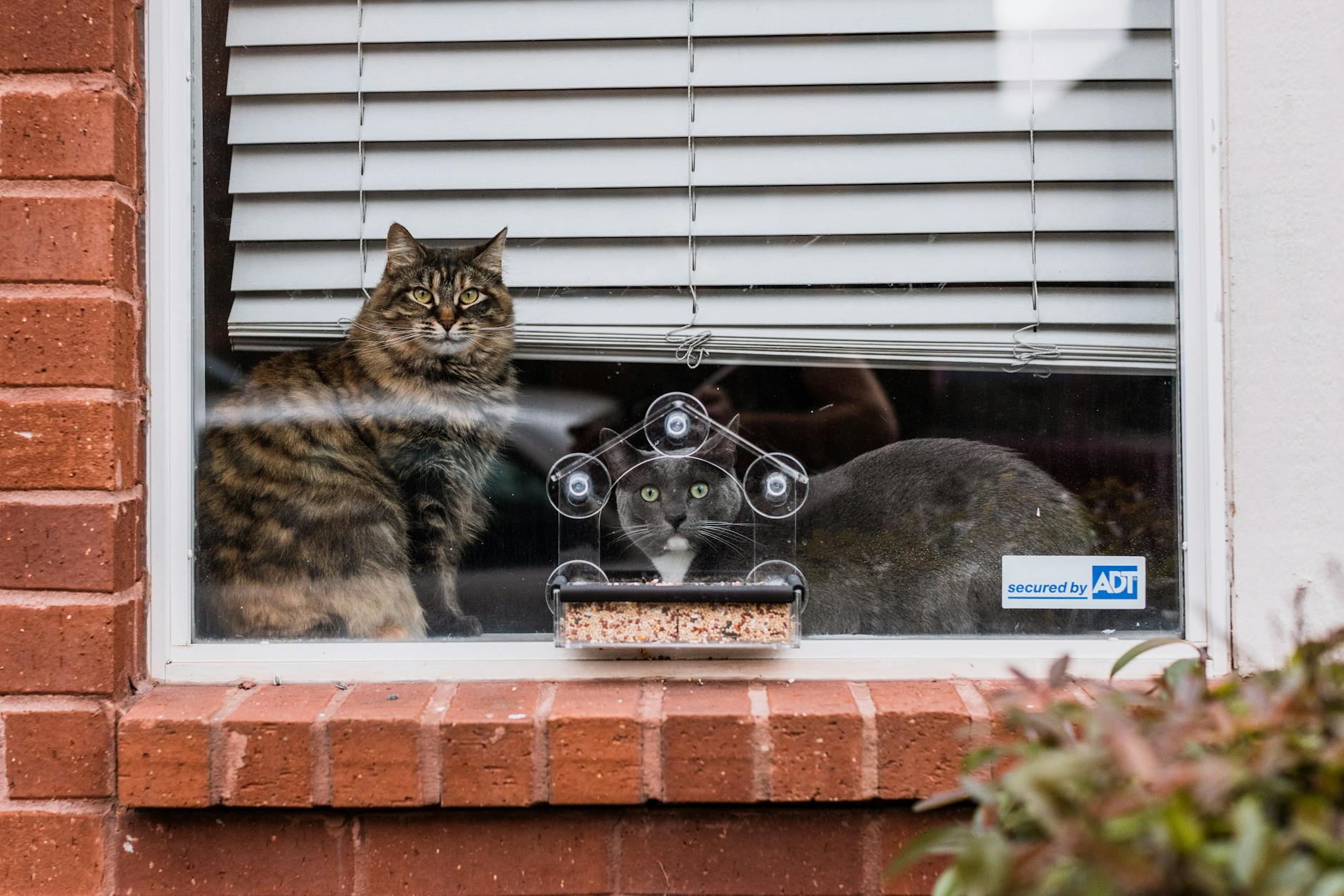
A comfortable seat by a window acts as a television for indoor cats. Placing a bird feeder outside the window creates endless entertainment for the observer. The visual stimulation of passing cars and wildlife keeps their minds active for hours. Ensure the window is securely closed or screened to prevent escapes.
Cat TV

Videos designed specifically for cats feature birds, squirrels, and fish in high definition. Playing these videos on a tablet or television captures their attention during quiet hours. The sounds and movements mimic nature and engage their prey drive. Monitor the screen to ensure the cat does not attack the electronics.
Feather Wands
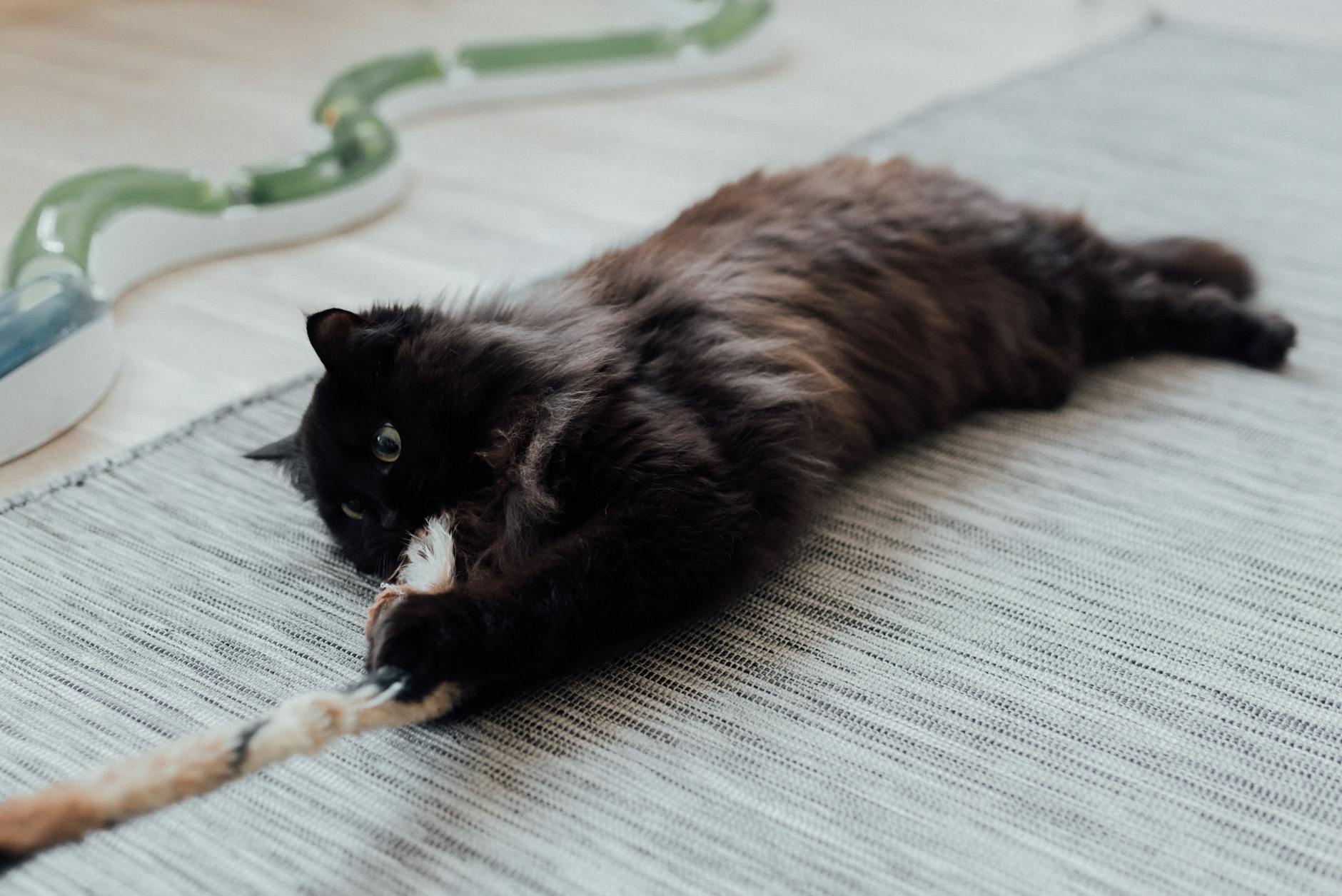
Interactive play with a wand toy is one of the best ways to bond with a cat. The human controls the movement to mimic the erratic flight of a bird or insect. This unpredictability keeps the cat engaged and encourages high-intensity aerobic exercise. Fifteen minutes of this play daily can significantly reduce behavioral issues.
Clicker Training

Cats are highly trainability and enjoy the mental challenge of learning new tricks. Clicker training uses positive reinforcement to teach commands like sit or high five. This mental workout strengthens the bond between pet and owner. It builds confidence in shy cats and burns mental energy effectively.
Cardboard Boxes
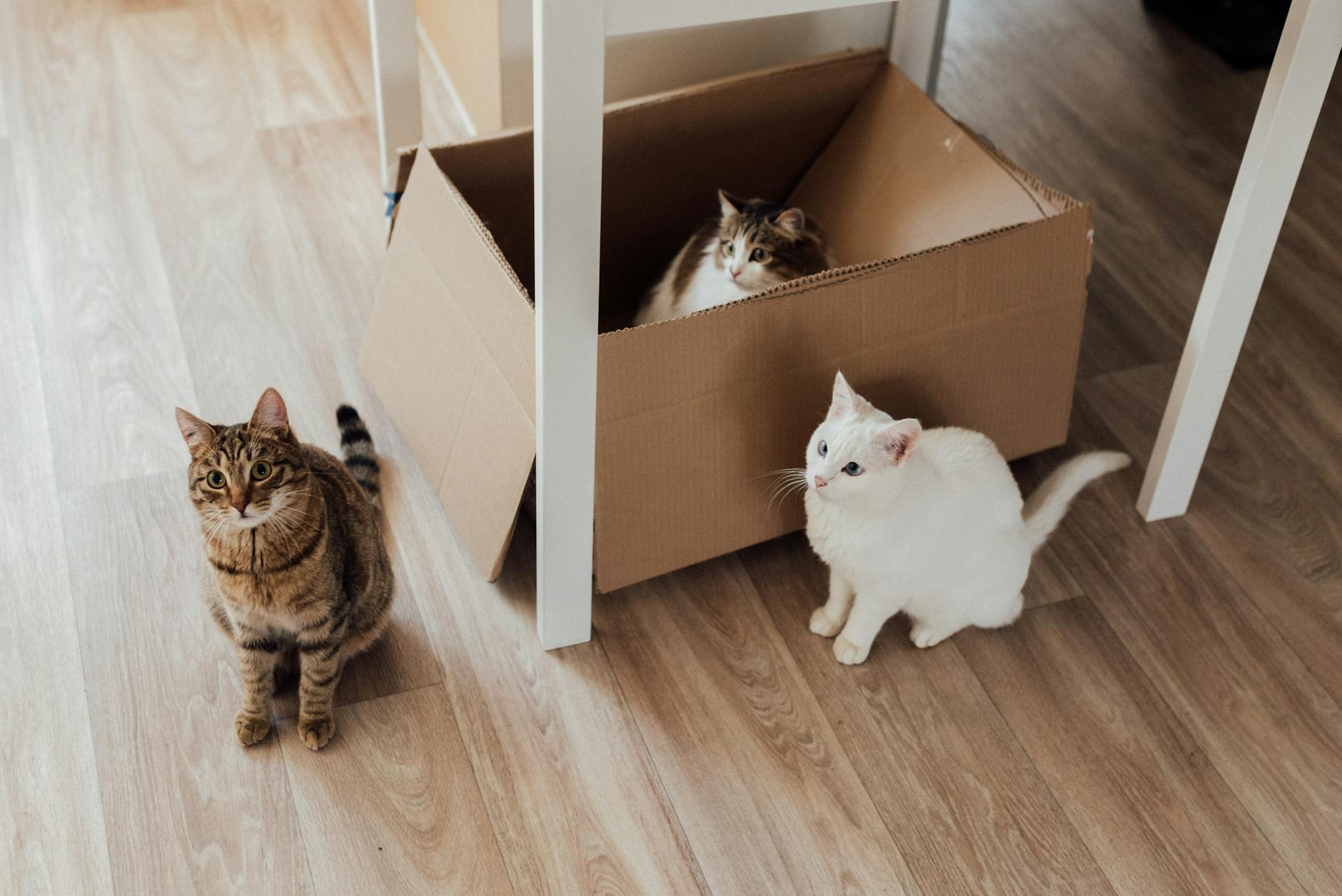
The humble cardboard box offers endless entertainment possibilities for felines. They use boxes for hiding, scratching, and sleeping. Cutting holes in the sides turns a simple box into a complex fortress or tunnel. This is a cost-effective way to change their environment frequently.
Rotating Toys
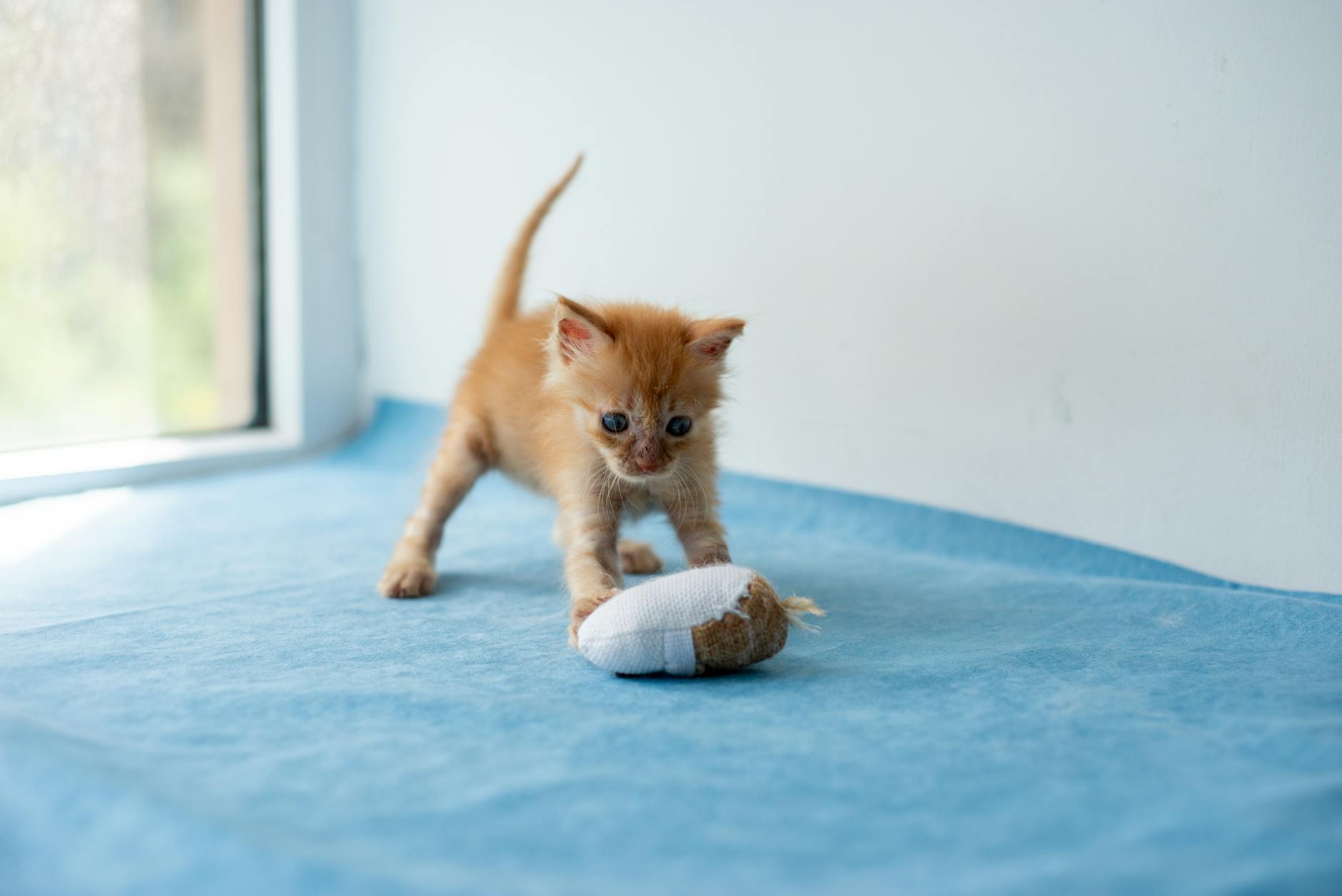
Cats lose interest in toys that are left out on the floor permanently. Keeping a stash of toys in a closet and rotating them weekly keeps the selection fresh. The reintroduction of an old toy often sparks excitement as if it were brand new. This strategy saves money and maintains high levels of engagement.
Catio Access

A catio is an enclosed outdoor patio that allows cats to experience fresh air safely. It protects them from predators and traffic while offering new scents and sights. Even a small window box extension provides significant sensory enrichment. This connection to the outdoors dramatically improves their quality of life.
Leash Walking
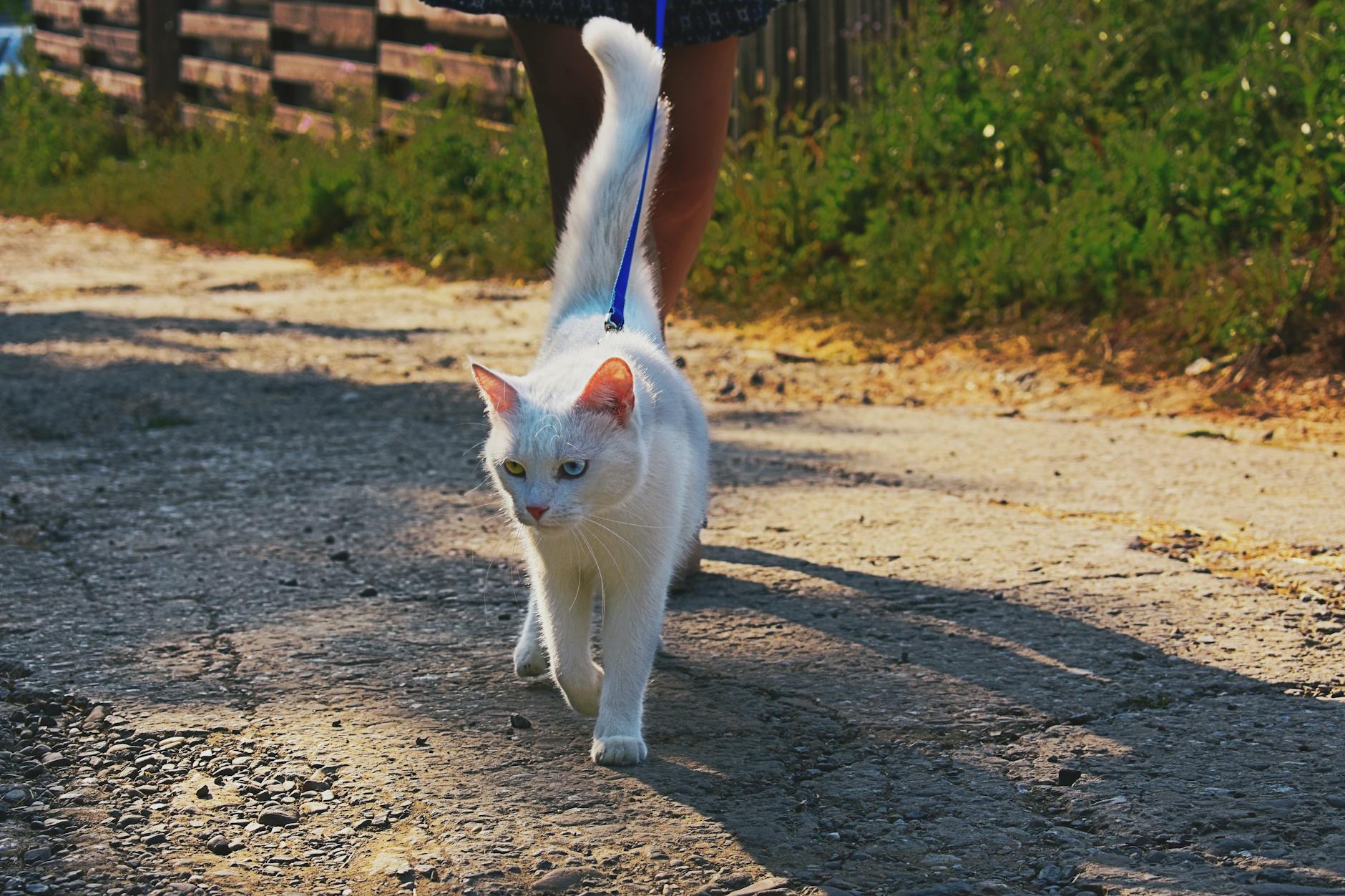
Training a cat to walk on a harness opens up a new world of exploration. It requires patience and a gradual introduction to the gear indoors first. Once comfortable the cat can explore the backyard or quiet parks under supervision. This activity provides intense sensory stimulation and physical exercise.
Scavenger Hunts

Hiding dry food or treats around the house encourages natural foraging behaviors. The cat must use its nose and hunting skills to locate its daily calories. Place treats on different levels and in different rooms to encourage movement. This turns mealtime into an engaging event rather than a passive activity.
Laser Pointers

The red dot of a laser pointer triggers an immediate chase response in most cats. It allows them to run at full speed without the owner needing to move much. Always end the game by letting them catch a physical toy to prevent frustration. This completes the hunting cycle and provides a sense of satisfaction.
Cat Tunnels

Collapsible tunnels provide a space for cats to hide, run, and ambush toys. The crinkly material often used adds an auditory element to the play. They can be connected to create a labyrinth or used independently in different rooms. Tunnels appeal to the instinct to navigate tight burrows.
Automated Toys

Battery-operated toys can entertain a cat when the owner is busy or away. These devices move feathers or balls in random patterns to mimic prey. Many come with timers to preserve battery life and prevent overstimulation. They serve as a good supplement to interactive human play.
Scratching Posts

Providing a variety of scratching textures keeps a cat interested. Some cats prefer vertical sisal posts while others like horizontal cardboard pads. Place these items near sleeping areas and social hubs to encourage use. Proper scratching outlets protect furniture and allow for scent marking.
Catnip Toys

Catnip creates a euphoric reaction in the majority of adult cats. Toys filled with fresh organic catnip induce playfulness and energy bursts. The effects typically last for about ten to fifteen minutes before fading. Offer catnip as an occasional treat to keep the reaction strong.
Silvervine Sticks

Silvervine is a potent alternative for cats that do not react to catnip. Chewing on these sticks promotes dental health while providing olfactory stimulation. The natural compounds in the wood induce a relaxed and playful state. It is a safe and natural way to vary their sensory experiences.
Water Fountains

Running water is fascinating to many cats and encourages better hydration. A pet fountain mimics a fresh stream and appeals to their instincts. Watching and batting at the stream provides low-level entertainment throughout the day. The sound of trickling water can also be soothing for anxious pets.
Interactive Apps

Tablets offer games where cats can catch digital fish or mice on the screen. The movement and sound effects are designed to trigger their visual cortex. Protective screen covers are recommended to prevent claw damage during enthusiastic play. These sessions should be short to avoid eye strain.
Adopt a Friend

Introducing a second cat can provide constant companionship and a playmate. They can chase each other and groom one another when humans are not around. This decision requires careful consideration of finances and temperament compatibility. A well-matched pair will entertain each other for a lifetime.
Tell us about your favorite way to keep your feline friend busy in the comments.