Understanding feline body language opens a fascinating window into the emotional world of your pet. Cats communicate affection and contentment through subtle physical cues that differ significantly from dogs or humans. Recognizing these signals strengthens the bond between owner and animal while ensuring the cat feels understood. A happy cat displays a combination of vocalizations and postures that indicate safety and trust. The following signs act as clear indicators that your feline companion feels a deep connection with you.
The Rumble of Purring
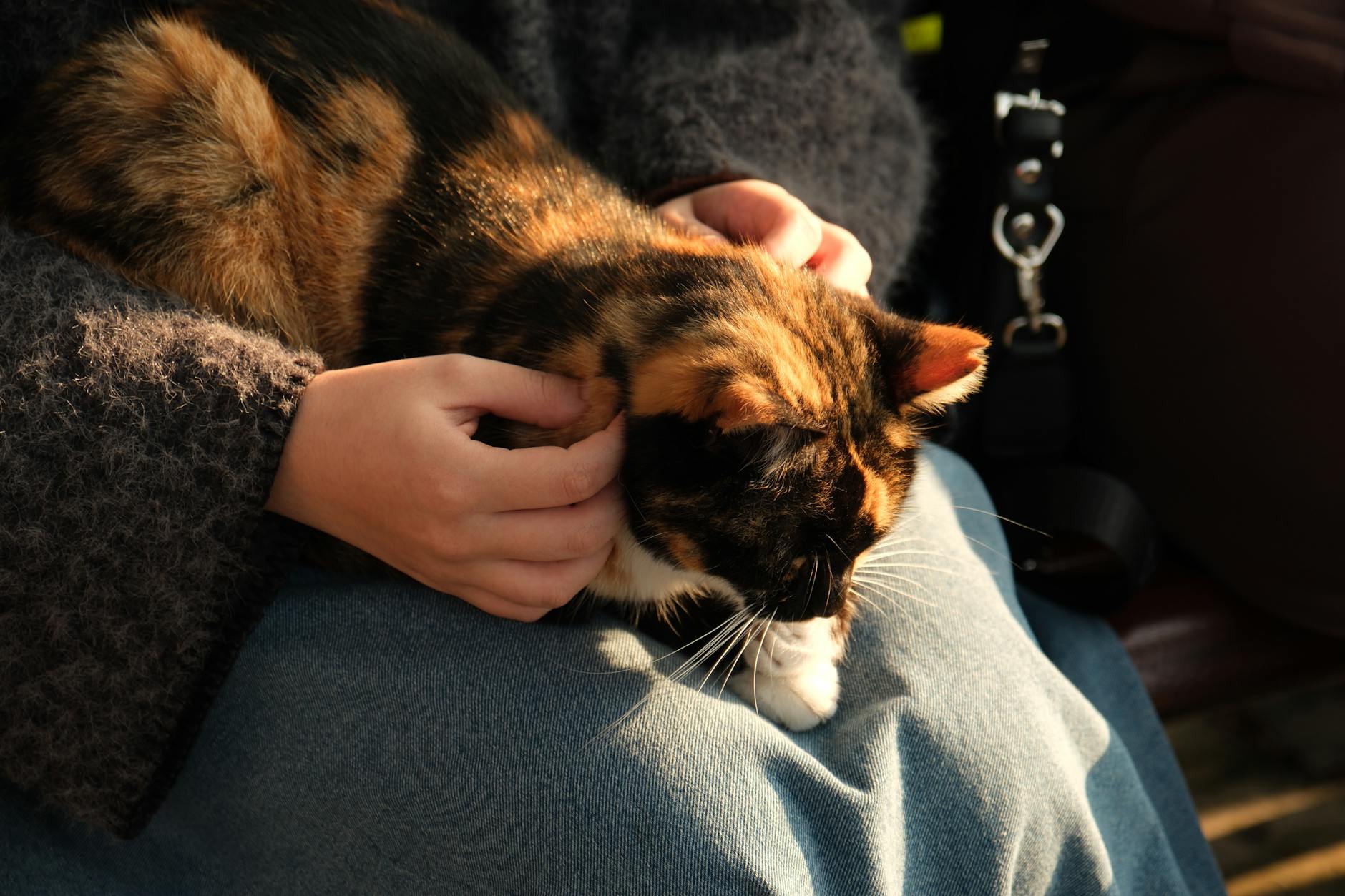
Cats often vibrate their vocal cords to express contentment or self-soothing during relaxation. This low rumble usually indicates they feel safe and comfortable in their current environment. Owners typically notice this sound while petting or cuddling with their feline companions. It serves as one of the most recognizable auditory signals of affection in the animal kingdom. A loud and steady purr is a strong indicator that your pet is enjoying your presence.
The Slow Blink
Felines use eye contact to communicate trust and affection towards their human guardians. A slow and deliberate blink signals that the cat does not perceive you as a threat. This gesture acts as a cat kiss and invites a reciprocal response from the owner. You can return the sentiment by slowly closing your eyes to strengthen the bond. Wide and relaxed eyes generally mean the animal feels calm and happy.
Rhythmic Kneading
Rhythmic pushing of paws against a soft surface is a behavior stemming from kittenhood nursing. Adult cats perform this action on blankets or laps when they feel extremely secure. The motion releases endorphins that help the animal relax and bond with you. Some cats may even drool slightly while focused on this repetitive movement. It demonstrates a deep regression to a state of absolute comfort and safety.
Head Bunting
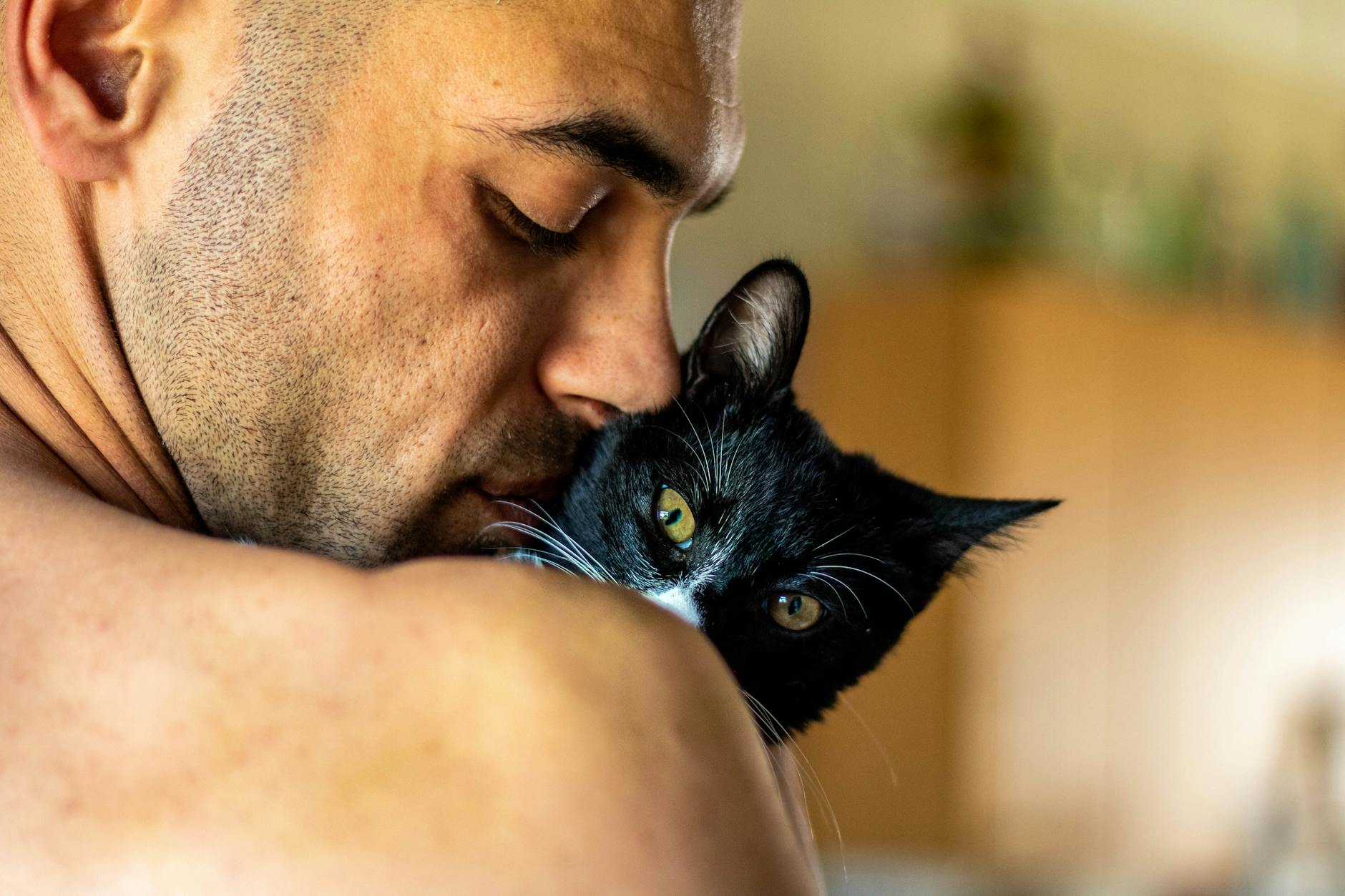
Cats have scent glands located on their heads and cheeks which they use to mark territory. Bumping their head against your face or hand deposits these pheromones to claim you as family. This tactile greeting is a significant sign of acceptance and social bonding within their group. It allows the cat to mix their scent with yours to create a communal family smell. The pressure applied during the bunt shows just how comfortable they are with your proximity.
Exposing the Belly
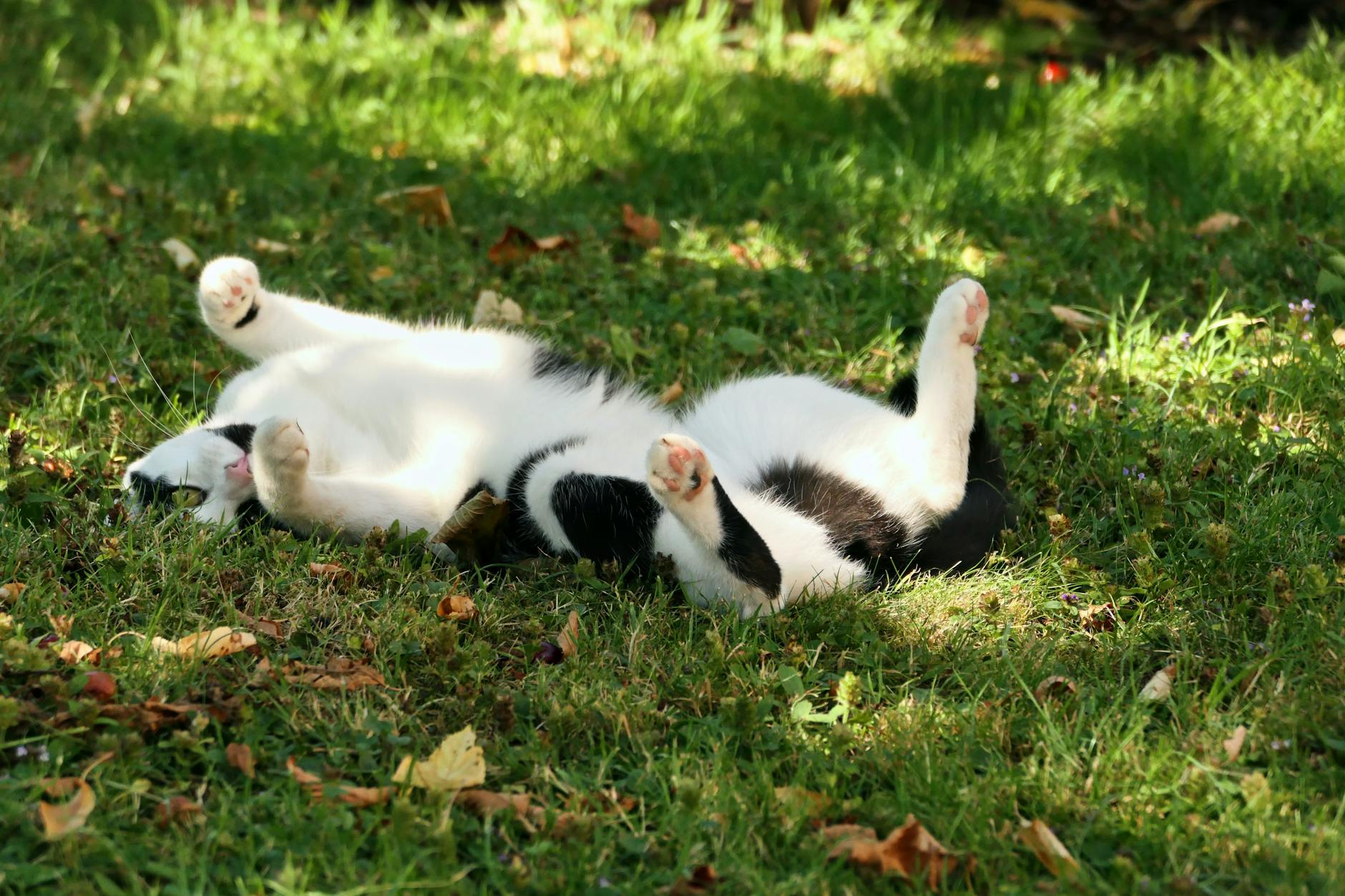
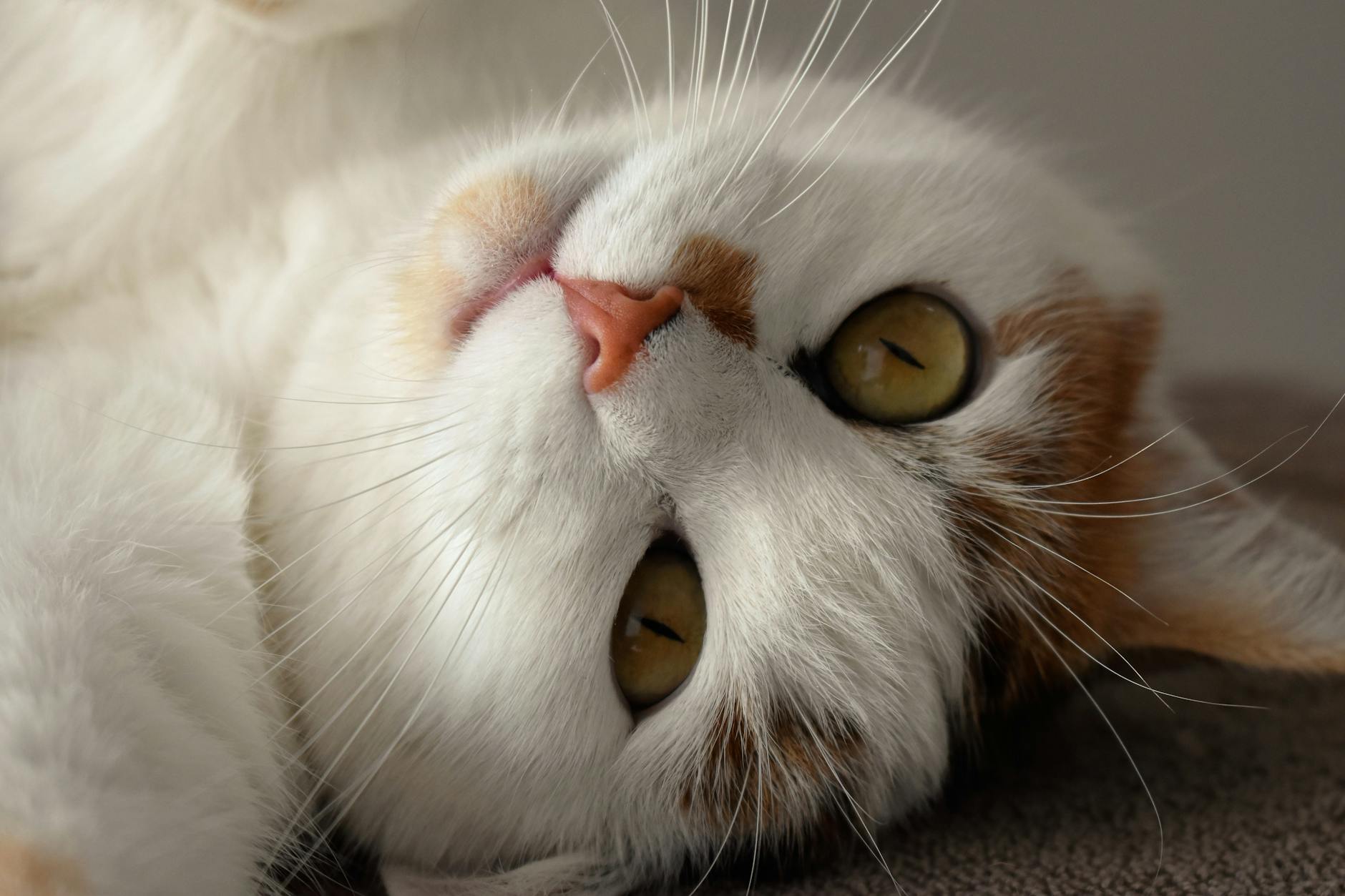
The stomach is the most vulnerable part of a feline body due to vital organs located there. A cat rolling over to show its tummy displays immense trust in your restraint and protection. This position puts them at a disadvantage if a predator were to attack suddenly. They only offer this view when they feel completely safe from harm or aggression. It is often an invitation for play or simply a posture of total relaxation.
The Upright Tail
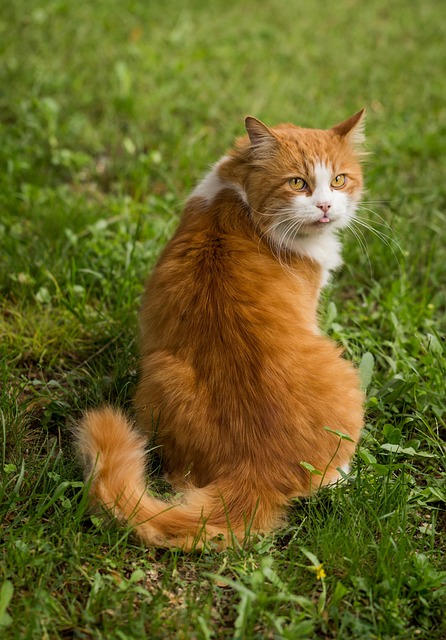
The position of a tail tells a detailed story about feline emotional states. An upright tail with a slight curve at the tip signifies a happy and confident mood. This specific shape resembles a question mark and is often seen when greeting owners. It acts as a friendly flag signaling a desire for interaction or attention. A quivering upright tail indicates pure excitement and joy at seeing a loved one.
Social Grooming
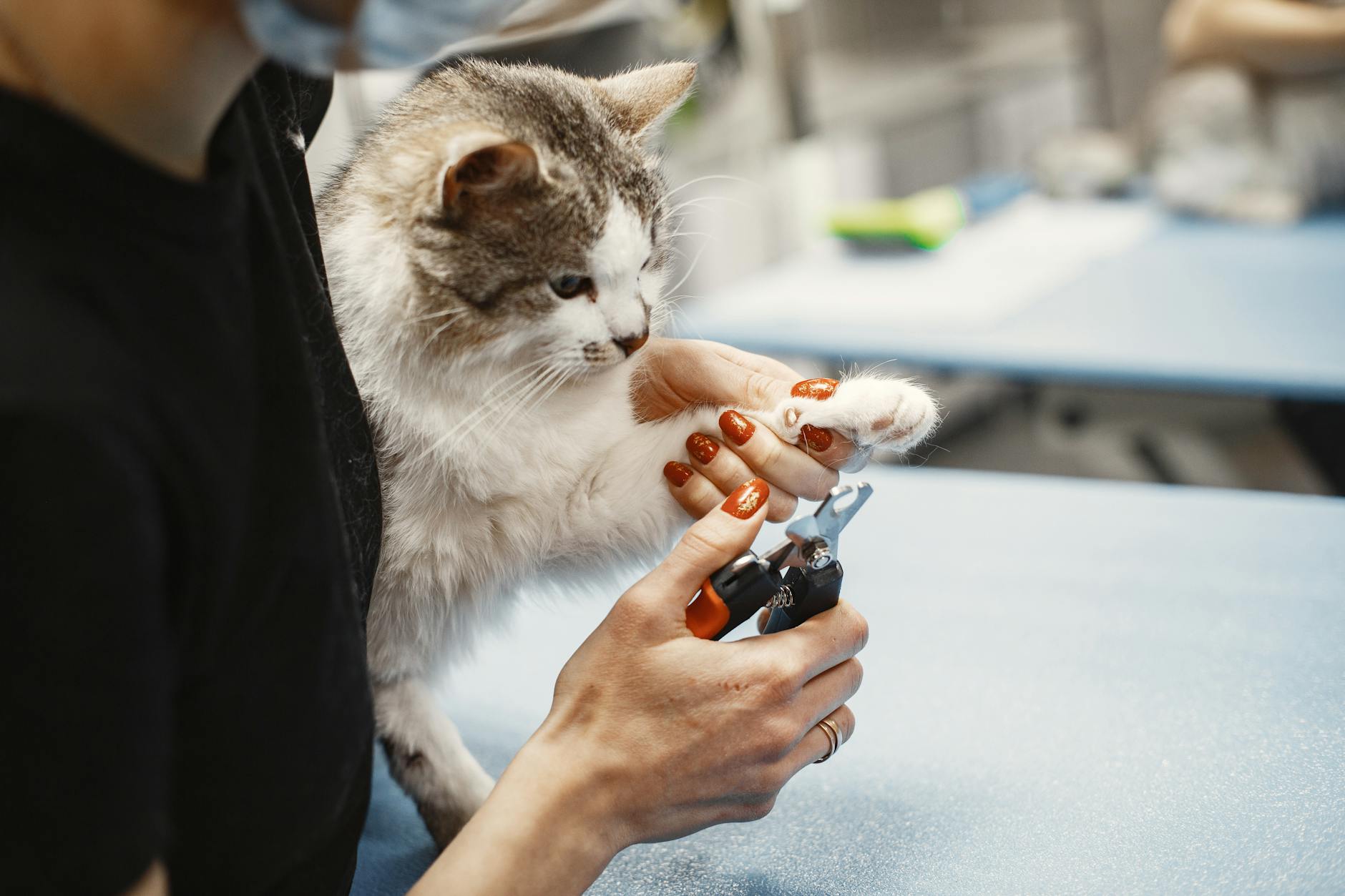
Licking your skin or hair mimics the grooming behaviors cats perform on each other. This activity reinforces social bonds and establishes a shared group scent. The rough texture of their tongue exfoliates while simultaneously showing care for your hygiene. Being on the receiving end of grooming means you are considered an accepted member of their colony. It is a vulnerable act that requires close proximity and mutual trust.
Sleeping Nearby
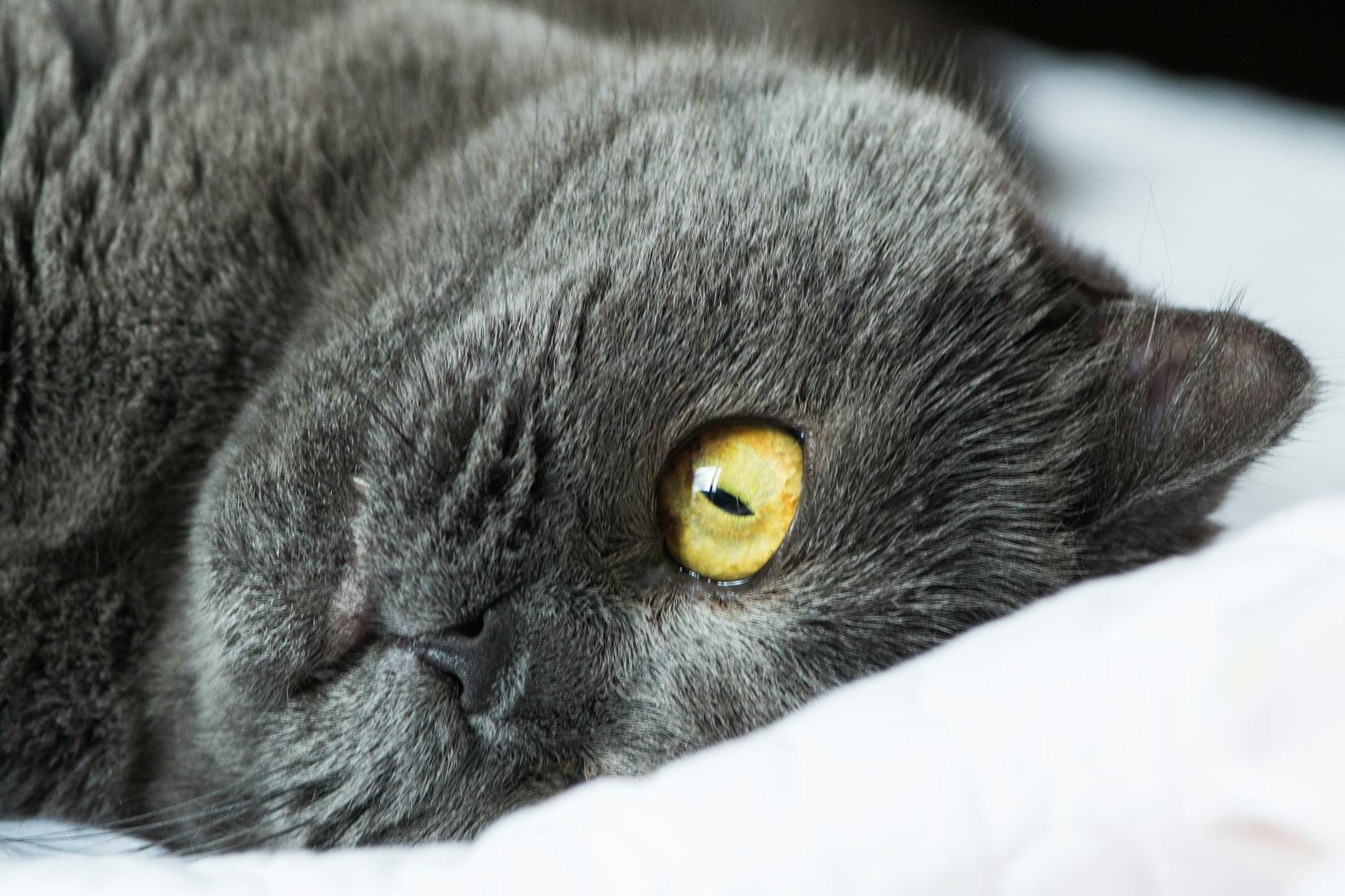
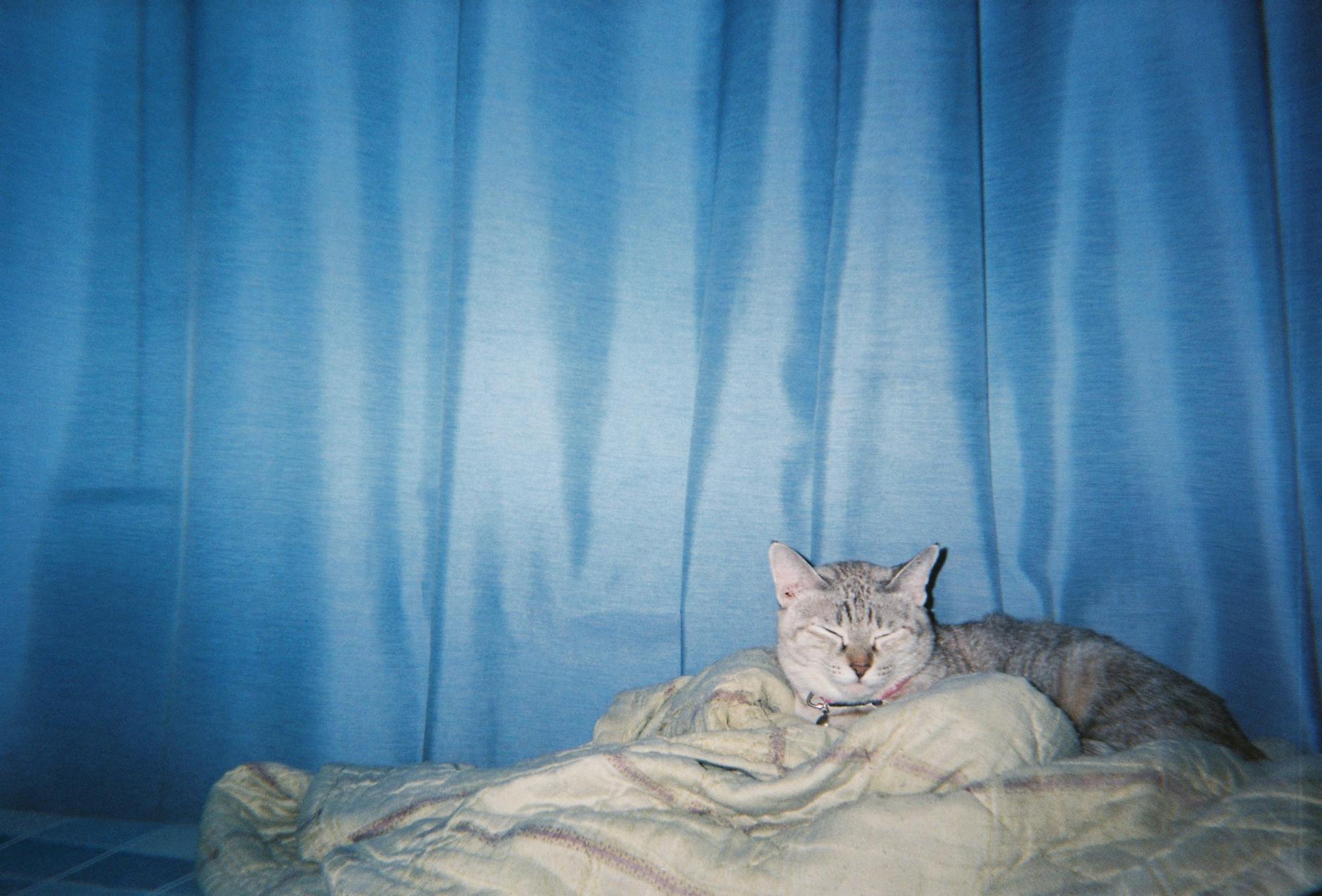
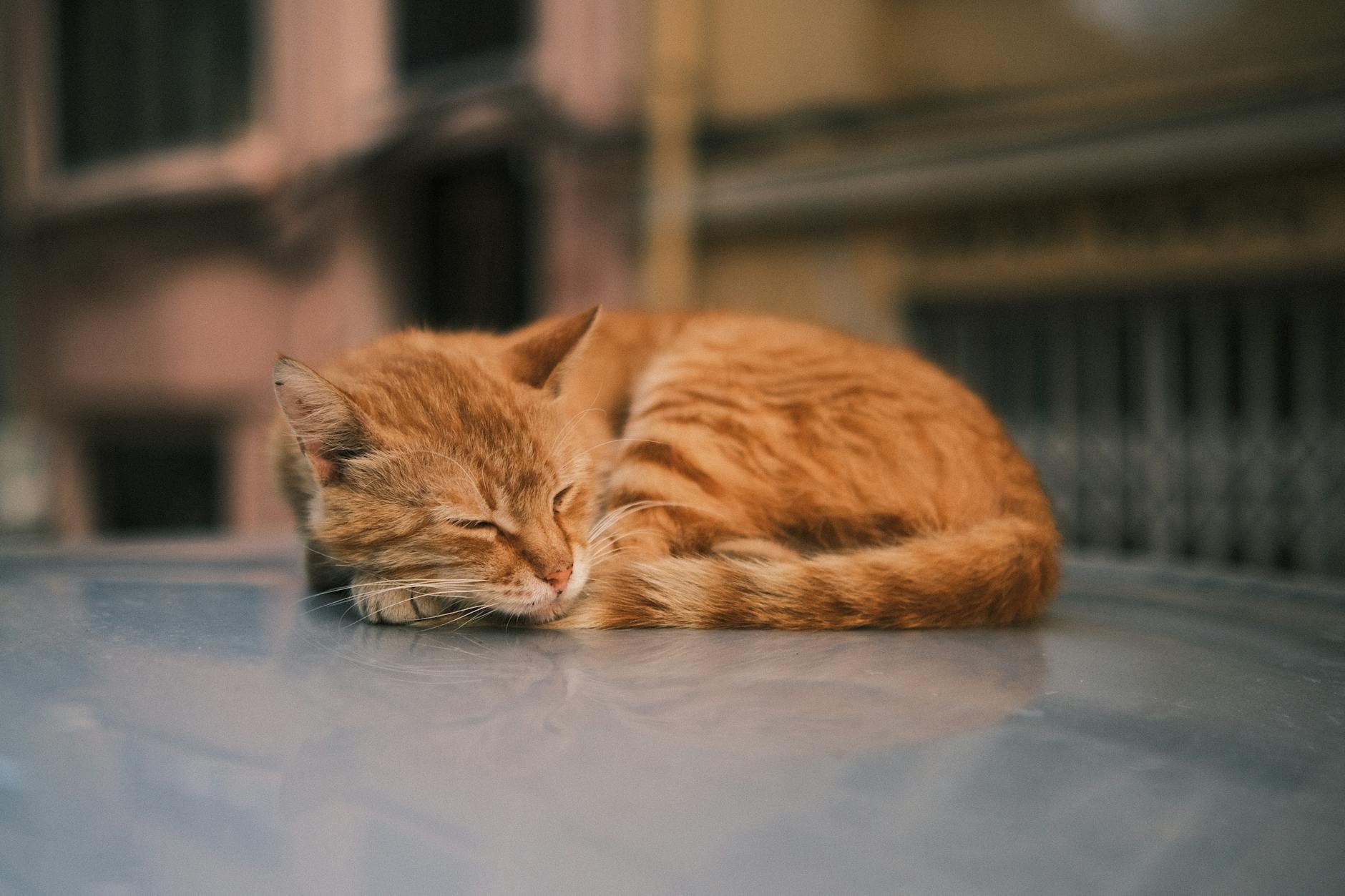
Cats are most defenseless while they are asleep and choose their resting spots carefully. Curling up on your lap or sleeping at the foot of your bed shows they trust you implicitly. They rely on your presence to provide security while they enter deep sleep cycles. This choice of proximity over solitude highlights their preference for your companionship. Even sitting near you while napping counts as a major sign of attachment.
High Pitched Trilling
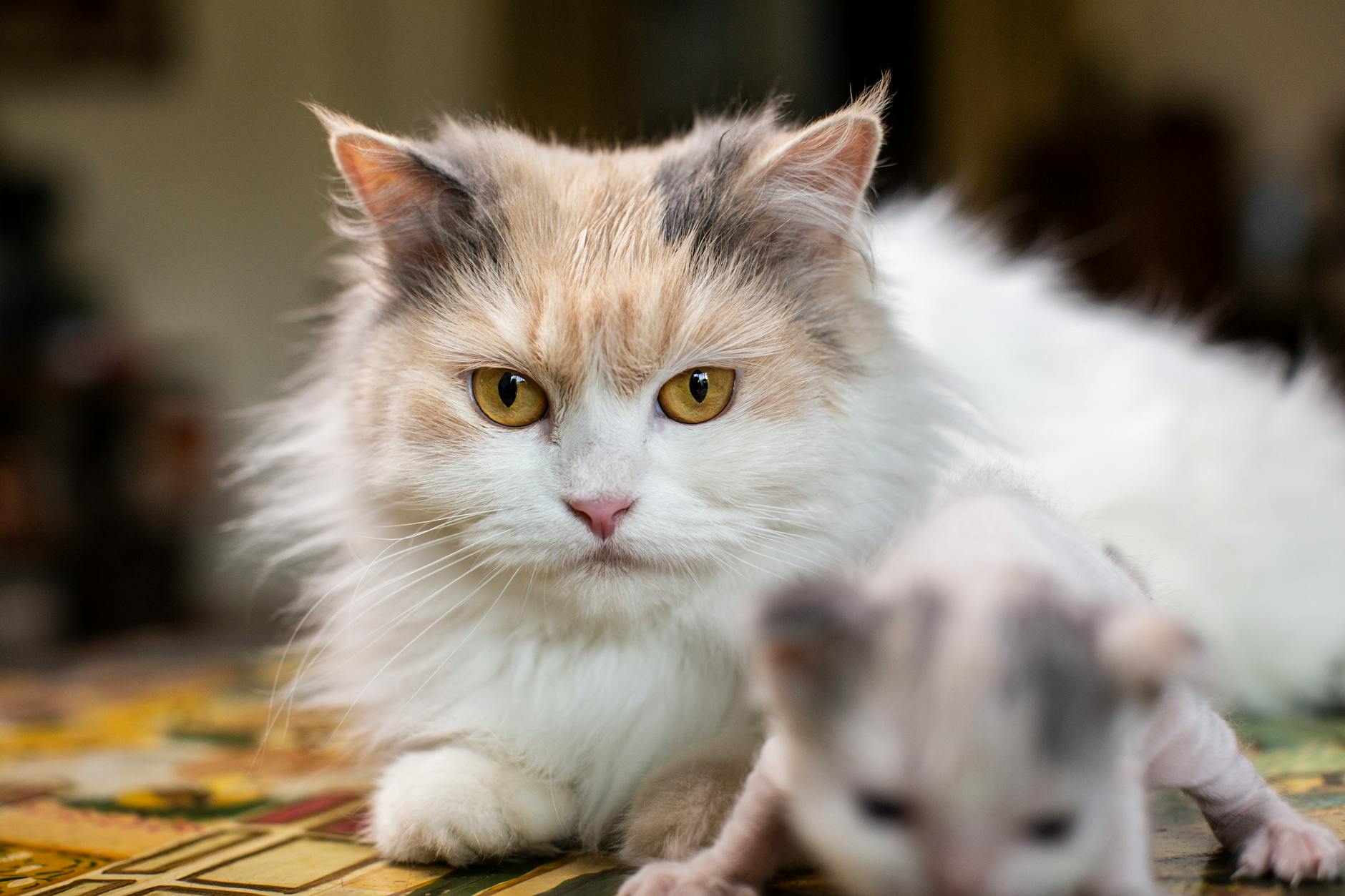
High-pitched chirps or trills differ significantly from standard meowing or demanding vocalizations. Mother cats use these specific sounds to tell kittens to follow them or pay attention. When directed at humans it usually functions as a cheerful greeting or an invitation to play. The sound is often short and melodic compared to other feline noises. Hearing this indicates your cat is in a positive and sociable mood.
Rubbing Against Legs
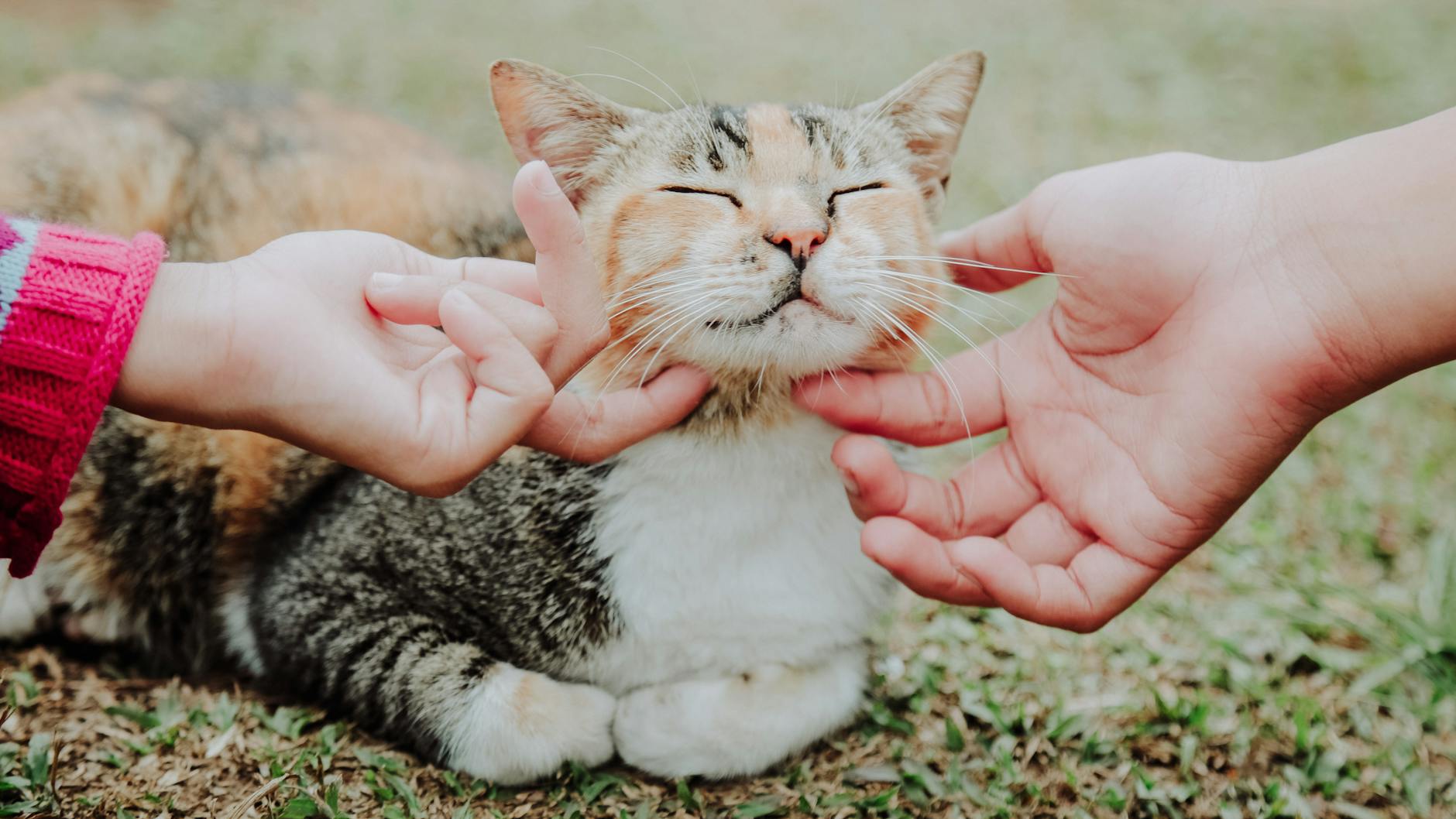
Weaving between your ankles transfers scent from the cat to you. This behavior often happens when owners return home after being away for some time. It serves to re-establish the bond and mark you as familiar territory again. The physical contact provides comfort to the cat and claims ownership over you. This enthusiastic greeting is a clear display of excitement and possessiveness.
Bringing Gifts
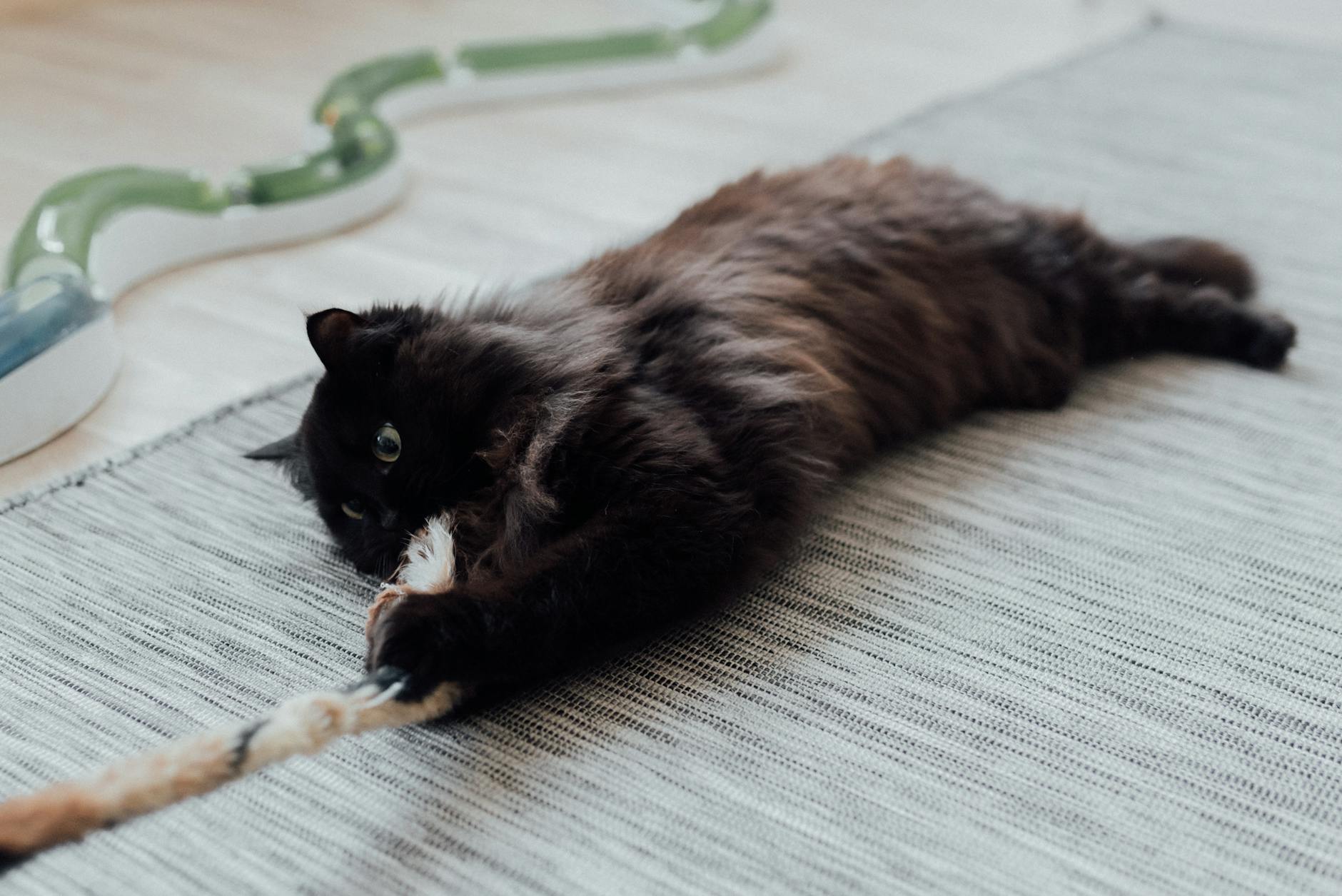
Hunting instincts remain strong even in domesticated house cats who are well fed. Bringing toys or other small objects to your feet is a gesture of providing for the family. It implies the cat views you as a surrogate kitten or a member of the pack who needs help. They expect praise for their successful capture and contribution to the household. This behavior demonstrates a desire to care for you in their own unique way.
Shadowing
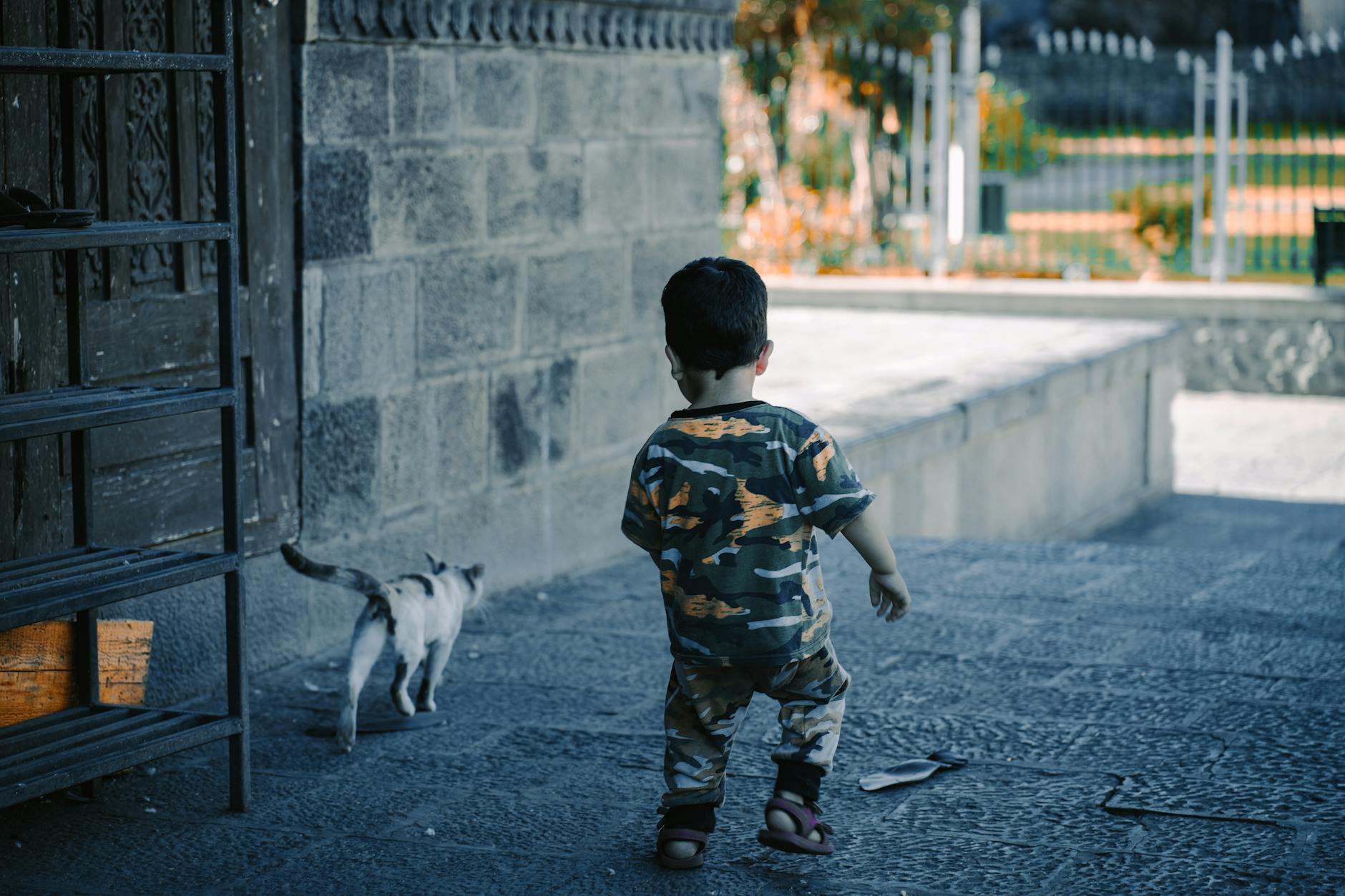
A cat that follows you from room to room simply wants to be near the action. This shadowing behavior shows they enjoy your company and find you interesting. They may simply watch you cook or sit nearby while you work at a desk. It contradicts the stereotype of cats being aloof or entirely independent loners. Their constant presence indicates a strong social attachment to their primary caregiver.
Playful Engagement
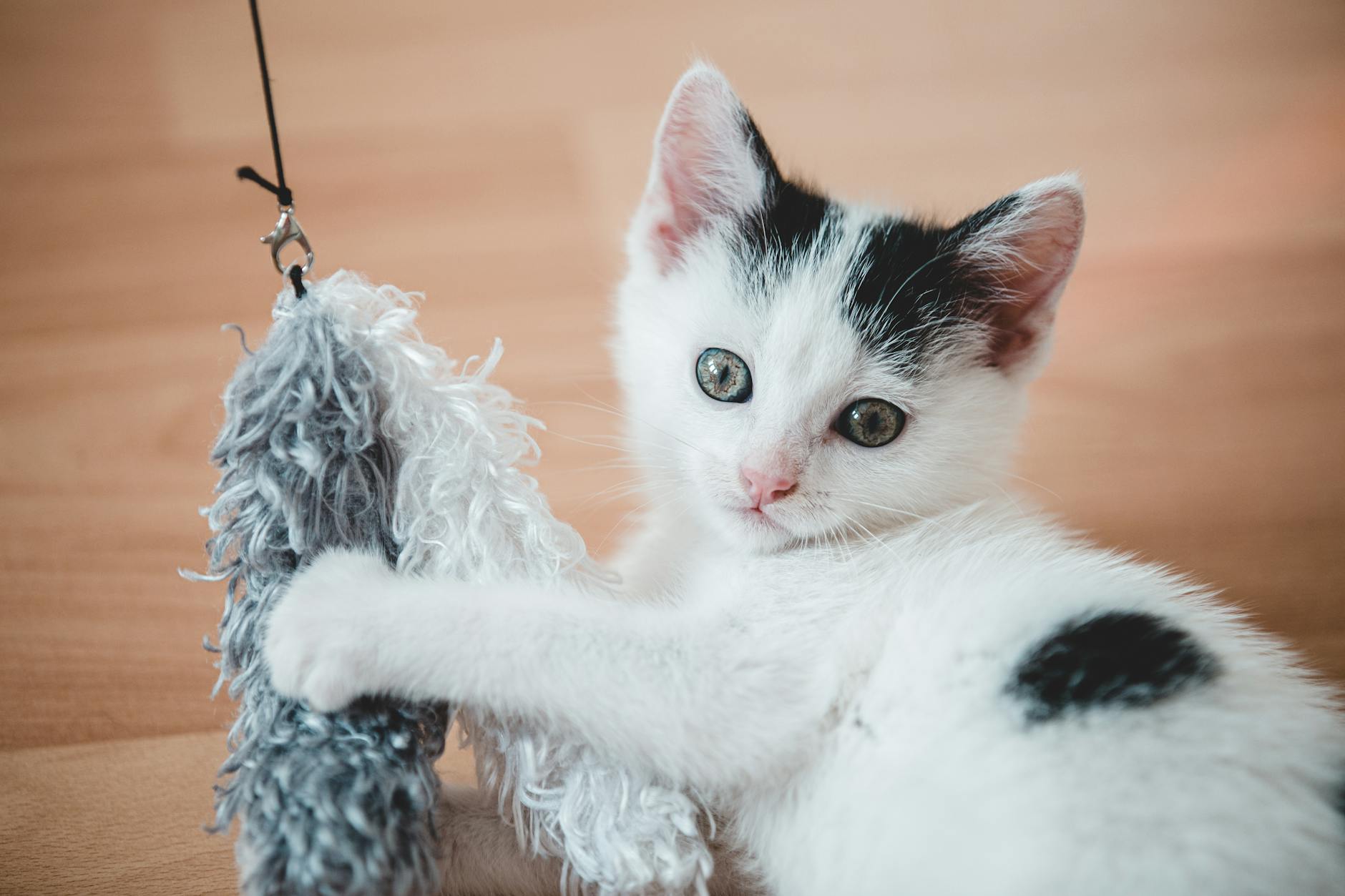
Sudden bursts of energy or engagement with toys signal a healthy and happy mental state. A cat that initiates play with you feels energetic and confident in its environment. Wrestling with your hand or chasing a laser pointer builds a cooperative dynamic. This activity releases pent-up energy and reduces stress for the animal. Playfulness generally declines in cats that are anxious or feeling unwell.
Tail Wrapping
Cats often wrap their tails around the legs or arms of people they love. This gesture is the feline equivalent of holding hands or putting an arm around a friend. It physically connects them to you and serves as a comforting hug. You might notice this happening while you are standing still or sitting together on a couch. It signifies a deep friendship and a desire for continued physical connection.
Relaxed Posture
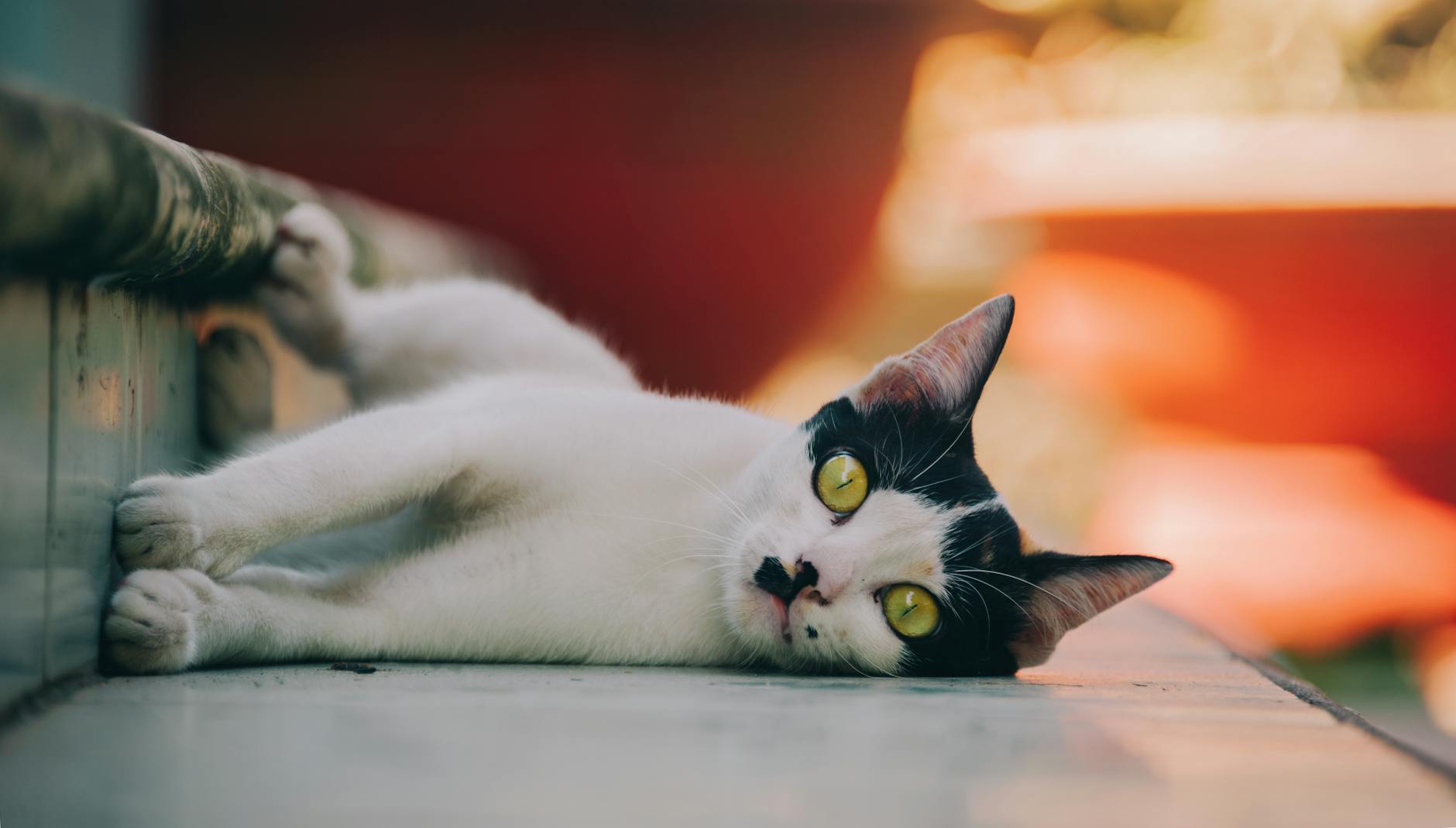
A happy cat carries its body without tension or defensive rigidity. They may sprawl out with legs extended or sit with paws tucked neatly underneath their chest. Ears facing forward and loose whiskers accompany this overall lack of physical stress. The absence of puffed fur or arched backs confirms they feel at ease. Observing a totally loose body signifies the cat is content with the current atmosphere.
Please share which signs your own cat displays most often in the comments.