Dogs communicate their need for mental and physical engagement through a variety of behavioral cues that owners might easily misinterpret. A lack of proper stimulation can lead to frustration and unwanted habits in otherwise well behaved pets. Recognizing these subtle or overt signals allows pet parents to adjust daily routines and provide necessary enrichment activities. Understanding these canine behaviors is the first step toward fostering a happier and more balanced life for a furry companion.
Excessive Barking
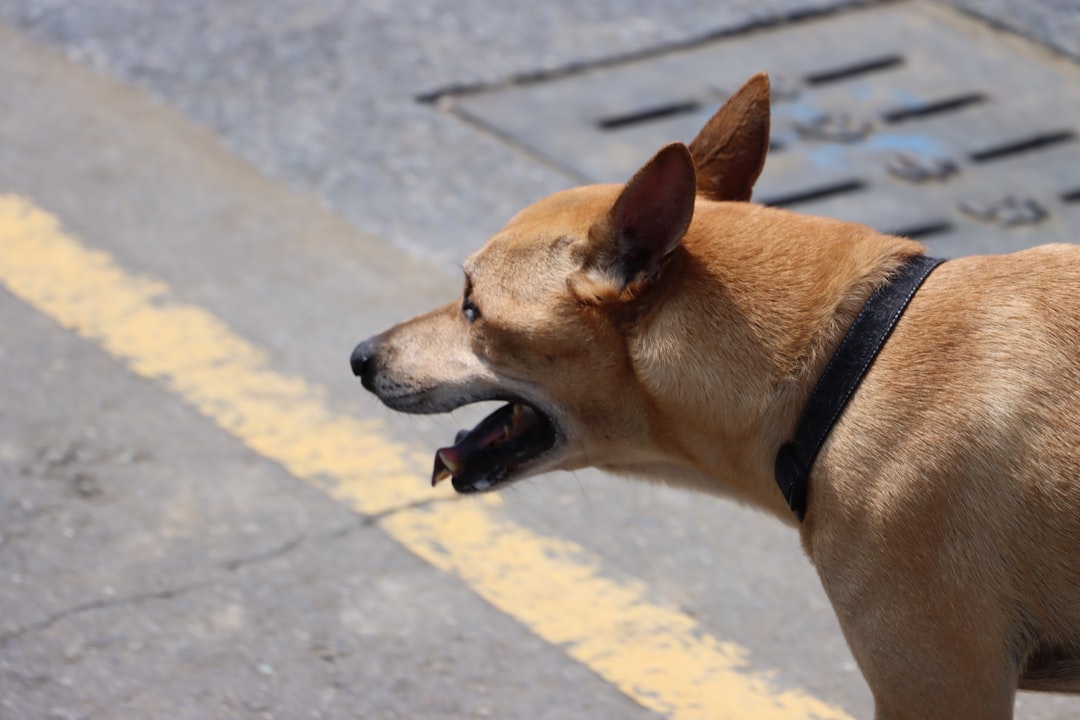
Vocalizing more than usual is a primary way dogs express their pent up energy and desire for attention. They might bark at shadows or outside noises and sometimes even at their owners without any clear trigger. This constant noise serves as an outlet for their frustration when they lack adequate physical or mental tasks to occupy their minds. Providing a puzzle toy or going for an extra walk can effectively redirect this vocal energy into something positive.
Destructive Chewing
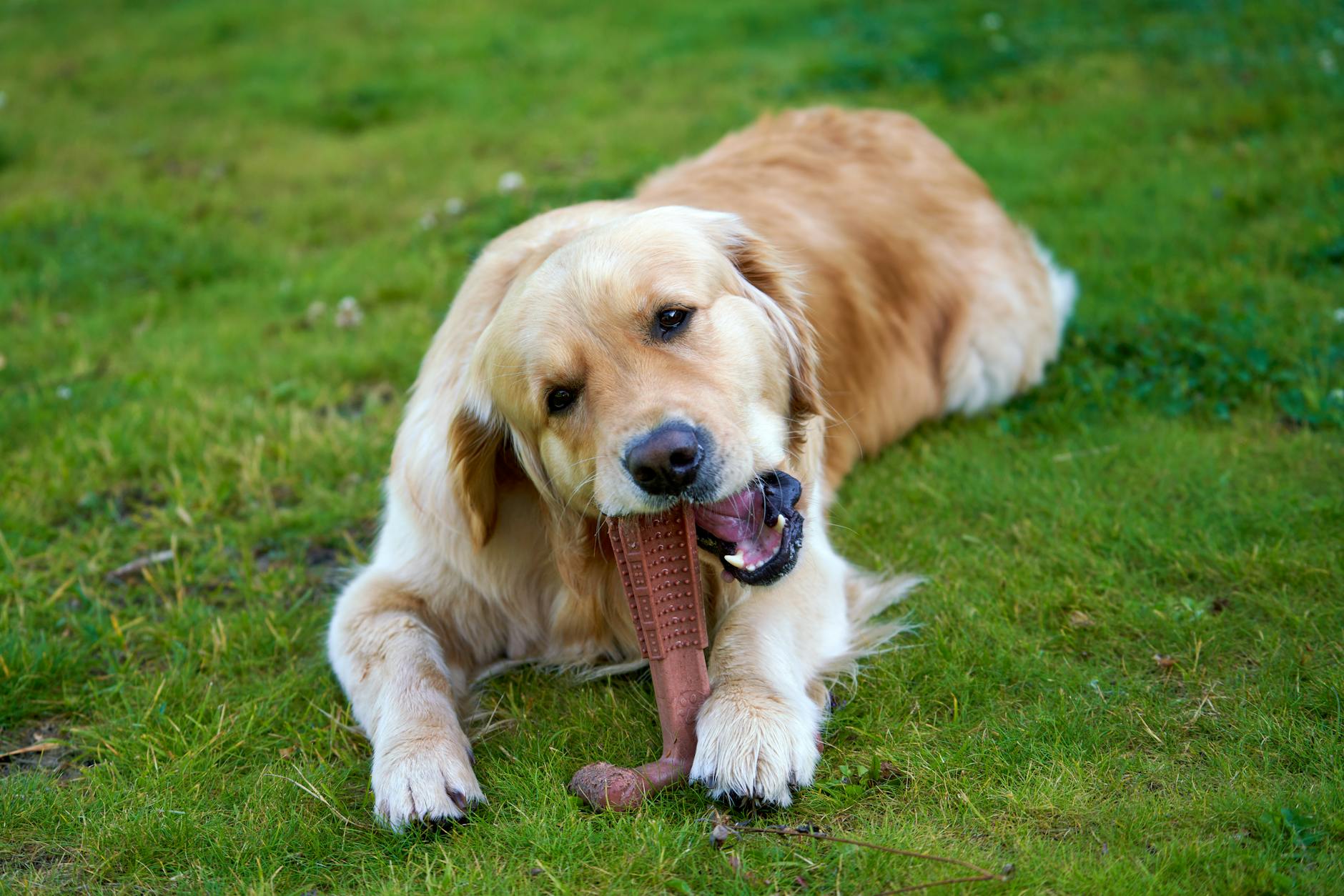
Dogs often turn to household items like shoes and furniture when they desperately need an activity to pass the time. The act of gnawing on objects releases endorphins that temporarily soothe their feelings of understimulation and restlessness. Discovering chewed up pillows or mangled table legs usually indicates that a dog requires more vigorous exercise or sturdy chew toys. Redirecting this natural instinct toward appropriate outlets helps protect household belongings while keeping the dog safely entertained.
Relentless Pacing
Wandering aimlessly from room to room is a clear physical manifestation of a dog struggling with unspent energy. They might walk in repetitive circles or continuously patrol the perimeter of a living space looking for something interesting to happen. This restless behavior indicates a desperate need for a new activity or a change of scenery to break up the monotony of their day. Engaging them in a quick training session or a game of fetch often breaks this cycle of aimless movement.
Digging Indoors

Scratching at carpets or burrowing into couch cushions mimics the natural foraging instincts dogs use in the wild. This behavior surfaces indoors when a dog lacks proper outdoor time or engaging tasks to challenge their minds. They attempt to create their own entertainment or seek comfort by expending physical energy on whatever soft surfaces they can find. Supplying a designated sandbox outside or a snuffle mat indoors gives them a proper space to satisfy this deep rooted urge.
Overgrooming

Licking paws or chewing on legs excessively can develop into a compulsive habit when a dog feels chronically bored. This self soothing mechanism provides them with a repetitive task that helps alleviate the stress of having absolutely nothing else to do. Pet owners might notice bald patches or irritated skin developing from this constant attention to specific body parts. Introducing new interactive games or increasing daily physical activity helps distract them from obsessively grooming themselves.
Attention Seeking Behavior
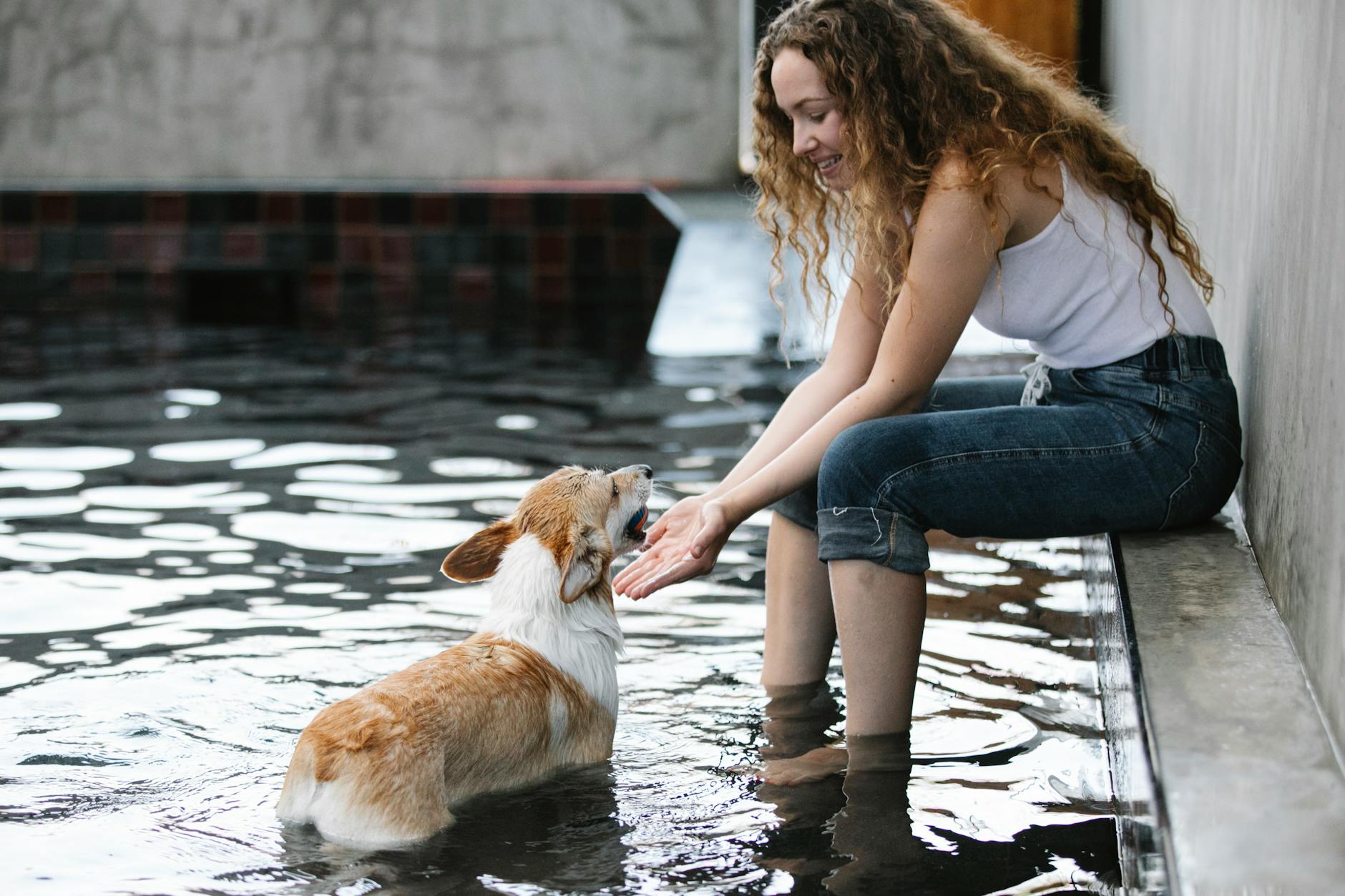
Nudging hands and dropping toys repetitively into laps are direct pleas for interaction from an understimulated pet. Dogs will actively interrupt their owners during work or relaxation times because they crave mental engagement and social connection. They might even resort to stealing items like socks or remote controls just to initiate a game of chase. Setting aside dedicated times for undivided play ensures they receive the focused interaction they naturally require.
Yawning Frequently

While yawning often indicates tiredness it also serves as a common sign of stress or frustration related to extreme boredom. Dogs use this physical action to calm themselves down when they feel restless and lack proper outlets for their energy. Observing a dog yawning repeatedly during the middle of the day usually means they are craving some form of mental enrichment. A simple change in environment or a new trick training session can quickly alleviate this subtle expression of discontent.
Shadow Chasing
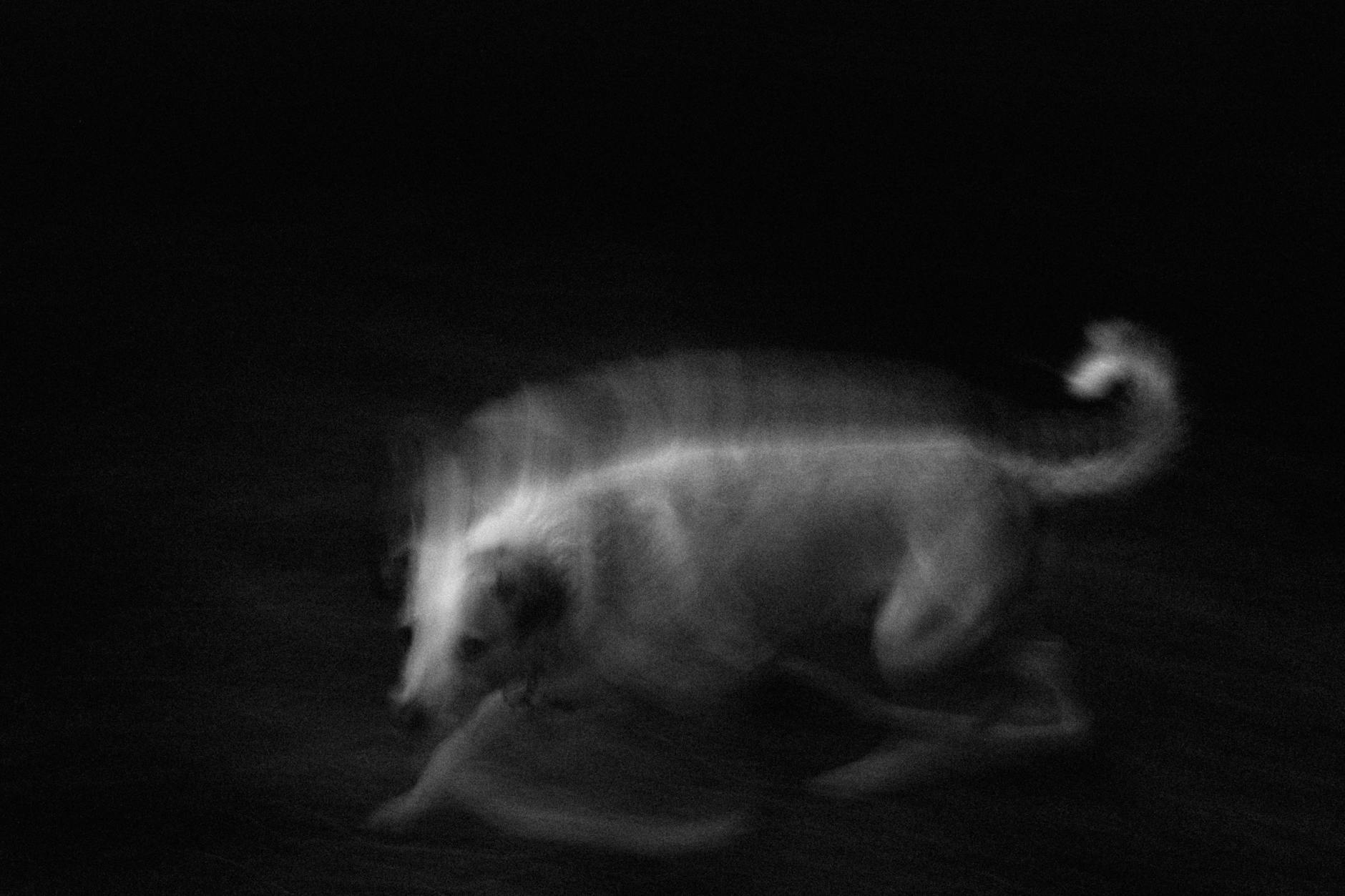
Fixating on lights and shadows darting across the wall reveals a canine mind desperate for a job or a target to pursue. This obsessive behavior stems from a high prey drive that currently lacks an appropriate outlet in their daily routine. Dogs will spend hours tracking these visual stimuli because it provides a much needed mental challenge and a sense of purpose. Channeling this intense focus into structured agility exercises or scent work offers a much healthier way to engage their brains.
Escaping the Yard
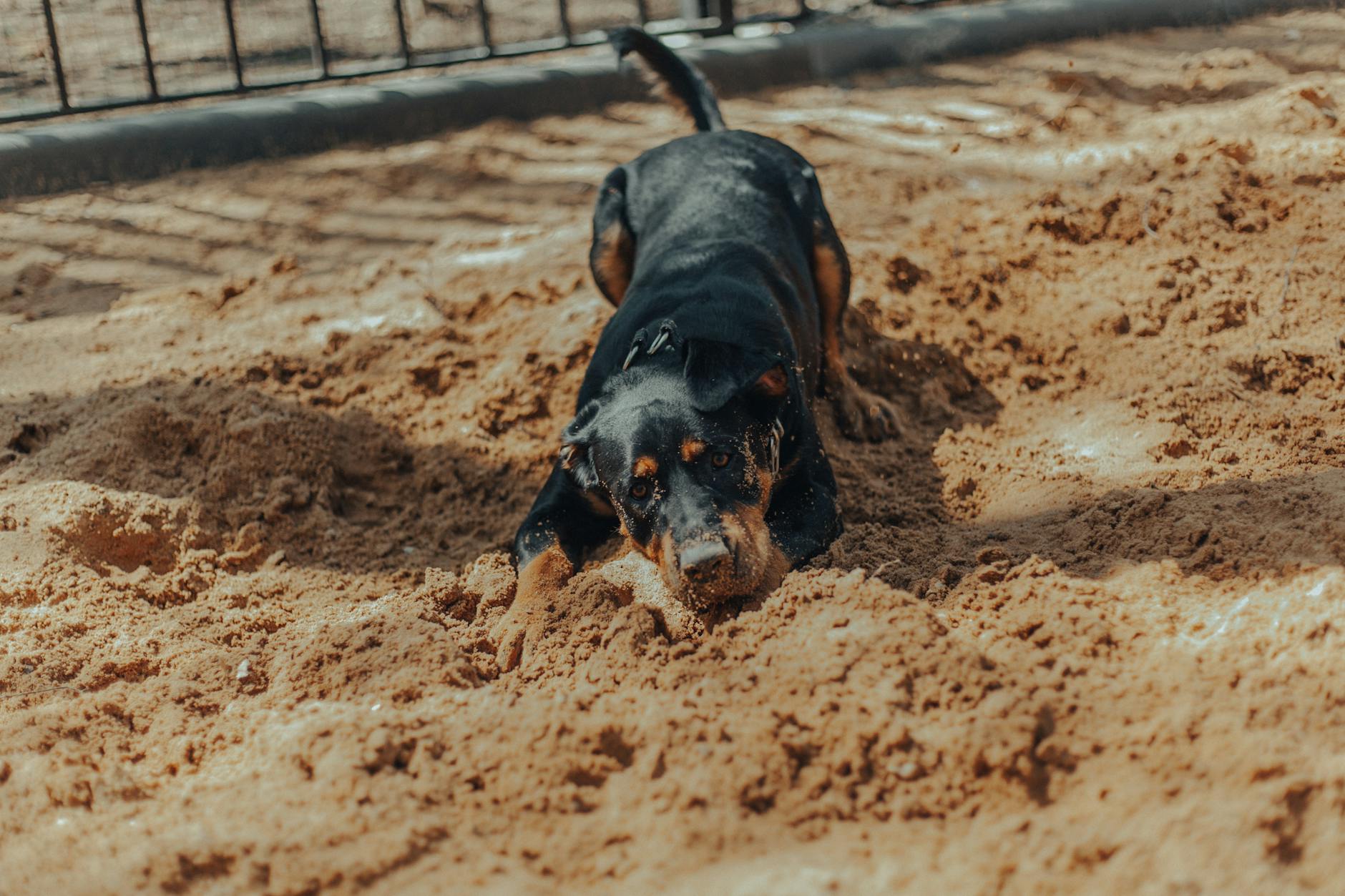
A dog that constantly tries to dig under fences or jump over gates is usually looking for an adventure they cannot find at home. The world outside the yard offers fascinating smells and sights that easily lure an understimulated pet into wandering away. This dangerous habit highlights a severe lack of enrichment within their designated living space. Upgrading their environment with climbing structures or taking them on exploratory hikes satisfies their profound curiosity safely.
Sleeping All Day
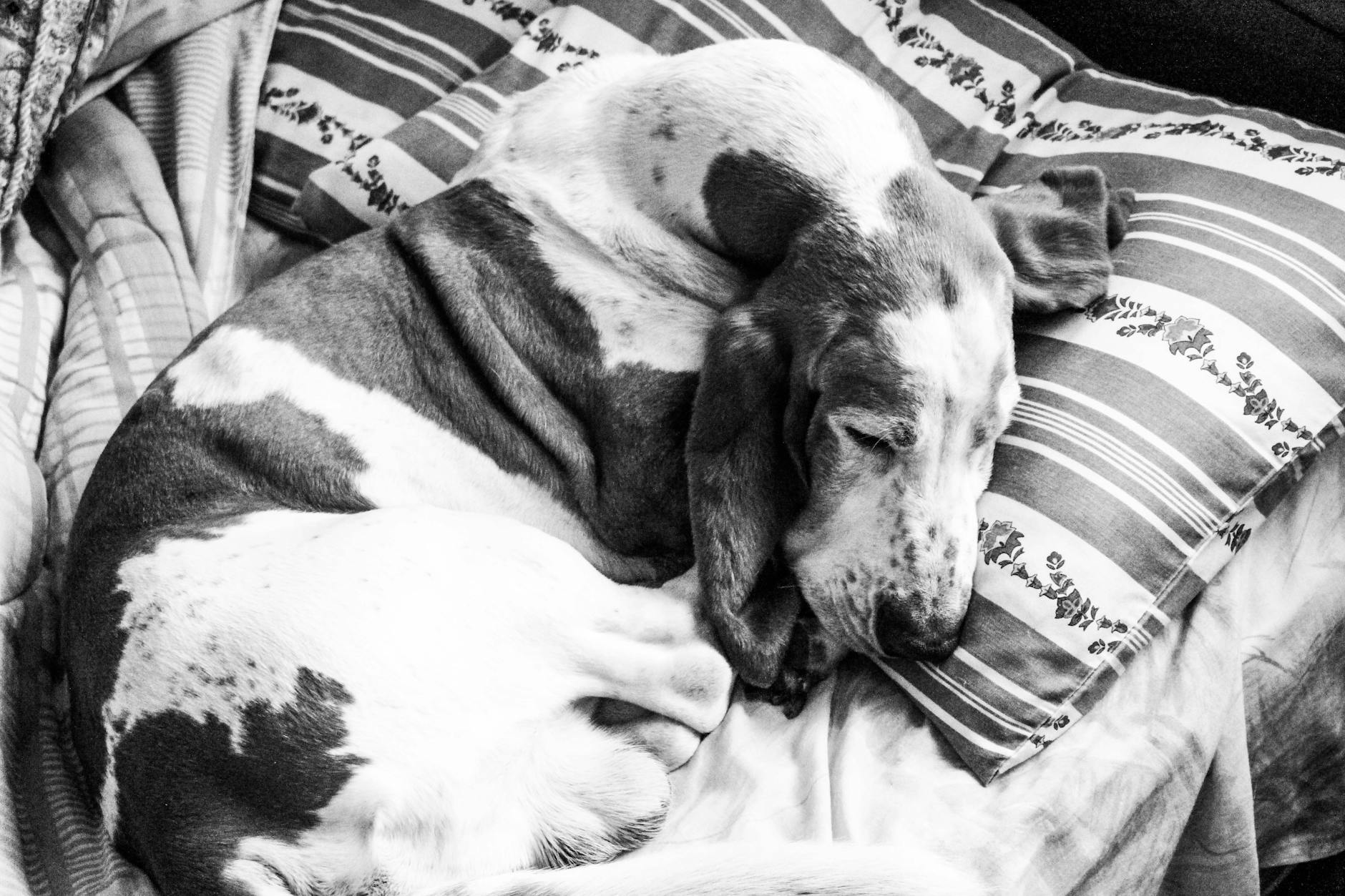
While dogs require plenty of rest an excessive amount of daytime sleeping often points to a lack of engaging alternatives. They might retreat to their beds simply because their environment offers zero stimulation or interesting activities to participate in. This lethargy can eventually lead to weight gain and a decline in overall physical health if left unaddressed by the owner. Introducing a midday dog walker or rotating their toy collection can easily entice them to stay awake and active.
Whining Uncontrollably
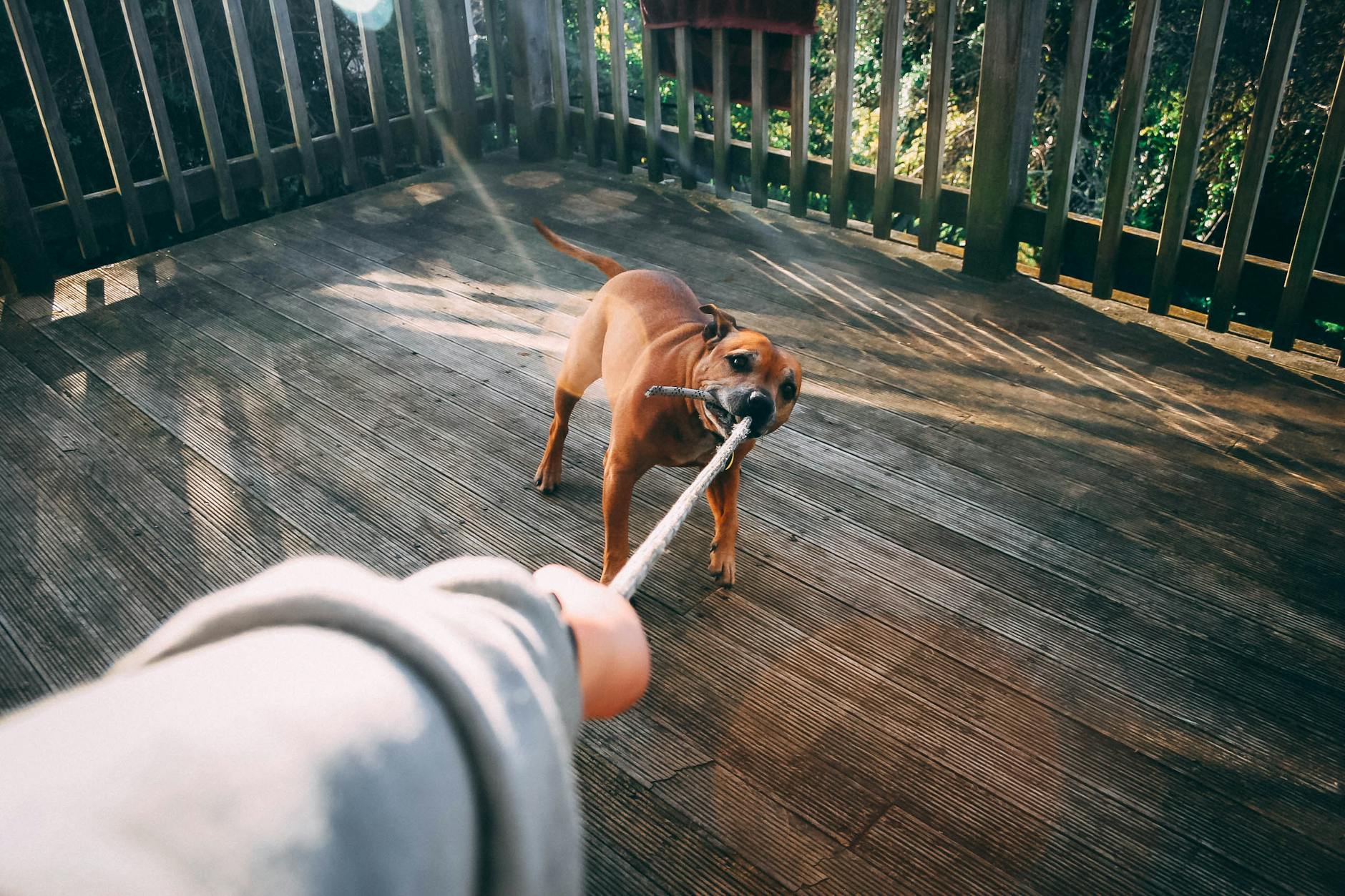
High pitched vocalizations often accompany a dog staring blankly at their owner or sitting by the door hoping for a change. This pathetic sound is a direct communication of their sheer boredom and intense desire to engage in some sort of activity. They use whining to express the discomfort of having excess energy trapped inside a body with nowhere to go. Responding with a quick outdoor excursion or a mentally challenging puzzle game typically resolves this vocal pleading.
Chasing Their Tail
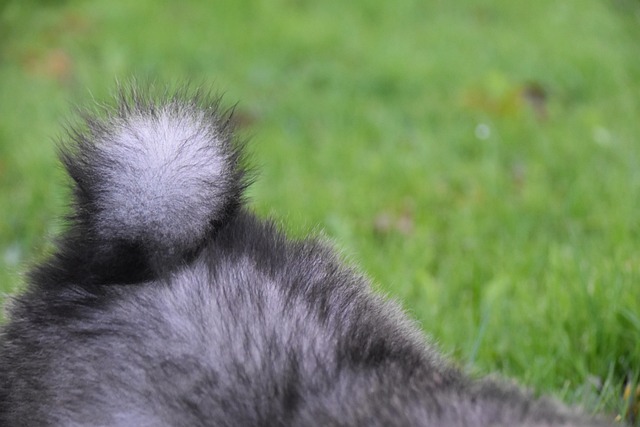
Spinning in tight circles to catch their own tail might look amusing but it frequently signals a deep lack of mental engagement. Dogs invent this solitary game when their environment fails to provide adequate toys or social interaction to keep them occupied. It serves as a rapid way to burn off adrenaline and stave off the monotony of an empty afternoon. Redirecting this spinning into a structured game of fetch provides a much healthier and more interactive physical release.
Ignoring Commands

A previously obedient dog might suddenly start pretending they cannot hear basic commands when they feel totally uninspired by their routine. This stubbornness is not necessarily dominance but rather a sign that they have lost interest in repetitive and unrewarding daily interactions. They need a refreshed training approach that incorporates exciting new rewards and entirely different challenges to regain their focus. Mixing up the training environment and teaching advanced tricks usually restores their enthusiasm for following instructions.
Following Owners Everywhere
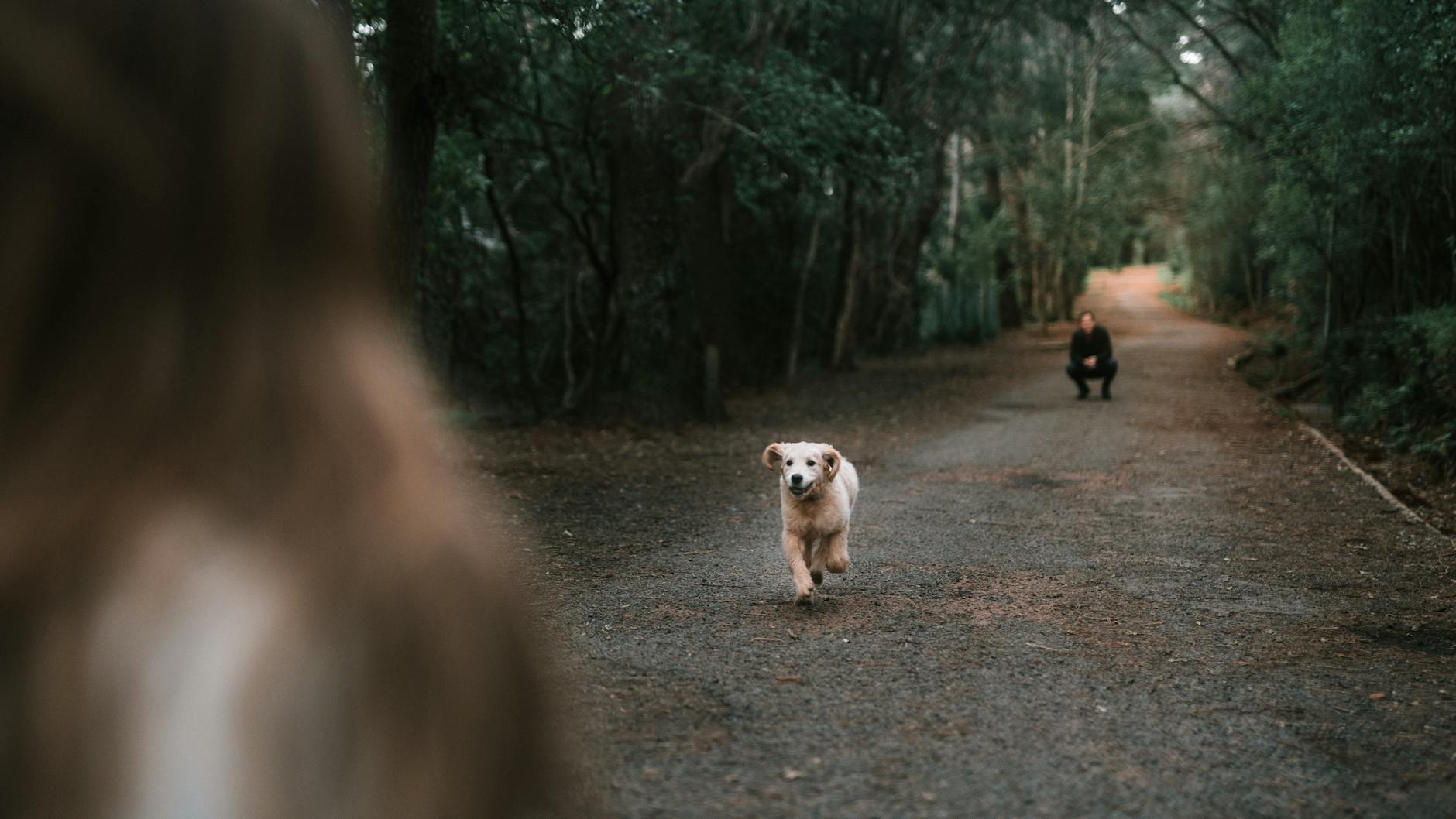
Shadowing every single footstep around the house indicates a pet heavily reliant on their human for any form of entertainment. They become entirely velcroed to their owner because independent play holds no appeal without proper interactive toys available. This lack of independence shows they do not know how to self soothe or occupy their own minds constructively. Providing food stuffed chew toys encourages them to settle down alone and enjoy their own company for a while.
Destroying Their Own Toys
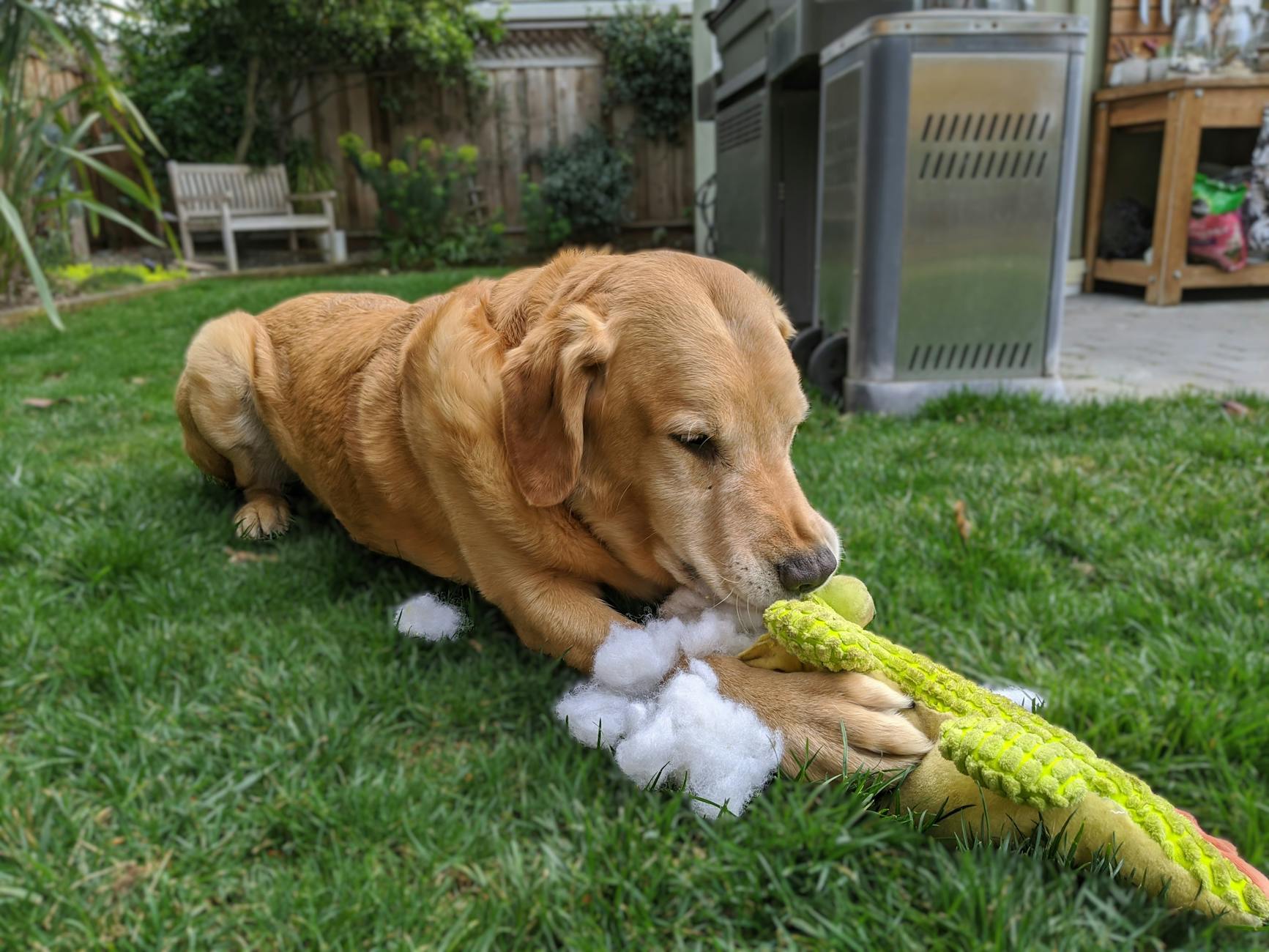
Tearing stuffed animals to shreds in a matter of minutes demonstrates a need to fulfill predatory instincts out of sheer boredom. A dog will systematically disembowel toys to give themselves a complex task when their daily life feels too simple and uneventful. The resulting mess of white fluff scattered across the floor is a clear message that standard toys are no longer challenging enough. Switching to highly durable puzzle feeders forces them to use their brains rather than just their teeth.
Pacing at the Window
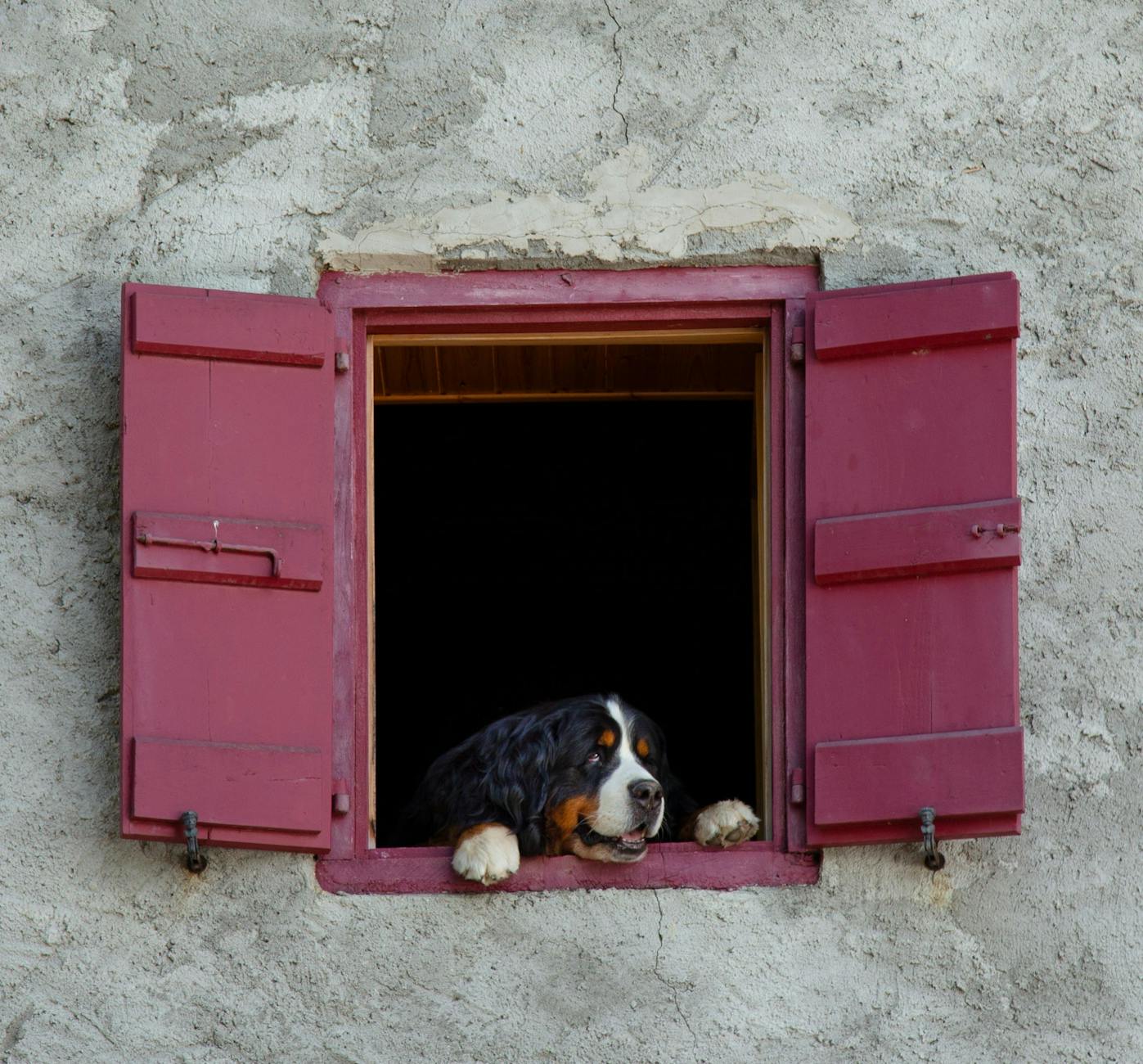
Standing guard at the front window and reacting to every passing leaf or person provides a self appointed job for an understimulated pet. They rely on the outside world to deliver the entertainment and excitement they are missing inside the home. This hypervigilance can easily escalate into territorial aggression if the root cause of boredom is not properly addressed. Drawing the curtains and providing an engaging indoor activity helps break this stressful cycle of constant neighborhood surveillance.
Eating Houseplants
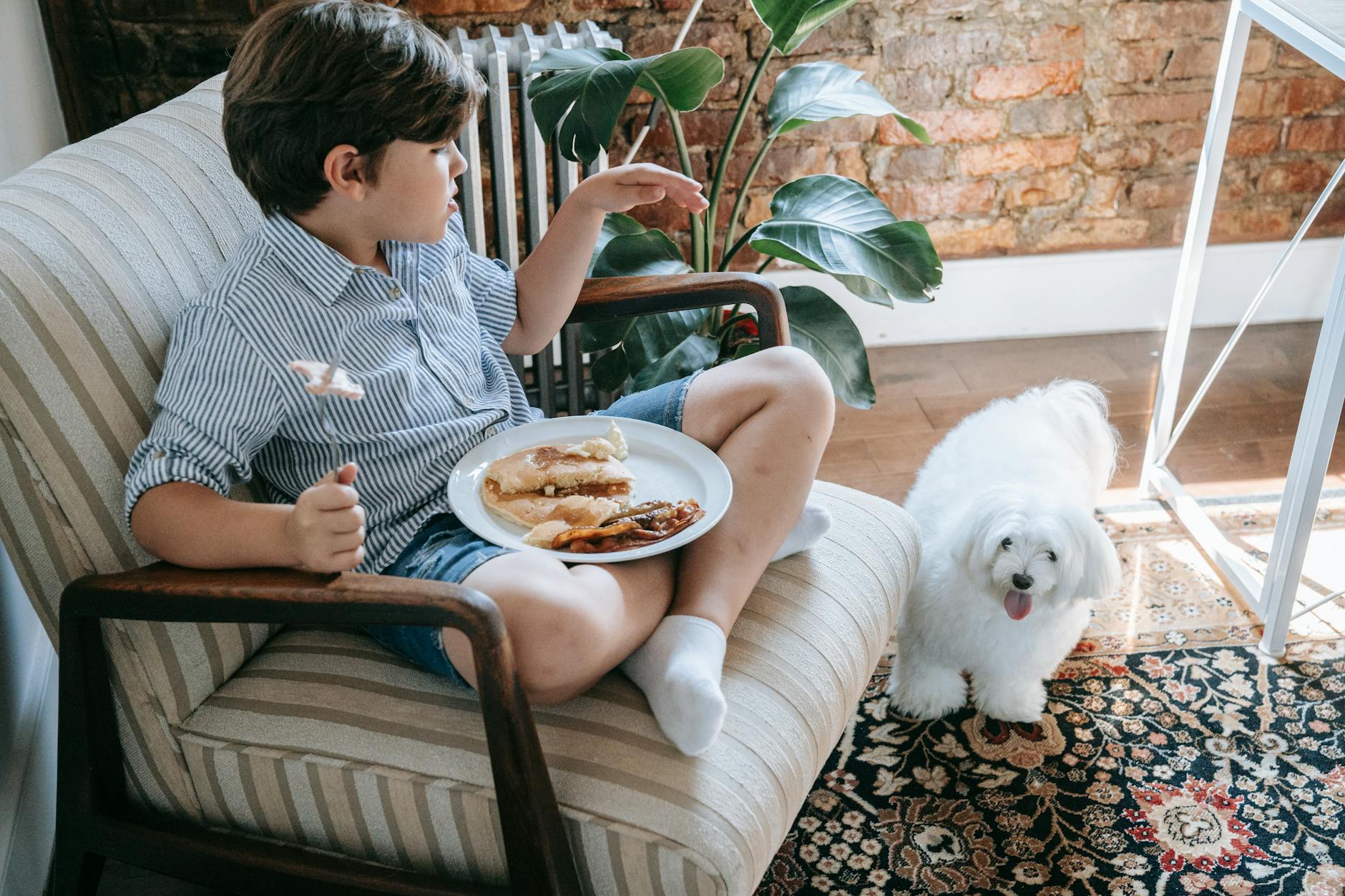
Munching on indoor greenery is a destructive habit born from a desperate search for novel textures and tastes. Dogs will investigate and consume potted plants simply because the foliage presents something different to interact with during a long day. This behavior poses serious health risks since many common household plants are highly toxic to domestic animals. Moving the plants out of reach and substituting them with appropriate dog safe chew items ensures their safety and entertainment.
Stealing Food
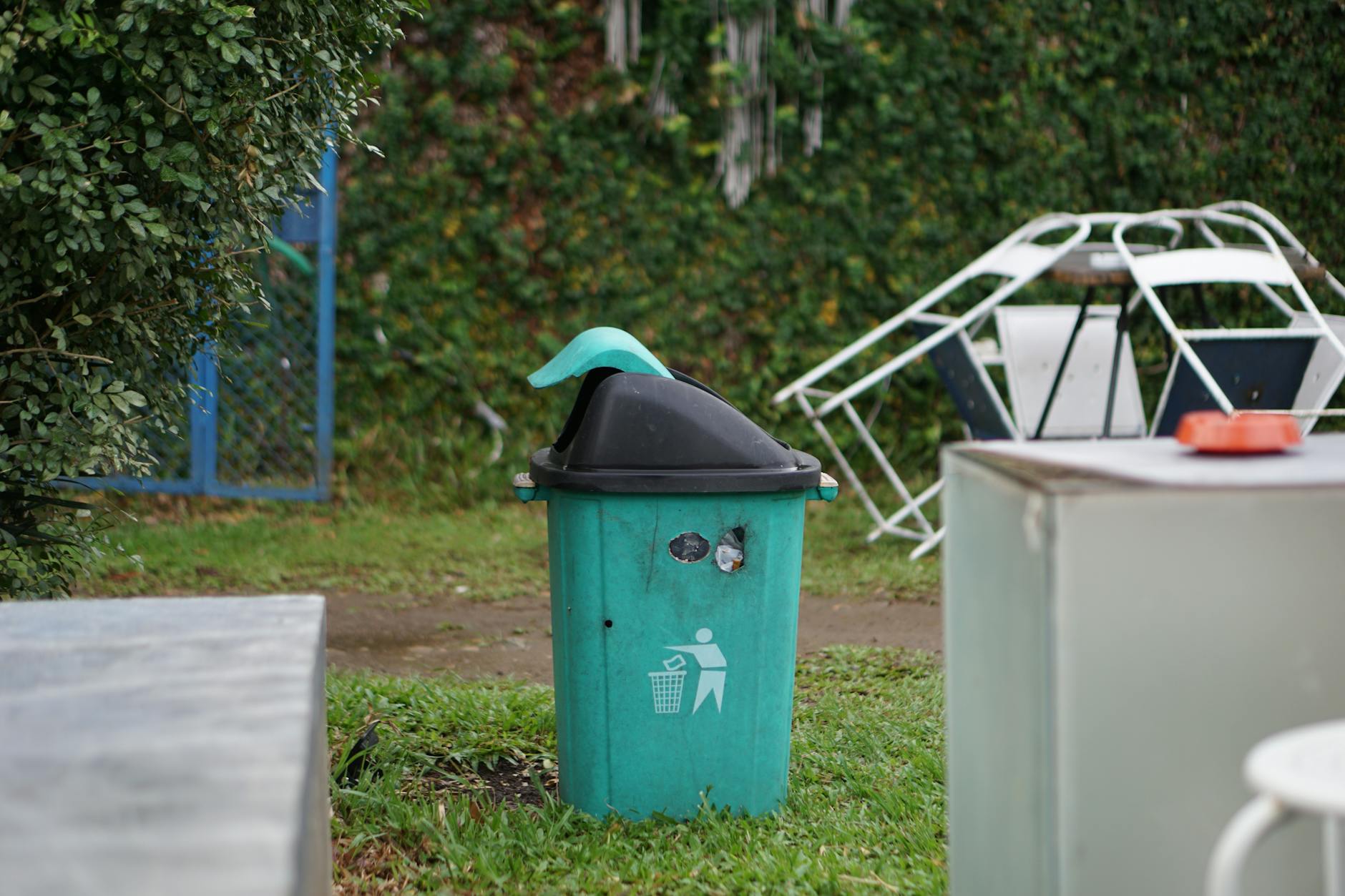
Counter surfing and raiding the trash can become thrilling games for a dog lacking mental challenges and adequate physical exercise. The hunt for forbidden snacks provides an exciting mission that breaks up the dullness of their regular feeding schedule. This scavenging behavior rewards them with tasty treats making it a highly reinforcing activity that stems directly from boredom. Utilizing slow feeders and practicing impulse control exercises turns mealtime into the engaging challenge they are craving.
Sighing Heavily
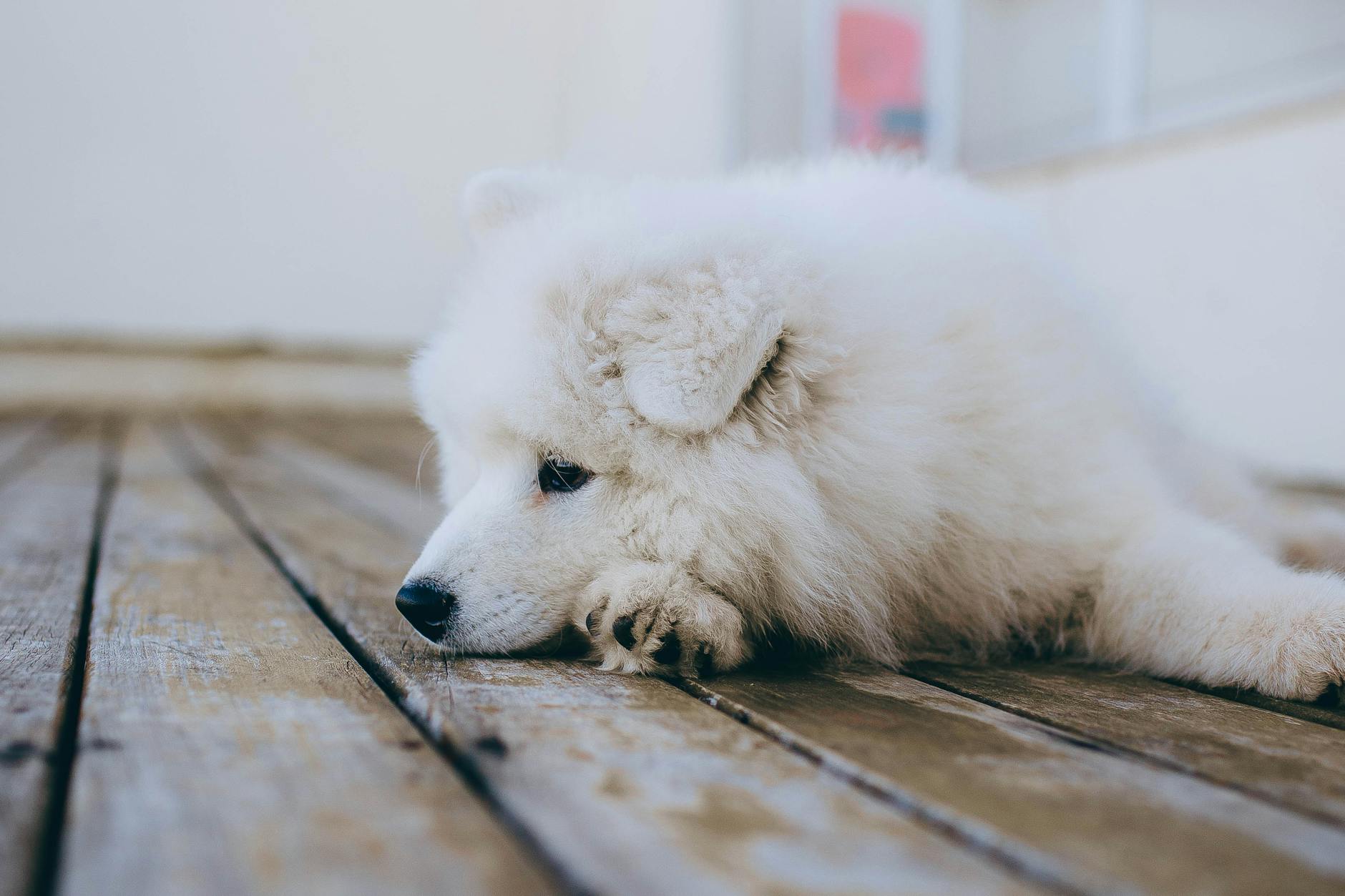
A deep and dramatic exhale while resting the head on the paws is a very human like expression of complete resignation. Dogs make this sound when they have given up hope that their owner will initiate a walk or a play session. It is a peaceful but sad acknowledgment that their current environment offers nothing stimulating for them to do. Acknowledging this quiet plea by pulling out a favorite toy can instantly change their mood from defeated to delighted.
Roughhousing With Other Pets
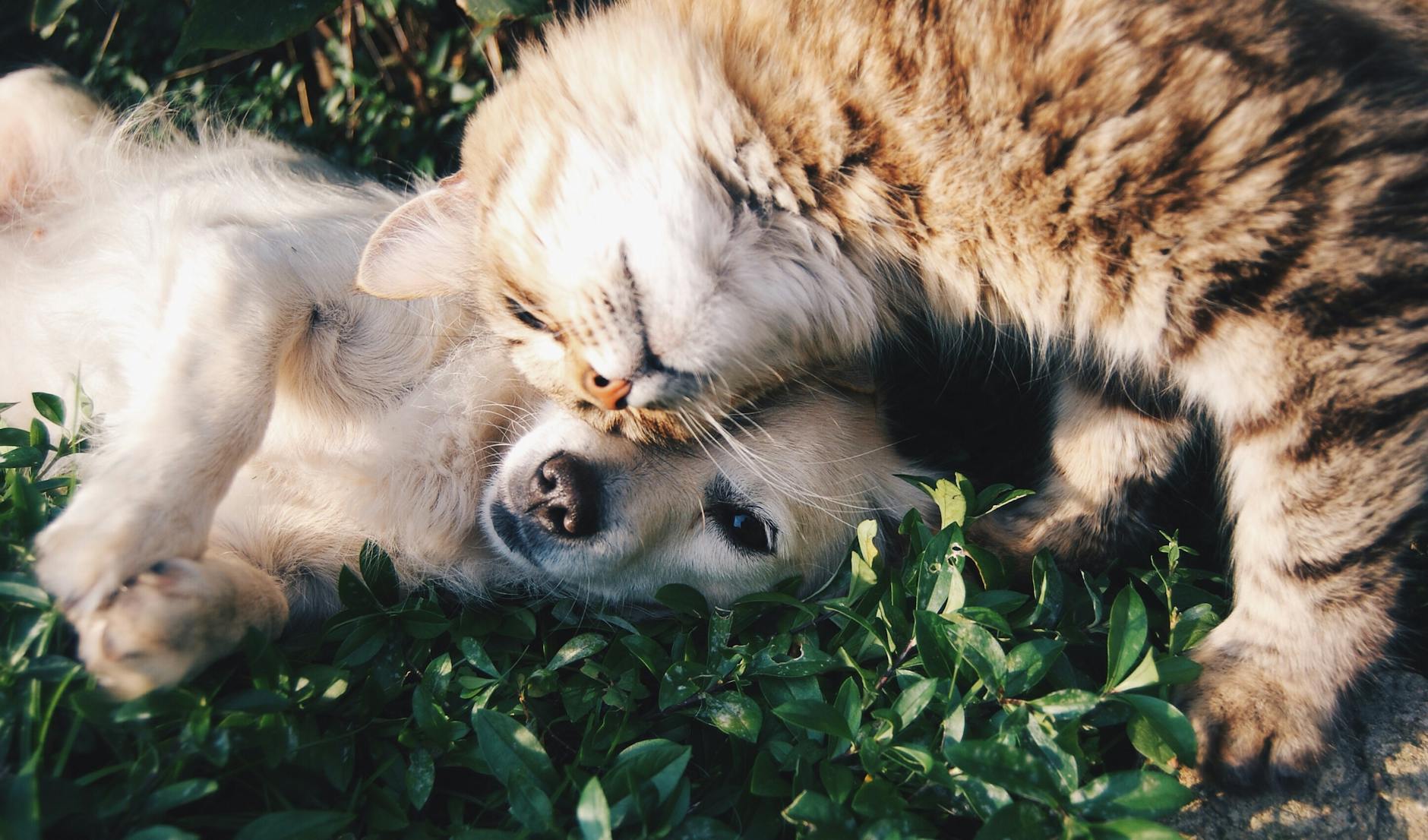
Pestering the family cat or constantly wrestling with another dog is a way to force interaction when formal exercise is lacking. The bored dog uses their animal siblings as living toys to burn off the energy their owner has failed to deplete. This can lead to tension and fights within the household if the other pets do not want to participate in the rough play. Separating the animals and taking the instigator for a long run restores peace and harmony to the home.
Share your experiences with canine boredom and the creative ways you keep your dog entertained in the comments.