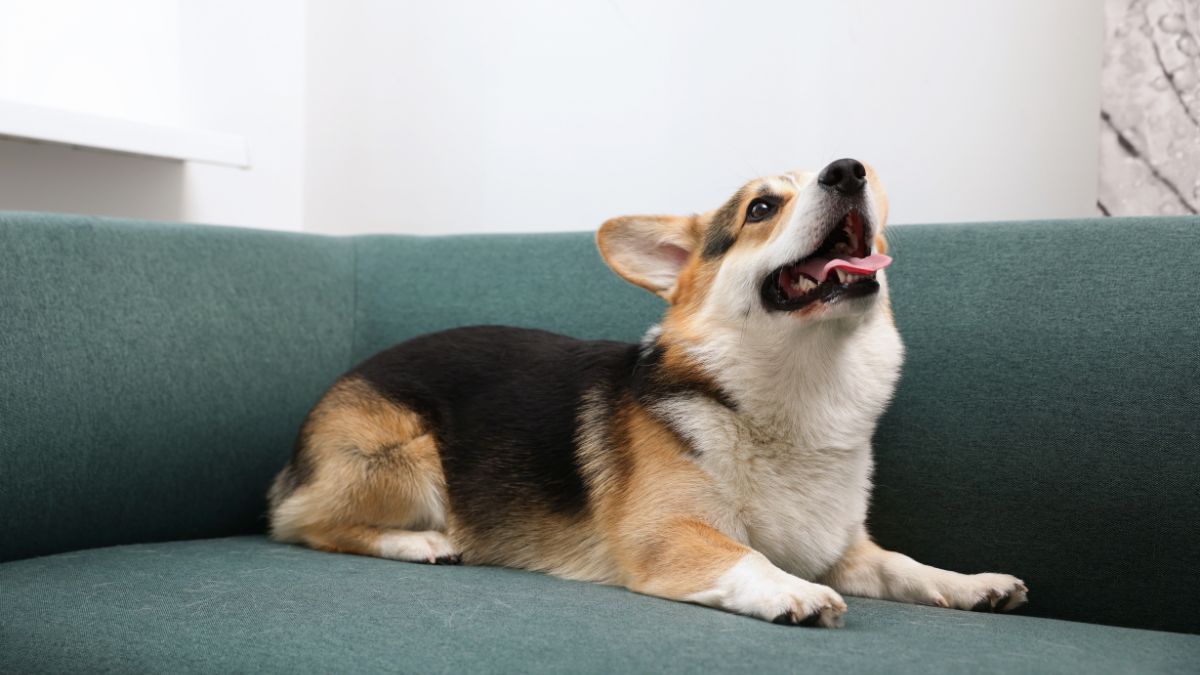
Aging in canines often manifests through subtle physiological and behavioral shifts that require attentive monitoring from owners. These changes often signal a transition into the senior years and necessitate adjustments in daily routines or veterinary consultations. Identifying these markers early allows for proactive management of the pet’s comfort and long term health. Senior dogs benefit significantly from modified environments and specialized nutritional support during this stage of life.
Cloudy Eyes
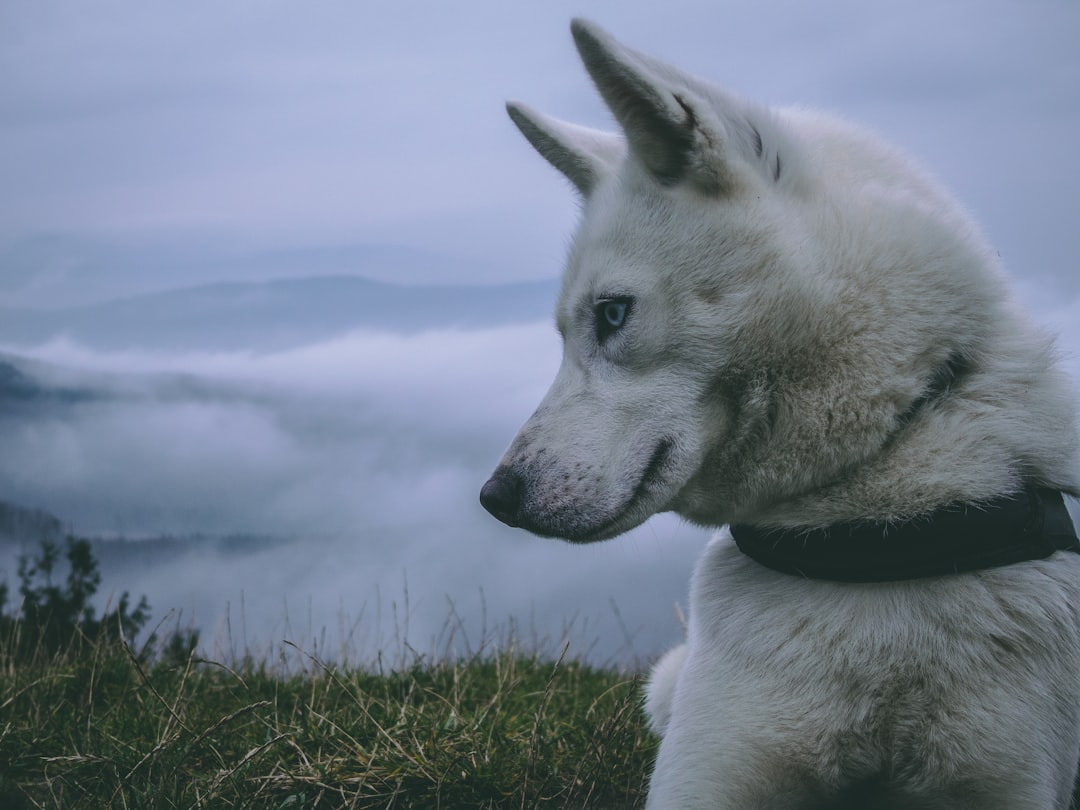
A noticeable haze or bluish tint in the eyes often indicates a common condition known as nuclear sclerosis or the development of cataracts. This physical change can impair vision and make navigating familiar spaces more challenging for an aging pet. Owners might notice their dog bumping into furniture or hesitating before stepping off a curb in low light. Regular checkups help differentiate between normal aging and more serious ocular issues that require treatment. Maintaining a consistent furniture layout helps these dogs feel more secure in their surroundings.
Slower Movement
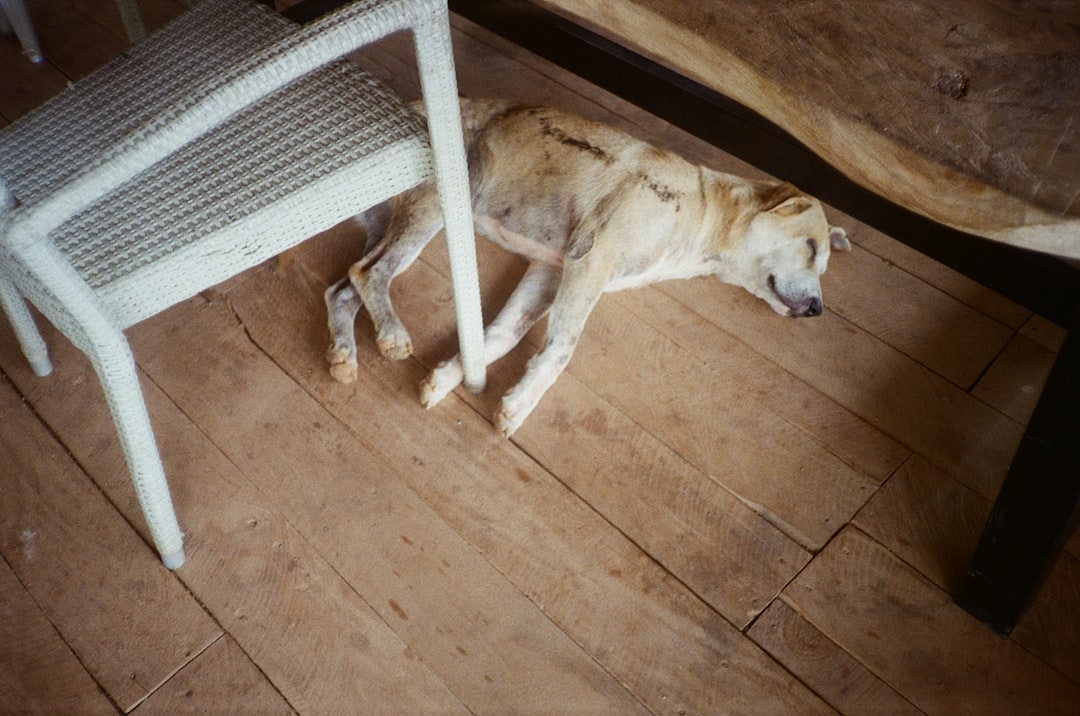
Senior dogs frequently take more time to stand up or lie down compared to their younger years. They may also show reluctance to climb stairs or jump into a car that has a high clearance level. This decline in mobility often stems from natural wear on the joints or the onset of arthritis. Providing orthopedic beds and using ramps can significantly improve the quality of life for a pet experiencing these physical limitations. Shorter and more frequent walks often replace long and strenuous hiking sessions to keep the animal active without causing pain.
Increased Sleep

An aging dog typically requires significantly more rest and may spend the majority of the day napping in a quiet corner. They might be harder to wake up from a deep slumber and show less enthusiasm for high energy activities. This shift is a normal part of the aging process as the metabolic rate slows down and energy levels naturally wane. Creating a dedicated and quiet sleeping area away from household noise ensures the dog receives the restorative rest it needs. Monitoring the quality of sleep remains important to ensure the pet is truly resting rather than struggling with discomfort.
Weight Changes
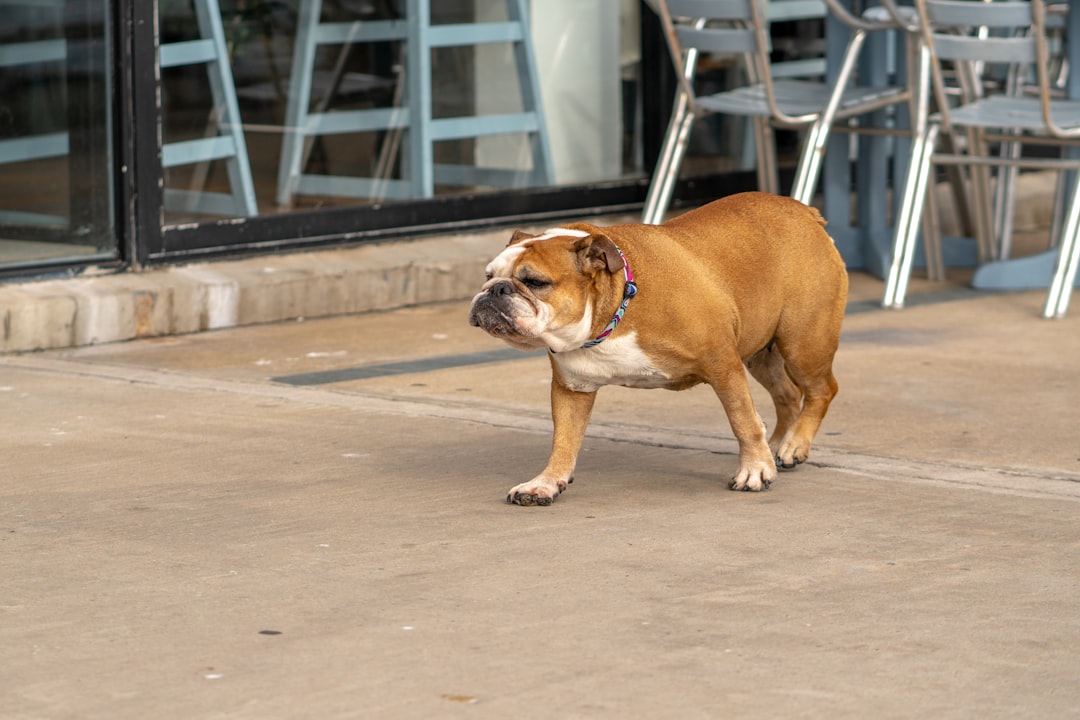
Fluctuations in body weight are common as a dog enters its senior years and the metabolism begins to shift. Some dogs may gain weight due to decreased activity while others might lose muscle mass and body fat. Maintaining an ideal weight is crucial for reducing stress on aging joints and preventing secondary health complications. Specialized senior diets often provide fewer calories but higher quality protein to support these changing nutritional needs. Regular weigh-ins at the veterinarian ensure that any sudden changes are addressed before they become serious health risks.
Bad Breath
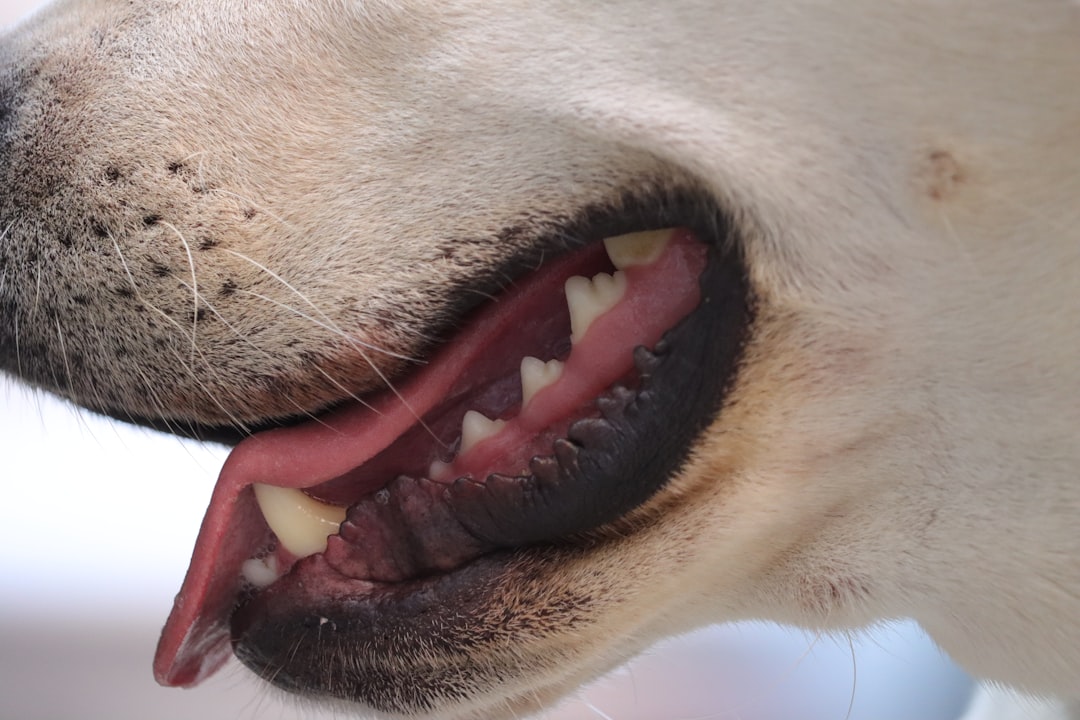
Persistent foul odors coming from a dog’s mouth often signal underlying dental disease or gum inflammation. Senior pets are particularly prone to plaque buildup and tooth decay which can lead to systemic infections if left untreated. Chronic oral pain might also cause a dog to drop food or refuse to eat hard kibble. Professional cleanings and daily brushing become even more critical during the senior years to maintain overall health. Consistent oral care helps prevent the spread of bacteria to vital organs like the heart and kidneys.
Lumps And Bumps
The appearance of new growths or fatty tumors under the skin is a frequent occurrence in older canines. While many of these masses are benign lipomas others may require medical intervention or surgical removal. Owners should perform regular tactile checks to locate any changes in the texture or size of the dog’s skin. Tracking these developments allows a veterinarian to determine if a biopsy or fine needle aspirate is necessary. Keeping a log of the location and size of each lump helps monitor the progression over several months.
Behavioral Changes
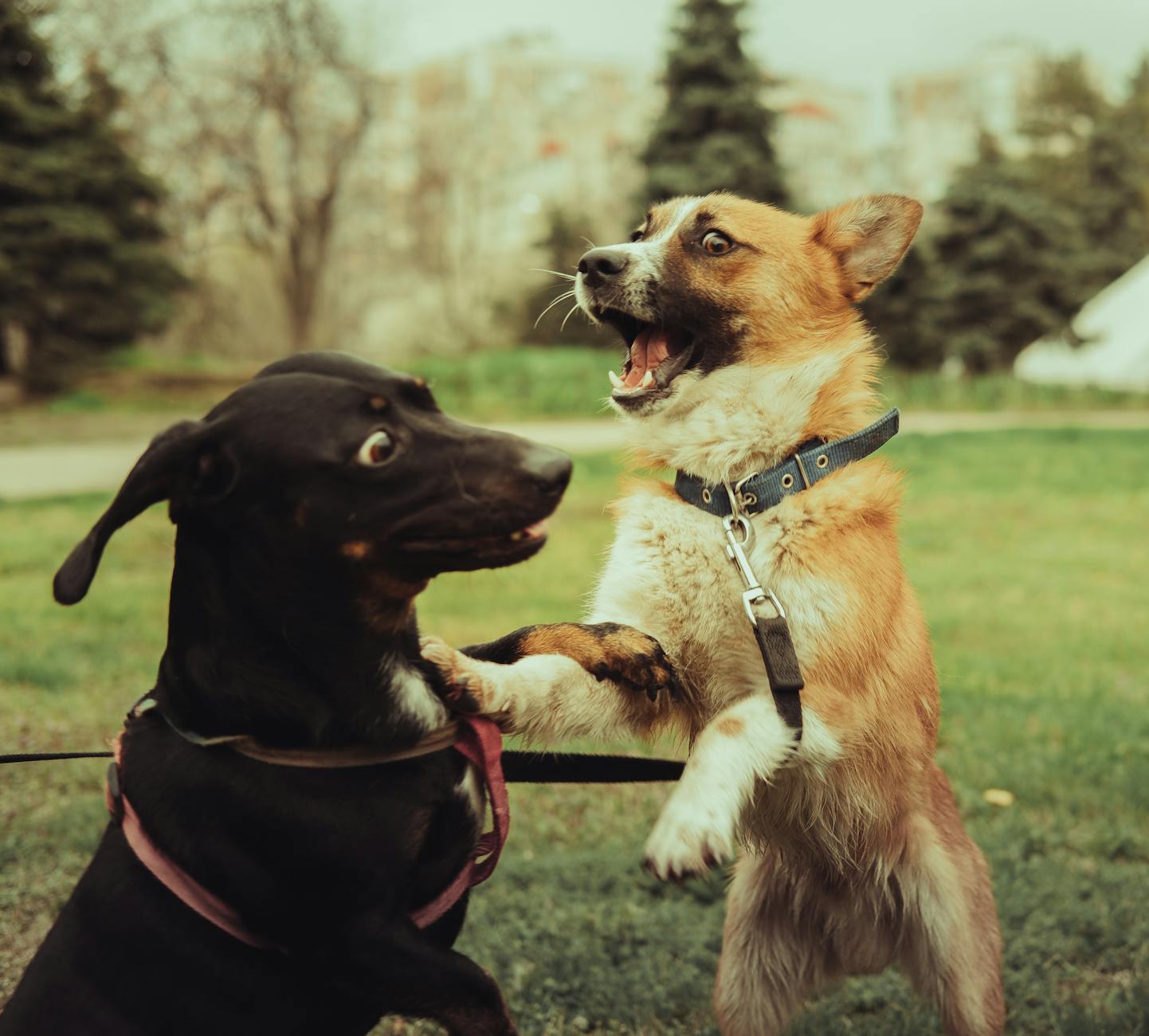
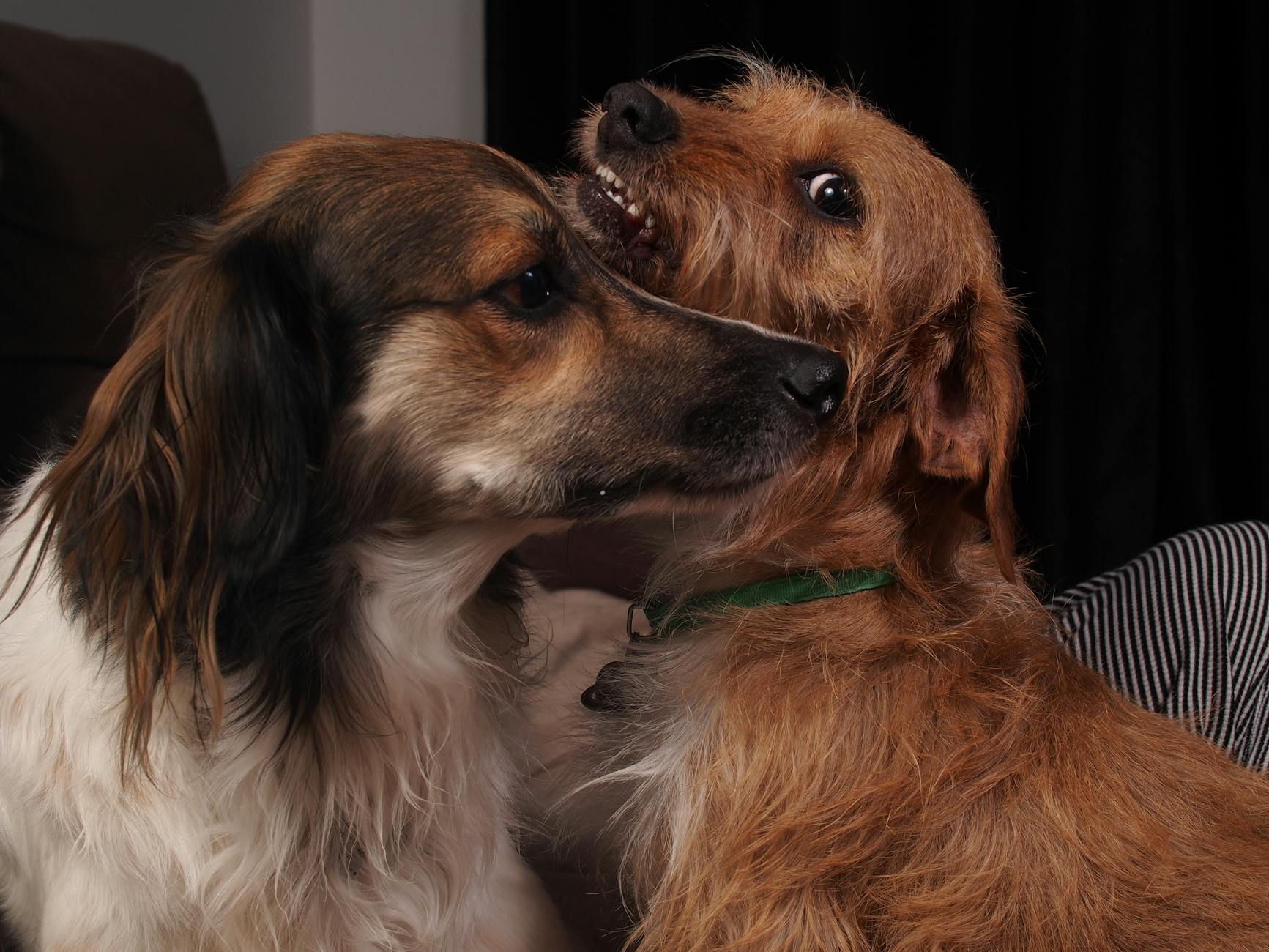
An older dog may exhibit shifts in temperament such as increased irritability or a new fear of loud noises. Some pets become more clingy and seek constant reassurance while others might withdraw and spend more time alone. These changes can be linked to physical discomfort or a decline in sensory perception that makes the world feel less predictable. Patience and a predictable daily routine help the pet feel more secure as they navigate these psychological shifts. Environmental enrichment tailored to their slower pace can keep their minds sharp and engaged.
Hearing Loss
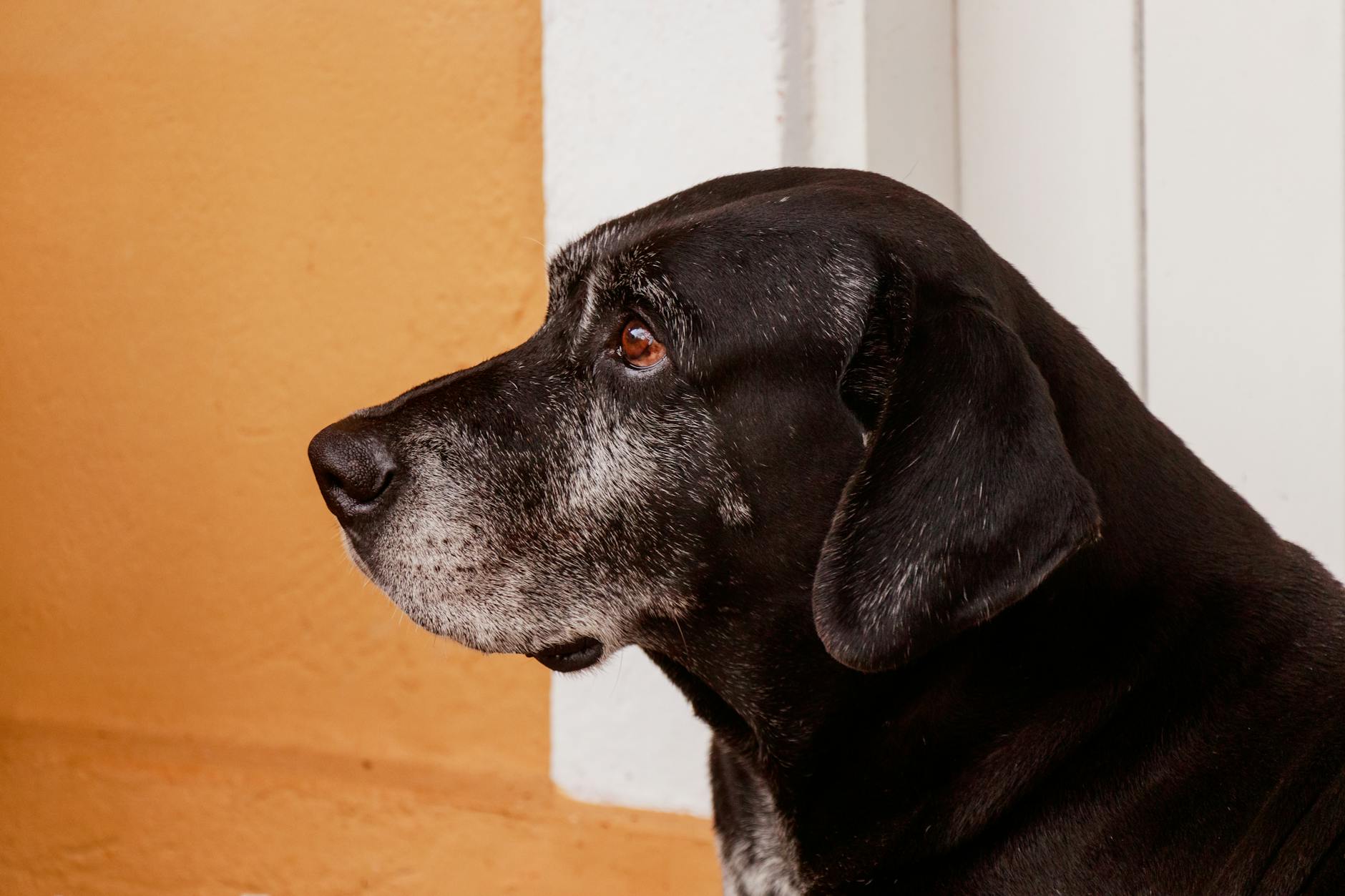
A gradual decline in hearing often results in a dog failing to respond to verbal commands or the sound of their name. They might be easily startled when approached from behind or seem indifferent to sounds like the doorbell or a vacuum cleaner. This sensory loss is a common part of the aging process and requires owners to adapt their communication style. Using hand signals or physical cues becomes an effective way to interact with a pet that can no longer hear well. Ensuring the dog is always on a leash in public prevents them from wandering into dangerous situations they cannot hear.
Incontinence
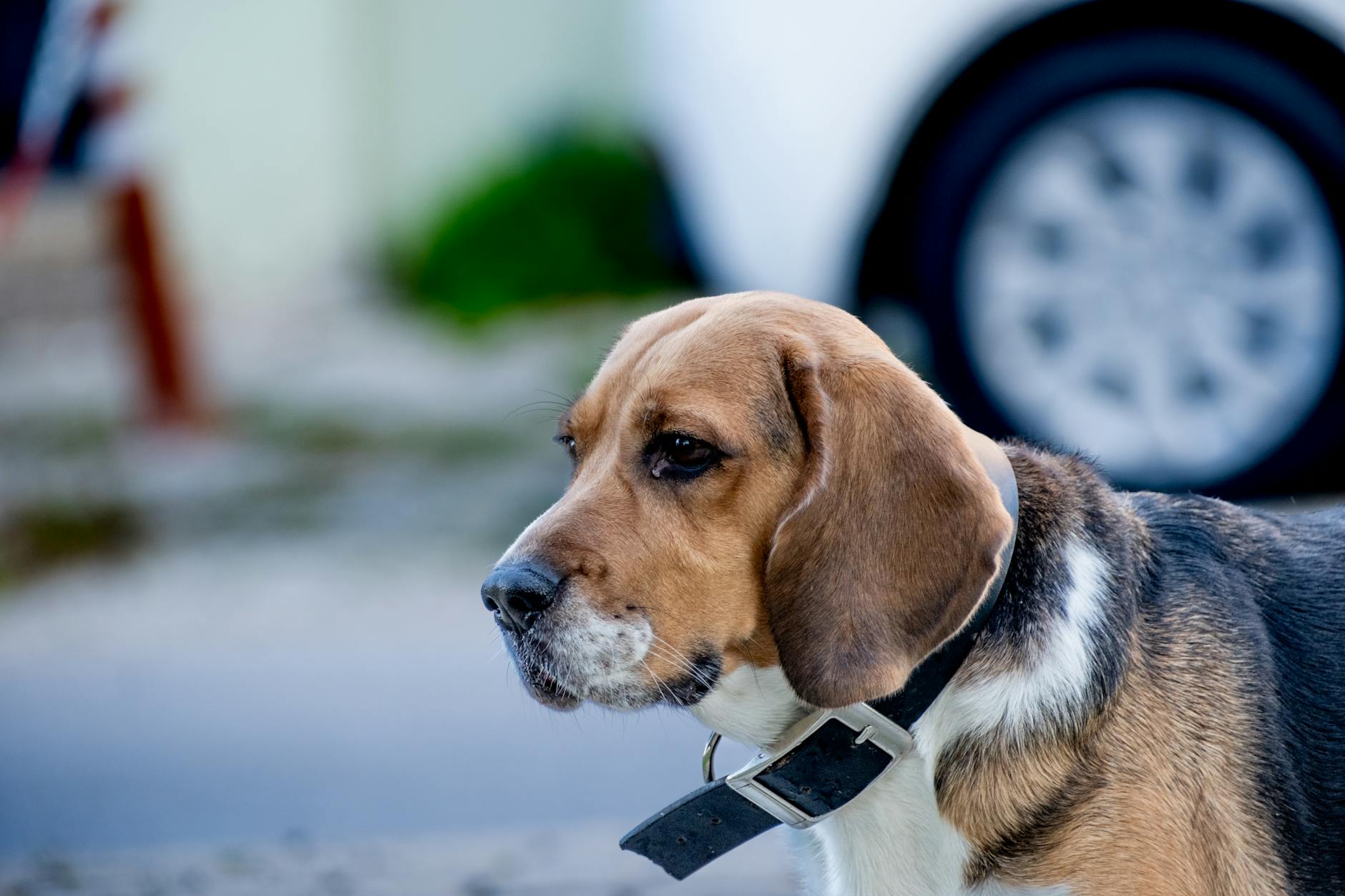
Accidents in the house or leaking while sleeping can indicate a loss of bladder control in senior dogs. This condition often stems from weakened muscles or underlying medical issues such as urinary tract infections or kidney disease. It is important to avoid punishing the pet as these incidents are involuntary and often distressing for the animal. Increasing the frequency of outdoor breaks and using absorbent bedding can manage the situation effectively. A veterinarian can often prescribe medications to help manage or resolve these urinary issues.
Graying Fur

The appearance of white or gray hairs around the muzzle and eyes is one of the most visible signs of canine aging. This change in pigmentation occurs as the hair follicles produce less melanin over time. Some breeds may show these changes as early as five years old while others retain their color much longer. While graying is purely cosmetic it serves as a helpful visual reminder to start adjusting the pet’s care routine. This transition marks the beginning of the senior years and the need for more frequent health screenings.
Muscle Loss
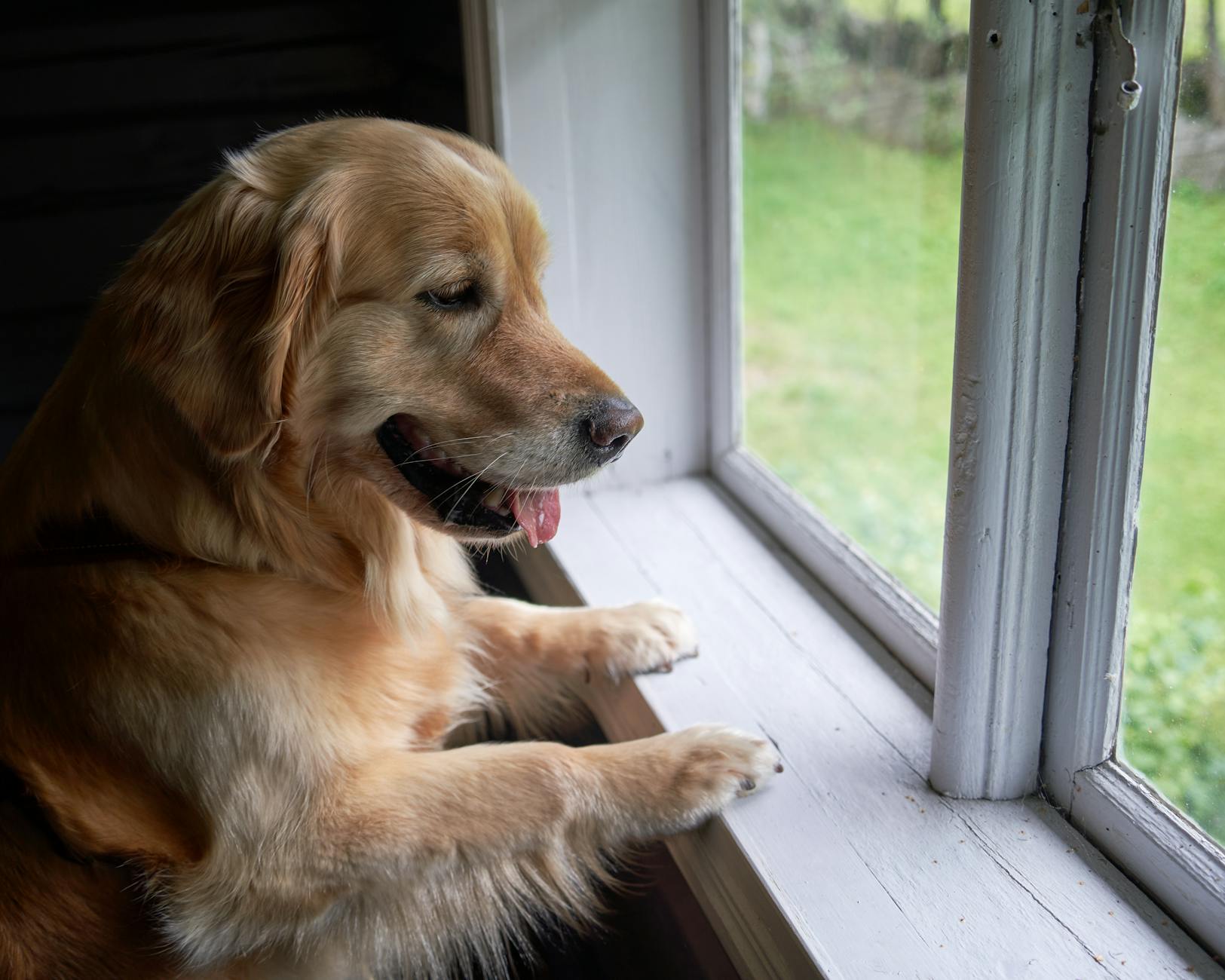
Atrophy of the muscles especially in the hind legs and across the back is a common sign of sarcopenia in older dogs. This loss of mass can make the dog appear thinner even if they are eating a consistent amount of food. Weakness in the legs may cause the dog to stumble more frequently or have difficulty standing on slippery floor surfaces. Gentle exercise and high quality protein intake are essential to help maintain as much muscle tone as possible. Physical therapy or hydrotherapy can also provide low impact ways to keep the muscles engaged.
Stiff Joints
Morning stiffness or a limp that disappears after a few minutes of walking often points to chronic joint inflammation. This discomfort is typically most apparent after the dog has been resting for a long period or during cold weather. Many owners find that their pets are more reluctant to participate in play sessions that involve jumping or rapid turning. Adding supplements like glucosamine and chondroitin to the diet may support joint health and improve overall comfort. Keeping the dog in a warm environment helps alleviate some of the stiffness associated with aging joints.
Decreased Appetite
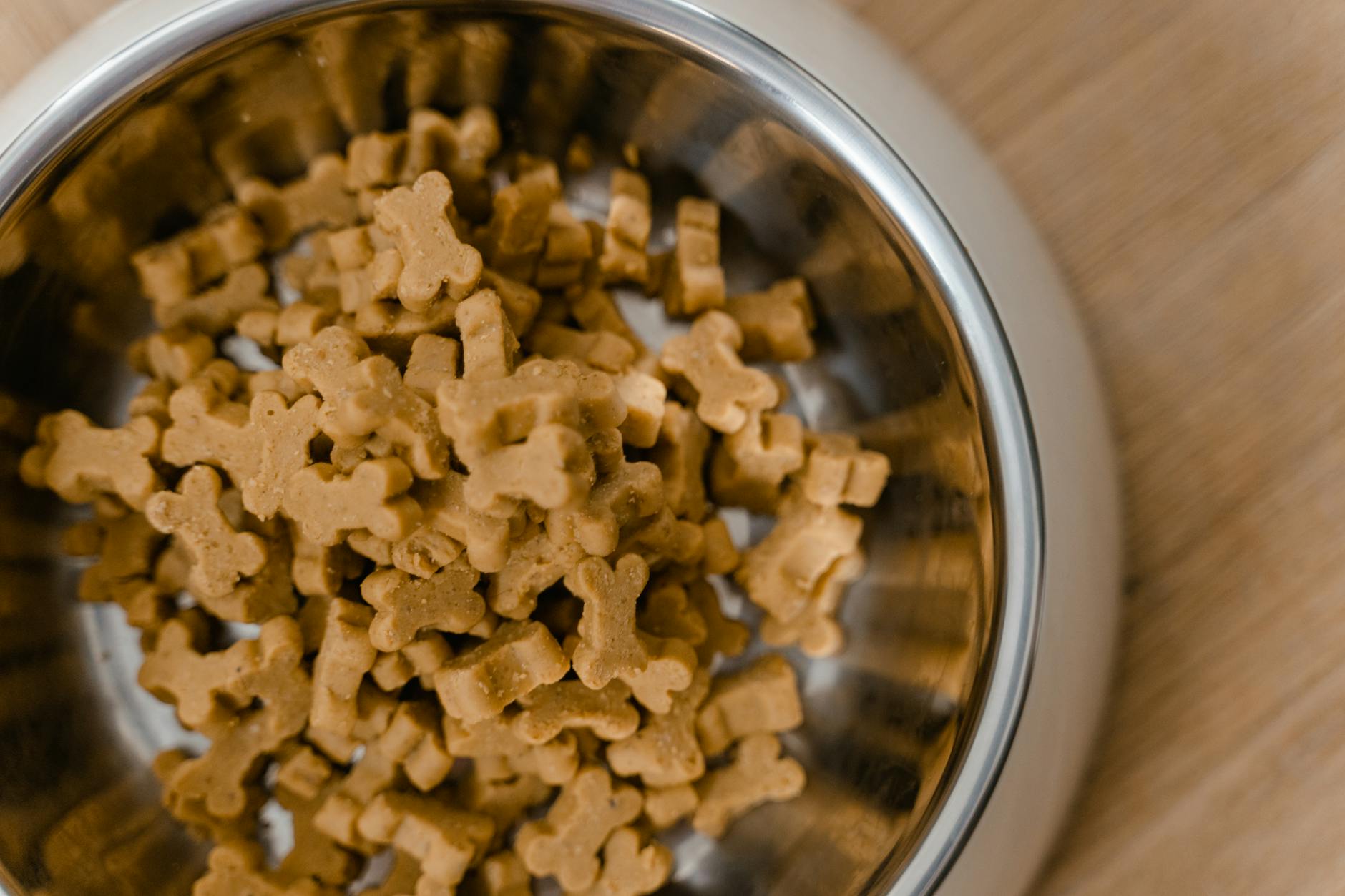
A waning interest in food can result from a reduced sense of smell or taste which naturally occurs as dogs age. It might also be a sign of dental pain or metabolic changes that affect how the body processes nutrients. Some senior dogs become more selective about their food and may require the addition of warm water or wet food to entice them. Monitoring caloric intake is vital to ensure the pet maintains enough energy for daily activities. Any significant or sudden refusal to eat should be addressed by a professional immediately.
Confusion Or Disorientation
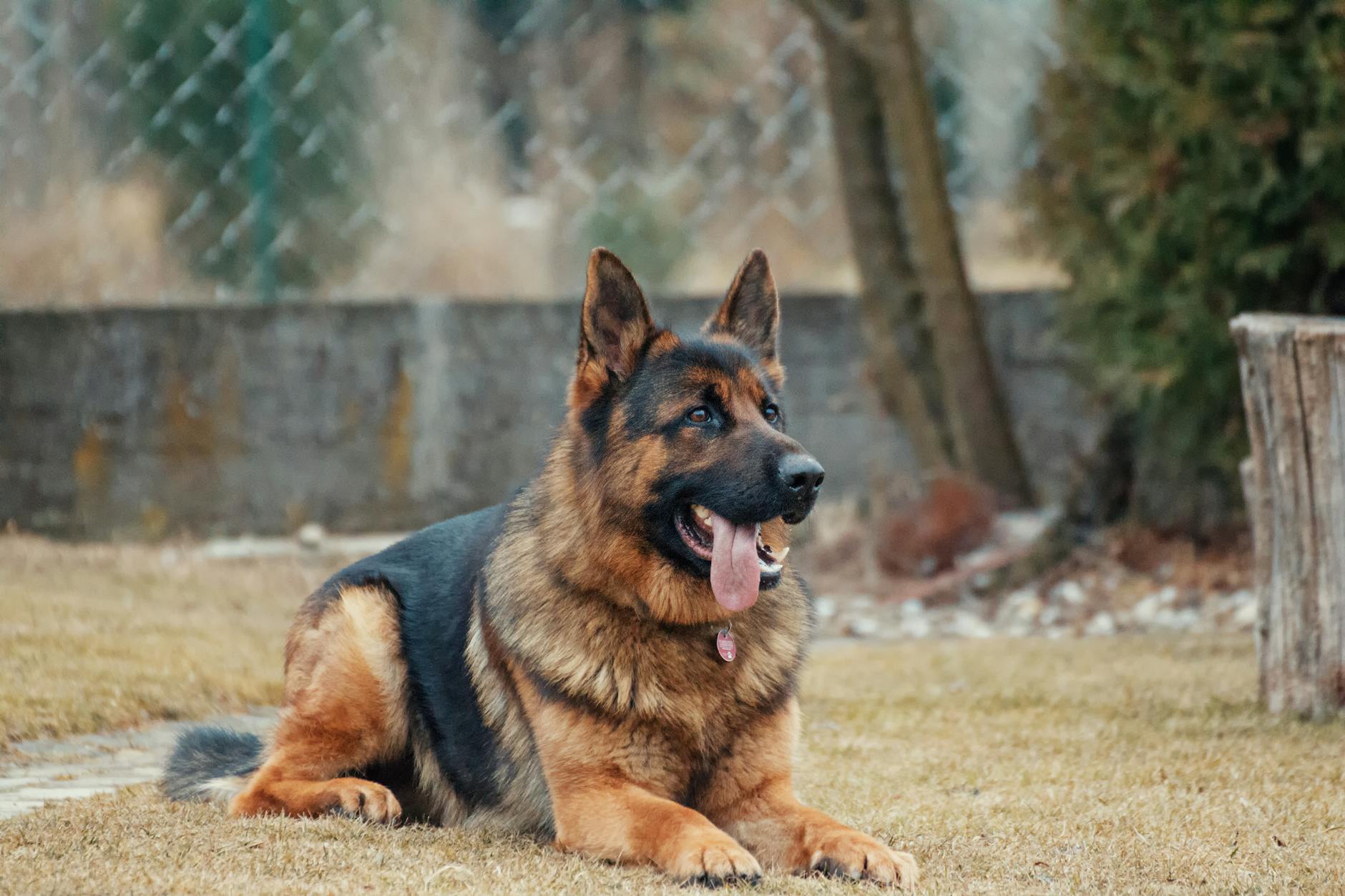
Symptoms such as staring blankly at walls or getting stuck in corners are often signs of canine cognitive dysfunction. A dog might forget previously learned commands or seem lost in a familiar backyard setting. These episodes can be distressing for both the pet and the owner as the dog’s mental clarity fluctuates. Specialized diets and medications are available to help manage cognitive decline and improve the quality of life. Keeping the home environment consistent and avoiding major furniture moves can help reduce the dog’s anxiety.
Brittle Nails
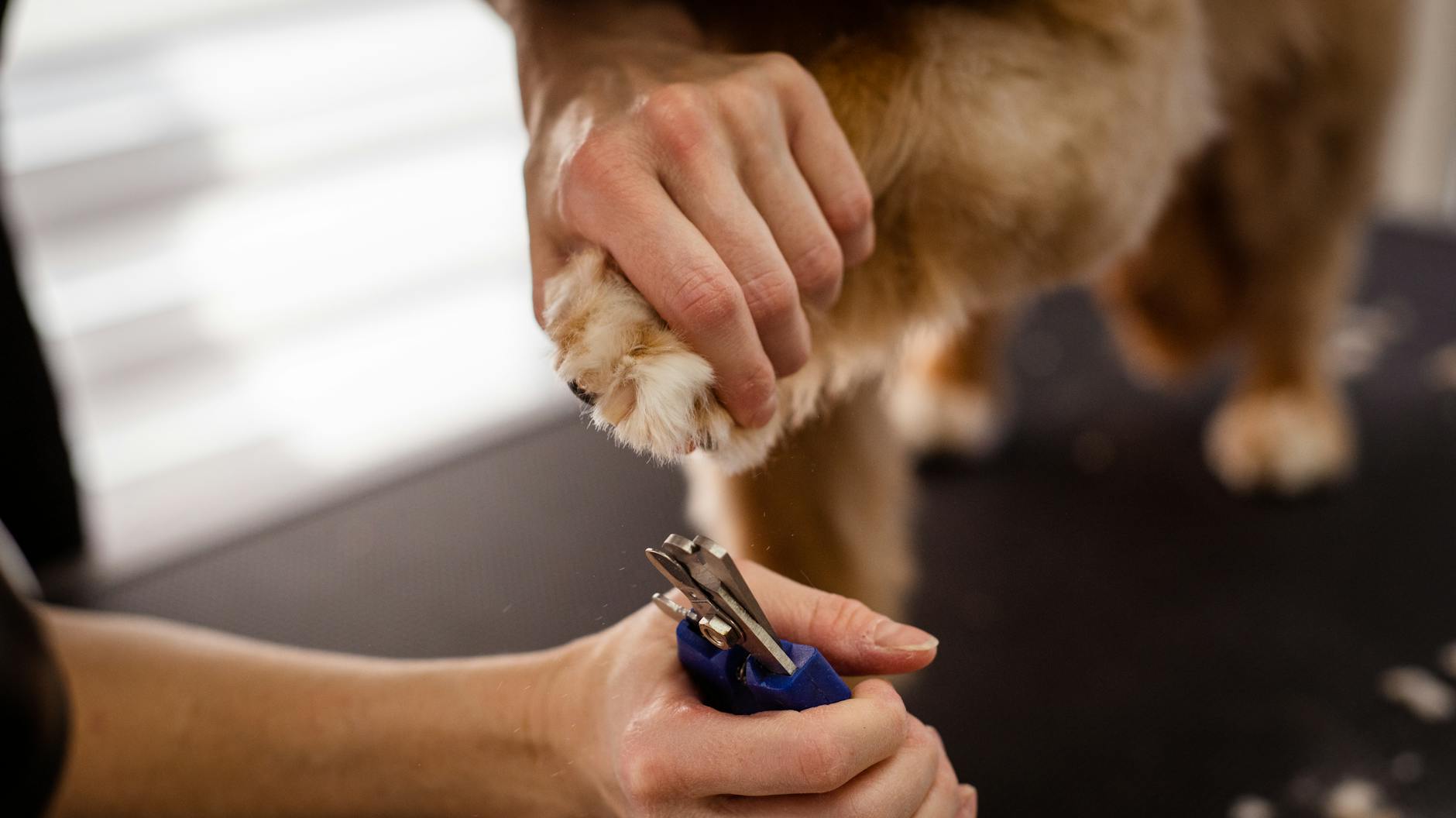
The nails of older dogs often become thicker and more prone to cracking or splitting as they age. Because senior dogs walk less their nails do not wear down naturally and may require more frequent trimming to prevent discomfort. Overgrown nails can alter the way a dog walks and put extra strain on their already sensitive joints. Regular grooming sessions provide an opportunity to inspect the paws for any signs of infection or irritation. Maintaining short and smooth nails helps the dog maintain proper traction on different floor surfaces.
Thirst Changes
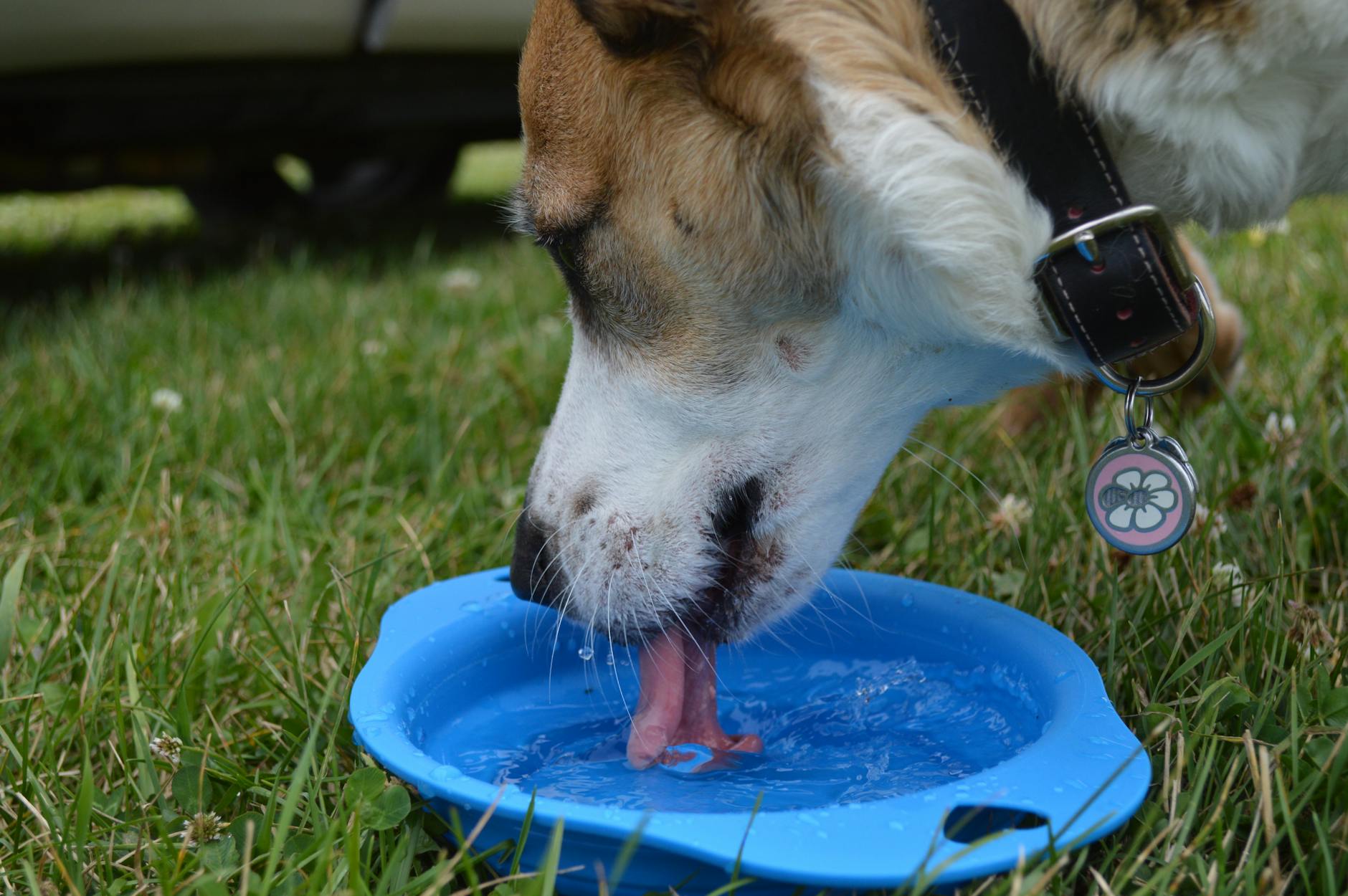
Significant changes in water consumption such as drinking much more or less than usual can indicate various health issues. Increased thirst is frequently associated with conditions like diabetes or kidney dysfunction in older pets. Monitoring the water bowl and noting how often the dog asks to go outside can provide valuable data for a veterinarian. Ensuring fresh and clean water is always available is essential for keeping the dog hydrated and healthy. Blood tests are often used to determine the exact cause of any abnormal drinking habits.
Sensitivity To Temperature

Senior dogs often have a harder time regulating their body temperature and may become easily chilled or overheated. They may seek out warm spots in the house during the winter or pant excessively during mildly warm summer days. This increased sensitivity is due to a slowing metabolism and a thinner coat or less body fat in some cases. Providing sweaters for walks in cold weather and ensuring a cool indoor environment during the summer is necessary. Owners should be mindful of the outdoor temperature and limit the time spent in extreme conditions.
Changes In Social Interaction
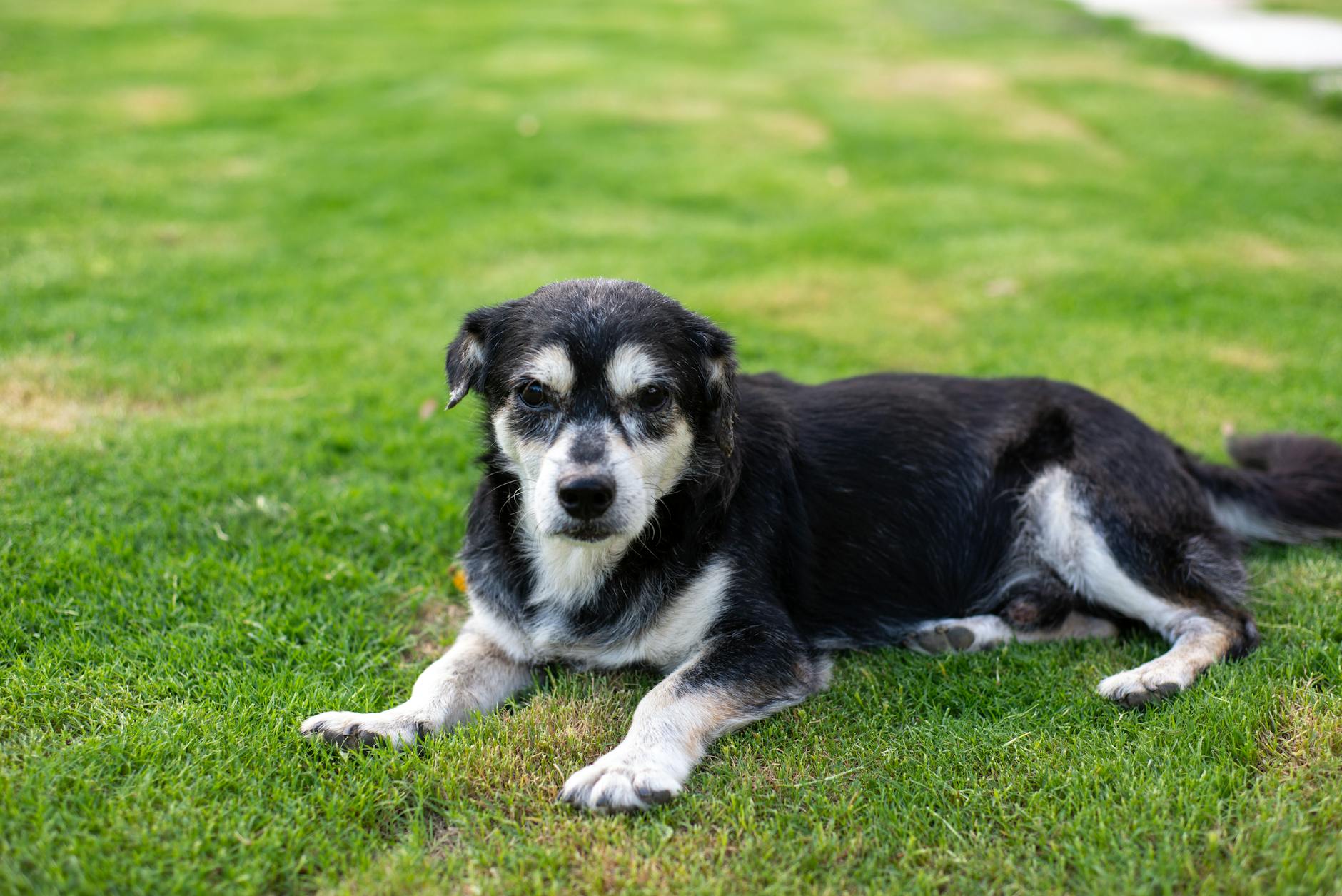
A senior dog might become less interested in playing with other dogs or show less enthusiasm when guests arrive at the home. They may prefer to rest in another room rather than being in the center of family activities. This withdrawal is often a way for the dog to manage their limited energy or avoid overwhelming sensory input. It is important to respect their need for space while still providing gentle affection and attention. Maintaining a bond through low energy interactions like gentle grooming or quiet sitting sessions remains very important.
Please share your experiences with caring for a senior pet in the comments.