Finding the perfect foundation shade is essential for achieving a natural and flawless makeup look. When the color does not align with the natural skin tone the results can appear heavy or artificial. Identifying the subtle cues of a mismatch allows for better product selection and application techniques. Understanding how undertones and oxidation impact the final appearance ensures a more successful beauty routine.
Visible Jawline Boundary
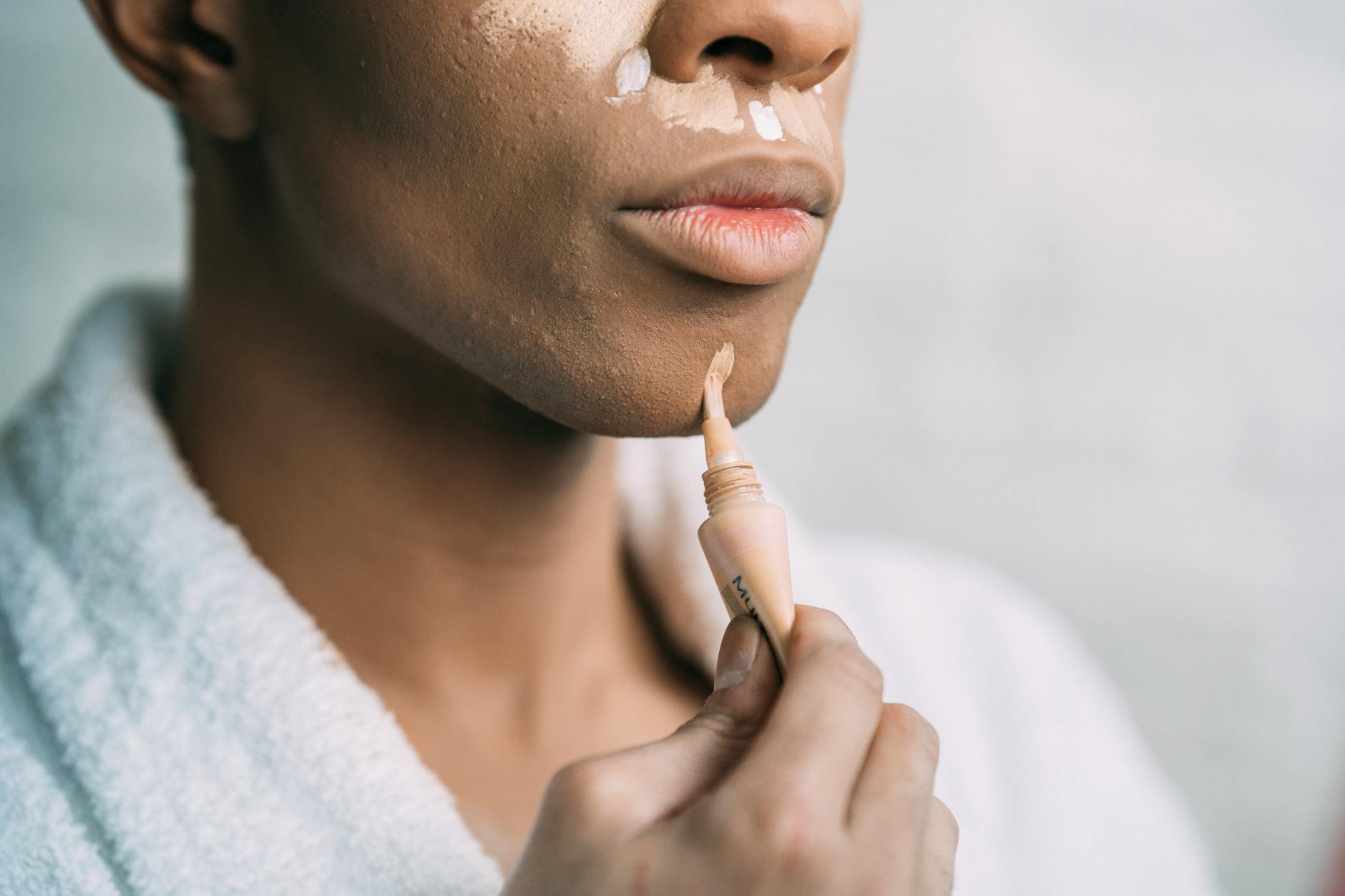
A clear line of demarcation along the jaw suggests the foundation color does not blend into the neck. This contrast often indicates that the shade is either too light or too dark for the natural skin tone. Proper foundation should disappear into the skin seamlessly without requiring heavy blending down the chest. Checking the match in natural lighting helps identify this common application error. Applying a small swatch and letting it dry ensures a more accurate comparison against the neck.
Ashen or Grayish Appearance
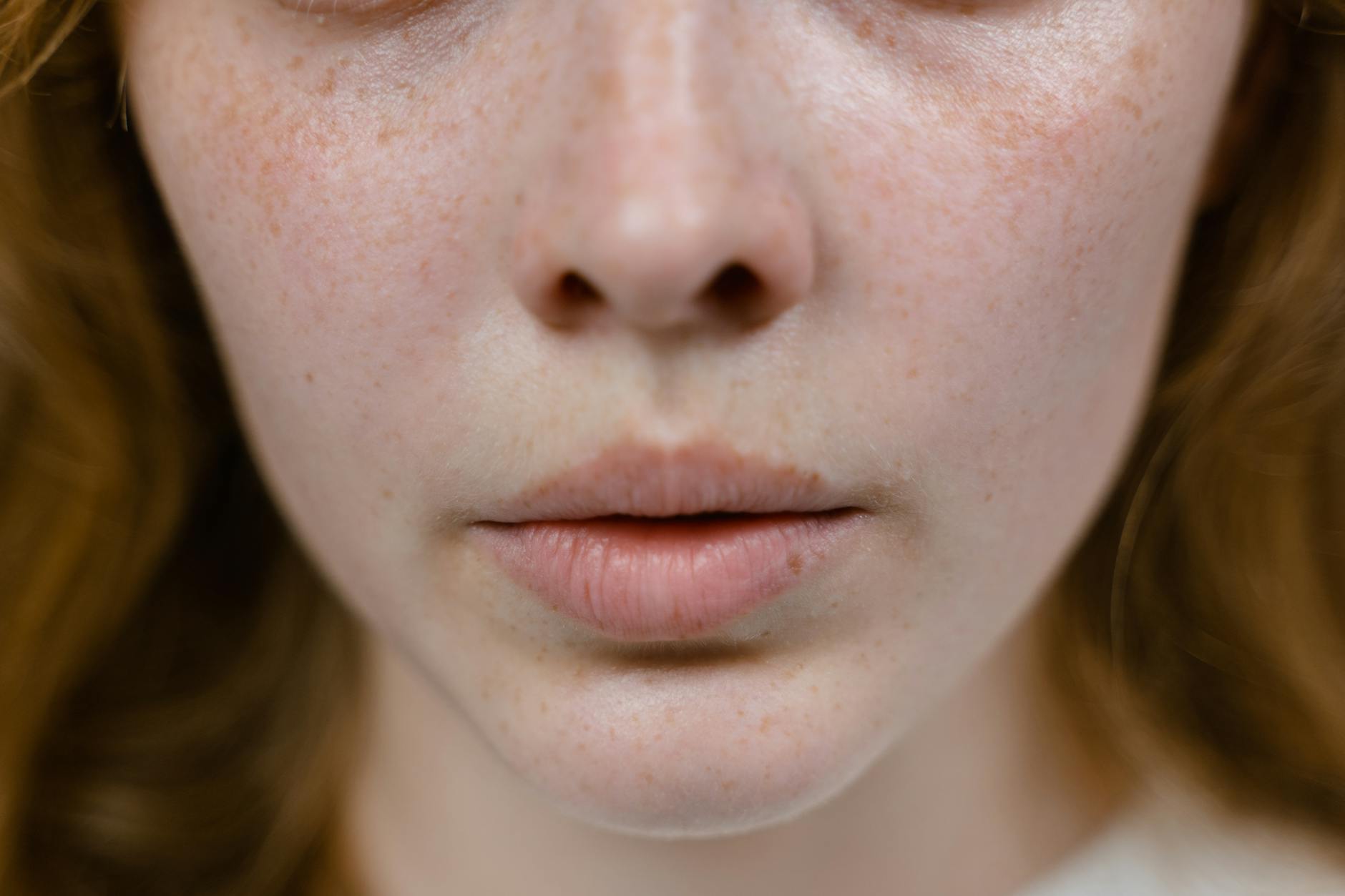
When a foundation makes the complexion look dull or gray it usually means the undertone is incorrect. This ashen effect often occurs when someone with warm or olive skin uses a product with cool pink undertones. The mismatch creates a muddy look that fails to enhance the natural radiance of the face. Selecting a shade with more yellow or golden pigments typically resolves this issue for many skin types. Testing the product on the cheek instead of the wrist provides a clearer picture of how the color interacts with facial pigments.
Oxidation Throughout the Day
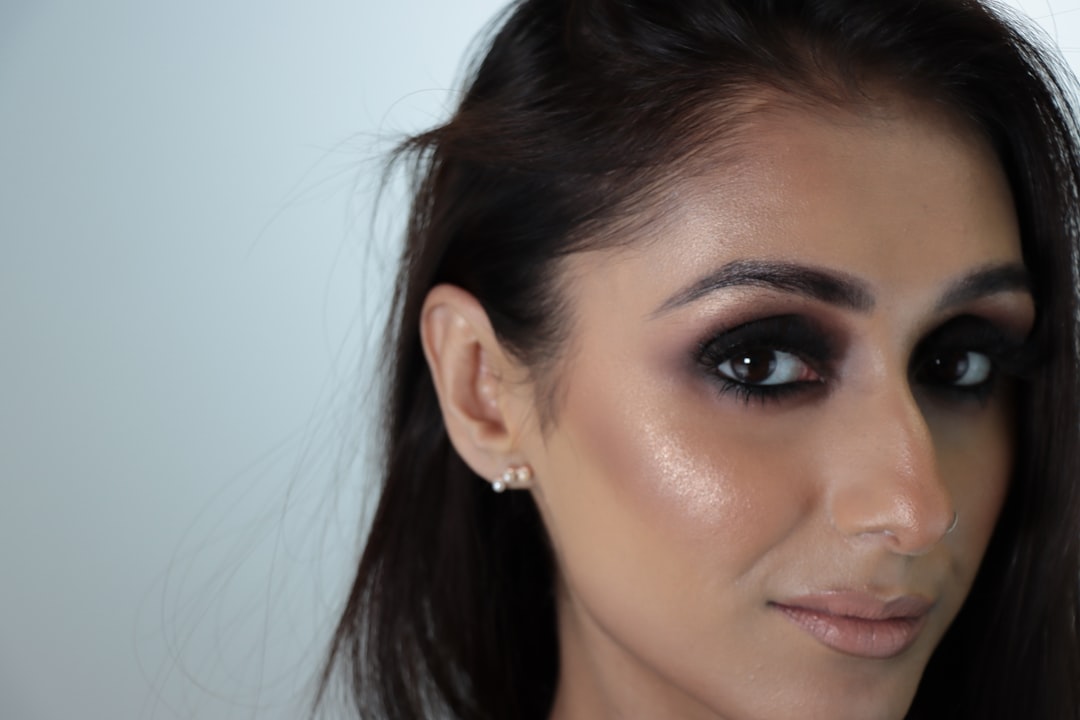
Oxidation occurs when the oils in the skin or the air react with the foundation ingredients to make the color turn darker. This shift often results in a face that looks significantly different two hours after the initial application. Choosing a shade that is half a step lighter can sometimes compensate for this chemical reaction. Using a high quality primer creates a barrier that helps prevent the formula from changing colors. Many professional makeup artists recommend wearing a sample for a full day to monitor any pigment shifts.
Skin Looking Too Orange or Peach

Foundation that appears overly orange or peach on the face is often a sign of a mismatch in depth and warmth. This happens when a product is either too dark for the skin tone or contains too much red pigment for a neutral complexion. The skin can look unnatural and saturated compared to the rest of the body. Finding a neutral or cool toned alternative helps bring balance back to the overall appearance. Swatching three different shades side by side on the jawline is an effective way to see which one truly disappears.
Concealer Standing Out Too Much
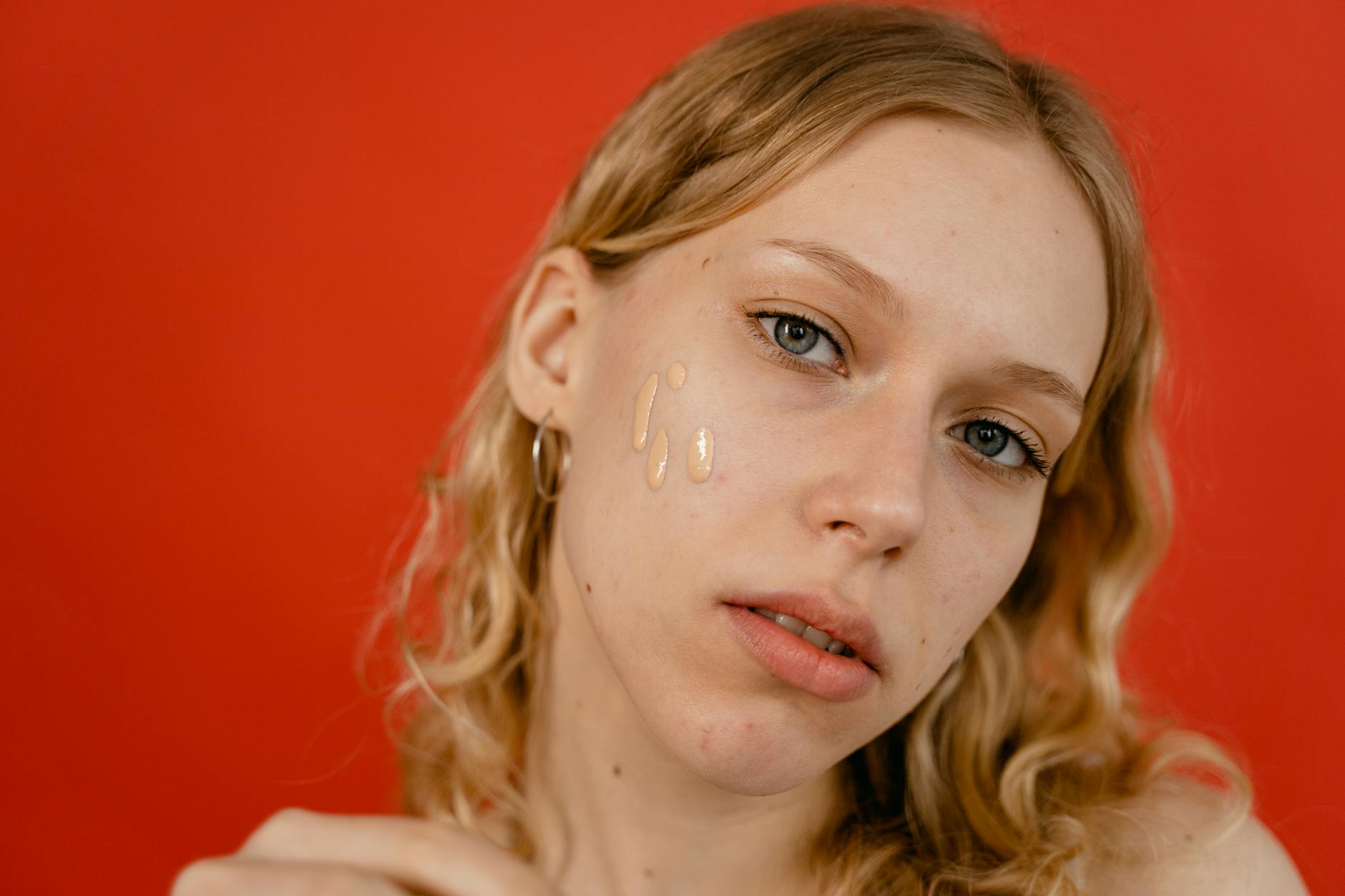
If concealer looks like bright white patches on top of the foundation it may be because the base shade is too dark. The contrast between a correctly matched concealer and an incorrect foundation highlights the mismatch rather than hiding imperfections. A perfect foundation match allows concealer to blend in without creating stark highlights or shadows. Balancing the two products ensures the entire face looks uniform and polished. Experimenting with different lighting conditions confirms that the colors work together harmoniously.
Please share your favorite tips for finding a perfect foundation match in the comments.