Homes age gracefully in many ways but electrical systems degrade silently behind walls over decades. Recognizing the warning signs of outdated wiring prevents devastating fires and ensures the safety of modern appliances. Homeowners often overlook subtle hints like flickering bulbs or warm switches until a major failure occurs. Keeping an eye out for these specific red flags allows for timely professional intervention before tragedy strikes.
Frequent Circuit Breaker Trips
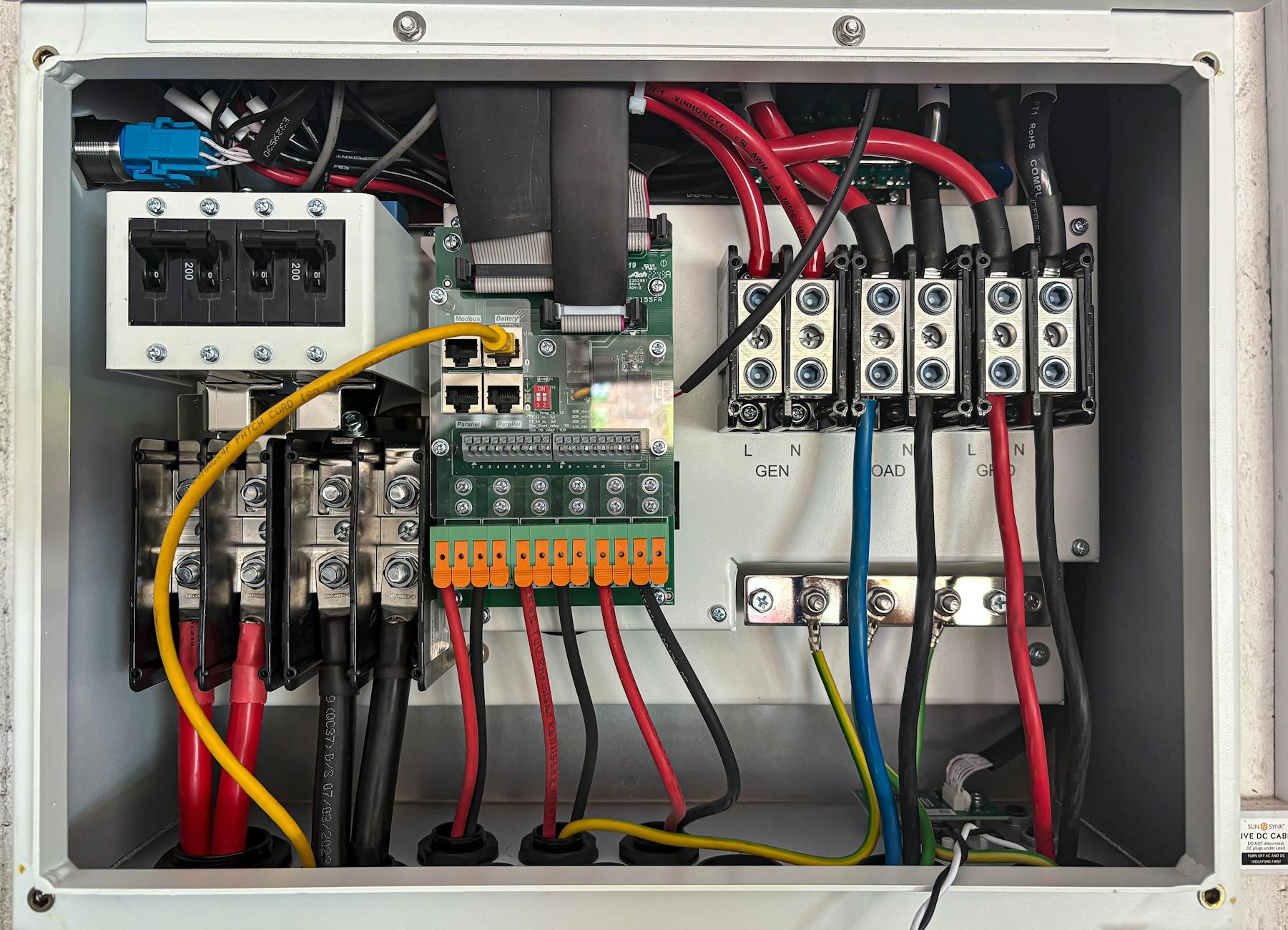
Circuit breakers exist to cut power when the system becomes overloaded to prevent overheating. A breaker that trips occasionally simply does its job protecting the home from a temporary surge. Frequent tripping indicates the circuit cannot handle the standard electrical load demanded by your daily appliances. This often signals that the panel requires an upgrade to support modern energy consumption levels.
Flickering or Dimming Lights
Lights that flicker or wane suggest a loose connection somewhere in the circuit or potentially dangerous arcing faults. This phenomenon often occurs when a major appliance like a refrigerator or air conditioner kicks on and draws heavy current. Ignoring this symptom can lead to overheated wires or damaged sensitive electronics throughout the house. A professional electrician can determine if the issue lies with a single fixture or the main panel connection.
Buzzing Sounds from Outlets
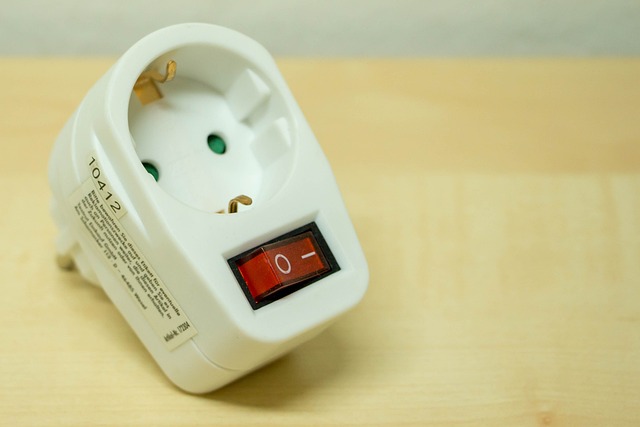
Electricity should flow silently through the wires and connections within your walls. A distinct buzzing or humming noise coming from an outlet points to loose wiring or a faulty device. The sound results from the current jumping across a gap which creates heat and potential fire hazards. Immediate inspection is necessary to tighten connections or replace the damaged receptacle.
Warm or Vibrating Wall Switches
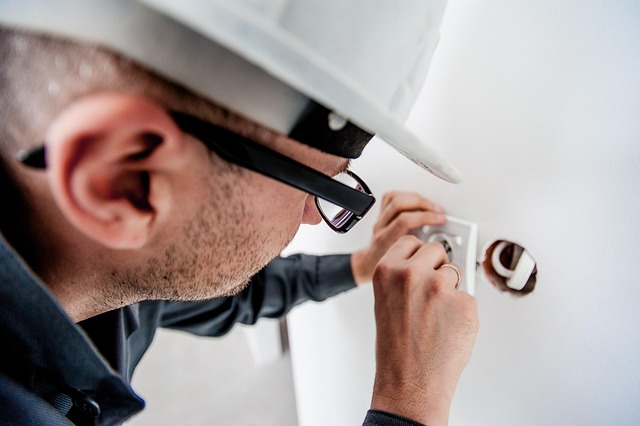
A switch plate or outlet cover should never feel hot to the touch during normal operation. Heat indicates that the wire or mechanism inside is struggling with the electrical load and generating dangerous resistance. This symptom often precedes melting insulation or an electrical fire within the junction box. Dimmer switches may naturally get slightly warm but standard toggle switches must remain cool.
Scorch Marks on Outlets
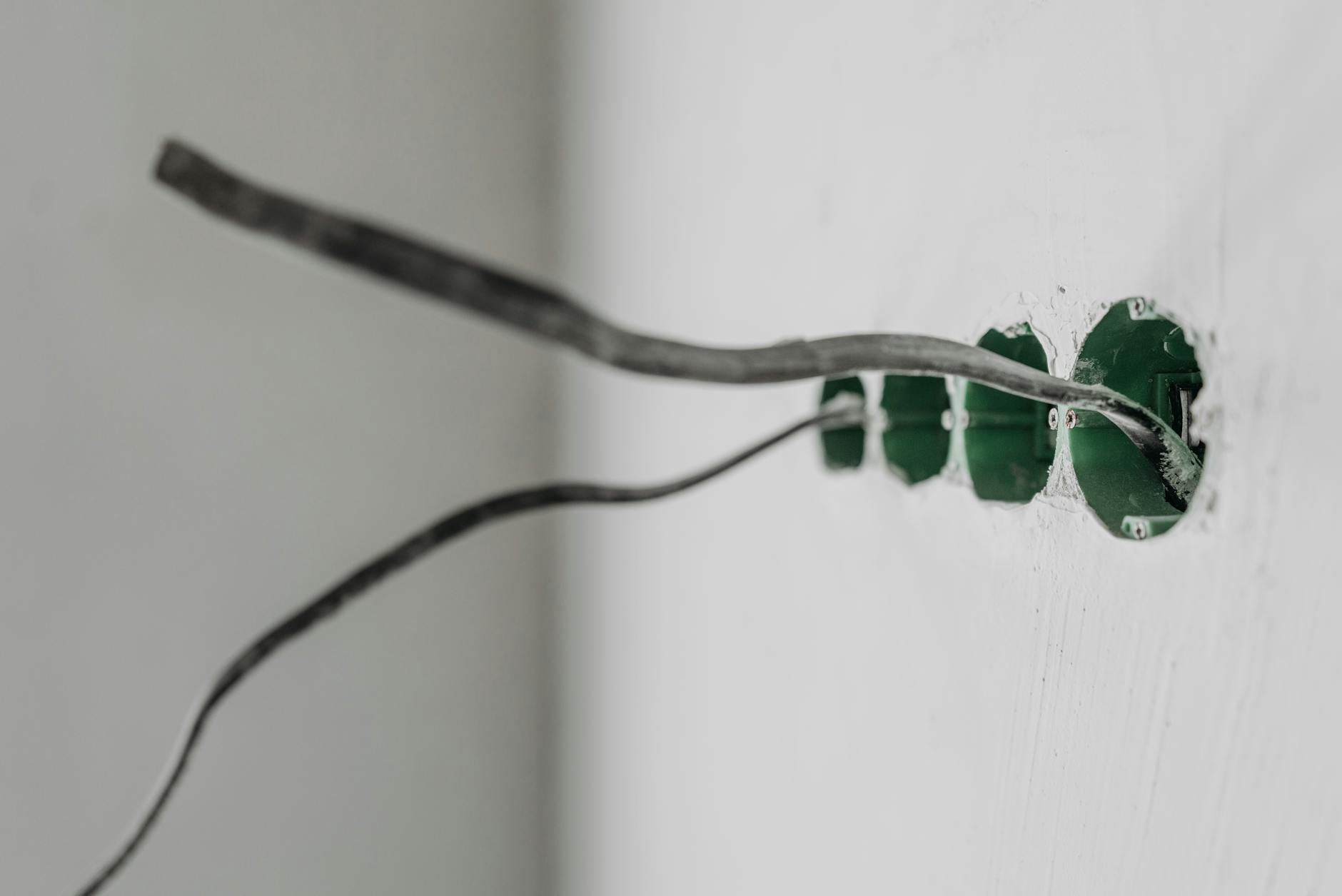
Discoloration or brown scorch marks on an outlet faceplate serve as a visual alarm for serious internal heat issues. These marks usually result from sparking or arcing occurring inside the receptacle box. The heat generated has already been sufficient to melt or singe the plastic components. Continuing to use such an outlet invites a high probability of fire and requires immediate replacement.
Burning Plastic Odor

The smell of burning plastic or vinyl without an identifiable source often originates from overheating electrical components. This acrid odor travels through the air when wire insulation begins to melt from excessive heat. It is a critical warning sign that requires shutting off the main power immediately. Homeowners should contact an emergency electrician to locate the melting wires before flames erupt.
Sparking upon Plug Insertion
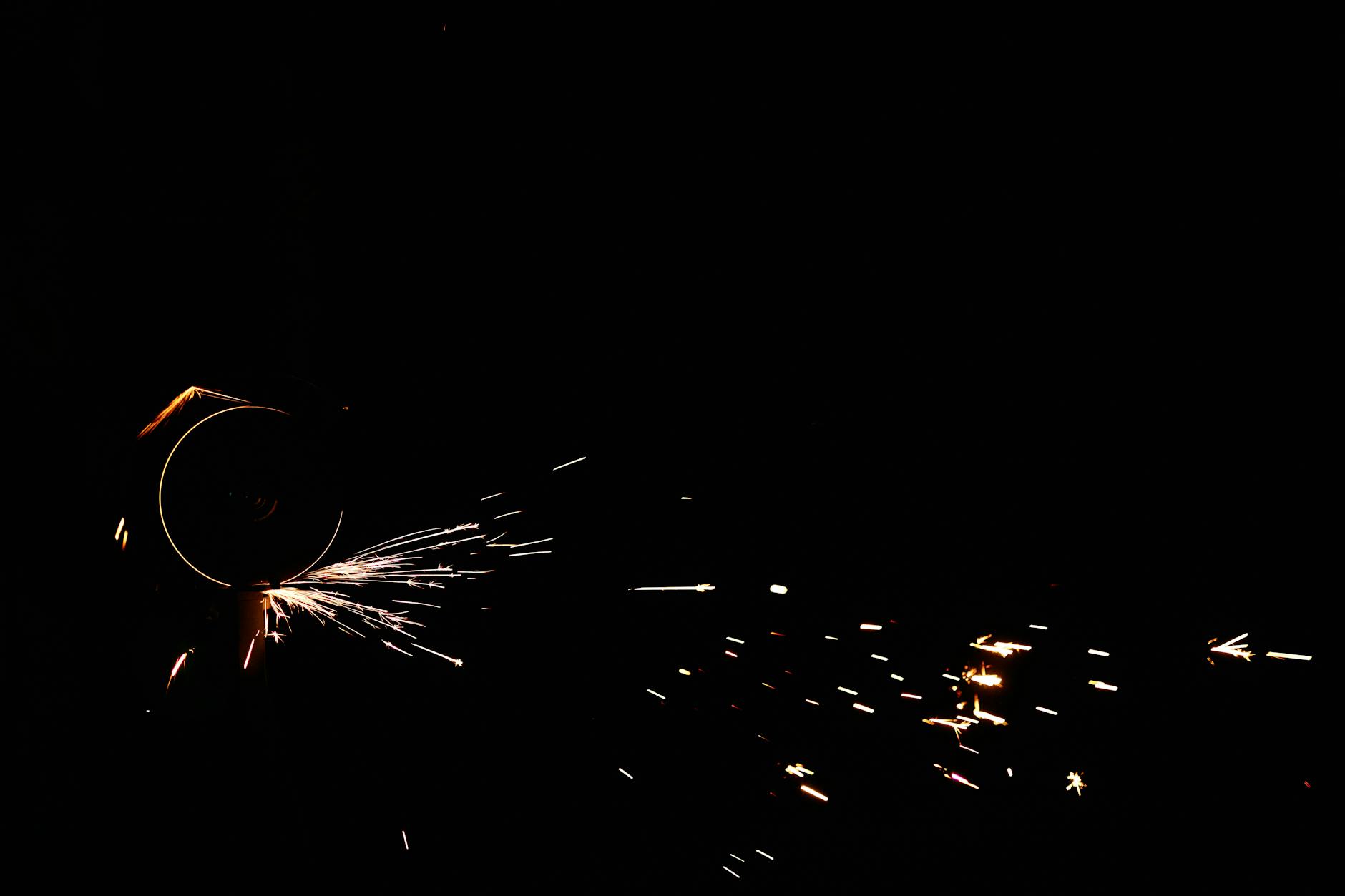
A small blue spark might occasionally appear when plugging in an appliance but large or frequent sparks are abnormal. This reaction indicates a short circuit or worn internal contacts within the outlet itself. The heat from these sparks can eventually ignite the surrounding dust or drywall paper. Replacing the worn outlet solves the issue and restores a safe connection for your devices.
Chewed or Frayed Wiring
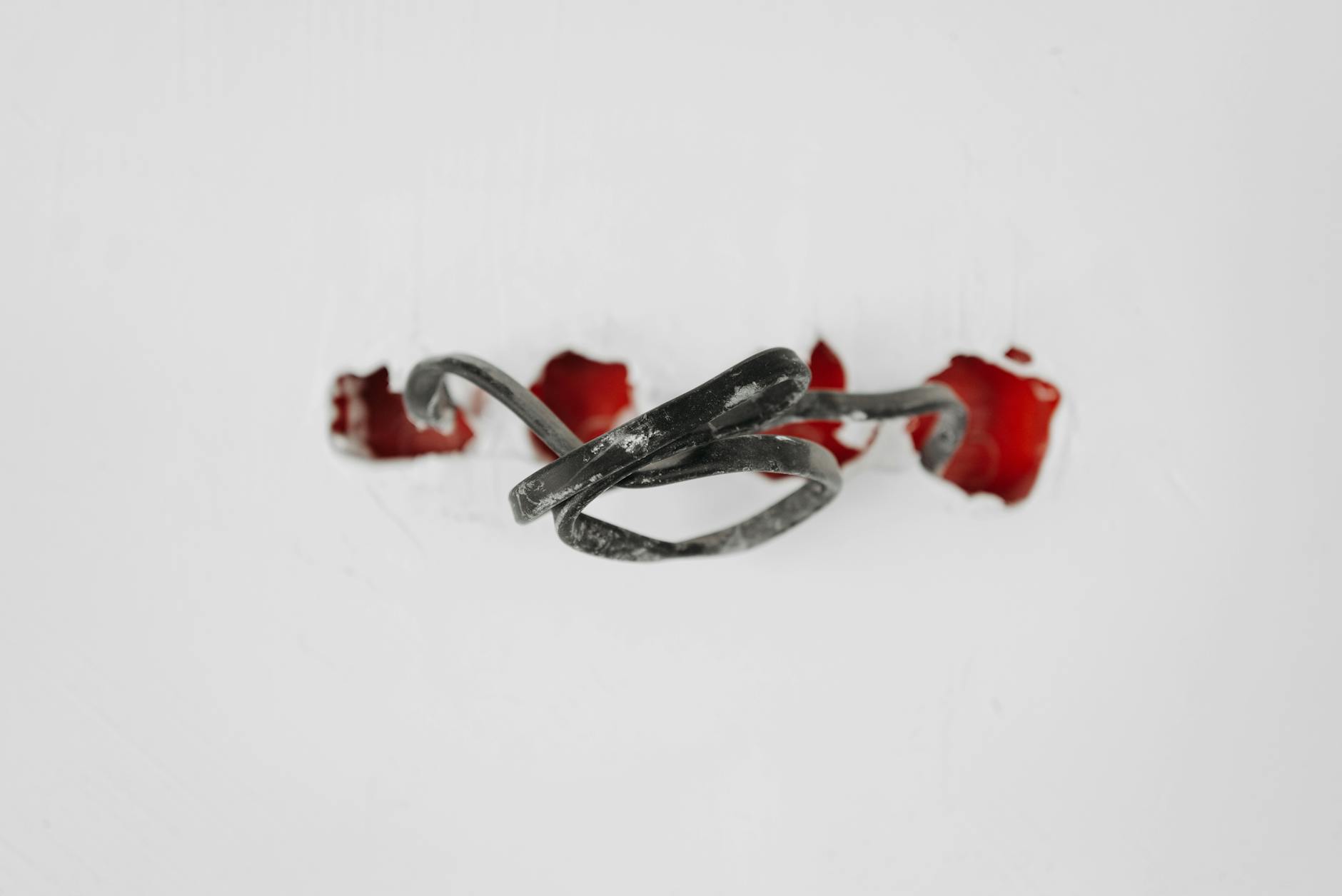
Rodents often view electrical insulation as nesting material and expose live copper wires inside walls. This physical damage creates a high risk of short circuits and potential fires in hidden spaces. Homeowners might notice small piles of debris or hear scratching sounds near electrical runs. Repairing this requires replacing the damaged sections immediately to restore the integrity of the protective insulation layer.
Presence of Knob and Tube Wiring
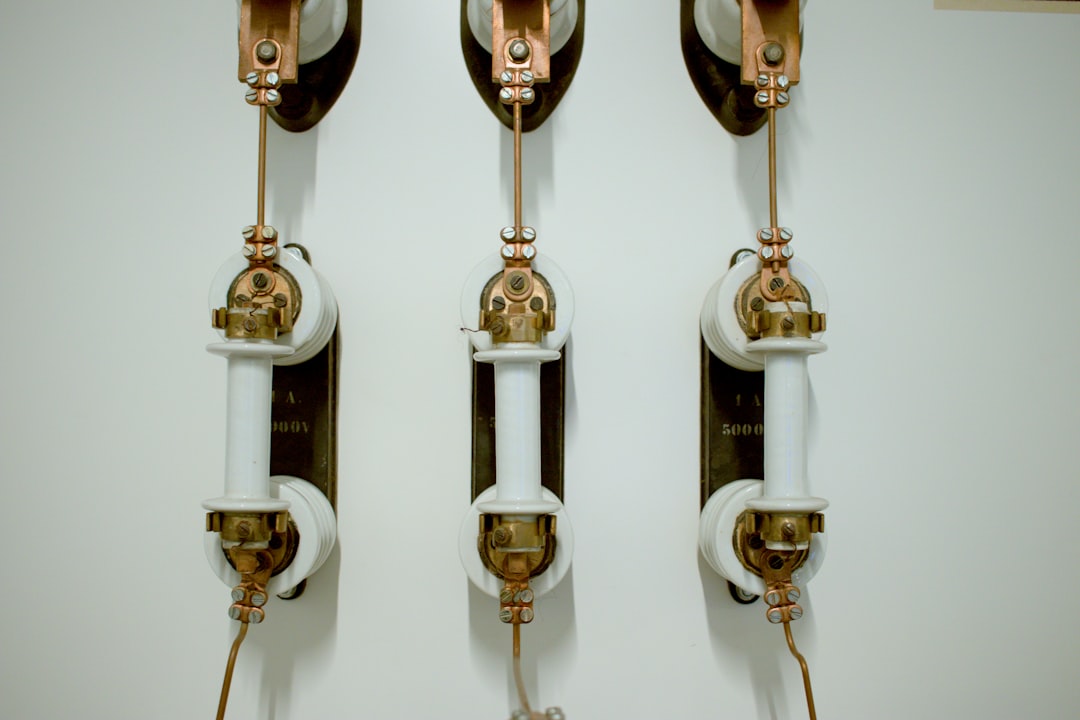
This vintage wiring method suspends wires on ceramic knobs and passes them through ceramic tubes. It lacks a grounding conductor and the insulation becomes brittle and cracks significantly over time. Insurance companies often refuse coverage for homes containing this obsolete system due to the fire hazard it presents. Professional removal and replacement is the only safe solution for modern electrical demands.
Aluminum Wiring Connections
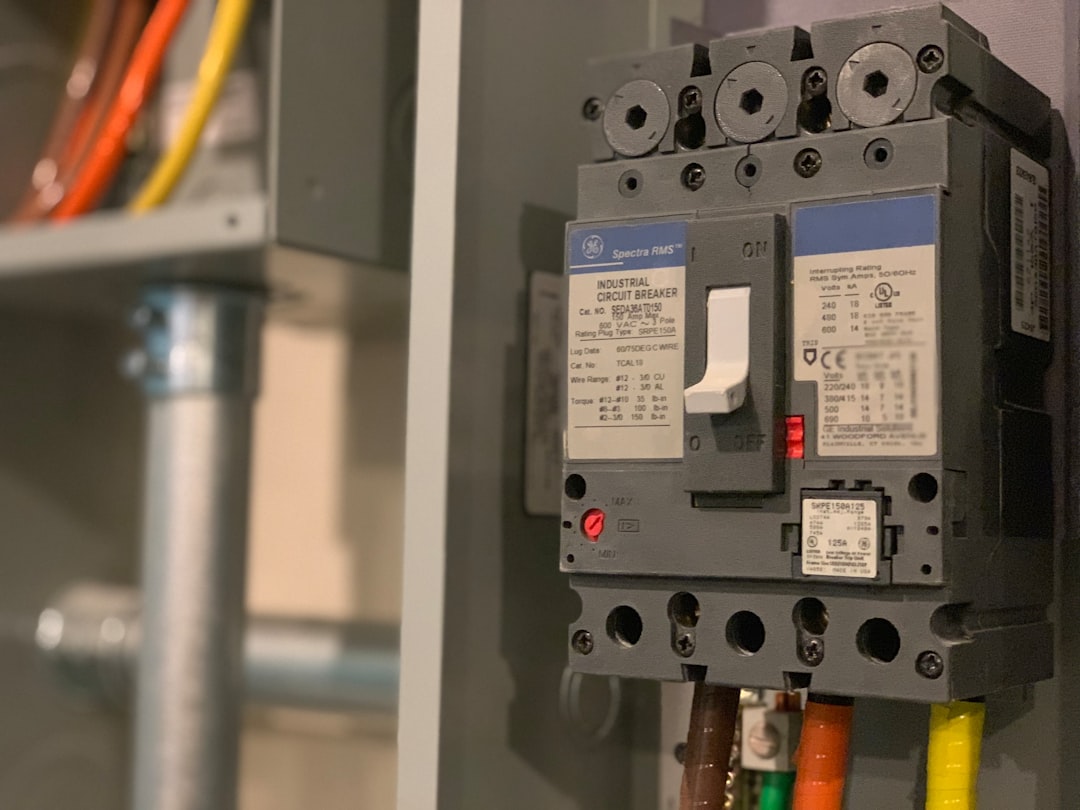
Builders used aluminum wiring extensively in the mid-twentieth century as a cheaper alternative to copper. The metal expands and contracts more than copper during use which causes connections to loosen over time. These loose connections create high resistance and generate intense heat at switches and outlets. Specialized connectors or a complete rewire are necessary to mitigate the substantial fire risk involved.
Ungrounded Two-Prong Outlets
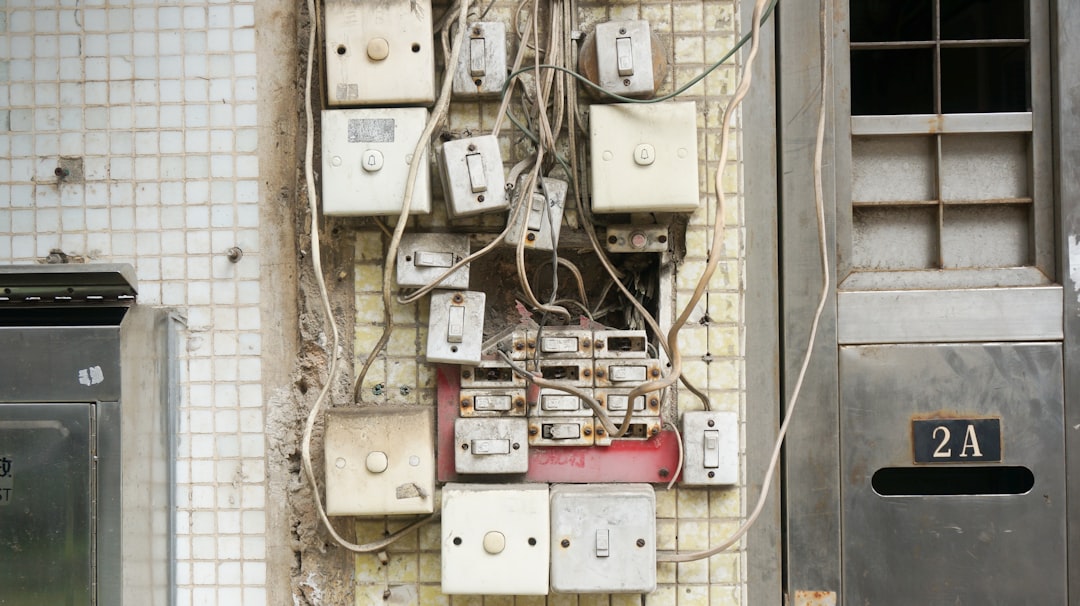
Older homes frequently contain outlets with only two slots instead of the modern three-slot configuration. The missing third hole means the system lacks a ground wire to safely divert excess electricity. This deficiency puts both the user and sensitive electronics at risk during power surges or faults. Upgrading to grounded wiring protects appliances and reduces the risk of electrical shock.
Absence of GFCI Outlets

Ground Fault Circuit Interrupters are essential safety devices required in wet areas like kitchens and bathrooms. They monitor the flow of current and cut power instantly if they detect an imbalance or water contact. A lack of these buttons on outlets near sinks indicates the home does not meet current safety standards. Installing them is a quick and vital upgrade to prevent fatal electric shocks.
Reliance on Extension Cords
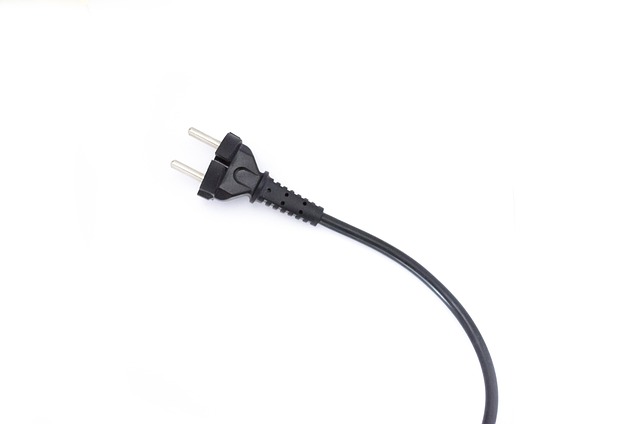
Extension cords are temporary solutions and should never serve as permanent wiring for a room. Needing multiple cords or power strips indicates the home lacks sufficient outlets for modern living. Overloaded cords can overheat or suffer physical damage from foot traffic and furniture. Adding new hardwired outlets resolves the convenience issue and eliminates the fire hazard of temporary cords.
Mild Shock from Appliances
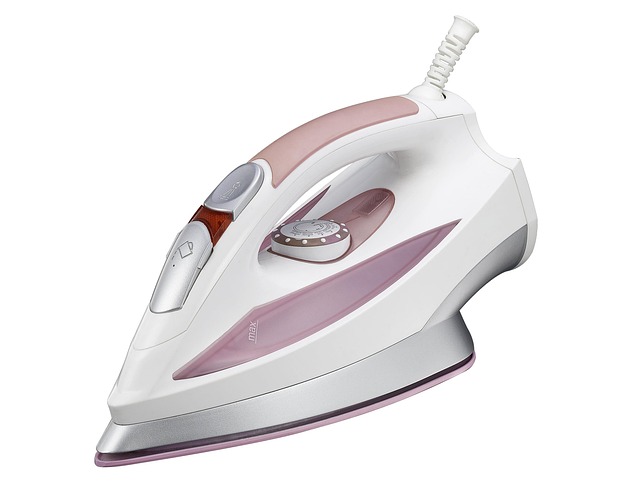
Touching a metal appliance surface should never result in a tingle or mild electric shock. This sensation implies that electricity is escaping the proper circuit and charging the casing of the device. It often stems from a lack of proper grounding or a frayed internal wire touching the metal frame. Addressing this ground fault is urgent to prevent the shock from becoming lethal.
Outdated Fuse Boxes
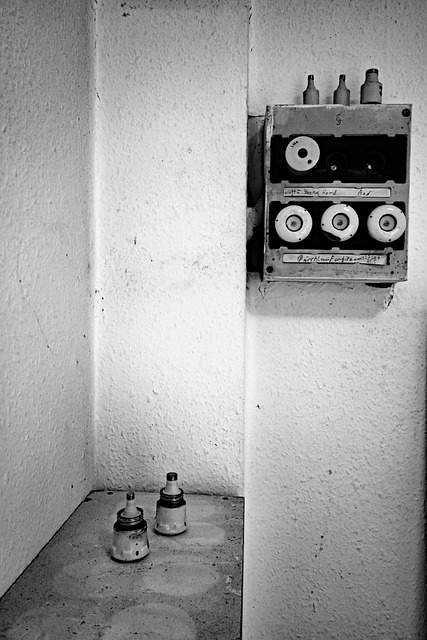
Homes with screw-in fuses instead of flip-switch circuit breakers are significantly outdated. Fuses were designed for an era with much lower electricity consumption and often cannot handle modern loads. Homeowners sometimes insert coins or wrong-sized fuses to bypass trips which removes all safety protection. Upgrading to a modern breaker panel brings the home up to code and ensures reliable safety.
Loose Outlet Plugs
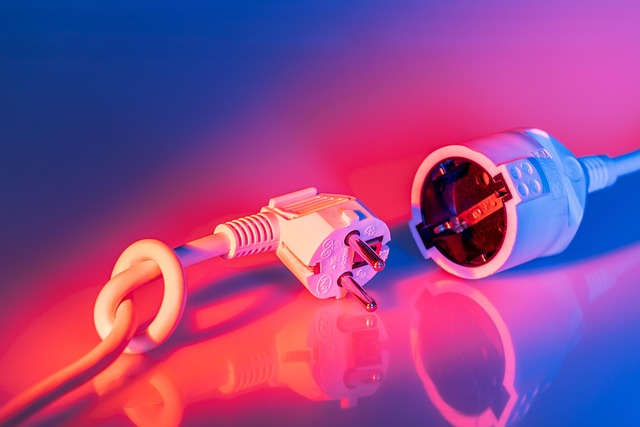
Plugs should fit snugly into an outlet and remain firmly in place without sagging. A loose fit means the internal contacts are worn out and can no longer grip the plug blades securely. This poor connection causes arcing and heat buildup inside the receptacle box. Replacing these worn outlets is a simple maintenance task that prevents future sparking.
Rust on the Electrical Panel
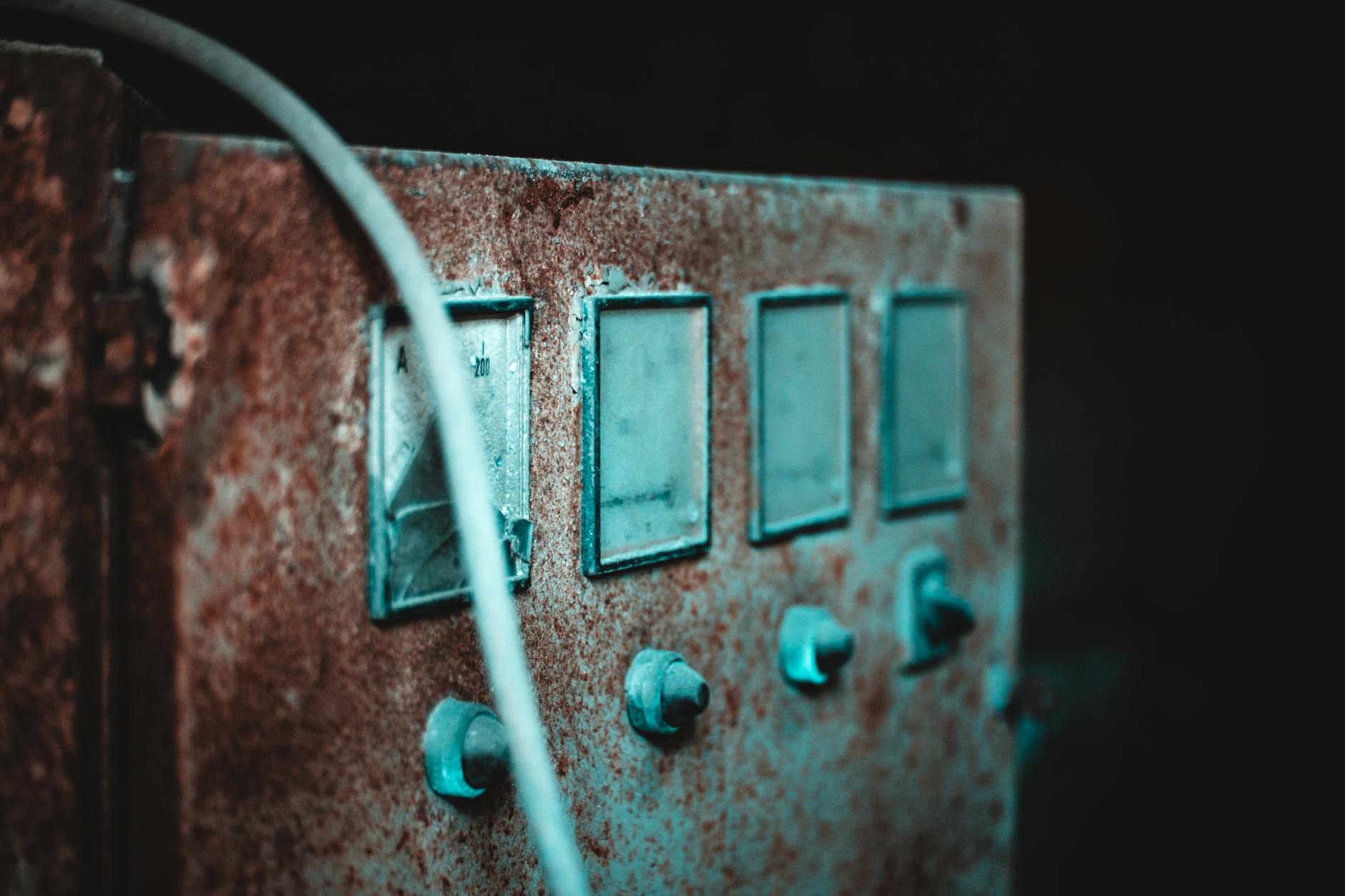
Rust or corrosion on the main service panel indicates water has infiltrated the electrical system. Moisture mixes poorly with electricity and compromises the mechanical operation of the breakers. The source of the leak could be a frayed service cable or poor sealing where the meter enters the house. An electrician must assess the damage and seal the entry point to prevent further deterioration.
Cloth-Insulated Wiring
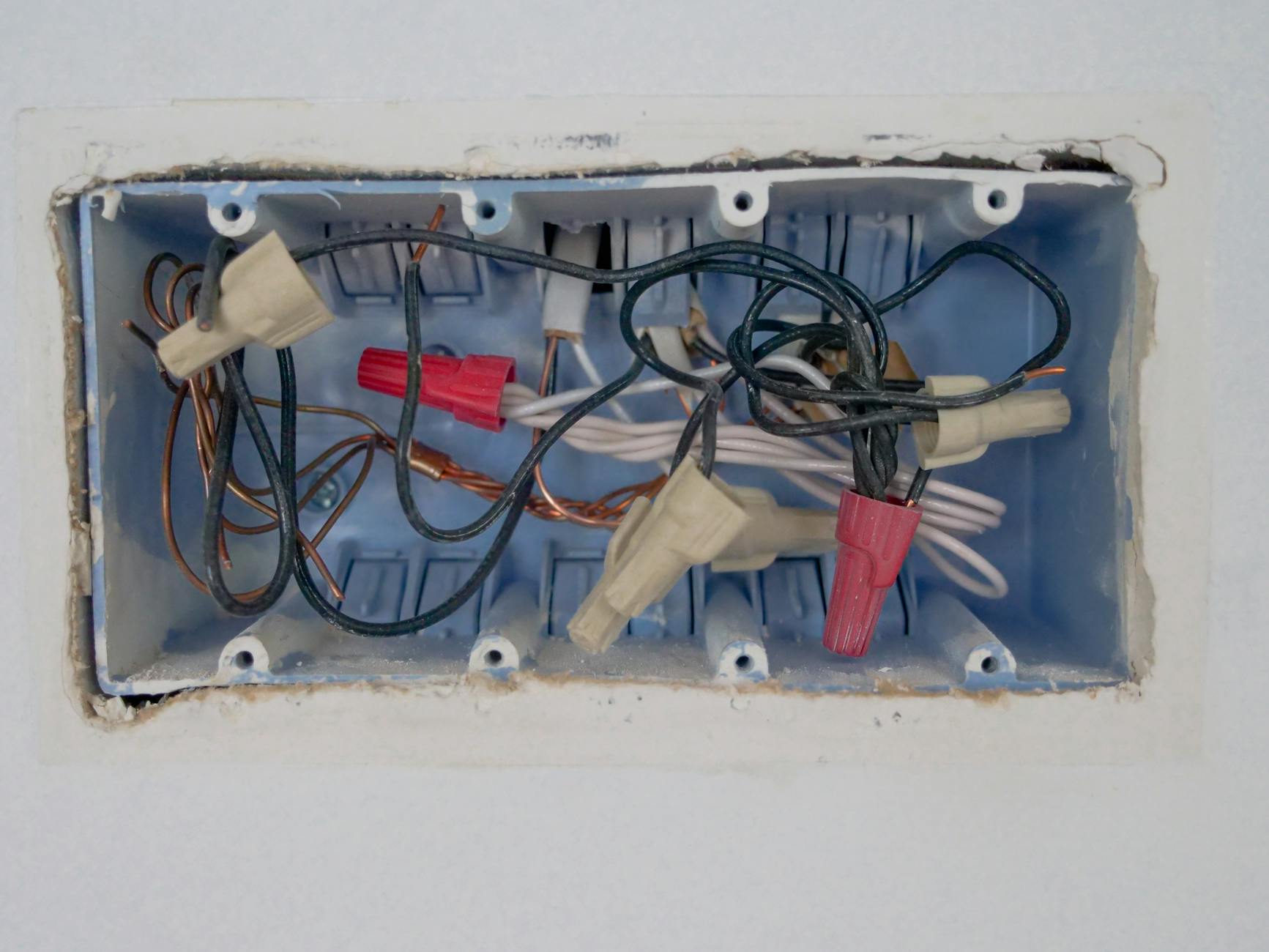
Wiring from the early twentieth century often used cloth covering instead of modern thermoplastic insulation. The cloth degrades and becomes brittle over decades which causes it to flake off and expose the wire. This exposure creates a direct risk of arcing and fire within the wall cavities. Rewiring is the only way to ensure the insulation remains intact and safe.
Lights Dimming with Appliance Use
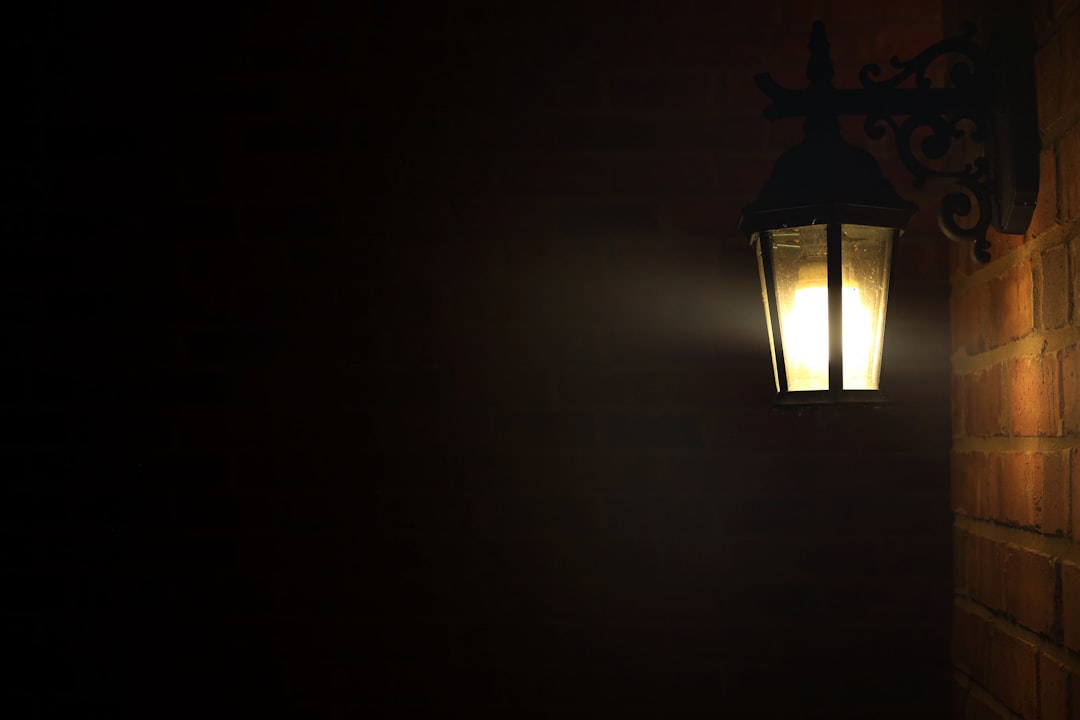
Lights that dim noticeably when a vacuum or microwave turns on reveal an overloaded circuit. It suggests that the lighting and heavy appliances share the same wiring loop. This configuration stresses the wires and can lead to voltage drops that damage motor-driven appliances. Separating heavy loads onto dedicated circuits relieves the strain on the lighting system.
Frequently Burning Out Lightbulbs

Bulbs that burn out much faster than their rated lifespan often point to high voltage or loose connections. The fixture itself might be overheating or the main power supply could be fluctuating. Continuously replacing bulbs is both expensive and a symptom of a deeper electrical instability. Checking the fixture wattage rating and the socket integrity usually identifies the root cause.
Tangled or Messy Attic Wiring
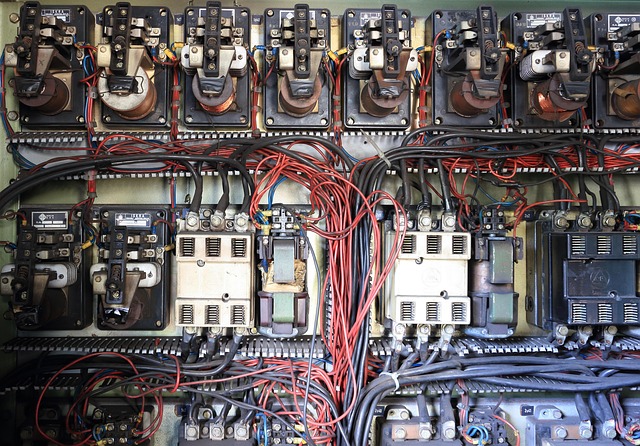
Inspectors often find chaotic nests of wires running visibly across attic joists in older homes. Unsecured wires are vulnerable to physical damage from storage boxes or pests. Proper electrical work requires cables to be stapled neatly and protected from impact. Organizing and securing these runs prevents accidental snags that could sever a connection.
Incompatible Amperage Service
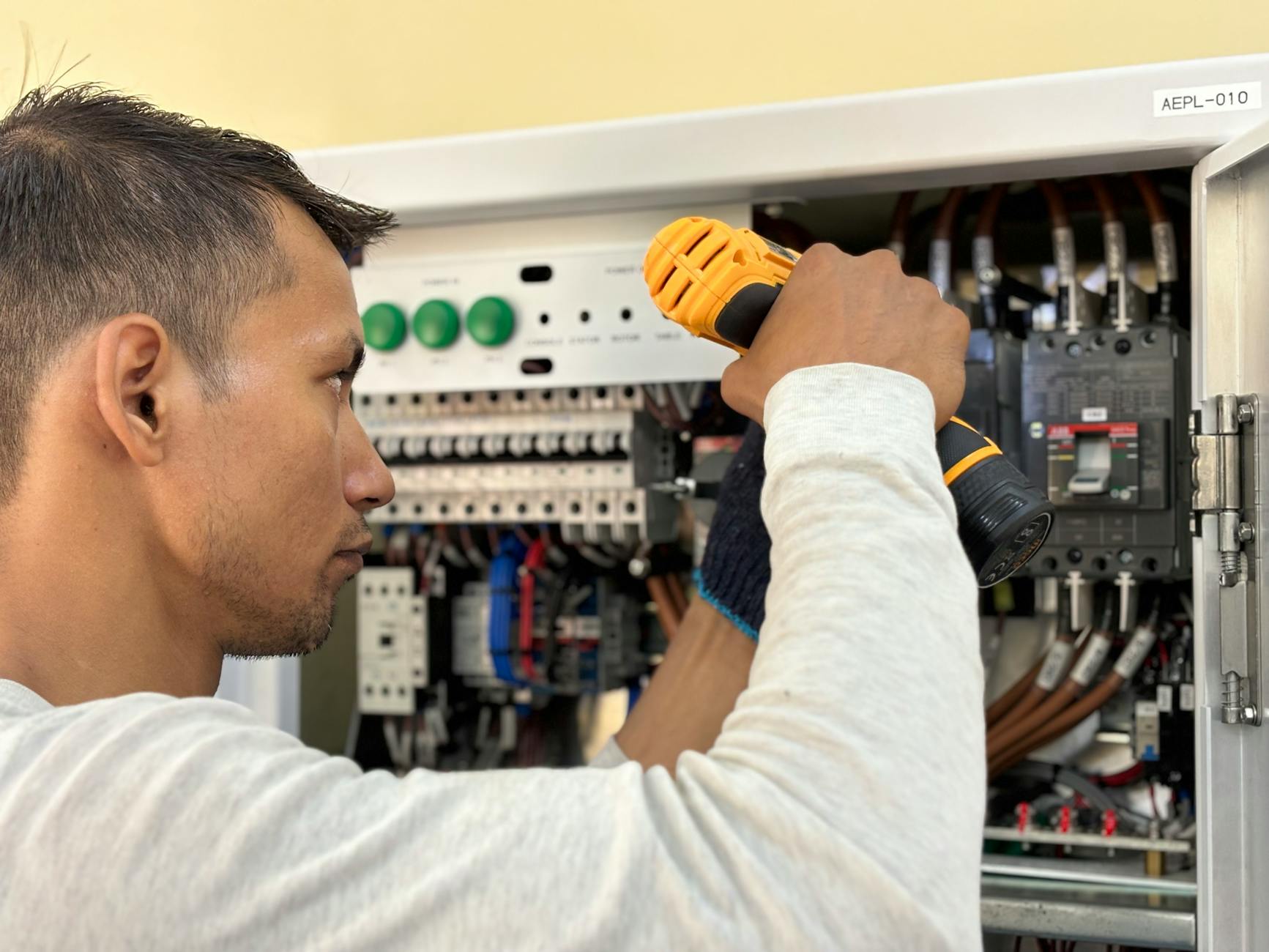
Modern homes typically require a 200-amp service panel to run HVAC systems and electronics simultaneously. Many older homes still operate on 60-amp or 100-amp services which are insufficient for today’s needs. This bottleneck forces the system to run at maximum capacity and increases the risk of overheating. Upgrading the service entrance cable and panel allows the home to breathe electrically.
Moisture Around the Panel
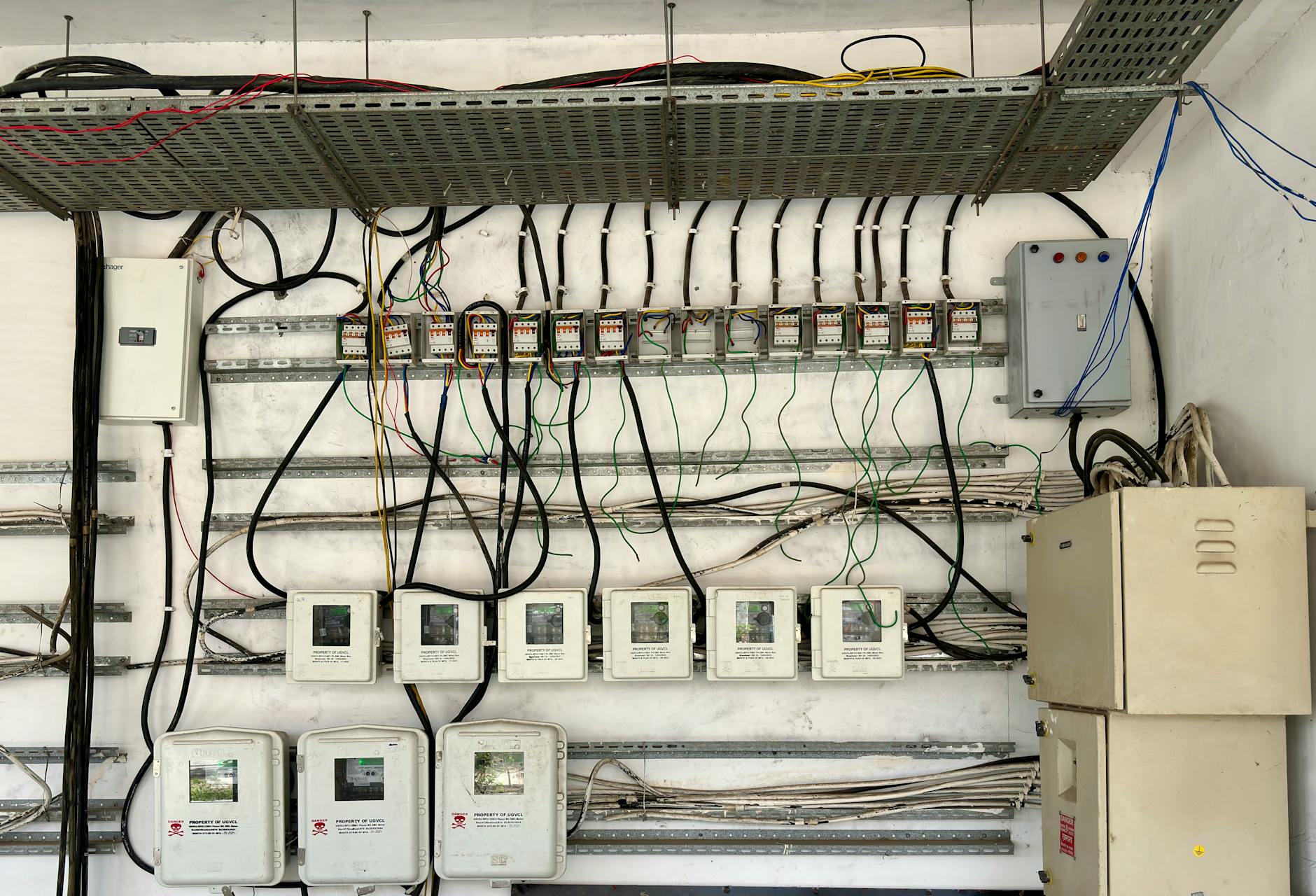
Any evidence of water stains or dampness near the electrical panel requires immediate attention. Water conducts electricity and can energize the metal enclosure of the panel box. This creates a lethal shock hazard for anyone attempting to reset a breaker. Professional waterproofing and potentially relocating the panel are necessary steps to ensure safety.
Cracking Wire Insulation
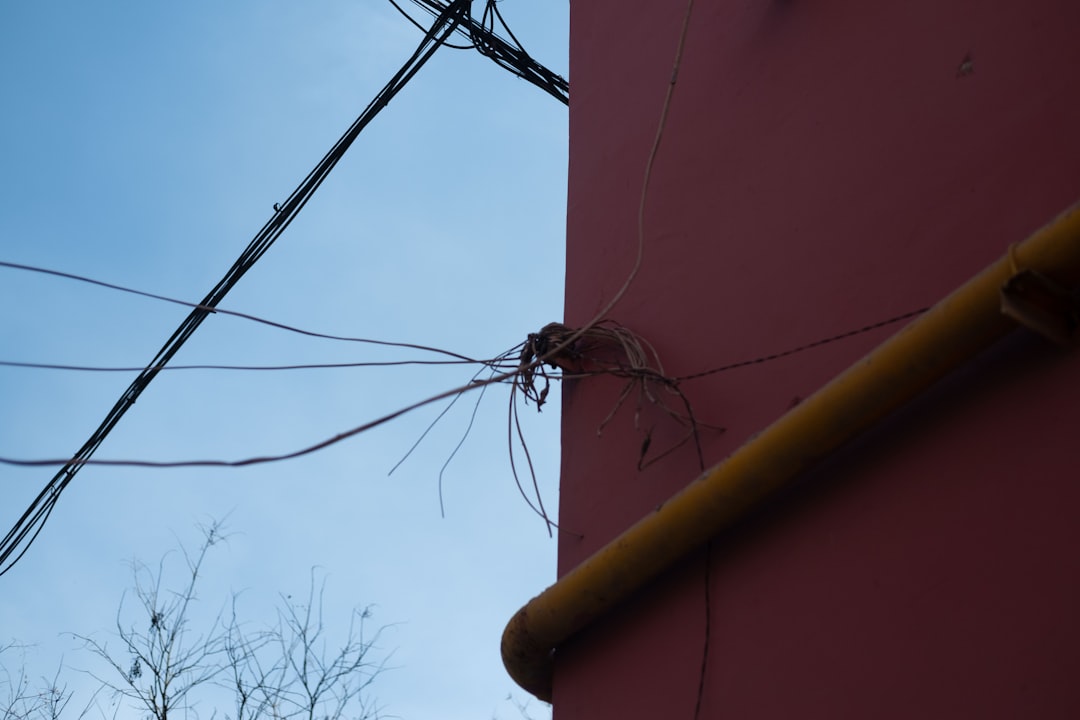
Heat and age eventually cause the plastic or rubber insulation on wires to harden and crack. Visible cracks on wires entering the panel or outlets mean the protective barrier is failing. This deterioration allows electricity to arc to nearby metal or other wires. Rewiring the affected circuits is the only way to restore the safety barrier.
Lack of Arc-Fault Circuit Interrupters
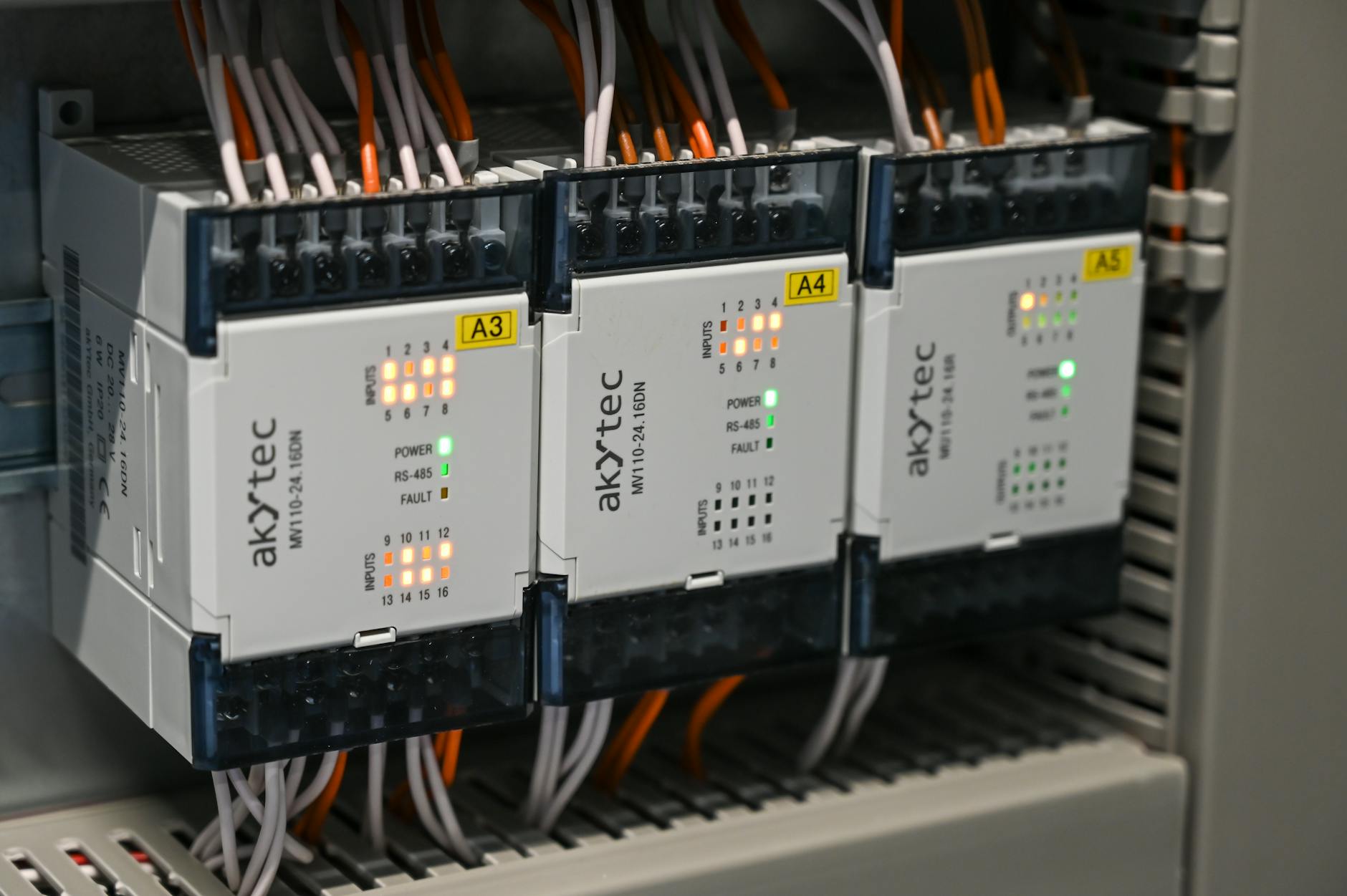
Modern electrical codes require Arc-Fault Circuit Interrupters to detect dangerous electrical arcs that standard breakers miss. These devices prevent fires by cutting power when they sense the unique signature of an arcing wire. Older panels rarely contain these advanced breakers which leaves the home vulnerable to hidden wire damage. Retrofitting the panel with AFCI breakers significantly enhances fire protection for living areas.
Please leave a comment to share which of these electrical warning signs you have encountered in your own home.