A solid foundation ensures the structural integrity and safety of any residential property. Catching early warning signs can save homeowners thousands of dollars in major repair costs. Understanding what physical changes indicate underlying soil or structural issues prevents small flaws from becoming catastrophic damage. Homeowners must stay vigilant by routinely inspecting both the interior and exterior of their living spaces.
Stair Step Brick Cracks
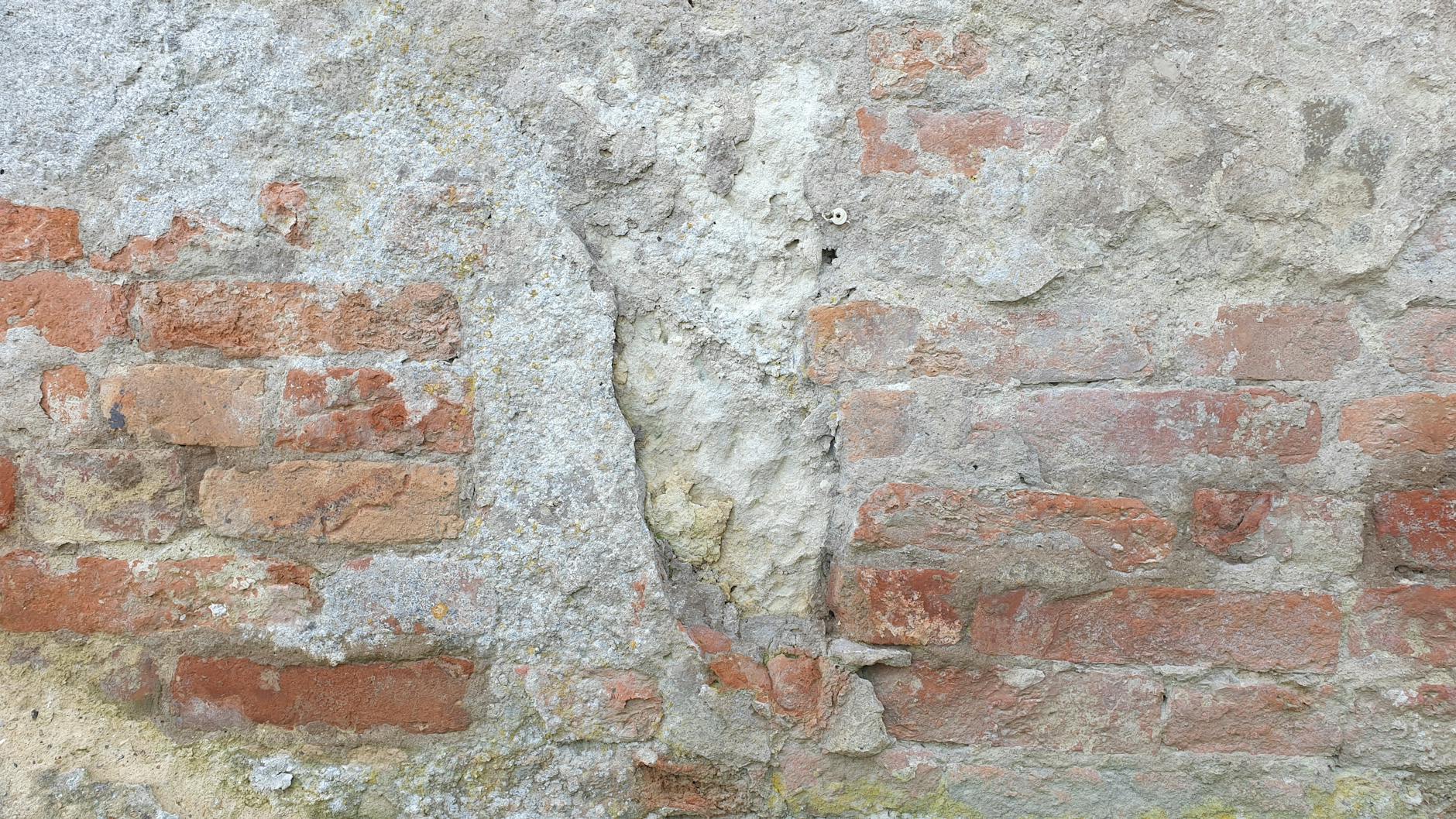
Visible stair step patterns along exterior brickwork provide one of the most obvious indicators of structural shifting. These fissures typically follow the mortar lines and grow wider as the soil beneath the house settles unevenly. A gap measuring wider than one quarter of an inch requires immediate professional evaluation to prevent further separation. This specific pattern indicates that one side of the house is sinking deeper into the ground than the other side.
Interior Drywall Fractures
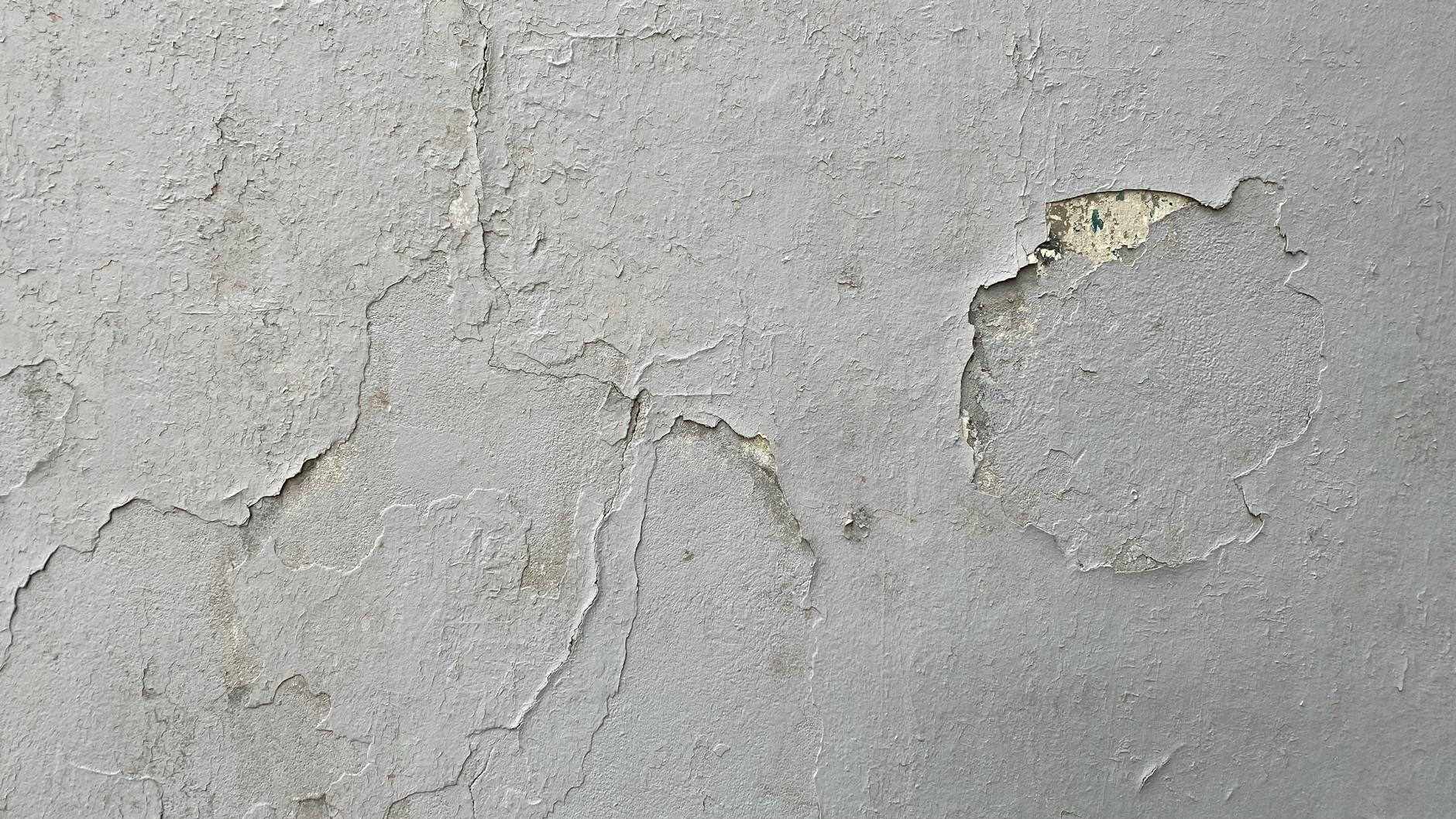
Jagged lines creeping diagonally from the corners of interior doors and windows reveal unusual stress on the housing frame. Normal seasonal settling might cause tiny hairline imperfections but larger expanding gaps point directly to a failing support system. These drywall fractures often reappear shortly after being patched and painted over by homeowners. The constant movement of the wooden framing pulls the drywall panels apart and breaks the taped joints.
Uneven Sloping Floors
Walking across a room should never feel like walking down a slight hill or a slanted ramp. Dropping a marble on the hardwood and watching it roll rapidly to one side confirms a significant grade change. Foundation settlement causes the underlying floor joists to twist and drop several inches below their original level. Addressing this symptom promptly helps prevent total structural failure and expensive timber replacement.
Stubborn Sticking Doors
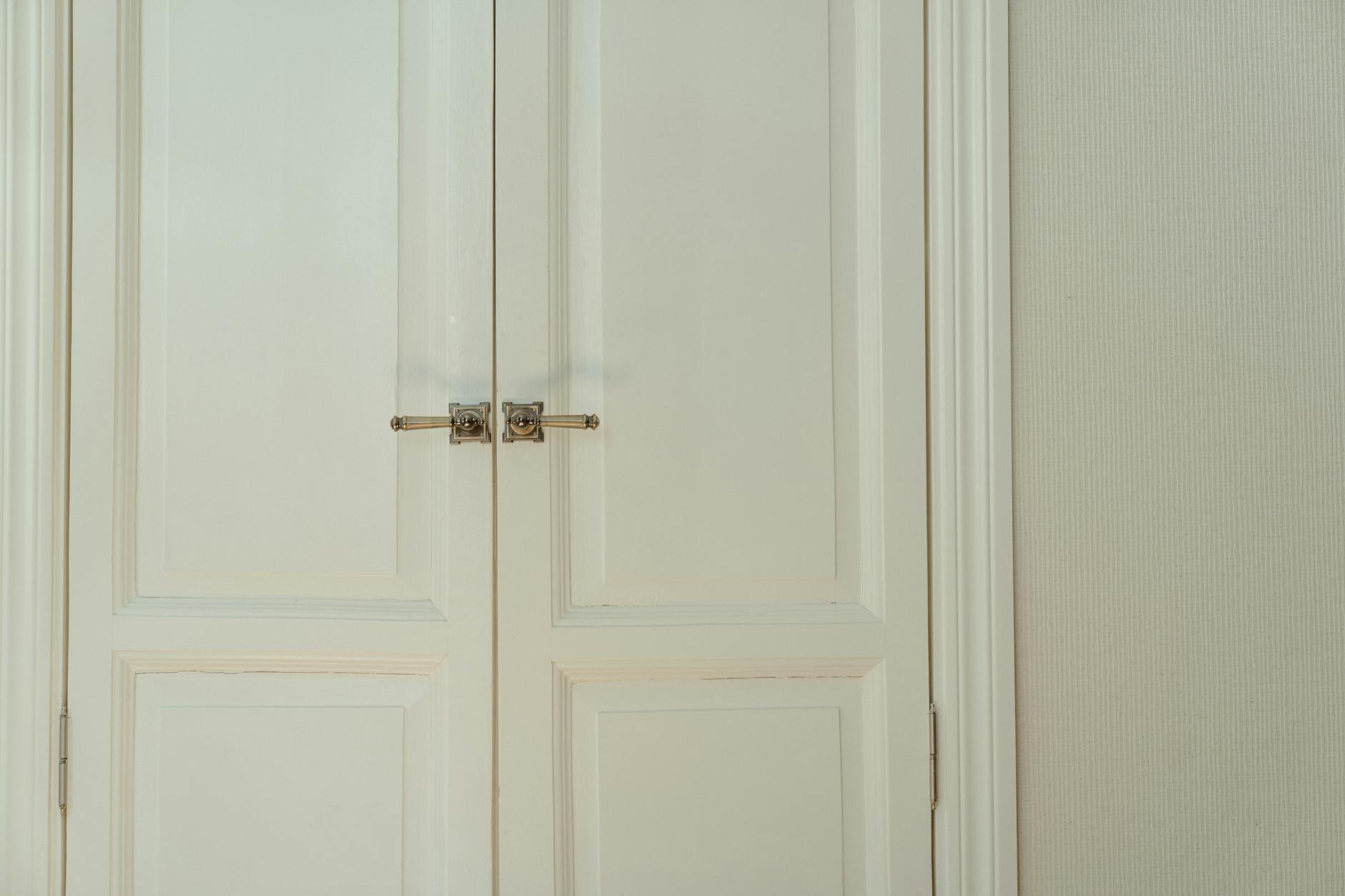
Interior doors that suddenly scrape against their frames or refuse to latch properly indicate an unlevel structural base. The shifting concrete below causes the wooden door frames above to lose their perfect rectangular shape. Homeowners often mistakenly blame high humidity for swelling the wood when the real culprit lies deep underground. You might notice the top of the door hitting the jamb while a large gap remains at the bottom.
Jammed Window Tracks

Windows that once glided open easily but now require extreme force to move signal a twisted house frame. The glass panes sit within a rigid track that warps out of alignment when the foundation drops unevenly. This pressure can eventually cause the glass to crack spontaneously under the immense weight of the shifting walls. Checking every window on the ground floor helps pinpoint exactly which section of the slab is failing.
Roof Line Separation

Gaps appearing where the exterior walls meet the roof structure expose the home to severe weather damage. The dropping masonry pulls away from the wooden roof trusses and leaves a visible space that invites pests and moisture. These exterior gaps often stretch several feet long and allow expensive conditioned air to escape the home. Catching this separation early prevents rainwater from rotting the internal framing members.
Baseboard Detachment
Wooden trim and baseboards pulling away from the drywall indicate that the floor is sinking away from the walls. You might notice a gap of up to an inch forming between the carpet and the bottom edge of the baseboard. This separation occurs because the interior walls remain attached to the ceiling trusses while the floor joists sag downward. Caulking the gap only hides the cosmetic issue without fixing the underlying structural drop.
Drywall Nail Pops
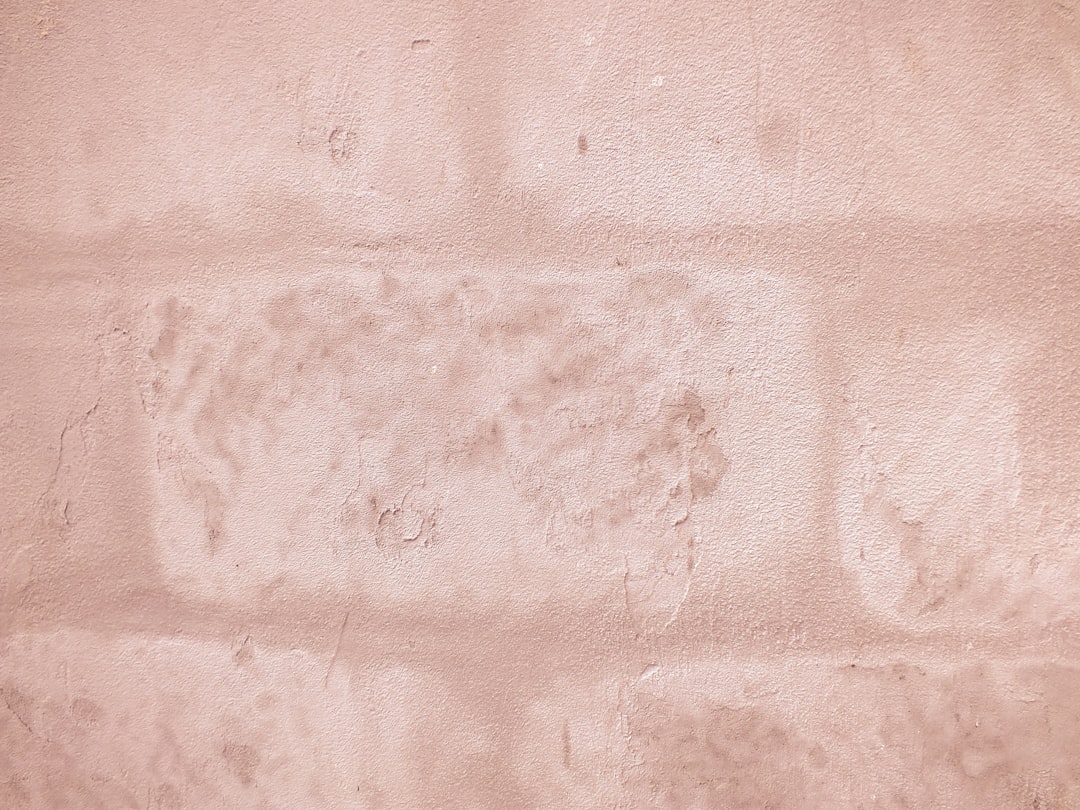
Small circular bumps protruding from painted walls occur when the drywall pulls away from the wooden studs. The shifting frame forces the nail heads backward through the plaster layer and creates an unsightly textured surface. While a single popped nail might just be a construction flaw a cluster of them suggests severe wall movement. The constant vibration and settling over months pushes the fasteners entirely out of their original holding positions.
Bowing Basement Walls
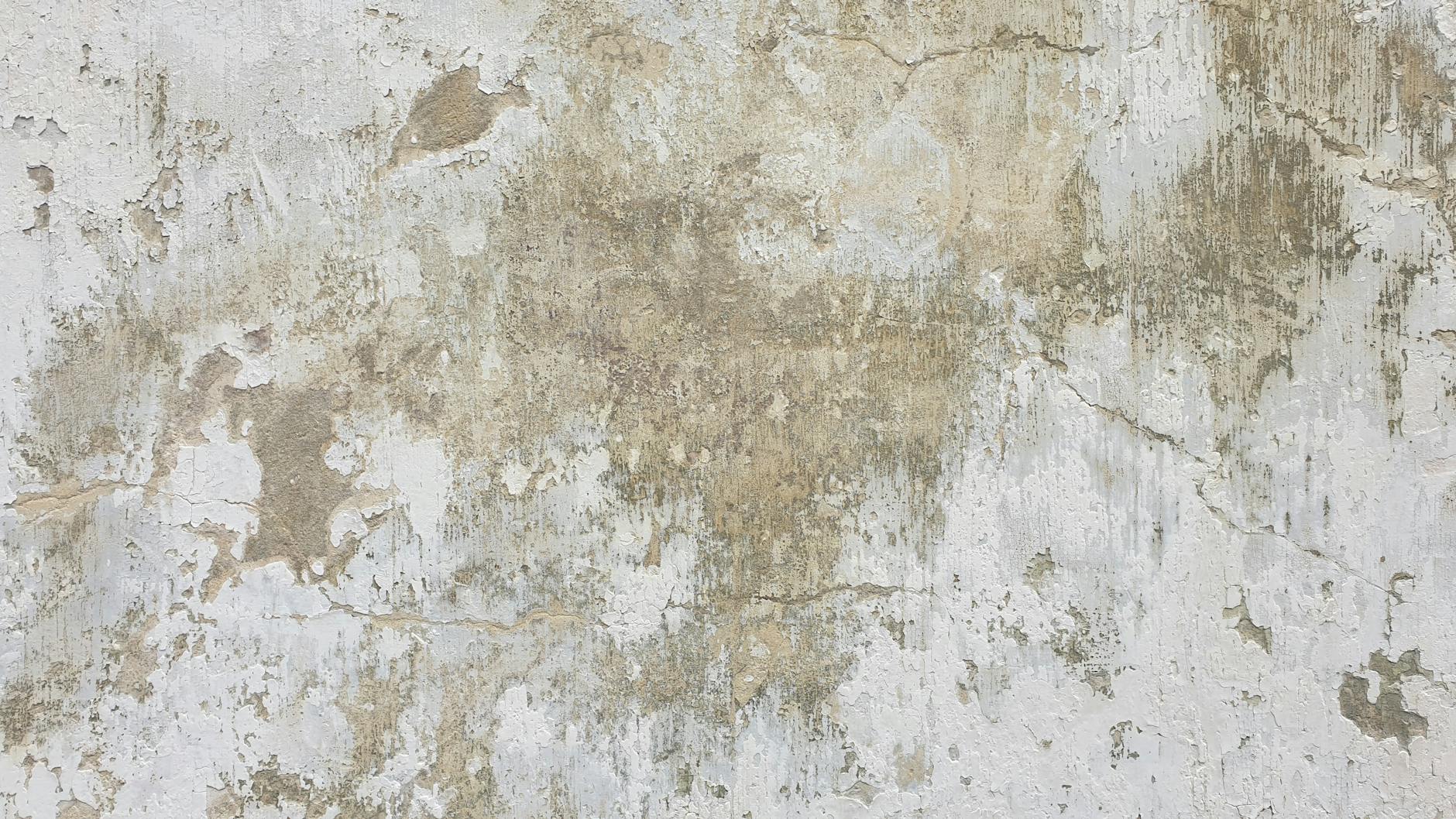
Concrete block walls curving inward toward the living space demonstrate immense hydrostatic pressure from the surrounding soil. Saturated earth expanding after heavy rain pushes against the foundation and forces the vertical walls to bulge. Left ignored this bowing can cause an entire basement wall to collapse inward and compromise the entire house. Reinforcing the masonry with steel beams prevents further curvature and stabilizes the lower level.
Cracked Ceramic Tiles
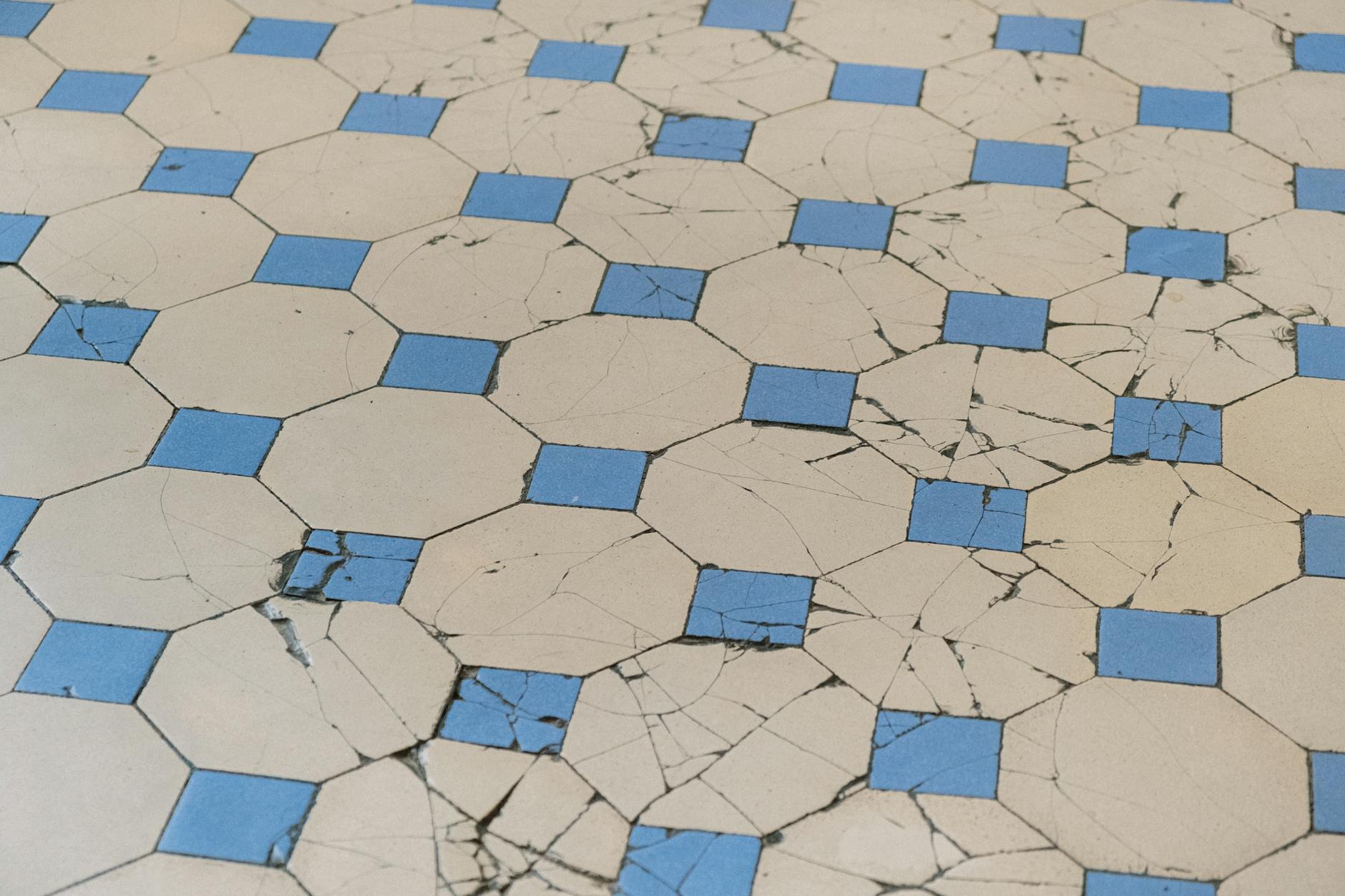
Hard flooring surfaces like porcelain or ceramic tiles lack the flexibility to bend when a concrete slab fractures. A jagged line running continuously through several adjacent tiles usually mirrors a large crack in the foundation below. Tapping gently on the affected tiles often produces a hollow sound where the mortar has broken loose from the shifting base. Replacing the broken pieces proves useless until a contractor stabilizes the moving slab underneath.
Garage Door Gaps
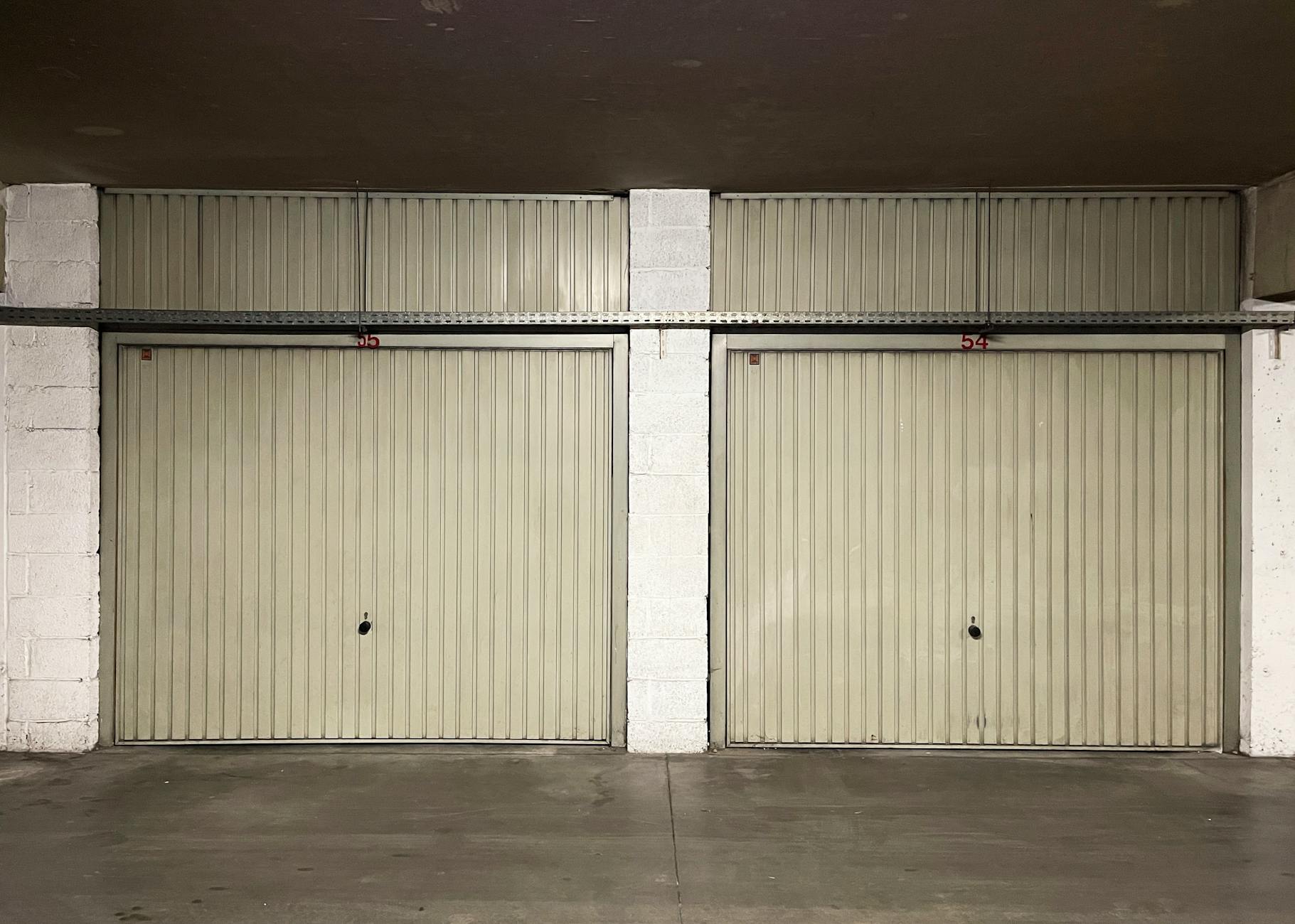
A garage door that leaves a wedge shaped gap at the bottom when fully closed highlights an uneven driveway or slab. The heavy concrete floor in the garage frequently settles faster than the main house due to poor soil compaction. Pests and rainwater easily enter the garage space through these newly formed openings at the ground level. The constant binding of the door against the crooked tracks will eventually destroy the automatic opener motor.
Leaning Chimney Structures
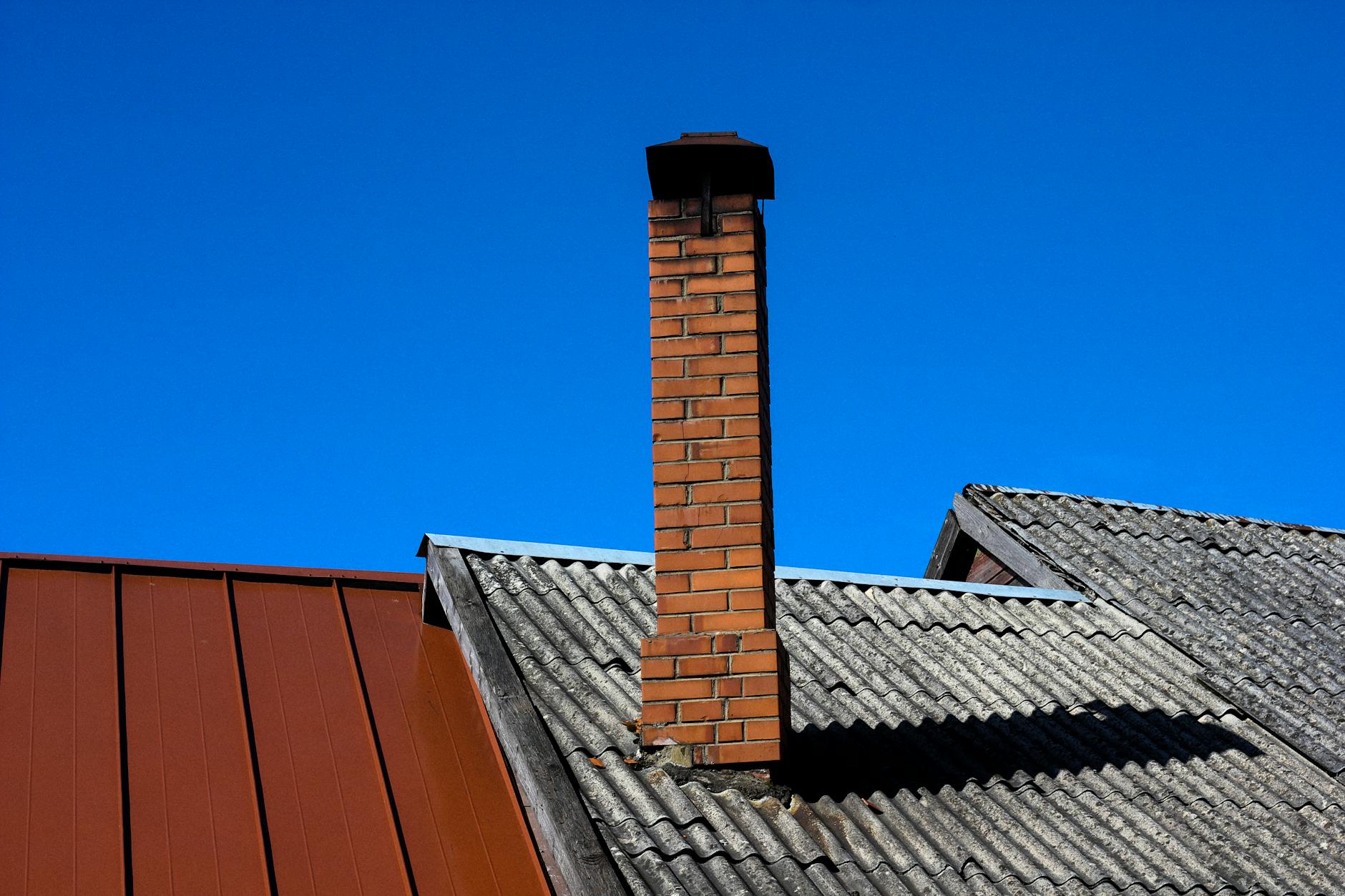
A heavy masonry chimney pulling away from the exterior siding presents a dangerous and immediate structural hazard. The massive weight of the bricks requires an incredibly stable footing that often fails independently of the main house. You can usually spot a widening gap near the roofline that allows rain to pour directly into the wall cavity. Securing the leaning stack with specialized anchors prevents a catastrophic collapse into the yard.
Exterior Window Frame Gaps
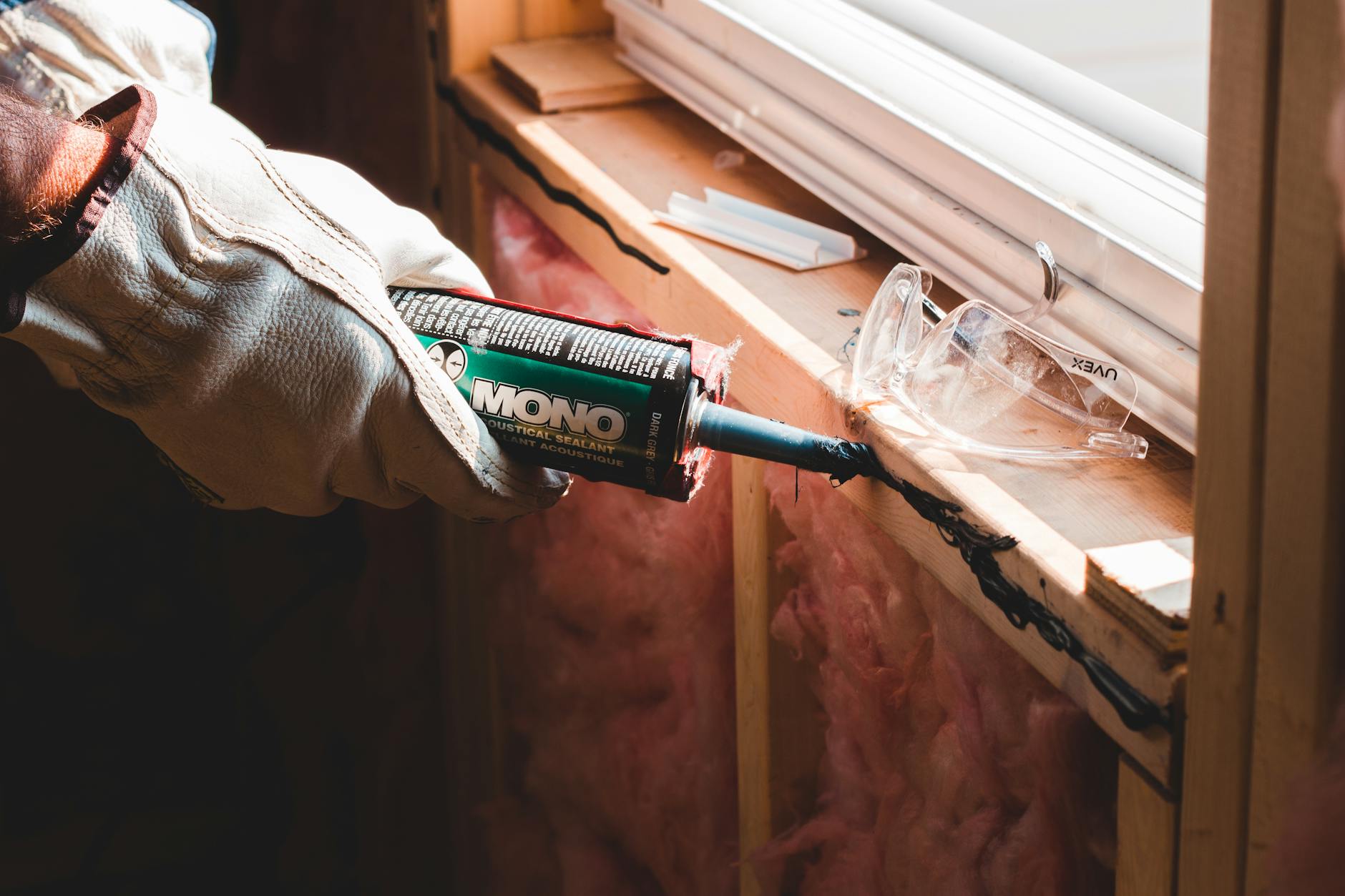
Spaces opening up between brick exteriors and window frames compromise the thermal envelope of the entire property. The rigid brick veneer shifts downward and pulls the caulking entirely away from the stationary window unit. Water infiltrating these gaps rots the wooden framing holding the glass and causes extensive interior water damage. Fixing the foundation restores the proper alignment and allows for a permanent watertight seal.
Damp Crawlspace Environments

Excessive moisture gathering under the house often points to cracks in the foundation perimeter that allow groundwater infiltration. Puddles forming around the support piers soften the soil and cause the entire footing system to sink deeper. The damp environment attracts wood destroying insects that cause secondary damage to the floor joists and subfloor. Properly sealing the concrete cracks and installing a drainage system keeps the supporting earth dry and stable.
Basement Water Seepage
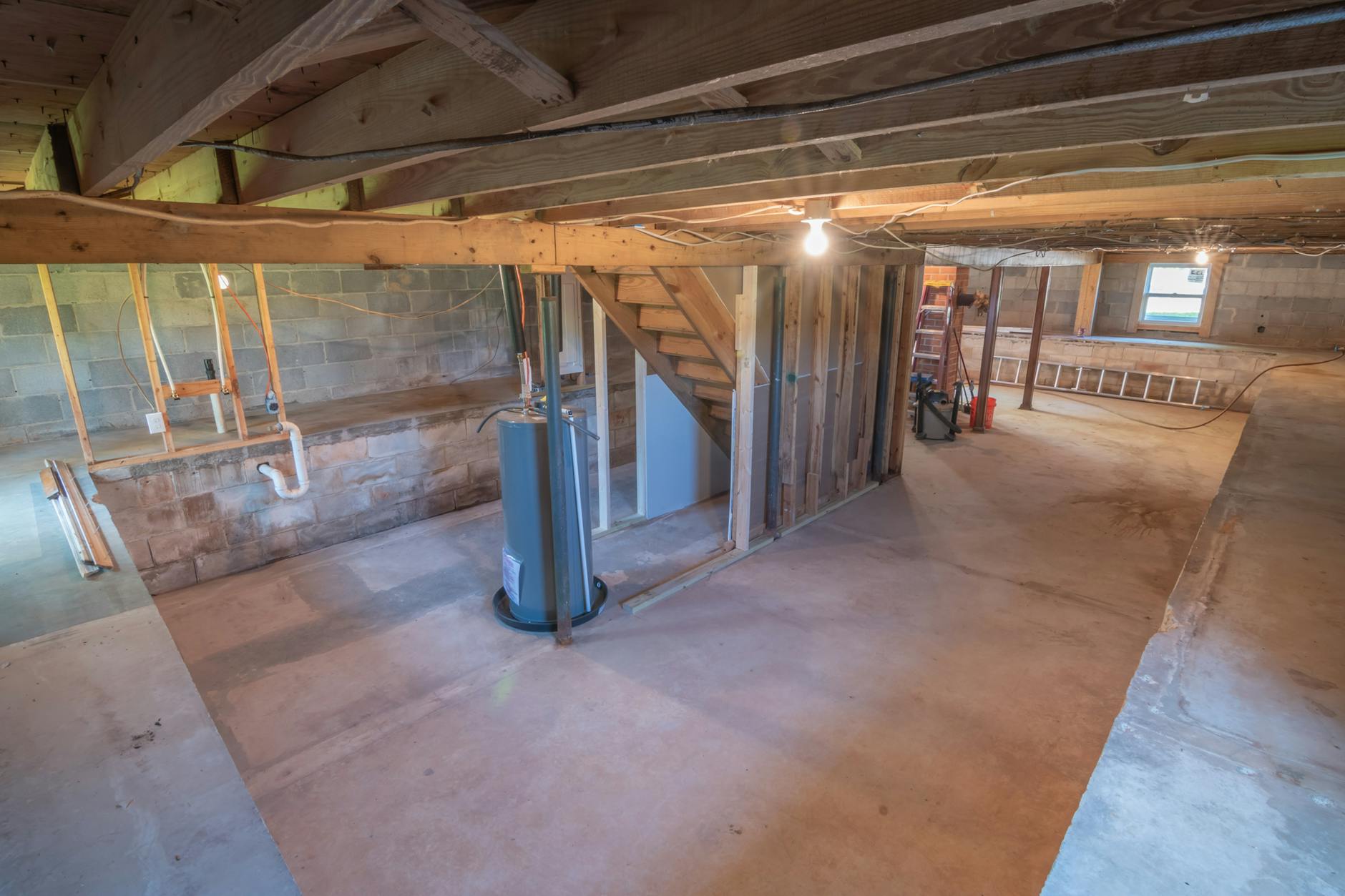
Puddles forming mysteriously in the center of a basement floor usually arrive through microscopic fractures in the concrete slab. Hydrostatic pressure from a high water table forces moisture up through any weak point in the basement foundation. This constant water intrusion destroys finished basement floors and creates a humid breeding ground for allergens. Fixing the underlying slab cracks prevents flooding during intense spring rainstorms.
Persistent Musty Odors
A strong smell of mildew permeating the lower levels of a home often signals hidden foundation cracks letting in moisture. The scent grows stronger after rainstorms because water seeps through the fractured concrete and saturates hidden wall cavities. No amount of surface cleaning or air fresheners will eliminate the odor until the structural breach is fully sealed. The dampness degrading the foundation walls ultimately weakens the concrete and requires expensive waterproofing treatments.
Sloping Concrete Patios
Exterior entertainment spaces that suddenly tilt toward the house rather than away from it indicate significant soil erosion. The sinking patio directs massive amounts of rainwater directly against the primary home foundation and accelerates structural damage. A drop of just a few inches can completely reverse the intended drainage slope of the concrete pad. Mudjacking or replacing the sunken slab protects the main house footing from becoming saturated and unstable.
Soil Separation
Dirt pulling away from the exterior concrete walls during dry months reveals a problematic shrinking and swelling soil cycle. This gap allows rainwater to flow directly down to the foundation footings and causes sudden erratic ground shifting. The void between the earth and the concrete leaves the supporting walls completely unsupported against lateral movement. Maintaining consistent soil moisture around the perimeter prevents this dangerous separation from threatening the structure.
Sinking Front Porches
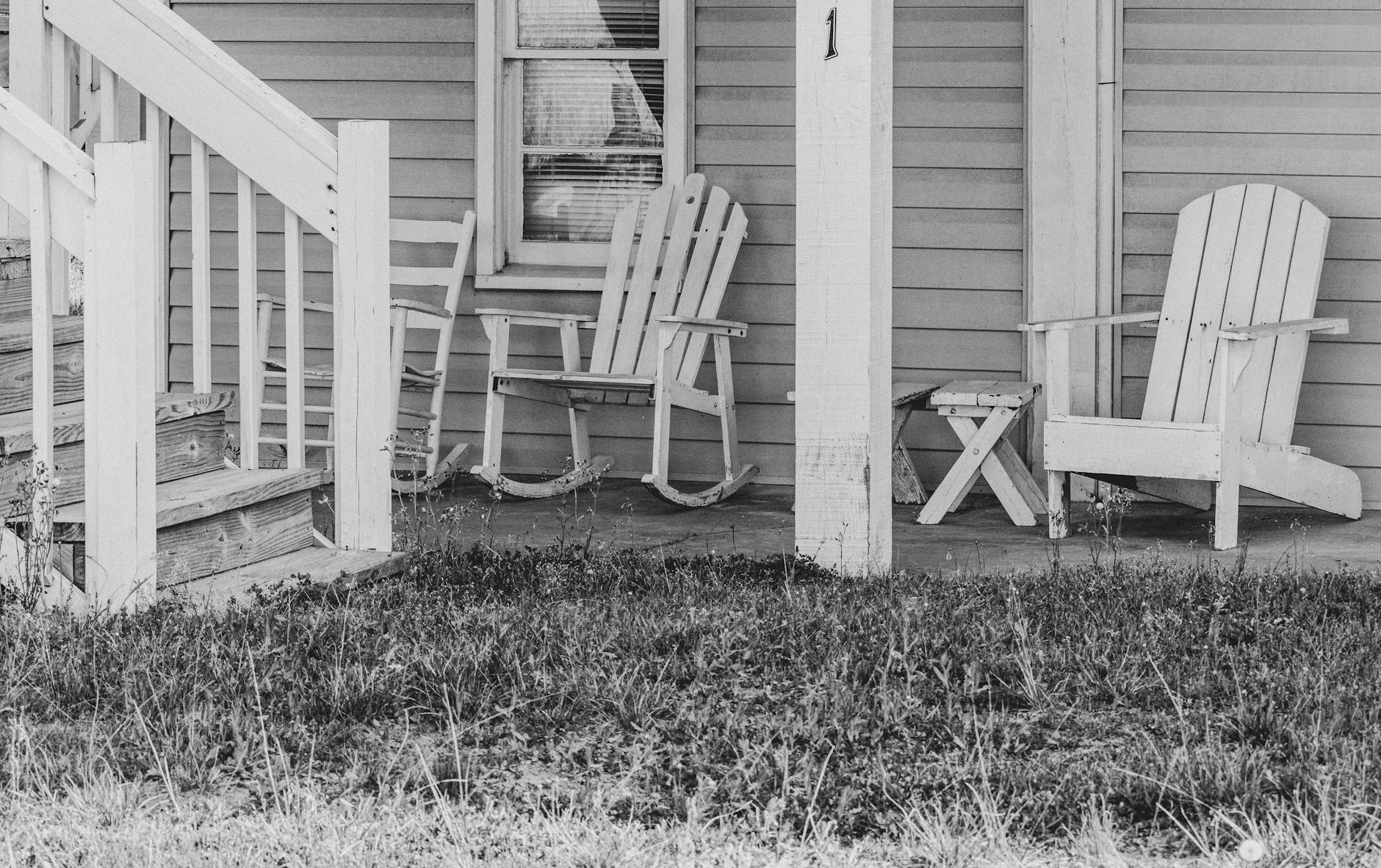
A porch pulling away from the front door creates a dangerous tripping hazard and reveals localized foundation failure. The original builders often fail to compact the front fill dirt properly which leads to dramatic settling over time. You might notice the porch roof pulling downward and stressing the upper fascia boards of the main house. Stabilizing the porch footings restores the curb appeal and prevents the roof structure from tearing away.
Bouncing Interior Floors
Floors that feel spongy or bounce significantly when walking across them indicate failing support columns in the crawlspace. The central foundation piers sink into soft soil and leave the long wooden floor joists spanning too great a distance. Heavy furniture placed in the middle of these bouncy rooms will eventually cause the unsupported wood to permanently warp. Installing new adjustable steel jacks on proper concrete footings eliminates the movement and restores rigid support.
Please share your own experiences with discovering and repairing home foundation issues in the comments.