Many people experience vague symptoms that seem to disappear whenever they leave their homes for an extended period. Sick Building Syndrome refers to situations where occupants experience acute health effects linked to time spent in a building. These issues often stem from poor indoor air quality or inadequate ventilation systems. Identifying the specific signs can help homeowners take necessary actions to improve their living environment. Addressing these warning signals promptly ensures a safer and healthier space for everyone inside.
Persistent Headaches

Frequent headaches are one of the most common indicators of poor indoor air quality. Carbon monoxide leaks or off-gassing from new furniture can trigger this painful symptom. Residents often notice the pain subsides shortly after stepping outside for fresh air. Proper ventilation and regular maintenance of gas appliances are essential preventive measures. Ignoring this sign can lead to long-term health complications if the underlying cause remains unaddressed.
Chronic Fatigue

Feeling constantly tired despite getting adequate sleep is a significant warning sign. High levels of carbon dioxide in the home can displace oxygen and cause lethargy. Occupants may feel heavy or sluggish specifically when spending time in certain rooms. This exhaustion often lifts noticeably when the individual leaves the house for work or errands. Improving air circulation can help restore energy levels and mental alertness.
Eye Irritation
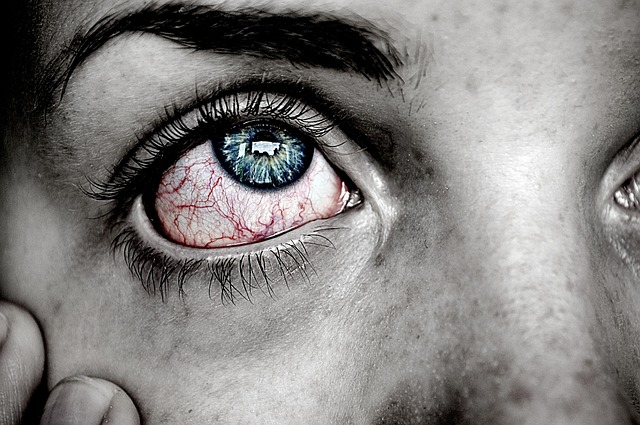
Dry or itchy eyes often signal the presence of airborne irritants like dust or volatile organic compounds. Pollutants from cleaning products and building materials can irritate the delicate mucous membranes. Many individuals mistake this symptom for seasonal allergies or digital eye strain. The sensation typically worsens after spending several hours indoors and improves outdoors. Switching to natural cleaning products can sometimes alleviate this discomfort.
Throat Dryness

A scratchy or sore throat is frequently linked to low humidity or airborne particulates. Heating systems in the winter often strip moisture from the air and dry out nasal passages. Mold spores circulating through HVAC systems can also cause persistent throat irritation. Residents may find themselves constantly clearing their throats while at home. using a humidifier or cleaning air ducts can provide significant relief.
Skin Rashes

Unexplained skin irritation can result from contact with fiberglass or mold spores. Dry skin and eczema flare-ups are common when indoor humidity levels are too low. Certain chemicals found in carpets and paints may cause allergic reactions upon contact. These dermatological issues often resist standard treatments until the environmental trigger is removed. Identifying the specific allergen is crucial for resolving the skin condition.
Nausea and Dizziness

Feelings of nausea can indicate the presence of serious toxins like combustion gases. Poorly vented stoves or heaters release fumes that quickly compromise indoor air safety. This symptom requires immediate attention as it may signal a dangerous gas leak. Dizziness often accompanies nausea and suggests a lack of oxygen in the living space. installing carbon monoxide detectors is a non-negotiable safety step for every home.
Difficulty Concentrating

Brain fog and an inability to focus are subtle but telling symptoms of Sick Building Syndrome. High concentrations of indoor pollutants can negatively impact cognitive function. Residents may struggle to complete simple tasks or feel unusually forgetful while at home. This mental cloudiness usually clears up once the individual enters a well-ventilated environment. improved air filtration often leads to better mental clarity and productivity.
Sensitivity to Odors
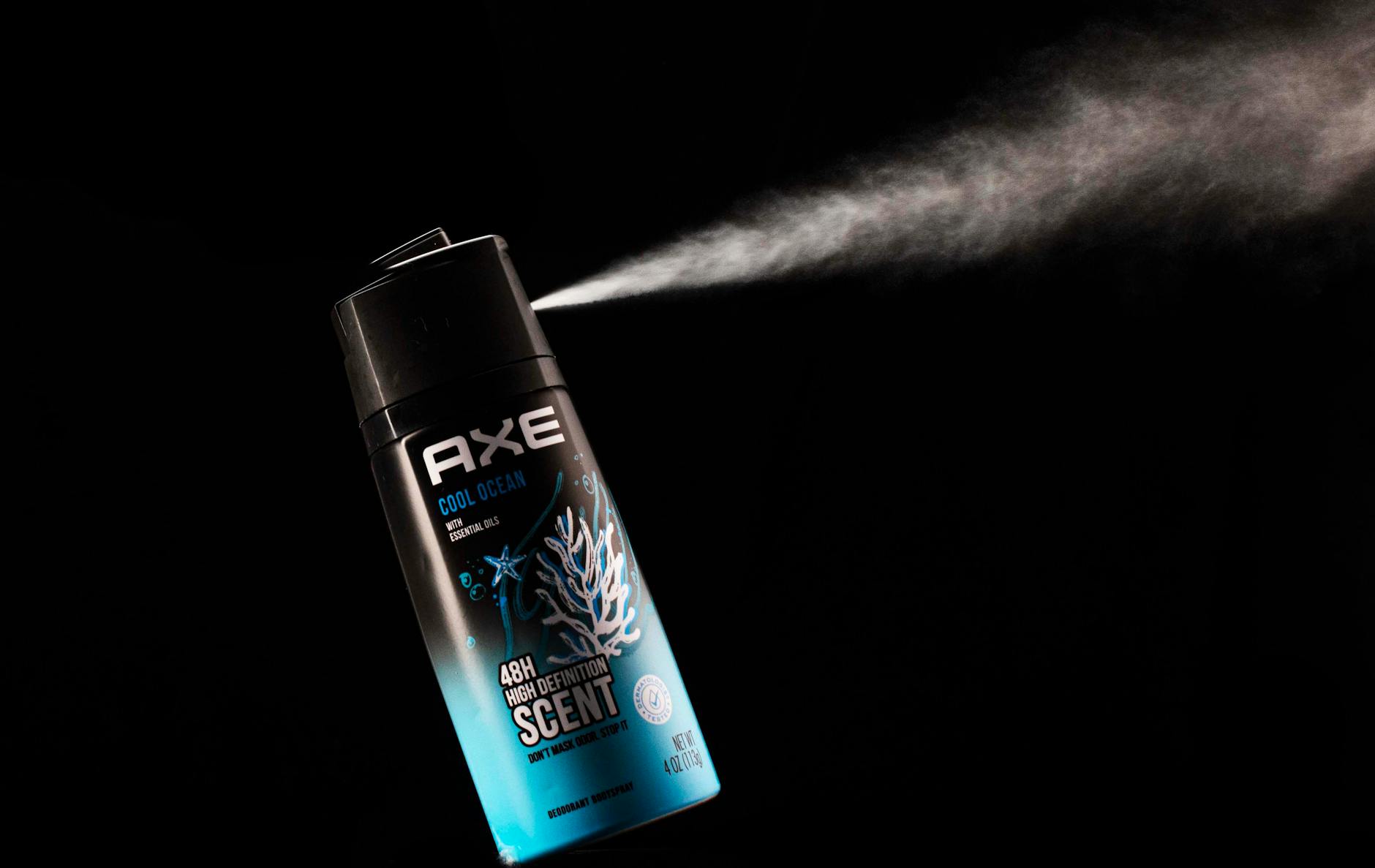
A heightened sensitivity to smells often develops when indoor air quality is compromised. Musty or chemical odors may become overpowering and trigger physical symptoms like nausea. This hyper-awareness suggests the body is reacting to an overload of environmental stressors. Fresh air exchange is necessary to dilute the concentration of odorous compounds. ignoring these smells can lead to worsening respiratory issues over time.
Allergy Flare-ups

Worsening allergy symptoms while indoors points to a buildup of common triggers. Dust mites and pet dander accumulate rapidly in homes with insufficient cleaning or filtration. Carpets and upholstery act as sponges for these microscopic allergens. Sneezing and congestion that persist year-round are rarely due to outdoor pollen alone. regular vacuuming with HEPA filters helps reduce the allergen load significantly.
Visible Mold Growth

The appearance of mold on walls or ceilings is a definitive sign of excess moisture. Spores released by these fungi are potent respiratory irritants and potential toxins. Black or green spots often form in damp areas like bathrooms and basements. Immediate remediation is necessary to prevent the spread of spores throughout the house. controlling humidity levels is the most effective way to prevent recurrence.
Musty Odors

A persistent earthy smell usually indicates hidden mold or mildew growth. This scent often lingers in basements or crawl spaces where ventilation is poor. The odor suggests that moisture is trapped somewhere within the building structure. covering up the smell with air fresheners only masks the problem without solving it. locating and drying the source of dampness is the only permanent solution.
Heavy Condensation on Windows

Water droplets forming on the inside of windows signal excessive indoor humidity. This moisture accumulation creates the perfect breeding ground for mold and bacteria. It often occurs in winter when warm indoor air meets cold glass surfaces. using exhaust fans in kitchens and bathrooms helps regulate moisture levels. reducing humidity protects both the health of the occupants and the structural integrity of the home.
Peeling Paint

Paint that blisters or peels away from the wall is a classic sign of water damage. Moisture trapped behind the drywall pushes the paint outward and destroys the bond. This often indicates a leak in the plumbing or a breach in the roof. Ignoring this sign can lead to structural rot and widespread mold infestations. repairing the source of water intrusion is vital before repainting the area.
Excessive Dust

A home that becomes dusty immediately after cleaning likely has a filtration issue. Leaky air ducts can pull dust from attics and crawl spaces into the living areas. Old carpeting often breaks down and releases fibers into the air continuously. This constant particulate matter irritates the lungs and exacerbates asthma. sealing ductwork and replacing air filters regularly can drastically reduce dust levels.
Unexplained Muscle Aches

Body aches that are not related to physical exertion can be caused by environmental toxins. Exposure to certain pesticides or cleaning chemicals has been linked to muscle pain. Residents may feel stiff or sore primarily when waking up in the morning. These symptoms often mimic the flu but persist without fever or infection. switching to non-toxic household products may help alleviate these physical complaints.
Nosebleeds
Frequent nosebleeds often result from extremely dry indoor air shrinking the nasal membranes. Harsh chemical fumes can also irritate the lining of the nose and cause bleeding. This symptom is particularly common during the heating season when air is driest. maintaining indoor humidity between thirty and fifty percent helps keep nasal passages healthy. avoiding strong solvents and aerosols reduces the risk of chemical irritation.
Symptom Relief Away from Home

The most telling sign of Sick Building Syndrome is feeling better when you are elsewhere. Symptoms that vanish during vacations or workdays indicate the home environment is the cause. Occupants often realize the pattern only after spending several days away. This correlation confirms that the building itself is the source of the health issues. tracking symptom patterns can provide the evidence needed to investigate the home further.
Tell us in the comments if you have experienced any of these symptoms in your own home.