Your home is likely your most significant financial asset and its value is inextricably linked to the surrounding environment. Being aware of subtle and not-so-subtle shifts in your community can help you anticipate potential property value depreciation. Early recognition allows homeowners to make informed decisions about selling or investing in community improvement initiatives. Understanding these indicators provides a clear picture of local real estate trends and the overall health of the area. It is important to look beyond your own property line to gauge the true stability of your investment.
Prolonged Home Time on Market
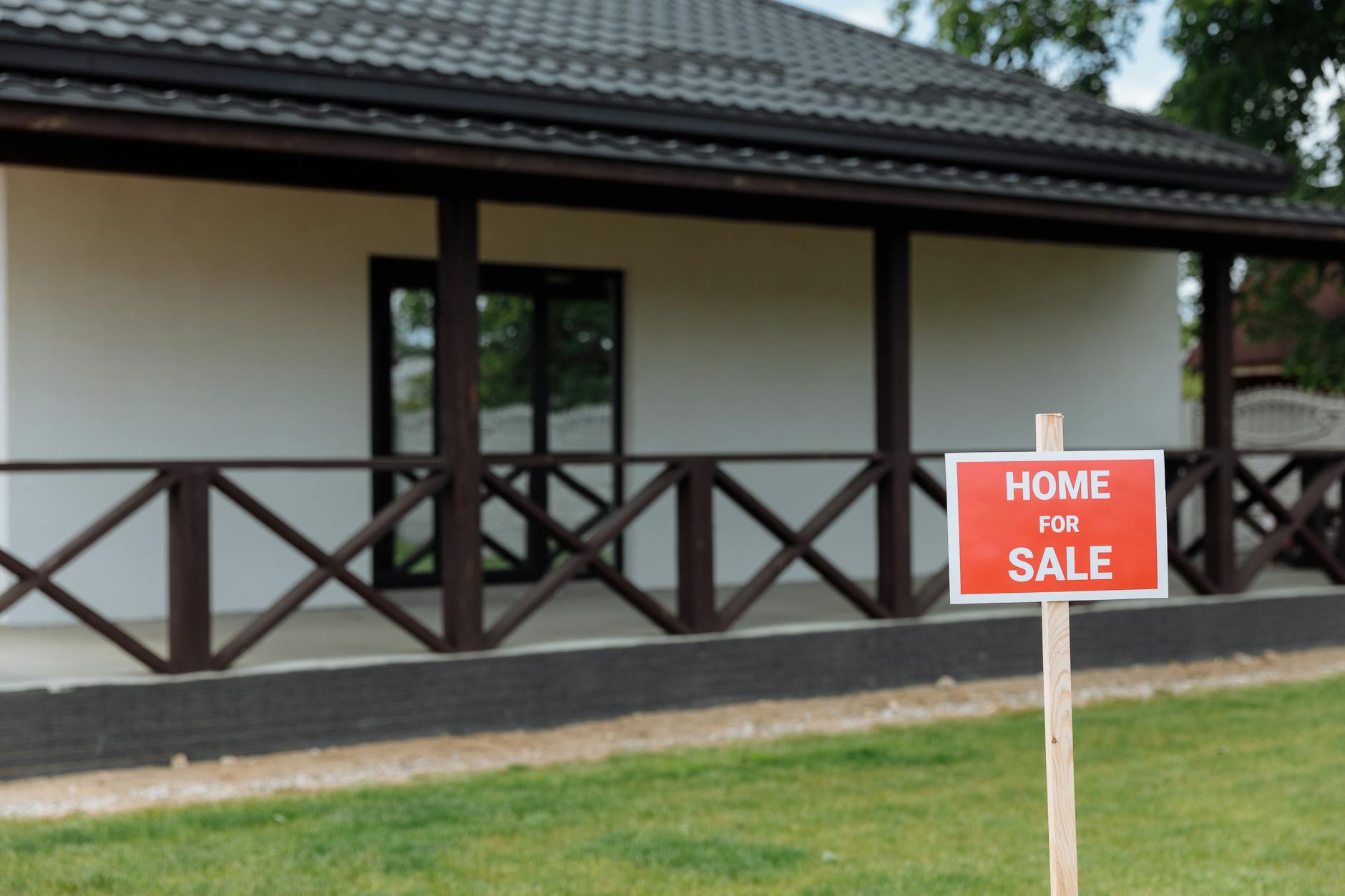
When houses stay listed for extended periods it often indicates a lack of buyer interest in the area. A consistent pattern of homes lingering unsold suggests that the neighborhood is losing its appeal compared to competing areas. Buyers closely monitor days on market and use this metric to negotiate lower prices. This sluggish activity eventually forces sellers to reduce their asking prices which drives down the comparable sales values for all surrounding homes. A stagnant market is a strong primary indicator of potential value decline.
Increase in Foreclosures

A rising number of foreclosed properties is a serious warning sign for any community. Bank-owned homes are typically sold at significant discounts to offload them quickly. These distressed sales heavily impact the appraisal values of neighboring properties by lowering the baseline for recent comparable transactions. Furthermore foreclosed homes are often neglected and their deteriorating appearance negatively affects the visual appeal of the entire street. A concentration of foreclosures signals economic distress within the community itself.
Vacant Storefronts
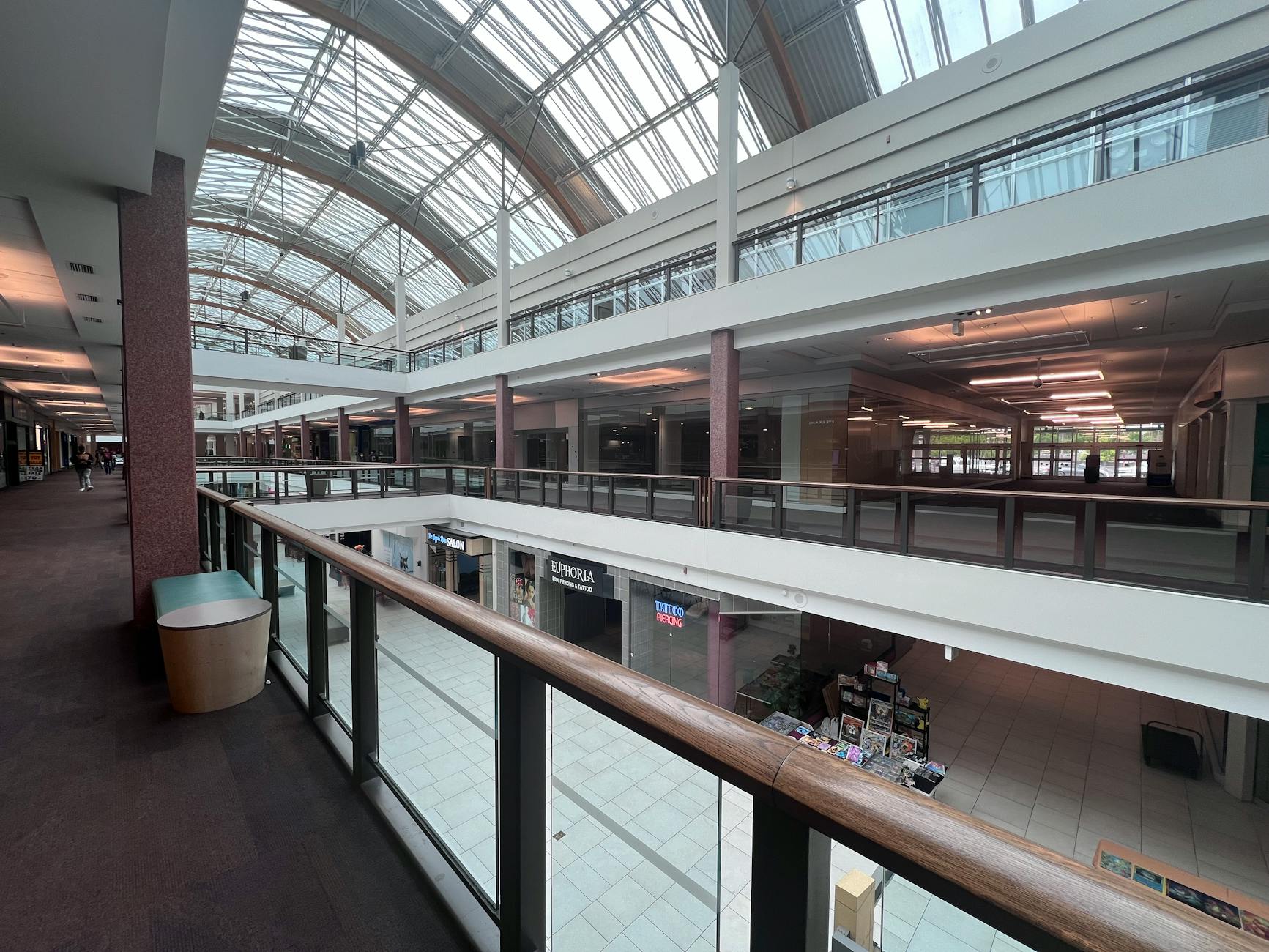
The health of local commercial districts is closely tied to residential property values. When local businesses close and storefronts remain empty for long stretches it points to a struggling local economy. A thriving neighborhood supports shops and restaurants while a declining one cannot sustain them. The lack of nearby amenities makes the area less attractive to potential homebuyers who prioritize convenience and community hubs. Empty commercial spaces also create an atmosphere of neglect that spills over into residential perception.
Decreasing School Ratings
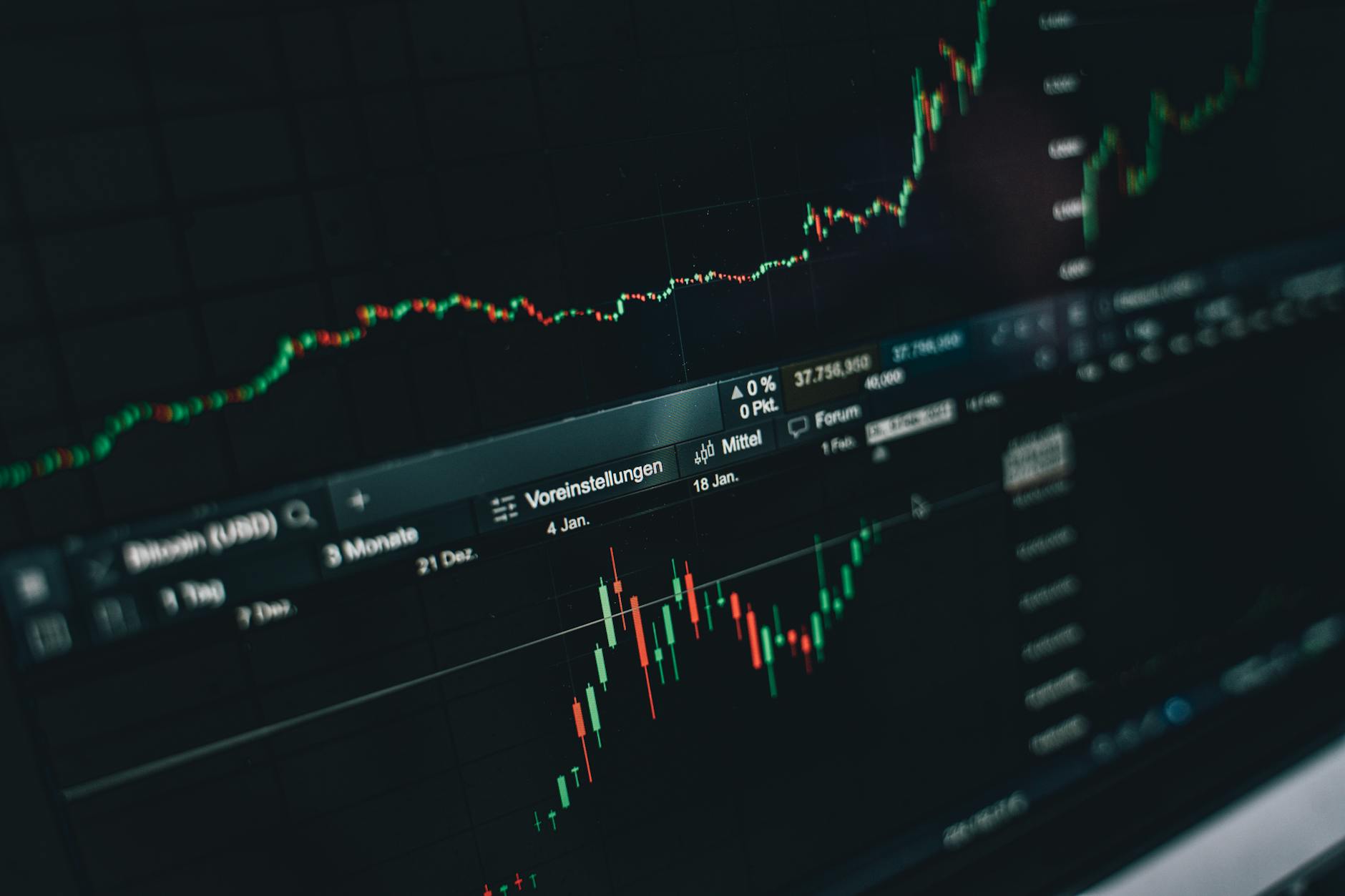
The quality of local public schools is consistently a top priority for families purchasing homes. A noticeable drop in school ratings or standardized test scores can drastically reduce buyer demand in a specific district. Families will often pay a premium to live within the boundaries of highly rated schools and will actively avoid areas where educational standards are falling. This shift in buyer demographics can quickly depress home prices. The reputation of the school district is a critical pillar of neighborhood stability.
Deteriorating Infrastructure
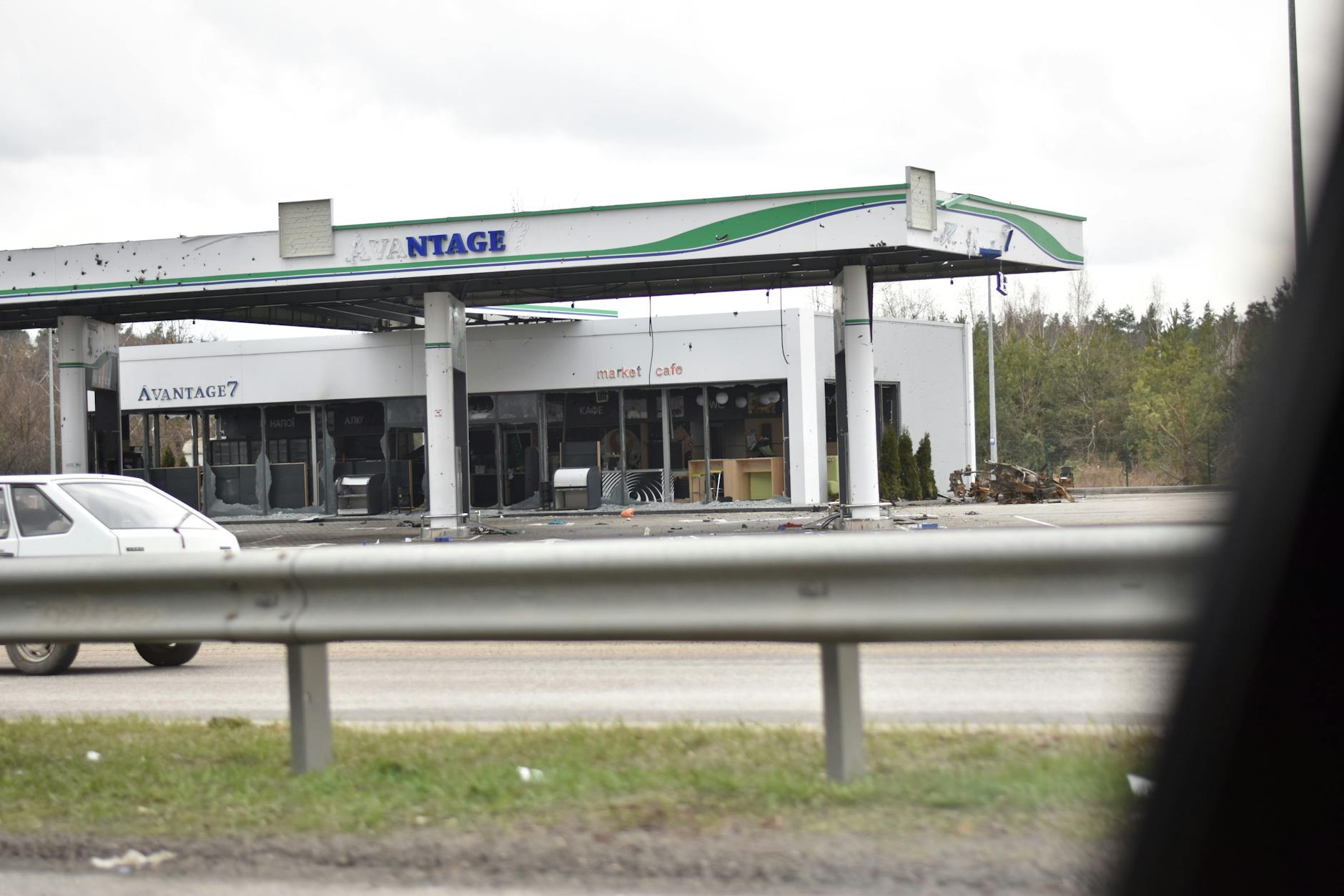
Crumbling roads and unmaintained public spaces reflect a lack of municipal investment or strained local budgets. Potholes fading crosswalks and cracked sidewalks contribute to an overall sense of decline. Poorly maintained parks and public facilities indicate that the area is no longer a priority for local government funding. This visible neglect discourages new buyers who are looking for a well-kept and vibrant environment. The physical condition of public assets directly impacts the perceived value of the private homes nearby.
Increase in Property Crime
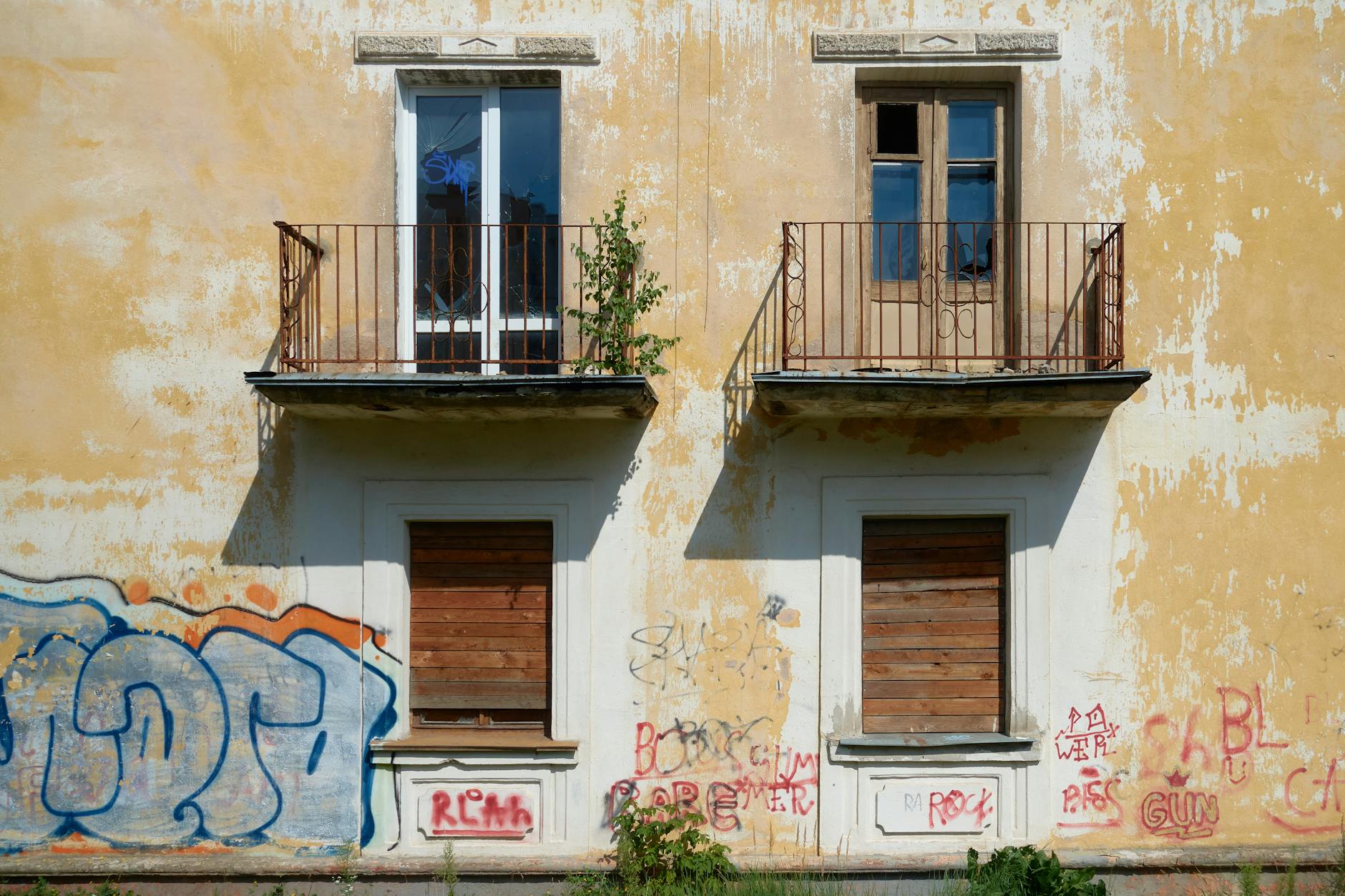
Rising rates of vandalism theft or burglaries are immediate red flags for any homeowner. Safety is a fundamental requirement for a desirable neighborhood and crime statistics are readily available to prospective buyers. An uptick in visible signs of crime like graffiti or broken car windows creates an environment of anxiety and instability. Buyers will understandably avoid areas with worsening safety records regardless of home prices. Increased crime rates almost always correlate with falling property values.
Lack of Basic Maintenance
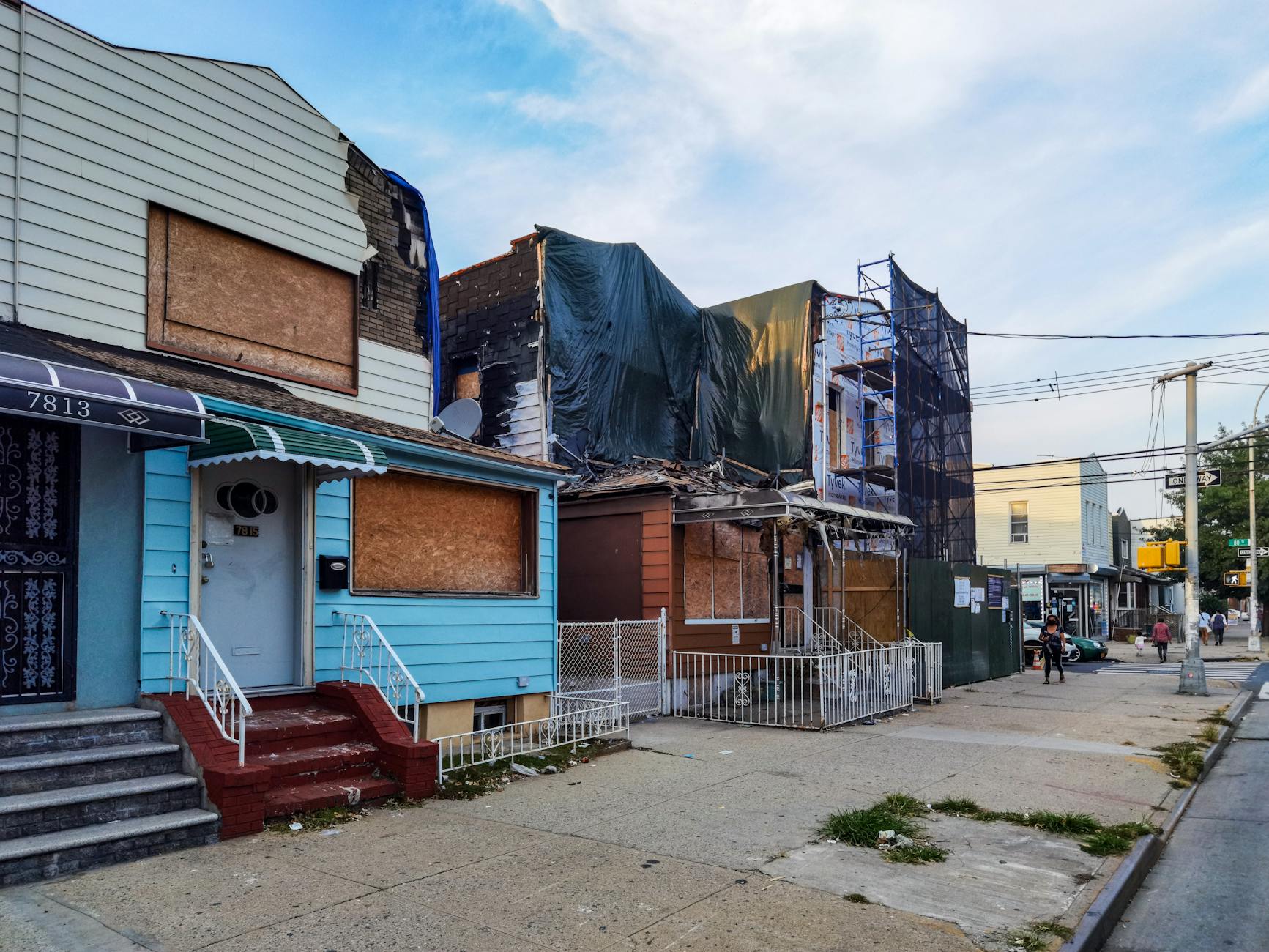
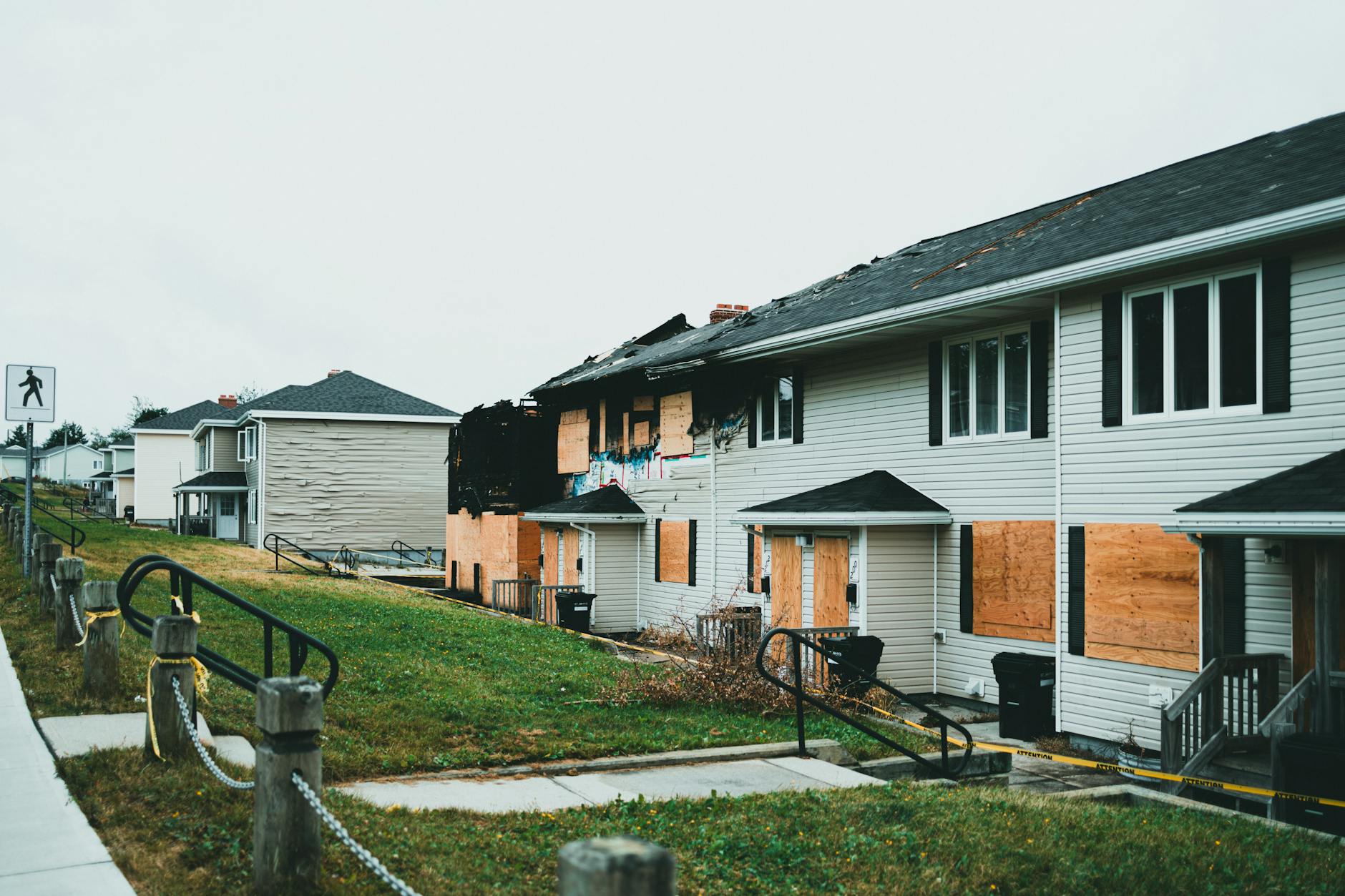
When multiple homeowners stop maintaining their properties it affects the entire street. Overgrown lawns peeling paint and accumulated debris suggest a shift in the community standard of living. This lack of pride in ownership can stem from economic hardship or an increasing number of absentee landlords. Buyers form their first impressions based on curb appeal and unkempt neighboring yards immediately lower their perceived value of your home. A widespread decline in basic upkeep is a highly visible warning sign.
Conversion to Rentals
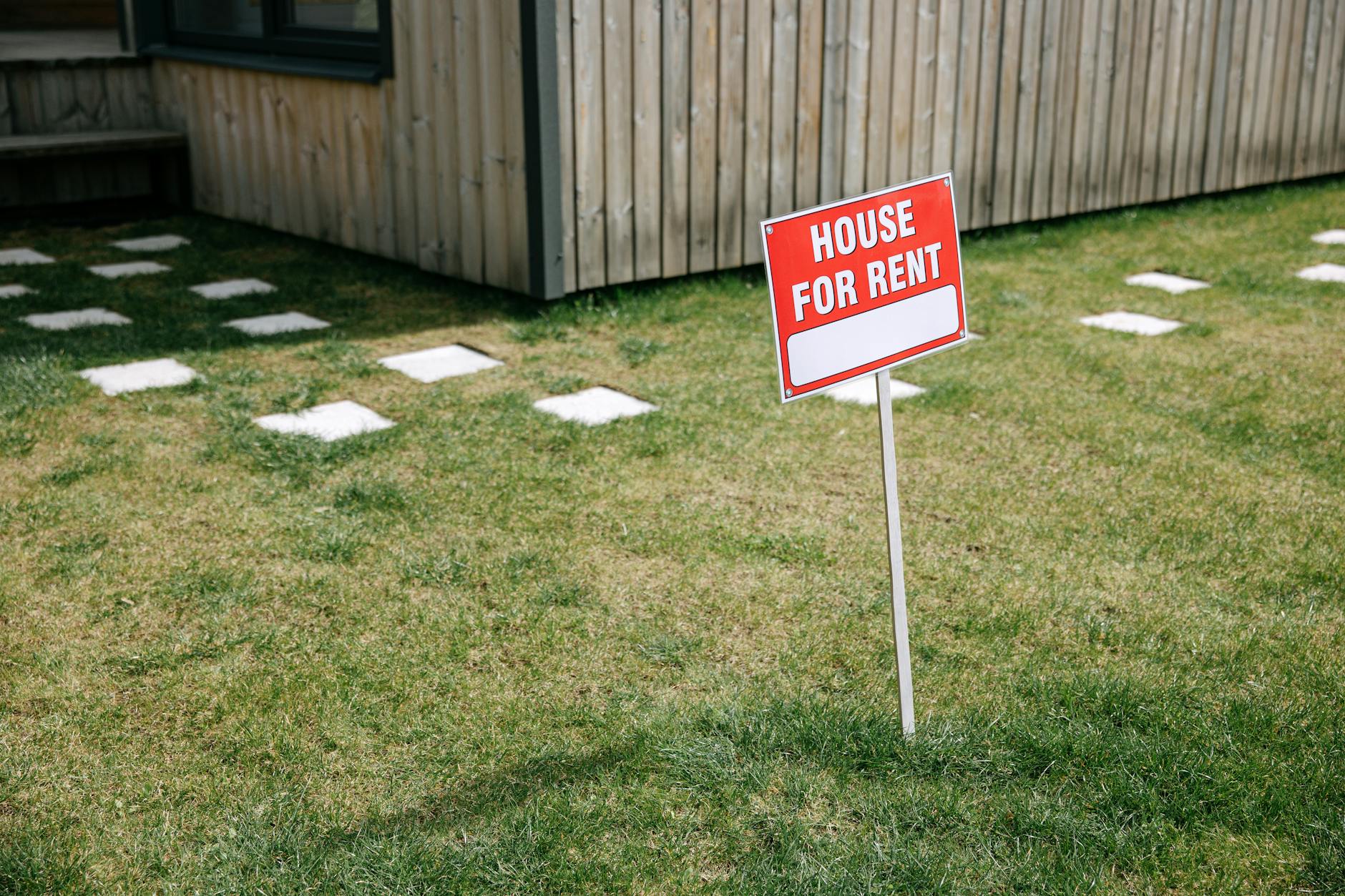
A sudden influx of single-family homes being converted into rental properties can alter the neighborhood dynamic. While rentals are a necessary part of the housing market a high concentration often leads to a more transient population. Renters generally have less financial incentive to maintain the exterior of the property or invest in long-term community relationships compared to resident owners. This shift can lead to a decrease in overall neighborhood cohesion and a potential decline in property upkeep. An imbalance between owner-occupied and rented homes often precedes value stagnation.
Departure of Long-Term Residents

The sudden exodus of families who have lived in the area for decades is a subtle but telling indicator. Long-term residents usually have deep roots and a strong understanding of community trends. If these established homeowners begin selling and moving away they may be reacting to negative changes that are not yet obvious to outsiders. Their departure often signals a loss of community stability and shared history. Observing who is leaving can be just as important as noticing who is arriving.
Influx of Discount Retailers
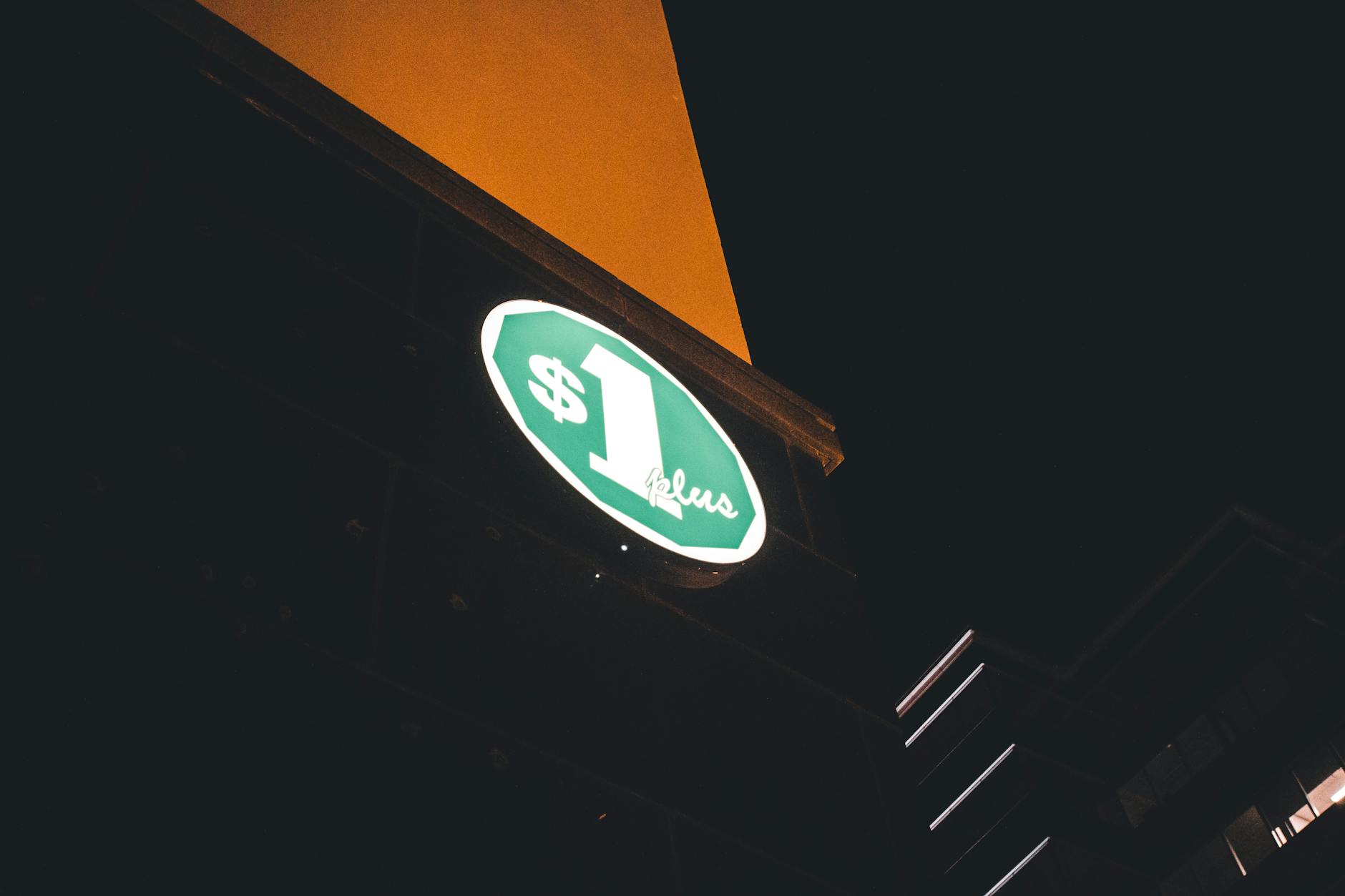
The types of businesses opening in the local commercial zones provide insight into the changing demographics. An overabundance of dollar stores pawn shops or payday lenders indicates a shift toward a lower-income consumer base. While these businesses serve a purpose their proliferation often suggests that higher-end retail cannot survive in the current economic climate. This change in commercial character signals to potential buyers that the area’s economic health is faltering. The retail landscape is a direct reflection of the surrounding residents’ purchasing power.
Reduction in Public Services

Noticeable cuts to municipal services point to underlying financial issues within the local government. Reduced garbage collection frequency shortened library hours or fewer police patrols directly impact the quality of life. These reductions often indicate a shrinking tax base and a struggling local economy. A community that cannot maintain its basic services is generally not an attractive prospect for new homebuyers. The level of public service provision is a direct measure of neighborhood vitality.
Stalled Development Projects
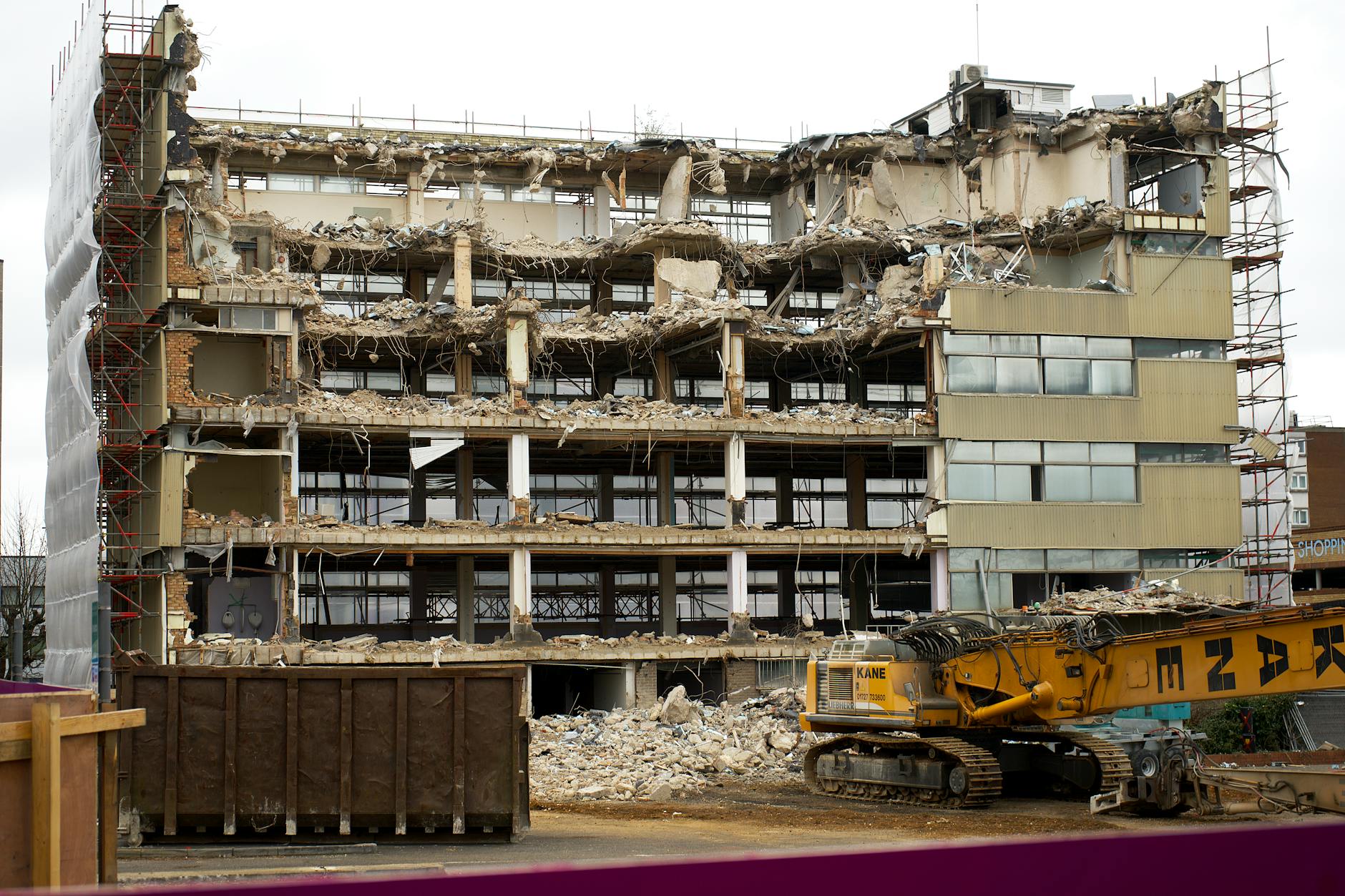
Abandoned construction sites or long-delayed residential developments create an atmosphere of uncertainty. When developers halt projects it usually means they have lost confidence in the local market’s ability to absorb new housing or commercial space. These half-finished projects become eyesores and attract vandalism while tying up land that could be productive. A lack of new investment or the failure of planned improvements suggests a pessimistic outlook for the area’s future. Healthy neighborhoods typically see consistent and completed development.
Increase in Noise and Nuisances

A rise in persistent noise pollution or neighborhood disruptions can significantly degrade the living environment. Frequent loud parties unregulated construction noise or an increase in heavy traffic negatively impact residents’ quality of life. When these issues become chronic and local enforcement is lax it indicates a breakdown in community norms and respect. Prospective buyers are highly sensitive to environmental stressors during property viewings. A chaotic atmosphere quickly translates to lower desirability and decreased home values.
Declining Trees and Green Space
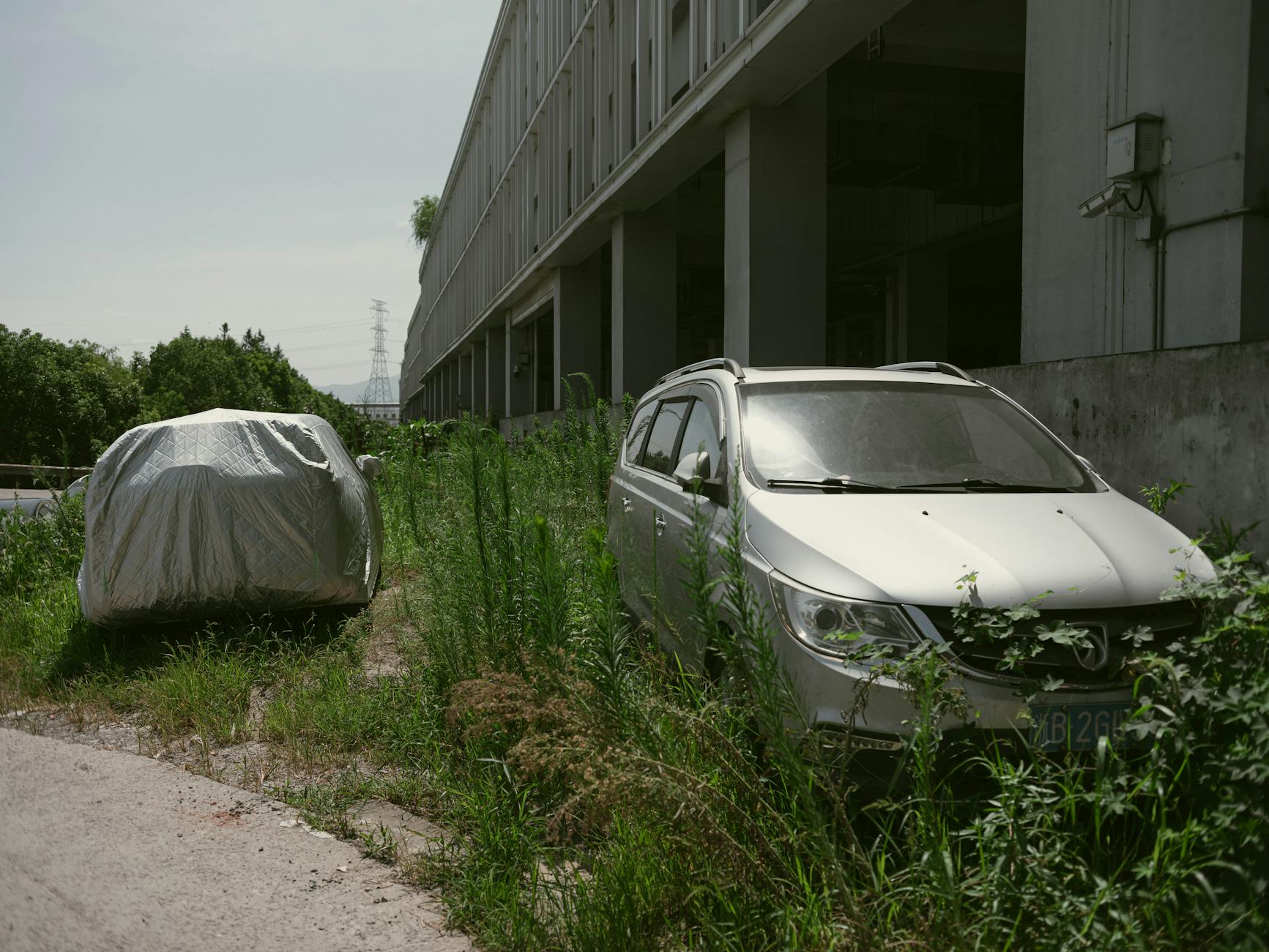
The health of the local tree canopy and public green spaces contributes heavily to neighborhood appeal. Dead or dying trees that are not removed or replaced suggest a lack of municipal or private care. Unmaintained parks with overgrown vegetation and broken equipment discourage community gathering and recreation. Green spaces are essential for neighborhood aesthetics and overall well-being. A visible decline in natural elements makes the area feel neglected and less valuable.
Proliferation of Abandoned Vehicles

Cars left parked on streets or in driveways for months at a time are a clear sign of deteriorating neighborhood standards. Abandoned vehicles are unsightly and often attract pests or vandalism. They indicate a lack of local code enforcement and suggest that residents are either unable or unwilling to adhere to basic community rules. This type of visible blight is a strong deterrent to potential homebuyers. The presence of junk cars is universally recognized as a symptom of a struggling area.
Outdated Zoning Changes

Significant shifts in local zoning laws can drastically alter the character of a residential area. The introduction of heavy commercial or industrial zoning near homes brings increased traffic noise and pollution. These changes often prioritize corporate interests over residential quality of life. Buyers are hesitant to invest in areas where the surrounding land use is unpredictable or detrimental. Unfavorable zoning modifications can cause immediate and long-lasting harm to property values.
Lack of Community Engagement
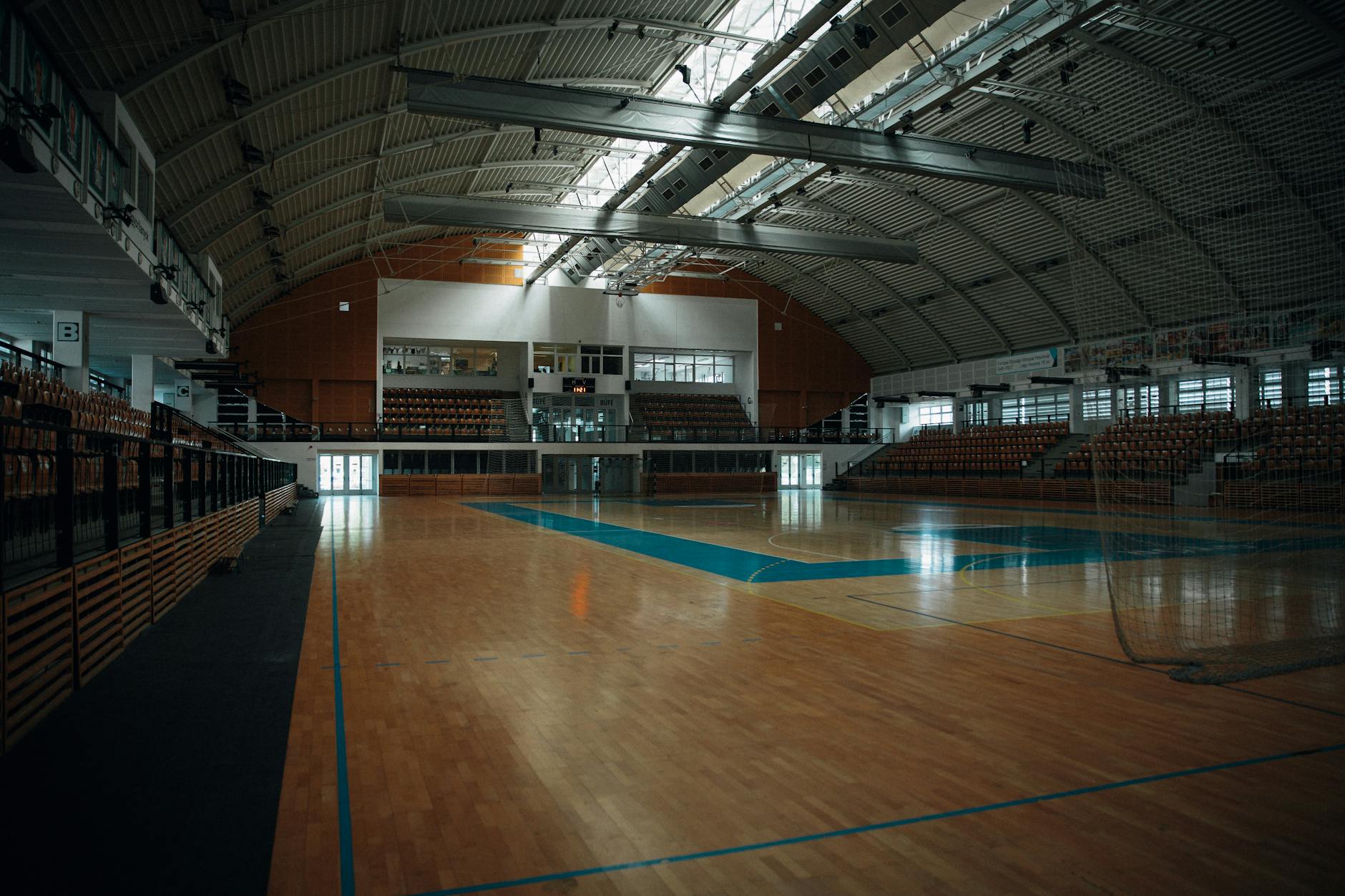
A healthy neighborhood is often characterized by active neighborhood associations or community groups. When participation in these groups dwindles or the organizations dissolve it reflects a loss of community spirit. A lack of engagement means fewer residents are advocating for local improvements or organizing neighborhood watches. This disconnection can lead to increased isolation and a lowered standard of shared responsibility. Vibrant communities require active participation to maintain their appeal and value.
Rising Property Taxes Without Improvements

Homeowners expect their property taxes to fund local services and infrastructure. When tax rates increase significantly but there are no visible improvements to schools roads or public amenities it signals municipal inefficiency. Residents become frustrated when they pay more for a declining quality of life. This imbalance can drive current homeowners to sell and deter new buyers from entering the market. High taxes without corresponding benefits are a major red flag for real estate investment.
Frequent Utility Outages
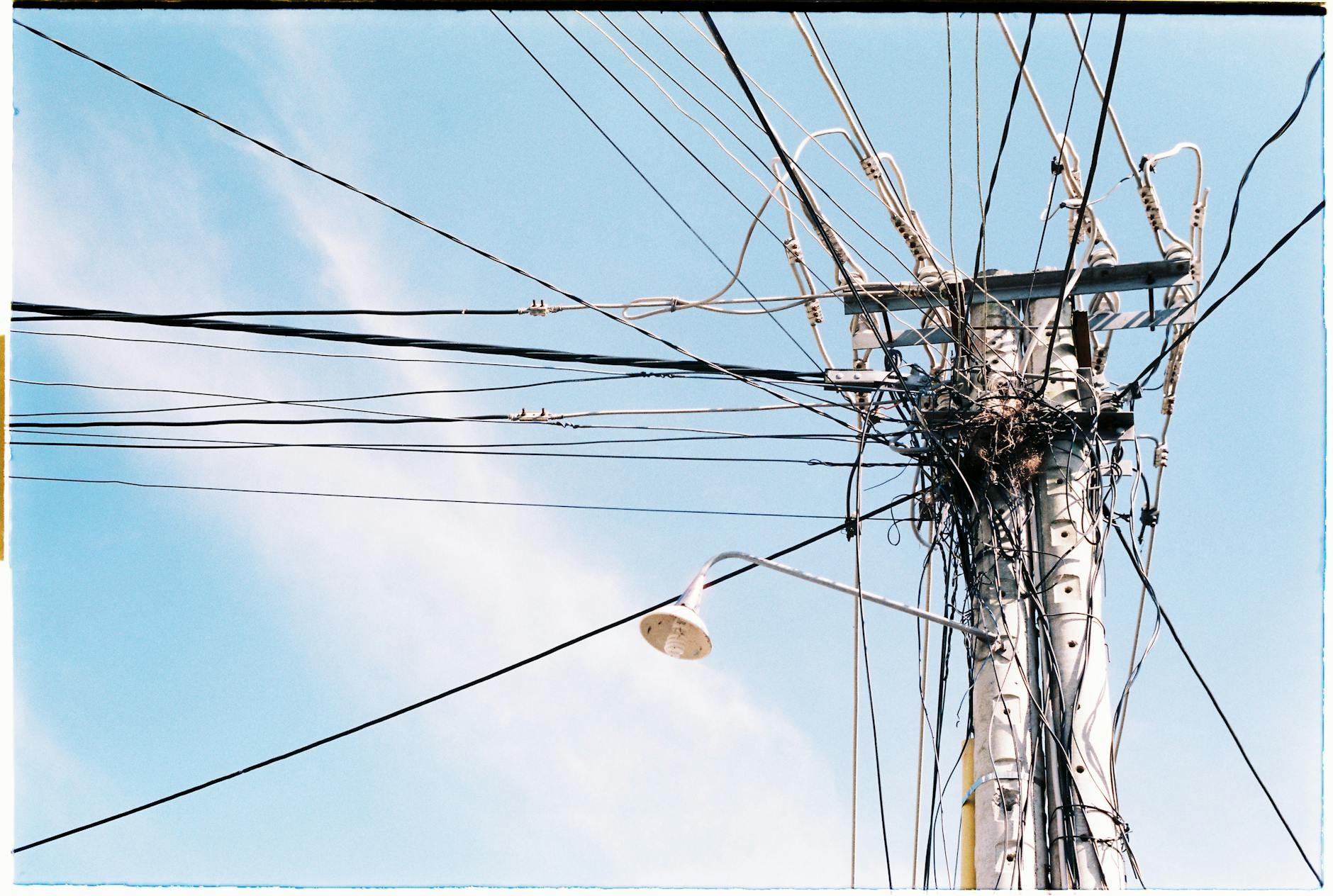
An aging and unreliable utility infrastructure is a major inconvenience and a sign of municipal neglect. Frequent power outages water main breaks or sewage issues severely disrupt daily life. These problems indicate that the local grid has not been upgraded to meet current demands or is suffering from deferred maintenance. Buyers will not tolerate areas with unreliable essential services. Chronic utility failures significantly reduce the desirability and value of the affected homes.
Negative Media Coverage
Consistent negative reporting about a specific area in local news can permanently damage its reputation. Stories focusing heavily on crime failing schools or municipal corruption shape public perception. Even if the reality on the ground begins to improve the stigma created by negative media coverage can linger for years. Prospective buyers heavily research areas online and will be deterred by a pattern of bad news. A damaged public image is extremely difficult to overcome and directly depresses home prices.
What indicators of neighborhood change have you noticed in your own community recently please share your thoughts in the comments.