Living in a close-knit community often brings a sense of security and belonging to daily life. Friendly interactions can quickly turn suspicious when personal boundaries consistently disappear without invitation. Recognizing the subtle difference between genuine concern and invasive surveillance helps protect your privacy. These indicators suggest your neighbor might be paying closer attention to your activities than social etiquette allows.
The Constant Coincidence

You might notice your neighbor checking their mail exactly when you leave your house every single morning. They often loiter in common areas until you appear and then immediately engage you in conversation to delay your departure. This pattern suggests they are tracking your daily schedule to force interactions or monitor your movements. It creates an uncomfortable feeling of being monitored rather than just experiencing random timing.
Unexplained Knowledge

Your neighbor mentions details about your life that you have never shared with them or anyone else in the vicinity. This could range from knowing about a recent doctor visit to commenting on a purchase you brought home inside an opaque bag. Such knowledge indicates they are likely watching your deliveries or listening to your private conversations through thin walls. It represents a clear breach of privacy that goes far beyond casual observation.
The Curtain Twitcher

Movement behind their windows catches your eye every time you step out into your own yard or driveway. You may see a silhouette vanish or a curtain drop abruptly as soon as you look in their direction. This behavior demonstrates that they are keeping a vigilant watch over your property from the safety of their home. Constant visual monitoring prevents you from enjoying your outdoor space without an audience.
Misplaced Cameras

Security cameras on their property seem angled specifically toward your windows or private backyard areas rather than their own entry points. They might claim the device is for neighborhood safety while it clearly records your personal activities. Modern technology allows these devices to capture high-definition video and audio from a significant distance. This setup transforms your private sanctuary into a monitored stage.
The Package Inspector

Deliveries left on your porch appear tampered with or moved from their original drop-off location. Your neighbor might frequently “save” your packages for you before you even realize they have arrived. This excuse gives them a chance to read the return labels or inspect the size and weight of your orders. It is a tactile way for them to gather information about your lifestyle and spending habits.
Excessive Pet Friendliness

They learn your dog’s name and routine better than your own family members do. This neighbor might use treats or affection to keep your pet near the fence line so they can linger longer. Calling your pet over allows them to stay within earshot of your open windows or patio conversations. It effectively uses your animal companion as a tool to bridge the physical distance between your homes.
Interrogating Your Children

Kids are often less guarded than adults and this neighbor takes advantage of that innocence. They might ask your children specific questions about your job or recent trips or visitors. This tactic bypasses your own boundaries to extract information you would otherwise keep private. It is a manipulative strategy that exploits the trust of minors for information gathering.
Instant Lawn Changes

Any time you make a modification to your landscaping or outdoor decor they notice it within minutes. They might offer unsolicited advice or critiques about the new plants or furniture immediately after you install them. This reaction speed proves they are constantly scanning your property for the slightest visual changes. It indicates a fixation on your environment that exceeds normal neighborly interest.
The Wi-Fi Leech

You notice unfamiliar devices connected to your network or see their printer show up on your available devices list. They might ask for your password under the guise of an emergency and then never log off. Accessing your network allows tech-savvy individuals to potentially monitor your browsing traffic or file transfers. It represents a digital form of trespassing that compromises your cybersecurity.
Trash Can Detectives

Your recycling or trash bins seem disturbed or opened after you have placed them on the curb. Items you threw away might reappear or they might comment on the amount of waste you produce. Sifting through refuse provides a disturbingly intimate look into your diet and financial status and medical history. This is one of the most invasive methods of gathering intelligence on a household.
Drone Surveillance

A drone frequently hovers over your property line or buzzes near your second-story windows. The operator often claims they are just practicing or checking their roof while the camera points at your yard. Aerial surveillance allows for viewing angles that fences and hedges cannot block. It brings high-tech spying capabilities directly into your private airspace.
The Renovator’s Shadow

They seem to know about your renovation plans before you even put up a permit sign. Questions about your contractors or the cost of your upgrades come up constantly in conversation. This interest often stems from a desire to gauge the increasing value of your home compared to theirs. It turns your personal home improvements into a competitive comparison.
Social Media Stalking

This neighbor likes or comments on your social media posts from years ago that would require deep scrolling to find. They might mention photos or events you posted on platforms where you are not connected with them. This behavior shows they are actively researching your digital footprint to fill in gaps in their knowledge. It merges online surveillance with physical proximity.
The Unexpected Guest

They show up at your door moments after you have guests arrive for a dinner party or gathering. The excuse is usually borrowing a trivial item like sugar or a tool just to get a glimpse of your visitors. This tactic allows them to see who you associate with and what the inside of your home looks like. It disrupts your social events to satisfy their curiosity.
Mirror Positioning

You notice mirrors or reflective surfaces in their yard or windows positioned to reflect your property. This setup allows them to watch your activities while appearing to look in a different direction or stay out of sight. It acts as a low-tech periscope that expands their field of vision into your private zones. This passive surveillance is difficult to prove but effective for the observer.
The Noise Complaint Strategist

They file noise complaints or text you about volume levels when you are being relatively quiet. This hyper-sensitivity indicates they are straining to hear what is happening inside your home. It creates a documentation trail that forces you to be defensive about your normal living sounds. The goal is often to exert control over your behavior through administrative pressure.
Mailbox Loitering
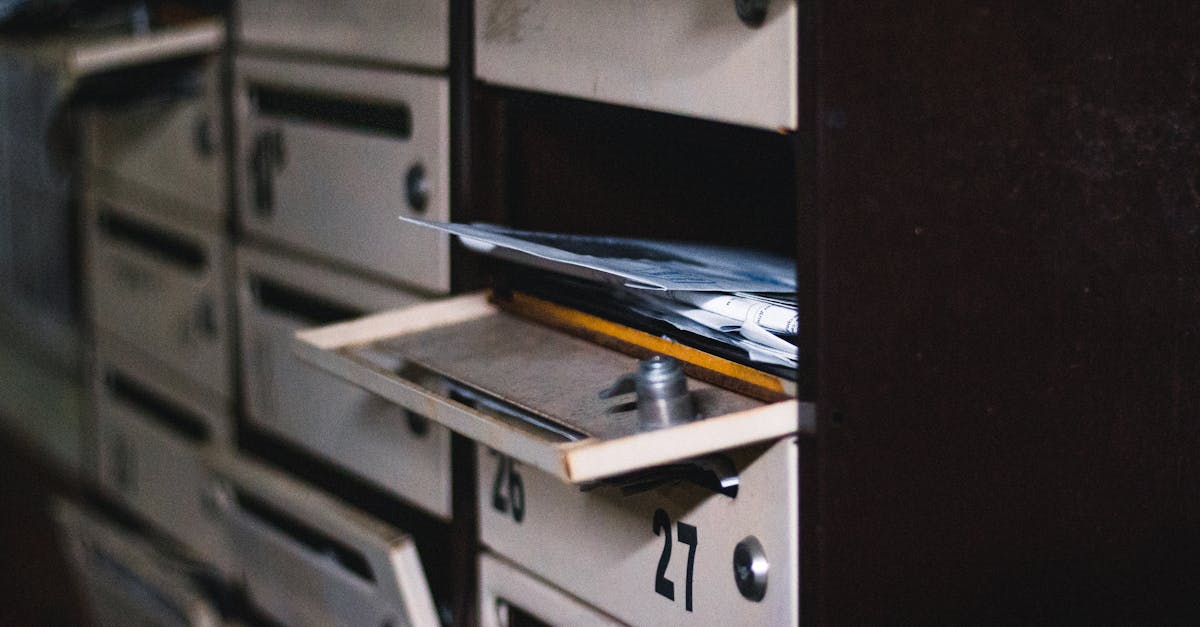
You frequently see them standing near your mailbox or the community cluster box for extended periods. They might pretend to fumble with their keys while reading the names on your incoming envelopes. Seeing who sends you mail gives them insight into your financial institutions and subscriptions. It is a federal offense that many nosy neighbors casually ignore.
The Driveway Monitor

They seem to memorize the make and model of every car that enters your driveway. You might receive texts asking about a specific vehicle or why a repair van is present. This monitoring builds a database of your social circle and service providers in their mind. It turns your parking space into a checkpoint they feel entitled to manage.
Thin Wall Listeners

In apartments or townhouses you might hear silence on their side the moment you start speaking. They may repeat distinct phrases you used in private arguments or discussions days later. This suggests they are pressing their ear or a device against the shared wall to capture audio. It completely erodes the privacy you expect within your own dwelling.
Binoculars on Display

You spot optical equipment like binoculars or a telescope sitting on a windowsill facing your house. While they might claim it is for birdwatching the angle often suggests otherwise. The presence of long-range viewing gear implies they want to see details invisible to the naked eye. It adds a layer of premeditation to their observational habits.
The Schedule Keeper

They know your routine so well that they comment when you are five minutes late coming home. You might hear remarks about how early you left on a Tuesday or that you missed your Wednesday gym session. This level of detail requires them to mentally or physically log your comings and goings. It feels less like neighborly awareness and more like a security log.
Strange Light Triggers

Motion-activated lights on their property seem to trigger even when you are deep within your own yard. They may have adjusted the sensitivity and range to flood your space with light whenever you move. This tactic illuminates your activities for their viewing and disrupts your evening privacy. It uses security lighting as an aggressive tool for observation.
Asking Other Neighbors

You hear from third parties that this neighbor has been asking questions about you. They might quiz other residents about your job or relationship status or background. This triangulation helps them gather rumors and verify the information they have collected themselves. It spreads the surveillance effort across the community.
The Open Garage Watcher

They leave their garage door open and sit inside facing the street for hours at a time. This vantage point allows them to monitor the entire neighborhood while remaining in the shadows. From this semi-hidden position they can log every person and vehicle that passes by. It is a classic method for older neighbors to maintain a watch post.
Copycat Behavior

You buy a specific patio set and they purchase the exact same one a week later. They might paint their front door the same color as yours or plant identical flower beds. This mimicking suggests they are studying your style choices with obsessive detail. It creates a weird visual echo that proves they are fixated on your home.
False Emergencies

They pound on your door claiming they smelled smoke or heard a scream when nothing happened. These fabricated crises give them immediate access to your home interior to “help” you. Once inside they scan the room to satisfy their curiosity about your living arrangement. It exploits your fear to gain entry.
The Fence Peeker

You catch them jumping up or standing on objects to look over a privacy fence. Gaps or knotholes in the wood might be widened or cleared of debris from their side. This physical effort to bypass barriers shows a blatant disregard for the boundaries you erected. It confirms that they view your privacy measures as obstacles to overcome.
Interior Compliments

They compliment a piece of art or furniture that is only visible from a specific back window. You realize there is no way they could have seen it from the street or front door. This slip-up reveals they have been peering into parts of your house that should be secluded. It is accidental proof of their invasive habits.
Sudden Silence

Conversations on their porch or balcony stop abruptly the moment you step outside. They might switch to whispering or go inside immediately to avoid being overheard. This indicates they were likely talking about you or do not want you to hear their current discussion. It creates an atmosphere of secrecy and exclusion.
The Notebook Writer

You see them writing in a notebook or typing on a phone while looking at your house. They might verify license plate numbers or record times of day while observing your property. Documenting events adds a layer of seriousness to their surveillance that is deeply unsettled. It suggests they are building a record rather than just casually watching.
Share your own experiences with nosy neighbors and how you handled the situation in the comments.