Aging is a gradual process that often goes unnoticed until small changes accumulate into undeniable shifts in behavior and ability. Adult children frequently miss the early indicators of decline because they see their parents through the lens of habit and familiarity. Recognizing the subtle physical and cognitive signs of aging is crucial for ensuring their safety and future well-being. The following list identifies specific changes that suggest your parents may need more support than they currently receive.
Unexplained Bruising
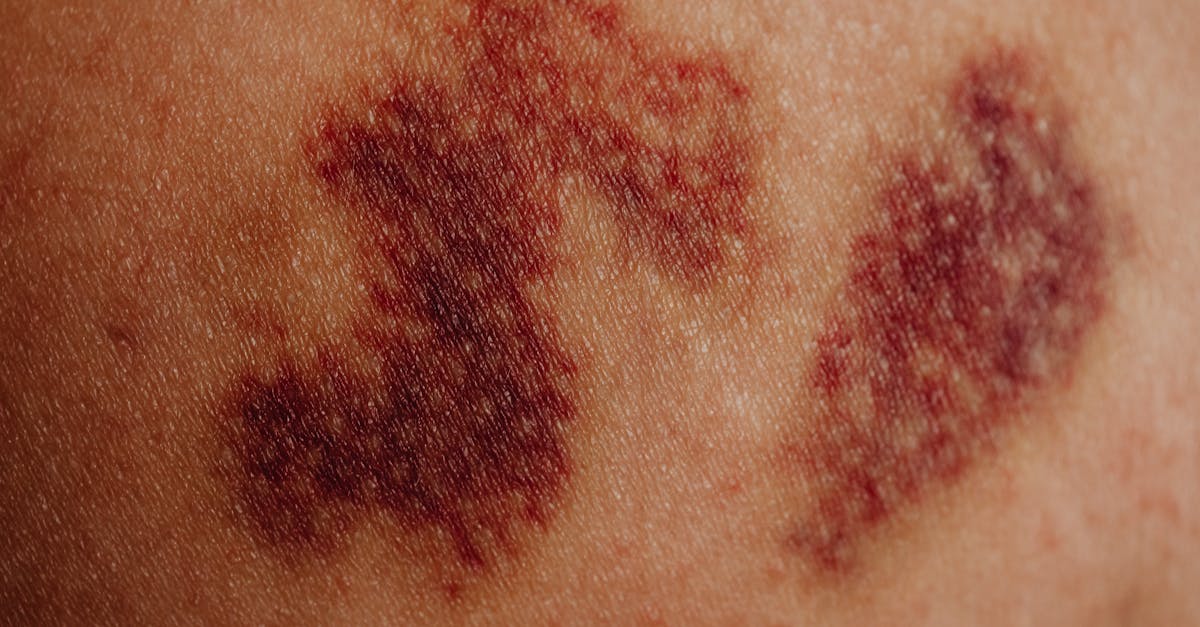
Older skin becomes thinner and loses the protective fatty layer that cushions blood vessels against injury. You might notice large purple marks on their arms or legs from minor bumps they do not even remember receiving. This physical change often signals that their skin and blood vessels are becoming more fragile with age. Family members should keep an eye on these marks to ensure they do not indicate falls or other unseen accidents.
Difficulty with Balance

Stability often decreases as muscle strength wanes and inner ear function changes over time. You may observe your parent gripping furniture while walking through the living room or hesitating at the bottom of a staircase. These small adjustments in movement are often unconscious coping mechanisms to prevent a fall. Addressing these stability issues early can help in modifying the home environment for better safety.
Expired Food in the Fridge

The sense of smell and taste can diminish significantly as people get older. This sensory decline might lead them to keep milk or meat long past the expiration date without realizing it is spoiled. A refrigerator full of old or rotting food is a strong indicator that cognitive processing or sensory acuity is fading. Regular checks of the pantry can prevent foodborne illnesses and ensure they are eating fresh meals.
Neglected Personal Hygiene

Routine tasks like bathing and grooming require energy and mobility that may become difficult for aging adults. A parent who was once fastidious about their appearance might start wearing stained clothing or have unwashed hair. This decline often stems from a fear of slipping in the shower or simple physical exhaustion. Noticing a distinct change in cleanliness is a key sign that daily living assistance might be necessary.
Unpaid Bills and Mail Piles

Cognitive decline often manifests first in the inability to manage complex tasks like personal finances. Stacks of unopened envelopes on the counter or notices of missed payments suggest a loss of executive function. This confusion can lead to utility shut-offs or serious financial vulnerability if left unaddressed. Stepping in to organize paperwork is frequently the first step children take in caregiving.
Repetitive Storytelling

Short-term memory lapses often cause seniors to loop through the same anecdotes within a single conversation. You might hear the same story three times in one hour because the brain fails to record that it was just shared. This behavior is distinct from simply enjoying a favorite memory and points to changes in neurological retrieval. Patience is required while monitoring if this forgetfulness extends to important safety matters.
Social Withdrawal

Hearing loss or cognitive insecurity can make social interactions exhausting and embarrassing for older adults. A parent who used to love dinner parties might suddenly refuse invitations or stay silent during family gatherings. This isolation can accelerate mental decline and lead to significant depression. Encouraging small and low-pressure social engagements can help maintain their emotional well-being.
Dents and Scratches on the Car

Driving requires quick reflexes and sharp situational awareness that naturally slow down with age. Unexplained marks on the bumpers or side mirrors often indicate minor collisions that went unreported. These physical signs on the vehicle suggest that their spatial perception or reaction time is compromised. It is often the most tangible warning that their ability to navigate traffic safely is diminishing.
Changes in Walking Speed

A noticeably slower gait is a common biomarker of physical frailty and general aging. It takes more effort for aging muscles to propel the body forward and maintain momentum. This reduction in speed is often accompanied by a shuffling step rather than a confident stride. Monitoring walking speed can provide insight into their overall cardiovascular and muscular health.
Hearing Loss Denial

The television volume creeping up to uncomfortable levels is a classic sign of auditory decline. Parents often deny they have trouble hearing and blame others for mumbling or speaking too softly. This refusal to acknowledge the issue can lead to misunderstandings and further social isolation. Professional audiology exams are the only way to determine the true extent of the deficit.
Mismanaging Medications

Confusion regarding pill schedules is a dangerous sign that cognitive sharpness is slipping. You might find loose pills on the floor or prescription bottles that are too full or empty for the date. The complex names and varying dosages of modern medication regimens can easily overwhelm an aging mind. Setting up an automated dispenser or weekly organizer is a practical solution to ensure safety.
Weight Fluctuation

Sudden weight loss can indicate dental issues or a loss of interest in cooking and eating. Conversely, weight gain might result from a reliance on processed convenience foods due to the difficulty of meal preparation. These physical changes often point to underlying health issues or a decline in the ability to manage nutrition. Monitoring their pantry and meal habits usually reveals the root cause of the shift.
Home Maintenance Neglect

A once-pristine yard becoming overgrown or a house falling into disrepair signals a loss of physical stamina. The effort required to mow the lawn or fix a leaky faucet becomes too much to handle. This neglect is rarely about laziness and almost always about a lack of energy or mobility. It serves as a visual indicator that the demands of homeownership are outpacing their capabilities.
Confusion with Technology

While technology evolves quickly for everyone, a sudden inability to use a familiar TV remote or phone is concerning. This difficulty suggests a decline in the ability to learn new sequences or recall established patterns. It often leads to frustration and a feeling of being disconnected from the modern world. Assisting with simplified devices can help bridge this widening gap.
Changes in Mood or Personality

The onset of dementia or chronic pain can alter the chemical balance in the brain. A typically gentle parent might become irritable, suspicious, or prone to sudden outbursts of anger. These personality shifts are often more distressing to family members than physical ailments. Understanding that this is a symptom rather than a choice helps in managing interactions.
Reluctance to Drive at Night

Vision changes such as cataracts can make driving in low-light conditions terrifying and dangerous. Parents may begin making excuses to avoid evening events or ask for rides when the sun goes down. Glare from oncoming headlights becomes blinding as the eyes age and process light differently. Respecting this self-limitation is crucial for their safety and the safety of others.
Difficulty Standing Up

Watching a parent struggle to rise from a deep sofa or low chair indicates waning core and leg strength. They may need to rock back and forth or push heavily on the armrests to gain momentum. This physical struggle is a clear sign of sarcopenia or muscle loss associated with aging. Specific exercises or lift chairs can assist them in maintaining independence in movement.
Sleeping Pattern Changes

Aging often disrupts the circadian rhythm leading to fragmented sleep or very early waking times. You might notice your parent taking frequent naps during the day to compensate for poor rest at night. This cycle can result in confusion and a lack of energy for daily activities. Establishing a robust daily routine is often recommended to help regulate their internal clock.
Unexplained Odors

A persistent smell of urine or body odor in the home can signal incontinence issues or laundry neglect. The sense of smell often fades so the individual may not even realize the environment is unpleasant. This issue is sensitive but indicates a need for help with housekeeping or personal care products. Addressing it with dignity is essential to preserve their self-esteem.
Loss of Hobbies

Abandoning long-held interests like knitting or woodworking often points to physical limitations or cognitive apathy. Arthritis may make fine motor tasks painful or depression might sap the motivation to create. The absence of these joy-filled activities leaves a void that can accelerate mental decline. Reintroducing modified versions of these hobbies can sometimes spark a renewed interest.
Frequent Minor Illnesses

An aging immune system takes longer to fight off common colds or recover from minor infections. You may notice that a simple cough lingers for weeks or that they catch every bug that goes around. This increased susceptibility suggests their body is working harder to maintain baseline health. Ensuring they are up to date on vaccinations and nutrition becomes increasingly important.
Changes in Handwriting

Stiff joints and tremors can turn once-elegant penmanship into a cramped and shaky scrawl. This change makes it difficult for them to write checks or sign documents legibly. It serves as a visible record of the decline in fine motor control and neurological connection. Electronic banking and communication can help mitigate the frustration of writing tasks.
Getting Lost in Familiar Places

Disorientation in a well-known neighborhood is a red flag for cognitive mapping issues. A parent might call you in a panic because they took a wrong turn and cannot find their way back. This frightening experience suggests that their internal navigation system is failing. It is a strong indicator that independent driving or walking might need to be reevaluated.
Hoarding Behaviors

An accumulation of newspapers or random items can signal a fear of letting go or a loss of organizational skills. The clutter creates fall hazards and makes the home difficult to clean and maintain. This behavior often stems from anxiety about the future or memory issues regarding the value of items. Professional organizers specializing in seniors can sometimes help declutter the space safely.
Kitchen Accidents

Scorched pans or forgotten tea kettles are dangerous signs of memory lapses during multi-step tasks. The inability to monitor cooking times or remember that the stove is on poses a severe fire risk. Evidence of small fires or burnt food should be taken as a serious safety warning. Disabling stove knobs or installing automatic shut-off devices are common safety interventions.
Fragile Skin

Paper-thin skin that tears easily is a common result of collagen loss in later years. Even the removal of a bandage or a gentle scratch can result in a wound that takes a long time to heal. This fragility requires careful handling and constant monitoring for infection. Moisturizing and protecting the skin becomes a necessary part of the daily health routine.
Difficulty with Buttons and Zippers

The dexterity required to fasten small buttons or pull zippers fades with arthritis and loss of sensation. You may notice your parent choosing elastic-waist pants or pullovers exclusively to avoid these fasteners. This adaptive behavior is a practical response to the loss of fine motor skills. Adaptive clothing options can restore some ease to the dressing process.
Increased Anxiety

Aging can bring about a heightened sense of vulnerability that manifests as constant worry. Parents may obsess over the weather or your safety in a way that seems disproportionate to reality. This anxiety often roots in their own feeling of losing control over their environment and body. Reassurances and consistent check-ins can help alleviate some of these fears.
Dental Decay

Arthritis can make brushing and flossing painful leading to a rapid decline in oral health. You might notice bad breath or complaints about tooth pain that they are reluctant to address. Poor dental hygiene is linked to heart disease and can make eating fresh foods difficult. Regular professional cleanings are vital when self-care becomes less effective.
Repetitive Questions

Asking the same question immediately after receiving the answer indicates a failure to encode new information. This is distinct from storytelling and shows a breakdown in short-term working memory. It can be frustrating for caregivers but requires calm and repetitive answers. This symptom is one of the most common early indicators of cognitive impairment.
Tangential Speech

Conversations may become difficult to follow as they drift from one unrelated topic to another. The ability to stay on track and filter out irrelevant thoughts diminishes with cognitive aging. This wandering speech pattern makes meaningful communication more challenging and exhausting. Structured questions can sometimes help keep the conversation focused.
Difficulty Judging Distance

You might see them bumping into doorframes or missing the edge of the table when setting down a cup. Changes in depth perception are common and increase the risk of tripping or spilling hot liquids. This visual deficit complicates navigating both the home environment and the outside world. Improving lighting and contrast in the home can assist with these spatial challenges.
Sudden Frugality or Generosity

Radical changes in spending habits often signal a loss of judgment regarding financial security. A parent might stop spending on necessities or suddenly give large sums to telemarketers. These shifts reflect a misunderstanding of their financial longevity or susceptibility to scams. Monitoring bank accounts is often necessary to protect their life savings.
Inappropriate Clothing Choices

Wearing a heavy coat in summer or sandals in winter suggests a disconnect from physical sensations or confusion. The internal thermostat works less efficiently with age and cognitive awareness of the weather may fade. This behavior can lead to dangerous overheating or hypothermia if not corrected. Laying out appropriate clothes can help them dress safely for the conditions.
Empty Cupboards

A lack of basic supplies like toilet paper or soap suggests the logistics of shopping have become too difficult. They may not have the strength to carry bags or the memory to replenish staples. This scarcity affects their quality of life and hygiene significantly. Setting up delivery services can ensure they have the essentials without the physical burden.
If you have noticed these signs in your own parents or have other experiences to add, please share your thoughts in the comments.