Navigating a relationship with someone who struggles to connect on a deeper level often leaves you feeling confused and isolated. Emotional unavailability manifests in subtle behaviors that create an invisible barrier between partners. Recognizing these patterns is the first step toward understanding the dynamics of your romantic partnership. The following indicators highlight common ways people shield themselves from true intimacy.
Difficulty Expressing Feelings

An emotionally unavailable partner often finds it incredibly challenging to articulate their inner world. They might rely on vague statements when asked about their feelings instead of providing clear answers. This hesitation stems from a deep fear of vulnerability and exposing their true self to another person. You will notice a recurring pattern where they change the subject when conversations turn toward personal emotions.
Avoidance of Deep Conversations

Meaningful discussions about the future or personal values are frequently dodged by those who fear intimacy. They prefer keeping interactions light and superficial to prevent any emotional exposure. If you attempt to initiate a serious dialogue they might use humor to deflect the tension. This constant deflection prevents the relationship from growing past a basic surface level.
Defensiveness During Conflict

Healthy disagreements require a willingness to listen and understand the perspective of the other person. Someone who is emotionally unavailable will often become highly defensive when faced with any form of criticism. They perceive constructive feedback as a direct attack on their character and react accordingly. This reaction shuts down the possibility of resolving issues and creates a hostile environment for communication.
Inconsistency in Affection

You might experience periods where your partner is incredibly warm and attentive followed by sudden coldness. This push and pull dynamic keeps you constantly guessing about their true level of interest. They offer affection only when they feel completely safe and withdraw it the moment they feel overwhelmed. The resulting emotional whiplash makes it difficult to build a stable foundation of trust.
Prioritizing Independence Over Intimacy

Maintaining individuality is healthy but an extreme need for independence often signals a fear of closeness. Emotionally unavailable individuals fiercely guard their personal time and space to the detriment of the relationship. They view reliance on a partner as a weakness rather than a normal aspect of a loving bond. This extreme independence creates a profound sense of distance and prevents true partnership from forming.
Reluctance to Commit

Defining the relationship or making long term plans often triggers intense anxiety for someone who is emotionally guarded. They prefer keeping their options open to avoid the perceived trap of a committed partnership. You will find them using ambiguous language when discussing future vacations or living arrangements. This avoidance strategy ensures they always have an easy exit route if they feel too pressured.
Lack of Empathy

Empathy requires the ability to step into another person’s shoes and connect with their emotional state. A partner who struggles with emotional availability often fails to validate your feelings during difficult times. They might offer logical solutions instead of the emotional comfort you actually need in that moment. This inability to attune to your emotional needs leaves you feeling misunderstood and utterly alone.
Keeping Conversations Surface Level

Daily interactions often revolve around mundane topics like the weather or work schedules. Attempts to steer the conversation toward personal dreams or childhood experiences are quickly shut down. They are perfectly comfortable discussing external events but become visibly uncomfortable when the focus shifts inward. This communicative boundary ensures that you never truly get to know the person behind the mask.
Dismissing Your Emotions
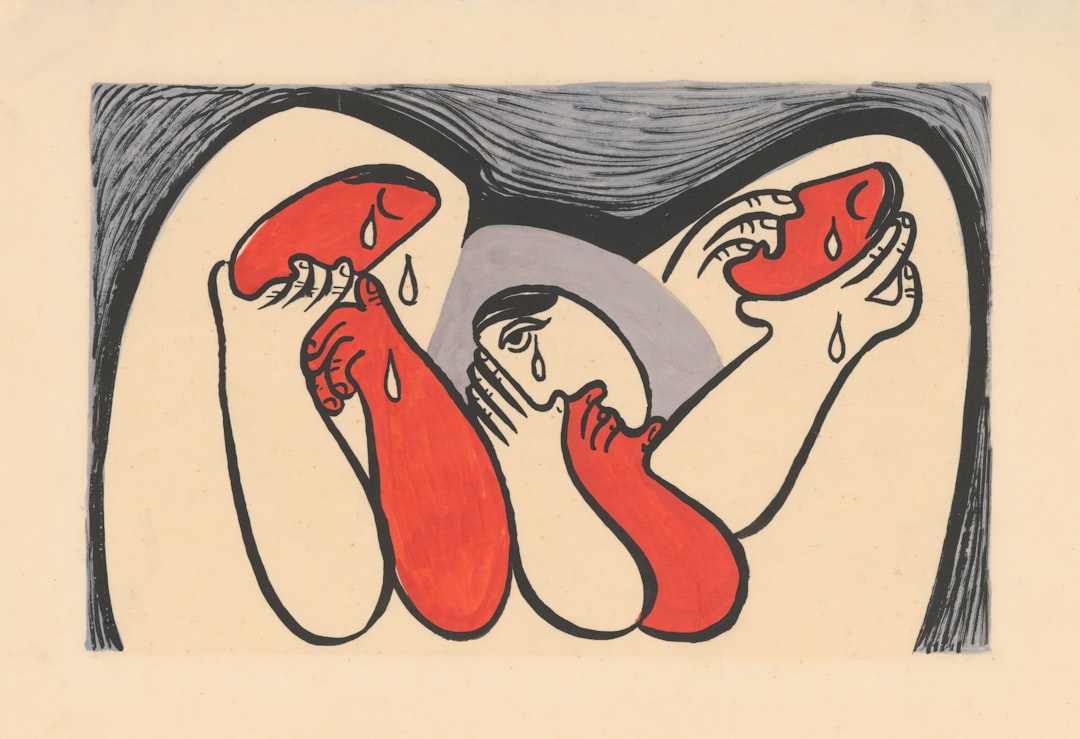
When you express sadness or frustration your partner might label you as overly sensitive or dramatic. This invalidation is a defense mechanism used to avoid dealing with uncomfortable emotional displays. They minimize your feelings to maintain their own sense of control and emotional equilibrium. Over time this constant dismissal trains you to suppress your emotions to keep the peace.
Blaming Others for Relationship Issues

Taking responsibility for personal faults requires a level of introspection that emotionally unavailable people lack. They consistently point the finger at their partner or external circumstances when problems inevitably arise. This refusal to accept accountability prevents them from learning and growing within the relationship context. You will find yourself constantly apologizing for things that are not entirely your fault.
Unwillingness to Compromise

A successful partnership requires both individuals to make concessions and meet in the middle. Emotionally closed off partners often insist on doing things exactly their way without considering your preferences. They view compromise as a loss of autonomy rather than a loving gesture toward their partner. This rigid mindset creates a severely unbalanced dynamic where your needs are consistently ignored.
Physical Presence Without Emotional Connection

You can sit in the exact same room as your partner and still feel miles apart. They might be physically present but their mind is completely disengaged from the shared experience. Intimacy is reduced to physical acts without any accompanying emotional warmth or genuine affection. This hollow presence is often more painful than actual physical absence.
Sabotaging Milestones

Approaching significant relationship markers like meeting the family often triggers sudden erratic behavior. An emotionally unavailable partner might pick a major fight right before a planned romantic getaway. They unconsciously create chaos to create distance just when the relationship is about to deepen. This destructive pattern prevents the partnership from progressing to the next logical stage of commitment.
Shutting Down When Stressed

External life stressors often cause emotionally unavailable individuals to retreat completely into their own shell. Instead of leaning on you for support they isolate themselves and refuse to discuss their struggles. You are left completely shut out while they attempt to process their overwhelming feelings entirely alone. This tendency to withdraw denies you the opportunity to be a supportive and caring partner.
Refusal to Seek Help

Professional therapy requires a willingness to explore buried emotional issues and confront personal vulnerabilities. Partners who are emotionally unavailable generally reject the idea of counseling or relationship books. They insist that they are perfectly fine and that the relationship problems are entirely your creation. This absolute refusal to grow guarantees that the unhealthy relationship dynamics will remain permanently unchanged.
Please share your own experiences with emotionally unavailable partners and how you recognized the signs in the comments.