
Financial compatibility is one of the most important yet often overlooked pillars of a healthy long-term relationship. When a partner manages money with intention and discipline, it creates stability and trust that extends far beyond bank accounts. Recognizing the signs of financial responsibility early can save couples from stress, conflict, and uncertainty down the road. These twenty indicators reveal what it truly looks like when someone has a healthy and mature relationship with money.
They Live Within Their Means

A financially responsible partner spends less than they earn and does not rely on credit cards or loans to fund their everyday lifestyle. They make purchasing decisions based on what they can genuinely afford rather than what they want in the moment. Their lifestyle reflects realistic expectations rather than an inflated image of wealth. This habit forms the foundation of long-term financial health and stability.
They Have an Emergency Fund

Setting aside money for unexpected expenses is a hallmark of someone who thinks ahead. A financially responsible partner maintains a dedicated savings buffer that can cover several months of living expenses without panic. They understand that emergencies are not a matter of if but when. This preparation demonstrates both discipline and a calm, rational approach to managing uncertainty.
They Pay Bills on Time

Consistent and timely bill payment signals that a partner understands the importance of financial commitments and personal accountability. Late payments lead to fees, damaged credit scores, and unnecessary stress that compounds over time. A responsible partner prioritizes obligations before discretionary spending. This habit also reflects a broader pattern of reliability and follow-through in everyday life.
They Have a Budget

Budgeting is one of the clearest indicators that someone is intentional about where their money goes each month. A financially responsible partner tracks income and expenses and allocates funds across categories with purpose. They review and adjust their budget regularly to reflect changing circumstances. This level of organization reduces financial anxiety and keeps long-term goals firmly in sight.
They Talk About Money Openly

Avoiding money conversations is a common red flag in relationships, so a partner who engages openly and honestly about finances is a positive sign. They are comfortable discussing income, debt, savings, and financial goals without becoming defensive or evasive. Open financial communication builds trust and prevents misunderstandings from growing into larger conflicts. A willingness to be transparent about money reflects emotional maturity as well as practical wisdom.
They Avoid Lifestyle Inflation

When income increases, a financially responsible partner does not automatically increase their spending to match. They resist the urge to upgrade every aspect of their lifestyle simply because they earn more. Instead, they channel additional income toward savings, investments, or debt repayment. This restraint shows a long-term perspective and a resistance to the social pressures that drive many people into financial stress.
They Have Clear Financial Goals

A partner who has defined short and long-term financial goals is someone who takes their future seriously. Whether saving for a home, planning for retirement, or building an investment portfolio, goal-oriented financial behavior reflects purpose and direction. They revisit these goals periodically and adjust their strategy as life evolves. Having a financial roadmap is a strong sign that they approach money with intention rather than chance.
They Carry Little to No High-Interest Debt

While some forms of debt such as mortgages or student loans are manageable and common, high-interest consumer debt is a warning sign. A financially responsible partner actively works to eliminate high-interest balances and avoids accumulating new ones unnecessarily. They understand the long-term cost of carrying credit card debt and make payoff a consistent priority. Low debt levels indicate both discipline and sound decision-making over time.
They Invest Consistently

A partner who invests regularly understands the power of compound growth and long-term wealth building. They contribute to retirement accounts and other investment vehicles even when the amounts are modest. Consistent investing reflects patience and a commitment to financial security that extends decades into the future. This habit also signals that they are thinking not just about today but about the life they want to build together.
They Have Good Credit
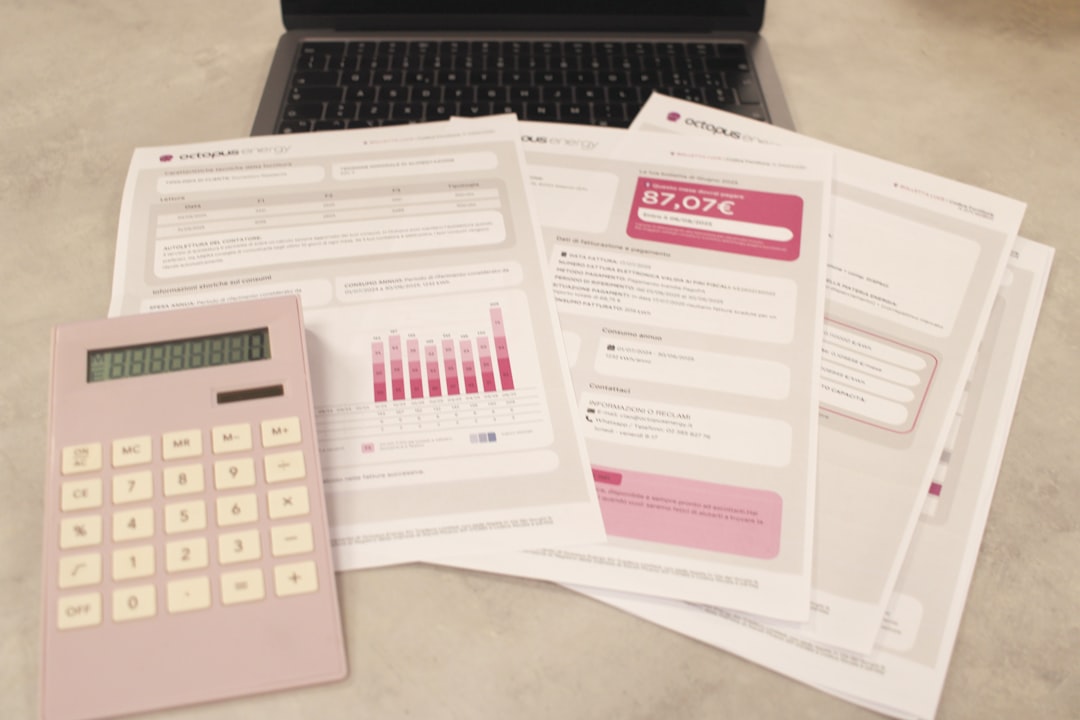
A strong credit score is the result of years of responsible borrowing and consistent repayment habits. A financially responsible partner monitors their credit regularly and understands the factors that influence it. Good credit opens doors to better interest rates on mortgages, car loans, and other financial products. It also reflects a history of honoring financial commitments in a dependable and trustworthy way.
They Shop with Intention

Impulse buying and emotional spending are habits that quietly drain finances over time. A financially responsible partner approaches shopping with a list, a purpose, and a budget rather than reacting to sales, trends, or momentary desires. They distinguish between needs and wants before making purchasing decisions. This intentional approach ensures that spending aligns with their values and financial priorities.
They Understand Basic Financial Concepts

Financial literacy is a key trait in a responsible partner and includes a working understanding of interest rates, inflation, taxes, and investment principles. They do not need to be financial experts but they are curious, informed, and willing to learn. This knowledge base allows them to make better decisions and avoid costly mistakes. A partner who invests in their own financial education is one who takes their economic wellbeing seriously.
They Avoid Keeping Up with Others

Social pressure to match the spending habits of peers, neighbors, or social media influencers leads many people into financial instability. A financially responsible partner is grounded in their own values and does not measure success by external benchmarks. They feel confident in choices that may look modest compared to others but that serve their long-term wellbeing. This independence from social comparison is a mark of genuine financial maturity.
They Are Generous in Sustainable Ways

Generosity is a wonderful quality but a financially responsible partner gives within their means rather than overextending to impress. They contribute to causes, celebrations, and acts of kindness in ways that are thoughtful and proportional. They do not sacrifice their financial stability for the sake of appearing more generous than they are. This balance reflects both compassion and a healthy respect for their own financial boundaries.
They Handle Financial Setbacks Calmly

Unexpected expenses, job changes, and economic downturns are inevitable parts of life. A financially responsible partner responds to these setbacks with problem-solving and composure rather than panic or denial. They assess the situation, adjust their plans, and take practical steps to recover. This resilience indicates that their financial health is built on a stable foundation rather than luck or circumstance.
They Review Their Finances Regularly

Checking in on accounts, reviewing statements, and assessing financial progress are habits that keep responsible partners informed and in control. Rather than avoiding financial information, they engage with it consistently and proactively. Regular reviews help them catch errors, identify spending patterns, and stay aligned with their goals. This attentiveness prevents small issues from becoming significant financial problems over time.
They Plan for Large Expenses

Whether it is a vacation, a wedding, or a major home purchase, a financially responsible partner plans and saves for big expenses well in advance. They avoid relying on credit to fund large one-time costs whenever possible. Anticipating future spending and preparing for it demonstrates foresight and discipline. This approach allows them to enjoy major life milestones without the burden of lingering debt.
They Are Honest About Their Financial Situation

A responsible partner does not hide debt, downplay financial struggles, or exaggerate their wealth. They present their financial reality clearly and without shame when the relationship calls for transparency. Honesty about money creates the kind of trust that allows couples to plan together with accurate information. This willingness to be vulnerable about finances is a sign of both integrity and emotional strength.
They Separate Wants from Needs Consistently

One of the most practiced skills of a financially responsible partner is the ability to distinguish between genuine needs and optional desires in everyday spending. They pause before purchases and honestly evaluate whether something serves a real purpose or simply provides temporary satisfaction. This mental discipline reduces unnecessary spending and keeps their budget intact over time. It also reflects a values-driven approach to money that prioritizes long-term security over short-term gratification.
They Are Aligned on Shared Financial Values

Beyond individual habits, a financially responsible partner is willing to align their financial approach with a shared vision for the future. They understand that relationships require compromise and communication when it comes to money management. They approach joint financial decisions with fairness, respect, and a genuine interest in outcomes that benefit both people. This collaborative mindset is the ultimate sign that someone is ready to build a financially healthy life with another person.
If any of these signs resonate with your own relationship experience, share your thoughts in the comments.