Financial infidelity creates a deep rift in relationships that often causes more damage than the spending habits themselves. Trust quickly erodes when one partner deliberately conceals assets or debts from the other person in the commitment. Identifying the subtle behavioral shifts early can help couples address the underlying issues before they become insurmountable. The following signs often indicate potential deception regarding household finances and personal spending.
Unexplained Cash Withdrawals

Frequent unexplained cash withdrawals often indicate hidden spending habits that leave no digital trail on bank statements. A partner might pull out small amounts regularly to avoid triggering suspicion or questions about where the money is going. This physical currency allows them to purchase items or services without the other person knowing the specific details. It creates a blind spot in the shared financial overview and makes tracking the household budget nearly impossible. Noticing a pattern of ATM visits without corresponding cash on hand is a major red flag for financial secrecy.
Changing Passwords Suddenly
Sudden changes to online banking passwords effectively lock a partner out of viewing shared or personal accounts without warning. This behavior suggests an immediate need to hide recent transactions or account balances from a spouse who previously had access. Transparency usually decreases right before a financial secret comes to light during a relationship conflict or budget review. The refusal to share the new login credentials often accompanies defensive excuses about privacy or security concerns. A shift from open access to digital secrecy disrupts the trust required for healthy financial management.
Defensive Reactions

A partner hiding financial secrets often reacts with disproportionate anger when the topic of money arises during conversation. They might accuse the other person of not trusting them or being too controlling to deflect attention away from their own actions. This defensive strategy serves to shut down the discussion immediately so that no specific questions get asked. The emotional outburst effectively discourages the innocent partner from bringing up the budget again in the future. Guilt manifests as aggression to protect the hidden reality of their financial situation.
Hidden Credit Cards

Finding a credit card that was never discussed is one of the most concrete proofs of financial infidelity in a marriage. Partners often open these accounts to spend freely without their spouse seeing the accumulation of debt or the nature of the purchases. The statements for these secret cards usually go to a different address or remain entirely digital to avoid detection. Discovering such an account reveals a deliberate attempt to separate a portion of financial life from the partnership. It indicates that significant financial decisions are happening completely outside the agreed relationship boundaries.
Intercepting The Mail

A partner who suddenly insists on getting the mail first every day may be trying to filter out incriminating financial documents. They might rush to the mailbox before anyone else can check it to hide late notices or collection letters. This behavior often includes hiding physical mail in the car or disposing of it immediately before entering the house. Keeping the other person away from the mailbox ensures that paper trails of debt do not reach the one who manages the budget. This vigilant gatekeeping of the post is a common tactic to maintain a façade of financial stability.
Vague Work Answers

Deception about money often extends to being vague about salary details or paycheck amounts to keep funds hidden. A partner might stop sharing pay stubs or claim that the payroll system changed to explain missing information. This lack of clarity allows them to siphon off money into a private account before it ever reaches the joint pool. Keeping income ambiguity helps them maintain a secret stash without raising alarms about missing household funds. Silence regarding raises or bonuses also falls under this category of financial omission.
New Expensive Hobbies

The sudden appearance of expensive equipment or clothing without a clear funding source suggests spending is happening off the books. A partner might claim these items were gifts or borrowed to cover up the actual cost of the new interest. Funding a costly hobby requires significant capital that must come from somewhere within the family finances. Consistent upgrades to gear or frequent outings related to the hobby eventually leave a noticeable dent in the budget. Unexplained luxury items often point directly to hidden accounts or credit cards.
Credit Score Drops

An unexpected drop in a credit score often signals unpaid debts or high utilization ratios that one partner is unaware of. Lenders report late payments and maxed out cards which inevitably drags down the score for anyone named on the account. Monitoring services might send an alert that reveals a financial reality very different from what is being discussed at home. A partner might try to downplay the score change as a system error to buy more time. Ignoring these credit bureau alerts can lead to long-term damage to the couple’s borrowing power.
Debt Collector Calls

Receiving calls from unknown numbers or agencies asking for a partner is a clear sign of delinquent accounts. Collectors will eventually call the home phone or the spouse if they cannot reach the primary debtor on their mobile line. These calls usually start happening after several months of missed payments and ignored warnings. A partner might rush to answer the phone or unplug the landline to prevent the spouse from speaking to the agent. Denial of the debt existence even after a call is a desperate attempt to maintain the lie.
Controlling The Budget

A partner who demands total control over the finances often does so to prevent the other person from seeing the truth. They might insist that they are better at math or that it is easier if only one person handles the bills to mask their mismanagement. This control allows them to move money around and cover up deficits without having to explain them. Restricting access to bank accounts leaves the other partner vulnerable and completely in the dark. Absolute financial dominance is frequently a cover for absolute financial disarray.
Keeping Accounts Separate

While some couples choose separate finances happily an abrupt demand to separate accounts signals a desire for secrecy. A partner might claim they want more independence while actually planning to hide spending or debt accumulation. This separation removes the accountability that comes with joint statements and shared banking apps. It creates a verified space where financial behavior cannot be monitored or questioned by the other person. The sudden wall between funds often precedes larger revelations about money mismanagement.
Lying About Prices

Habitually understating the cost of new purchases acts as a low-level form of gaslighting to normalize overspending. A partner might say an item was on sale or cost half its actual price to avoid a confrontation about the budget. This behavior distorts the couple’s understanding of their cash flow and savings rate over time. The cumulative effect of these small lies creates a large gap between perceived spending and actual bank balances. Removing price tags immediately is a physical action that supports this verbal deception.
Mood Swings About Money

Extreme anxiety or depression related to financial topics can indicate a burden of secret debt that is becoming unmanageable. A partner might become visibly stressed when the bills arrive or when a large purchase is discussed. These mood swings reflect the internal pressure of keeping a complicated lie going day after day. The emotional toll of financial secrecy often manifests before the actual numbers are revealed. Unexplained stress signals that the reality of the situation is worse than what is visible.
Delayed Tax Returns
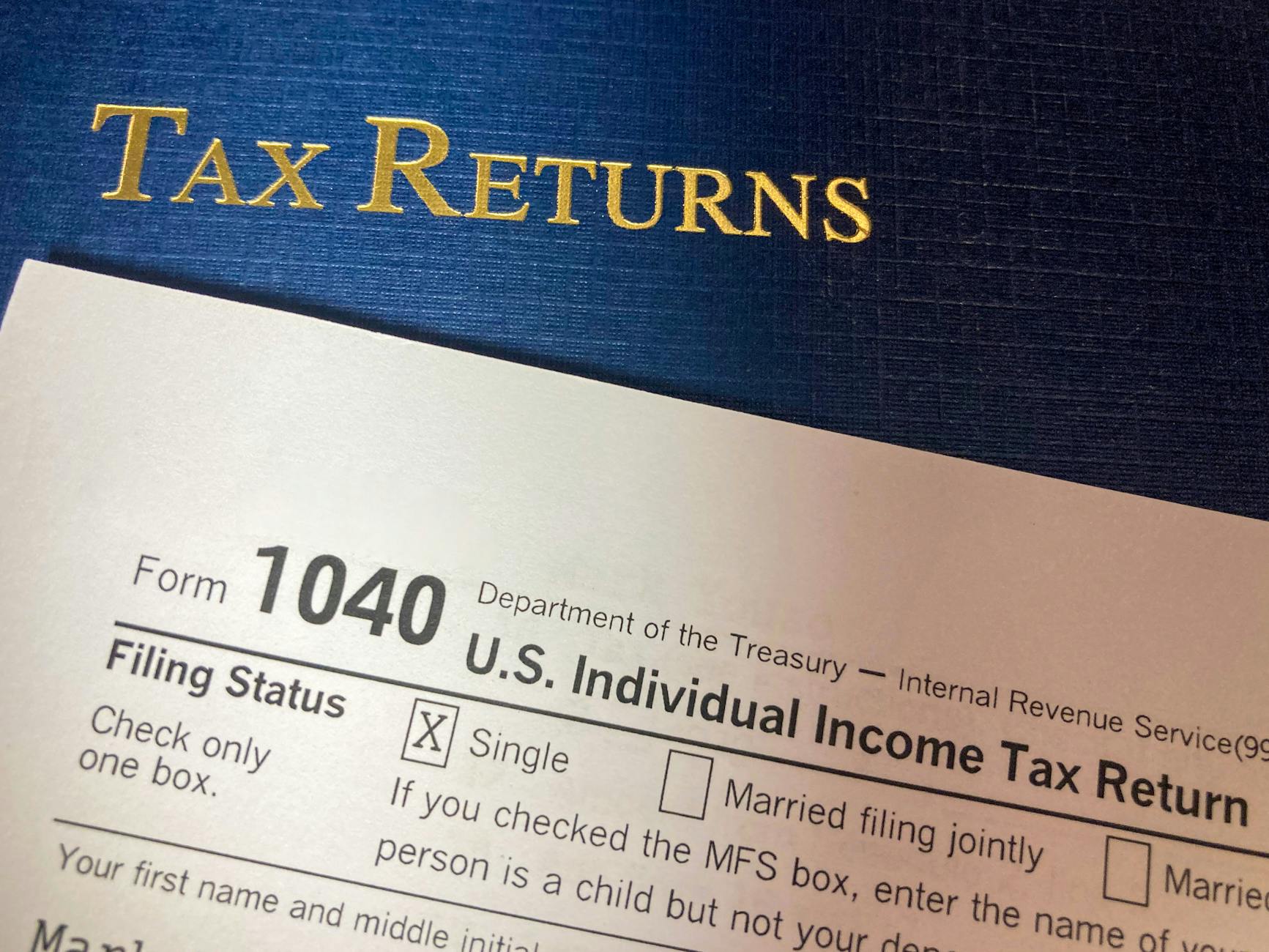
Procrastinating on filing joint tax returns often happens when a partner fears the financial disclosures required by the government. The tax return provides a comprehensive snapshot of interest income and debt that exposes hidden accounts. Delays allow the deceptive partner to figure out how to explain the numbers or hide the documents entirely. They might offer to handle the filing alone to ensure the spouse never sees the final paperwork. Refusal to show the completed return is a significant warning sign of hidden data.
Lost Money Claims

Frequent claims that money was lost or stolen serve as a convenient cover for cash that was actually spent. A partner might invent stories about losing a wallet or misplacing an envelope of cash to explain a shortfall. This narrative turns a deliberate withdrawal into an unfortunate accident that elicits sympathy rather than suspicion. Repeating this excuse suggests a pattern of fabrication rather than bad luck. It effectively removes a sum of money from the shared ledger without assigning it to a purchase.
Secretive Phone Use

Guarding a smartphone intensely often correlates with hiding financial notifications from banks or credit card apps. A partner might turn the screen away or use privacy filters to prevent the spouse from seeing balance alerts. They may also disable lock screen notifications specifically for financial applications to maintain secrecy. Taking calls from financial institutions in another room or outside is another common tactic. The phone becomes the vault where the digital evidence of financial infidelity is stored.
Sudden Generosity

Unexpected and lavish gift-giving can be a manipulation tactic to distract from financial wrongdoing or alleviate guilt. A partner might buy expensive presents for the spouse using money that should have gone toward bills or savings. This love bombing creates a false sense of security and financial abundance that does not exist. It makes the receiving partner feel appreciated and less likely to question the family finances. The generosity acts as a smokescreen to cover up the depletion of funds elsewhere.
Borrowing From Family

Discovering that a partner has borrowed money from relatives without discussion indicates a desperation to cover gaps. They might approach parents or siblings for loans to pay off secret debts before the spouse finds out. This behavior spreads the financial instability to the extended family and creates awkward social dynamics. It usually happens when all other avenues of credit have been exhausted or cut off. The secrecy surrounding the loan proves that they know the action violates the relationship trust.
Gambling Terminology

The use of gambling jargon or intense interest in betting odds can signal a developing addiction that drains funds. A partner might spend increasing amounts of time watching sports or playing online poker while claiming it is just for fun. Small bets often escalate quickly into large losses that require cover-ups and lies to hide. The thrill of the gamble often replaces the satisfaction of financial stability and security. Noticing betting apps on a phone or browser history is a concrete sign of risk.
Unfamiliar Receipts

Finding receipts for items that were never brought home or places the partner never mentioned visiting reveals hidden activities. These slips of paper provide a physical timeline of spending that contradicts the verbal stories being told. A partner might forget to throw away a receipt from a luxury store or a restaurant visit made alone. These scraps of evidence often unravel complex stories about where time and money were spent. Investigating these small paper trails often leads to the discovery of larger secrets.
Work Bonus Omission

Failing to mention a holiday bonus or a commission check allows a partner to keep that money entirely for themselves. They might complain that the company cancelled bonuses this year while secretly depositing the check into a private account. This omission deprives the household of funds that could have paid down debt or funded a vacation. It demonstrates a selfish approach to finances that prioritizes personal gain over shared goals. The truth often comes out during tax season or through casual conversation with colleagues.
Changing The Subject

Skillfully steering conversations away from money whenever it comes up is a subtle avoidance technique. A partner might introduce a stressful topic or a family crisis to distract from the budget discussion at hand. This manipulation ensures that the focus shifts immediately to something emotional rather than financial. Consistently avoiding the topic prevents the other person from asking the hard questions that would expose the truth. It creates a dynamic where money becomes a taboo subject in the relationship.
Shopping Bags In Trunk

Hiding shopping bags in the trunk of a car is a classic maneuver to conceal purchases from a spouse. A partner might leave items in the vehicle until the other person is asleep or away from the house. This staging area allows them to smuggle goods inside without an immediate confrontation about the cost. It indicates that the shopper knows the spending is problematic and will cause conflict. The car acts as a temporary limbo for evidence of financial infidelity.
Electronic Statement Switches

Switching from paper to electronic statements without telling a partner is a way to cut off their flow of information. A partner might claim it is for environmental reasons while actually intending to hide the monthly activity logs. This digital switch removes the physical reminder of bills arriving at the house each month. It gives the deceptive partner exclusive control over who sees the balances and transaction histories. Restoring access usually requires passwords that the other partner does not possess.
Gaslighting About Spending

Gaslighting involves convincing a partner that their memory of financial discussions or agreements is incorrect. A partner might insist they already mentioned a large purchase or that the budget was higher than agreed upon. This psychological manipulation makes the innocent partner doubt their own sanity and record-keeping abilities. It serves to rewrite history in a way that excuses the overspending or debt accumulation. This is the most damaging form of financial lying as it attacks the partner’s perception of reality.
We would love to hear your experiences with this topic, so please share your thoughts in the comments.