A functioning refrigerator stands as the cornerstone of any modern kitchen and keeps daily life running smoothly. Homeowners often miss the subtle warning signs that this essential appliance is approaching the end of its lifespan. Recognizing early indicators of appliance failure prevents unexpected food spoilage and costly emergency repairs. Understanding these specific red flags empowers you to make informed decisions about maintenance or replacement.
Excessive Condensation

Water droplets forming inside the fresh food compartment indicate improper cooling or compromised seals. A refrigerator must maintain an optimal balance of temperature and humidity to preserve groceries effectively. When condensation resembles sweat on a hot day it means the compressor works too hard to maintain the required climate. This excess moisture creates a breeding ground for mold while accelerating the decay of fresh produce. Addressing this issue early can save both your food budget and the appliance itself.
Unusual Motor Noises

Modern refrigerators operate with a gentle and consistent hum that fades into background noise. A sudden shift to loud buzzing or knocking sounds suggests mechanical friction within the compressor. Grinding noises often point to failing condenser fans struggling to circulate air throughout the unit. Ignoring these mechanical protests typically leads to complete motor failure and a warm appliance. Professional evaluation becomes necessary when the ambient kitchen noise changes dramatically.
Premature Food Spoilage

Milk turning sour days before its expiration date signals a significant drop in cooling efficiency. The internal thermostat might fail to signal the compressor to engage when internal temperatures rise. Fresh vegetables wilting overnight also point to inconsistent climate control within the crisper drawers. This hidden malfunction forces you to waste money on replacement groceries week after week. Monitoring internal temperatures with a standalone thermometer verifies this invisible mechanical decline.
Severe Freezer Icing
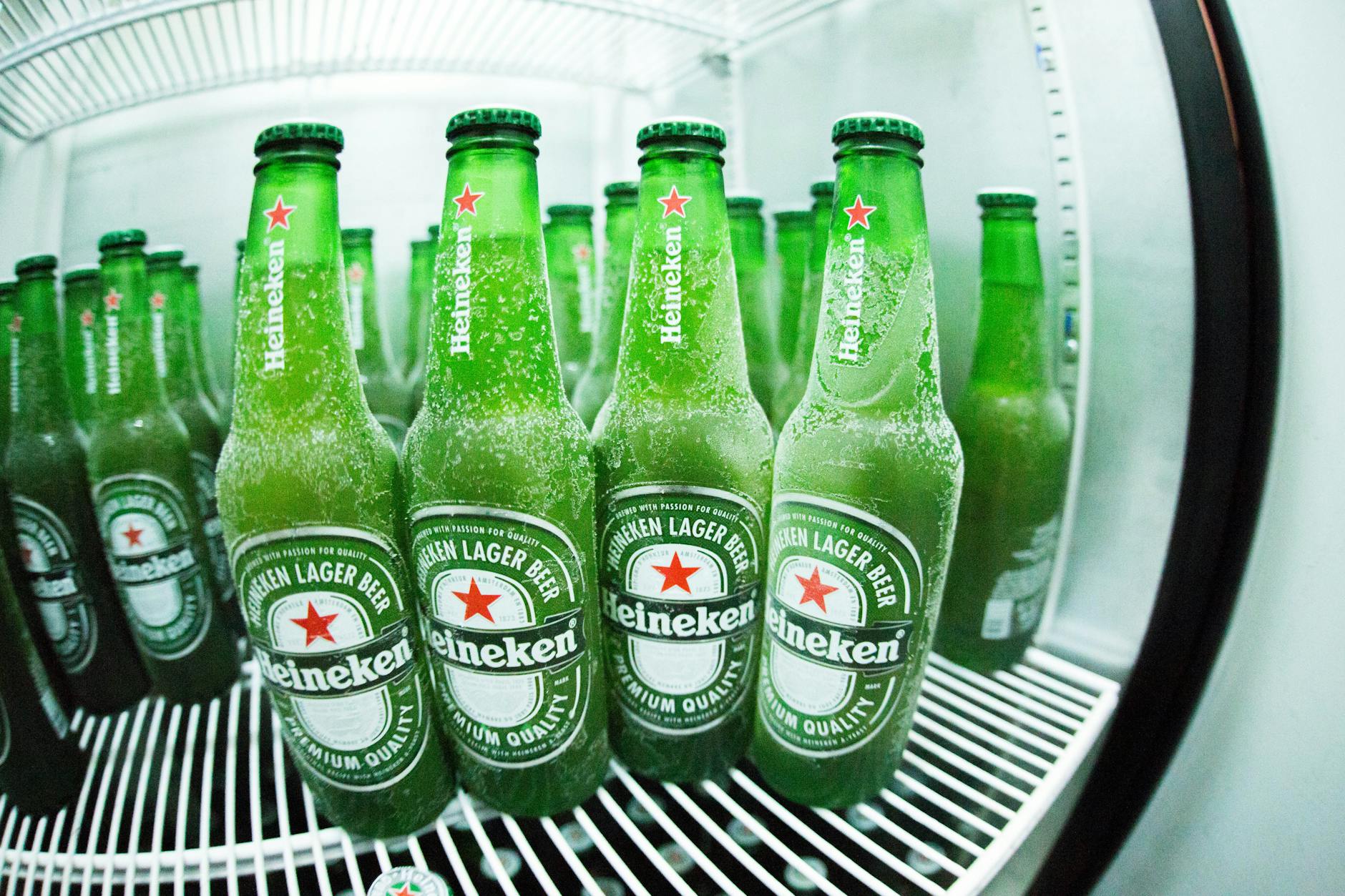
A thick layer of ice building up inside the freezer compartment points to a failing defrost system. Modern appliances feature automatic defrost cycles to prevent this exact type of glacial accumulation. When frost coats the walls it acts as an insulator and forces the system to work harder to freeze items. Chipping away the ice only provides a temporary fix to a deeper mechanical flaw. Unchecked frost buildup eventually creeps into the air vents and blocks cold air from reaching the lower compartments.
Overheated Exterior
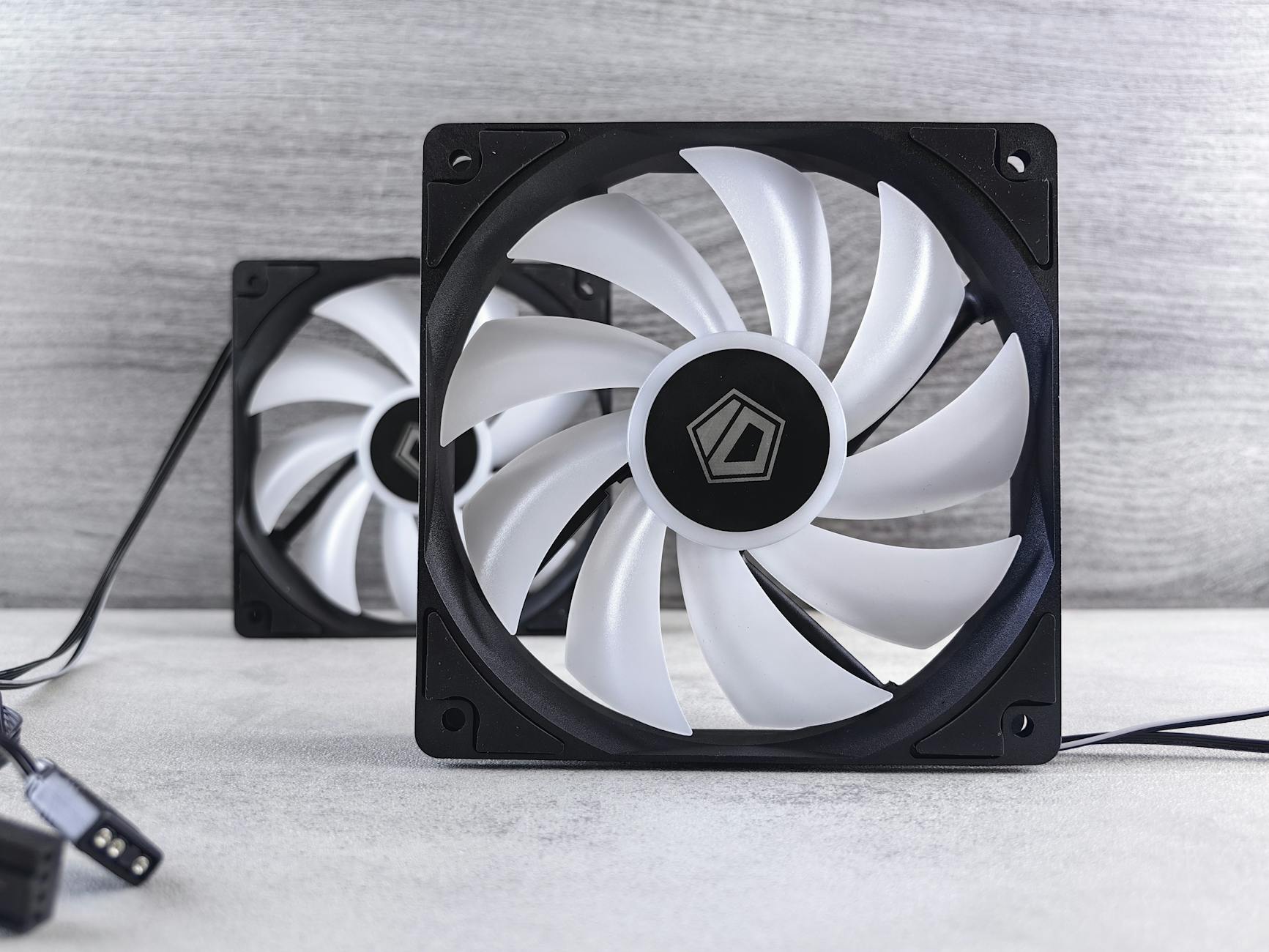
The back of a refrigerator normally emits a mild warmth as the motor displaces internal heat. Feeling an intense heat radiating from the exterior panels indicates heavily strained condenser coils. Dust accumulation often causes this overheating by preventing the coils from dissipating warmth efficiently. A motor running at these high temperatures degrades internal components at an accelerated rate. Frequent cleanings help but persistent heat implies an overworked or failing internal cooling system.
Unexplained Puddles
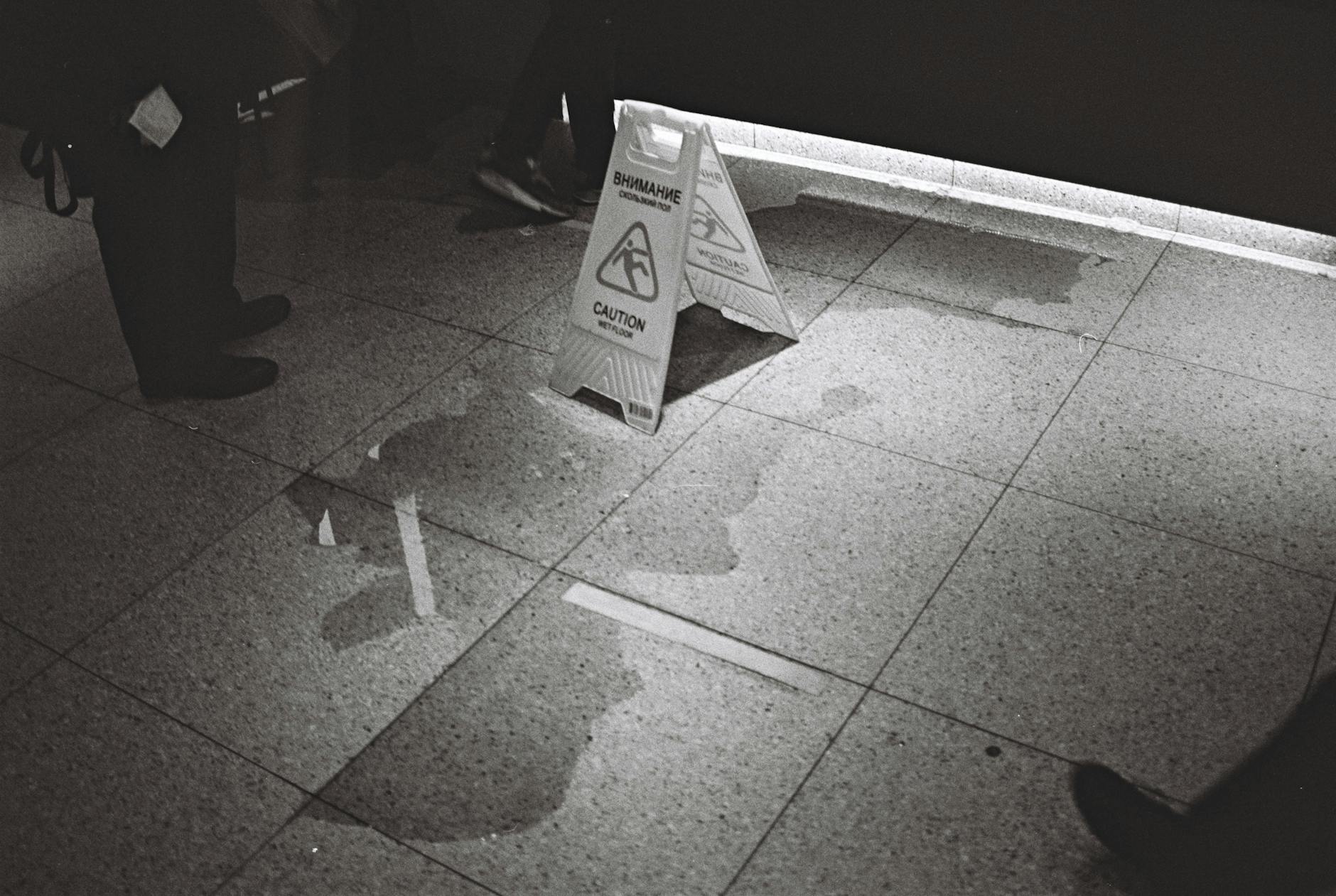
Finding small pools of water accumulating around the base of the appliance requires immediate investigation. This leakage usually stems from a cracked drain pan or a blocked defrost drain tube. Water pooling underneath the unit damages expensive kitchen flooring while encouraging pest infestations. Continuous leaking suggests the internal plumbing components have become brittle and compromised. Fixing structural leaks often proves more difficult than replacing basic electrical parts.
Constant Motor Operation
A healthy compressor cycles on and off periodically to maintain the desired internal climate. A motor that runs without stopping indicates the unit struggles to reach or hold the target temperature. This relentless operation puts immense wear and tear on every moving part within the cooling system. An continuously running motor accelerates the inevitable breakdown while draining excessive electricity. Only extremely high ambient room temperatures justify continuous operation for brief periods.
Persistent Unpleasant Odors

Foul smells that remain after a thorough cleaning and discarding of old food indicate hidden issues. The plastic interior might absorb odors from fluids leaking out of a cracked cooling line. Sometimes a dying motor emits a faint burning smell that permeates the kitchen environment. Freon leaks carry a distinct chemical scent that requires immediate professional containment. A persistently smelly appliance compromises the taste and safety of all stored provisions.
Spiking Energy Bills
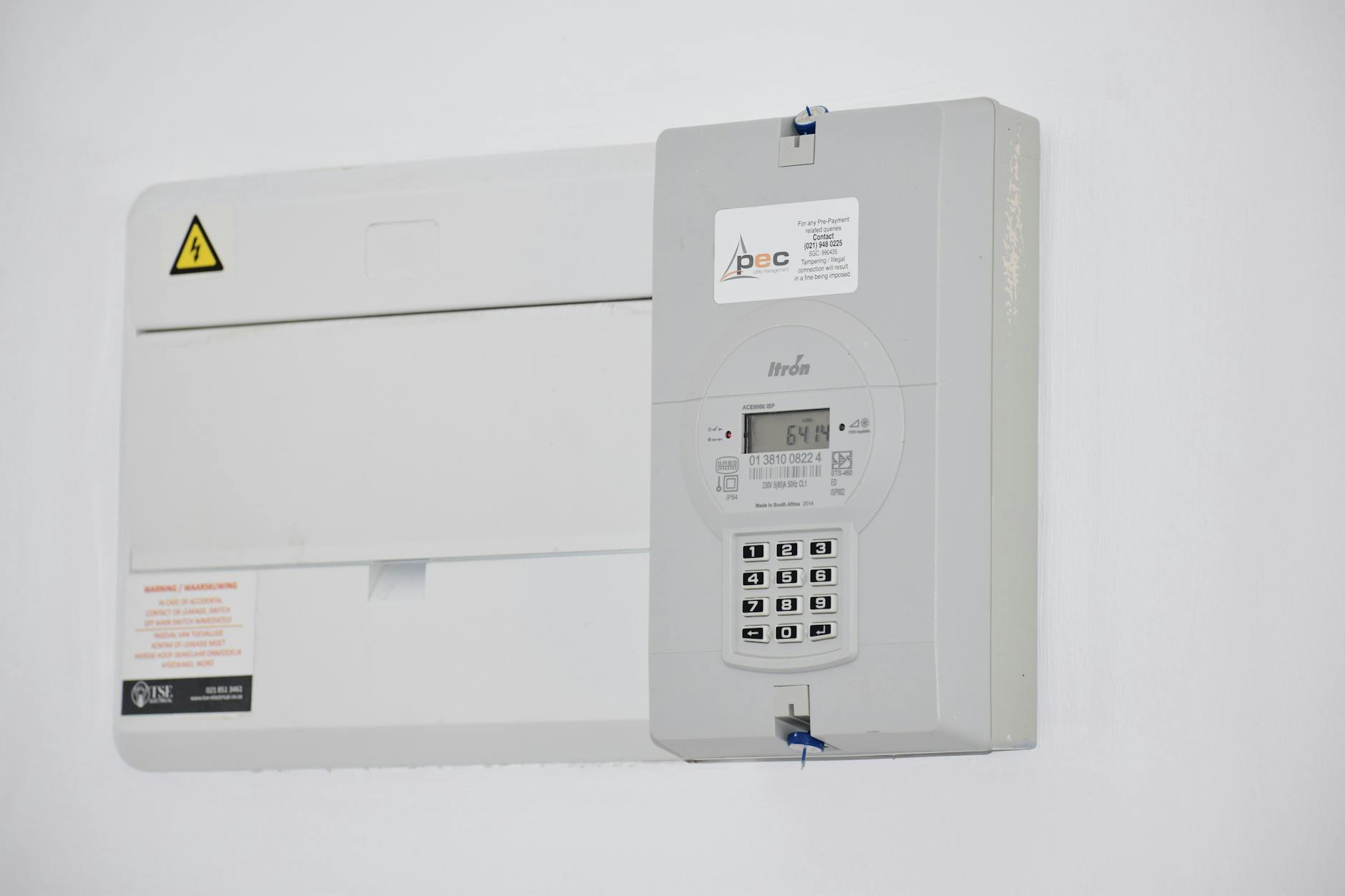
An unexpected increase in monthly electricity costs often traces back to a struggling major appliance. Older refrigerators lose their energy efficiency as seals degrade and mechanical parts succumb to friction. The appliance draws extra power to compensate for these physical shortcomings and cool the interior. Monitoring your utility statements helps identify this invisible drain on household finances. Comparing the repair costs against energy savings often justifies purchasing a newer model.
Degraded Door Seals

The rubber gaskets lining the doors keep cold air locked safely inside the compartments. Cracked or brittle seals allow warm kitchen air to constantly seep into the chilled environment. Testing the seal with a simple piece of paper reveals areas where the magnetic grip has failed. Weakened gaskets force the compressor to run overtime to counter the endless influx of ambient heat. Replacing these strips occasionally extends the appliance lifespan but frequent failures hint at severe door misalignment.
Fluctuating Internal Temperatures

Finding half frozen lettuce in the crisper while beverages on the top shelf remain lukewarm signals trouble. Cold air must circulate evenly throughout the entire cabinet to ensure proper food safety. Blocked vents or a failing evaporator fan prevent this essential distribution of chilled air. These drastic temperature swings create unsafe zones where bacteria multiply rapidly. Consistent cooling across all shelves remains the hallmark of a reliable kitchen appliance.
Failing Ice Maker
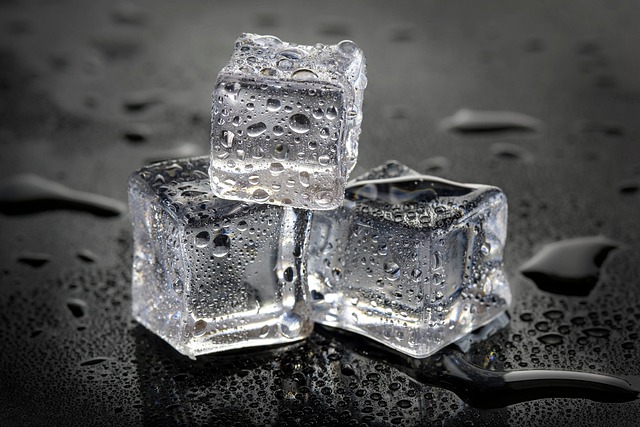
An ice maker that stops producing cubes or creates tiny hollow shells points to plumbing or cooling defects. The water inlet valve might fail to open completely and restrict the necessary water flow. Alternatively the freezer might struggle to reach the specific subzero temperature required to trigger the ice harvest cycle. A malfunctioning ice dispenser often serves as the first noticeable symptom of a broader system failure. These secondary features typically break down before the main cooling engine gives out completely.
Unusually Quiet Operation

Total silence from a major kitchen appliance is just as concerning as excessive noise. If you never hear the gentle click of the compressor engaging the unit is likely completely dead. A broken start relay prevents the motor from receiving the necessary electrical jolt to begin cooling. Opening the door to find an unlit interior and complete silence confirms a major electrical failure. At this point the refrigerator has transformed into a simple insulated cabinet and requires immediate attention.
Blistering Interior Walls
The smooth plastic lining of the fresh food compartment should remain flat and pristine. Bubbling or cracking plastic indicates structural failure or chemical reactions from leaking refrigerants. These surface defects make proper sanitation impossible and harbor dangerous bacteria in the crevices. Structural degradation of the inner shell cannot be repaired through normal maintenance procedures. Such visual deterioration serves as a clear indicator that the appliance has completely outlived its usefulness.
Advancing Age

Most standard refrigerators are designed to function reliably for roughly one decade. Appliances surpassing this milestone operate on borrowed time regardless of their current condition. Sourcing replacement parts for older models becomes increasingly difficult and expensive. Newer units offer advanced energy efficiency standards that make older models obsolete. Upgrading an ancient refrigerator prevents the sudden crisis of a complete mechanical failure.
Tell us about the warning signs your kitchen appliances gave before breaking down by sharing your experiences in the comments.