Worn tires can quietly reduce grip, increase stopping distance, and make a vehicle far more likely to skid in rain or snow. Many warning signs show up long before a tire fails completely, but they are easy to miss if you only glance at the tread. Knowing what to look for helps you replace tires before they become a safety risk and before they cause damage to suspension or steering components. The most important clues include changes in tread depth, visible damage, and unusual driving behavior. Use these signs as a checklist and inspect all four tires, not just the front pair.
Tread Depth Is Below Safe Limits
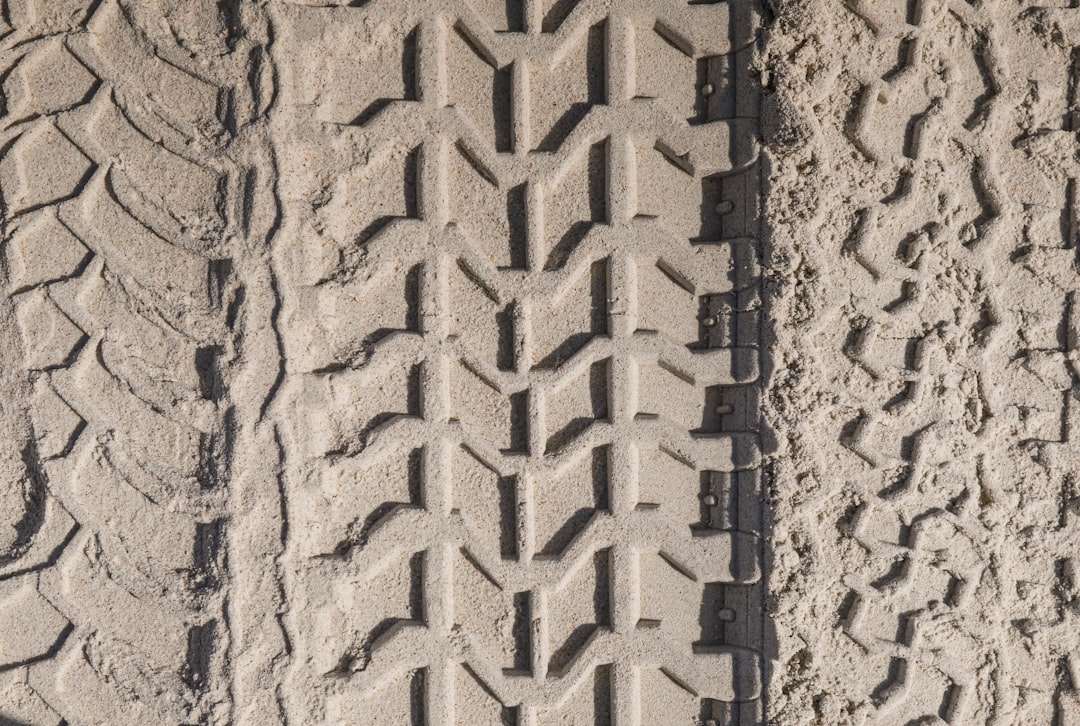
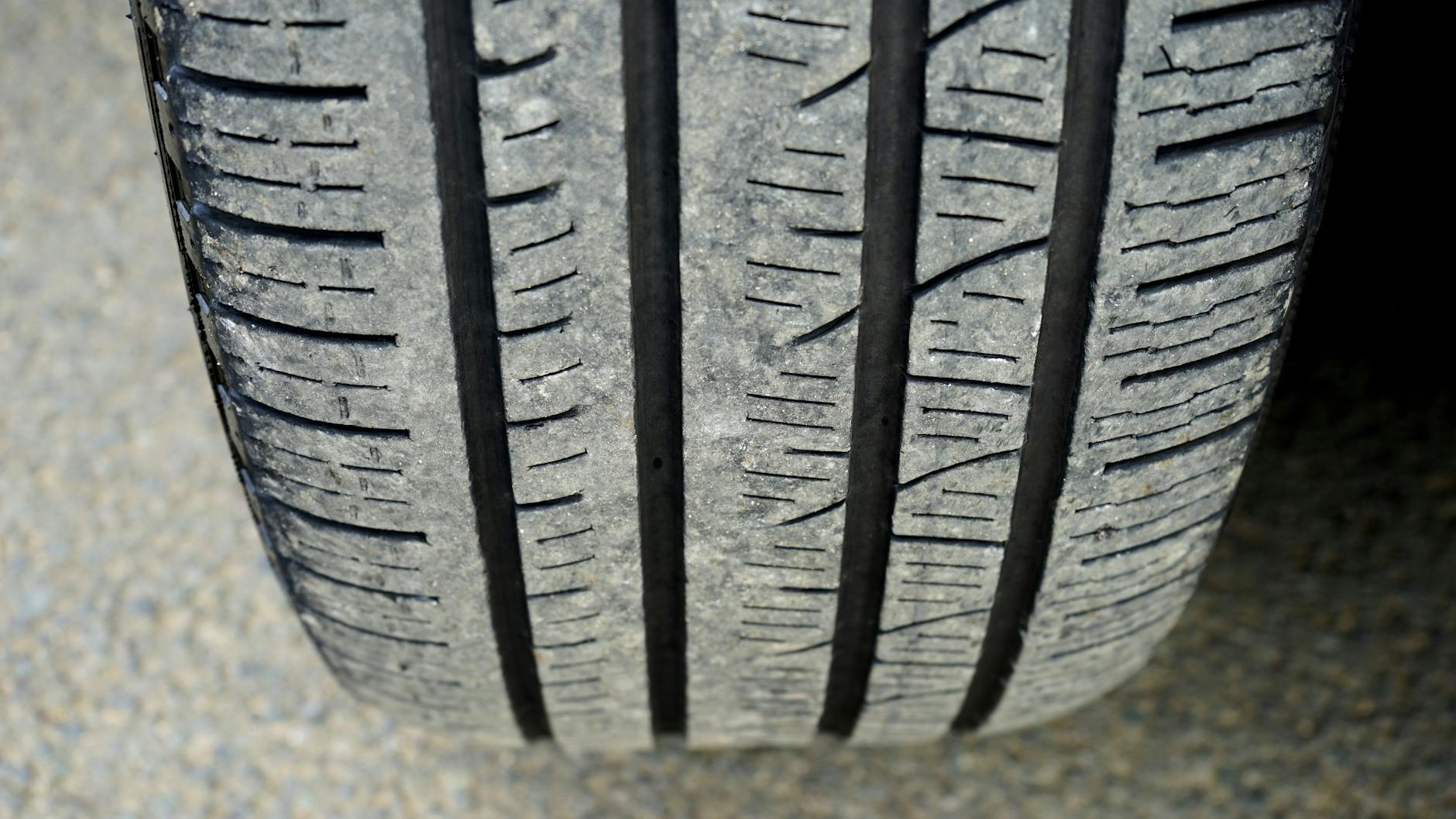
A tire with shallow tread cannot move water away fast enough, which raises the risk of hydroplaning on wet roads. If the grooves look flattened or the tread blocks are barely defined, traction is already compromised. Built in tread wear indicators become visible as raised bars across the grooves when the tire is near the end of its usable life. Comparing multiple spots across the tire matters because one area can wear faster than the rest. Replacing early is often cheaper than dealing with a loss of control or a blowout.
The Tire Wear Bars Are Flush With the Tread
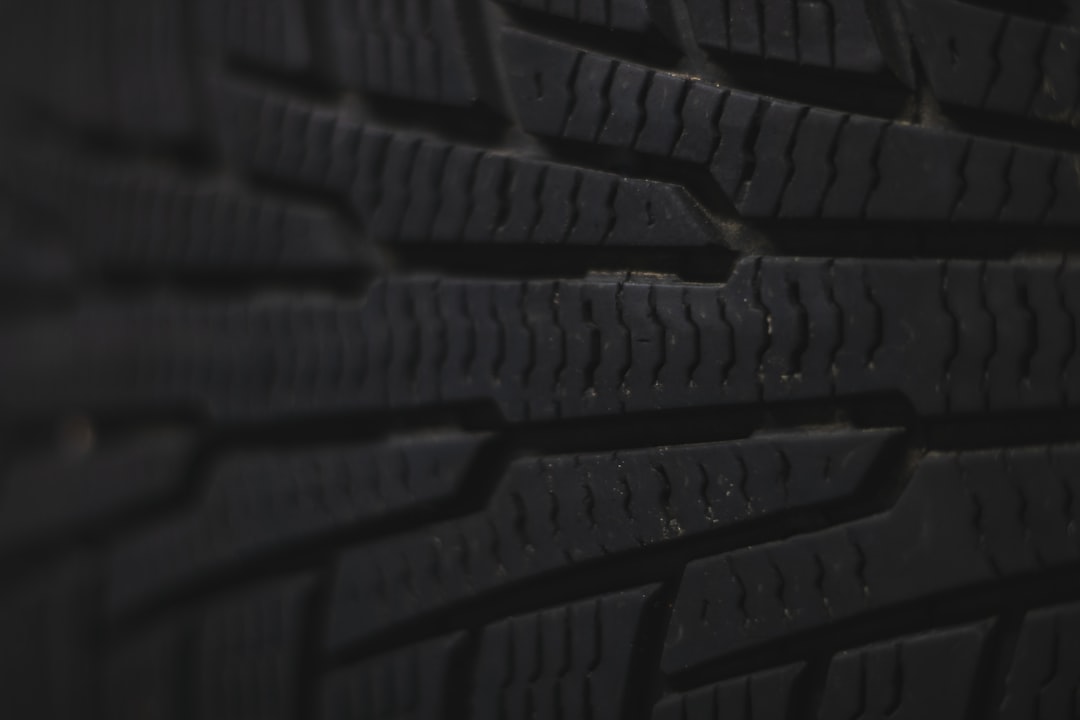
Most tires include wear bars molded into the grooves that act as a visual warning system. When the tread wears down to the same height as these bars, the tire is no longer able to perform properly in rain. The surface may look smoother and the channels may appear broken up by straight ridges. This condition is a clear sign the tire has reached a point where wet braking and cornering become unreliable. If wear bars are showing on any tire, that tire should be replaced.
Uneven Wear Across the Tire
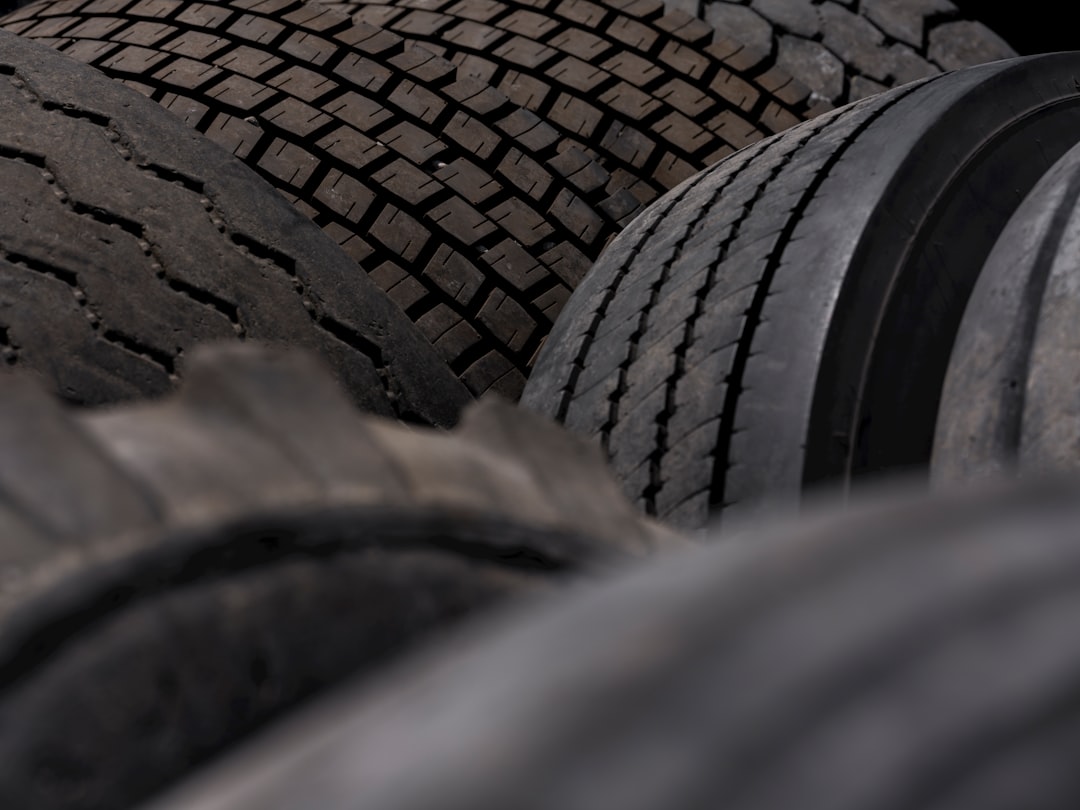
Tread that is worn more on one edge, in the center, or in patches often signals alignment, inflation, or suspension problems. Outer edge wear can be linked to frequent hard cornering or misalignment, while center wear is commonly associated with over inflation. Excessive wear on both edges can indicate under inflation, which also increases heat buildup. A scalloped or cupped pattern can point to worn shocks or balance issues. Replacing the tire without fixing the cause can lead to the new tire wearing out quickly.
Cracks in the Sidewall or Tread
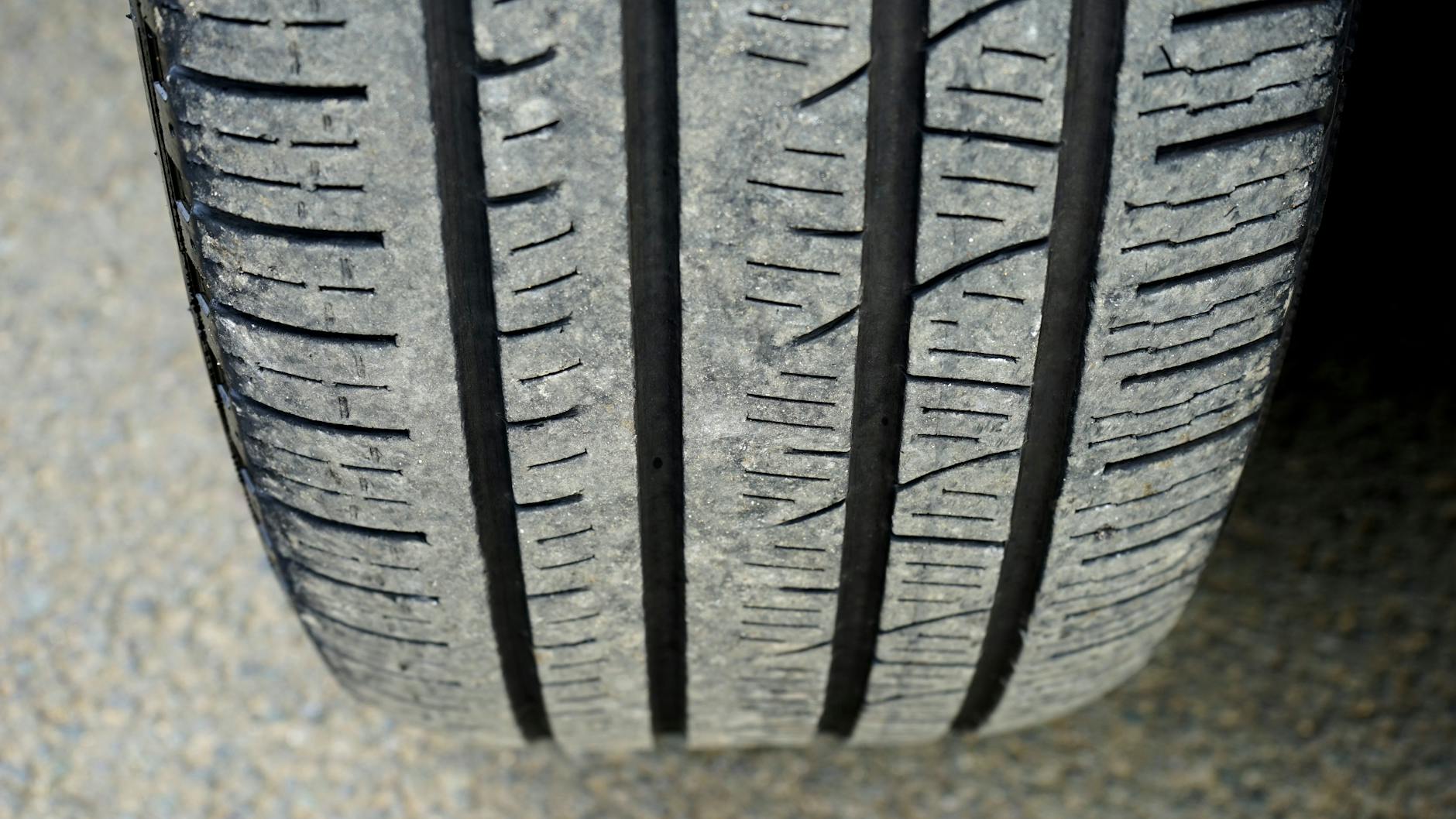
Small cracks in the rubber can appear as the tire ages and loses flexibility. Sidewall cracking is especially concerning because the sidewall carries load and flexes constantly while driving. Cracks can deepen over time and may lead to air leaks or sudden failure under stress. Sun exposure, temperature swings, and long periods of sitting can accelerate this aging process. Any noticeable cracking should trigger a closer inspection and often a replacement decision.
Bulges, Blisters, or Sidewall Bubbles
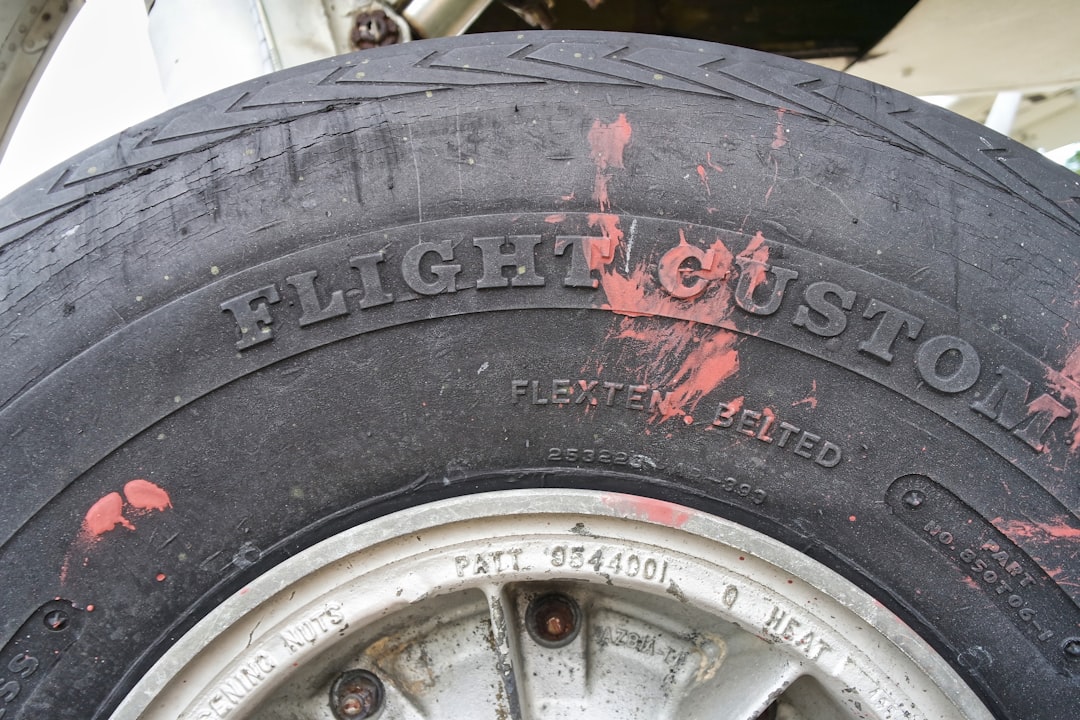
A bulge on the sidewall typically means the internal structure has been damaged, often from hitting a pothole or curb. The rubber may look swollen in one spot and feel softer than the surrounding area. This kind of damage can lead to a sudden blowout, especially at higher speeds. It is not a cosmetic issue and it cannot be reliably repaired. If a bulge is present, the tire should be replaced immediately.
Visible Cords or Fabric
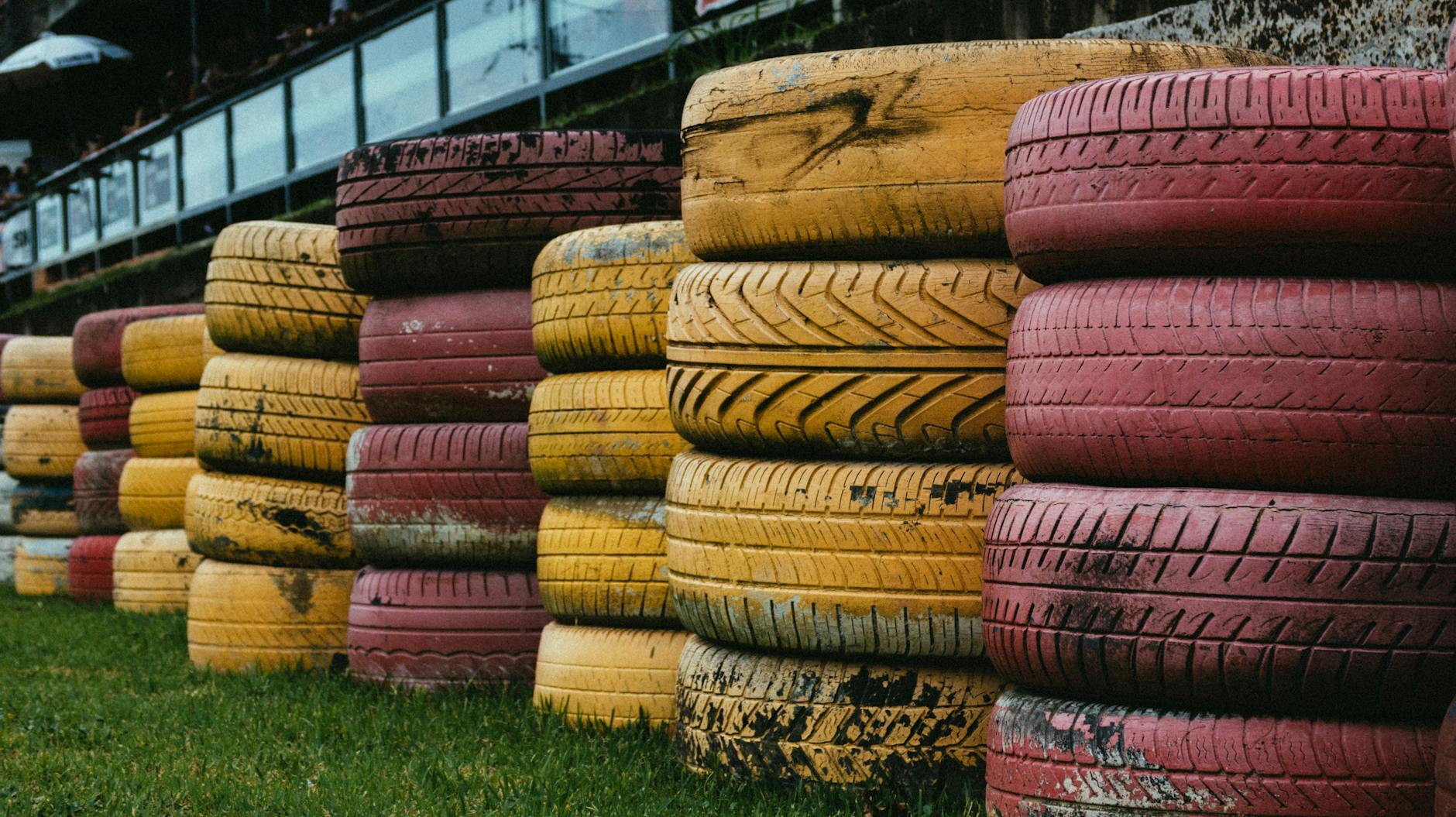
If you can see thread like material, steel belts, or fabric beneath the rubber, the tire is past safe use. This exposure indicates the protective tread layer has worn through or been torn away. Driving on a tire in this condition can cause rapid air loss or a complete failure. It also reduces braking and handling even on dry roads. A tire showing cords should not be driven except for the shortest possible move to a safe location.
Frequent Loss of Air Pressure
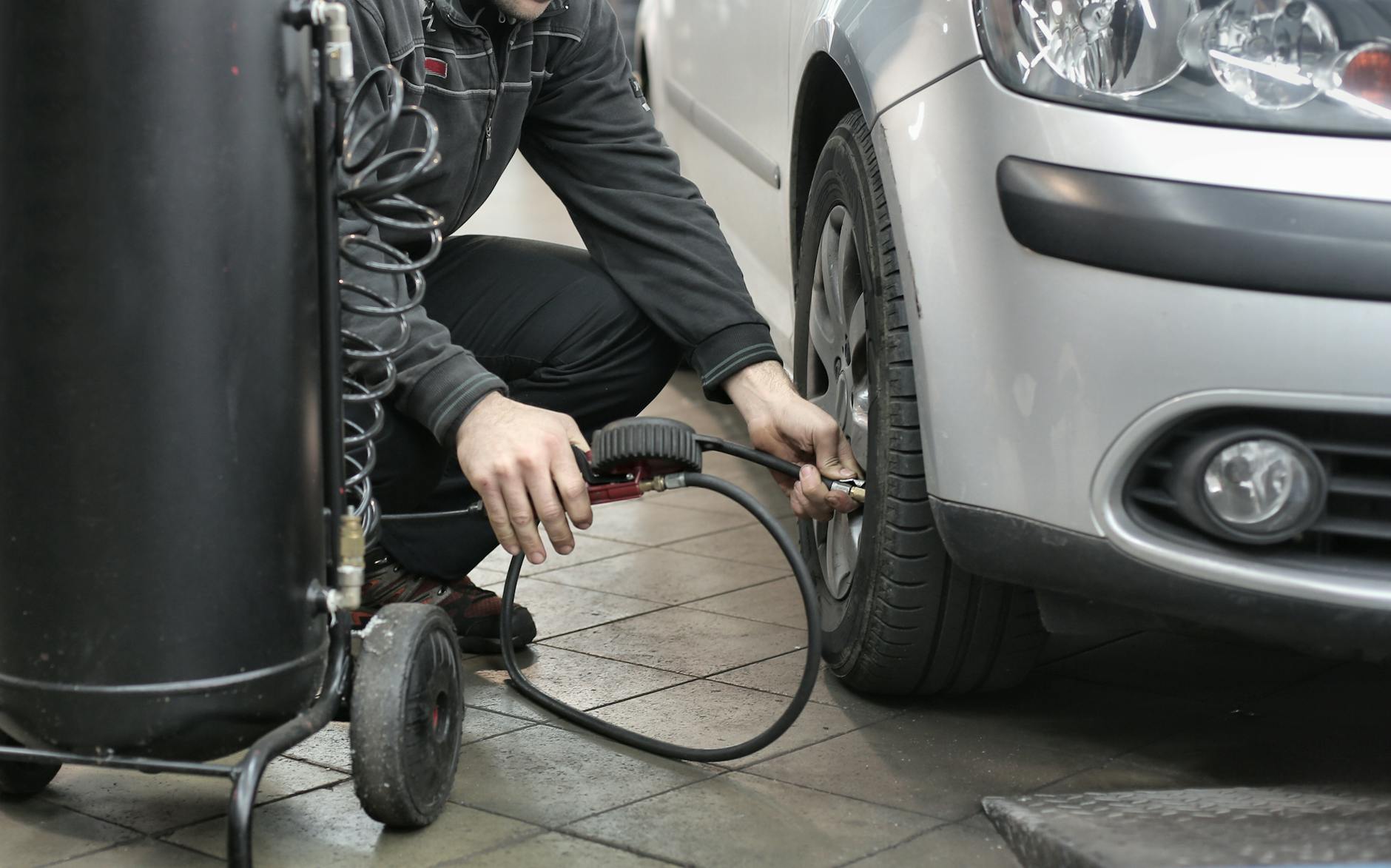
A tire that needs air often may have a slow puncture, a leaking valve stem, or damage along the bead where it seals to the rim. Aging rubber can also develop tiny leaks that are hard to spot without testing. Consistently low pressure increases rolling resistance and heat, which accelerates wear and raises blowout risk. It also changes the tire contact patch, hurting grip and braking. If you are topping up the same tire repeatedly, it needs inspection and may need replacement.
Vibrations That Worsen With Speed
Vibration can come from wheel balance issues, but it can also signal tire damage such as a separated belt or an out of round tire. If the vibration is new, stronger than usual, or changes with speed, the tire should be checked promptly. A tire with internal separation may look normal from the outside while becoming increasingly unstable. This problem can worsen quickly and affect steering control. Persistent vibration should be treated as a safety warning rather than a comfort issue.
Longer Stopping Distances and Reduced Wet Grip

When tires lose tread, they often feel fine on dry roads but become unpredictable in rain. You may notice the vehicle takes longer to stop, slides more easily, or activates traction control more often. Cornering can feel less stable, especially on wet roundabouts or highway ramps. These changes typically appear gradually, so they can be mistaken for normal road conditions. If wet grip feels noticeably worse than it used to, tire wear is a likely contributor.
Age Related Hardening and Dry Rot
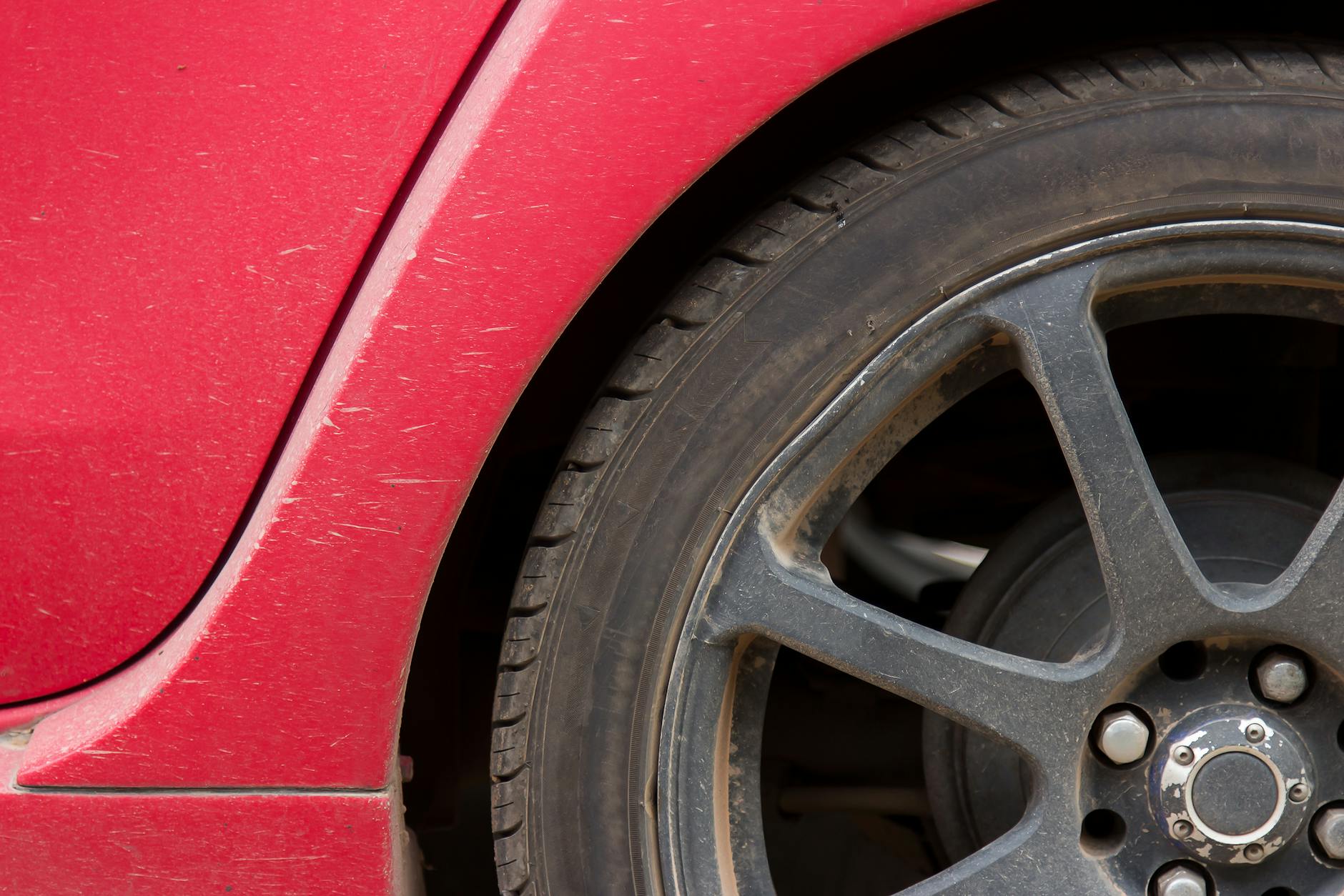
Even if a tire has tread left, rubber compounds age and can harden over time. Harder rubber reduces grip, especially in colder temperatures, and can increase cracking risk. Tires that have sat unused for long periods may look fine but perform poorly once driven. Visual signs include fine surface checking, a dull dry appearance, and reduced flexibility in the sidewall. Older tires should be inspected carefully because age can make them unsafe even with adequate tread.
Share which of these tire warning signs you have noticed lately and what steps you take to keep your tires safe in the comments.