Termite damage in wood furniture can be easy to miss at first because it often starts inside the wood. Early detection helps you prevent further weakening of joints, legs, and load bearing panels. Some signs look like everyday wear, but patterns like hollow channels or gritty residue point to insect activity. Knowing what to check can help you decide when to isolate the piece, document the damage, and contact a pest professional.
Hollow Sound When Tapped
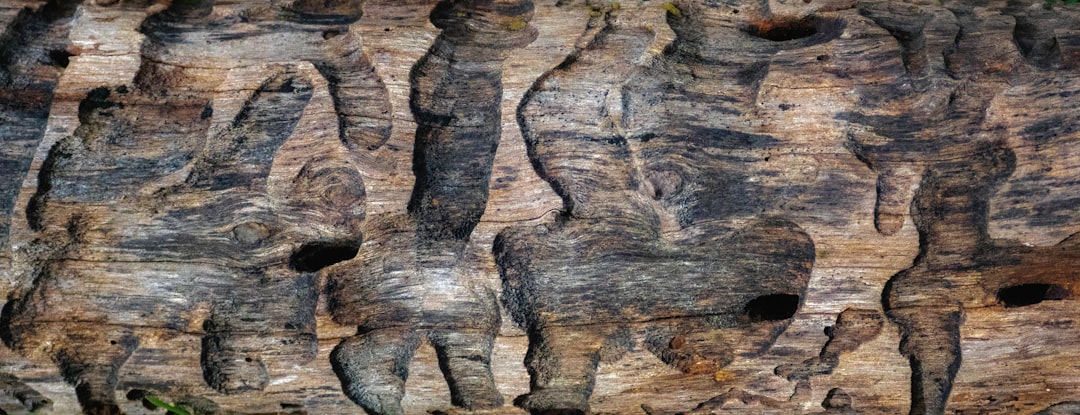
Gently tap different areas with your knuckle, especially legs, corners, and underside panels. Healthy solid wood usually sounds dense, while termite damaged wood can sound papery or hollow. The difference is often most noticeable near joints where termites feed along the grain. Compare the sound across similar parts of the piece to spot uneven weakening.
Blistered or Bubbling Finish
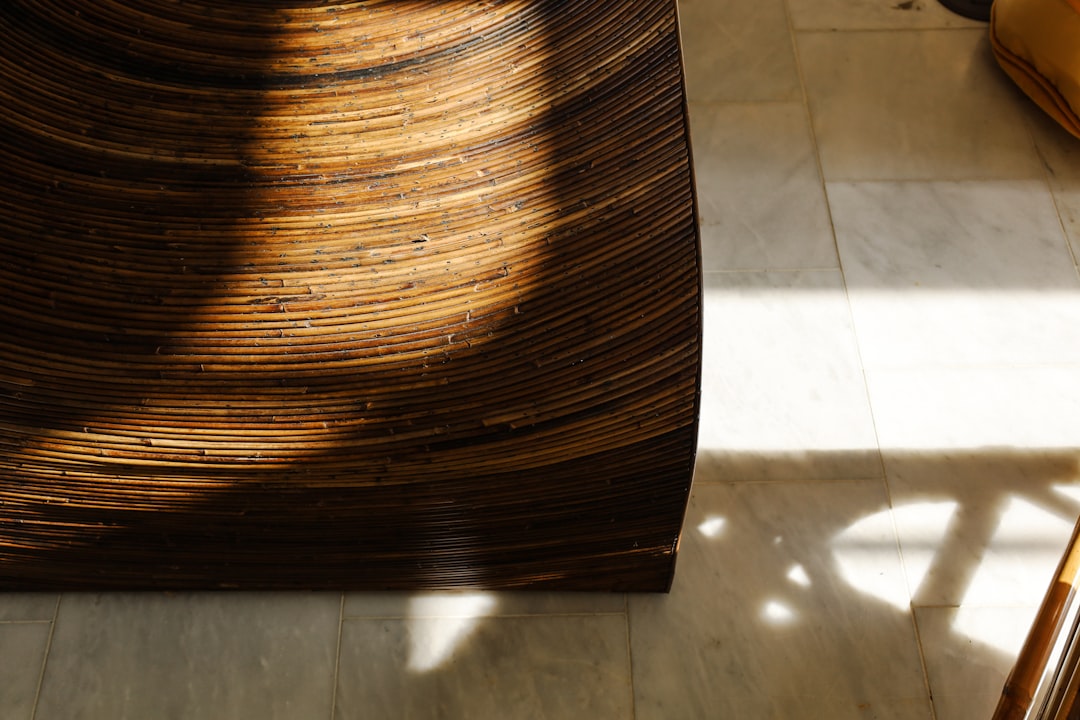
Paint, lacquer, or veneer can lift when termites tunnel just beneath the surface. The finish may look bubbled, rippled, or slightly raised in irregular patches. Pressing lightly can reveal a soft spot that flexes more than surrounding areas. This can also happen with moisture damage, so check nearby signs like frass or tiny holes.
Mud Tubes on or Near the Furniture
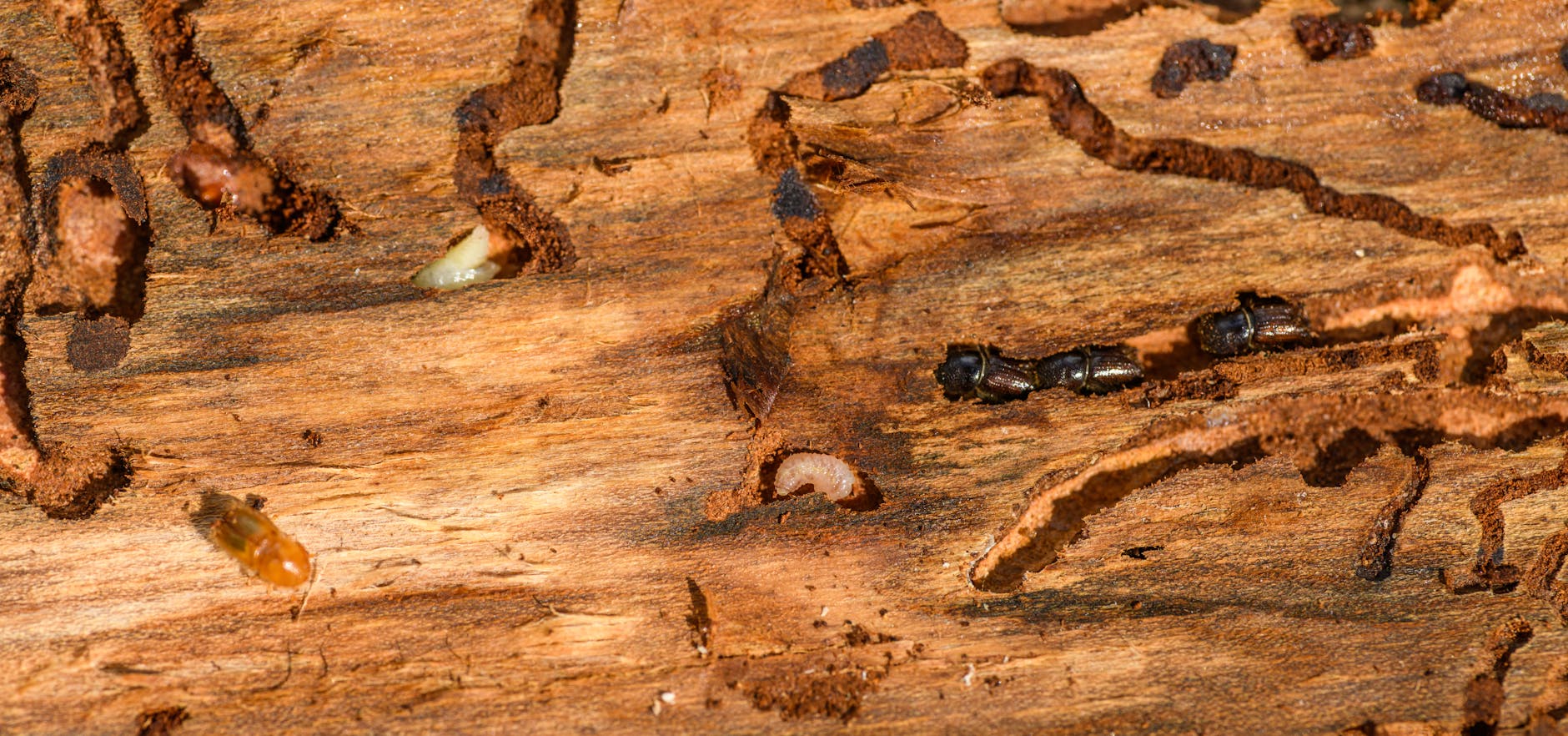
Subterranean termites build thin mud tubes to travel and retain moisture. These can appear as narrow dirt lines along the back of a cabinet, the underside of a table, or where furniture meets a wall or floor. The tubes may look dry and cracked if old, or damp if active. If you break a tube and it is rebuilt later, that suggests ongoing activity.
Fine Powder or Pellet Like Droppings
Drywood termites push waste out of small openings, leaving piles that look like sand, pepper, or tiny pellets. You may find this residue under a chair rung, inside drawers, or along base edges. Fresh frass often forms small mounds that reappear after cleaning. The texture is usually gritty and uniform compared with ordinary household dust.
Pin Sized Exit Holes
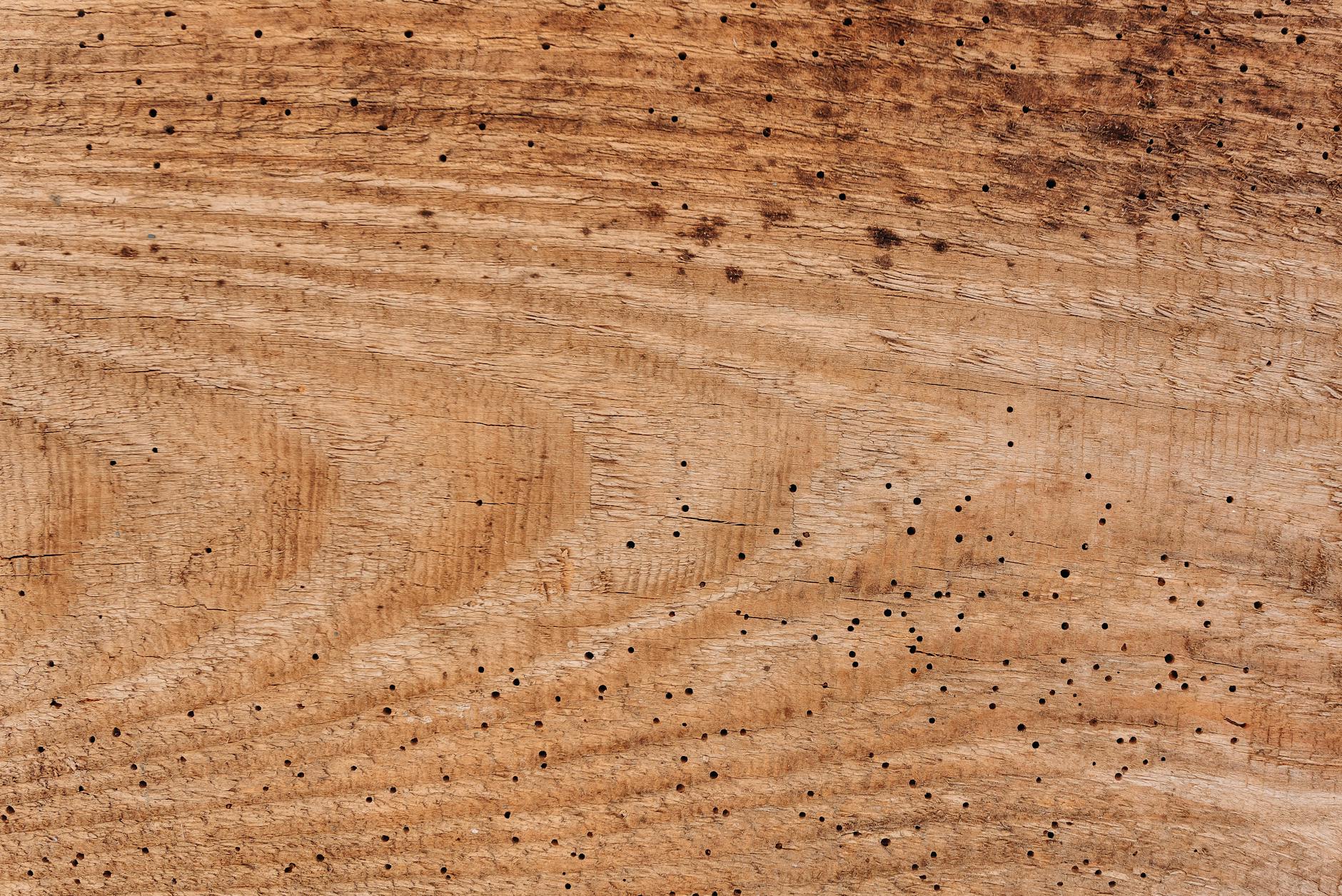
Small round holes can mark where termites or their waste exits the wood. These holes may be clustered in hidden areas like the back panel or underside. Look closely for matching piles of frass nearby because holes alone can also come from other insects. A flashlight held at an angle can make the openings easier to see.
Wood That Crumbles or Flakes Easily
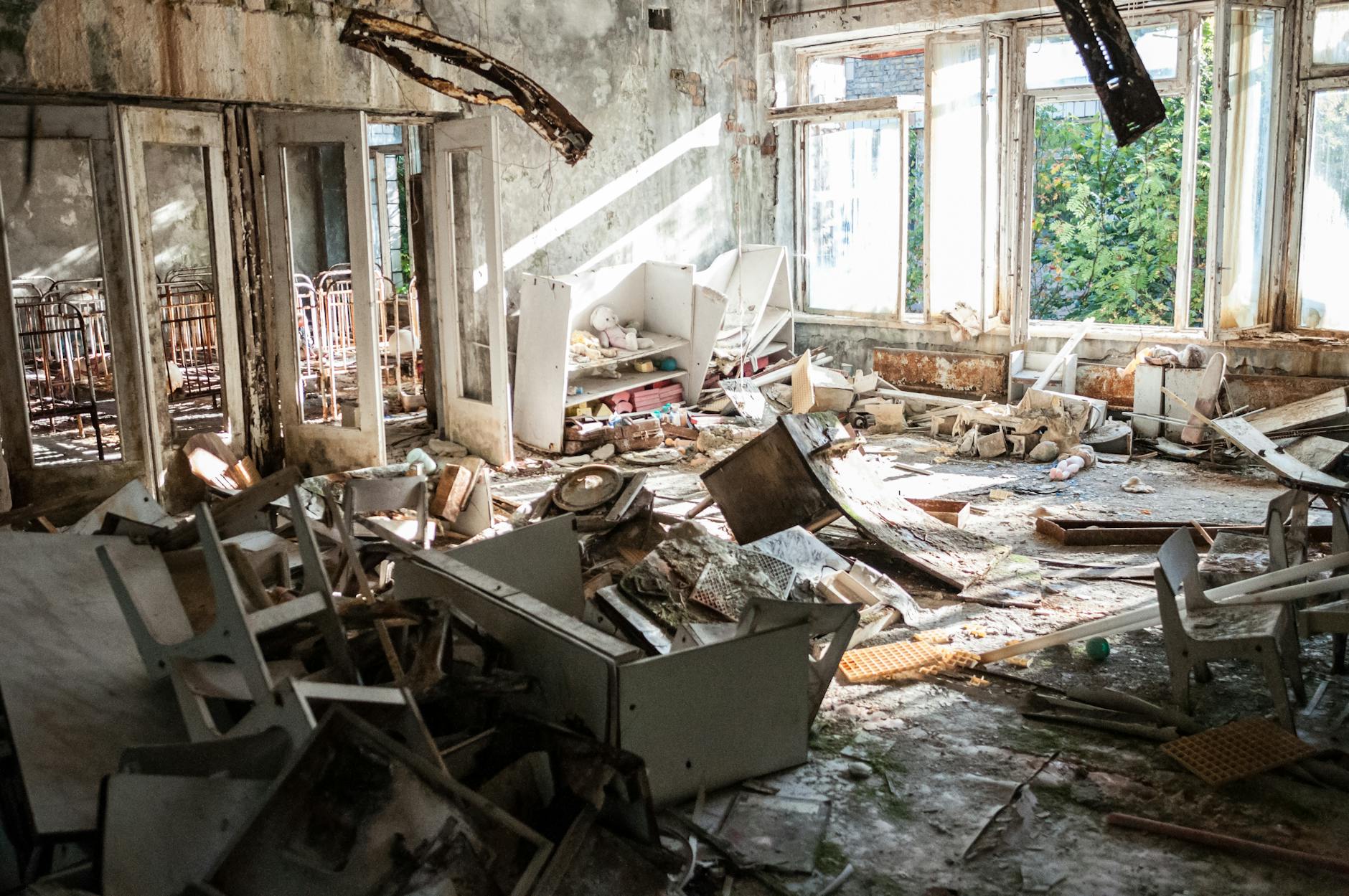
Termite feeding leaves thin layers that break apart with light pressure. When you press with a fingernail or a screwdriver tip, damaged wood may crumble instead of denting. This is especially concerning in legs, rails, and structural frames. Check any area that supports weight because failure can happen suddenly once the interior is compromised.
Soft Spots and Unexpected Sagging
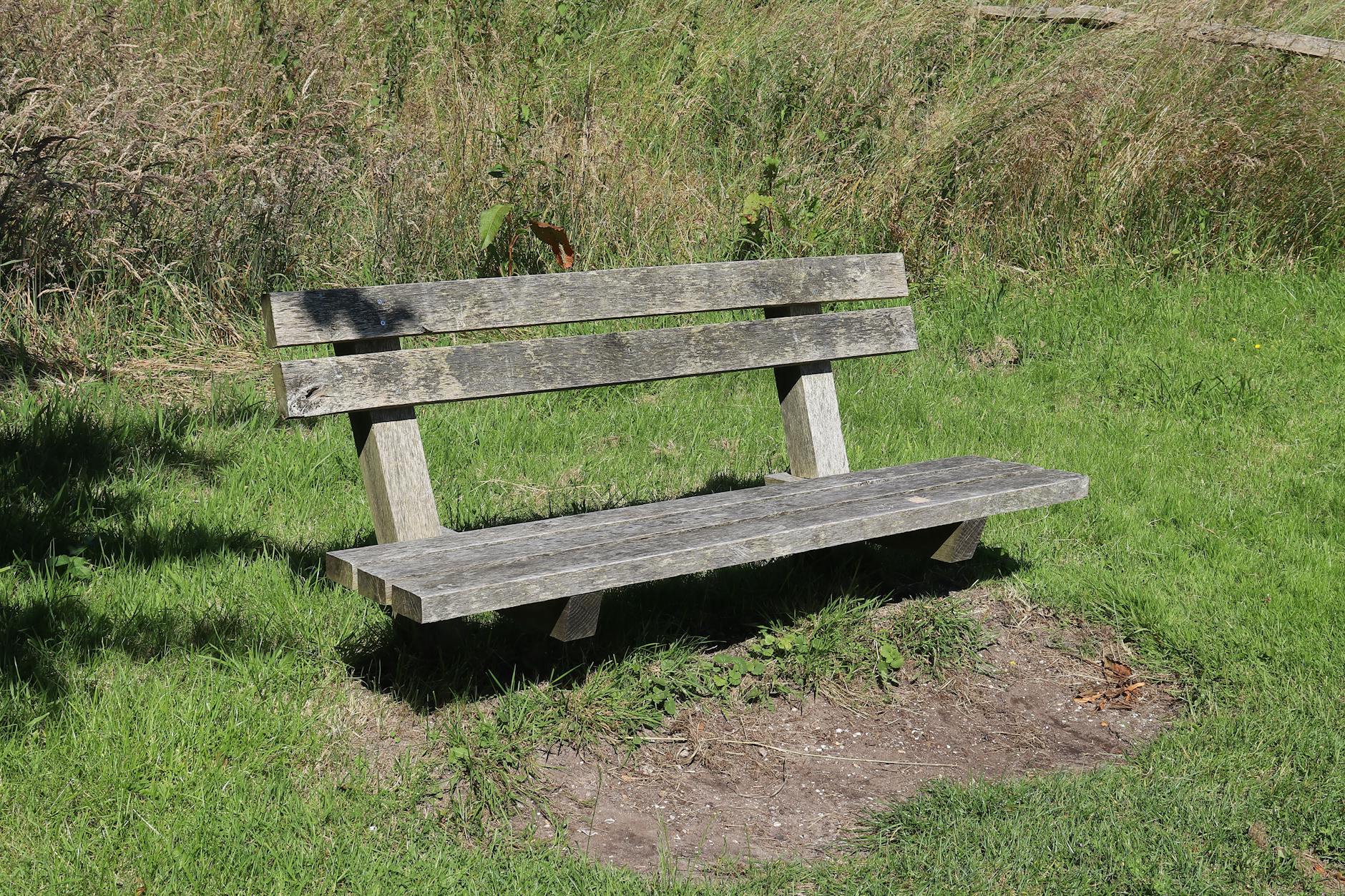
A shelf that bows, a tabletop that dips, or a chair seat frame that feels loose can indicate internal tunneling. Termites often follow the grain, weakening long spans without obvious surface damage. You might notice wobbling even after tightening screws because the surrounding wood no longer holds fasteners well. Compare the feel to an undamaged piece if possible to gauge the change.
Tight Doors or Sticky Drawers
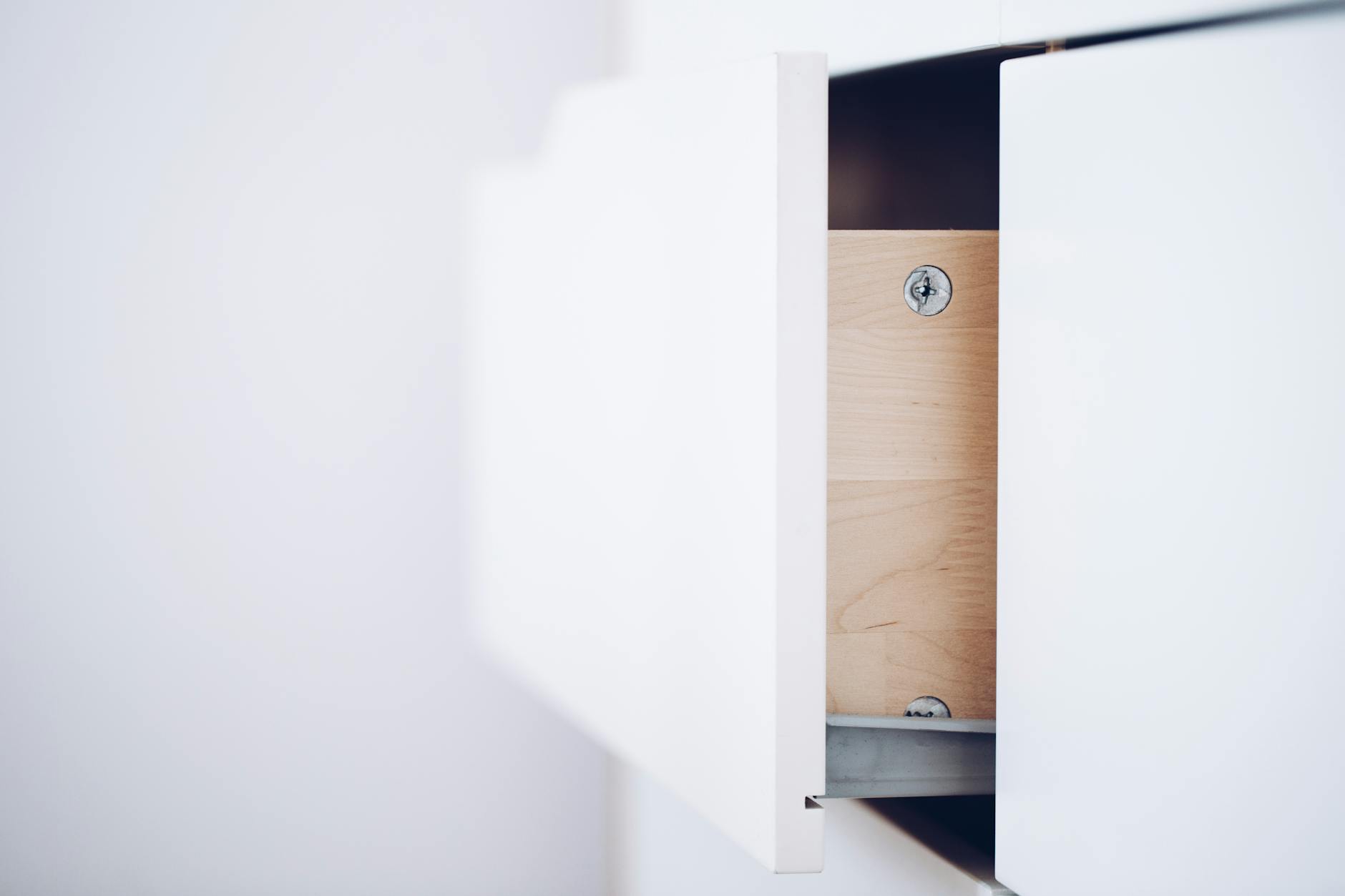
As termites damage internal wood fibers, panels can warp or shift out of alignment. Drawers may start rubbing, and cabinet doors may no longer close squarely. This can also happen with humidity changes, so look for additional signs like hollow sections or frass. Misalignment that worsens over time is more suspicious than a one time seasonal shift.
Maze Like Patterns Under Veneer
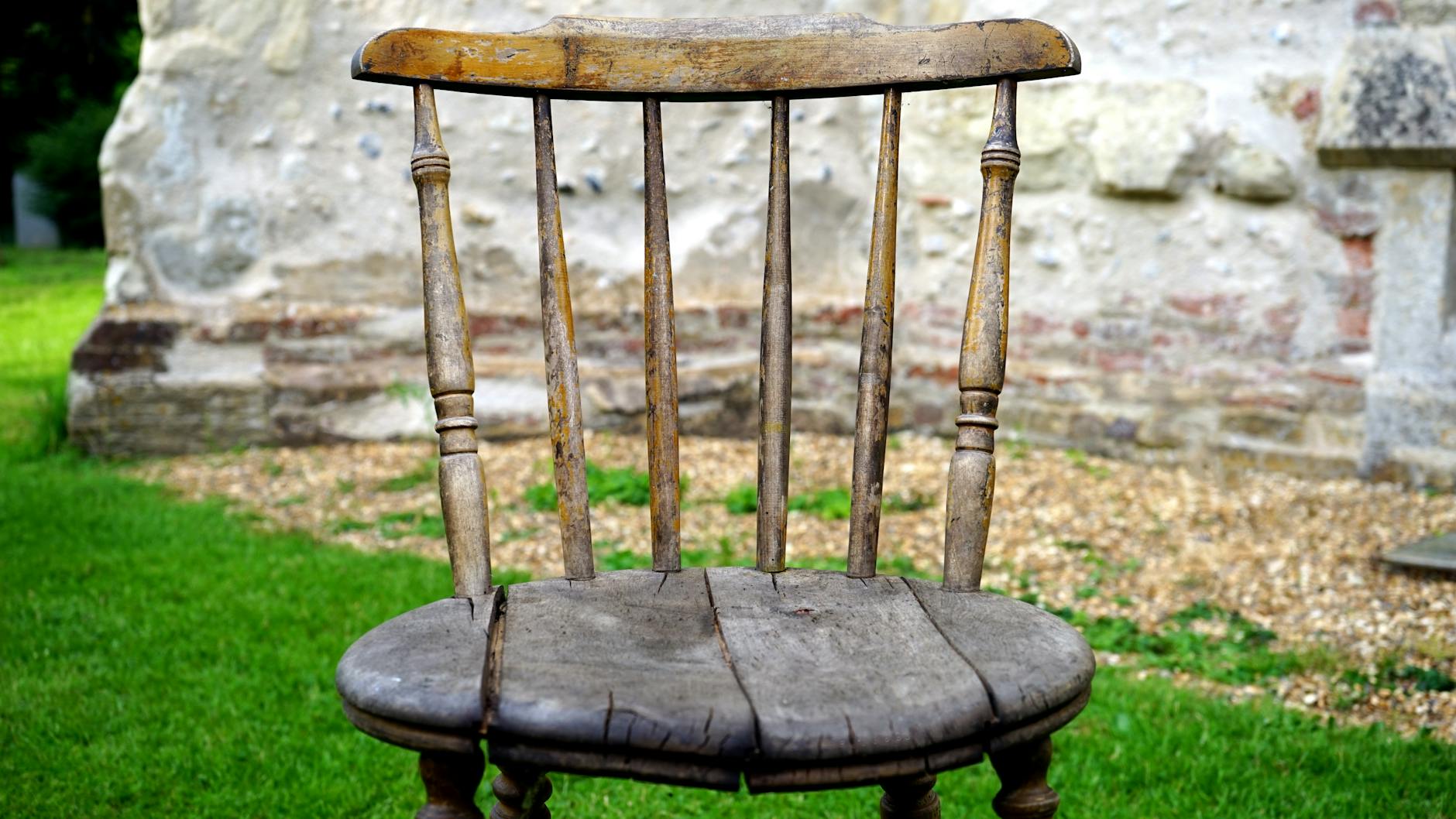
On veneered furniture, termite tunnels can show as faint winding lines or subtle ridges under the top layer. The surface may look uneven even if it is not cracked. Termites can feed beneath veneer because it hides their activity. If veneer is lifting at the edges, inspect underneath for galleries and gritty residue.
Visible Tunnels and Galleries in Exposed Wood
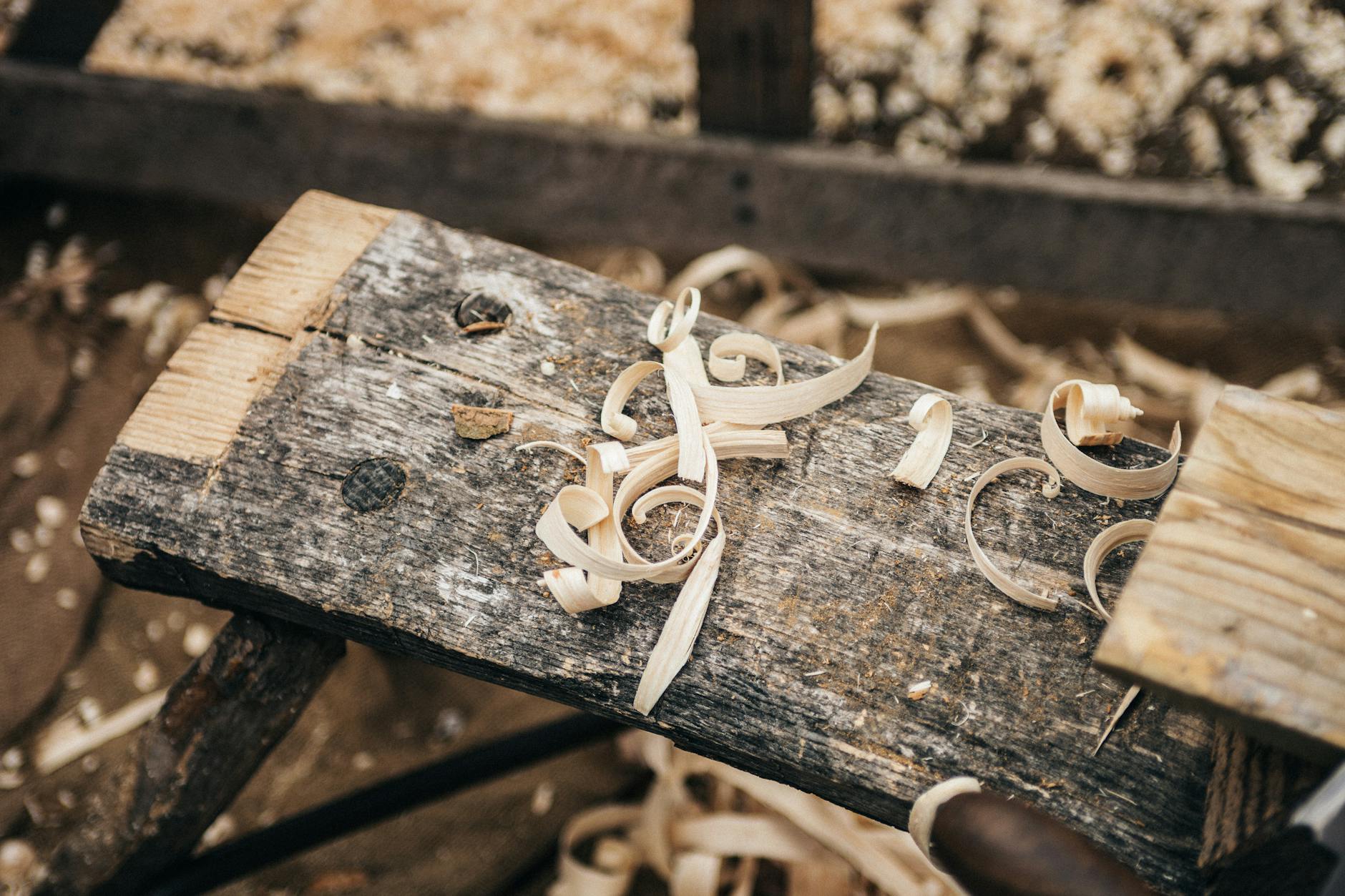
If you can see raw wood inside a joint, along a broken edge, or beneath a removable panel, look for smooth hollowed channels. Termite galleries often follow the grain and can appear layered or honeycombed. The interior may contain packed soil or a thin muddy film in some cases. Any visible network of tunnels is a strong indicator that the damage is not superficial.
Live Swarmers or Discarded Wings Nearby
Termite swarmers are winged adults that leave a colony to start new ones, and they often shed wings after landing. You might find small piles of translucent wings on windowsills, near lamps, or inside cabinets close to the furniture. Seeing swarmers indoors can coincide with furniture damage if a colony is nearby. If you notice wings together with wood symptoms, treat it as urgent.
Share what signs you have noticed in your home and what you did next in the comments.