
Behavioral food researchers have spent decades documenting the gap between why people think they eat and why they actually eat. The kitchen is not a neutral environment where rational hunger-driven decisions occur but a carefully constructed psychological landscape that exerts continuous influence on consumption before a single conscious food choice is made. Most of the cues operating in a kitchen environment are invisible not because they are hidden but because they are so familiar that the brain stopped registering them as influential long ago. The research emerging from food psychology laboratories consistently demonstrates that the physical and visual environment of a kitchen predicts eating behavior as reliably as hunger does. These are the 25 most documented and least recognized psychological cues in a typical kitchen that are quietly driving consumption upward every single day.
Plate Size
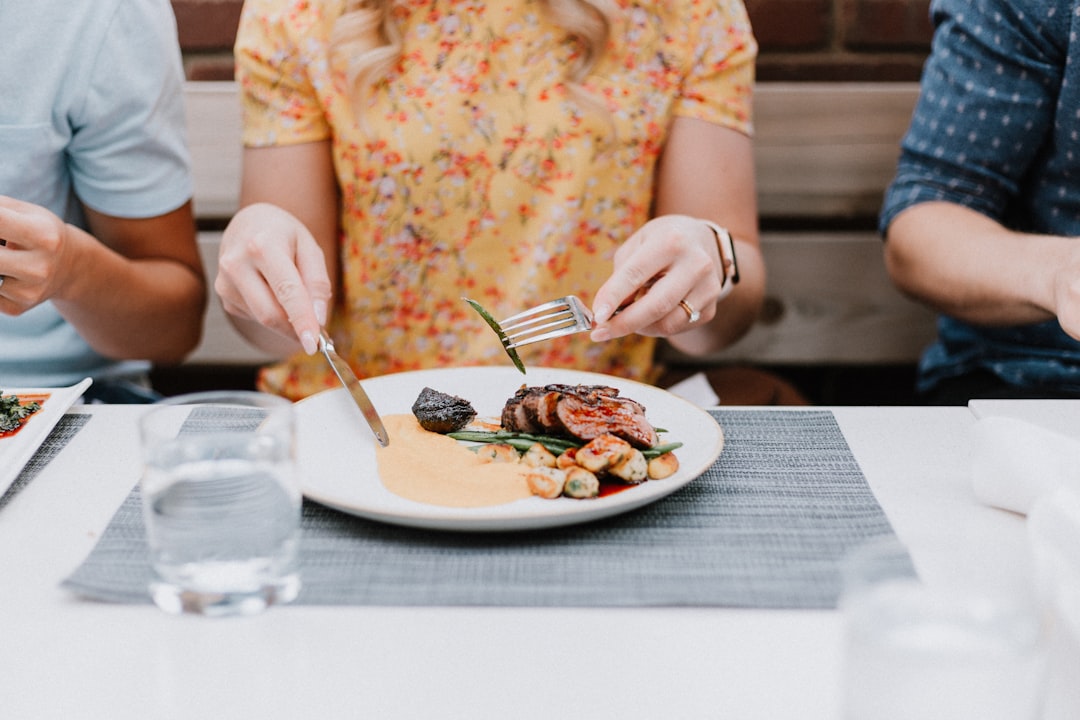
The single most replicated finding in behavioral food research is that the diameter of the plate food is served on directly and predictably influences the volume of food consumed at that meal. A standard dinner plate diameter increased from nine inches to twelve inches across the past five decades in parallel with documented increases in average portion sizes and caloric intake in the populations that use them. The Delboeuf illusion, a well-characterized optical phenomenon, causes the brain to perceive the same volume of food as significantly less when surrounded by a large expanse of white plate compared to the same food filling a smaller plate to its edges. Research participants who are explicitly informed about this effect and told to compensate for it still serve themselves measurably more food on larger plates than on smaller ones. The compensation mechanism that conscious awareness is supposed to provide is essentially unavailable against a perceptual effect operating below the level of deliberate attention.
Food Visibility
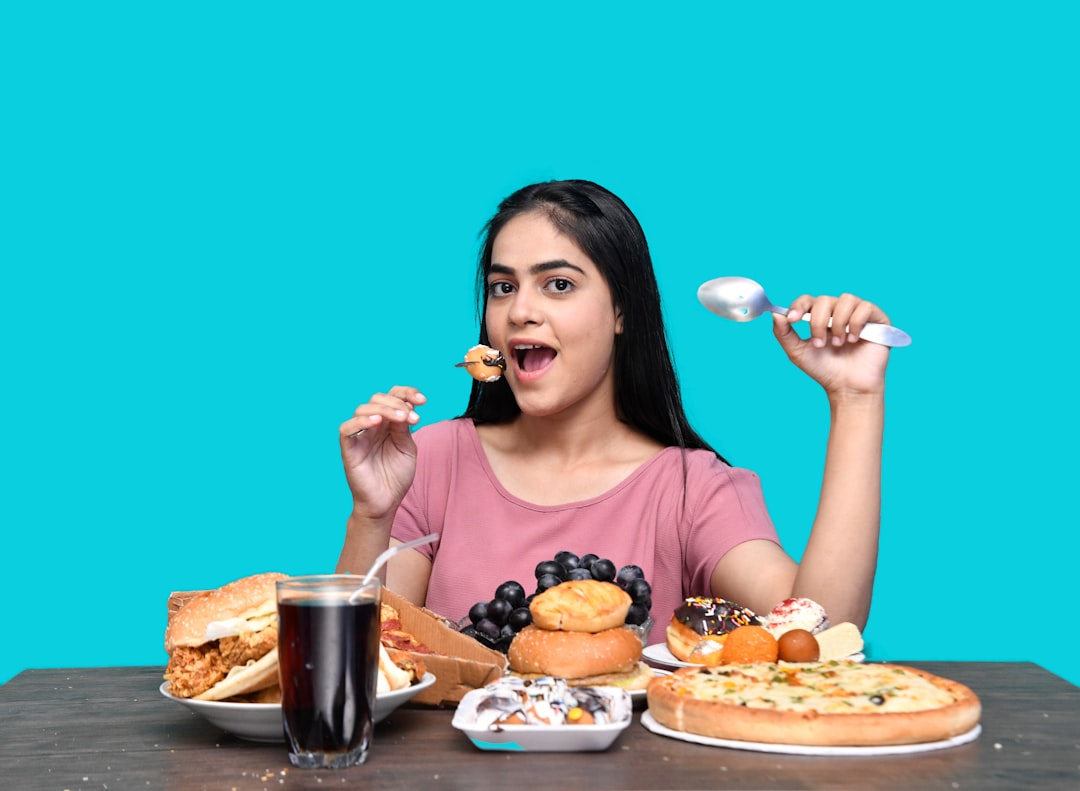
Research conducted across multiple laboratory and naturalistic settings demonstrates a consistent relationship between the visibility of food in a kitchen environment and the frequency with which that food is consumed independent of hunger state. A bowl of fruit on the counter sounds like a health-positive environmental design choice and for fruit specifically the research supports this conclusion but the same visibility principle applies with greater force to calorie-dense foods that happen to be left in plain sight. Candy dishes, cookie jars, bread boxes left open and snack foods stored on open shelving rather than behind cabinet doors are consumed at significantly higher rates than identical foods stored out of sight in closed containers. The mechanism is not primarily conscious desire for the food but a low-level attentional capture that repeatedly draws the eye to visible food items and generates micro-decisions about consumption that plain-sight food wins at a higher rate than out-of-sight food. People who report not thinking about food much are consistently found to be living in environments where food is stored out of the visual field rather than exhibiting unusual cognitive restraint.
Container Size

The volume of the container from which food is served or eaten directly influences the quantity consumed through a mechanism that operates independently of hunger, food preference and conscious portion awareness. Research participants served snacks from large containers consistently consume more than participants given identical snacks in smaller containers even when the total food available is unlimited and there is no practical reason to moderate consumption. The container size effect is particularly pronounced for beverages where a taller narrower glass causes the brain to perceive a greater volume than a shorter wider glass containing exactly the same liquid. People who pour their own servings from large containers systematically underestimate how much they have taken compared to people pouring from smaller containers. The effect persists in people who have been specifically recruited for the study based on their belief that they are not influenced by environmental food cues.
Kitchen Lighting

The lighting level in a kitchen and dining area influences eating pace, meal duration, total consumption and the types of food chosen during a meal through mechanisms involving arousal, relaxation and attentional focus that have been studied in both laboratory and restaurant settings. Bright fluorescent lighting increases eating pace and reduces meal duration while simultaneously increasing total caloric consumption because faster eating impairs the satiety signaling that normally accumulates during a meal of normal duration. Softer dimmer lighting produces relaxed eating behavior that extends meal duration and allows satiety signaling to accumulate more completely before overconsumption occurs. The paradox is that bright well-lit kitchens feel more functional and health-oriented to most people while the research suggests they produce less mindful and higher-volume eating than the same meal eaten in lower ambient light. Home kitchen lighting design is almost never discussed in the context of its behavioral influence on the people cooking and eating in that environment.
Cupboard Organization
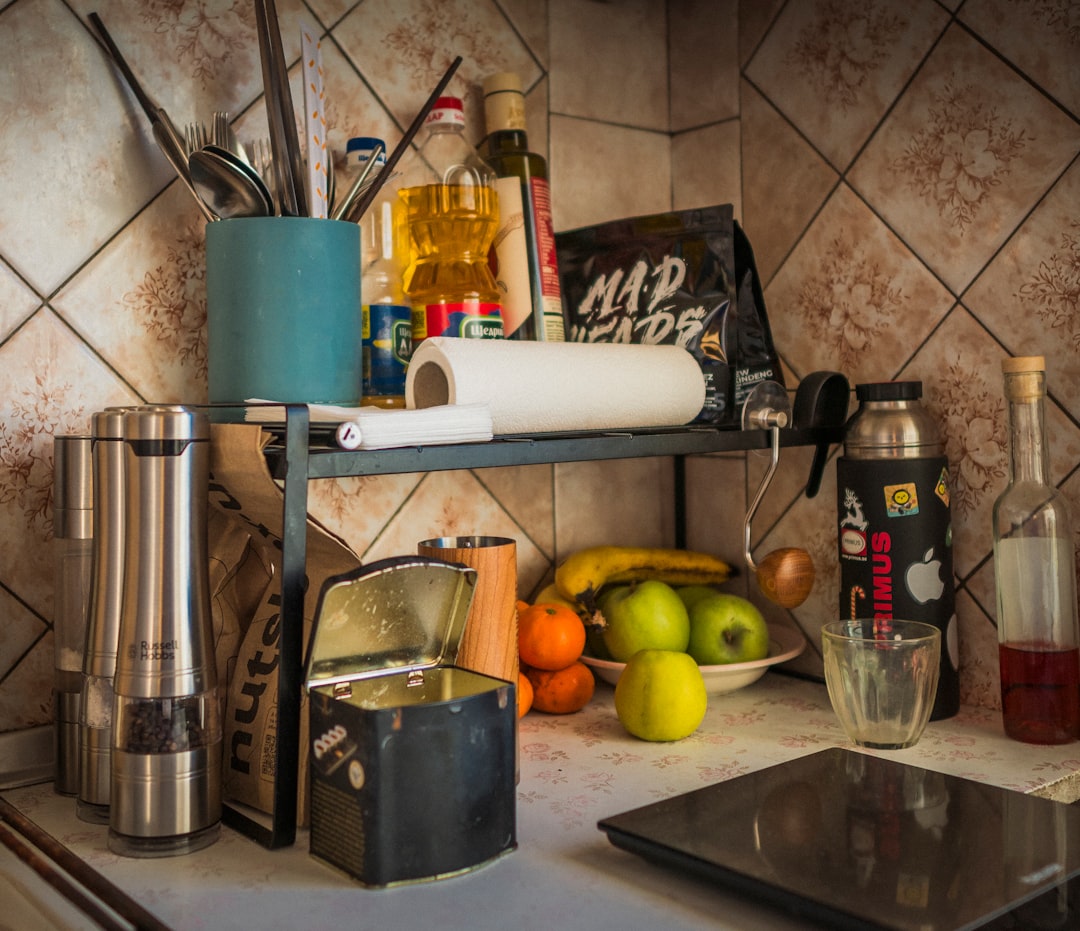
The organizational hierarchy of a kitchen cupboard silently predicts which foods will be selected and consumed most frequently based purely on the positional accessibility of different items within the storage space. Foods stored at eye level in frequently opened cupboards are consumed at rates two to three times higher than identical foods stored on high shelves, in the back of deep cabinets or in locations that require bending or reaching. The front-of-shelf position in a cupboard functions as a continuous passive recommendation that the brain accepts without deliberate evaluation every time a cupboard is opened. Behavioral food researchers who have studied household pantry organization consistently find that the physical architecture of food storage predicts consumption patterns as reliably as stated food preferences do. Reorganizing a pantry so that calorie-dense snack foods occupy rear high or low positions while more nutritious options occupy front eye-level positions changes eating behavior without requiring any change in the foods available or any act of conscious willpower.
Serving Bowl Placement

The distance between a person and a serving dish during a meal is a reliable predictor of how much of that dish will be consumed regardless of hunger level, food preference or stated dietary intention. Studies conducted in workplace cafeteria and home dining settings demonstrate that moving a serving bowl from the center of the table to a counter or sideboard several feet away reduces consumption of that dish by approximately 20 percent without any other change to the meal or the social context. The mechanism involves the physical and psychological friction created by having to stand up and move to obtain additional servings which interrupts the automatic reach-and-serve behavior that proximity facilitates. People who eat from serving dishes placed in front of them consistently underestimate how much they have eaten compared to people who served themselves from a remote location before sitting down. Counter-serving rather than table-serving is one of the most reliably effective behavioral interventions in applied food psychology research.
Background Noise
The acoustic environment of a kitchen during eating influences both the pace of consumption and the sensitivity of the eater to the sensory properties of their food including taste intensity, texture and satiety signals through a mechanism involving attentional allocation between competing sensory channels. Loud background noise from television, music at high volume or general household activity reduces the perceptual salience of food being eaten causing people to eat faster, chew less thoroughly and register less satisfaction from the sensory experience of the meal. The reduced sensory registration that noisy environments produce is associated with higher total consumption because the satiety that partly derives from the sensory experience of eating accumulates more slowly when that experience is competing with a louder attentional claim. Soft background music at moderate volume produces eating behavior that is slower, more attentive to food qualities and associated with lower total consumption than either silence or loud ambient noise. Kitchen and dining area acoustics are never considered in home design from a behavioral nutrition perspective despite the consistent research supporting their influence on eating outcomes.
Color Psychology

The color of kitchen walls, countertops, tableware and food storage containers influences appetite, eating pace and food selection through neurological pathways connecting color perception to autonomic arousal and approach-avoidance behavior that were established long before color psychology became a marketing discipline. Red and yellow in the kitchen environment are associated with increased appetite and eating pace through a mechanism that food industry designers have exploited deliberately in restaurant environments for decades while home kitchens have accumulated these colors without understanding their behavioral implications. Blue in the eating environment is the most consistently appetite-suppressing color in the research literature, a finding attributed to the rarity of naturally blue foods in the evolutionary diet and the association of blue-black coloration with spoilage in many food contexts. White plates increase perceived saltiness and sweetness of food compared to black plates, an effect with direct implications for seasoning behavior and taste satisfaction. People who paint their kitchen a bold warm color because it feels lively and welcoming are creating a neurologically activating environment with documented effects on consumption behavior that extend across every meal prepared and eaten there.
Clock Visibility
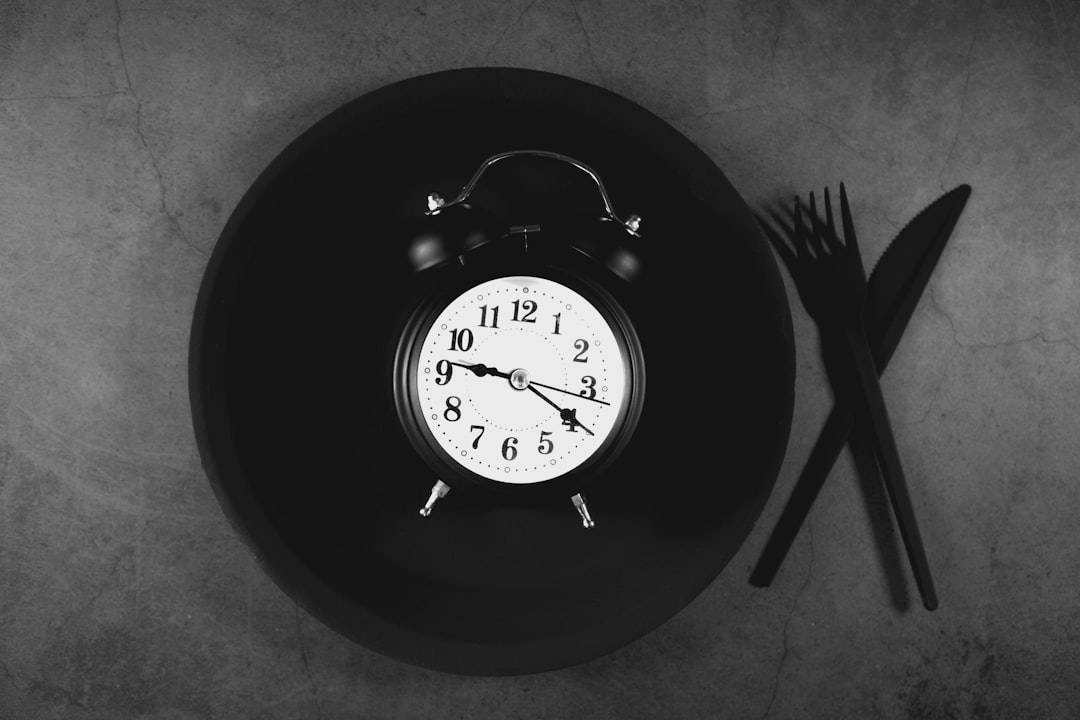
The presence and visibility of a clock in the eating environment influences meal duration, eating pace and hunger perception through a mechanism involving temporal anchoring that causes people to eat in response to time signals as readily as in response to genuine physiological hunger. Research participants in environments with clearly visible clocks eat lunch closer to conventional lunchtime and eat more at conventional mealtimes than participants whose time awareness is disrupted or absent. People who sit in kitchens with prominent clock displays are more susceptible to clock-driven eating behavior where the time reading triggers a meal even in the absence of physiological hunger cues. The phenomenon is most pronounced in people who describe themselves as routine-oriented and least pronounced in people who describe eating primarily in response to physical hunger signals. A kitchen clock that is visible from the main seating area is functioning as a passive eating prompt that activates consumption behavior multiple times per day based on temporal rather than physiological triggers.
Fruit Bowl Psychology

The fruit bowl is the canonical example of a beneficial food visibility intervention in behavioral nutrition research but its psychological influence on the rest of kitchen eating behavior extends beyond simply promoting fruit consumption to creating a health halo effect that influences how other food choices in the same environment are evaluated. Research participants who have a fruit bowl visible in their kitchen environment rate their own diets as healthier, express less guilt about indulgent food choices and paradoxically consume more calorie-dense foods than participants whose kitchens do not feature visible healthy foods. The mechanism is a compensatory licensing effect where the presence of healthy foods in the environment provides psychological permission for unhealthy choices in a pattern sometimes called the health halo or moral licensing effect. A kitchen that looks healthy because of its visible fruit bowl and whole grain bread box is producing a psychological environment where the occupant feels they have already made healthy choices and can afford to be less careful about subsequent ones. The fruit bowl is simultaneously the most recommended behavioral nutrition intervention and one of the most complex in terms of its secondary effects on the full eating environment.
Refrigerator Layout
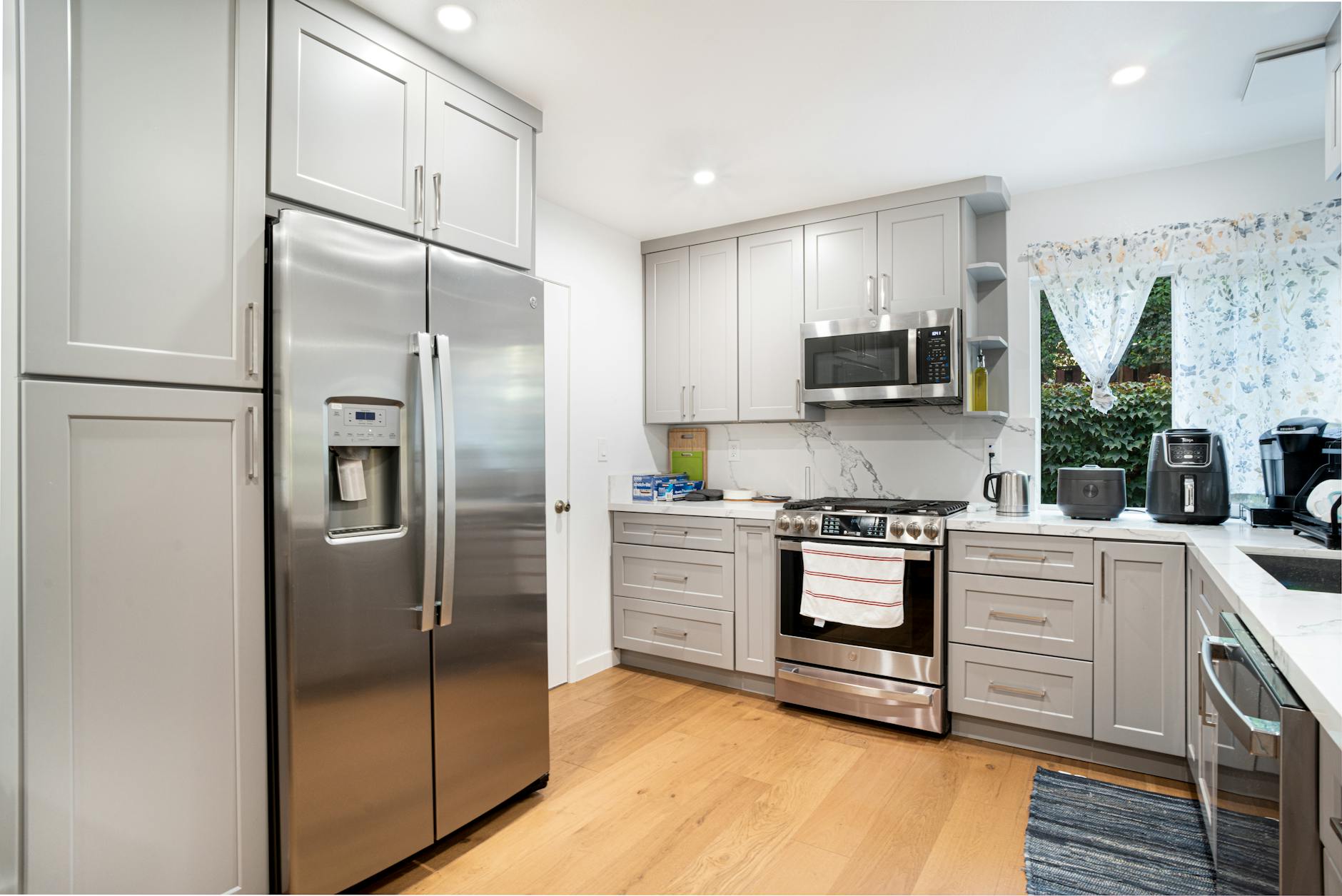
The organizational architecture of a refrigerator’s interior silently determines the hierarchy of food selection every time the door is opened through the same front-and-center visibility mechanism that operates in pantry storage. Studies of refrigerator organization in households with documented dietary goals consistently find that the placement of foods within the refrigerator predicts consumption frequency more reliably than the stated food preferences of the household members. Leftovers stored in opaque containers in the back of the middle shelf are effectively invisible and are consumed at dramatically lower rates than identical foods stored in transparent containers at eye level in the front of the refrigerator. The door shelves of most refrigerators are occupied by condiments, beverages and dairy items because that is where they have always been kept and this arrangement is never evaluated for its behavioral influence on the household’s eating patterns. Moving prepared vegetables, cut fruit and other foods that represent intentional dietary choices to the front center position of the refrigerator changes what the brain registers as available when hunger drives someone to open the door without a specific item in mind.
Utensil Size
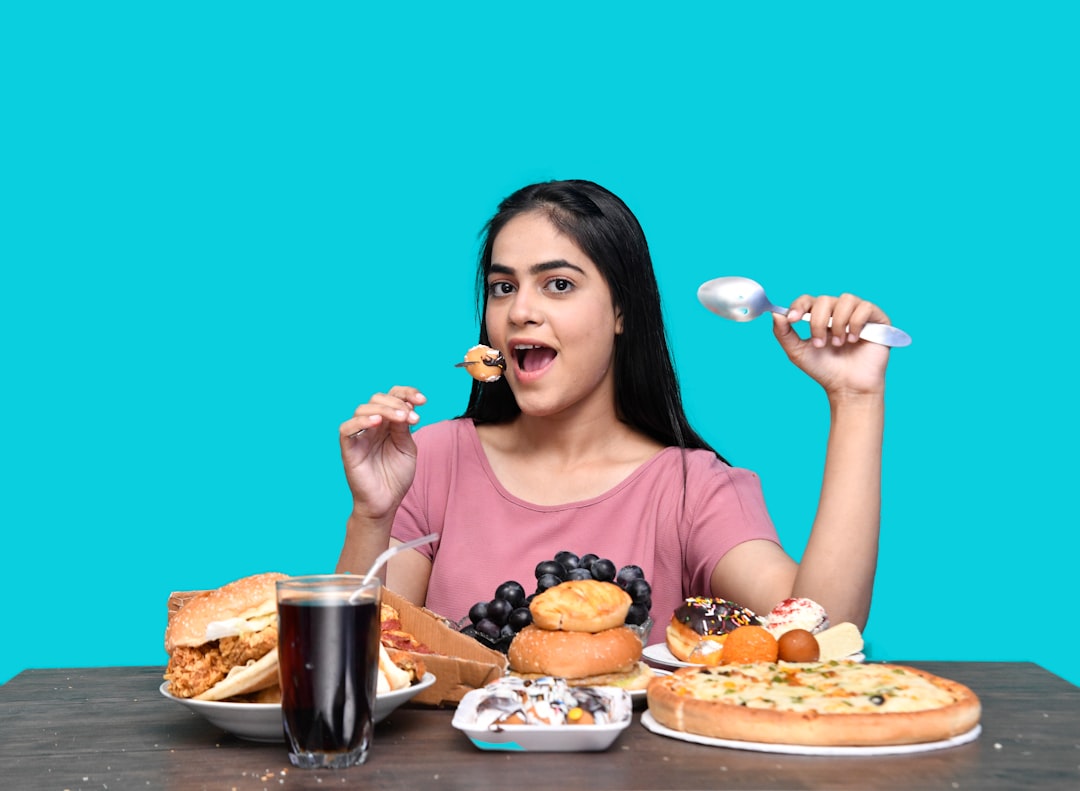
The size of the spoon, fork or serving utensil used to eat or serve food influences the volume of food consumed per eating occasion through a mechanism related to bite size, eating pace and the visual estimation of quantity that the brain uses to track progress toward satiety. Larger utensils produce larger individual bites that are consumed faster and register less completely in the sensory and cognitive accounting systems that contribute to satiety signaling. Research participants eating from smaller forks and spoons take more bites to consume the same quantity but eat less total food because the increased bite count triggers satiety cues at lower overall volumes. The serving spoon size effect is particularly pronounced at buffet and family-style settings where the size of the serving utensil directly influences the minimum practical serving size that most people take. A household that owns primarily large dinner forks, tablespoons and oversized serving utensils has unknowingly optimized its kitchen environment for higher-volume consumption at every meal.
Pantry Density
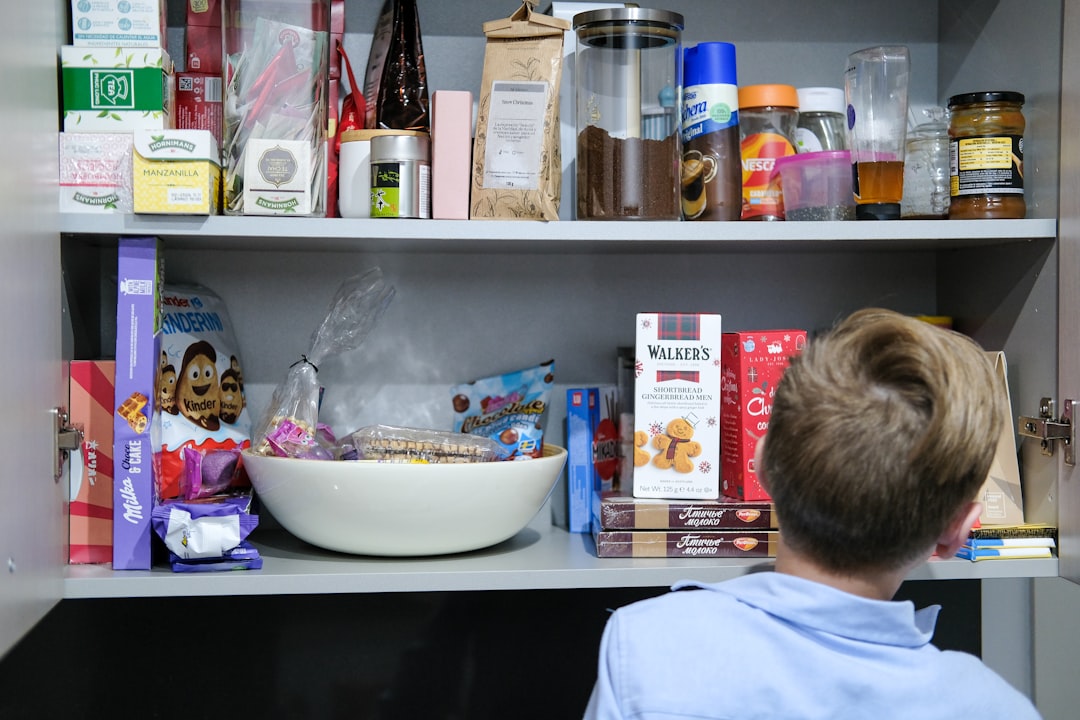
The total quantity of food visible or accessible in a kitchen environment creates a psychological abundance signal that influences eating frequency and serving size through a mechanism involving resource availability perception that was adaptive in food-scarce evolutionary environments and maladaptive in the food-abundant modern kitchen. A fully stocked pantry visible through glass-front cabinet doors or open shelving generates a continuous low-level food availability signal that increases the frequency of food-seeking behavior compared to a minimally stocked or visually closed pantry. Research on household food inventory levels demonstrates that the volume of food stored in a home predicts consumption rates beyond what can be explained by the number of household members or dietary preferences. People who buy in bulk and store large quantities of food at home consistently consume more per capita than people who shop more frequently for smaller quantities. The abundance signal created by a full pantry is not consciously processed but functions as a persistent background cue that elevates the baseline level of eating-related attention and behavior throughout the day.
Meal Prep Visibility
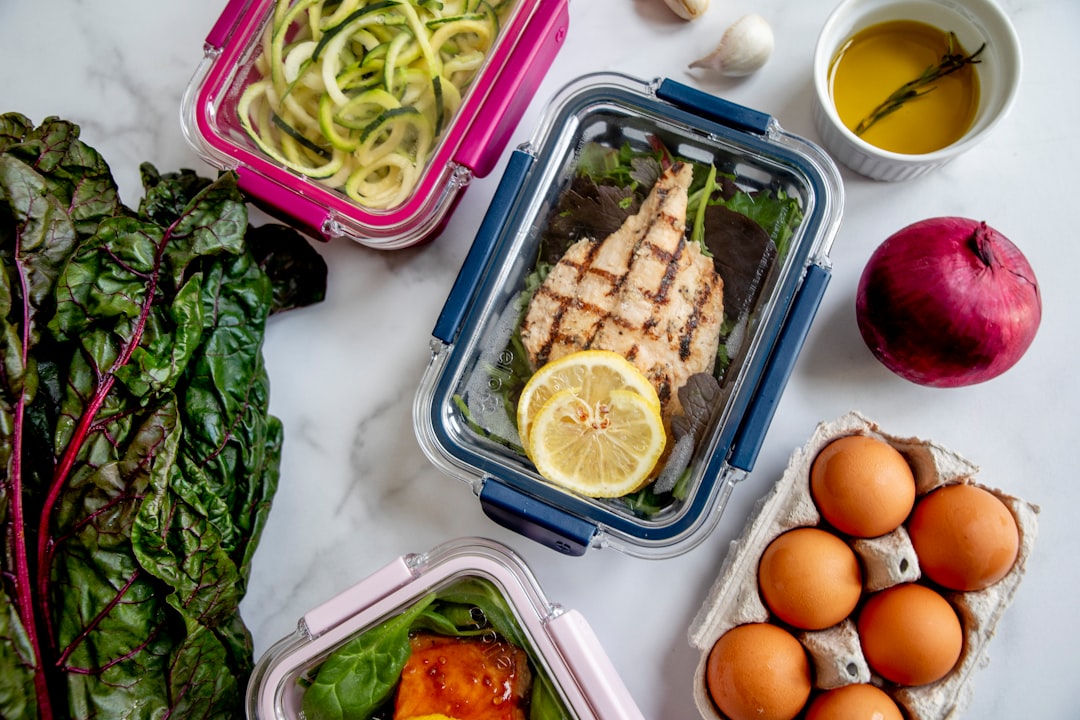
Leaving evidence of food preparation on kitchen counters including cutting boards with residual food, open ingredient containers, mixing bowls and baking equipment creates visual cues that trigger continued eating behavior beyond the meal that the preparation was intended to produce. A person who bakes and leaves the cooling rack on the counter, leaves the bread bag open or keeps the mixing bowl with residual batter accessible is creating an environment where additional consumption events are prompted by the visible preparation evidence rather than by hunger. The aroma component that accompanies visible cooking evidence compounds the visual cue by activating cephalic phase responses including insulin secretion and digestive preparation that prime the body physiologically for eating independent of actual hunger. Professional food stylists and cookbook photographers understand intuitively that visible food preparation evidence increases appetite and appetite-related behavior in observers and the same mechanism operates in a home kitchen after the intended meal is completed. Clearing surfaces, covering food and putting away preparation equipment immediately after cooking is a behavioral environment design decision with documented effects on post-meal consumption.
Window and Nature Views

The presence of natural light and nature views in a kitchen environment influences eating behavior through stress-regulation pathways that affect cortisol levels, eating pace and food preference in ways that have been studied in healthcare and workplace food environment research as well as in residential settings. Kitchens with access to natural light and outdoor views produce lower stress eating behavior with reduced preference for calorie-dense comfort foods compared to kitchens where the eating environment is entirely enclosed and artificially lit. The stress-reduction effect of nature exposure operates through cortisol modulation and the relationship between cortisol elevation and increased appetite for high-fat high-sugar foods is one of the most consistently replicated findings in nutritional stress research. A kitchen that feels enclosed, artificially lit and disconnected from the outdoor environment is generating a mild but continuous stress signal that influences food preference toward comfort foods in a pattern that is independent of any conscious awareness of feeling stressed. Kitchen design that maximizes natural light and outdoor views is producing a behavioral nutrition benefit that no interior design guidance has ever quantified or communicated to homeowners.
Napkin Size
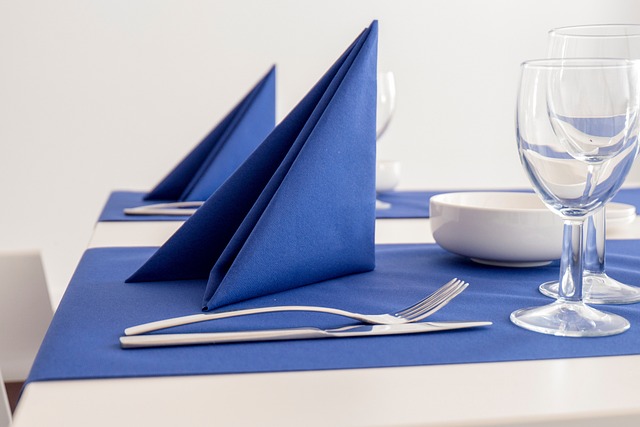
The size of the napkin provided with a meal functions as a subtle portion expectation cue that influences the volume of food considered appropriate for a single eating occasion through a mechanism involving the social and contextual norms communicated by serving items. Large cloth napkins or oversized paper napkins in a dining setting are associated with restaurant norms where portions are larger and extended eating is socially expected while small napkins communicate the snack or light meal context where briefer consumption is the norm. Research on contextual eating norms demonstrates that tableware choices including napkin size communicate portion expectations that diners calibrate their consumption behavior to match without conscious awareness of the calibration process. A household that upgrades to large restaurant-style napkins as a hospitality gesture is simultaneously communicating a larger meal context to every person eating at that table. The napkin is among the most unexpected items in the list of tableware elements that behavioral food researchers have found to carry portion expectation information.
Recipe Book Placement
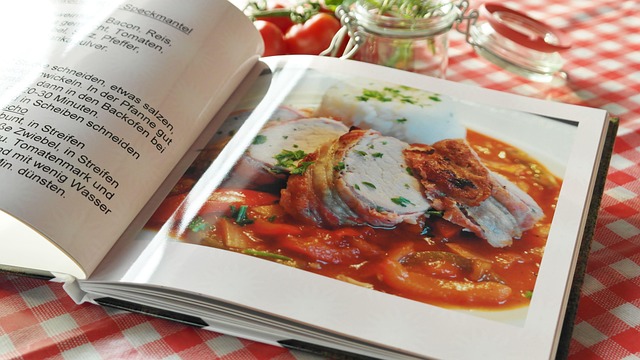
Cookbooks and recipe cards left open or prominently positioned in a kitchen create a food ideation prompt that generates meal planning and snacking behavior beyond the specific recipe being considered. An open cookbook on the counter displays food imagery and ingredient lists that activate appetite-related cognitive processing in people passing through the kitchen for purposes unrelated to meal preparation. The food imagery in a cookbook creates cephalic phase responses comparable to those generated by actual food smells including salivation, insulin release and increased appetite awareness in people who were not previously thinking about food. Digital recipe displays on tablets or phones propped on the counter produce the same effect with the additional behavioral influence of notifications and related content recommendations that extend food-related cognitive engagement beyond the original recipe consultation. A kitchen where food media is continuously visible and accessible is a kitchen where food-related thoughts, cravings and consumption events occur at higher frequency than in a kitchen where food media is stored away between deliberate meal planning sessions.
Trash Bin Position

The position and visibility of a trash bin in a kitchen influences portion completion behavior and the decision to stop eating through a mechanism involving the social norm of food waste avoidance and the visual accounting of consumed versus discarded food. A trash bin positioned far from the eating area and a recycling system that requires food waste to be processed separately both create friction in the act of discarding food that increases the psychological pressure to finish what is on the plate rather than stopping at satiety. The clean plate norm that most adults internalized during childhood is reinforced or undermined by the ease with which food can be discarded in the eating environment and easy discard access has been found in some research to reduce plate completion pressure and total consumption. The counter-positioned open trash bin that makes food disposal visually prominent and physically easy is creating a different portion completion environment than a closed bin tucked under the sink that requires deliberate action to access. The design and placement of food waste infrastructure in a kitchen communicates a set of behavioral norms around portion completion that most households have never consciously evaluated.
Tablecloth Texture
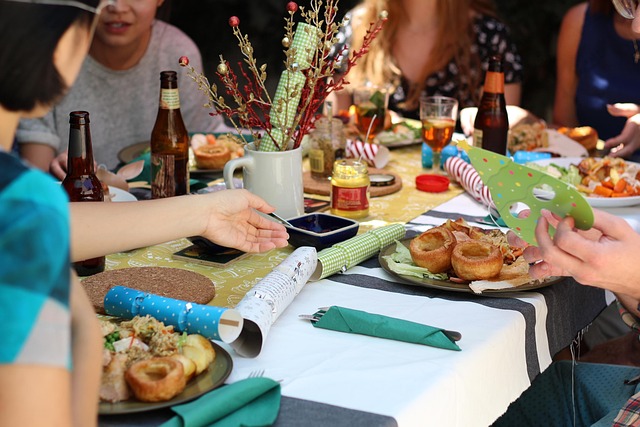
The tactile and visual texture of a table surface influences the formality context of an eating occasion and formality context is a reliable predictor of eating pace, meal duration and total consumption through the social eating norms that different levels of meal formality activate. A bare table or wipe-clean plastic surface communicates an informal casual eating context where eating quickly and returning to other activities is the expected behavioral pattern. A cloth tablecloth or textured placemat communicates a more formal context where slower eating, greater attention to the meal and longer table time are the expected norms. Slower more attentive eating in a formal context is associated with better satiety signaling and lower total consumption despite longer meal duration. Households that always eat at a bare table or a countertop without any textile surface element are systematically reinforcing the informal fast eating context and its associated consumption outcomes at every meal without any awareness that the table surface is part of their eating behavior environment.
Appliance Sounds
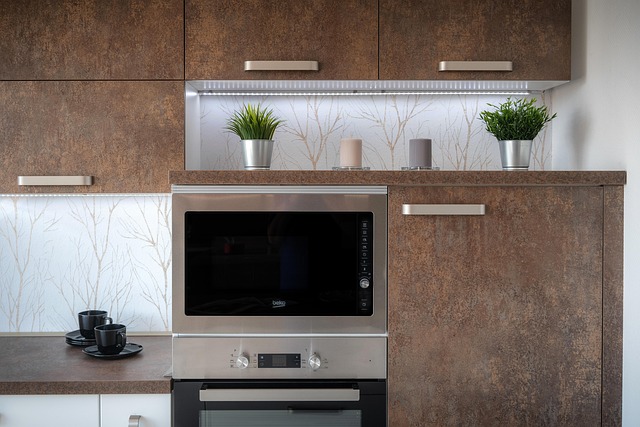
The ambient sounds produced by kitchen appliances including the hum of the refrigerator, the occasional click of the ice maker, the standby sounds of the coffee machine and the sound of the microwave cycling on and off create a continuous acoustic environment that keeps food-related awareness activated in the kitchen space. Sound conditioning research demonstrates that sounds associated with specific behaviors or environments activate the behavioral patterns connected to those sounds through classical conditioning mechanisms that operate without conscious participation. A kitchen filled with appliance sounds that have been conditioned to food-seeking and eating behaviors maintains a baseline level of food-related cognitive activation that increases the frequency of kitchen visits and consumption events across the day. The refrigerator hum that is so familiar it is consciously imperceptible is not imperceptible to the conditioning mechanisms that have learned to associate it with food availability and food seeking. People who spend extended periods working from home in kitchens consistently report higher snacking frequency than equivalent periods working in non-kitchen environments and the acoustic environment of the kitchen is among the factors that behavioral researchers implicate in this effect.
Dining Chair Comfort
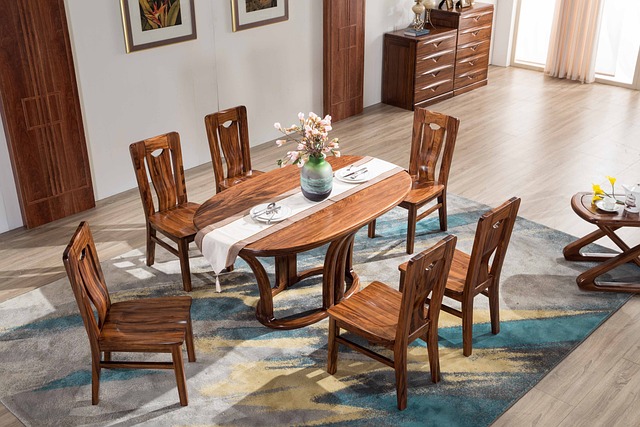
The comfort level of seating in a kitchen or dining area influences meal duration and therefore total consumption through a mechanism involving the relationship between physical comfort, table time and the satiety signaling that accumulates across a meal of normal duration. Uncomfortable seating that creates postural discomfort or fatigue shortens meal duration and reduces the time available for satiety signaling to accumulate before the meal ends leading to consumption decisions made before full satiety information is available to the eater. Research conducted in restaurant settings demonstrates that harder seating reduces meal duration and alcohol consumption while softer more comfortable seating extends table time and increases both food and beverage consumption. The kitchen breakfast bar with hard backless stools that has become a design standard in contemporary homes is producing systematically brief and high-pace eating occasions that are associated with higher consumption per unit time and lower satiety registration than the same food eaten in comfortable seated conditions. Kitchen designers who specify seating based on aesthetic proportion and spatial efficiency are making behavioral nutrition decisions for every household that will occupy the space.
Overhead Cabinet Height
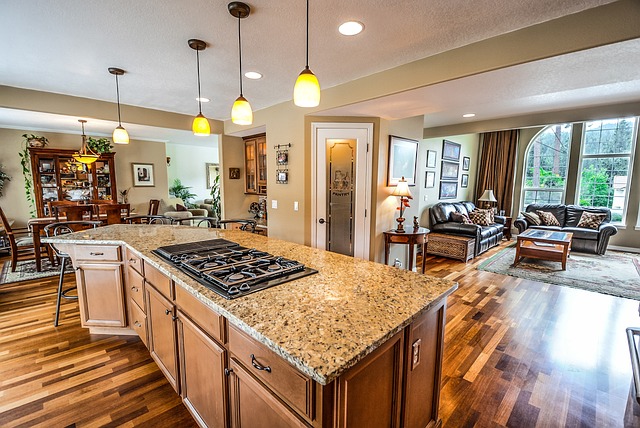
The height of kitchen overhead cabinets and the vertical accessibility of stored food items influences which foods are consumed most frequently through the physical effort gradient that different storage heights create as a barrier between intention and consumption. Foods stored in low accessible cabinets or at the front of mid-height shelves require essentially no effort to access while foods stored above eye level or in high cabinets require a step stool or extended reach that creates a small but behaviorally meaningful friction against casual consumption. Behavioral economists who study friction effects on food choice demonstrate that even trivial physical obstacles reduce consumption frequency for the foods they protect while leaving intact the consumption of foods that require no barrier to access. A kitchen where calorie-dense snacks occupy low accessible positions because they are used frequently in cooking and more nutritious alternatives sit on high shelves because they were purchased with less regularity is organized in exact opposition to a friction-based consumption reduction strategy. Rearranging kitchen storage so that accessibility is inversely related to caloric density produces measurable changes in daily snacking patterns without removing any food from the available options.
Mirror Placement
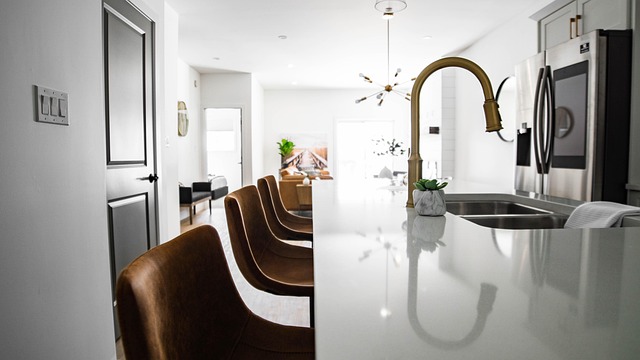
Research conducted in both laboratory and naturalistic eating environments has found that eating in front of a mirror significantly alters food choice, eating pace and self-monitoring behavior through a mechanism involving increased self-awareness that activates the internalized dietary standards the person holds for themselves. Participants who ate in front of a mirror chose lower calorie options more frequently, ate more slowly and reported lower enjoyment of indulgent foods compared to participants eating in identical conditions without a mirror present. The self-awareness induced by mirror reflection activates a self-evaluation process that makes the gap between actual behavior and intended behavior more salient and uncomfortable. Kitchens and dining areas that include mirrors are uncommon in residential design but the research supporting their behavioral influence on eating is among the most consistent in applied food psychology. The mechanism requires no conscious engagement with the mirror and operates even when the person is not deliberately looking at their reflection during the meal.
Grocery Bag Visibility
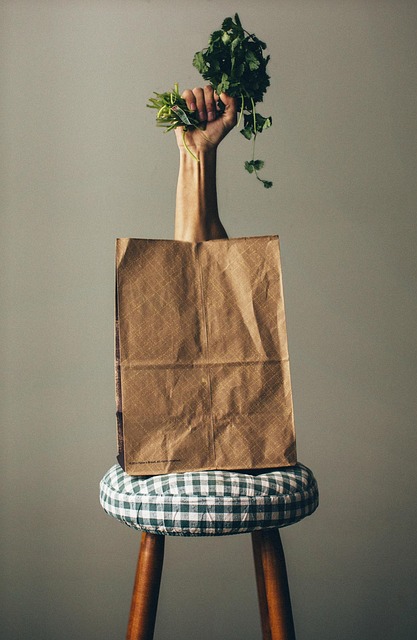
The grocery bags sitting on a kitchen counter after a shopping trip create a food availability and variety signal that influences snacking and meal preparation behavior in the hours immediately following their arrival before their contents are put away. An unpacked grocery bag containing visible food items generates food ideation and appetite activation responses in kitchen occupants who were not previously thinking about eating through the same visibility mechanism that makes counter food bowls behaviorally influential. Research on post-shopping eating behavior finds that households are significantly more likely to snack and prepare additional food in the two hours following grocery delivery or shopping trips than at equivalent times on non-shopping days. Putting groceries away immediately upon arrival rather than leaving bags on the counter during other tasks eliminates the extended food availability signal that unpacked groceries generate throughout the kitchen environment. This is the briefest and most logistically simple behavioral environment adjustment with the clearest mechanism of action of any intervention in the kitchen food psychology literature.
What changes have you already made to your kitchen environment that shifted your eating habits without feeling like restriction? Share your thoughts in the comments.