
The human body is remarkably good at sending subtle distress signals long before a deficiency becomes serious. Many people brush off these quiet symptoms as everyday tiredness or stress, never connecting them to a nutritional gap. Recognizing these early warning signs can make a meaningful difference in long-term health and energy levels. Paying closer attention to the body’s quiet language is one of the most powerful tools for proactive wellness.
Brittle Nails
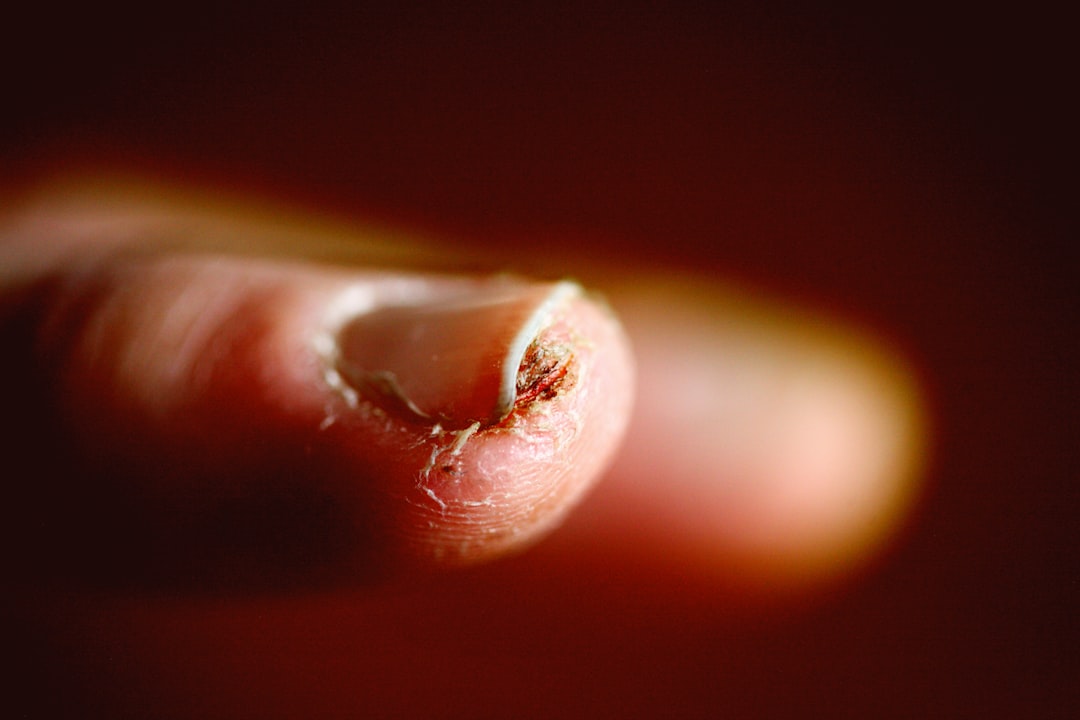
Nails that chip, peel, or break without much force are often among the earliest indicators that something is missing nutritionally. Low levels of biotin, also known as vitamin B7, are frequently linked to this kind of structural weakness in the nails. Iron deficiency can also manifest in nails that appear thin, ridged, or spoon-shaped over time. The nails grow slowly and may develop a pale or dull appearance alongside the brittleness. Paying attention to nail texture and strength is a simple but telling window into overall nutritional status.
Hair Thinning

Gradual hair loss or a noticeable reduction in hair thickness can point to deficiencies in iron, zinc, or vitamins D and B12. The hair follicle is one of the most metabolically active structures in the body and requires a steady supply of nutrients to function properly. When those nutrients are lacking, the growth cycle is disrupted and shedding increases beyond the normal daily range. Many people attribute this thinning to stress or aging without considering that their diet may be the primary driver. Restoring adequate levels of key vitamins often leads to visible improvement in hair density over several months.
Mouth Sores
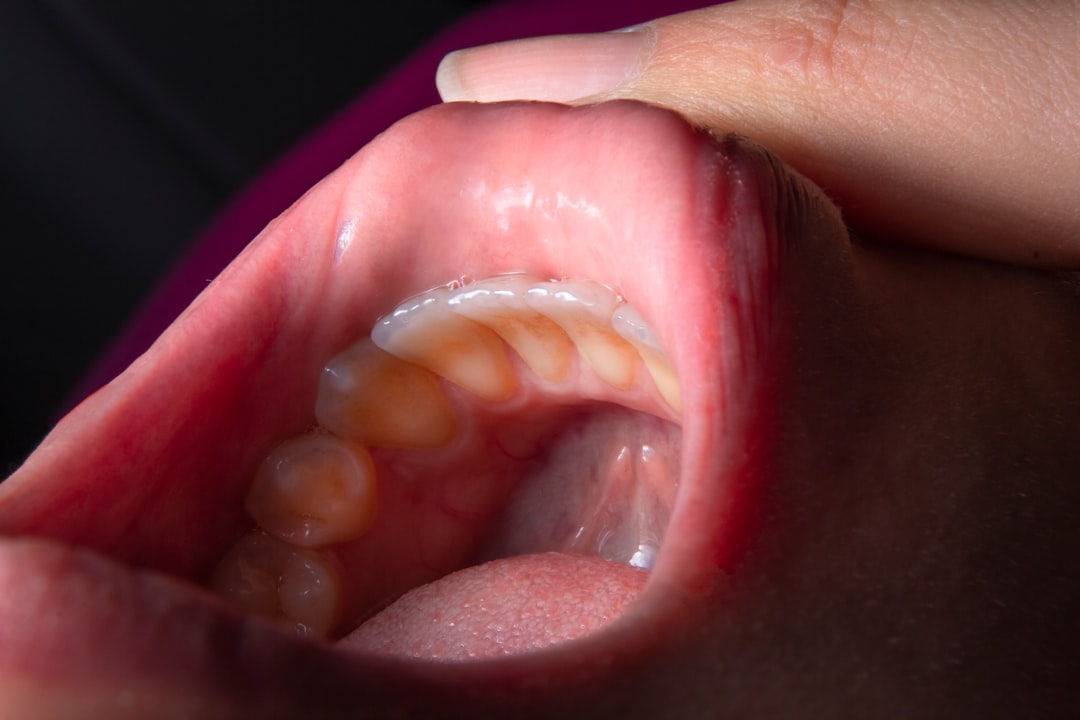
Small ulcers or cracks that repeatedly appear around the mouth and lips are a classic sign of low B vitamins, particularly B2, B6, and B12. Angular cheilitis, which refers to painful fissures at the corners of the mouth, is strongly associated with iron and riboflavin deficiency. These sores tend to recur rather than heal fully when the underlying nutritional issue is not addressed. The oral tissues are among the fastest-renewing cells in the body and therefore among the first to reflect nutritional shortfalls. Persistent mouth sores that do not respond to typical treatments are worth investigating with a healthcare provider.
Night Blindness

Difficulty seeing clearly in low light or needing extra time to adjust when moving from bright to dim environments is a hallmark sign of vitamin A deficiency. This fat-soluble vitamin plays a critical role in producing rhodopsin, a pigment found in the retina that enables vision in dim conditions. The condition may start subtly, with drivers noticing increased difficulty navigating roads after dark. In more advanced stages, the eyes may also feel persistently dry or gritty. Vitamin A deficiency remains one of the most common preventable causes of vision impairment worldwide.
Muscle Cramps

Frequent cramping, particularly in the legs and feet, often signals low levels of magnesium, calcium, or vitamin D. These nutrients work together to regulate muscle contraction and nerve signaling throughout the body. Cramps that occur at night or during light exercise without an obvious physical cause are especially worth noting. Vitamin D deficiency in particular impairs calcium absorption, creating a cascade effect that leaves muscles prone to involuntary spasms. Increasing intake of dark leafy greens, dairy, and sunlight exposure can help address several of these deficiencies at once.
Fatigue

Persistent tiredness that does not improve with rest is one of the most common and frequently overlooked signs of nutritional deficiency. Iron deficiency anemia reduces the blood’s ability to carry oxygen efficiently, leaving the body and brain chronically under-fueled. Low levels of vitamin B12 and vitamin D are also strongly associated with unexplained fatigue and a general sense of heaviness. Many people cycle through periods of exhaustion for years before discovering that a simple dietary gap is at the root of the problem. Blood tests can quickly identify the most common deficiencies linked to this type of low-grade, ongoing tiredness.
Bone Pain
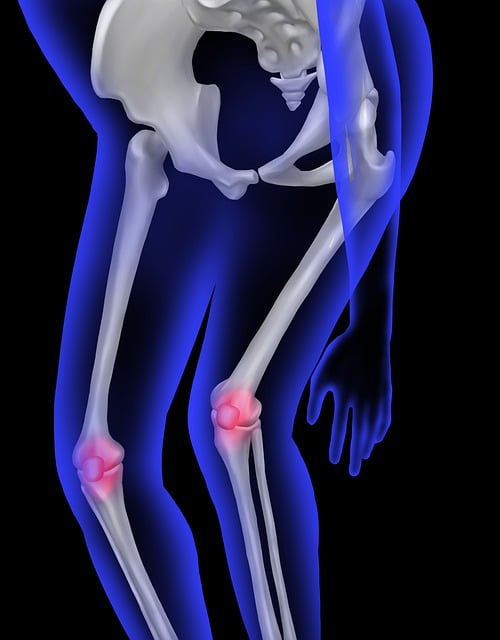
Dull, aching pain in the bones, particularly in the back, hips, and legs, is one of the more serious signs that vitamin D levels may be critically low. Vitamin D is essential for calcium absorption, and without it the bones gradually lose density and structural integrity. This kind of discomfort is often mistaken for general muscle soreness or the natural effects of aging. In children, severe vitamin D deficiency can lead to rickets, while in adults it contributes to a condition known as osteomalacia. Routine screening is especially important for people with limited sun exposure or those living in northern latitudes.
Bleeding Gums

Gums that bleed easily during brushing or flossing may be sending an early message about vitamin C levels. This essential vitamin is required for the synthesis of collagen, the protein that gives gum tissue its structure and resilience. Without sufficient vitamin C, the connective tissues throughout the body begin to weaken, and the gums are among the first areas to show this deterioration. In severe and prolonged cases, this deficiency leads to scurvy, a condition historically associated with long sea voyages but still observed today in people with very poor diets. Adding citrus fruits, bell peppers, and strawberries to the daily diet can help resolve mild cases relatively quickly.
Slow Wound Healing

Cuts and bruises that take longer than expected to heal can indicate insufficient levels of vitamin C, vitamin K, or zinc. Each of these nutrients plays a distinct and essential role in the complex biological process of tissue repair and clotting. Vitamin C supports the production of new collagen needed to rebuild damaged skin, while vitamin K activates the proteins involved in stopping bleeding. Zinc deficiency disrupts the immune response that clears bacteria and initiates cellular regeneration at the wound site. People recovering from surgery or injury are particularly vulnerable to these deficiencies and often benefit from targeted supplementation.
Mood Changes

Unexpected shifts in mood, increased irritability, or a low-grade sense of sadness can be neurological symptoms of certain vitamin deficiencies. Vitamin D receptors are found throughout the brain, and low levels have been consistently linked to higher rates of depression and anxiety in research populations. Deficiencies in B vitamins, especially folate and B12, affect the production of neurotransmitters including serotonin and dopamine. Omega-3 fatty acids, though technically not a vitamin, play a parallel role and their absence can amplify mood instability. When unexplained emotional changes persist without a clear psychological trigger, nutrition is a factor worth evaluating.
Tingling Sensations

A persistent pins-and-needles feeling in the hands, feet, or face is a neurological warning sign often associated with vitamin B12 deficiency. B12 is essential for maintaining the myelin sheath, the protective coating that surrounds nerve fibers and enables efficient signal transmission. When this coating begins to deteriorate due to prolonged deficiency, nerve function is compromised in ways that first manifest as strange sensory experiences. Vitamin B6 deficiency can produce similar symptoms, particularly in people who consume very little animal protein. Left untreated, the nerve damage associated with severe B12 deficiency can become permanent.
Dry Skin
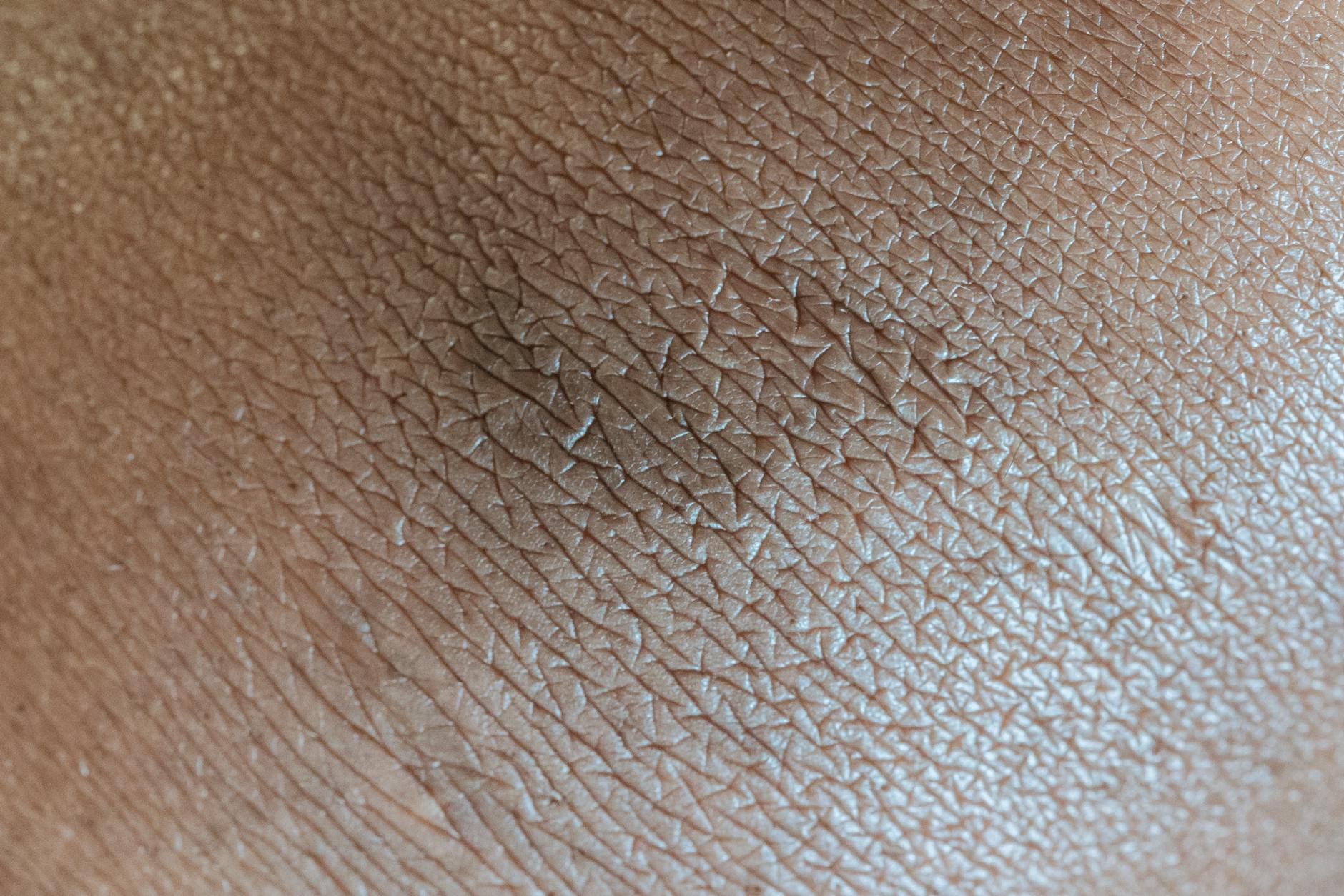
Skin that is persistently dry, flaky, or rough despite adequate hydration and moisturizing may reflect a deficiency in vitamins A, C, or E. These vitamins collectively support the skin’s barrier function, oil production, and cellular turnover, all of which are necessary for a healthy and supple complexion. Vitamin A in particular regulates the shedding and renewal of skin cells, and its absence leads to a buildup of dead skin that creates a rough texture. Essential fatty acids work alongside these vitamins to maintain moisture retention within the deeper layers of the skin. The appearance of the skin often changes noticeably when vitamin levels are restored through diet or supplementation.
Poor Immunity

Getting sick frequently or taking unusually long to recover from common illnesses can be a sign that the immune system is not receiving adequate nutritional support. Vitamins C, D, and zinc are the most widely researched nutrients for immune function, and deficiencies in any of them reduce the body’s ability to mount an effective defense. Vitamin D in particular plays a regulatory role in the immune response, helping to prevent both underreaction and the kind of excessive inflammation seen in autoimmune conditions. People who experience recurring colds, respiratory infections, or slow recoveries are often found to have suboptimal levels of one or more of these nutrients. Addressing deficiencies through food and appropriate supplementation can lead to a meaningful improvement in immune resilience.
Eye Twitching

Involuntary twitching or spasming of the eyelid is a subtle sign that is frequently linked to low levels of magnesium or vitamin B12. Magnesium plays a central role in nerve and muscle function, and even a mild deficiency can cause the nervous system to become hyperresponsive. This heightened reactivity often manifests first in the delicate muscles around the eyes, which are sensitive to even small disruptions in electrolyte balance. Stress and fatigue can compound the problem, but when twitching persists over days or weeks it is worth looking beyond lifestyle explanations. Increasing dietary magnesium through foods like almonds, spinach, and dark chocolate is a commonly recommended first step.
Sun Sensitivity

An unusual increase in sensitivity to sunlight, including easy burning or skin reactions after brief exposure, can paradoxically be connected to low vitamin D levels alongside other nutrient imbalances. The relationship between sun exposure and vitamin D synthesis is a two-way dynamic, and people with certain deficiencies are both less efficient at producing the vitamin and more reactive to UV radiation. Low levels of niacin, also known as vitamin B3, are associated with a condition called pellagra, which causes the skin to become inflamed and photosensitive. Vitamin B6 deficiency has also been linked to heightened skin reactivity in some individuals. These connections highlight how nutritional gaps can affect the body’s relationship with its environment in unexpected ways.
Swollen Tongue

A smooth, swollen, or unusually pale tongue is a clinical indicator that is taken seriously in nutritional medicine as a sign of B vitamin deficiency. This condition, known as glossitis, is most commonly associated with deficiencies in B12, folate, and iron. The tongue loses its normal bumpy texture as the tiny projections called papillae become flattened or disappear entirely due to rapid cell turnover that cannot keep pace without adequate nutrients. The affected tongue may also feel sore, sensitive to hot or spicy foods, or appear bright red in some presentations. Glossitis often resolves with appropriate treatment once the underlying deficiency is identified and corrected.
Cognitive Fog

Difficulty concentrating, forgetfulness, or a general sense of mental sluggishness that is inconsistent with sleep quality can be a sign of nutritional insufficiency affecting brain function. Vitamin B12 is critical for neurological health and its deficiency is one of the most well-documented causes of cognitive decline in adults of all ages. Low iron levels reduce oxygen delivery to the brain, which directly impacts processing speed, memory, and sustained attention. Vitamin D deficiency has also been associated with impaired cognitive performance and increased risk of neurodegenerative conditions over the long term. Addressing these deficiencies early, before symptoms become entrenched, is one of the most impactful steps a person can take for lasting brain health.
Share which of these signs resonated with you or if you have noticed changes after addressing a vitamin deficiency in the comments.