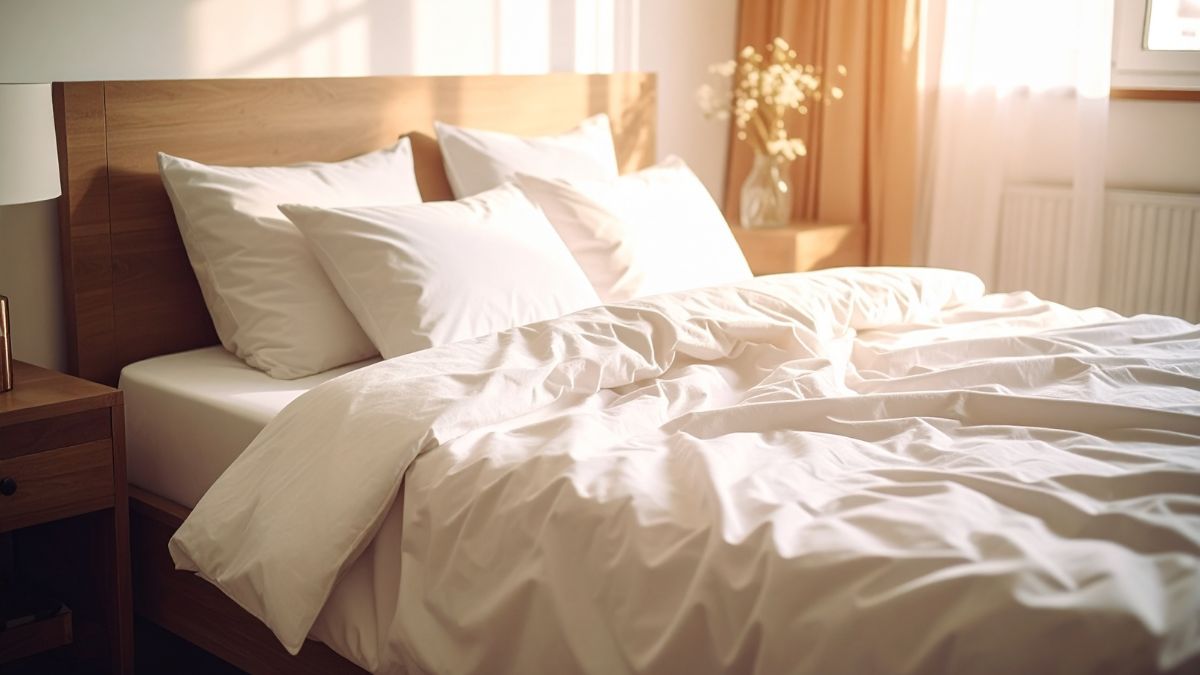
The bedding you sleep on each night does far more than provide comfort. Every layer of your sleep environment sends signals to your body that either support or disrupt the biological processes responsible for physical and mental restoration. Thread count, fabric type, temperature regulation and weight all play measurable roles in how deeply you sleep and how effectively you heal. Understanding these connections can transform the quality of rest you experience without changing a single habit in your waking life. The following factors reveal just how powerfully your bedding choices shape recovery while you sleep.
Cotton Sheets
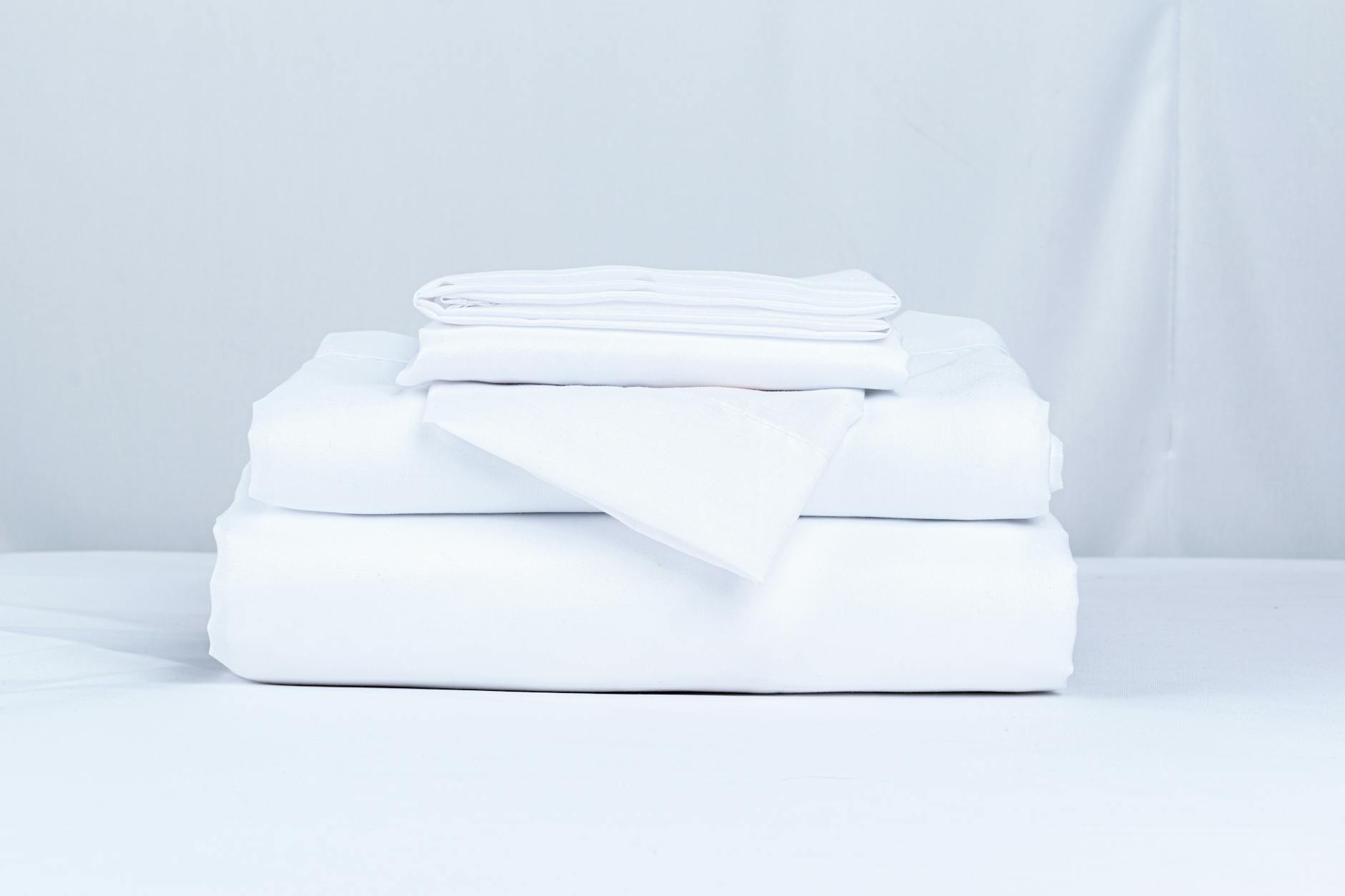
Cotton remains one of the most breathable natural fibers available for sleep surfaces. Its ability to absorb moisture helps regulate body temperature through the night, which is essential for maintaining the deep sleep stages where physical repair occurs. High-quality long-staple cotton creates a smooth surface that reduces skin friction and minimizes the micro-interruptions that pull sleepers out of restorative cycles. Thread counts between 300 and 500 tend to offer the best balance of softness and airflow without trapping excess heat.
Weighted Blankets
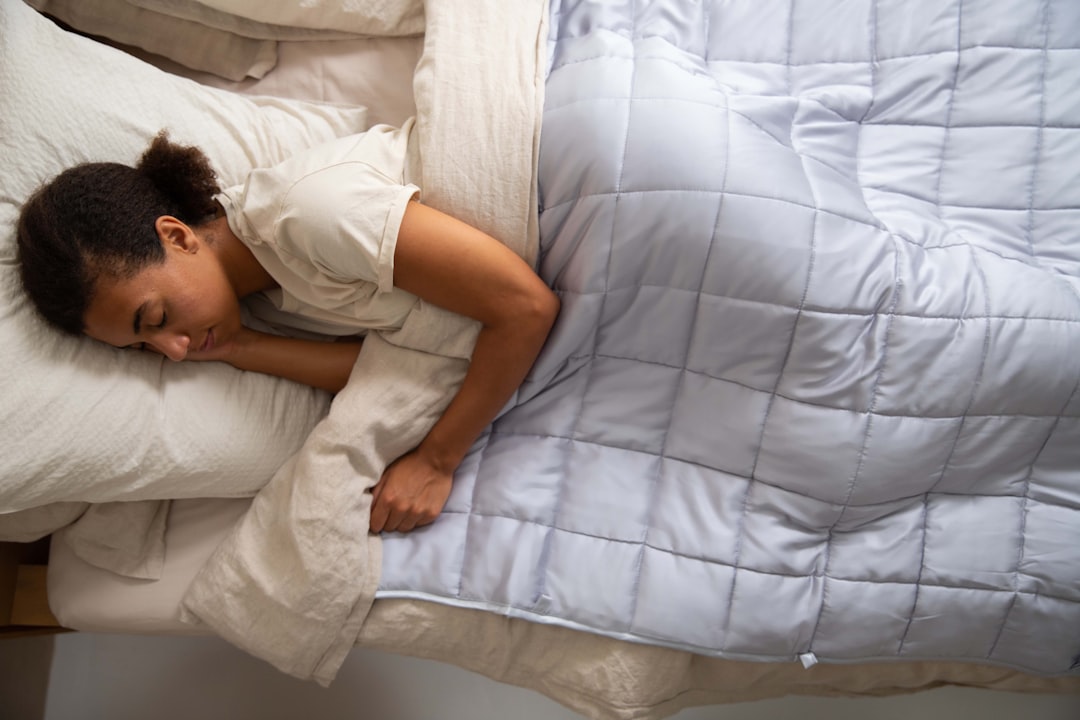
Weighted blankets apply a form of gentle pressure across the body known as deep pressure stimulation. This pressure has been shown to encourage the release of serotonin and reduce cortisol levels, creating a physiological state more conducive to uninterrupted sleep. The added weight also limits restless movement during the night, helping the body remain in the longer sleep cycles where tissue repair and immune function are most active. Blankets typically range from five to twenty-five pounds and should be chosen relative to individual body weight for optimal effect.
Pillow Fill
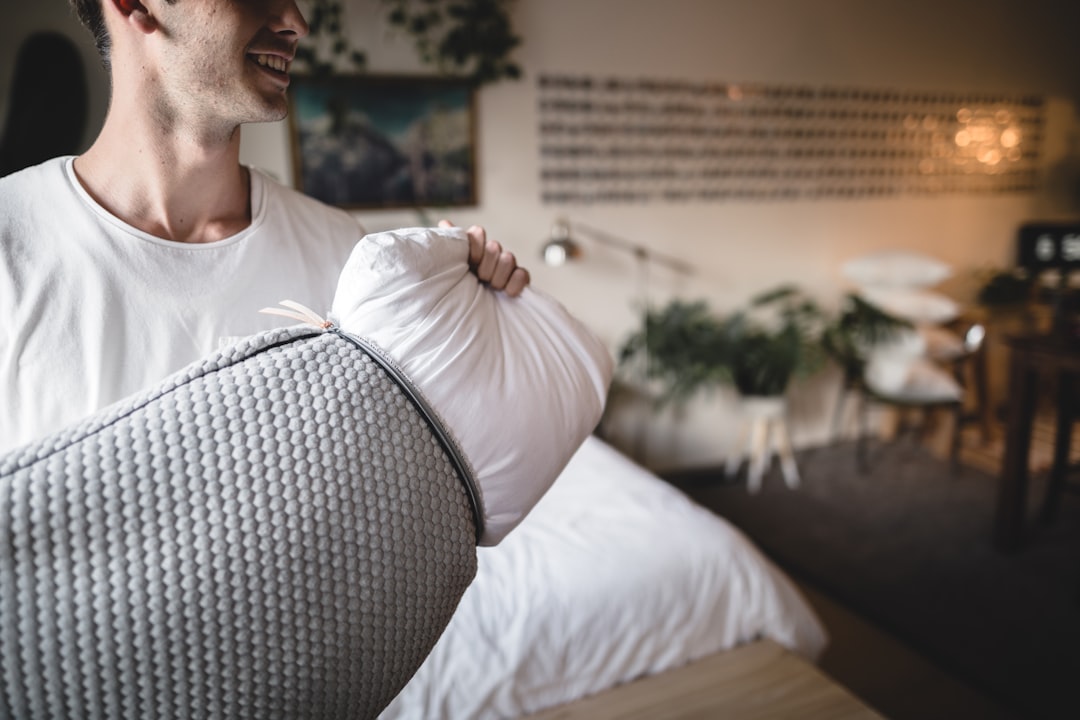
The material inside a pillow directly determines how well the cervical spine is supported throughout the night. Poor alignment caused by an unsuitable pillow creates muscular tension in the neck and shoulders that the body must work to resolve rather than direct energy toward deeper recovery. Memory foam conforms closely to individual head and neck shape while latex offers responsive support with greater breathability. Down and down-alternative fills provide adjustable loft but may compress over time and require more frequent replacement to maintain their supportive properties.
Mattress Toppers
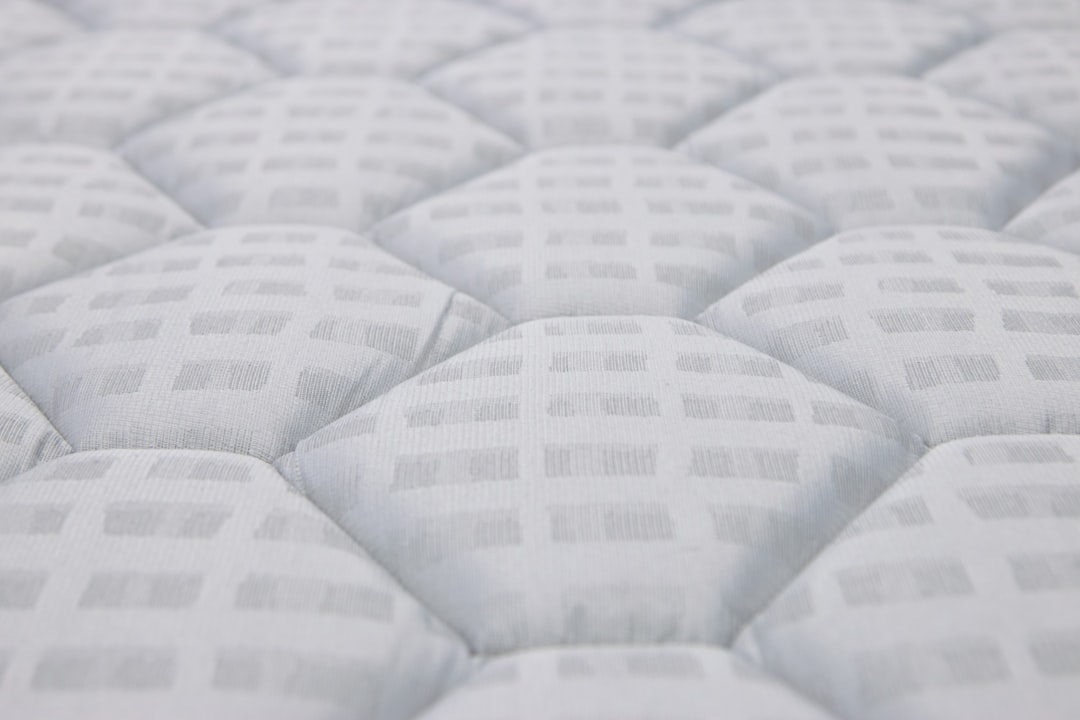
A mattress topper can significantly alter the pressure distribution across the body during sleep. Areas of high pressure at the hips and shoulders can restrict circulation and trigger positional shifts that fragment sleep architecture. Memory foam and latex toppers are particularly effective at redistributing weight evenly and reducing these pressure hotspots. Even a moderate improvement in surface comfort has been linked to longer periods spent in deep and REM sleep, both of which are critical for hormonal regulation and cellular recovery.
Bamboo Fabric

Bamboo-derived fabrics have gained recognition for their exceptional thermoregulatory properties compared to conventional textiles. The fiber structure naturally wicks moisture away from the body and releases it into the air more efficiently than cotton, keeping the sleep surface cooler for longer. Bamboo is also naturally hypoallergenic and resistant to dust mites, making it particularly beneficial for individuals whose sleep is disrupted by allergic responses. Its silky texture creates minimal friction against the skin, which supports uninterrupted sleep for those who move frequently during the night.
Linen Bedding
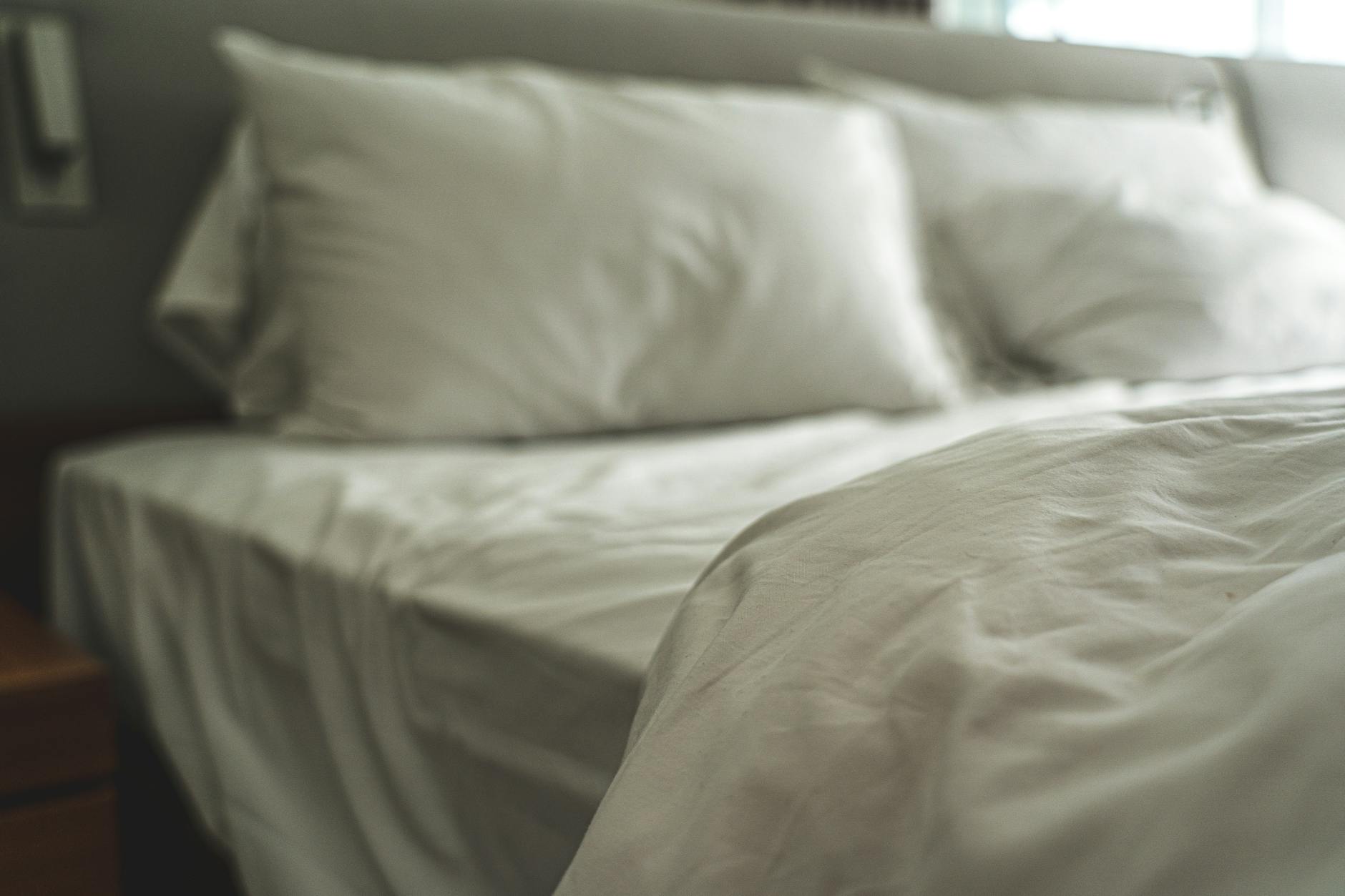
Linen is one of the oldest natural textiles used for sleep and carries properties that suit warm sleepers particularly well. Its loose weave allows for exceptional airflow, preventing the heat accumulation that suppresses deep sleep stages during warmer months or in poorly ventilated rooms. Linen becomes softer with every wash while retaining its structural integrity for years, making it a durable long-term investment in sleep quality. The fabric also has natural moisture-wicking abilities and dries quickly, maintaining a fresh and dry surface through the night.
Duvet Weight
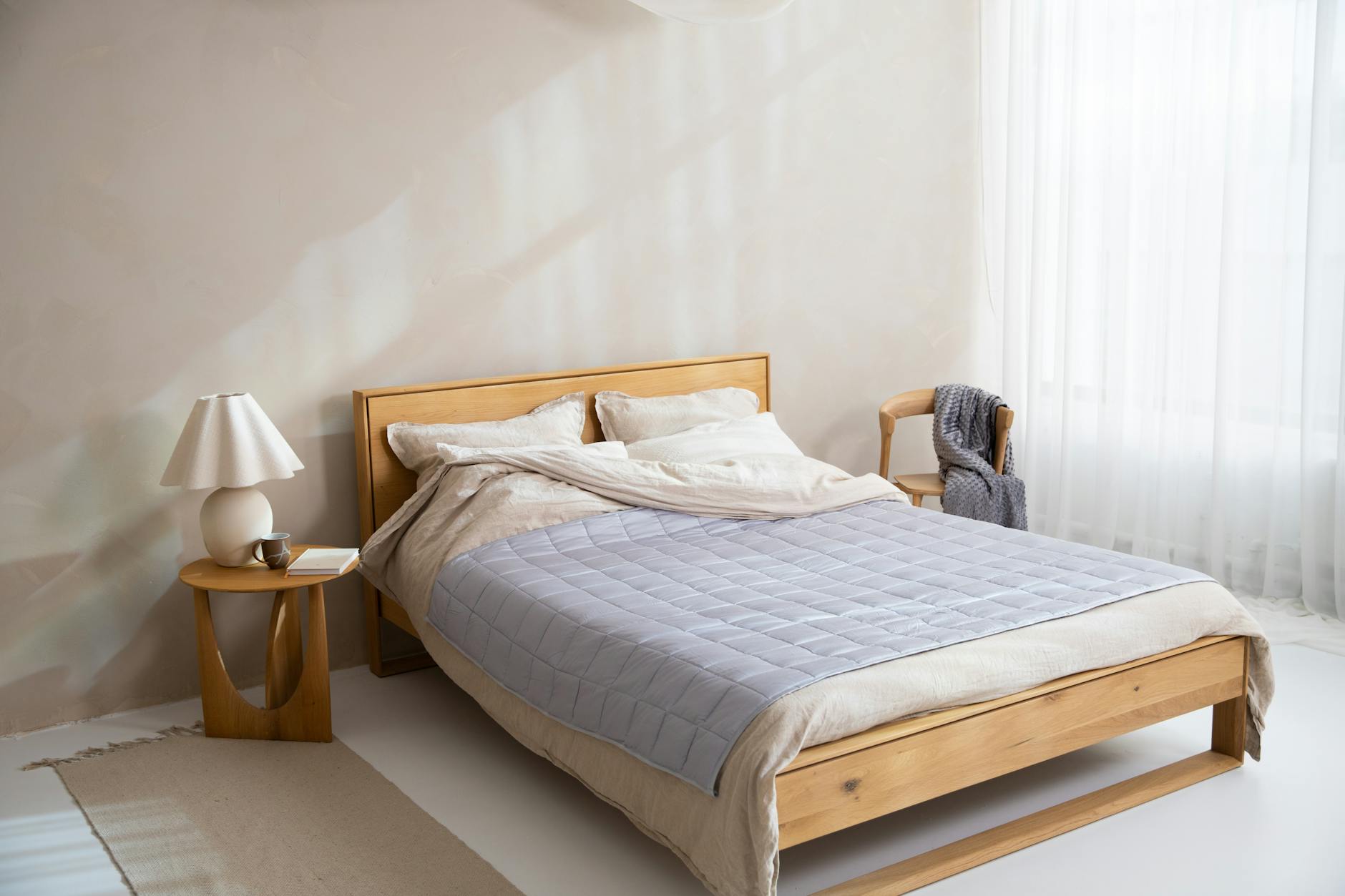
The tog rating of a duvet determines how much thermal insulation it provides and has a direct impact on core body temperature regulation during sleep. The body naturally needs to drop its core temperature by one to two degrees Fahrenheit to initiate and sustain deep sleep. An overly heavy duvet can prevent this drop from occurring, increasing the likelihood of waking and reducing time spent in restorative sleep phases. Seasonal adjustment of duvet weight is a straightforward way to align bedding with the body’s thermoregulatory needs throughout the year.
Mattress Age
The age and condition of a mattress is one of the most overlooked variables in sleep recovery. Materials degrade over time and lose their ability to provide consistent support, leading to increased pressure on joints and a progressive decline in sleep quality that often goes unnoticed. Most mattresses have a functional lifespan of seven to ten years depending on materials and usage patterns. Visible sagging or a persistent feeling of stiffness upon waking are reliable indicators that the mattress is no longer contributing to recovery and may actively be working against it.
Eucalyptus Fabric
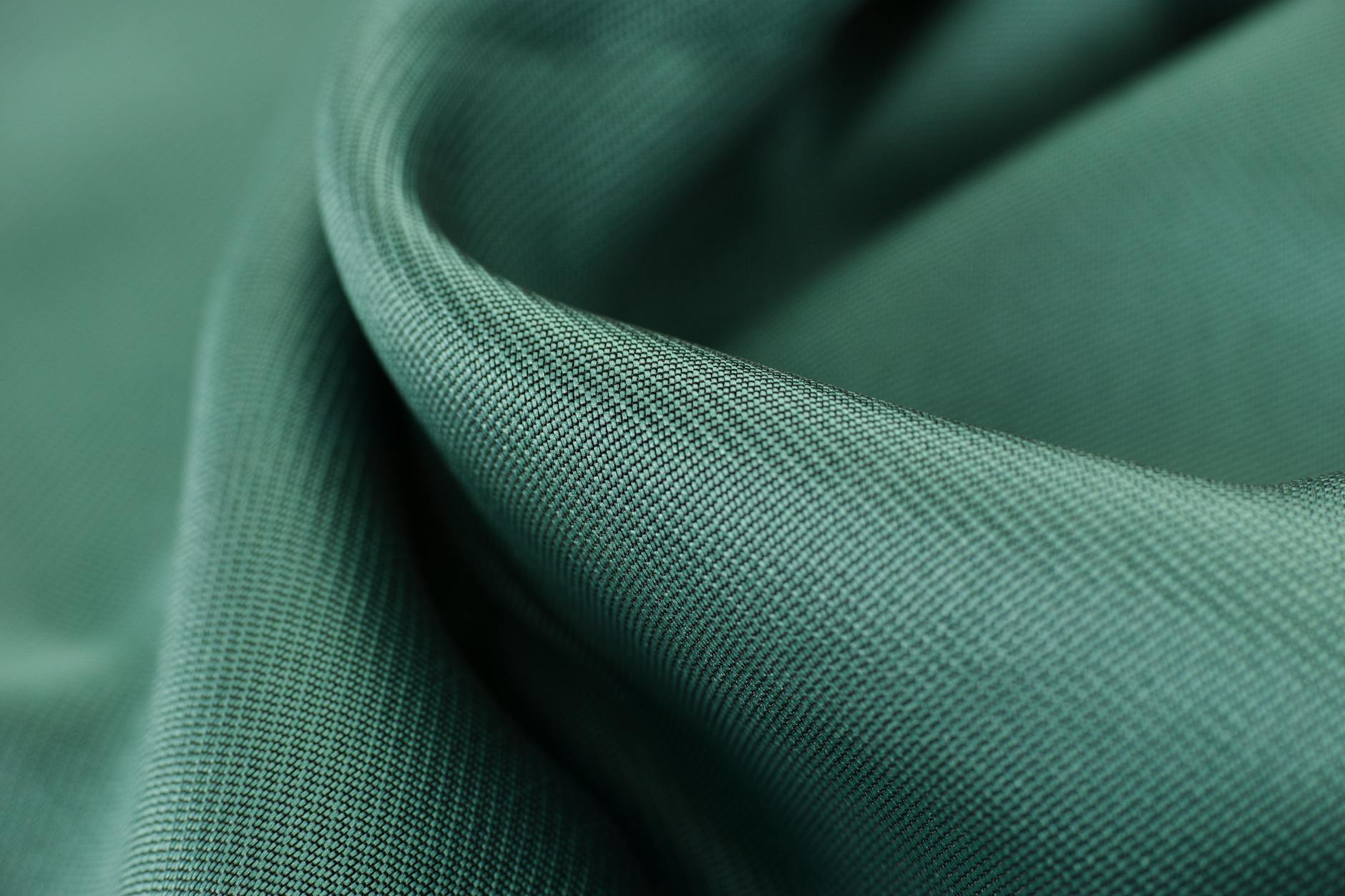
Eucalyptus-based fabrics such as TENCEL lyocell are produced through a closed-loop manufacturing process that preserves the fiber’s natural cooling and moisture-management qualities. The resulting textile is notably smooth and carries a lower friction coefficient than most cotton weaves, reducing skin irritation for those with sensitive or inflamed skin. Its thermoregulating properties help maintain a stable microclimate within the bed, limiting the temperature fluctuations that cause arousal from deep sleep. Eucalyptus fabrics are also resistant to odor-causing bacteria, keeping the sleep environment fresher for longer between washes.
Pillow Protectors

Pillow protectors create a barrier between the sleeper and allergens that accumulate within pillow fill over time. Dust mites, dead skin cells and mold spores are common irritants that build up inside unprotected pillows and can trigger nighttime congestion or skin reactions that disturb sleep without the sleeper identifying the cause. Waterproof or tightly woven protectors are particularly effective at preventing allergen infiltration while maintaining the breathability of the pillow beneath. Washing protectors every two weeks significantly reduces the allergen load in the sleep environment and supports more consistent overnight recovery.
Mattress Protectors
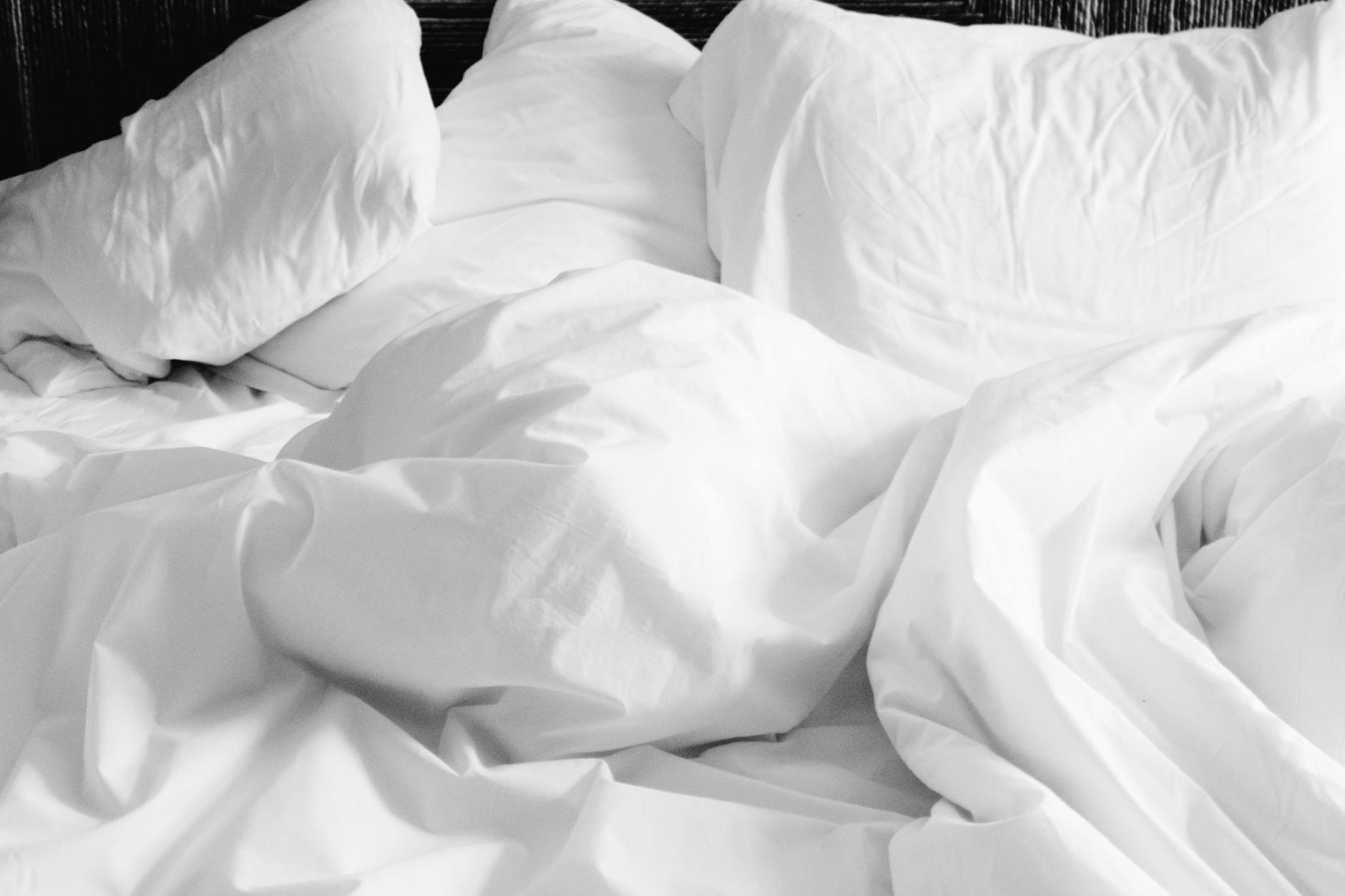
A quality mattress protector preserves the structural integrity of the mattress by preventing moisture penetration that accelerates material breakdown. Beyond protecting the investment, a well-chosen protector adds a thin layer of surface comfort and can provide a degree of temperature regulation depending on its material composition. Waterproof protectors with a cotton or bamboo top layer offer protection without the crinkle sound or heat retention associated with older plastic-lined models. Maintaining a clean and structurally sound mattress surface is a foundational element of a recovery-focused sleep environment.
Silk Pillowcases
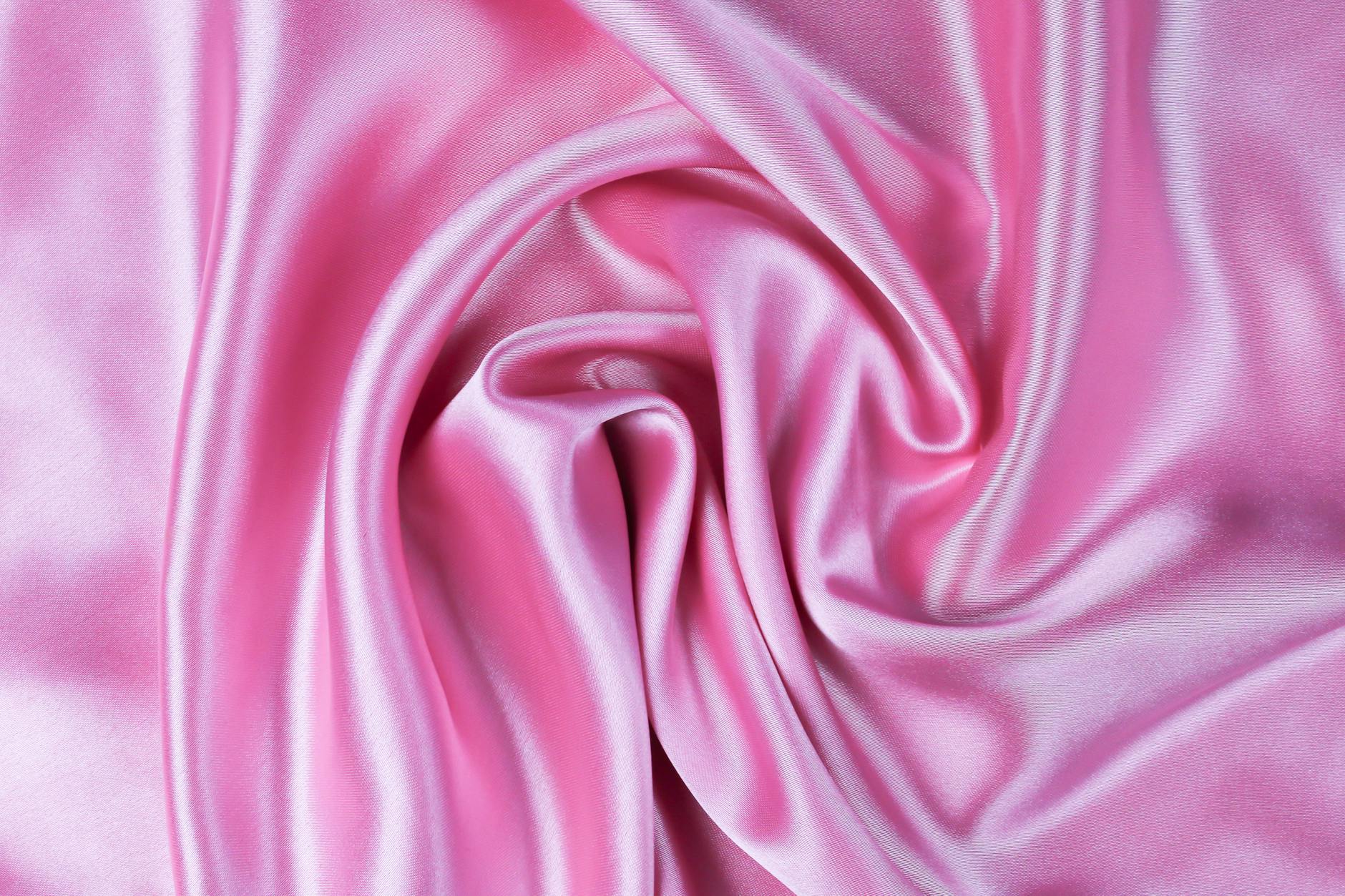
Silk pillowcases have a notably low friction surface that reduces mechanical stress on both skin and hair during sleep. This property is particularly relevant during recovery from skin conditions or cosmetic treatments where minimizing surface irritation supports the healing process. Silk is a poor conductor of heat, meaning it remains closer to skin temperature rather than drawing warmth away or reflecting it back. Its naturally hypoallergenic composition also makes it a supportive option for individuals managing nighttime skin sensitivity or inflammatory conditions.
Sleep Sacks

Sleep sacks provide a contained and consistent thermal environment that limits the disruptive effects of kicking off blankets during the night. The enclosed design helps maintain a stable body temperature without requiring conscious adjustment, reducing the micro-arousals that interrupt sleep architecture. For individuals who are particularly sensitive to temperature change or who sleep in rooms with fluctuating overnight temperatures, sleep sacks offer a reliable solution. Their structured design also limits the degree of tossing and turning that can fragment sleep and leave the body without adequate time in its deepest restorative phases.
Cooling Mattress Pads
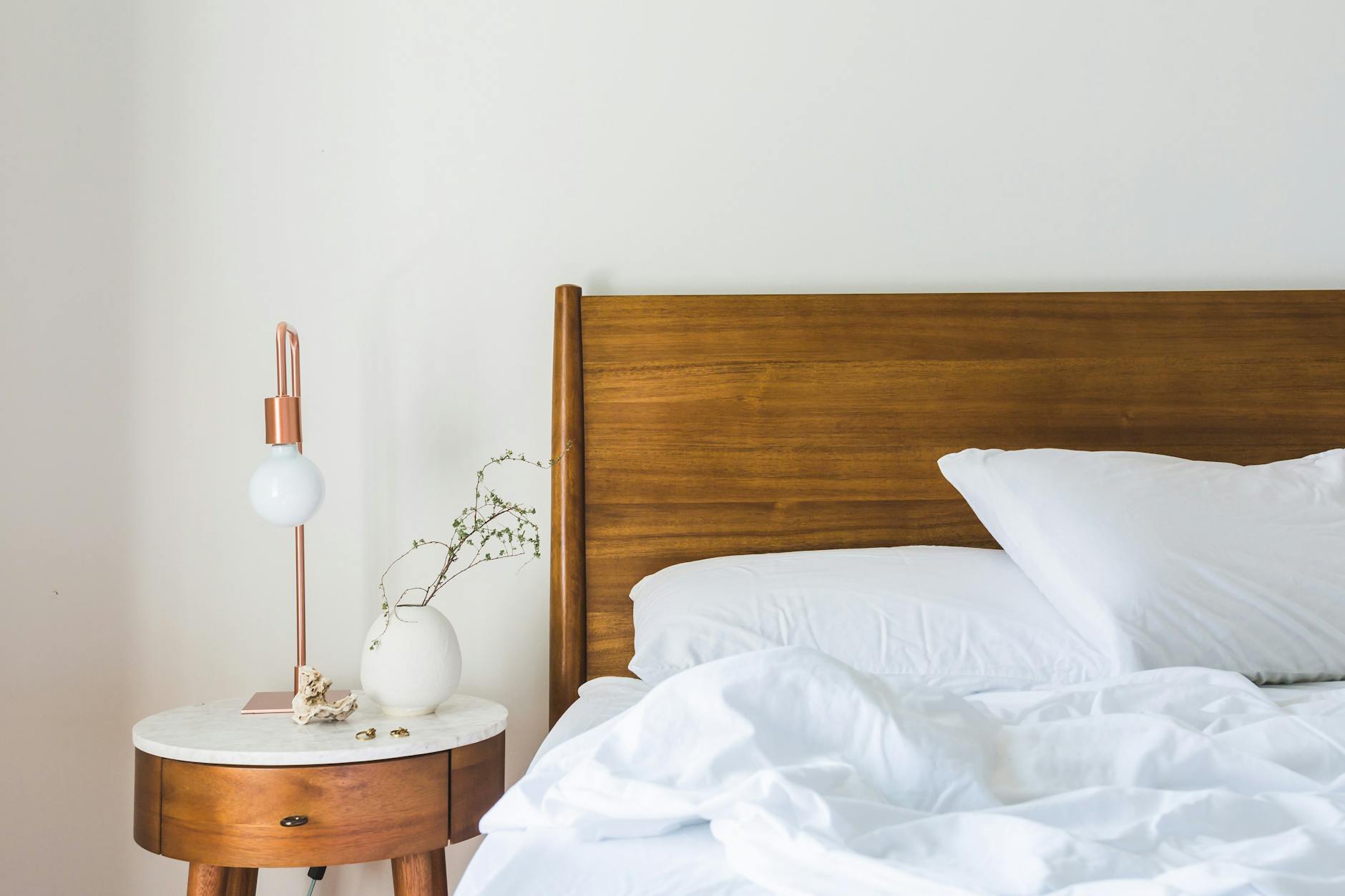
Active cooling mattress pads use water circulation or phase-change materials to draw heat away from the body throughout the night. Unlike passive materials that simply breathe, these pads continuously manage surface temperature and can be adjusted to precise settings that align with individual thermoregulatory needs. Research consistently links cooler sleep environments with increased slow-wave sleep, the phase most associated with physical recovery, immune response and growth hormone release. These pads are particularly effective for individuals who run hot naturally or who are undergoing physical training with elevated overnight recovery demands.
Adjustable Base Positioning

Adjustable bed bases allow sleepers to elevate specific parts of the body in ways that reduce strain on joints and improve circulation during sleep. Slight elevation of the legs encourages venous return, reducing overnight swelling and supporting cardiovascular recovery. Head elevation can reduce acid reflux and sinus congestion, both of which are known to cause sleep fragmentation. The ability to customize sleep position without relying on stacked pillows allows the body to remain in biomechanically supportive alignment for extended periods throughout the night.
Electric Blankets
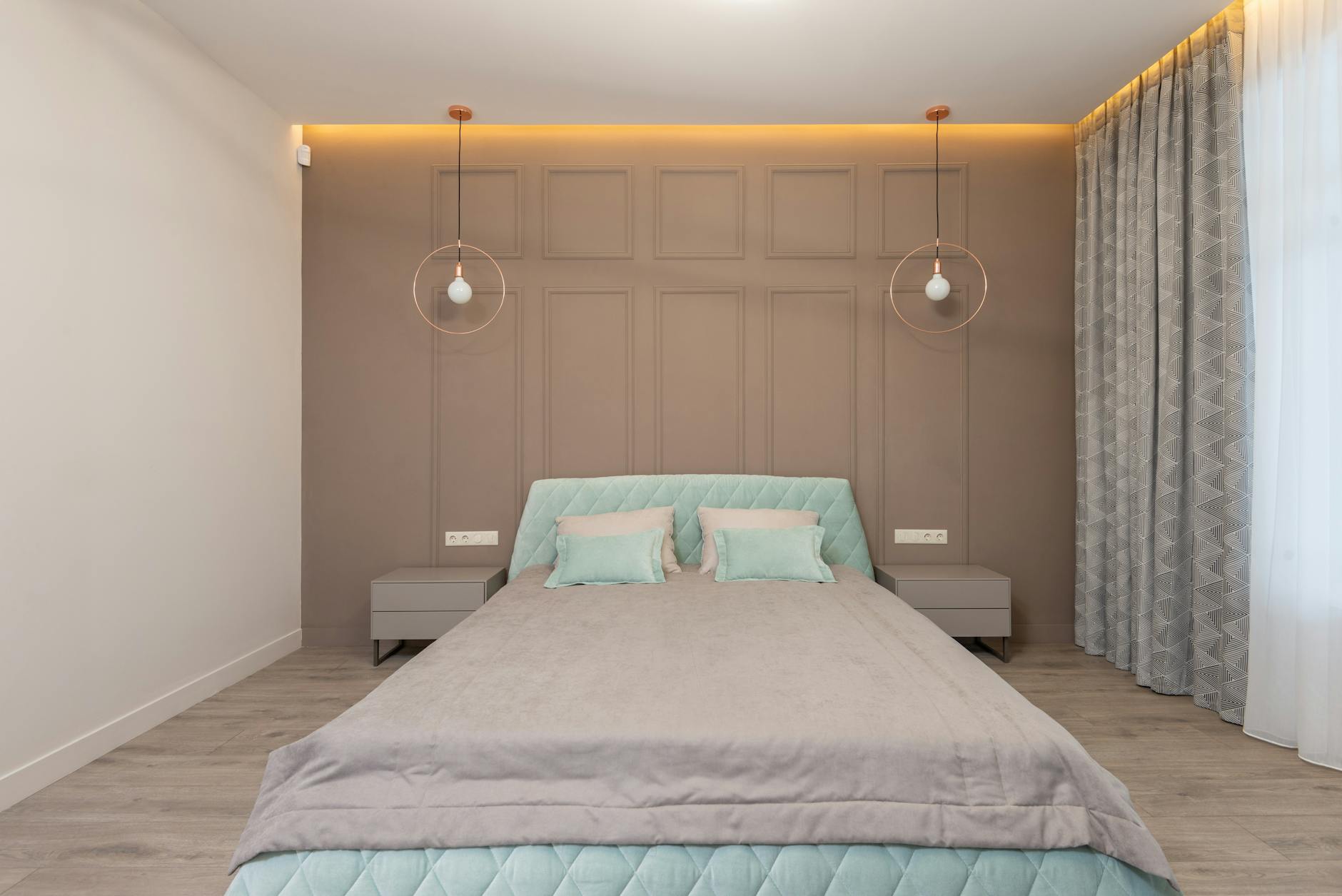
Electric blankets allow for precise pre-sleep warming of the bed environment, which supports the body’s natural sleep-onset mechanisms. Warming the external environment before sleep prompts peripheral vasodilation, drawing heat away from the body’s core and assisting the temperature drop needed to initiate deep sleep. Modern models with auto-shutoff functions can warm the bed without maintaining heat through the night, avoiding the risk of overheating during deeper sleep stages. For individuals recovering from muscle soreness or joint stiffness, the gentle warmth can also reduce overnight discomfort that would otherwise cause positional restlessness.
Hypoallergenic Fill

Hypoallergenic pillow and duvet fills are specifically engineered to resist the common allergens that accumulate within conventional bedding materials. Synthetic microfiber, latex and wool are among the most effective materials for limiting dust mite colonization and mold growth within sleep layers. Reducing allergen exposure at the sleep surface directly lowers the likelihood of nighttime nasal congestion, itching or respiratory irritation that pulls the body out of deep sleep. For allergy-prone individuals this single adjustment to bedding fill can produce measurable improvements in sleep continuity and morning recovery outcomes.
Organic Wool
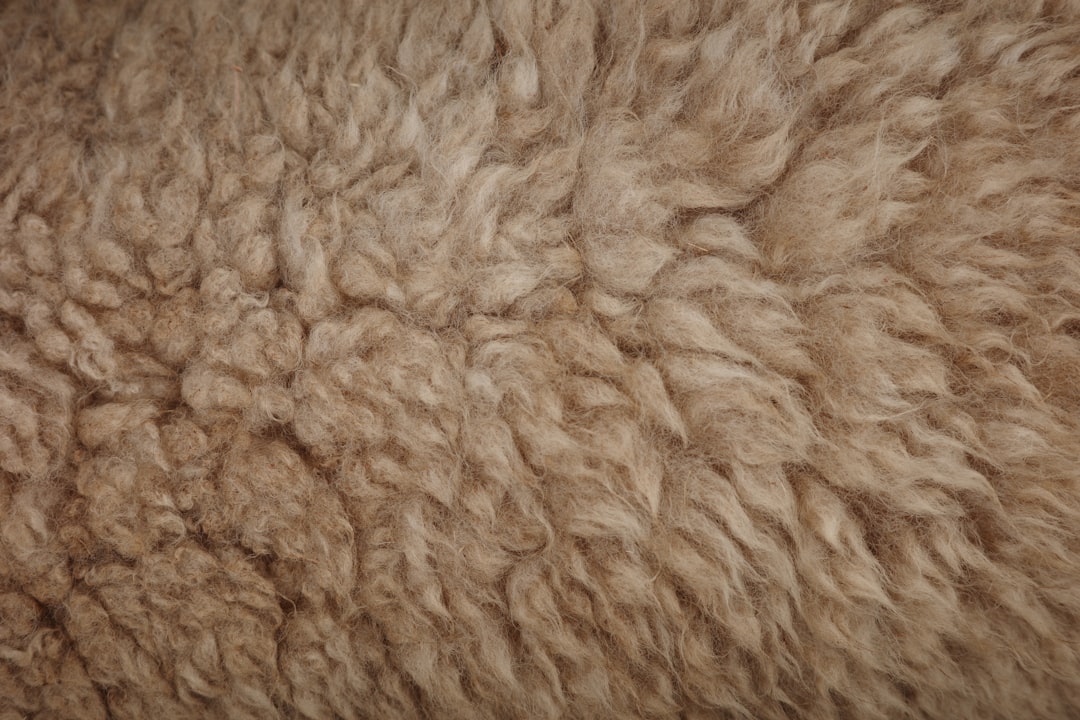
Organic wool possesses a unique ability to buffer moisture within its fiber structure without feeling wet against the skin. This property allows it to absorb overnight perspiration and release it gradually, maintaining a dry and comfortable sleep surface through temperature changes. Wool’s natural crimp creates air pockets within bedding layers that provide insulation in cooler conditions while still allowing heat to escape when the body warms. Its resistance to dust mites and mold without the use of chemical treatments makes it a particularly clean choice for a recovery-focused sleep environment.
Moisture-Wicking Sheets
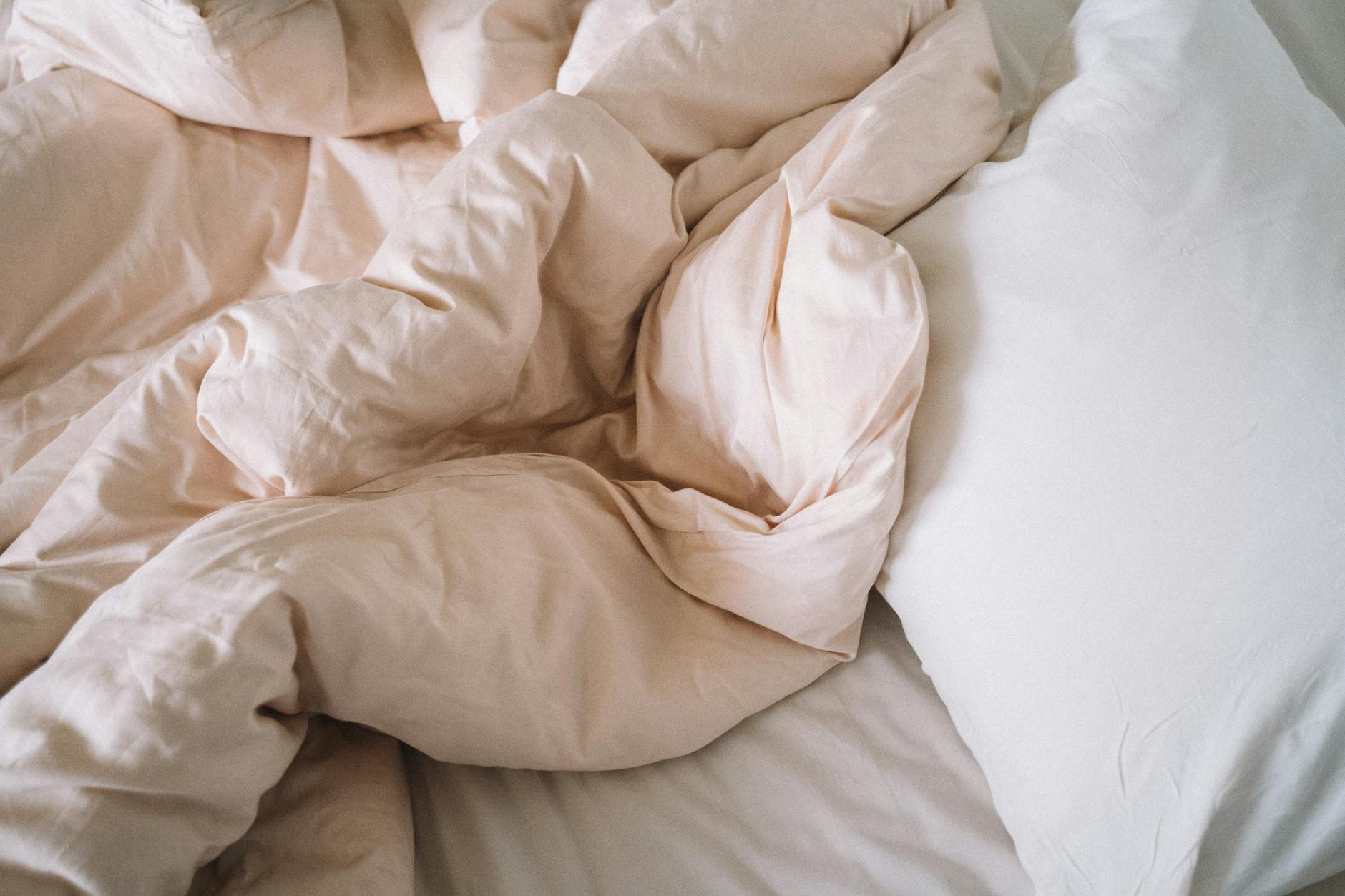
Moisture-wicking sheet sets are designed to move perspiration away from the skin and toward the outer surface of the fabric where it can evaporate. Accumulated moisture at the sleep surface raises local skin temperature and creates conditions that are disruptive to the body’s thermoregulatory balance during deep sleep. Athletes and individuals in physically demanding recovery periods tend to perspire more overnight as part of the repair process, making moisture management at the sleep surface especially important. Fabrics incorporating polyester performance blends or treated natural fibers offer consistent moisture transfer without sacrificing surface softness.
Blackout Curtains
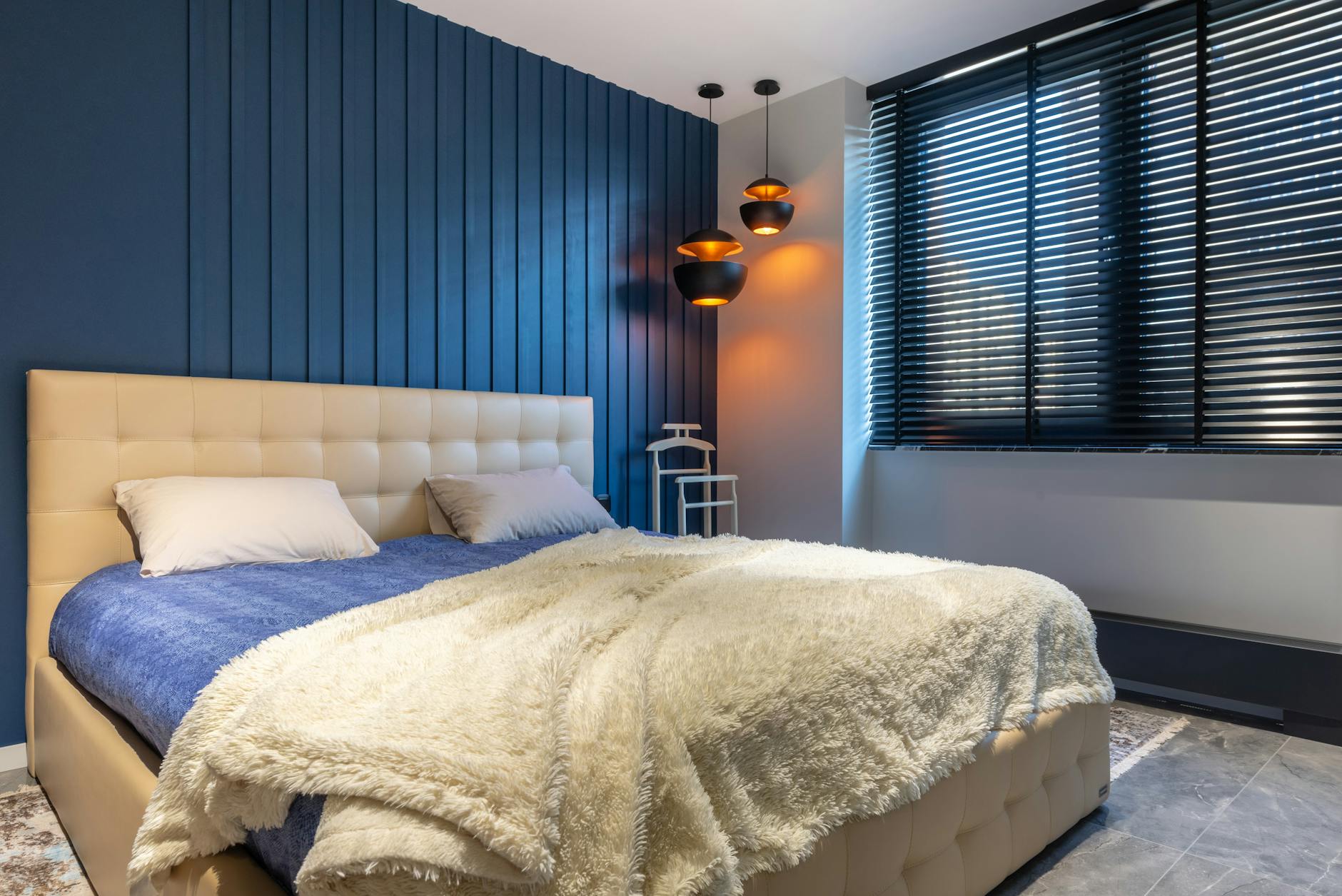
While not bedding in the traditional sense, blackout curtains form part of the sleep environment that directly interacts with the body’s recovery processes. Light exposure during sleep suppresses melatonin production even at low intensities, reducing the depth and duration of restorative sleep stages. Full light elimination creates the environmental conditions under which the brain can sustain the hormonal cycles most important for tissue repair and immune function. Pairing blackout curtains with quality bedding creates a holistic sleep environment that addresses both physical and neurological dimensions of overnight recovery.
Tencel Sheets
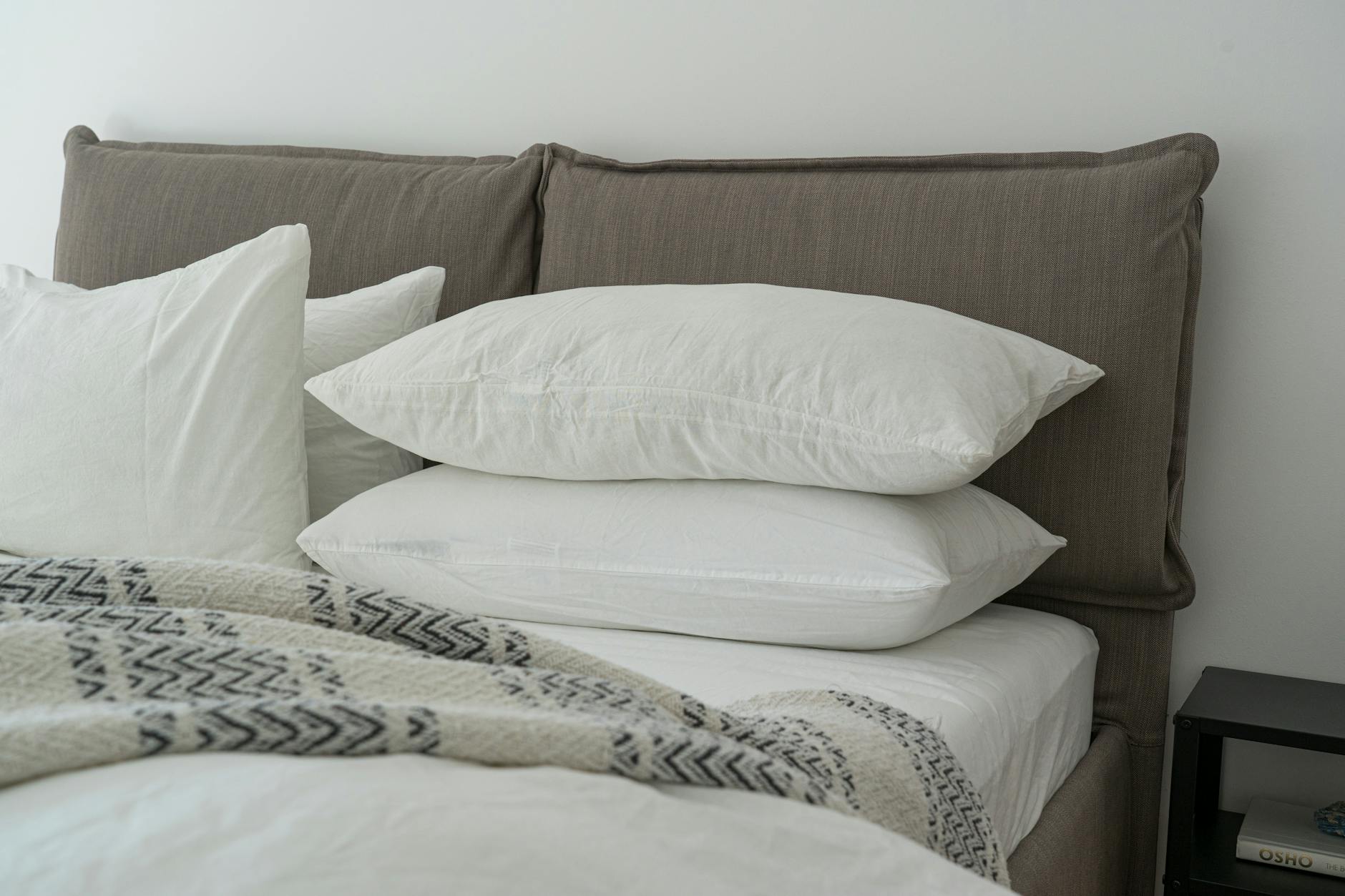
TENCEL lyocell sheets combine the breathability of natural fibers with the moisture management of performance textiles in a single woven surface. The fiber’s smooth structure creates a sleep surface with very low friction that minimizes skin irritation for those recovering from dermatological conditions or surgical procedures. TENCEL has a measurably higher rate of moisture absorption than cotton and releases it more rapidly into the air, keeping the microclimate of the bed consistently dry and cool. Its biodegradable origin and chemical-free processing also mean it carries fewer residual irritants than conventionally processed synthetic alternatives.
Zoned Support Mattresses
Zoned support mattresses divide the sleep surface into sections of varying firmness calibrated to the different pressure and support needs of each body region. Firmer support beneath the hips and lower back maintains spinal alignment while softer zones at the shoulders accommodate the lateral compression common in side sleeping. This targeted approach reduces the compensatory muscular tension the body generates when a uniform sleep surface fails to meet its varying structural demands. Consistently aligned spinal positioning throughout the night allows the nervous system to remain in a quieter state, supporting deeper and more restorative sleep cycles.
Cashmere Toppers
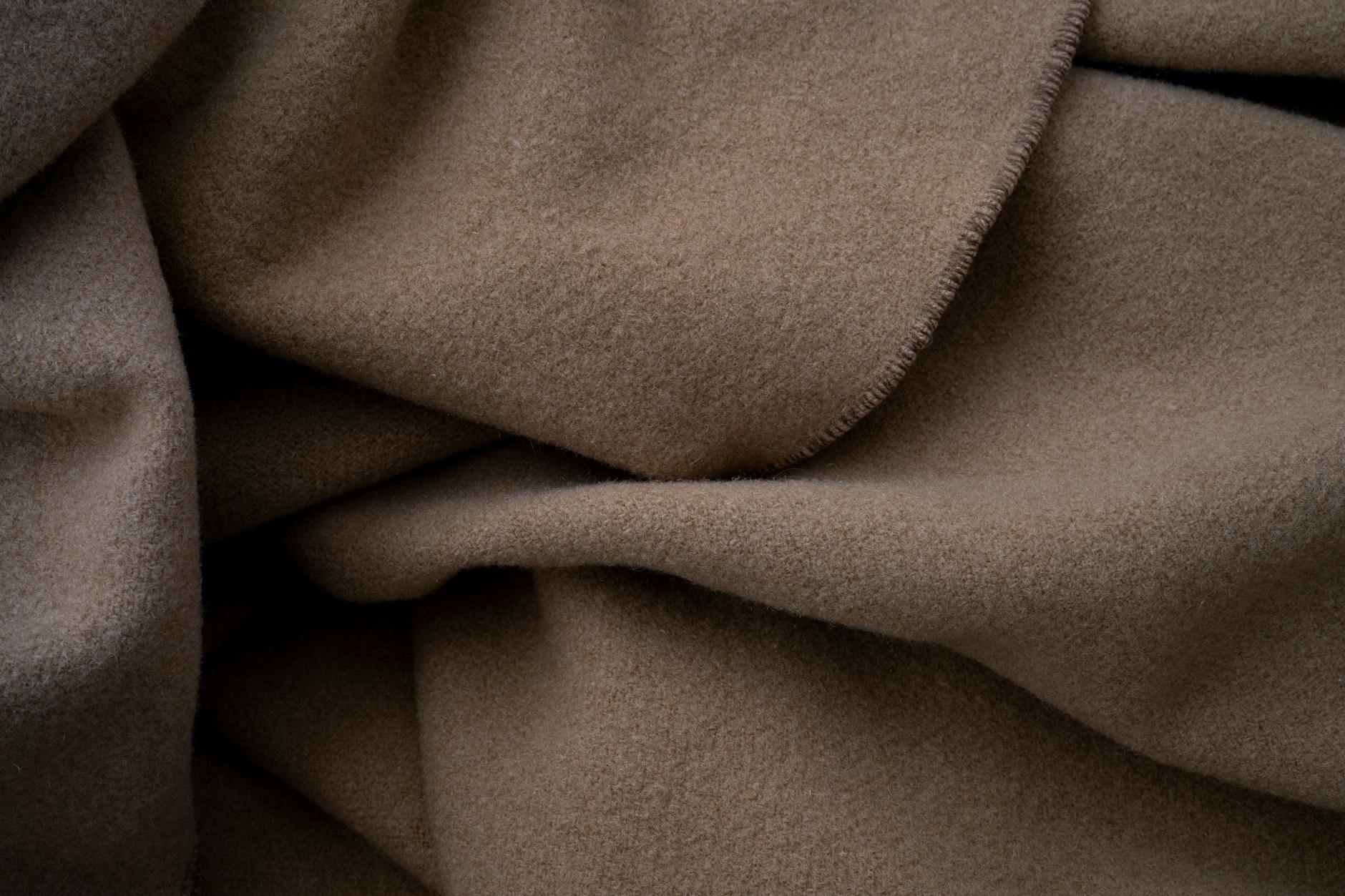
Cashmere mattress toppers provide an exceptionally fine and lightweight insulating layer above the mattress surface. The fiber’s natural softness creates minimal pressure on sensitive skin while its fine diameter allows heat to dissipate more readily than coarser wool alternatives. Cashmere’s protein-based fiber structure also resists static electricity, reducing the minor disruptions that synthetic materials can introduce to the sleep surface. As a natural fiber it regulates moisture and temperature passively throughout the night, contributing to a stable microclimate with no active input required from the sleeper.
Copper-Infused Fabrics

Copper-infused bedding materials have been developed to take advantage of copper’s natural antimicrobial properties at the sleep surface. The infusion inhibits the growth of bacteria and fungi within the fabric, reducing the microbial load that builds up between washes and can contribute to skin irritation during sleep. Some research suggests that copper oxide fibers may also support localized skin recovery by interacting with enzymes involved in collagen synthesis. These fabrics are increasingly incorporated into pillow covers and mattress protectors intended for individuals managing skin conditions or recovering from procedures that require a clean contact surface.
If your bedding choices have made a difference to your recovery or sleep quality, share what has worked for you in the comments.