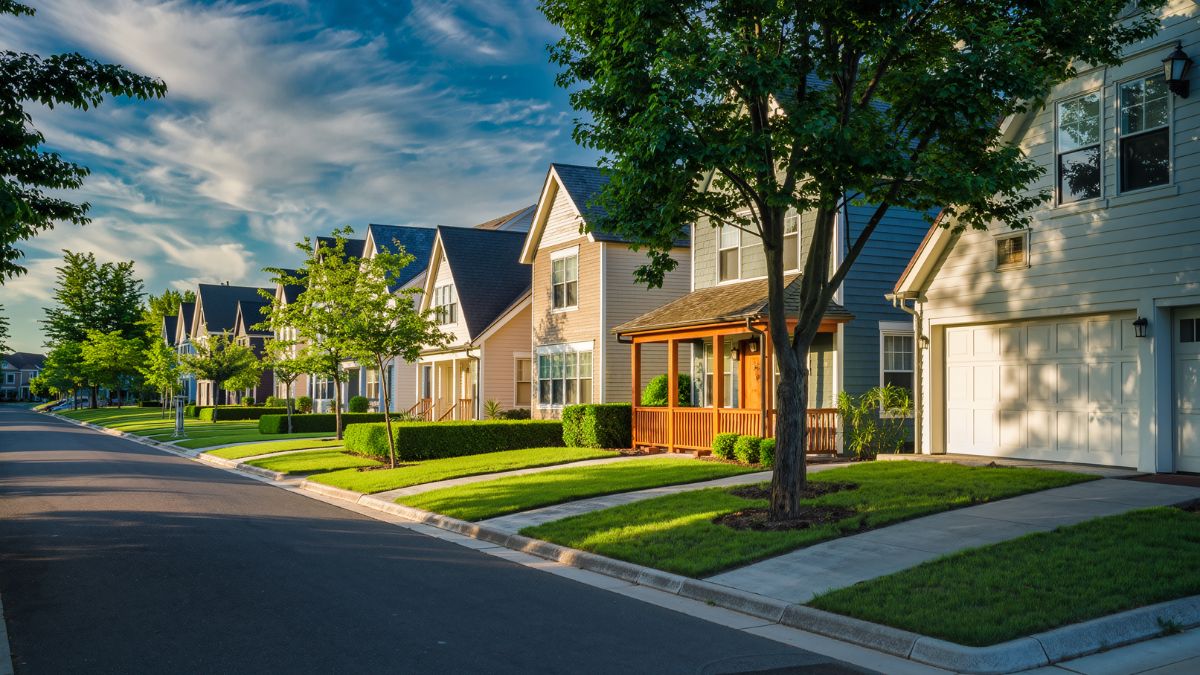
Where you choose to live shapes far more than your daily commute or monthly expenses. The streets outside your door, the people within walking distance, and the rhythms of your immediate environment quietly influence your mood, your health, and your sense of purpose every single day. Research across psychology, urban planning, and public health consistently points to neighborhood environment as one of the most underestimated factors in long-term human wellbeing. The choices made when selecting a place to live echo through decades of lived experience in ways most people never consciously recognize. These are the twenty-five silent forces at work shaping your happiness right now.
Walkability

Neighborhoods that support walking as a daily habit reduce sedentary behavior and lower rates of anxiety and depression over time. Residents who walk regularly as part of their routine report higher energy levels and stronger feelings of connection to their surroundings. Access to walkable streets encourages spontaneous social interactions that build a quiet but meaningful sense of belonging. Areas designed with pedestrians in mind also tend to support local businesses, which in turn creates more vibrant and engaging community environments. Walkable neighborhoods consistently rank among the top predictors of reported life satisfaction in long-term urban studies.
Green Space
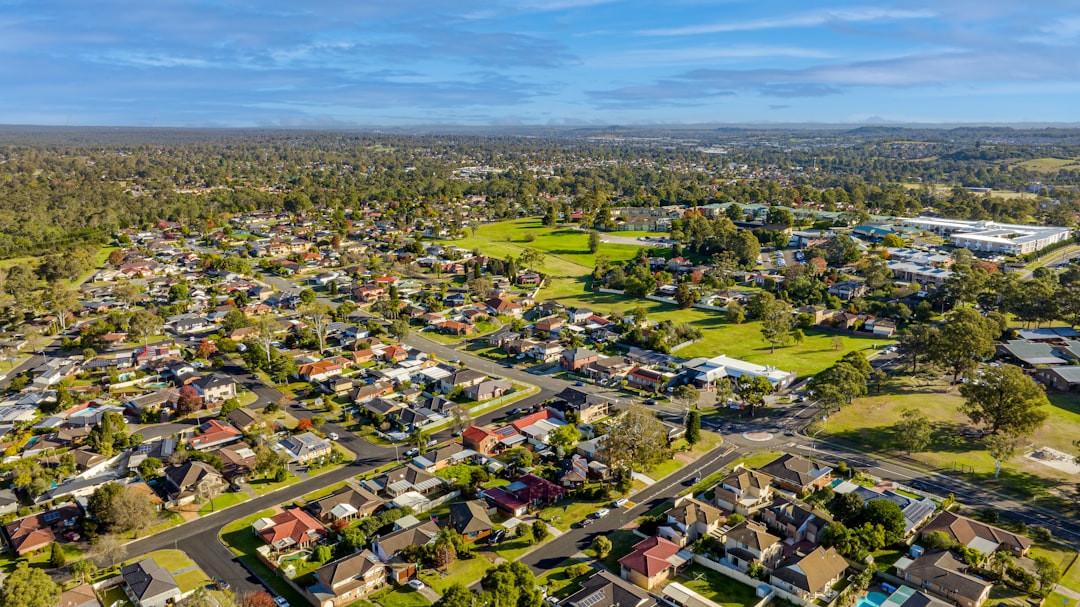
Proximity to parks, trees, and natural environments has a measurable effect on cortisol levels and overall stress regulation. Even brief daily exposure to greenery has been linked to improved attention span, reduced mental fatigue, and more stable emotional states. Neighborhoods rich in green space encourage outdoor activity, which naturally supports both physical health and social bonding. Access to nature within walking distance provides a reliable outlet for decompression that requires no planning or expense. Communities with maintained parks and tree-lined streets tend to foster a calmer and more grounded quality of daily life.
Noise Levels

Chronic exposure to elevated noise is one of the most overlooked environmental stressors affecting long-term health and happiness. Traffic, construction, and nighttime disturbances disrupt sleep architecture in ways that accumulate into significant cognitive and emotional consequences over years. Residents of quieter neighborhoods consistently report lower levels of irritability, better concentration, and more satisfying sleep patterns. The brain processes environmental sound even during sleep, meaning noise pollution affects restoration and recovery without the resident ever being aware of it. Choosing a neighborhood with manageable ambient sound levels is a genuine investment in mental and physical resilience.
Neighbor Relations

The quality of relationships with the people living nearest to you has a surprisingly strong influence on emotional wellbeing and perceived safety. Communities where neighbors acknowledge one another and occasionally exchange support create an invisible but powerful social safety net. Belonging to a neighborhood where casual friendliness is the norm reduces feelings of isolation and increases overall life satisfaction. Research in social psychology consistently finds that weak ties, such as knowing your neighbors by name, contribute meaningfully to happiness even without deep friendship. A sense of being known and seen within your immediate community provides a foundational layer of psychological security.
Air Quality

The air quality of a neighborhood operates as a constant background variable affecting concentration, energy, and long-term respiratory health. Areas with heavy traffic, industrial activity, or limited vegetation expose residents to elevated levels of particulate matter that affect cognitive function over time. Poor air quality has been linked to higher rates of fatigue, mood disruption, and even increased risk of anxiety and depression in longitudinal studies. Children and older adults are particularly sensitive to these environmental factors, making air quality a critical consideration for families planning long-term residency. Clean air is a silent but fundamental contributor to the physical vitality that underpins daily happiness.
Safety Perception
The degree to which a person feels safe in their neighborhood affects their willingness to spend time outdoors, connect with others, and engage with community life. Perceived safety, even independent of actual crime statistics, determines whether residents move through their environment with ease or constant low-grade vigilance. Chronic hypervigilance is neurologically taxing and over time contributes to elevated stress hormones and reduced emotional resilience. Neighborhoods where people feel comfortable walking at night, leaving windows open, or letting children play outside foster a fundamentally different psychological baseline than those where caution is constant. A felt sense of safety is one of the most direct environmental contributors to day-to-day emotional ease.
Local Food Access

The convenience of accessing fresh, nutritious food within a neighborhood quietly shapes the dietary habits and physical health of its residents over time. Food deserts, areas where fresh produce and whole foods are difficult or expensive to obtain, are linked to higher rates of diet-related chronic illness and lower life expectancy. When healthy eating requires significant planning, travel, or expense, it becomes a source of daily friction that compounds into long-term health consequences. Neighborhoods with accessible farmers markets, grocery stores, and community gardens make nutritious choices the path of least resistance. The relationship between food environment and happiness is deeply tied to energy levels, physical vitality, and the absence of preventable illness.
Community Events

Neighborhoods that host regular communal gatherings, markets, seasonal celebrations, or public activities create natural opportunities for residents to develop shared identity and mutual familiarity. These recurring moments of collective participation strengthen the social fabric of a community in ways that benefit even those who attend only occasionally. A sense of local culture and shared calendar creates emotional investment in a place that goes beyond the transactional. Residents who feel that their neighborhood has a distinct personality and active community life report stronger feelings of belonging and pride in where they live. The presence of a living community rhythm is one of the most quietly powerful contributors to long-term residential happiness.
School Quality
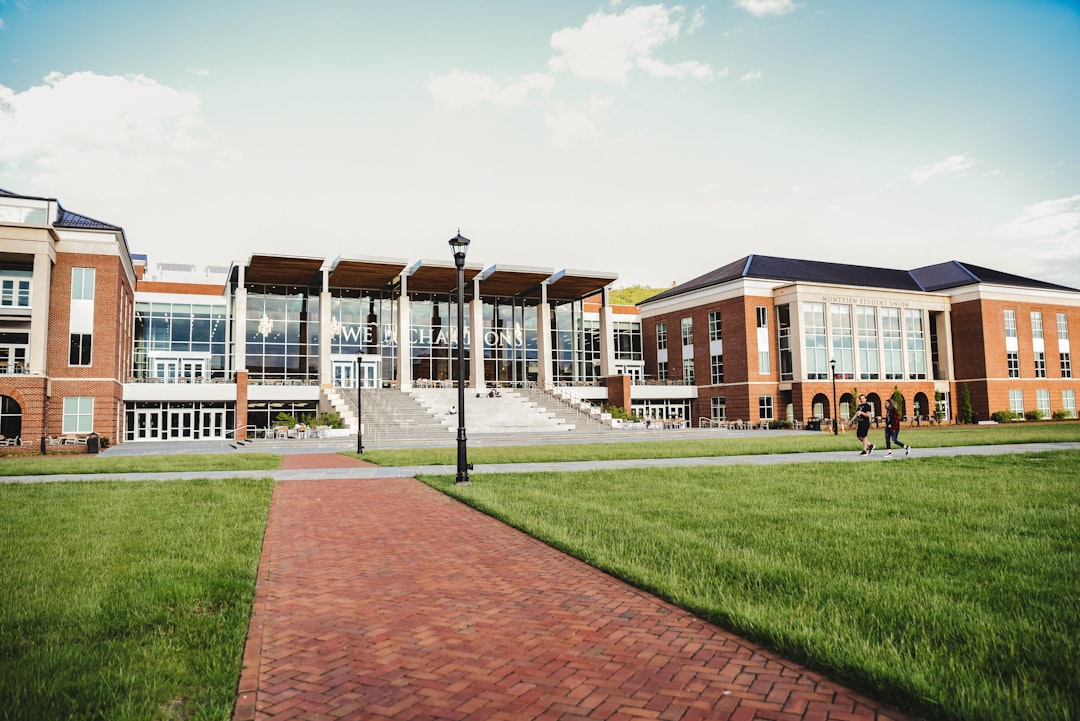
For households with children or those planning families, the quality of nearby schools shapes not only educational outcomes but the broader texture of community life. School quality influences the demographic composition of a neighborhood, the level of parental engagement in public spaces, and the general investment residents have in their shared environment. Strong local schools tend to attract and retain families who are committed to long-term residency, which stabilizes communities and encourages deeper social roots. The presence of well-resourced educational institutions nearby also signals broader investment in community infrastructure that benefits all residents. Even for households without children, school quality functions as a reliable proxy for neighborhood stability and civic health.
Commute Length
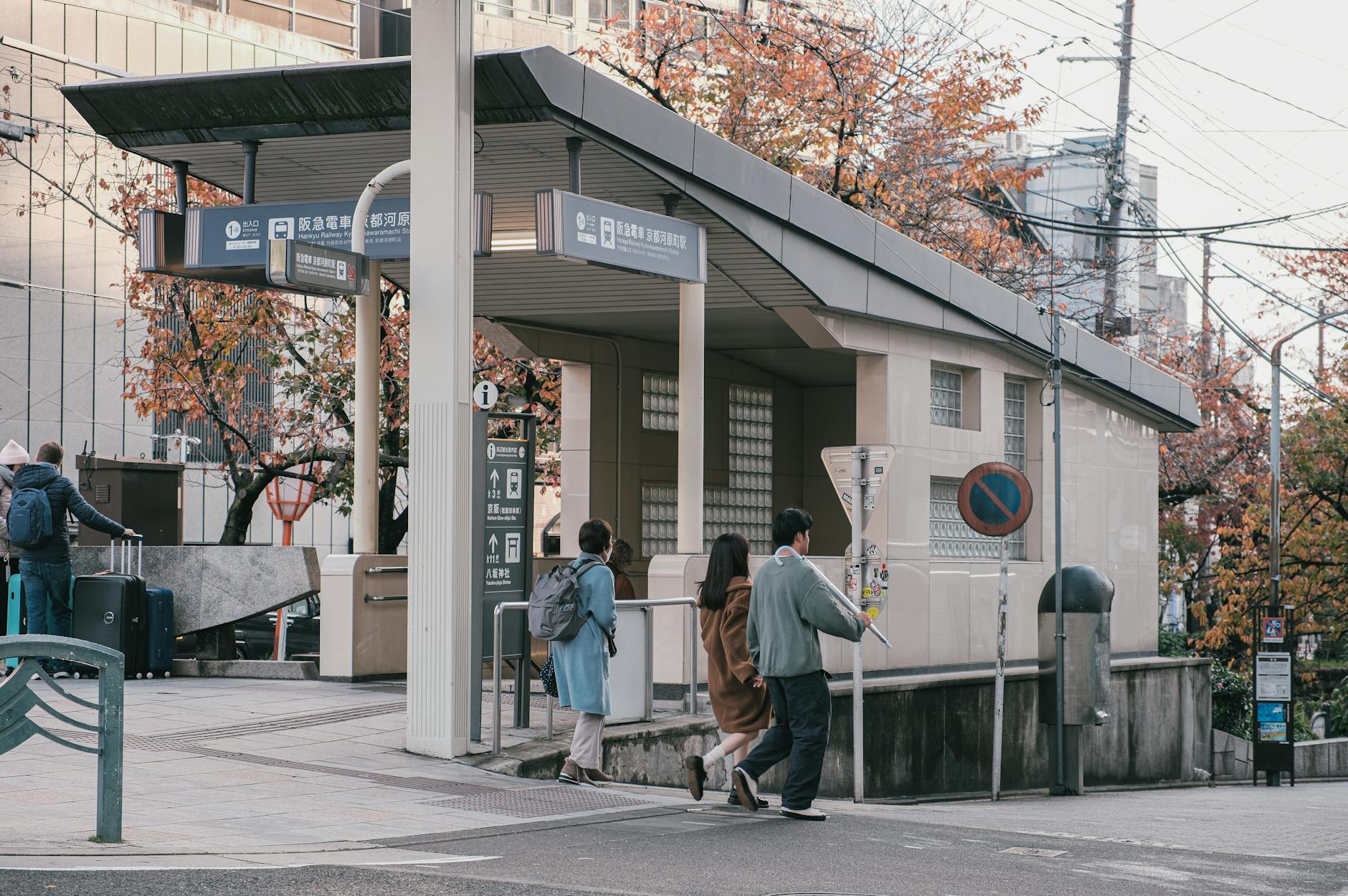
The daily distance and duration between home and work is one of the most researched variables in urban happiness studies, consistently emerging as a significant predictor of life satisfaction. Long commutes compress the time available for rest, relationships, exercise, and leisure in ways that quietly erode quality of life over months and years. The stress of transit, particularly in high-traffic or unreliable systems, creates a daily emotional cost that many residents underestimate when choosing where to live. Neighborhoods positioned within a reasonable distance of employment centers allow residents to reclaim time and energy that compound meaningfully into wellbeing. Reducing commute length is one of the most evidence-supported adjustments a person can make to improve daily happiness.
Healthcare Access

Living in close proximity to quality healthcare facilities reduces the stress associated with managing illness, navigating emergencies, and maintaining preventive health routines. The ease of accessing general practitioners, specialists, dental care, and mental health services within a neighborhood shapes how proactively residents engage with their own health. Neighborhoods with strong healthcare infrastructure tend to have older populations that age in better health, which in turn affects the overall energy and pace of community life. Delayed or difficult access to care allows manageable health issues to escalate into serious ones, creating downstream consequences for both physical and emotional wellbeing. The quiet presence of nearby, reliable healthcare is a foundational element of the security that supports long-term happiness.
Public Transport
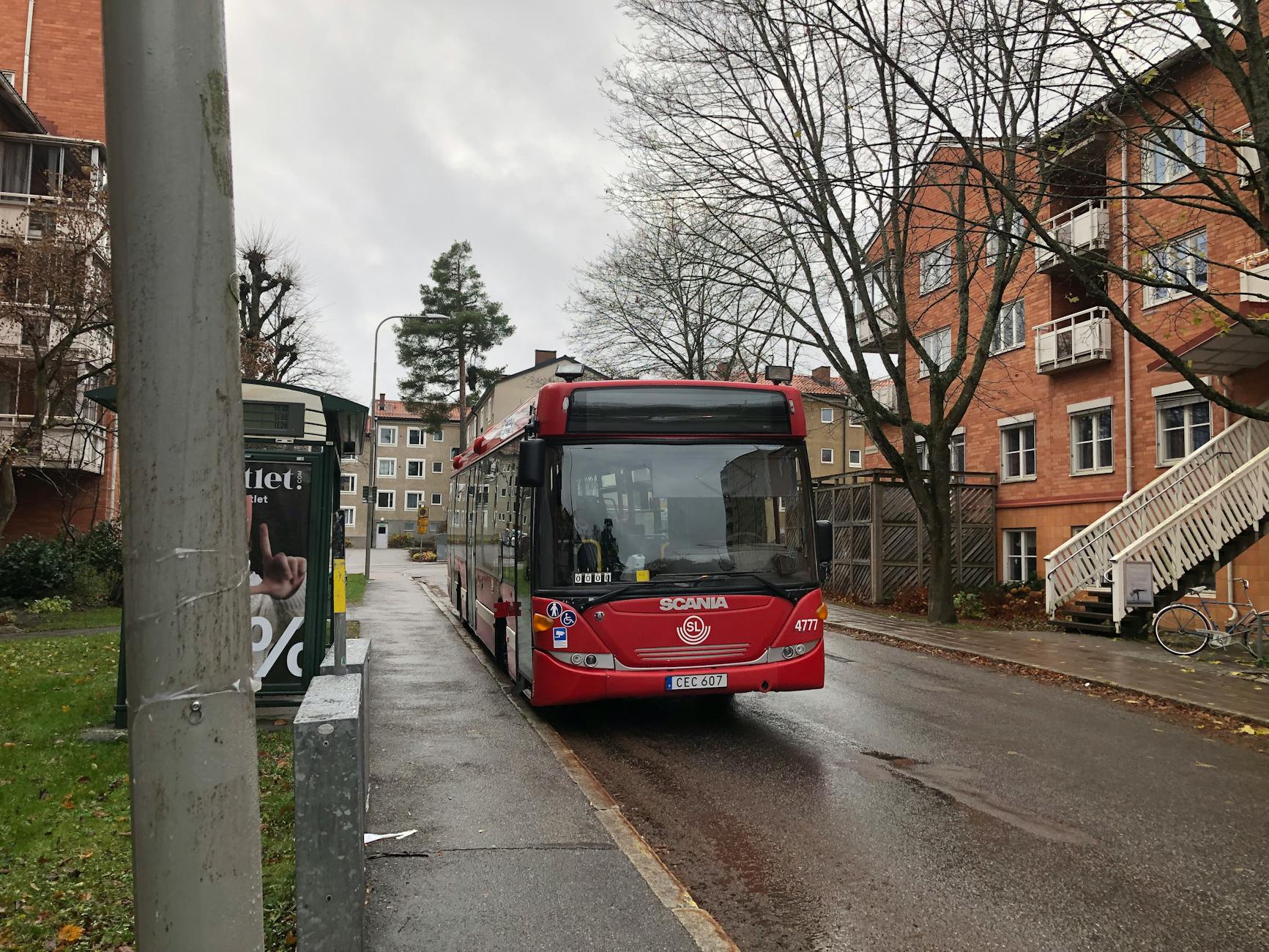
The availability and reliability of public transportation in a neighborhood shapes residents’ independence, flexibility, and freedom from the financial and psychological burden of car dependency. Strong transit networks expand access to employment, culture, social connection, and services without requiring vehicle ownership or the stress of driving. Neighborhoods well-served by public transport tend to be denser, more walkable, and more economically diverse, qualities associated with higher levels of social vitality. Car-dependent neighborhoods isolate residents who do not drive or cannot afford vehicle maintenance, quietly limiting their quality of life over time. Access to functional public transit is a practical and symbolic indicator of how well a neighborhood supports the full range of its residents.
Economic Diversity
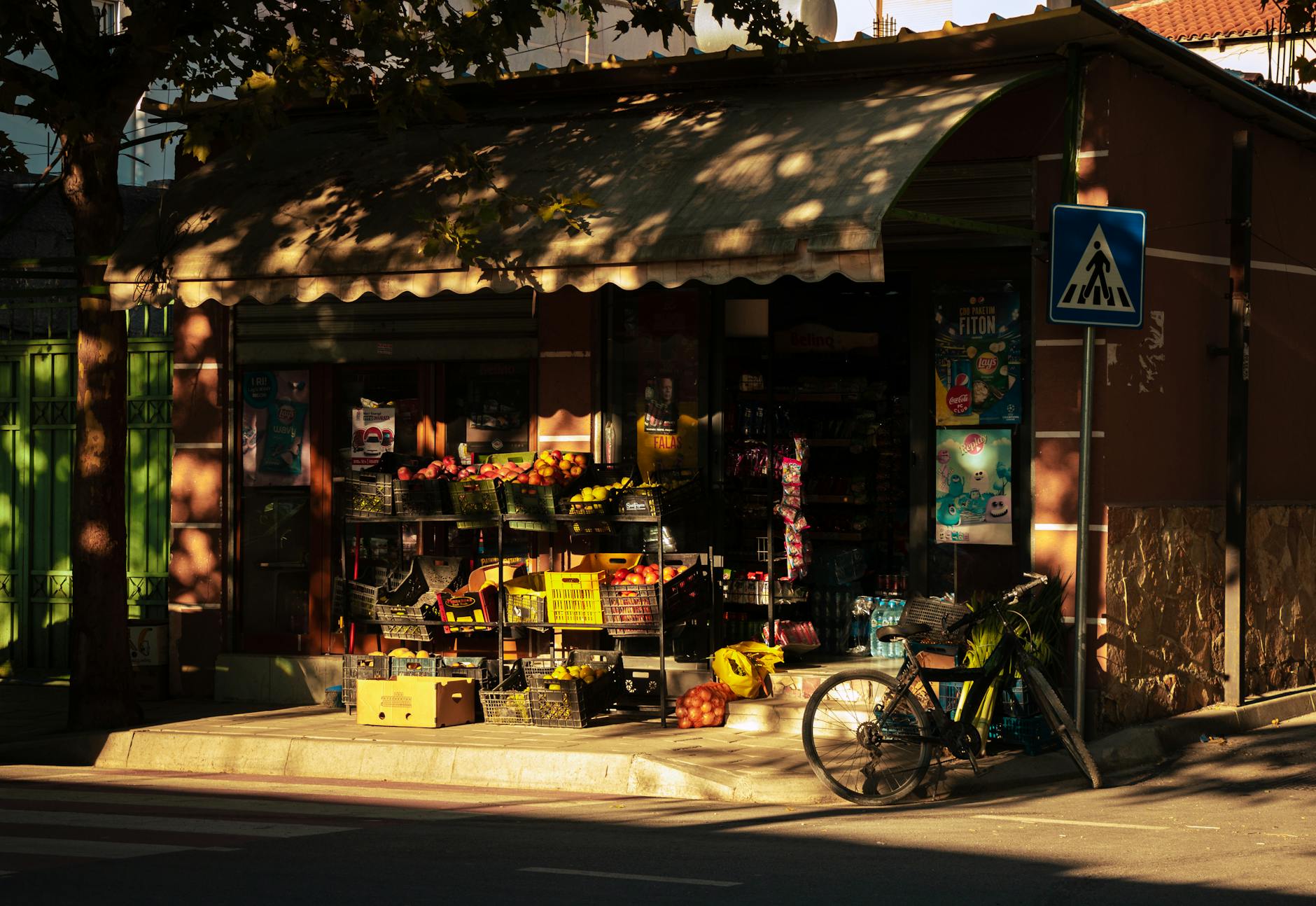
Neighborhoods that include residents across a range of income levels tend to be more economically resilient and socially textured than those defined by sharp homogeneity. Mixed-income communities support a wider variety of local businesses, services, and cultural offerings that reflect and serve a broader population. Economic diversity in a neighborhood has been linked to greater civic participation, lower residential turnover, and a stronger collective investment in shared public spaces. Exposure to a range of economic realities within daily life also cultivates empathy and social awareness that benefits community cohesion over time. The economic composition of a neighborhood quietly shapes both its character and the long-term stability that supports residential happiness.
Library Access

Public libraries within a neighborhood represent one of the most undervalued contributors to community wellbeing, offering free access to knowledge, programming, and quiet public space. Regular library users report higher levels of civic engagement, intellectual stimulation, and sense of community belonging regardless of age or background. Libraries function as neutral public gathering spaces that welcome all residents without commercial pressure, a quality increasingly rare in contemporary neighborhoods. The presence of a well-funded local library signals broader community investment in education, culture, and the common good. Neighborhoods with accessible libraries tend to nurture a culture of curiosity and lifelong learning that supports mental engagement and emotional fulfillment.
Housing Stability
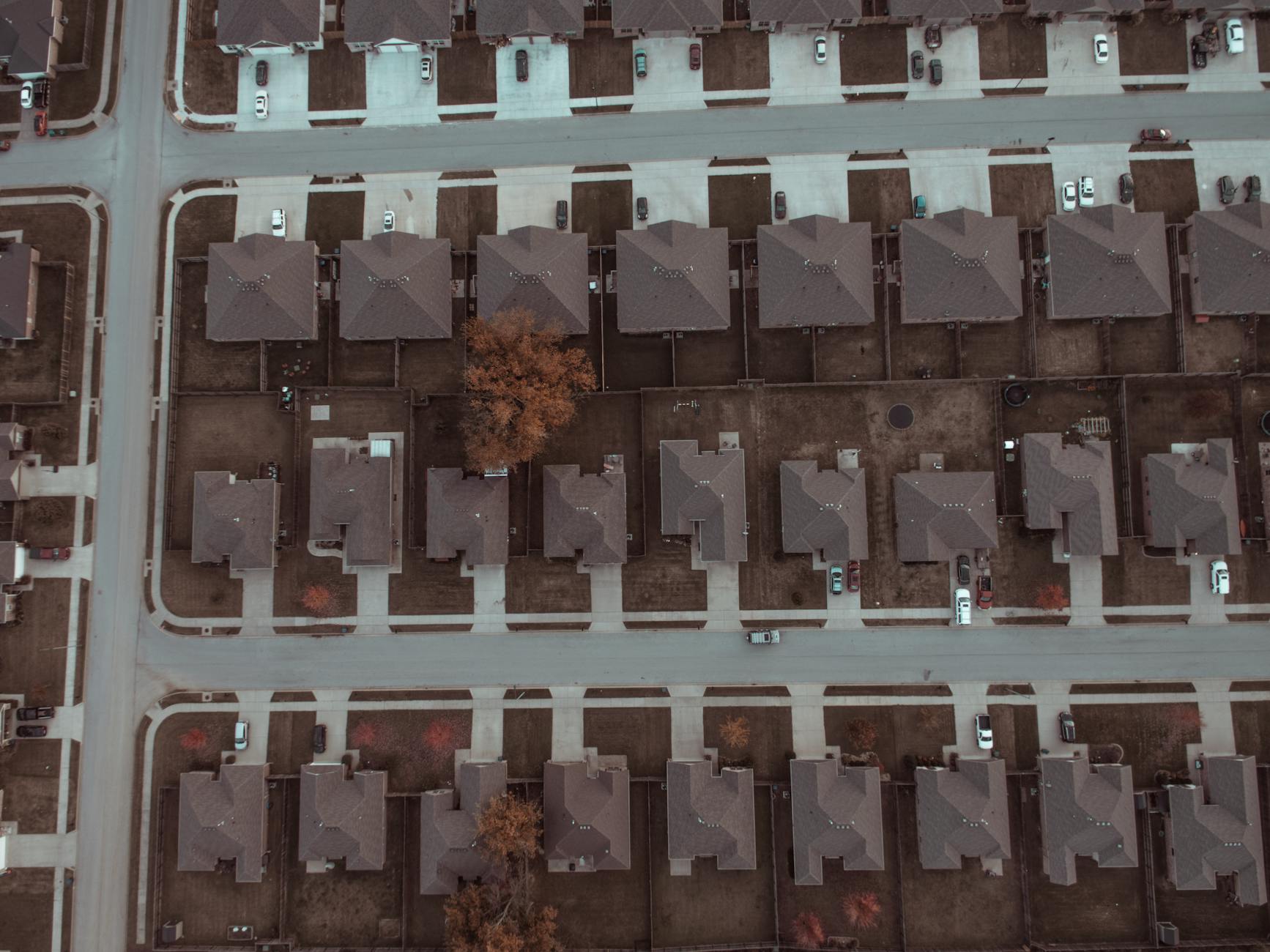
The degree of residential stability in a neighborhood, how frequently people move in and out, has a profound effect on the depth of social ties that form over time. High turnover prevents the accumulation of the shared history, mutual familiarity, and informal trust networks that define genuinely connected communities. Residents in stable neighborhoods develop relationships that extend across years and life stages, creating a quality of belonging that is impossible to replicate in transient environments. Housing stability also allows physical spaces to be maintained and improved collectively, which reinforces pride of place and environmental quality. The quiet continuity of a stable neighborhood is a foundational element of the deep-rooted happiness that comes from truly feeling at home.
Cultural Amenities

Access to museums, theaters, galleries, music venues, and cultural institutions within or near a neighborhood enriches the texture of daily life in ways that accumulate into lasting satisfaction. Regular engagement with arts and culture has been linked to reduced stress, enhanced cognitive flexibility, and stronger feelings of meaning and purpose. Neighborhoods positioned near cultural districts offer residents the ability to engage with creative and intellectual life as a routine rather than an occasional luxury. The presence of cultural amenities also attracts a diverse and creatively engaged population that contributes to the social vibrancy of surrounding areas. Living near places that celebrate human creativity and expression is a quiet but consistent source of the elevation that underpins long-term happiness.
Pet Friendliness
Neighborhoods that accommodate pet ownership through parks, trails, open spaces, and community tolerance for animals support one of the most well-documented sources of human emotional wellbeing. Pet owners who live in environments that welcome animals report higher levels of daily joy, reduced loneliness, and more frequent spontaneous social interactions with neighbors. Dog-friendly neighborhoods in particular generate regular patterns of outdoor activity and casual community encounter that build social fabric over time. The presence of animals in shared community spaces has been shown to lower stress responses and increase feelings of warmth and approachability among residents. A neighborhood that embraces pet life quietly creates conditions for both physical activity and human connection that support sustained happiness.
Volunteering Opportunities

The availability of local volunteer organizations, community gardens, neighborhood associations, and civic groups within a neighborhood creates accessible pathways for residents to invest in something larger than their private lives. Regular volunteering has been consistently identified in wellbeing research as one of the most reliable predictors of life satisfaction across age groups and demographics. Neighborhoods with active voluntary organizations tend to have stronger civic cultures, better-maintained public spaces, and higher levels of mutual aid among residents. The act of contributing to a place deepens the emotional investment a resident feels toward it, transforming a location into a genuine community. Living somewhere that makes it easy to give back quietly amplifies the sense of meaning and connection at the heart of long-term happiness.
Seasonal Adaptability
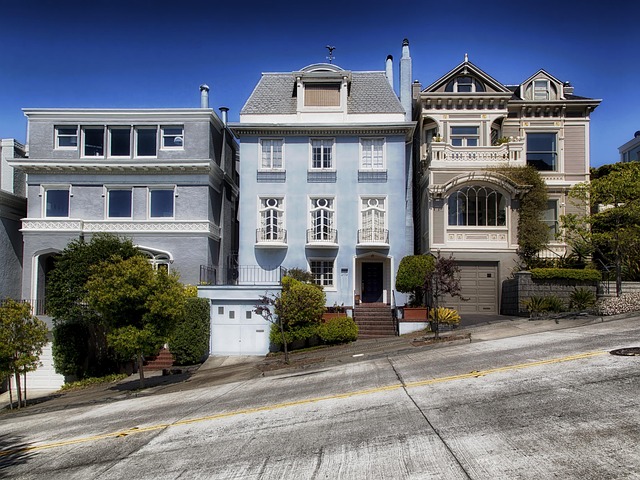
Neighborhoods designed to remain livable, functional, and socially active across all seasons offer residents a more consistent quality of life than those that become hostile or empty in extreme weather. Well-maintained infrastructure, covered public spaces, indoor community venues, and year-round programming allow residents to remain engaged with their community regardless of climate conditions. The ability to sustain outdoor activity, social interaction, and daily errands throughout seasonal changes protects against the isolation and stagnation that can accompany harsh winters or summers. Neighborhoods that plan for weather as part of their design philosophy demonstrate a broader commitment to resident comfort and long-term livability. Seasonal adaptability is a quiet but meaningful indicator of how thoughtfully a community has been built for the full range of human experience.
Street Design

The physical design of streets, including width, lighting, pavement quality, tree coverage, and the presence of benches or public seating, shapes how residents experience their immediate environment on a sensory level every day. Narrow, tree-lined streets with human-scale design encourage slower movement, casual interaction, and a greater sense of safety and intimacy than wide arterial roads built primarily for vehicles. Poor street lighting creates anxiety and discourages evening activity, shrinking the effective social life of a neighborhood to daylight hours. Streets designed with pedestrian experience in mind communicate a civic philosophy that places human comfort above throughput, a value residents absorb and reflect in their engagement with public space. The cumulative sensory experience of daily movement through well-designed streets is a subtle but persistent contributor to the physical ease and aesthetic pleasure that support happiness.
Nightlife Options
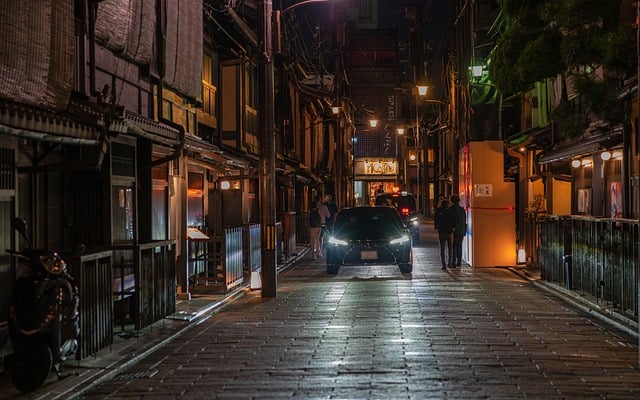
The presence of accessible and varied evening entertainment, including restaurants, cafes, cinemas, live music, and social spaces, gives residents options for relaxation and connection that extend beyond the domestic sphere. Neighborhoods with a healthy nightlife ecosystem allow residents to maintain social lives without the need for significant travel or planning, lowering the barrier to regular human connection. The energy generated by active evening spaces contributes to a neighborhood’s sense of vitality and safety, as populated streets are psychologically warmer than empty ones. Access to a range of price points and atmospheres in local nightlife ensures that diverse residents can participate in community social life according to their own preferences and means. The ability to step outside in the evening and find life, warmth, and activity nearby is a quiet but significant dimension of residential happiness.
Sunlight Exposure

The orientation, density, and tree cover of a neighborhood determines how much natural sunlight residents encounter in their daily outdoor lives, with significant consequences for mood and circadian health. Sunlight exposure directly influences the production of serotonin and vitamin D, both of which are fundamentally connected to emotional stability and energy regulation. Neighborhoods with tall buildings that create permanent shadows, or designs that limit access to open sky, subtly suppress the biological mechanisms that support positive mood over time. Outdoor spaces that capture morning and afternoon light encourage residents to spend time outside, compounding the social and physical benefits of sunlight exposure. The quality of light available in a neighborhood’s public spaces is an often-overlooked environmental variable with a direct and consistent relationship to long-term wellbeing.
Fitness Infrastructure
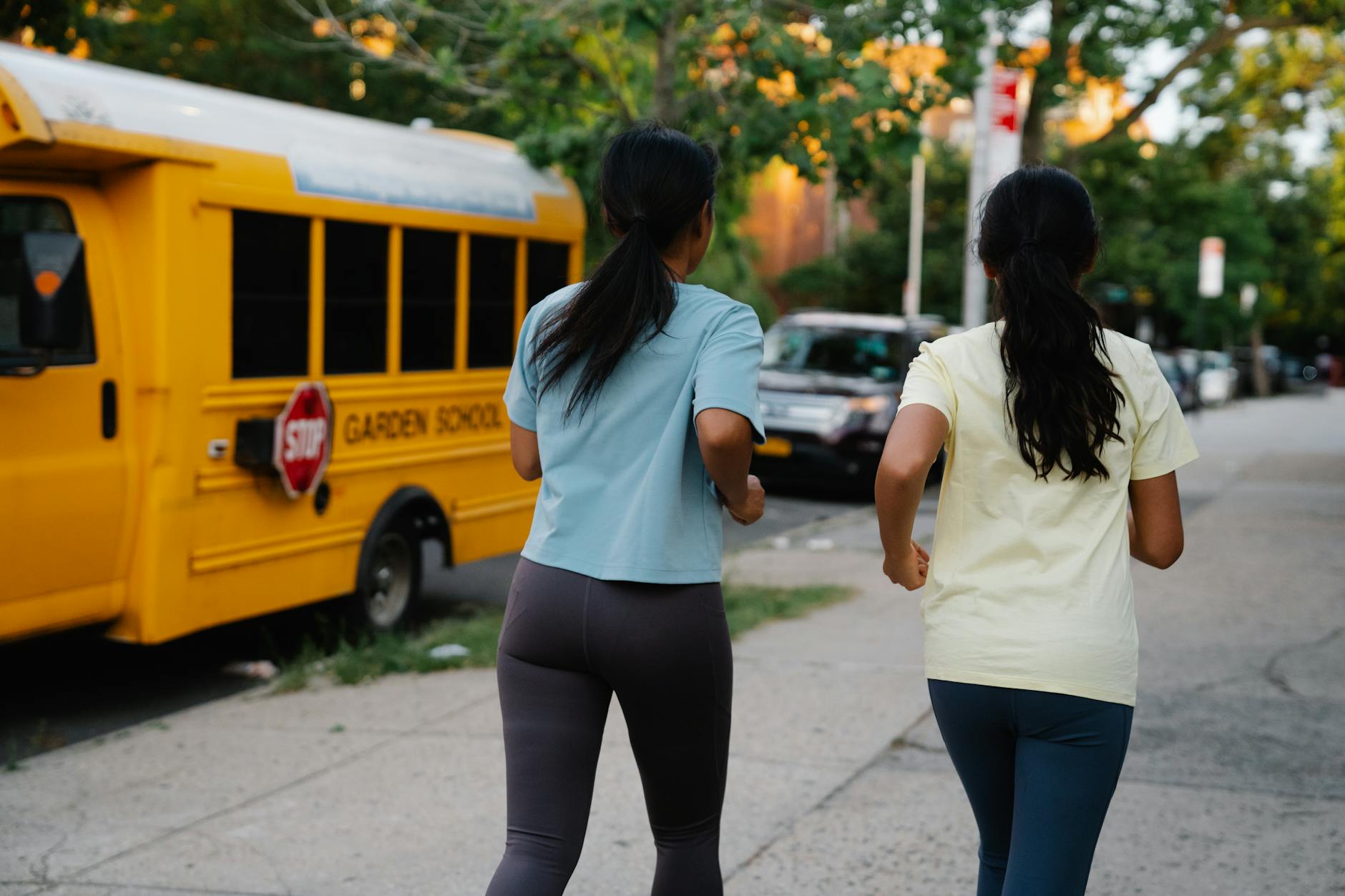
The presence of gyms, swimming pools, sports courts, running paths, cycling lanes, and outdoor fitness equipment within a neighborhood lowers the practical barriers to regular physical activity. Regular exercise is among the most robustly supported predictors of mental health, cognitive function, and longevity in all of human health research. Neighborhoods that embed fitness infrastructure into their design make movement a natural part of daily life rather than a separate scheduled commitment. Shared fitness spaces also function as social environments where residents develop casual relationships around common physical goals, deepening community connection over time. Living somewhere that actively supports an active lifestyle quietly builds the physical foundation upon which emotional and psychological wellbeing rests.
Internet Connectivity

Reliable and fast internet access across a neighborhood has become a foundational utility affecting work, education, social connection, and access to services in contemporary life. Inconsistent or slow connectivity creates daily friction that affects productivity, mental focus, and the ability to maintain relationships with people beyond the immediate community. For remote workers, the quality of local internet infrastructure is directly tied to professional stability and financial security, both of which are prerequisites for sustainable happiness. Neighborhoods with strong digital infrastructure attract and retain working-age residents whose presence contributes to local economic and social vitality. The invisible architecture of connectivity is a modern but essential layer of the neighborhood environment that shapes quality of life in ways previous generations never had to consider.
Civic Participation

The degree to which residents of a neighborhood actively engage with local governance, public meetings, neighborhood associations, and collective decision-making has a profound effect on the quality and responsiveness of the environment they share. High civic participation leads to better-maintained public spaces, more equitable resource allocation, and a stronger collective voice in shaping the physical and social future of a community. Residents who feel that their input genuinely influences their neighborhood experience a form of agency that is deeply connected to self-determination and long-term wellbeing. Communities with strong civic cultures tend to respond more effectively to challenges, recover more quickly from disruptions, and maintain higher standards of shared public life. The culture of participation in a neighborhood is ultimately a reflection of how much its residents believe the place is worth investing in, and that belief, once shared, becomes self-fulfilling.
If your neighborhood shapes so much of your wellbeing without you even noticing, share which of these factors matters most to you in the comments.