Reducing your environmental impact does not require a complete lifestyle overhaul or expensive technology. Small changes to daily habits accumulate over time to create a significant positive effect on the planet. Many sustainable choices also save money and simplify household routines. The following methods offer practical solutions for lowering a personal carbon footprint with minimal effort.
Cold Water Laundry

Washing clothes in cold water saves a significant amount of energy used for heating. Modern detergents are formulated to work exceptionally well at lower temperatures. This simple adjustment preserves the fabric integrity of your clothes for much longer. Your energy bill decreases while the environmental impact of laundry day shrinks instantly.
Reusable Water Bottles

Carrying a durable water bottle eliminates the need for single-use plastic containers. Stainless steel or glass options keep beverages at the desired temperature for hours. Using refill stations prevents thousands of plastic bottles from entering landfills each year. This habit ensures consistent hydration while significantly reducing plastic waste.
LED Light Bulbs

Switching to LED bulbs reduces household energy consumption by a substantial margin. These bulbs last much longer than traditional incandescent options and require less frequent replacement. They produce less heat and help maintain a cooler home environment during summer months. The initial investment pays off quickly through lower electricity bills.
Meatless Meals

incorporating plant-based meals into your diet reduces the demand for resource-intensive meat production. Vegetables and grains require significantly less water and land to produce than animal products. Trying a vegetarian dinner once a week introduces variety to your culinary routine. This small dietary shift lowers greenhouse gas emissions associated with industrial farming.
Unplugging Idle Electronics

Devices continue to draw power even when they are turned off or in standby mode. Unplugging chargers and appliances when not in use stops this phantom energy drain. Using a smart power strip makes it easy to cut power to multiple devices at once. This practice extends the lifespan of your electronics and conserves energy.
Line Drying Clothes

Air drying laundry relies on natural wind and sunlight instead of electricity or gas. Clothes dried on a line or rack experience less wear and tear than they do in a tumble dryer. Sunlight also acts as a natural disinfectant for whites and linens. This method eliminates one of the most energy-intensive appliances in the home.
Digital Receipts and Billing

Opting for electronic statements reduces the paper waste generated by traditional mail. Digital receipts are easier to organize and store for future reference. This transition saves trees and reduces the fuel used for mail delivery. Managing finances online creates a clutter-free environment and lowers your carbon footprint.
Local Food Sourcing

Buying produce from local farmers markets cuts down on the emissions caused by long-distance transportation. Seasonal food often tastes fresher and retains more nutrients than imported goods. Supporting local agriculture strengthens the community economy and preserves regional farmland. Shorter supply chains mean fewer preservatives and less packaging waste.
Public Transportation

utilizing buses or trains significantly lowers individual carbon emissions compared to driving a personal vehicle. Public transit reduces traffic congestion and the need for expansive parking infrastructure. Commuting time can be used for reading or working instead of focusing on the road. This choice decreases air pollution in urban areas and saves money on fuel.
Smart Thermostats
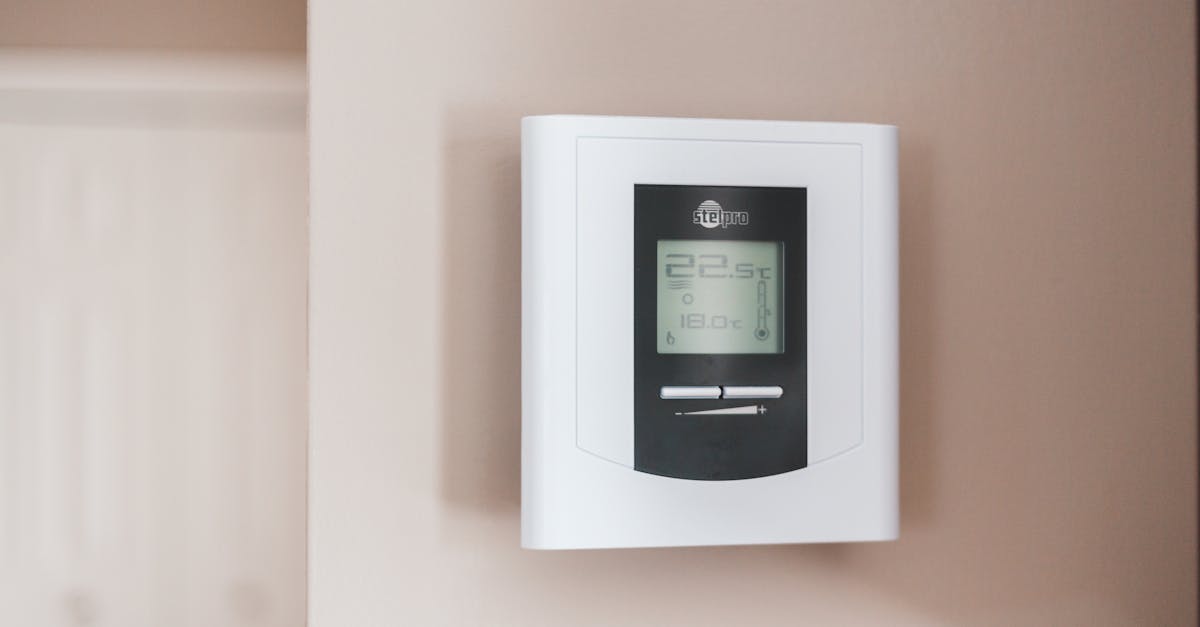
Automated climate control systems adjust the temperature based on your schedule and presence. These devices ensure that energy is not wasted heating or cooling an empty house. Remote access allows for adjustments from anywhere to maximize efficiency. Consistent use results in a comfortable home and reduced energy consumption.
Reusable Grocery Bags

Sturdy canvas or mesh bags replace flimsy plastic options that often end up in oceans or waterways. Keeping a set of bags in your car or backpack ensures you are always prepared for a shopping trip. Many stores offer discounts for bringing your own bags as an incentive. This simple switch prevents the accumulation of non-biodegradable waste.
Bamboo Toothbrushes

Plastic toothbrushes take hundreds of years to decompose in landfills. Bamboo handles are biodegradable and offer a sustainable alternative to conventional oral care products. The bristles effectively clean teeth while the handle can be composted after use. Switching to bamboo reduces the volume of plastic waste generated by daily hygiene routines.
Bulk Food Buying

Purchasing grains and dry goods in bulk drastically reduces the amount of packaging material used. Glass jars or reusable containers keep pantry staples fresh and organized. Buying larger quantities often lowers the cost per unit of food items. This approach minimizes the frequency of shopping trips and associated transportation emissions.
Bar Soaps and Shampoos

Solid bars eliminate the need for plastic bottles and liquid preservatives. These concentrated products last longer and take up less space in the shower. They are lighter to transport and result in lower shipping emissions. Using bar soap is an easy way to declutter the bathroom and reduce plastic usage.
Secondhand Shopping

Buying pre-owned clothing and furniture extends the lifecycle of existing items. Thrifting reduces the demand for new manufacturing and the resources required for production. Vintage items often feature higher quality materials and unique designs. This habit keeps usable goods out of landfills and promotes a circular economy.
Shorter Showers

Reducing shower time by just a few minutes saves gallons of water every day. Installing a low-flow showerhead maintains pressure while restricting water volume. This practice conserves the energy required to heat the water. Consistently taking quicker showers significantly lowers household water consumption.
Cloth Napkins

replacing disposable paper napkins with cloth alternatives adds a touch of elegance to meals. Cotton or linen napkins can be washed and reused for years. This switch eliminates a constant stream of paper waste from the dining table. Using cloth napkins is a cost-effective way to make dining more sustainable.
Rechargeable Batteries

Single-use batteries contain toxic chemicals that can leach into the soil if disposed of improperly. Rechargeable batteries can be used hundreds of times before they need replacement. They provide a reliable power source for household gadgets and toys. Investing in a charger and reusable cells reduces hazardous waste.
Efficient Dishwashing

Running the dishwasher only when it is full maximizes water and energy efficiency. Modern dishwashers often use less water than washing dishes by hand. Scraping food off plates instead of rinsing them beforehand saves additional water. This method ensures that every cycle is productive and environmentally friendly.
Beeswax Food Wraps

Reusable beeswax wraps serve as an excellent alternative to single-use plastic cling wrap. The warmth of your hands molds the wrap around bowls or food items to create a seal. These wraps can be washed with cool water and reused for many months. Using them keeps food fresh while eliminating plastic film waste.
Library Visits

Borrowing books from a local library reduces the demand for paper production and shipping. Libraries serve as community hubs that offer shared resources and entertainment. Reading borrowed books saves money and storage space at home. This practice supports a shared economy and reduces individual consumption.
Compostable Sponges

Natural cellulose sponges break down easily unlike their synthetic plastic counterparts. They are highly absorbent and durable enough for tough cleaning tasks. Disposing of them in a compost bin returns nutrients to the earth. Switching to plant-based sponges prevents microplastics from entering the water system.
Walking Short Distances

Choosing to walk for nearby errands eliminates fuel consumption entirely for those trips. Walking improves physical health and offers a chance to connect with the neighborhood. It reduces vehicle wear and tear associated with frequent short drives. This active mode of transport produces zero emissions and requires no infrastructure.
Digital Subscriptions

Reading news and magazines online eliminates the need for paper printing and physical delivery. Digital platforms provide instant access to a vast array of information. This method saves trees and reduces the chemicals used in ink processing. subscribing digitally keeps physical clutter out of the home.
Eco-Friendly Cleaning Products

Concentrated or plant-based cleaners reduce the release of harsh chemicals into the water supply. Many sustainable brands offer refillable glass bottles to minimize plastic waste. These products clean effectively without compromising indoor air quality. Choosing natural ingredients supports a healthier home and ecosystem.
Please share your own favorite sustainable habits in the comments.