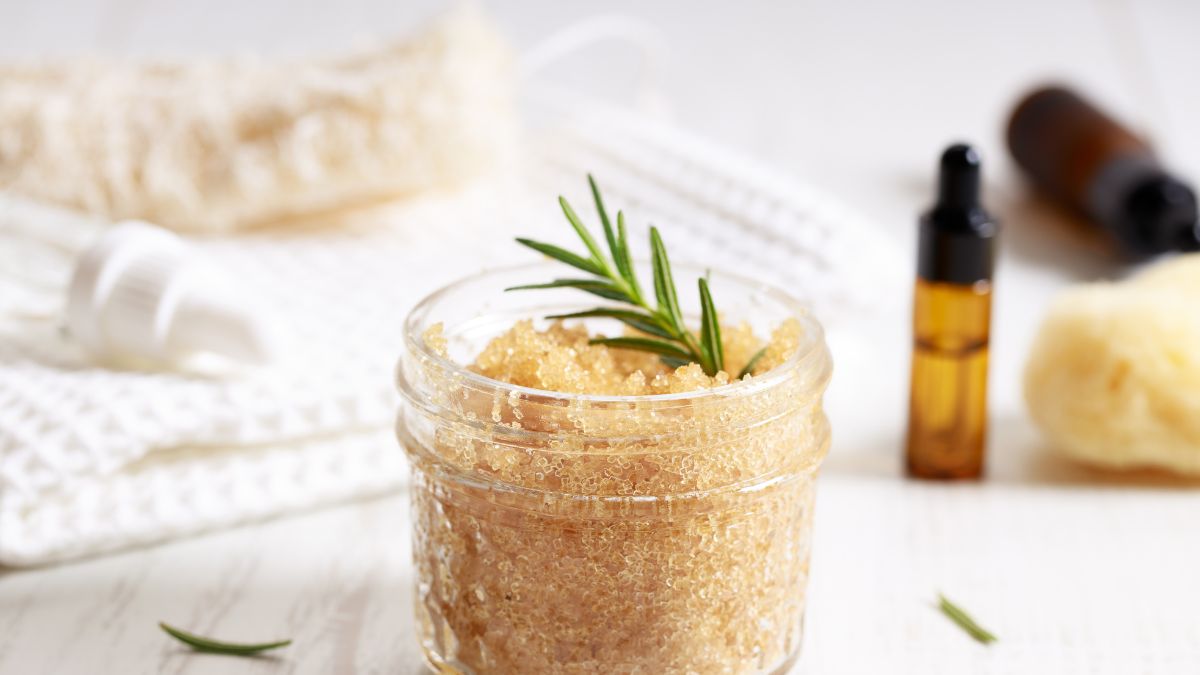
The beauty industry is flooded with advice, but not all of it comes with professional approval. Many popular skincare shortcuts and DIY hacks circulate widely on social media despite consistent warnings from dermatologists and licensed aestheticians. Some of these methods may seem logical or even backed by anecdotal success stories, yet they carry real risks for skin health. Understanding which practices experts actively discourage can help readers make smarter choices for their complexions.
Lemon Juice Toner

Lemon juice is frequently promoted as a natural brightener and spot corrector, but its high acidity makes it deeply problematic for skin. The pH level of undiluted lemon juice is far too low for safe topical application, often leading to chemical burns and hyperpigmentation. Prolonged use can compromise the skin barrier and increase photosensitivity, making sun damage significantly more likely. Dermatologists consistently point to gentler vitamin C serums as the appropriate alternative for achieving similar brightening goals.
Toothpaste Spot Treatment
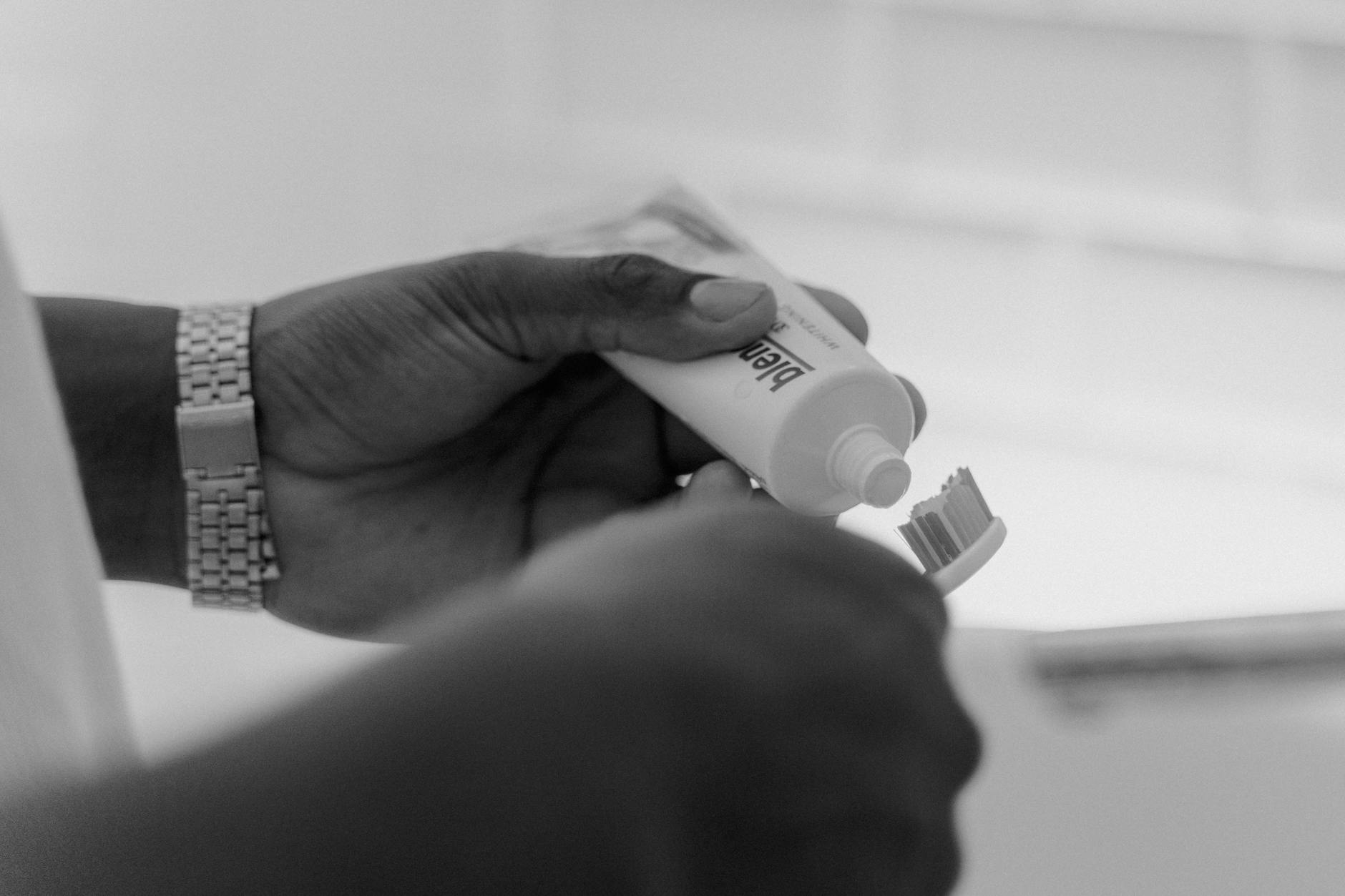
Applying toothpaste to blemishes is one of the most persistent DIY skincare myths in circulation. While toothpaste does contain ingredients like baking soda and hydrogen peroxide, these are formulated for dental enamel rather than facial skin. The result is often increased irritation, dryness, and peeling around the affected area. Board-certified dermatologists recommend targeted acne treatments containing salicylic acid or benzoyl peroxide instead.
Coconut Oil Moisturizer

Coconut oil has earned a devoted following as an all-purpose beauty product, but experts caution strongly against using it on the face. It is classified as highly comedogenic, meaning it clogs pores and frequently triggers breakouts in acne-prone individuals. Even those without acne concerns may find that heavy plant-based oils disrupt the natural moisture balance of facial skin. Dermatologists recommend non-comedogenic moisturizers specifically formulated for facial use.
DIY Sugar Scrubs
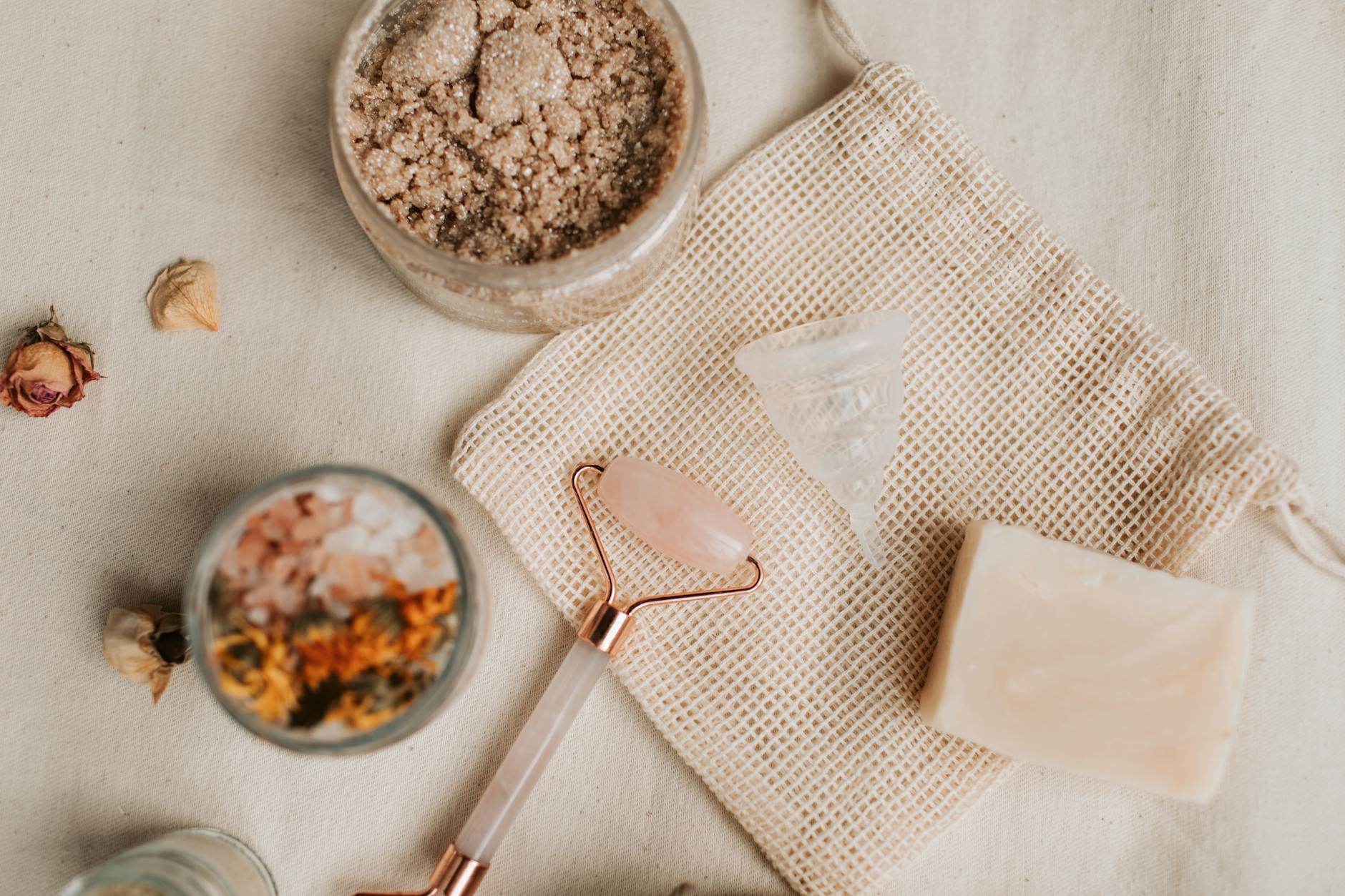
Physical exfoliation with coarse sugar granules is widely presented as a budget-friendly skincare step, but professionals warn against its use on facial skin. Sugar crystals have jagged, irregular edges that create micro-tears in the delicate skin of the face, accelerating inflammation and sensitivity. Repeated abrasion from DIY scrubs can weaken the skin barrier over time and worsen conditions like rosacea or eczema. Chemical exfoliants such as lactic acid or mandelic acid are the preferred professional recommendation for safe cell turnover.
Hydrogen Peroxide Cleanser
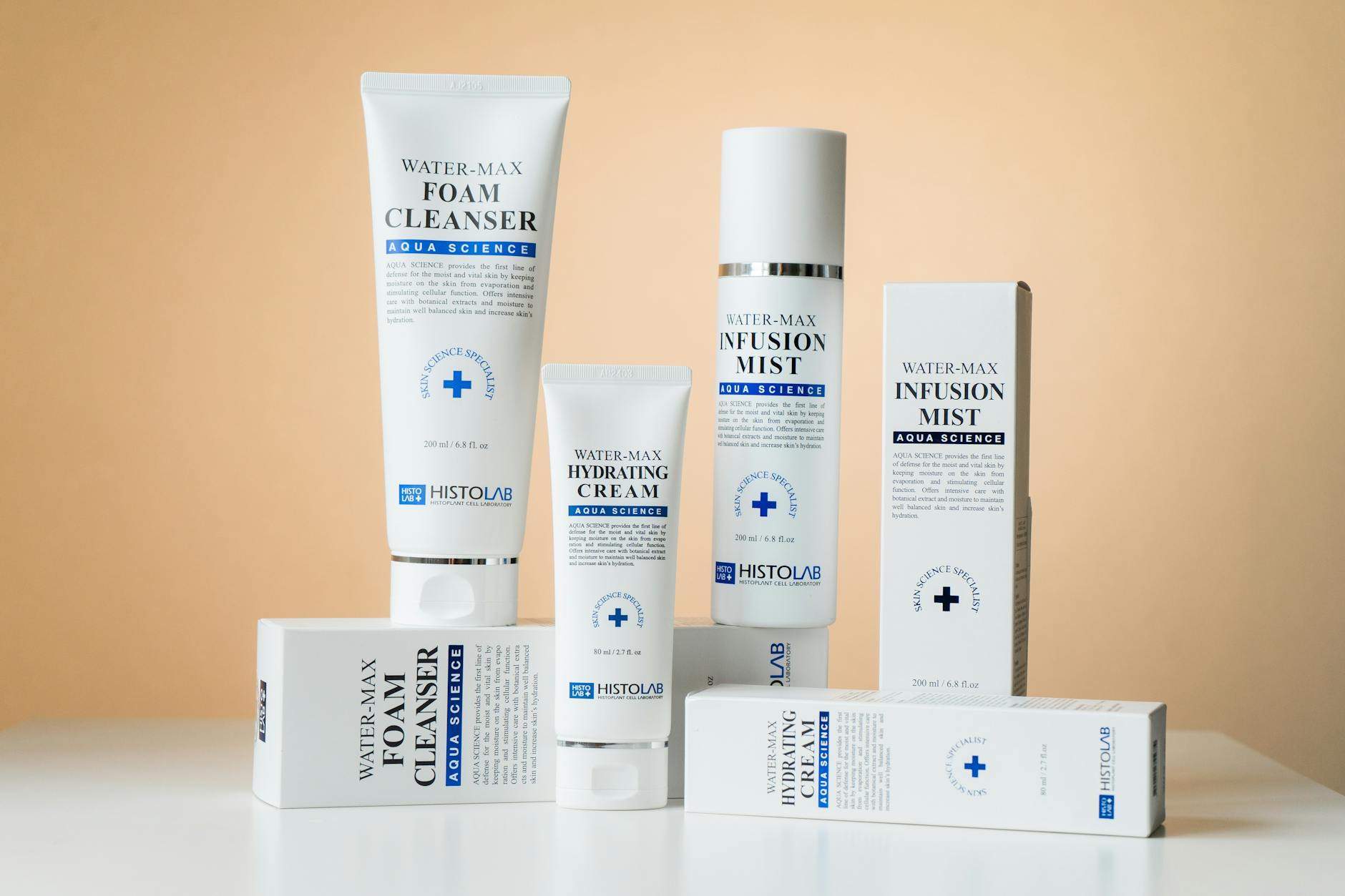
Hydrogen peroxide is a household staple often applied to pimples or minor skin concerns under the assumption that its antibacterial properties will help. Dermatologists are firmly opposed to this practice because hydrogen peroxide destroys healthy skin cells alongside harmful bacteria. Regular use impairs wound healing, strips the skin barrier, and creates long-term sensitivity. The skin microbiome is disrupted significantly by oxidative treatments not designed for cosmetic application.
Sunscreen Skipping

A widespread misconception holds that people with darker skin tones do not need daily sunscreen, but dermatologists categorically reject this idea. Melanin does offer some inherent protection against UV radiation, but it does not prevent sun damage, DNA mutations, or the development of skin cancer. Hyperpigmentation and uneven skin tone are also worsened by unprotected sun exposure regardless of complexion. Broad-spectrum SPF 30 or higher is the professional standard for all skin tones every single day.
Hair Removal Cream on the Face
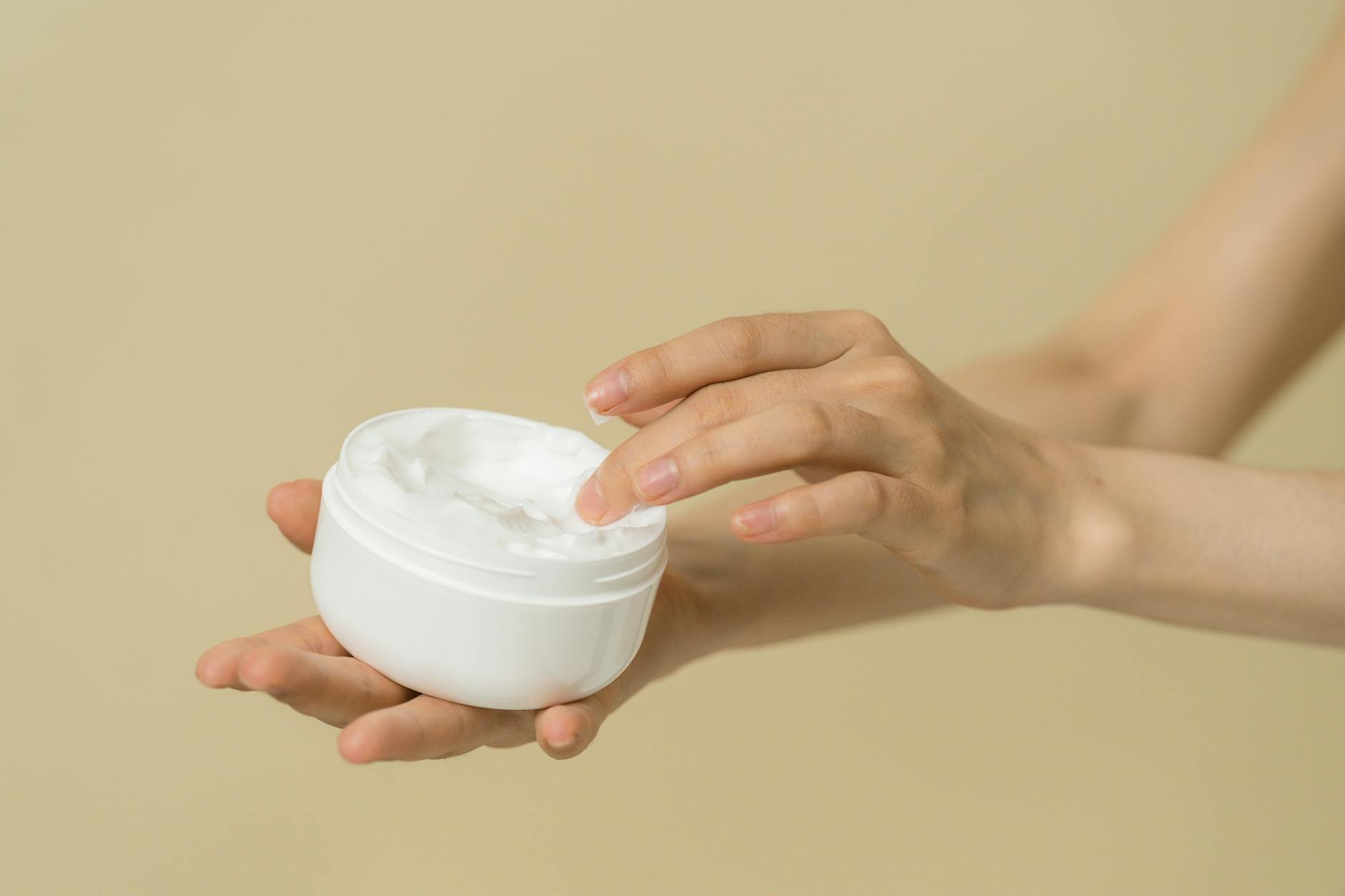
Depilatory creams designed for body use are occasionally applied to facial hair by those seeking a quick and affordable removal method. These products contain potent alkaline chemicals that dissolve the protein structure of hair but can cause serious chemical burns when used on the more sensitive facial skin. The concentration of active ingredients in body formulas is far too high for the thinner skin of the face. Professionals consistently advise against repurposing body hair removal products for facial grooming.
Vitamin C and Retinol Together
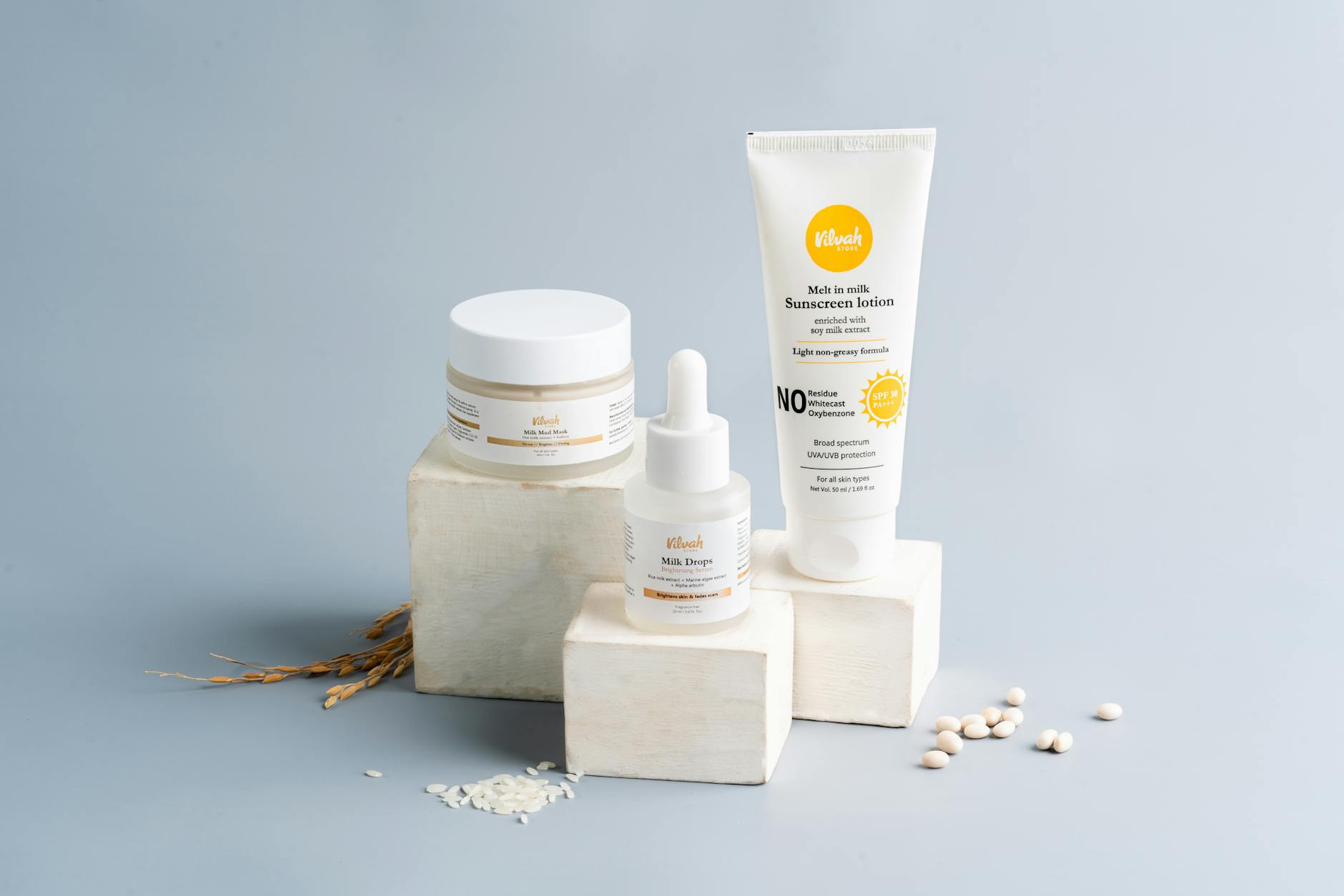
Combining vitamin C and retinol in the same routine step is a popular double-duty approach that beauty experts actively discourage. Both ingredients are highly active and operate most effectively at different pH levels, making them chemically incompatible when applied simultaneously. Using them together can cause significant redness, peeling, and inflammation rather than delivering amplified results. Dermatologists recommend separating these ingredients by using vitamin C in the morning and retinol at night.
Ice Rolling Daily
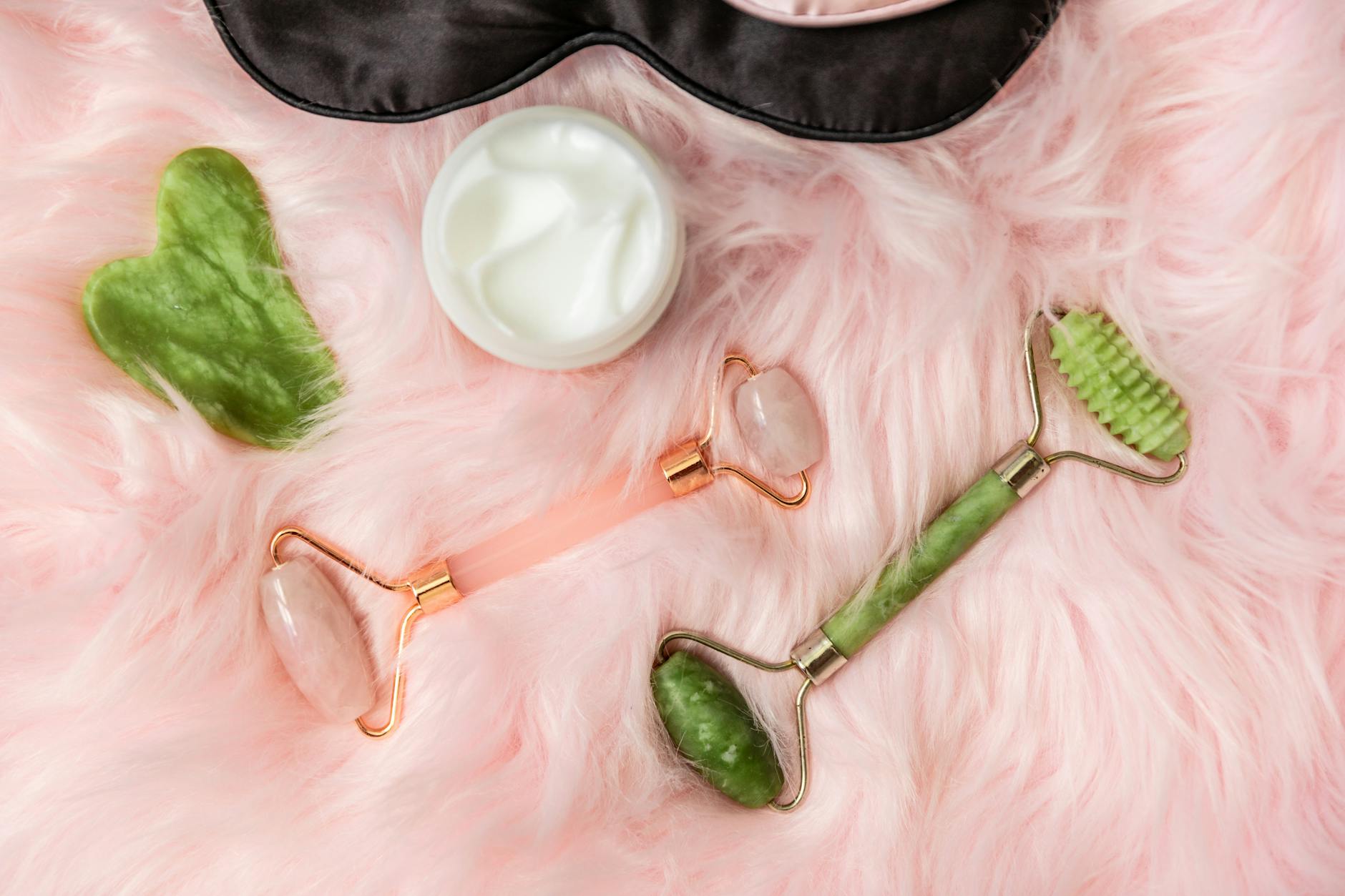
Applying ice or ice rollers to the face is frequently promoted for depuffing, pore minimization, and improved circulation. While occasional cold therapy has some anti-inflammatory merit, daily application of extreme cold can damage the capillaries beneath the skin over time. Repeated exposure may lead to broken blood vessels and persistent redness, particularly in those prone to rosacea. Professionals suggest limiting cold therapy to occasional use rather than incorporating it as a daily ritual.
Steaming Over Active Acne
Facial steaming is commonly recommended as a pore-opening precursor to extractions and deep cleansing. However, dermatologists warn that directing steam at skin with active acne breakouts can worsen inflammation and spread bacteria across the skin surface. The heat from steam increases blood flow to already inflamed areas, intensifying redness and swelling rather than soothing it. Those with sensitive or compromised skin are particularly advised to avoid this practice.
Alcohol-Based Toners
High-alcohol toners were once a staple of conventional skincare routines, and some people continue to use them believing they deliver a deep clean. Alcohol strips the skin of its natural oils, triggering a rebound effect in which sebaceous glands overproduce oil to compensate for the loss. This cycle worsens oily skin over time while simultaneously creating dryness and tightness in other areas. Skin experts recommend switching to hydrating toners formulated without denatured alcohol.
Baking Soda Exfoliant
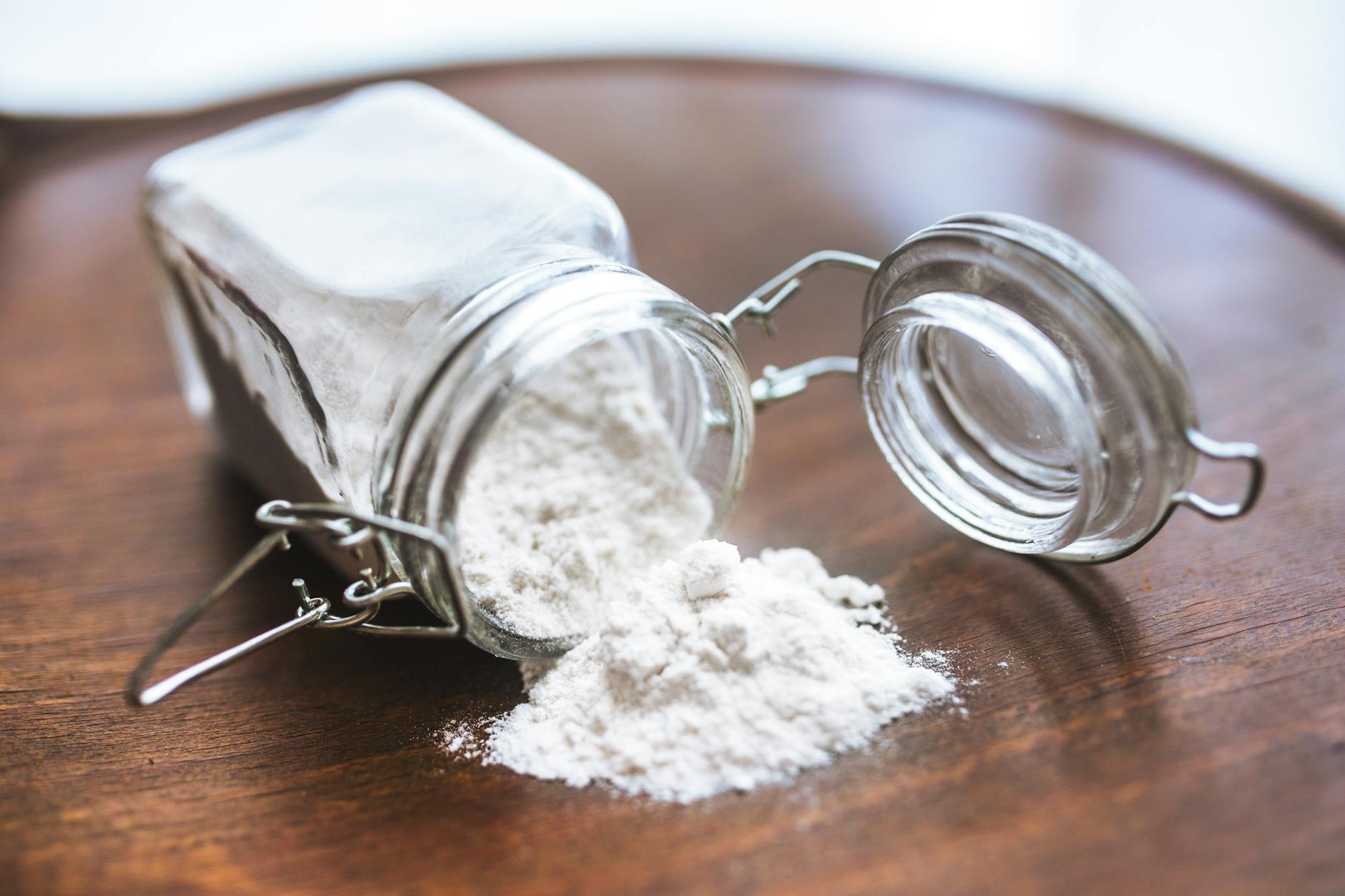
Baking soda is marketed in many DIY skincare guides as an inexpensive and effective facial exfoliant or mask. The reality is that baking soda has an extremely high pH that is entirely incompatible with the naturally acidic environment of healthy skin. Using it regularly disrupts the acid mantle, leaving skin vulnerable to bacterial infection, irritation, and premature aging. Professionally formulated exfoliating products maintain appropriate pH levels for safe and effective results.
Sleeping in Makeup

Many people occasionally skip the makeup removal step before bed, dismissing it as a minor oversight with minimal consequences. Dermatologists emphasize that even a single night of sleeping in makeup significantly increases the presence of free radicals on the skin surface, accelerating oxidative damage. Foundations, powders, and concealers trap pollutants and sebum within the pores overnight, contributing to congestion and breakouts. Consistent makeup removal is considered one of the most fundamental non-negotiable steps in any expert-approved skincare routine.
Face Wipes as Cleansers
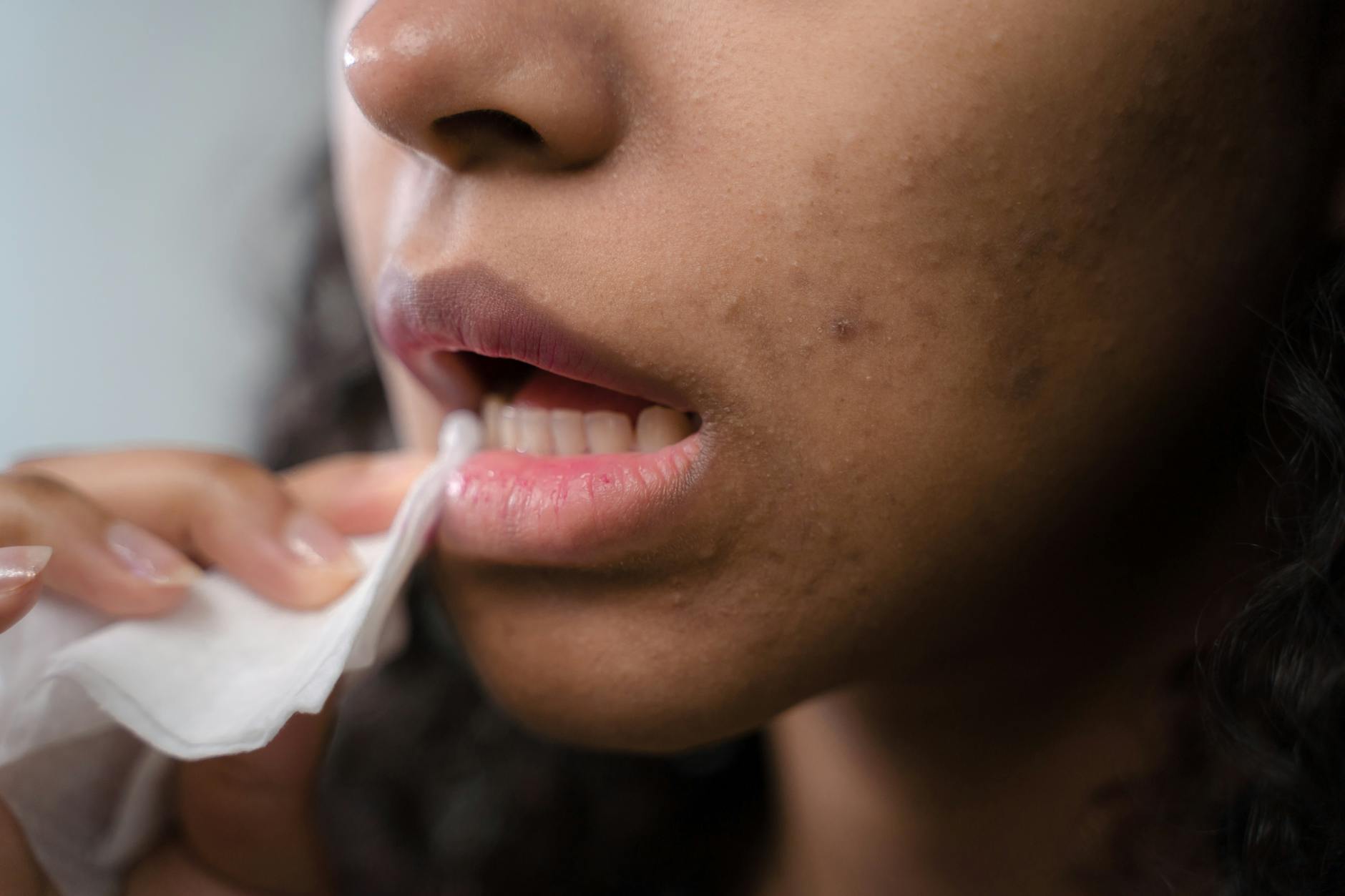
Makeup remover wipes are marketed as a convenient cleansing solution, but skin professionals are clear that they do not substitute for a proper cleanse. Most wipes simply move makeup, oil, and debris around the face rather than fully lifting and rinsing them away. The friction required to wipe the face also introduces unnecessary mechanical stress on skin, particularly around the delicate eye area. Dermatologists consistently recommend a gentle water-based or micellar cleanser followed by rinsing for truly clean skin.
Picking and Extracting at Home
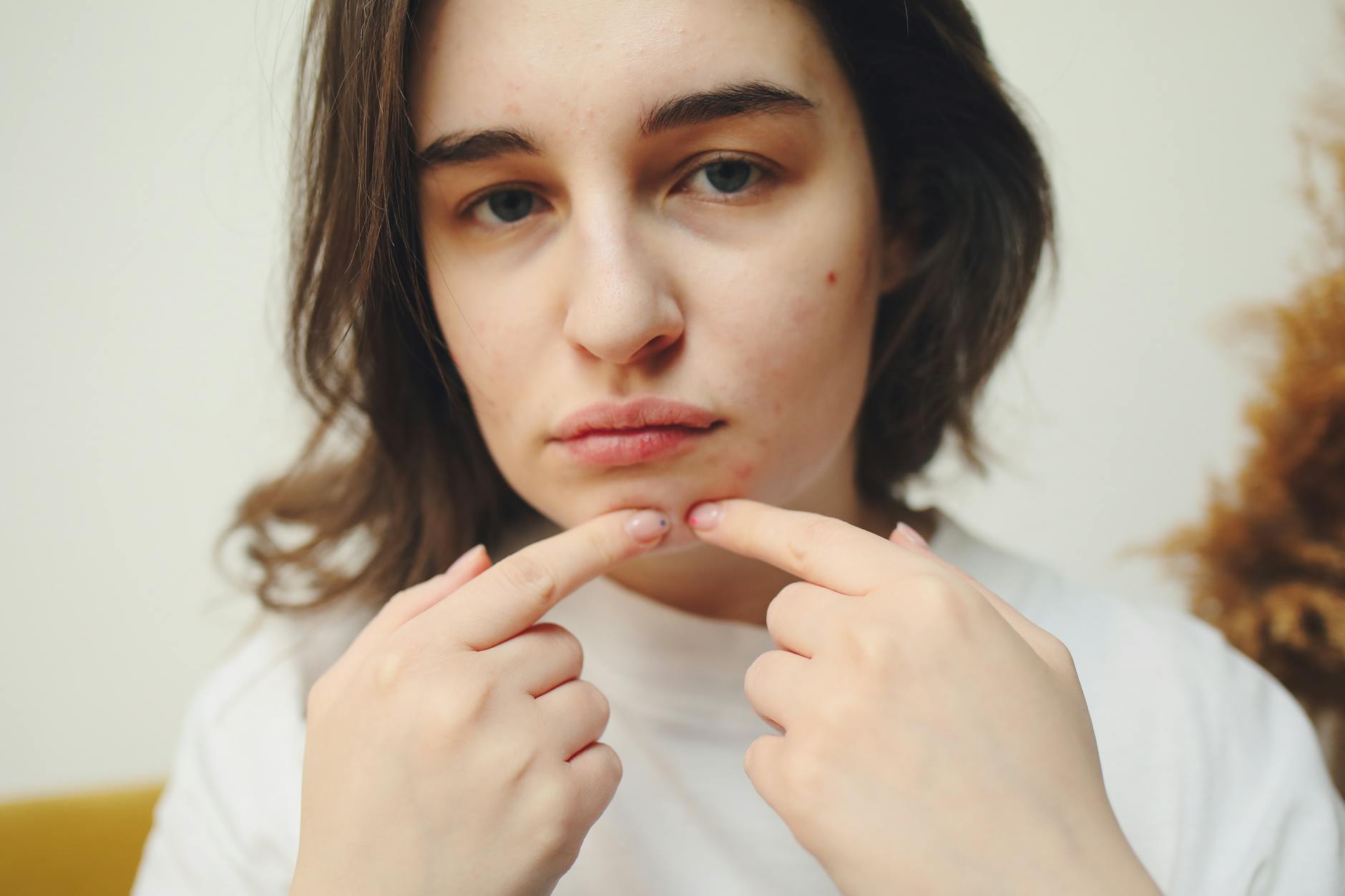
DIY extractions remain one of the most tempting and most dangerous skincare habits according to virtually every skin professional. Applying uneven pressure to clogged pores or active blemishes without proper tools or technique pushes bacteria deeper into the skin rather than clearing it. The result is frequently post-inflammatory hyperpigmentation, scarring, and the spread of infection to surrounding areas. Extractions performed by a licensed aesthetician in a controlled environment are the only professionally endorsed method for addressing congested pores.
Have you encountered any of these skincare mistakes in your own routine? Share your thoughts in the comments.