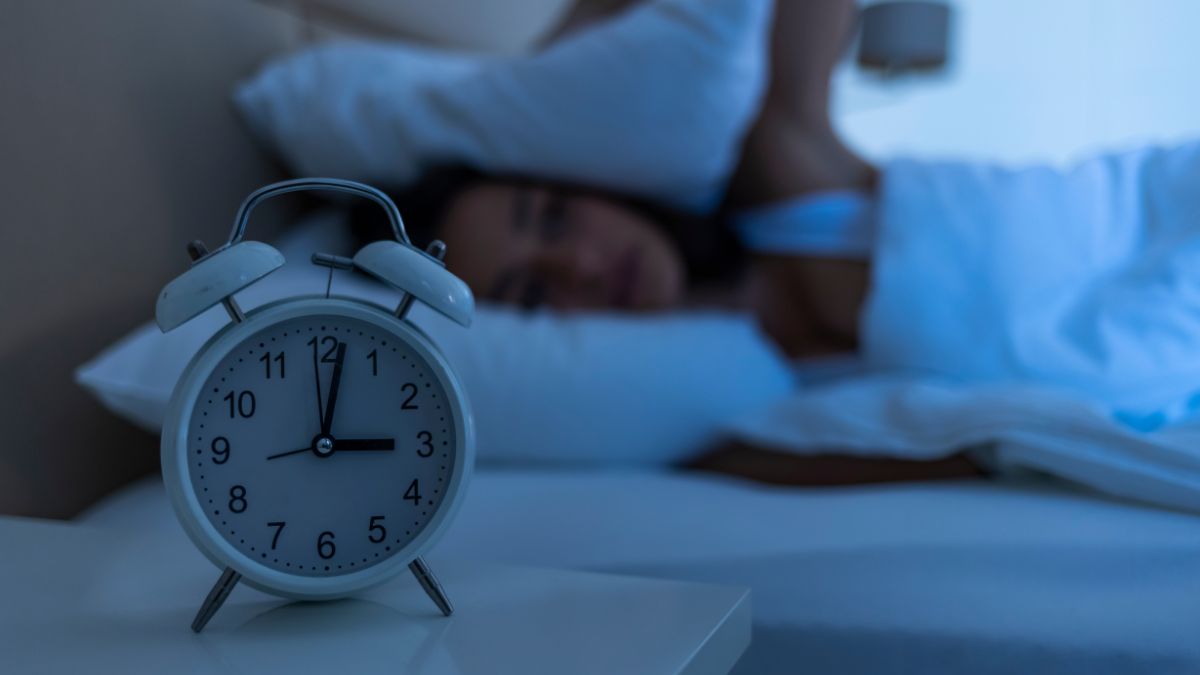
Sleep is one of the most powerful regulators of emotional balance, cognitive function, and long-term psychological wellbeing. Many people unknowingly repeat nightly patterns that erode mental health over time without ever connecting the dots. The habits explored here range from subtle behavioral choices to deeply ingrained routines that silently interfere with the brain’s ability to rest and recover. Understanding these patterns is the first step toward protecting your mind while you sleep.
Irregular Bedtimes
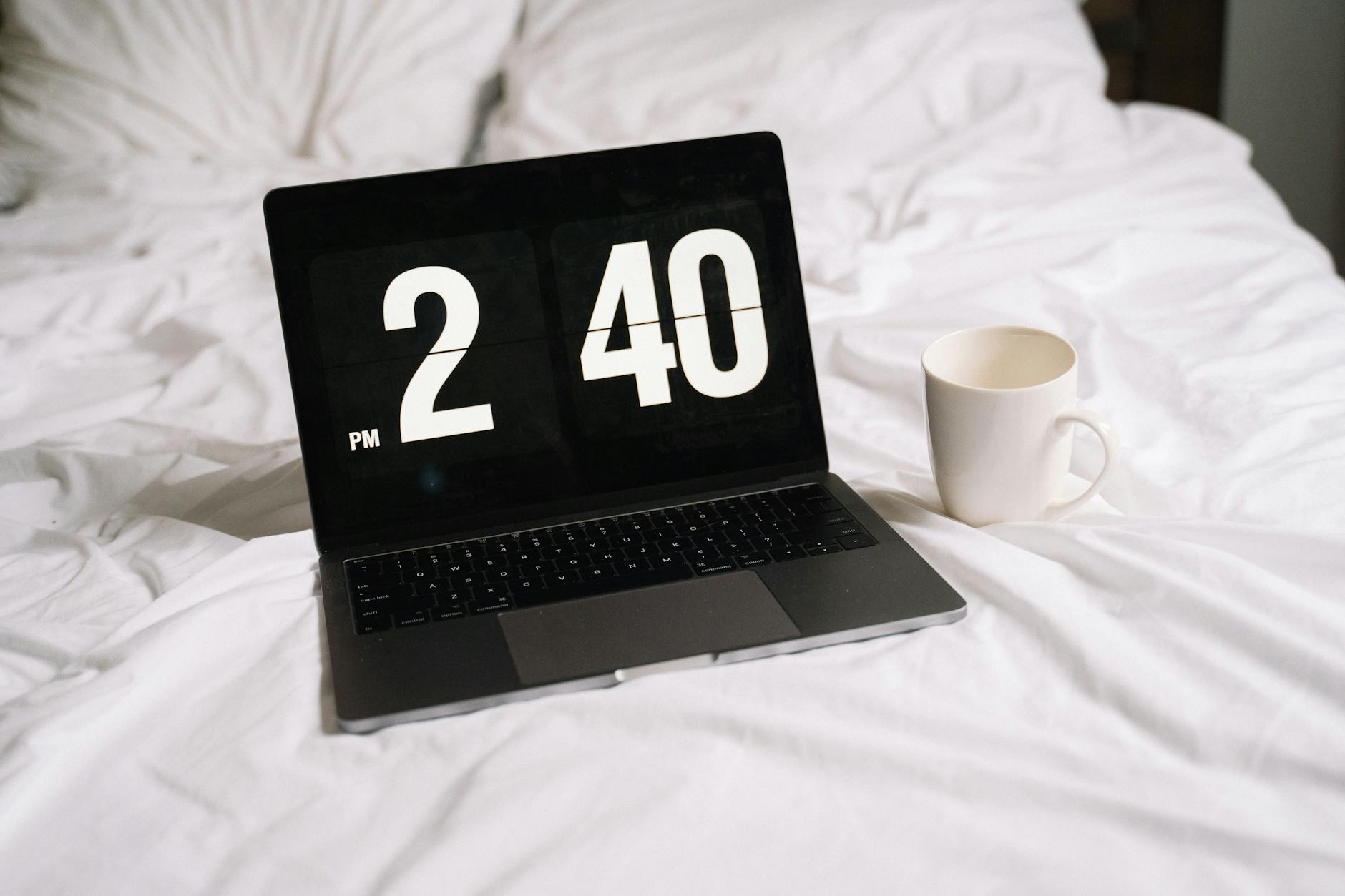
The human body relies on a consistent internal clock to regulate mood-stabilizing hormones like cortisol and melatonin. Going to bed at wildly different times each night disrupts this rhythm and creates a state similar to chronic jet lag. Over time this inconsistency has been linked to increased anxiety, depressive episodes, and difficulty managing emotional responses. The brain struggles to enter deep restorative sleep stages when it cannot predict when rest will begin. A stable sleep schedule is one of the most evidence-backed foundations of good mental health.
Phone Scrolling

Exposure to bright screens in the final hour before sleep suppresses melatonin production and delays the onset of rest. Social media platforms in particular are designed to trigger emotional responses that activate the brain’s alertness systems. Negative news cycles, social comparison, and overstimulating content all prime the nervous system for anxiety rather than calm. Research consistently associates late-night screen use with shorter sleep duration and poorer sleep quality. The cumulative effect on mood regulation and stress resilience is significant over weeks and months.
Oversleeping
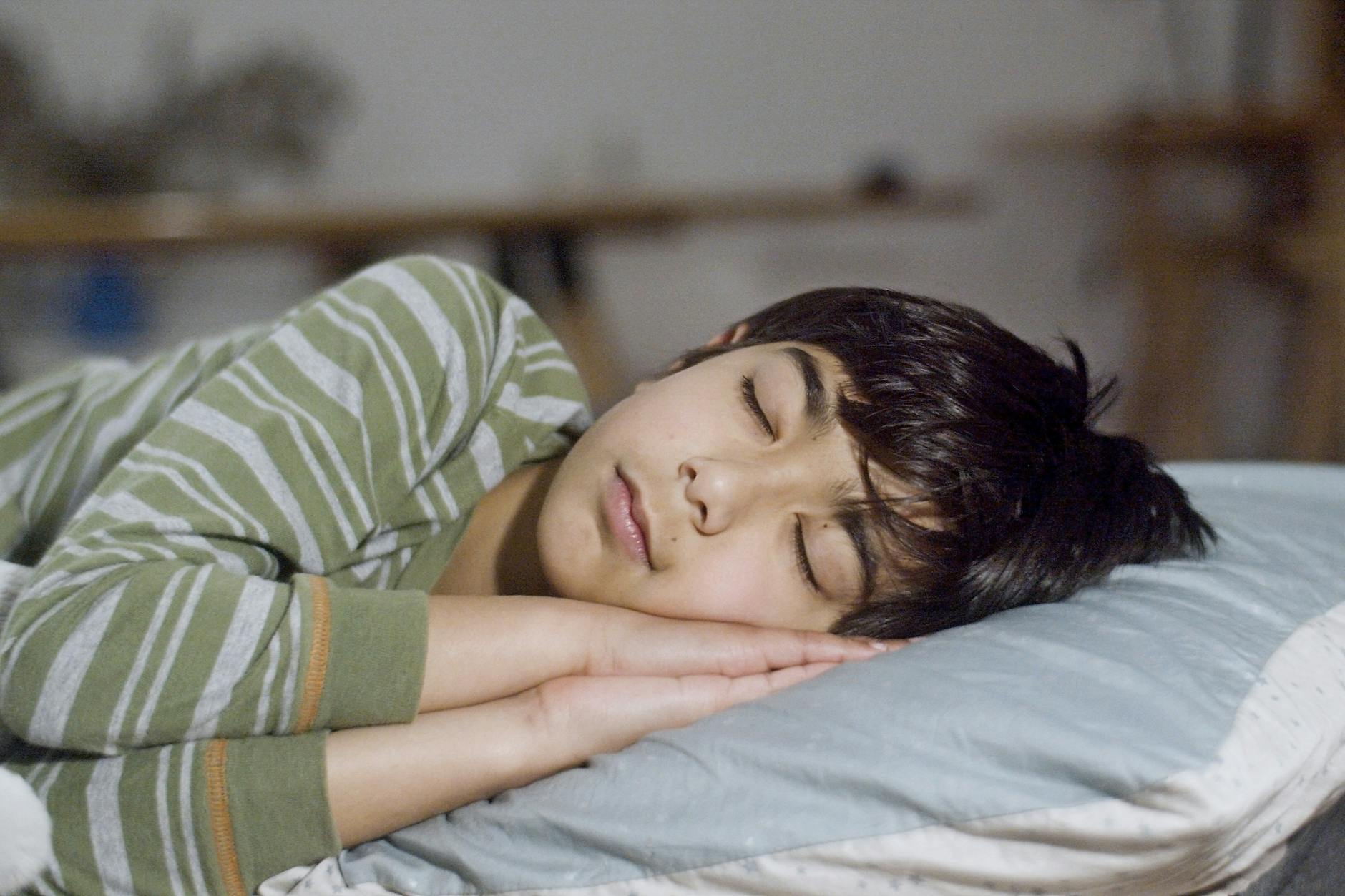
Sleeping far beyond the recommended seven to nine hours can be just as disruptive to mental health as sleeping too little. Excess sleep has been associated with higher rates of depression, brain fog, and a general sense of low motivation throughout the day. It alters the balance of sleep pressure and circadian rhythm in ways that make the following night’s sleep harder to achieve. Oversleeping is often both a symptom and a reinforcing behavior in depressive patterns. Keeping sleep within a consistent healthy range supports more stable energy and emotional regulation.
Late Caffeine

Consuming caffeine in the afternoon or evening significantly delays sleep onset even when no alertness is consciously felt. Caffeine has a half-life of approximately five to seven hours meaning a late afternoon coffee still occupies the nervous system well into the night. The resulting reduction in deep sleep stages leaves the brain under-restored and more reactive to stress the following day. Chronic sleep disruption from caffeine intake is linked to heightened anxiety sensitivity and reduced emotional resilience. Many people underestimate how far into the day caffeine continues to exert its stimulating effects.
Alcohol

Many people use alcohol as a wind-down tool without realizing it actively fragments sleep architecture throughout the night. While alcohol initially induces drowsiness it suppresses REM sleep which is the stage most critical for emotional processing and memory consolidation. As the body metabolizes alcohol in the second half of the night sleep becomes lighter and more disrupted. Waking feeling unrefreshed after drinking is a direct signal that the brain did not complete its overnight repair work. Regular reliance on alcohol for sleep is strongly associated with increased rates of anxiety and depression.
Revenge Bedtime Procrastination
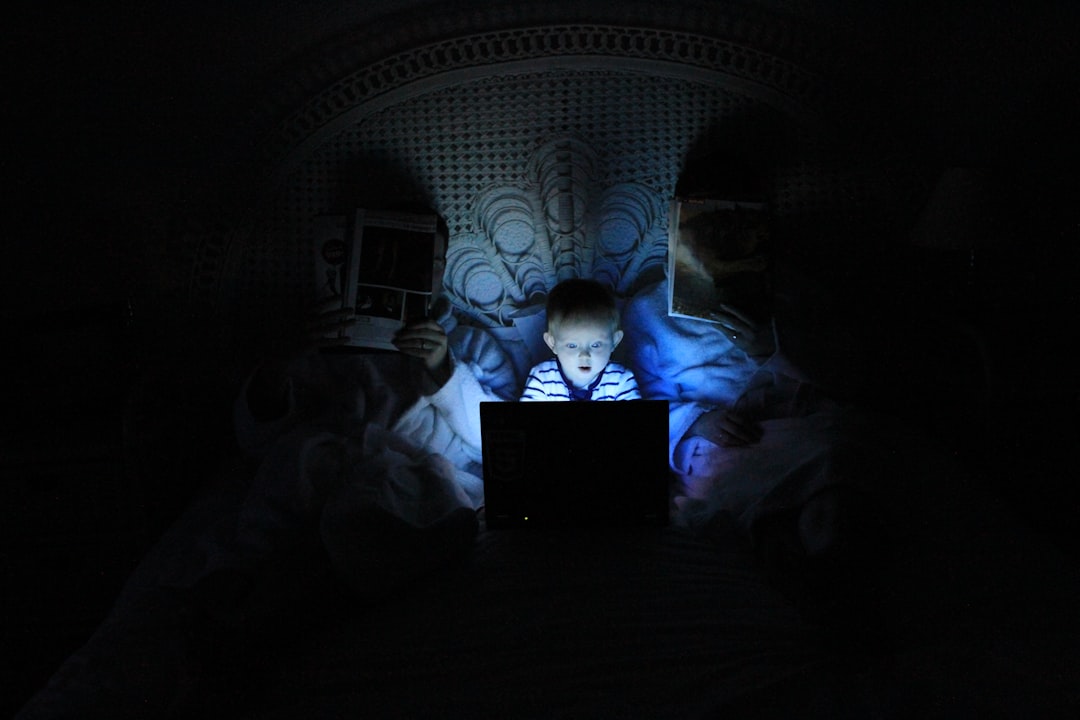
This pattern involves deliberately staying up late to reclaim personal time after a day that felt controlled or overscheduled. While the impulse is psychologically understandable the result is chronic sleep deprivation with compounding mental health consequences. The brain interprets prolonged sleep restriction as a form of chronic stress and responds by elevating cortisol production. Decision fatigue, emotional sensitivity, and reduced capacity for empathy all intensify with sustained late-night procrastination habits. Recognizing this pattern is important because it sits at the intersection of lifestyle design and mental health management.
Sleeping With the TV On

Falling asleep to television introduces a stream of unpredictable audio and light stimulation throughout the night. Even during sleep the brain continues to partially process sound which prevents the deep uninterrupted rest needed for emotional recovery. News programs and dramatic content can trigger low-level stress responses that persist into sleep stages without conscious awareness. The artificial light emitted by screens also suppresses melatonin and interferes with the natural deepening of sleep cycles. People who regularly sleep with the television on report higher levels of daytime fatigue and mood instability.
Eating Before Bed

Consuming large meals close to bedtime forces the digestive system into active work during hours the body is designed for rest and repair. This can elevate core body temperature which conflicts with the natural cooling process the brain requires to enter deep sleep. Blood sugar fluctuations from late-night eating can cause micro-awakenings and lighter sleep throughout the night. The gut-brain connection means that digestive discomfort during sleep hours has a measurable impact on mood and cognitive clarity the following day. Finishing the last meal at least two to three hours before sleep supports both physical recovery and mental restoration.
Napping Too Long

Long naps taken late in the day consume sleep pressure that the brain needs to drive a full and restorative night of rest. Naps exceeding thirty minutes frequently result in sleep inertia which is a groggy disoriented state that can persist for up to an hour after waking. This grogginess is linked to temporarily reduced cognitive performance and heightened emotional irritability. Frequent long naps are also associated with disrupted nighttime sleep patterns that build into a cycle difficult to break. Short naps of ten to twenty minutes taken before mid-afternoon are far less likely to interfere with mental health outcomes.
Exercising Too Late

Physical exercise raises core body temperature and stimulates the release of adrenaline and cortisol in ways that are counterproductive to winding down. High-intensity training within two to three hours of bedtime has been shown to delay sleep onset and reduce the proportion of slow-wave sleep. Slow-wave sleep is the stage primarily responsible for physical and neurological restoration including the clearing of metabolic waste from brain tissue. Athletes and active individuals who train late often report elevated mood disturbances and cognitive sluggishness despite logging sufficient sleep hours. Shifting intense workouts to the morning or early afternoon is among the most straightforward adjustments for protecting sleep quality.
Blue Light Glasses Avoidance

Blue light emitted by LED devices and modern screens sits at a wavelength that directly signals the brain to suppress melatonin and maintain alertness. Ignoring the available evidence on blue light exposure in the evening is a commonly overlooked factor in poor sleep quality. Blue light blocking glasses or warm screen filters applied after sunset can meaningfully reduce this neurological interference. Studies examining their use show improvements in sleep onset time and subjective sleep quality particularly among heavy device users. The habit of managing light environment in the evening is a low-effort intervention with notable benefits for mood and mental clarity.
Sleeping Hot
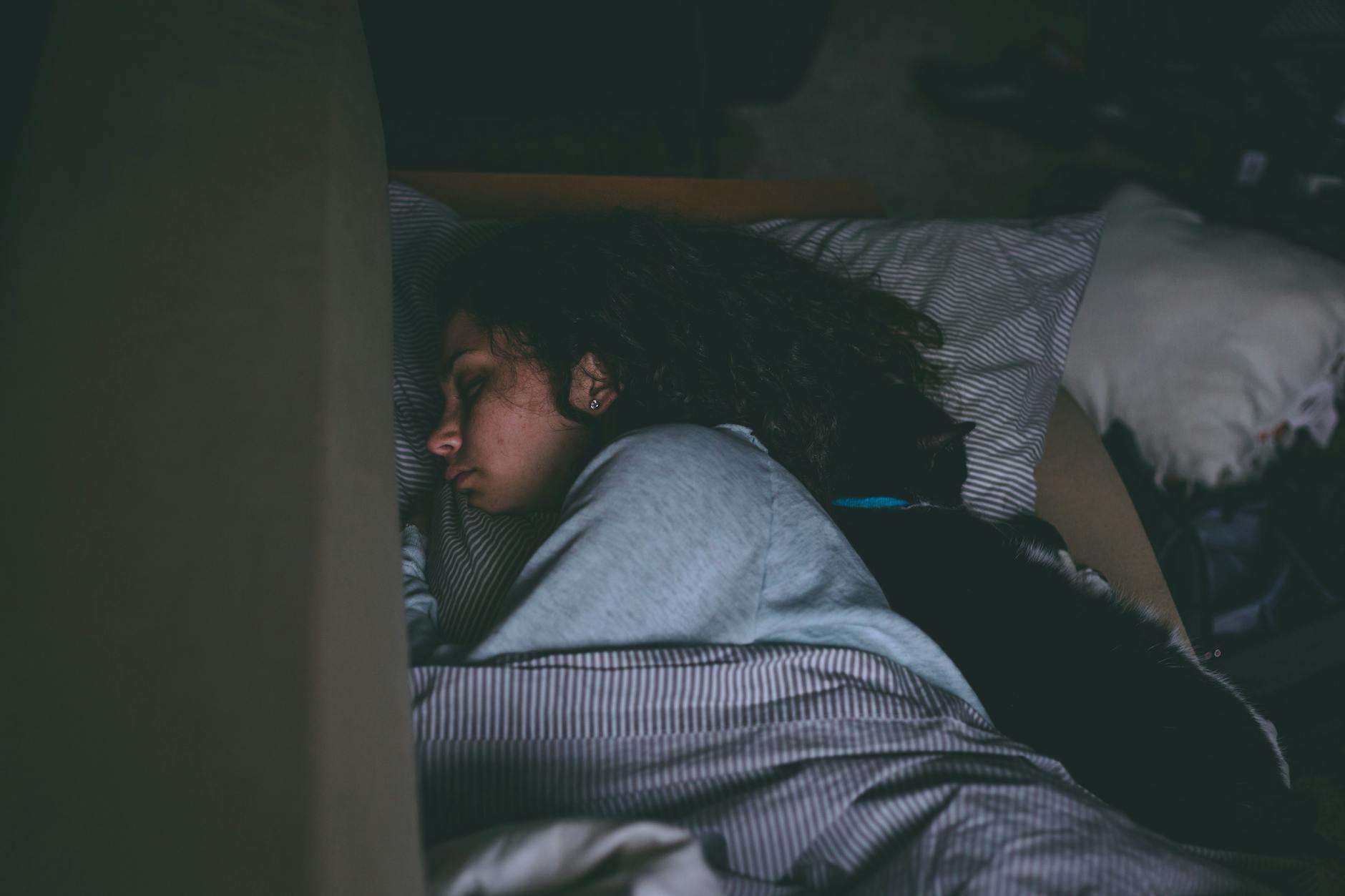
The body requires a drop in core temperature of approximately one to two degrees Celsius to initiate and sustain deep sleep. Sleeping in an overly warm room or under excessive bedding disrupts this thermal regulation and increases the frequency of brief awakenings throughout the night. These micro-disruptions prevent the brain from completing full cycles of restorative sleep even when total time in bed appears adequate. Chronic exposure to poor thermal sleep conditions is associated with increased stress reactivity and impaired emotional processing during waking hours. Keeping the bedroom cool and choosing breathable bedding are simple environmental changes with measurable effects on sleep architecture.
Checking the Time

Repeatedly checking the clock during the night is a behavior that actively worsens sleep anxiety and reinforces the psychological pressure to fall back asleep. Each glance at the time triggers a mental calculation of how many hours remain which activates cognitive arousal at exactly the wrong moment. This habit is particularly common among people who already experience anxiety and it creates a feedback loop that makes insomnia significantly worse. Sleep specialists consistently identify clock-watching as a key behavioral target in cognitive behavioral therapy for insomnia. Turning the clock face away or placing the phone across the room removes the temptation and reduces the frequency of sleep-disrupting mental activation.
Skipping a Wind-Down

Transitioning abruptly from high-stimulation activity directly into bed denies the nervous system the gradual deactivation it needs to enter sleep smoothly. The brain does not shift from full alertness to sleep instantaneously and without a buffer period the time spent lying awake increases substantially. Chronic difficulty falling asleep contributes to conditioned arousal in which the bed itself becomes associated with wakefulness and frustration. Over time this association becomes a self-reinforcing barrier to restful sleep with consequences for mood stability and daytime functioning. A consistent wind-down routine of thirty to sixty minutes signals the nervous system that rest is approaching and improves both sleep onset and depth.
Sleeping Face Down

Sleeping in the prone position places the spine in a state of unnatural rotation and compression that creates physical tension throughout the night. This tension activates low-level stress signaling in the body that can prevent the deepest stages of sleep from being sustained. Breathing is also more restricted in this position which reduces the quality of oxygen exchange during rest. Poor breathing during sleep has a well-documented relationship with mood disorders daytime fatigue and cognitive impairment. While positional habits can be difficult to change placing a body pillow beside the torso can help train the body toward a more neutral sleeping posture over time.
Inconsistent Wake Times

Waking at different times each day is as disruptive to circadian rhythm as inconsistent bedtimes and its effects on mental health are equally significant. The brain anchors its entire hormonal and neurological day around the timing of morning light exposure and waking. Varying wake times by more than an hour across the week prevents the brain from establishing the stable cortisol awakening response that supports alertness and mood regulation. People who maintain consistent wake times even on weekends report meaningfully better mood stability and lower levels of daytime anxiety. The wake time is widely considered the master anchor of the body clock and the single most important variable to stabilize first.
Worrying in Bed

Using bed as a space for problem-solving or rumination trains the brain to associate the sleep environment with cognitive and emotional activation. This is the foundational mechanism behind psychophysiological insomnia in which anxiety about sleep compounds the original sleep difficulty. Worrying activates the prefrontal cortex and limbic system in ways that are directly opposed to the neural quieting required for sleep onset. The content of worry thoughts during the night also tends to be more catastrophic and distorted than daytime thinking due to fatigue and reduced rational oversight. Establishing a dedicated worry period earlier in the evening is a clinically supported technique for containing rumination before it enters the bedroom.
Neglecting Darkness

The human brain evolved to interpret light as a signal for wakefulness making light pollution in the sleep environment a meaningful disruptor of rest quality. Streetlights filtering through curtains, standby lights from electronic devices, and early morning sunlight all interfere with melatonin levels and sleep continuity. Even low-level ambient light during sleep has been associated in research with increased insulin resistance and mood disturbance. Blackout curtains and removal of illuminated devices from the bedroom are among the most effective environmental changes for improving sleep depth. Protecting the darkness of the sleep space is a foundational element of sleep hygiene that is frequently underestimated.
Social Jet Lag
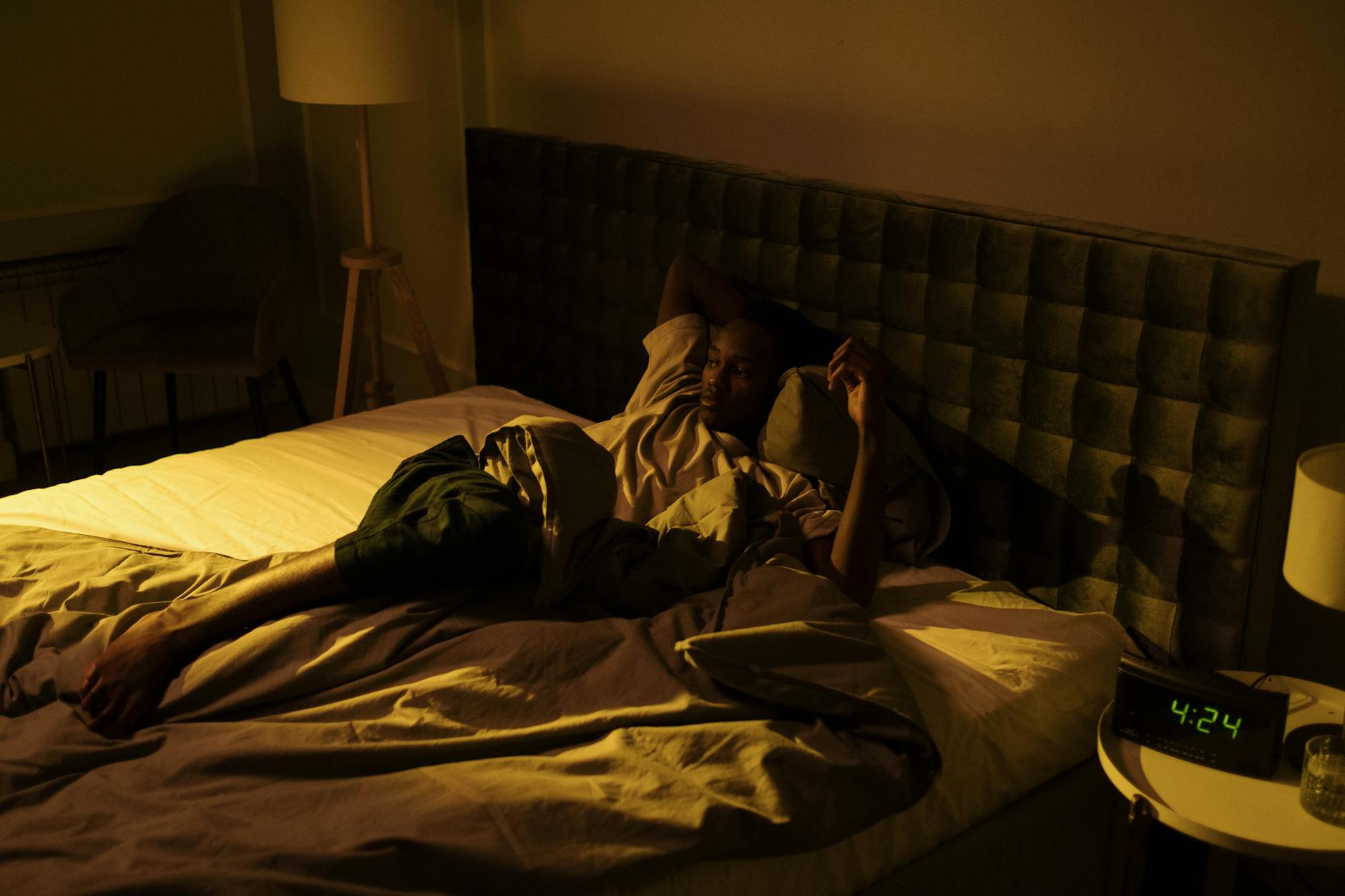
Social jet lag refers to the chronic misalignment between a person’s biological sleep timing and the schedule imposed by work school or social commitments. It is most pronounced in natural night owls who are required to wake early on weekdays but who recover on weekends by sleeping late. This weekly cycle of advancing and delaying the sleep schedule mimics the physiological stress of traveling across time zones repeatedly. Research links habitual social jet lag to elevated depression scores, increased inflammatory markers, and reduced cognitive performance across the working week. Gradually shifting the sleep schedule toward a timing that better suits natural chronotype reduces this misalignment and its cumulative mental health costs.
Poor Sleep Hygiene

The bedroom environment and the behavioral rituals surrounding sleep collectively form what researchers call sleep hygiene and neglecting these fundamentals has broad mental health consequences. A cluttered stimulating or work-associated bedroom environment undermines the brain’s ability to associate the space with rest and safety. Inconsistent rituals, artificial light exposure, irregular schedules, and stimulating content combine into a pattern that systematically degrades sleep quality over time. The mental health consequences of chronically poor sleep hygiene include elevated anxiety, reduced stress tolerance, impaired emotional regulation and increased vulnerability to depressive episodes. Addressing sleep hygiene holistically rather than in isolation is the most effective strategy for restoring the restorative power of sleep.
If any of these habits sound familiar share your experiences and any changes that have helped you in the comments.