
The difference between an ordinary day and an extraordinary life often comes down to the smallest, most consistent actions. Highly successful people rarely rely on grand gestures or dramatic overhauls to stay at the top of their game. Instead, they build their lives around quiet, repeatable habits that compound into remarkable results over time. These are the daily rituals that separate those who dream from those who consistently deliver.
Morning Pages

Writing three longhand pages first thing in the morning is a practice favored by creatives and executives alike. The unfiltered stream of thought clears mental clutter before the demands of the day begin. It functions as both a brain dump and a creative warm-up, allowing ideas to surface without judgment. Many high performers credit this habit with improving their problem-solving clarity throughout the rest of their day. Notebooks fill up quickly, but so does the sense of mental spaciousness that follows.
Cold Shower

Ending a shower with two to three minutes of cold water is a habit practiced across boardrooms and athletic training rooms worldwide. The cold triggers a release of norepinephrine in the brain, which sharpens alertness and lifts mood almost immediately. It also builds a quiet form of mental resilience by training the mind to stay calm under momentary discomfort. Successful people often describe it as a daily act of small courage that sets a confident tone. The habit costs nothing and delivers outsized returns in energy and focus.
Single Tasking
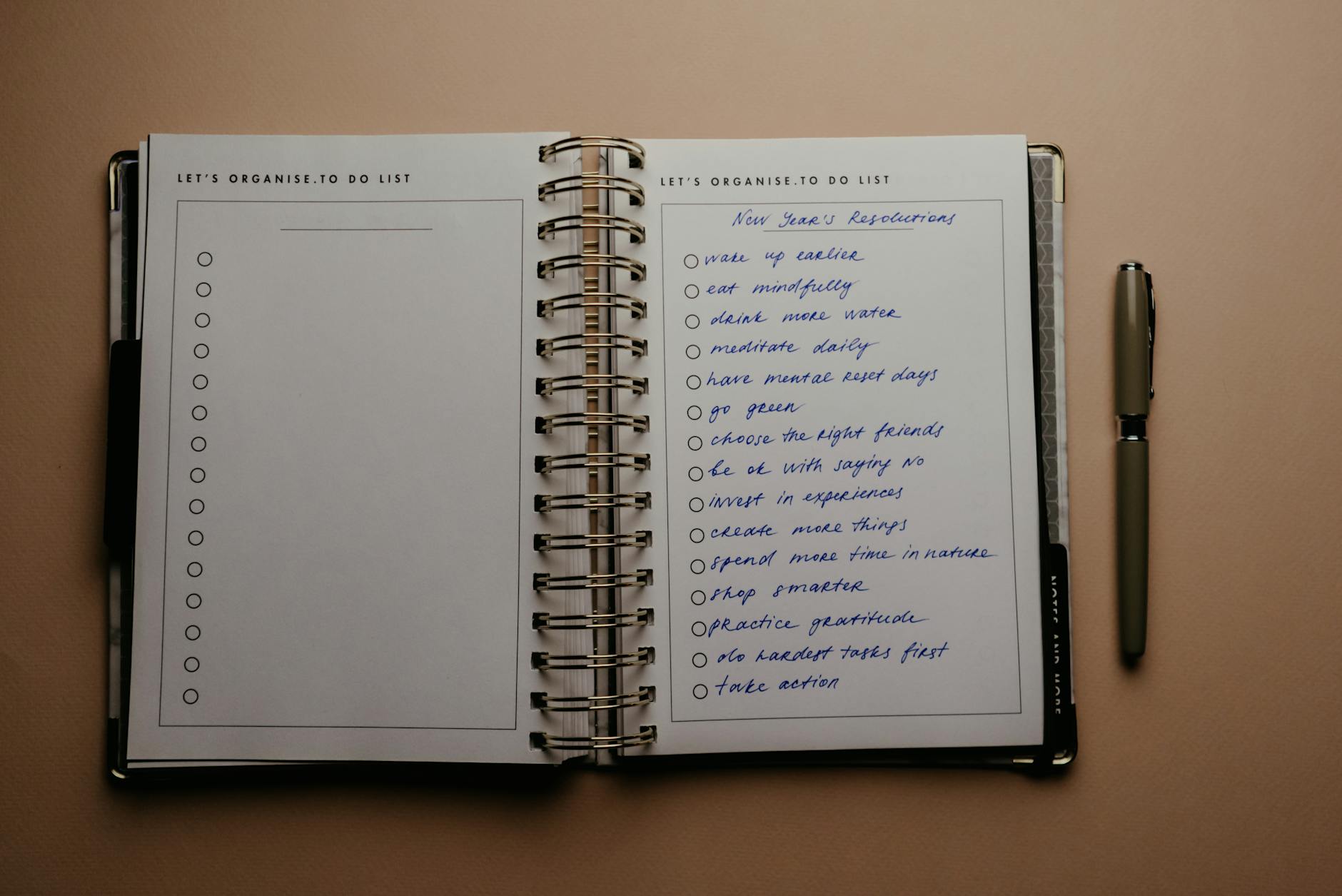
Highly successful people resist the myth of multitasking by dedicating full attention to one task at a time. Cognitive research consistently shows that switching between tasks reduces overall quality and increases the time needed to complete each one. The practice involves choosing the most important item on the list and working on it without interruption until it reaches a natural stopping point. This creates a sense of deep accomplishment that multitasking rarely provides. A single hour of genuine focus often outperforms three hours of scattered effort.
Digital Sunset

Putting away all screens at least one hour before bed is a non-negotiable boundary for many high-achieving individuals. The blue light emitted by phones and laptops suppresses melatonin production and delays the onset of deep sleep. In that final hour, successful people often read physical books, stretch, or simply reflect on the day. This intentional wind-down signals the nervous system that the work day is truly over. The quality of sleep that follows tends to be deeper and far more restorative.
Gratitude List
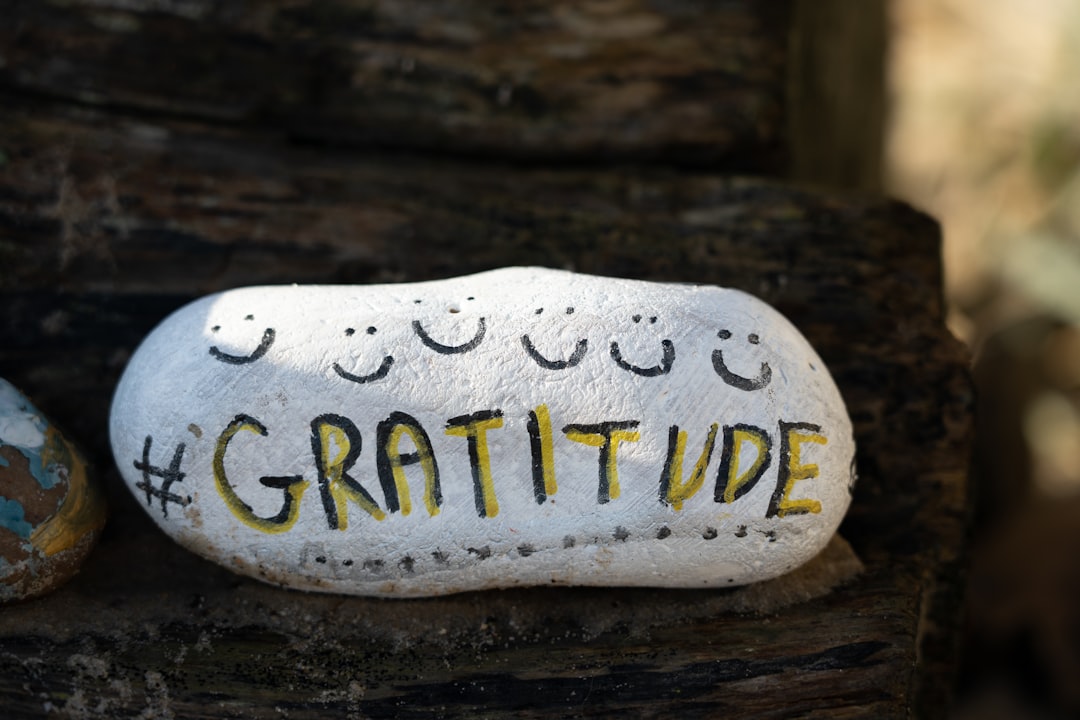
Writing down three to five specific things to be grateful for each morning or evening is a habit found across nearly every high-performance framework. The practice rewires the brain over time to scan for positive information rather than defaulting to threat and anxiety. Specificity matters more than length, and the most effective lists name particular moments rather than broad categories. Consistent gratitude journaling has been linked to improved sleep, lower stress levels, and stronger relationships. It requires less than five minutes but delivers results that accumulate quietly over months and years.
Priority Block

Identifying the single most important task of the day before opening email or social media is a cornerstone habit of top performers. This task is treated as sacred and scheduled into the calendar like an unmovable appointment. By protecting the first productive hours of the day for deep work rather than reactive communication, successful people ensure that real progress is made before the noise begins. The priority block rarely exceeds ninety minutes but consistently moves the most meaningful needles forward. Everything else on the to-do list becomes secondary until this task is complete.
Nature Walk

Spending time outdoors on foot each day is a habit shared by thinkers, founders, and athletes across generations. Walking in natural settings lowers cortisol levels and activates the default mode network in the brain, which is responsible for creativity and lateral thinking. Many successful people treat their daily walk as a thinking session rather than mere physical exercise. Problems that resist solution at a desk often resolve themselves within twenty minutes of movement outdoors. The combination of fresh air, gentle exercise, and visual variety creates a reset that no screen can replicate.
Evening Review

Taking ten minutes at the end of each workday to review what was accomplished and what remains is a discipline practiced by some of the world’s most effective leaders. The review prevents the mental residue of unfinished tasks from bleeding into personal time. It also creates a clear handoff between the professional self and the person who shows up at dinner or at home. High performers often close this ritual by writing the top three priorities for the following morning so the next day begins with intention rather than improvisation. The habit is simple but the clarity it produces is compounding.
Reading Habit

Committing to reading a minimum of twenty pages per day is a habit that separates those who grow from those who stagnate. Over the course of a year, this modest goal translates into roughly eighteen to twenty books read without any dramatic time investment. Successful people tend to favor nonfiction that challenges their current thinking alongside fiction that builds empathy and narrative intelligence. The habit requires no special equipment, only a book and a few consistent minutes. A well-placed reading habit quietly upgrades knowledge, vocabulary, and perspective across every area of life.
Hydration Ritual

Drinking a full glass of water immediately upon waking is one of the simplest and most consistently cited habits among high achievers. After seven to nine hours without fluids, the body wakes in a mild state of dehydration that affects concentration, mood, and physical performance. Making hydration the very first act of the day creates an automatic wellness anchor before habits of choice or chance take over. Many successful people pair this with lemon, minerals, or simply a glass left on the bedside table the night before as a visual cue. It costs nothing and begins the physiological day on a strong note.
Inbox Zero
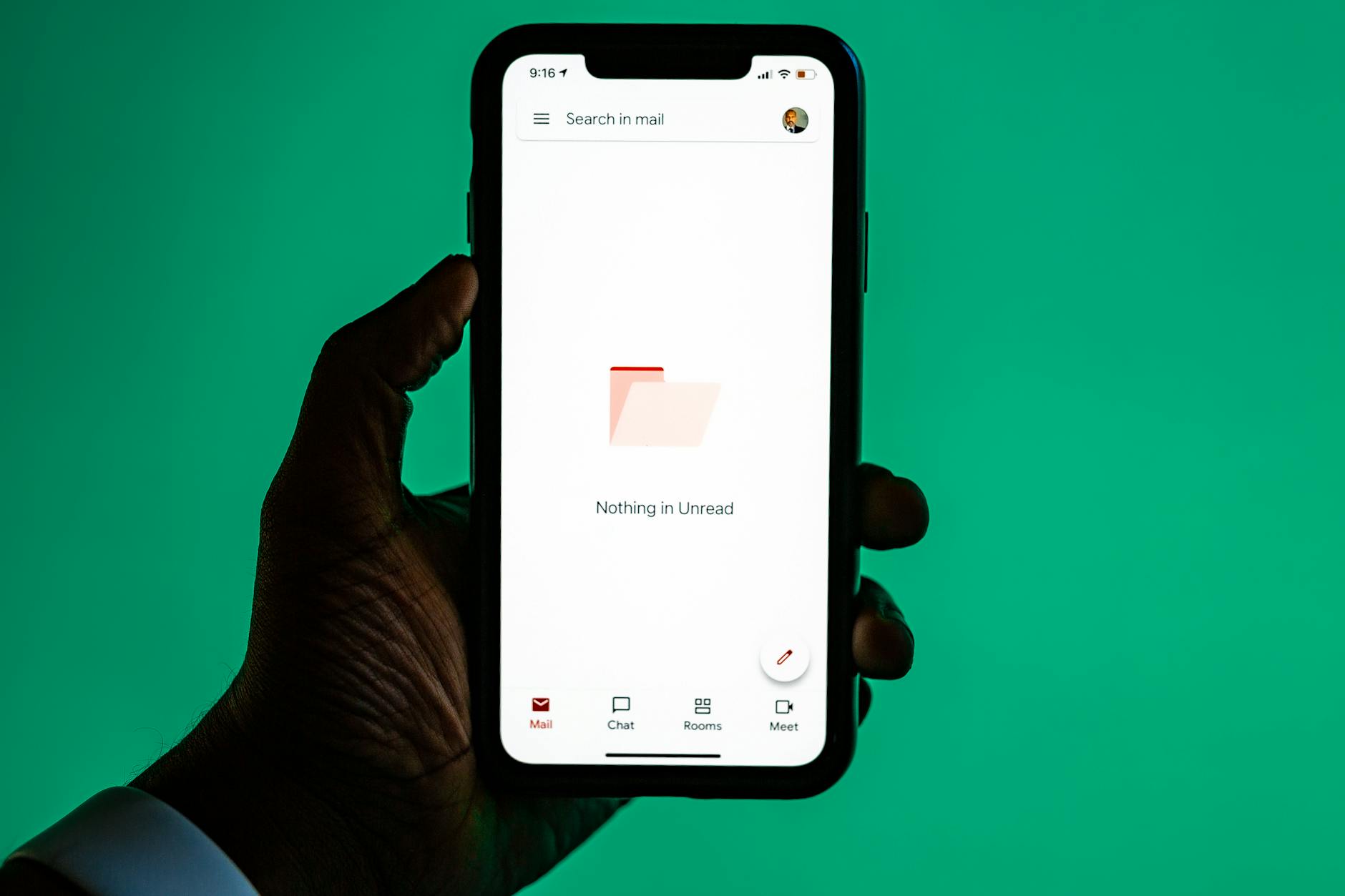
Processing email in defined batches rather than responding reactively throughout the day is a workflow discipline shared by productive professionals across every industry. Checking email only two or three times per day and clearing it fully during each session reduces the cognitive load of open loops significantly. The habit requires creating a simple decision framework for each message rather than allowing the inbox to function as an unofficial to-do list. Successful people often use filters, folders, and clear response templates to speed up this process. The sense of control it produces extends well beyond the inbox itself.
Strength Training

Incorporating resistance exercise into the daily routine is a physical habit with mental returns that extend far beyond aesthetics. Strength training increases circulating levels of brain-derived neurotrophic factor, which supports memory, learning, and cognitive resilience. High performers tend to treat their workouts as investments in mental capacity rather than vanity, which makes them easier to protect when schedules get busy. Even three sessions per week of thirty to forty minutes produces measurable improvements in energy and mood. The discipline required to show up consistently also builds the same mental muscle used to execute on professional goals.
Meditation Practice

Sitting in silence for ten to twenty minutes each morning with a focus on the breath is a practice reported by an unusually high percentage of world-class performers. Meditation strengthens the prefrontal cortex over time, which governs decision-making, impulse control, and emotional regulation. The habit does not require any particular belief system or expensive tools, only a quiet corner and a willingness to sit. Successful people describe it as the single habit most responsible for their ability to remain calm under pressure. What begins as a discipline quickly becomes a necessity.
Journaling

Writing reflectively each day about thoughts, observations, and goals is a habit with a centuries-long track record among leaders, artists, and innovators. The act of translating internal experience into written language builds self-awareness and emotional intelligence over time. Successful people use journals to process difficult decisions, track personal growth, and identify recurring patterns in their behavior. There is no correct format, and consistency matters far more than length or literary quality. A few honest sentences each day accumulate into one of the most valuable personal records a person can build.
Healthy Breakfast

Eating a nutritionally balanced first meal rather than skipping breakfast or reaching for convenience food is a habit that sustains energy through the most demanding hours of the day. A meal anchored by protein, healthy fat, and complex carbohydrates provides a slow and steady release of glucose that supports focus and mood stability. Successful people rarely leave this to chance, often preparing components the night before to remove friction from the morning. The breakfast habit also signals self-respect and sets a tone of intentional nourishment for the hours ahead. What goes in during the first meal tends to shape the quality of everything that follows.
Power Nap
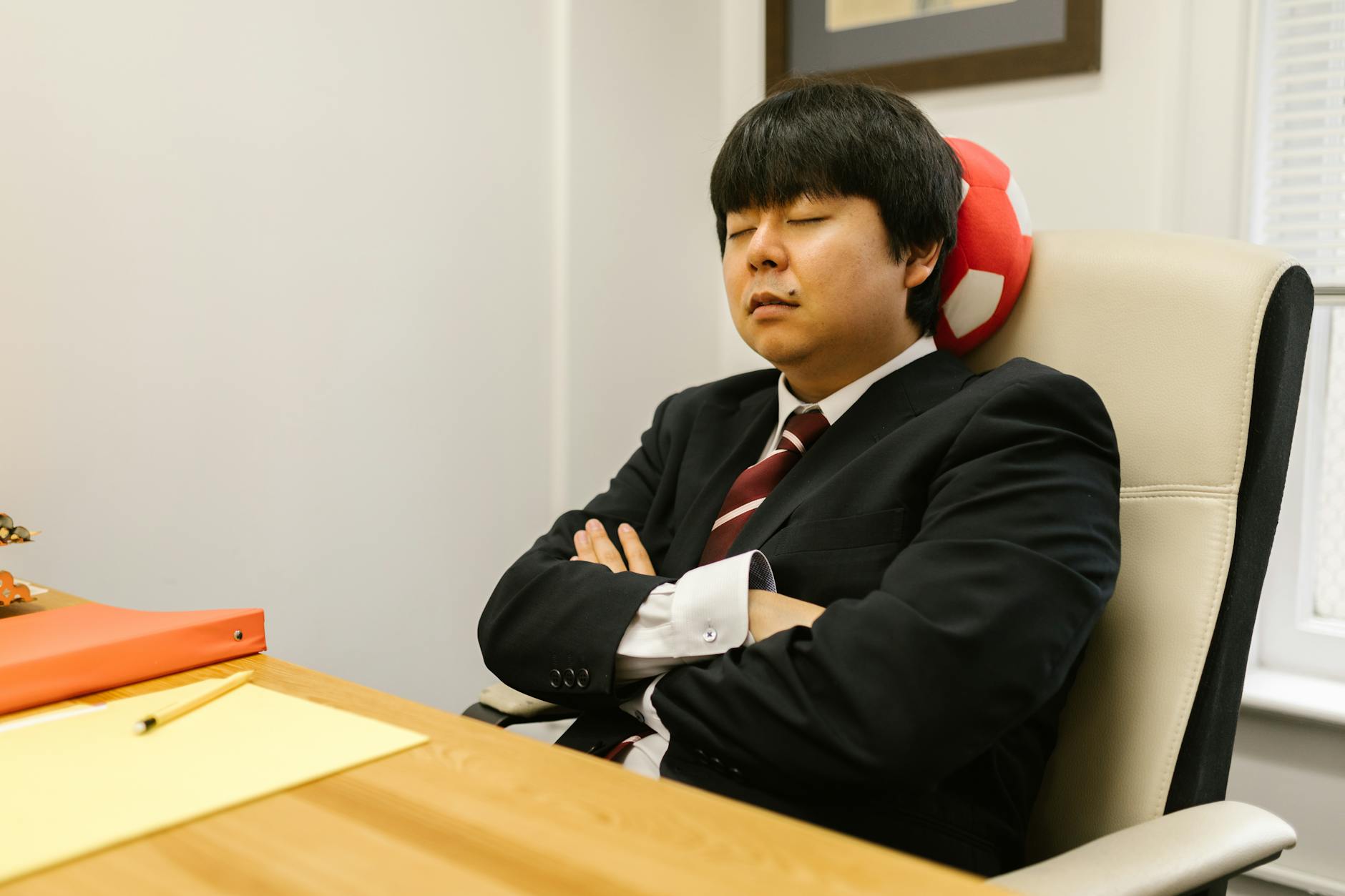
Taking a short nap of ten to twenty minutes in the early afternoon is a performance habit quietly practiced by executives, athletes, and creatives at the highest levels. Naps of this duration enhance alertness and motor performance without producing the grogginess associated with longer sleep. They are most effective when taken between 1:00 and 3:00 in the afternoon to align with the body’s natural circadian dip. Successful people treat the nap not as laziness but as a strategic recovery tool that extends productive capacity through the evening. A well-timed rest often outperforms a third cup of coffee by a significant margin.
Learning Time

Dedicating a fixed block of time each day to learning something new is a habit that keeps high performers growing in both knowledge and adaptability. This block might involve a podcast, an online course, a documentary, or reading in a field outside their primary expertise. The breadth of curiosity developed through consistent daily learning often sparks unexpected connections between disciplines. Successful people treat this time as professionally essential rather than a luxury squeezed into leftover hours. The compounding effect of one new insight per day over a decade is difficult to overstate.
No Snooze Rule

Rising at the first alarm rather than engaging in repeated snooze cycles is a small act of self-discipline with outsized psychological consequences. The moment the snooze button is pressed, the brain receives a signal that the first commitment of the day has already been broken. Successful people understand that early morning willpower sets the tone for all the decisions that follow. Waking intentionally and immediately creates a sense of agency and momentum that carries forward into the morning routine. The habit also tends to produce better quality sleep over time because it enforces a consistent wake cycle.
Financial Check

Spending five minutes each day reviewing personal finances is a habit practiced consistently by those who build and maintain lasting wealth. Daily awareness of spending patterns, account balances, and financial goals prevents the kind of unconscious drift that derails even high-income earners over time. The review does not require a spreadsheet or financial expertise, only a habit of looking clearly at the numbers without avoidance. Successful people treat this ritual as a form of fiscal hygiene rather than a chore. The confidence that comes from knowing exactly where you stand financially is difficult to achieve any other way.
Breathing Exercise

Practicing intentional breathwork for five minutes each day is a habit with measurable effects on the nervous system and stress response. Techniques such as box breathing or the physiological sigh activate the parasympathetic nervous system and bring the body out of reactive fight-or-flight states. High performers use breathwork before important meetings, difficult conversations, or moments of creative pressure to regain composure and clarity. The practice requires no equipment, no special location, and no cost. Very few habits deliver such an immediate and reliable shift in mental and physical state.
Social Connection

Making at least one meaningful human connection each day is a habit that successful people protect even during their busiest seasons. This might involve a ten-minute phone call with a close friend, a genuine conversation with a colleague, or a handwritten note to someone who has made a difference. Research consistently shows that the quality of personal relationships is one of the strongest predictors of long-term happiness and even physical health. Isolating behind busyness is a pattern that erodes resilience over time. High performers understand that relationships are not separate from success but a foundational component of it.
Clutter Clearing

Spending five minutes each evening returning the immediate environment to order is a micro habit with an outsized effect on mental clarity. A tidy desk, cleared kitchen counter, or organized bag for the following morning reduces the number of small decisions required when the new day begins. Successful people understand that physical clutter creates cognitive clutter and that the environment shapes the quality of thinking that happens within it. The habit requires almost no time but signals to the subconscious that the day has been closed with care. Walking into an ordered space the following morning creates immediate calm and readiness.
Visualization

Spending five minutes each morning imagining the day going well is a mental rehearsal technique used by elite athletes, performers, and business leaders worldwide. Visualization activates many of the same neural pathways as physical rehearsal, which is why it measurably improves performance on tasks that follow. Successful people are specific in their visualizations, mentally walking through key conversations, presentations, or challenges with a clear outcome in mind. The practice also primes the reticular activating system to notice opportunities aligned with the envisioned outcome throughout the day. It costs nothing but a few quiet minutes and consistently produces returns in confidence and preparedness.
Walking Meetings

Replacing seated meetings with walking conversations wherever possible is a habit that simultaneously improves physical health and the quality of ideas exchanged. Movement encourages more honest and fluid conversation because the absence of eye contact reduces the social pressure of direct confrontation. Many successful leaders report that problems solved during walking meetings benefit from a creative looseness that conference rooms rarely generate. The habit also breaks the pattern of a fully sedentary workday without requiring extra time in the schedule. A thirty-minute walking meeting delivers both a productive conversation and a genuine physical reset.
Sleep Protection

Treating sleep as the highest-priority recovery tool rather than a flexible variable to sacrifice under pressure is perhaps the most fundamental habit of sustained high performance. Successful people establish firm bedtimes, consistent sleep environments, and pre-sleep rituals that signal the body toward deep rest. They understand that sleep deprivation impairs judgment, emotional regulation, memory consolidation, and physical recovery at a neurological level. Rather than wearing late nights as a badge of dedication, high achievers recognize that their best thinking happens only after adequate rest. Everything else on this list becomes significantly less effective when this one habit is compromised.
Share your own daily success habits in the comments and let the community know which small ritual has made the biggest difference in your life.