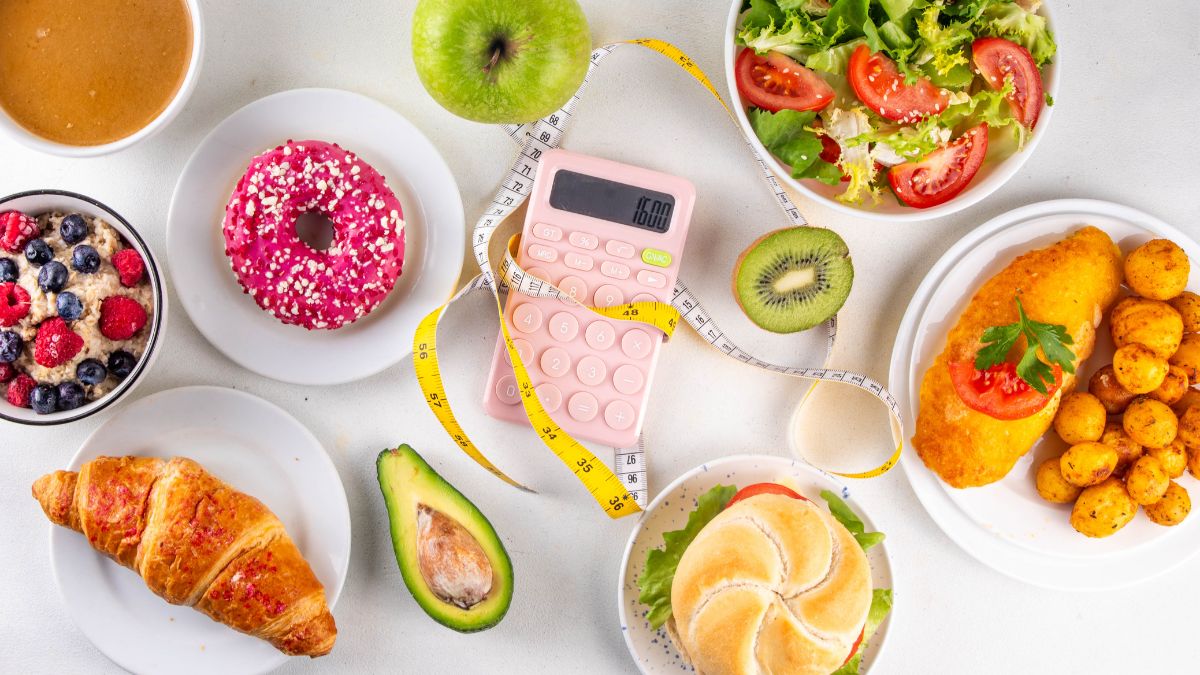
Many consumers select snacks based on packaging claims or general health associations without checking the nutritional facts. A significant number of popular health foods contain dense ingredients that drive up the calorie count rapidly. Items like nuts and oils provide essential nutrients but also pack a heavy caloric punch in small quantities. Understanding portion sizes is essential when incorporating these items into a balanced diet. The following foods often surpass the 250 calories found in a standard candy bar.
Trail Mix

This popular hiking staple combines nuts and dried fruit for a high energy boost during physical activity. The inclusion of chocolate chips or yogurt covered raisins adds significant sugar to the mixture. A single cup of trail mix can easily contain over seven hundred calories due to the density of the nuts. Manufacturers often roast the nuts in oil which further increases the fat content. It serves as a dense fuel source rather than a light afternoon snack.
Acai Bowls

These photogenic breakfast items start with a base of pureed acai berries that are naturally low in sugar. Most cafes blend the fruit with sweetened juice or nut milk to create a sorbet texture. The bowls are then topped with generous portions of granola and honey and nut butter. A standard serving at a juice shop often exceeds six hundred calories because of these toppings. The result is a meal that contains more sugar than most desserts.
Granola

Oats form the healthy foundation of this crunchy breakfast accompaniment. To achieve the desired clusters and texture producers add significant amounts of oil and maple syrup or honey. A small half cup serving can contain nearly three hundred calories before adding milk or yogurt. Many brands also include dried fruits and nuts which drive the energy density even higher. This transforms a wholesome grain into a calorie dense food item.
Fruit Smoothies

Commercial smoothies often use fruit juice or frozen yogurt bases rather than whole fruit and water. Large sizes ranging from twenty to thirty ounces are common in American smoothie chains. These beverages can contain upwards of eighty grams of sugar and four hundred calories. The blending process breaks down fiber which allows the sugar to hit the bloodstream faster. Liquid calories do not provide the same satiety signals as chewing whole food.
Avocado Toast

Avocados provide excellent heart healthy monounsaturated fats and fiber. A typical cafe order involves a thick slice of dense artisan bread topped with an entire avocado. The addition of olive oil and seeds or poached eggs adds more fat and protein to the dish. One serving frequently ranges from five hundred to seven hundred calories depending on the bread size. It remains a nutritious option but is much heavier than a simple slice of toast.
Protein Bars

Marketing campaigns position these bars as the ultimate fitness fuel for athletes. Many varieties rely on chocolate coatings and caramel layers to improve palatability. The sugar content and saturated fat levels in some bars rival those of a Snickers bar. Some options contain nearly three hundred calories to support heavy exercise recovery. Sedentary individuals may find these snacks contribute to unwanted weight gain.
Dried Fruit

The dehydration process removes water from fruit and concentrates natural sugars and calories. A small handful of raisins contains the same amount of sugar as a much larger volume of grapes. Manufacturers frequently add sulfur dioxide or extra sugar to preserve color and enhance flavor. It is very easy to consume a large amount of calories quickly because the volume is so low. Portions should be measured carefully to avoid excessive sugar intake.
Flavored Yogurt

Yogurt is traditionally a good source of probiotics and calcium for bone health. Fruit on the bottom varieties often contain jam like syrups heavily laden with high fructose corn syrup. A six ounce container can have nearly thirty grams of sugar and two hundred fifty calories. Choosing plain yogurt and adding fresh fruit allows for better control over the ingredients. The prepackaged flavored versions act more like pudding than a health food.
Bran Muffins

Bran serves as a high fiber ingredient that aids in digestion and gut health. To counteract the dry texture of bran bakers use large amounts of butter and sugar and oil. A large bakery style muffin often weighs in at over four hundred calories. The size of modern muffins is double or triple what constitutes a standard serving. This turns a fiber rich snack into a calorie laden cake.
Sushi Rolls

Fish and rice generally constitute a low fat meal option. Westernized sushi rolls often incorporate cream cheese and mayonnaise and tempura fried shrimp. These rich additions significantly increase the calorie and fat content of the roll. A single specialty roll can contain over five hundred calories and high levels of sodium. Sashimi or simple rolls offer a lighter alternative without the heavy sauces.
Caesar Salad

Lettuce provides a low calorie and hydrating base for any salad. The traditional Caesar dressing is an emulsion of oil and egg yolk and cheese. Large croutons and generous sprinklings of parmesan cheese add carbohydrates and fats. A main course salad with chicken can easily surpass one thousand calories. The dressing is the primary source of the hidden energy density.
Veggie Chips

These snacks usually consist of potato starch mixed with vegetable powders for color. They are typically deep fried in vegetable oil just like traditional potato chips. The processing strips away most of the fiber and vitamins found in the original vegetables. A standard serving provides about one hundred fifty calories but lacks nutritional value. They offer the crunch of a vegetable without the associated health benefits.
Bagels

A dense New York style bagel is equivalent to eating four to five slices of white bread. The refined white flour causes a rapid spike in blood sugar levels. Adding a thick layer of cream cheese adds saturated fat and another two hundred calories. A bagel with toppings frequently totals over six hundred calories for breakfast. Whole grain options offer more fiber but remain calorically dense.
Hummus And Pita

Chickpeas and olive oil make hummus a healthy source of plant based protein. It is easy to consume an entire tub of hummus in one sitting without realizing it. Pita bread is calorically dense and often brushed with oil before being toasted. A snack platter of hummus and bread can equal the calories of a full dinner. Dipping fresh vegetables instead of bread reduces the overall energy intake.
Wraps

Tortilla wraps are often perceived as a lighter alternative to sandwich bread. Large flour tortillas have a massive surface area and contain more flour and fat than two slices of bread. Many wraps are ten to twelve inches in diameter and contain three hundred calories before filling. The fillings often include heavy sauces and cheese to add flavor. This makes the wrap a heavier option than a standard sandwich.
Agave Sweetened Drinks

Agave nectar is marketed as a natural low glycemic alternative to white sugar. It is actually extremely high in fructose and contains more calories per teaspoon than sugar. Sweetening tea or lemonade with agave does not reduce the calorie load of the beverage. The body processes concentrated fructose in the liver which can lead to metabolic issues. Natural labels do not always equal low calorie content.
Banana Chips

These crunchy snacks look like simple slices of dried fruit. Most commercially available banana chips are deep fried in coconut oil or palm oil. They are also frequently coated in honey or sugar to enhance the sweetness. One cup of banana chips contains significantly more calories than a fresh banana. The frying process negates the natural benefits of the raw fruit.
Specialty Coffee Drinks

Black coffee is a calorie free beverage rich in antioxidants. Coffee shop lattes often use whole milk and multiple pumps of sugary flavored syrups. Whipped cream toppings add even more fat and sugar to the drink. A large mocha or frappe can contain over five hundred calories and half a day’s worth of sugar. These drinks are essentially liquid desserts consumed alongside breakfast.
Energy Balls

These bite sized snacks are popular in the wellness community for quick fuel. They are typically made from dates and nut butter and coconut and seeds. While the ingredients are whole foods they are extremely dense in energy. Two small balls can contain the same amount of calories as a chocolate bar. They are designed for high output activities rather than sedentary snacking.
Gluten Free Pretzels

Gluten free products are necessary for those with celiac disease but are not inherently low calorie. These pretzels often use potato starch and tapioca flour and corn starch as a base. These refined starches are low in fiber and digest very quickly. The calorie count is often identical to or higher than wheat based pretzels. They act as empty calories that do not provide lasting satiety.
Pecans

Pecans are a rich source of healthy fats and vitamins and minerals. They are one of the most calorie dense nuts available in the grocery store. A small handful of about fifteen halves contains nearly two hundred calories. It is very easy to eat several servings while snacking mindlessly. Measuring portions is crucial to keeping calorie intake within a reasonable range.
Cheese And Crackers
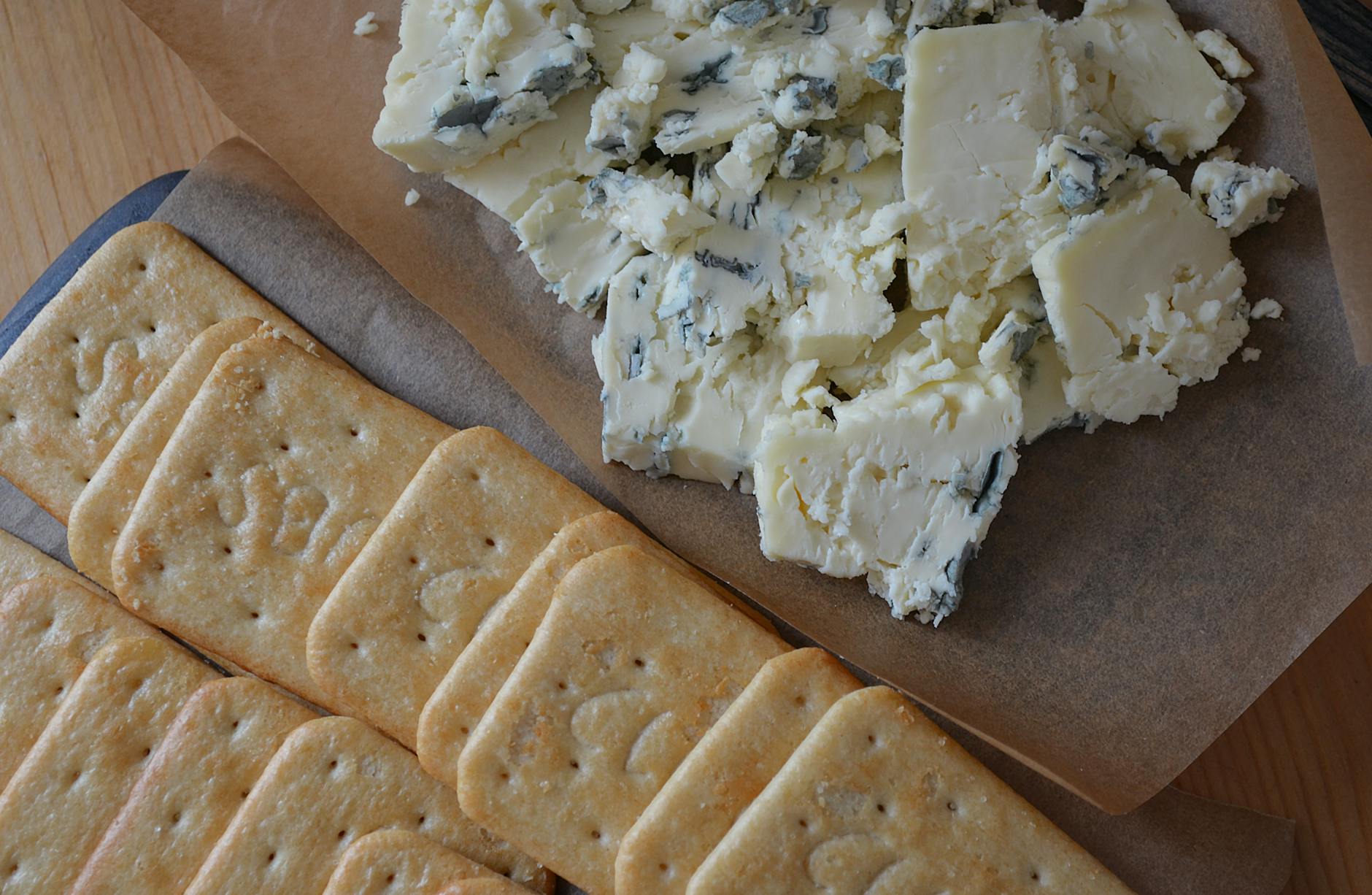
This classic pairing offers protein and calcium but can be heavy on salt and fat. Hard cheeses like cheddar are calorie dense and crackers are often made with refined flour and oil. A few ounces of cheese and a sleeve of crackers can reach five hundred calories quickly. The combination is highly palatable which encourages overconsumption. Lower fat cheeses and whole grain crackers are lighter alternatives.
Olive Oil Dressings

Olive oil is a staple of the heart healthy Mediterranean diet. It contains one hundred twenty calories per tablespoon regardless of the brand. Pouring dressing directly from the bottle often results in a three or four tablespoon serving. This turns a light bowl of greens into a high fat meal component. Measuring oil carefully is the only way to control the caloric impact.
Canned Cream Soups

Soup is generally considered a light lunch option for weight management. Cream based bisques and chowders rely on heavy cream and butter for texture. A single bowl can contain half the daily recommended limit of saturated fat. The sodium content in canned varieties also tends to be extremely high. Broth based soups with vegetables are a much lighter choice.
Bottled Green Tea

Green tea contains antioxidants known as catechins that support metabolism. Bottled versions in convenience stores are often sweetened with honey or cane sugar. A twenty ounce bottle can contain as much sugar as a standard soda. The added sweetness masks the natural bitterness of the tea leaves. Brewing tea at home allows for control over the sweetener levels.
Share your thoughts on these deceptive snacks in the comments.