
The used car market is one of the most information-asymmetric consumer environments in existence, where the seller almost always knows significantly more about the vehicle than the buyer and has strong financial incentives to keep it that way. Consumer protection agencies, automotive journalists, and former dealership insiders consistently document a recurring set of tactics designed to obscure vehicle history, deflect legitimate scrutiny, and pressure buyers into decisions before they have gathered enough information to make them wisely. Understanding these traps before walking onto a forecourt or responding to a private listing is one of the most valuable pieces of consumer knowledge available to anyone in the market for a secondhand vehicle. The tactics on this list were identified based on frequency of consumer complaint reports, documentation in automotive consumer protection literature, and accounts from industry insiders who have spoken publicly about dealership practice.
Fresh Paint Smell
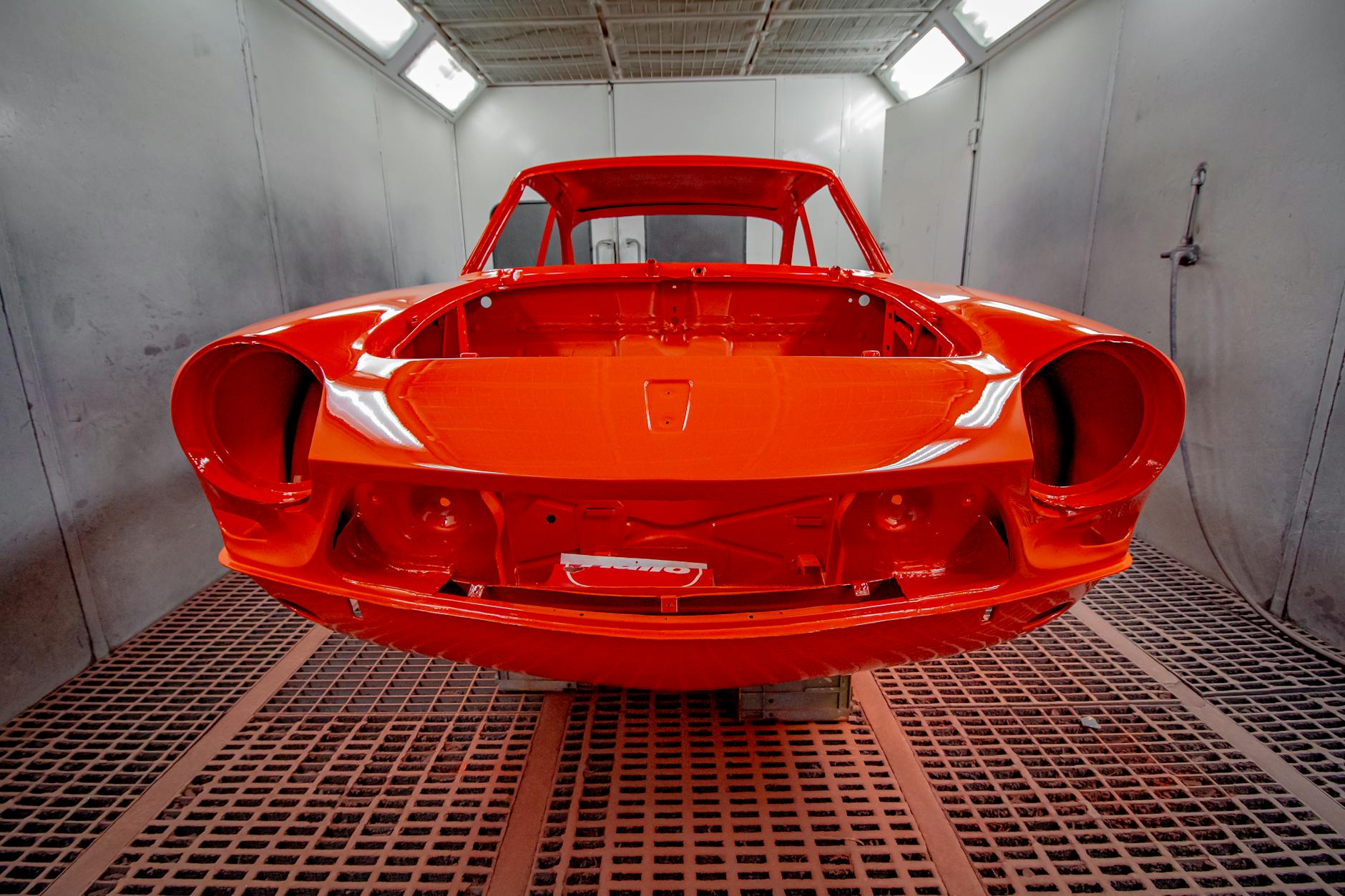
A car interior that smells strongly of fresh cleaning products, air freshener, or detailing chemicals at the point of viewing is one of the most reliable indicators that something is being masked rather than simply presented well. Professional detailing is a standard part of legitimate used car preparation but an unusually aggressive chemical smell concentrated around specific areas of the interior including the floor, boot lining, or door seals frequently indicates recent cleaning to remove evidence of water ingress, mold, or flood damage. Flood-damaged vehicles cleaned and reintroduced to the market represent one of the most financially damaging purchases a used car buyer can make due to the long-term electrical and structural consequences that emerge months after purchase. Any car that smells more like a cleaning product than a car warrants a thorough independent inspection before any further discussion of price or terms.
Rushed Test Drives

Salespeople who suggest short, specific test drive routes through quiet residential streets or slow car park loops are controlling the conditions under which the buyer assesses the vehicle in ways that prevent meaningful mechanical evaluation. Motorway speeds reveal vibrations, steering pull, and transmission behavior under load that are completely invisible at the speeds permitted on a managed short test drive through a controlled environment. A legitimate seller of a mechanically sound vehicle has no reason to restrict the duration or route of a test drive and any resistance to an extended or open-road test should be treated as a significant warning sign. Buyers should always insist on driving the vehicle at a range of speeds including motorway conditions and should include both acceleration and braking from higher speeds as part of their assessment.
Wet Weather Viewing

Inviting a prospective buyer to view a vehicle during or immediately after rainfall is a tactic documented in consumer protection literature as a method of concealing paint defects, rust patches, bodywork repairs, and color mismatches that are clearly visible in dry daylight conditions. Wet paintwork reflects light uniformly across the panel surface in a way that smooths out the visual evidence of resprays, filler applications, and panel replacements that stand out obviously under dry examination. Sellers who display consistent reluctance to reschedule a viewing to a dry day or who apply significant pressure to make a decision during a wet-weather visit are using the weather as a concealment tool. Buyers should always insist on dry daylight viewing conditions and should walk away from any sale where this basic request is treated as unreasonable.
Nighttime Viewings

Arranging or accepting vehicle viewings in the evening or in poorly lit environments reduces the buyer’s ability to detect bodywork repairs, paint inconsistencies, rust, and structural damage to a fraction of what is achievable in natural daylight. The warm artificial lighting common in indoor dealership showrooms is specifically noted in automotive consumer guides as a condition that flatters paint finish and conceals the color and texture differences that identify panel replacements and respray work. Private sellers who insist that a viewing can only take place after dark or in an unlit driveway are removing the buyer’s most basic inspection tool at the moment it is most needed. Natural daylight is the non-negotiable minimum standard for any serious vehicle inspection and no amount of sales pressure or scheduling inconvenience justifies accepting less.
Loud Music in the Cabin

A salesperson who turns on the radio, connects a phone to the audio system, or otherwise introduces music or background sound during a test drive is eliminating the buyer’s ability to hear the mechanical information the vehicle is communicating during assessment. Engine knock, transmission whine, differential noise, brake judder sound, and suspension clunking are all audible mechanical indicators of expensive problems that a buyer can detect during a quiet test drive but not over even moderate audio volume. Buyers should always turn off all audio sources immediately upon entering the vehicle for a test drive and should be alert to any resistance to this reasonable request. A seller who insists on background noise during a test drive is almost certainly concealing something that the car would communicate if allowed to be heard.
Warm Engine on Arrival
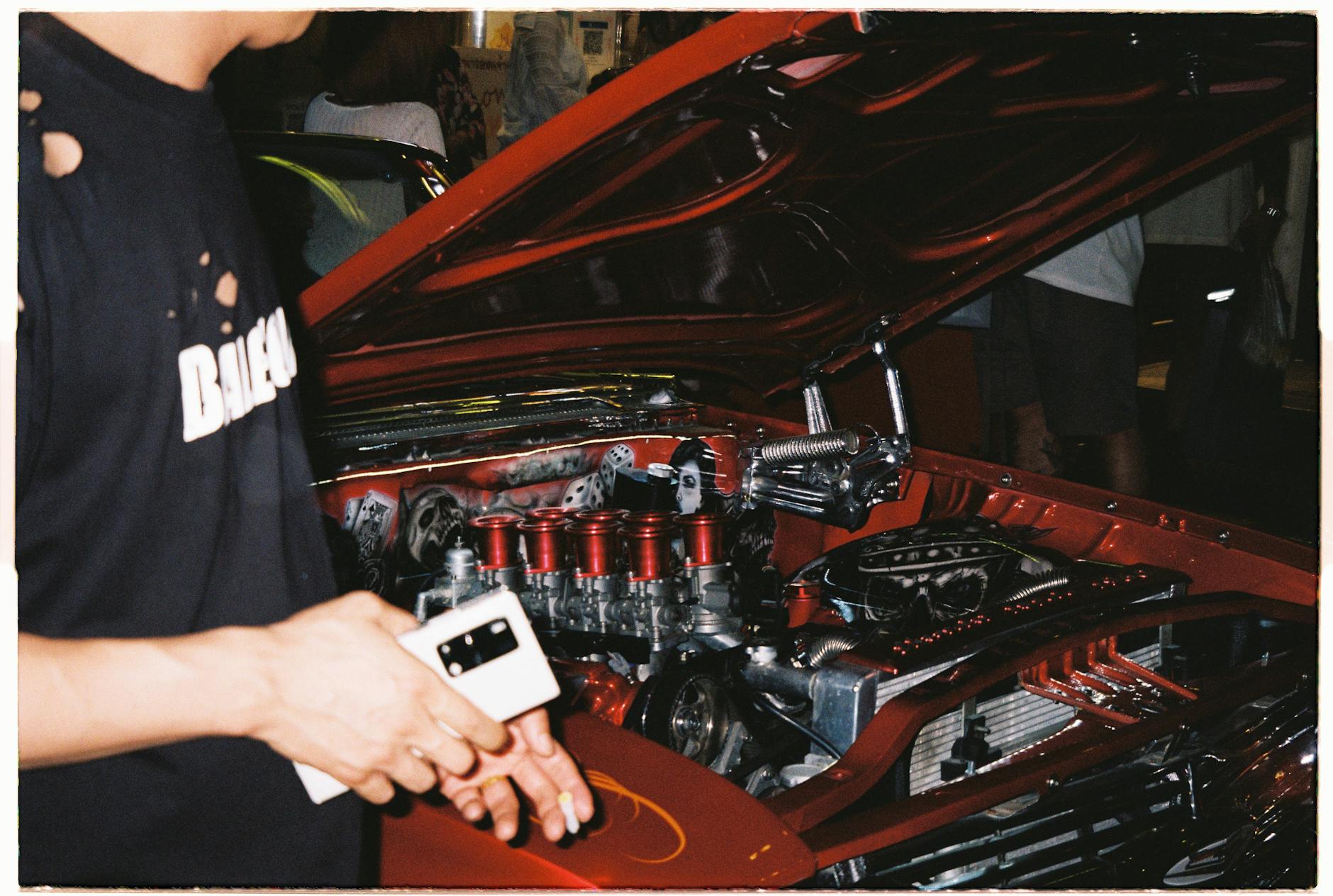
A vehicle whose engine is already warm when the buyer arrives for a scheduled viewing has been started and run before the appointment in a way that prevents the buyer from hearing and feeling the cold start behavior that reveals many of the most expensive mechanical problems a used car can have. Cold starts expose issues including difficult ignition, excessive smoke from the exhaust, rough idling, unusual noises during initial warm-up, and slow oil pressure normalization that are all masked once the engine has been running for twenty minutes or more. Any seller who has a vehicle already running or recently warmed when a buyer arrives for a scheduled appointment should be asked directly why the engine was started before arrival. Buyers should always insist on being present for a cold start and should treat a pre-warmed engine as a significant indicator of mechanical problems the seller does not wish to be witnessed.
Distracting Paperwork

Presenting complex stacks of paperwork, extended warranty documents, finance agreements, and optional extras discussion during the period when a buyer’s attention should be on the vehicle itself is a pressure tactic designed to move the conversation from mechanical assessment to administrative commitment before scrutiny is complete. Dealerships that introduce financing conversations, trade-in valuations, and documentation signing into the early stages of a vehicle visit are compressing the decision timeline in ways that work entirely in the seller’s favor. No legitimate element of a vehicle purchase requires the buyer to sign or commit to anything before they have independently verified the vehicle’s condition to their complete satisfaction. Buyers should establish clearly at the outset that paperwork will be addressed only after a full independent inspection has been completed and the vehicle’s history has been verified through an independent service.
Structural Repairs With Filler
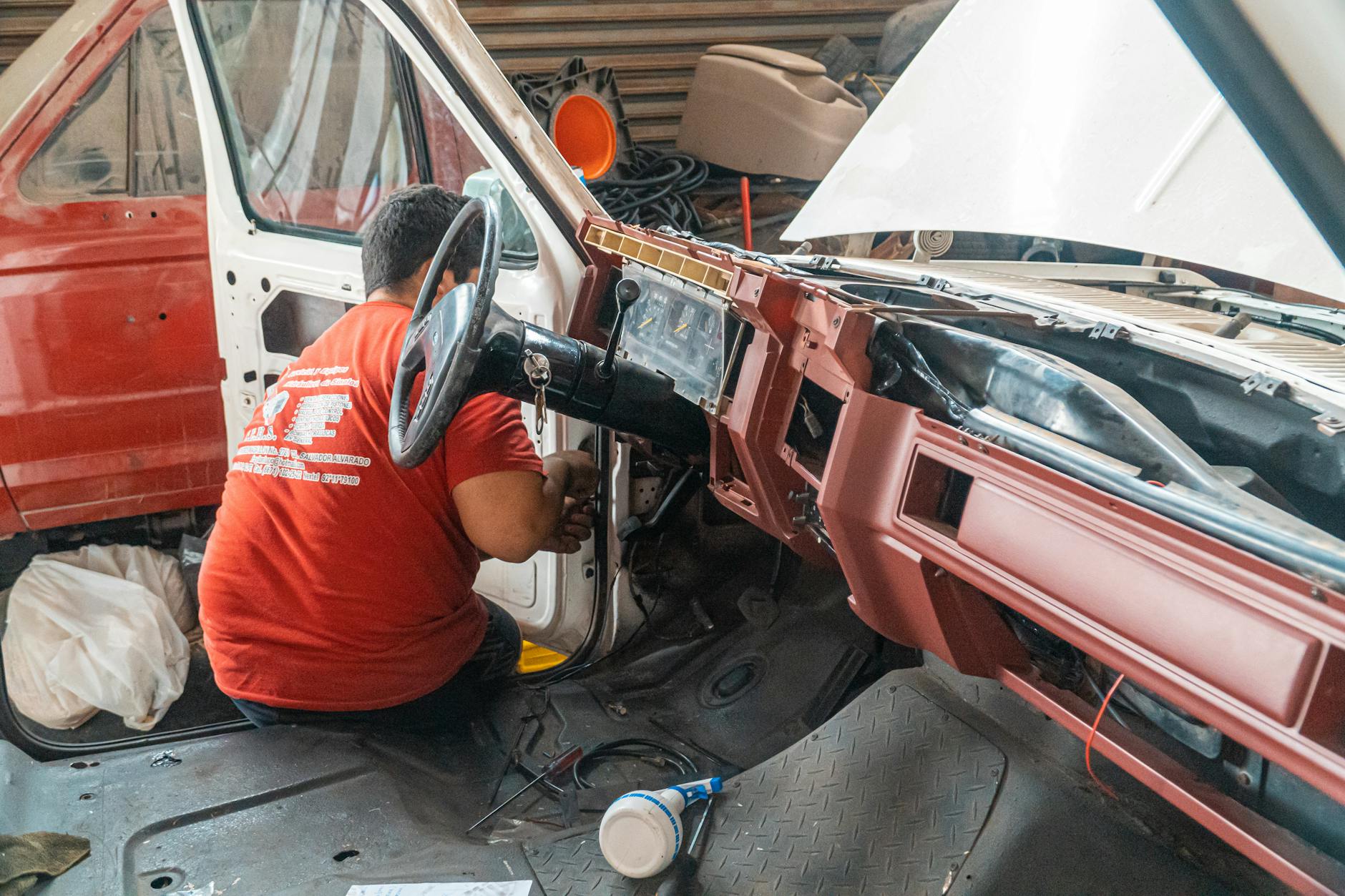
Panels that have been repaired with body filler rather than properly replaced or professionally straightened represent a category of hidden damage that is invisible to casual visual inspection but detectable through magnetic testing and professional paint depth measurement. Sellers who have used filler repairs to present a collision-damaged vehicle as structurally sound are concealing damage that affects both the safety performance of the vehicle in a subsequent impact and its resale value at every future point in its ownership history. A basic magnet dragged along exterior body panels will lose adherence over filled areas, providing a simple and reliable field test that requires no specialist equipment. Professional paint depth gauges used by independent inspectors provide quantitative data about panel repair history that makes filler concealment essentially impossible to maintain through inspection.
Odometer Discrepancies

Odometer fraud remains one of the most financially significant forms of consumer deception in the used car market despite the increasing availability of digital mileage recording systems that are significantly harder to manipulate than their mechanical predecessors. Wear patterns on the steering wheel, pedal rubbers, seat bolster leather, and gear lever that are inconsistent with the displayed mileage are reliable physical indicators of an odometer that has been altered or replaced. Service history stamps, MOT records, and independent vehicle history reports provide a documented mileage trail that can be cross-referenced against the displayed figure to identify discrepancies that indicate fraudulent alteration. Any mileage inconsistency identified through these checks is sufficient grounds to walk away from a purchase regardless of how compelling the price or condition of the vehicle appears in other respects.
VIN Plate Inconsistencies

The vehicle identification number stamped or attached in multiple locations throughout a car’s body should match across every location and correspond exactly to the number recorded on all documentation including the title, registration, and any history report obtained for the vehicle. VIN plate tampering including replacement plates, re-stamping, or documentation forgery is associated with vehicles that have been stolen, written off, or involved in serious accidents that would render them unsaleable if their true history were known. Discrepancies between VIN locations including differences between the dashboard plate, door jamb stamp, engine bay number, and documentation are among the most serious red flags available to a used car buyer and should trigger immediate disengagement from the purchase. An independent vehicle history check using the VIN through a recognized national database service is an essential step in any used car purchase regardless of the apparent credibility of the seller.
Missing Service History

A vehicle presented without complete service history documentation is being sold with a deliberate gap in the information available to the buyer about how the car has been maintained, used, and potentially damaged throughout its life. Service records provide not only maintenance evidence but a documented chain of ownership, mileage verification, and a record of any significant work carried out that may indicate previous problems. Sellers who offer vague explanations for missing history including claims of lost documents, previous owner unavailability, or dealership record keeping failures should be pressed for whatever partial documentation exists rather than accepting a complete absence as normal. Independent inspection and a vehicle history report through a recognized national provider can partially compensate for missing service records but cannot fully replicate the information that complete documentation would have provided.
Pressure to Buy Same Day

Any seller who communicates urgency about a same-day decision through claims of other interested buyers, limited time pricing, or imminent auction transfer is using a documented high-pressure sales tactic designed to prevent the buyer from obtaining an independent inspection, researching the vehicle history, or simply sleeping on the decision. The financial consequences of a rushed used car purchase based on incomplete information consistently exceed any genuine discount that same-day pressure purchasing might theoretically secure. A vehicle that is genuinely good value and mechanically sound will remain so after a twenty-four hour reflection period and an independent inspection appointment. Buyers who walk away from same-day pressure consistently report that the vehicle remained available and that the claimed competing interest either never materialized or was used as a repeated tactic with every subsequent prospective buyer.
Tyre Condition Misdirection

Drawing a buyer’s attention to recently replaced front tyres as evidence of good maintenance is a tactic used to direct focus away from rear tyres, spare tyres, and the wheel alignment and suspension condition that explains why the previous tyres required early replacement. Uneven tyre wear patterns including feathering, camber wear, and center-only wear are diagnostic indicators of suspension geometry problems, alignment issues, and wheel bearing wear that represent significant repair costs on any vehicle. A seller who volunteers information about new front tyres without addressing the reason they required replacement is providing a partial disclosure that conceals more than it reveals. Buyers should examine all four tyres for wear patterns and have any irregularity investigated by an independent mechanic before proceeding with a purchase.
Fluid Top-Ups Before Viewing

Vehicles whose fluid levels have been freshly topped up immediately before a viewing may have chronic leaks, consumption problems, or internal damage that is temporarily masked by the addition of fresh fluid to the appropriate reservoir level. Oil that appears clean and correctly filled on a dipstick inspection can represent a recent top-up that conceals an engine consuming or leaking oil at a rate that will become apparent within the first weeks of new ownership. Coolant systems that have been freshly filled without addressing the underlying cause of previous fluid loss may be managing a head gasket failure, cooling system leak, or radiator problem that will manifest under normal driving conditions. Independent inspection of a vehicle by a qualified mechanic specifically includes assessment of fluid condition, consumption rates, and evidence of recent top-up activity as part of standard pre-purchase evaluation.
Cosmetic Fixes Over Rust
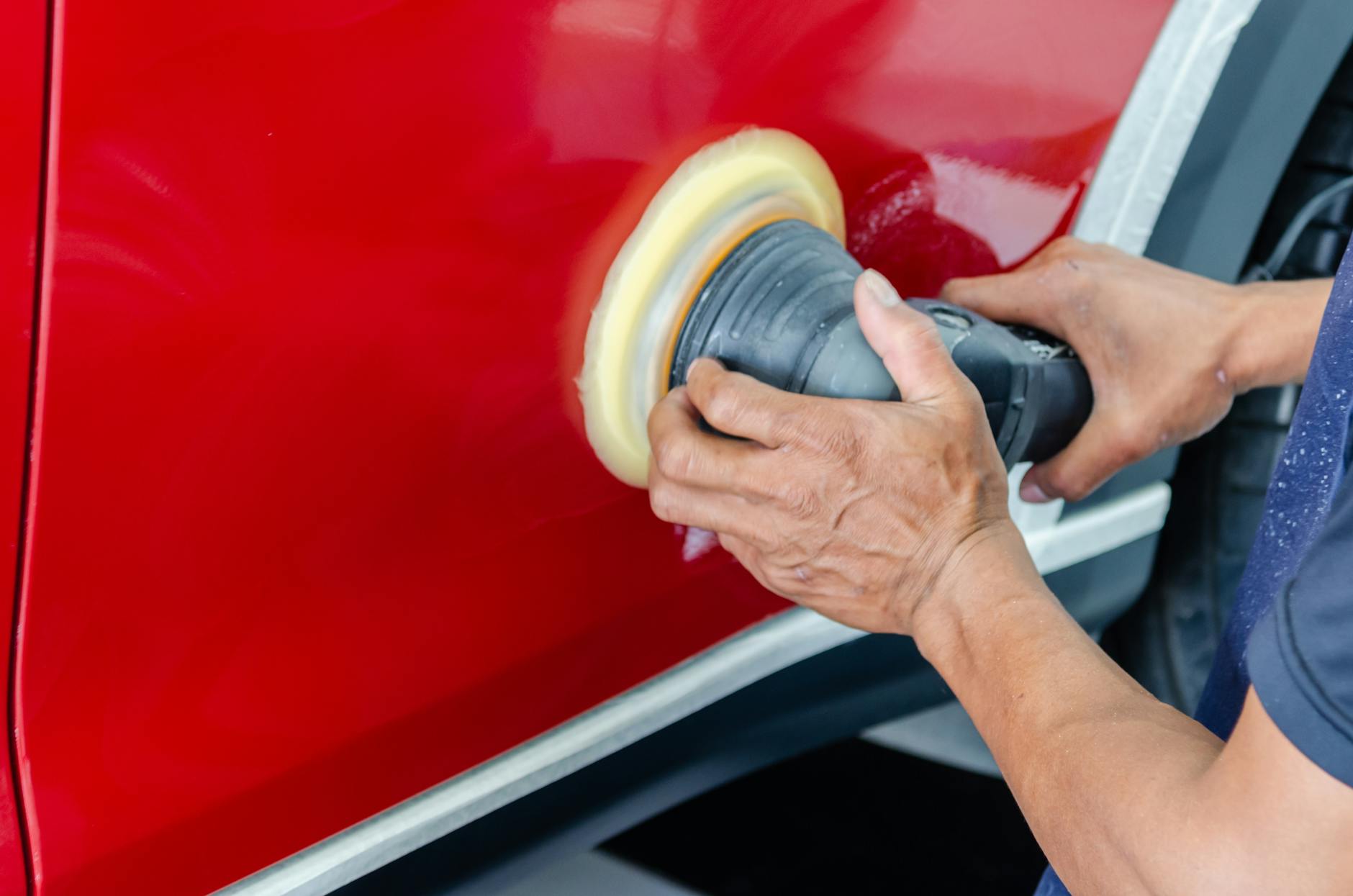
Surface rust that has been sanded, primed, and painted without addressing the underlying structural rust beneath is one of the most common and financially damaging forms of concealment in the private used car market, particularly for vehicles sold in regions with road salting programs. The cosmetic treatment of rust creates a presentation-ready surface that can withstand casual visual inspection for months before the underlying corrosion penetrates through the new paintwork and reveals itself. Structural rust in sill panels, floor sections, chassis rails, and suspension mounting points compromises the vehicle’s safety in a collision in ways that surface rust treatment does nothing to address. A proper under-vehicle inspection in good lighting conditions or on a ramp is essential for any vehicle older than five years purchased in a climate where road salt is routinely used.
Engine Bay Cleaning
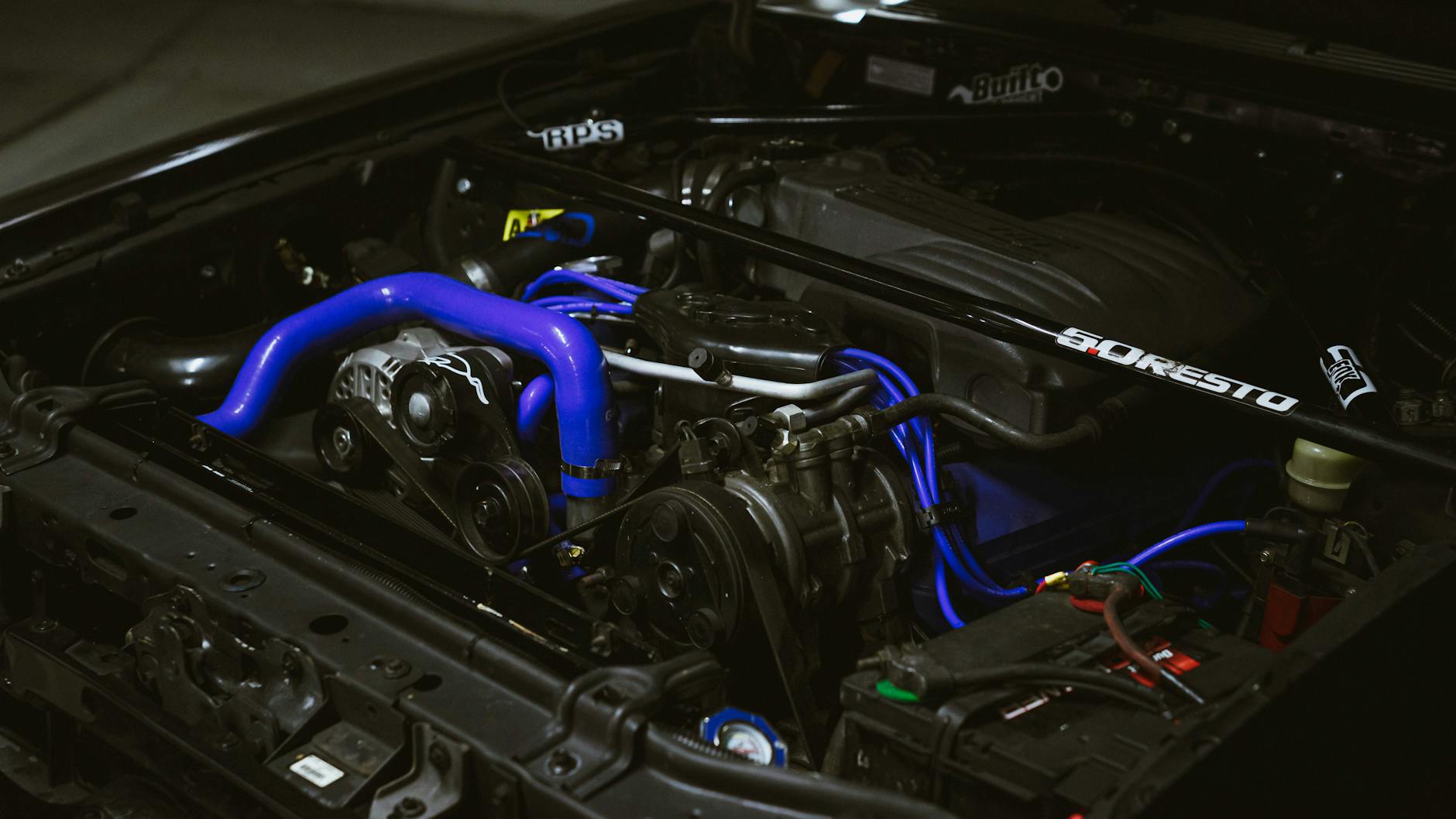
A professionally cleaned and degreased engine bay presented as evidence of careful maintenance is more reliably interpreted as evidence that oil leaks, fluid seepage, and component condition have been made temporarily invisible through the application of degreasing agents and a pressure wash. Genuine careful maintenance produces a progressively clean engine bay with some evidence of normal operation rather than the uniformly spotless presentation that professional degreasing creates. An independent mechanic inspecting a freshly cleaned engine bay will specifically look for evidence of fresh leaks that have begun to accumulate since the cleaning, for gasket condition, and for component wear that cleaning cannot conceal. Buyers who encounter an unusually clean engine bay should interpret it as a reason for increased inspection scrutiny rather than as reassurance about the vehicle’s mechanical history.
Phantom Finance Deals

Finance arrangements presented verbally at the point of sale with terms that differ materially from the written agreement prepared for signature represent a documented form of consumer deception in which the buyer is committed through social pressure and time investment to terms they did not agree to in the conversation that led them to the dealership. The practice of quoting a monthly payment figure that appears attractive during negotiation and then structuring a written agreement around a longer term, higher interest rate, or larger balloon payment is specifically addressed in consumer financial protection legislation in most jurisdictions. Buyers should never evaluate a used car purchase on the basis of monthly payment figures alone and should always calculate the total cost of finance including all interest, fees, and final payment obligations before signing any document. Independent financing through a personal bank or credit union arranged before visiting a dealership eliminates this category of trap entirely.
Pre-Selected Add-Ons

Documentation presented for signature that includes pre-ticked or pre-populated optional extras including paint protection films, interior treatments, extended warranties, and GAP insurance represents a practice in which the buyer is paying for products they did not select and may not have been informed of during the sales conversation. These additions are typically high-margin products for the dealership whose cost to the buyer is significant and whose value relative to the price charged is consistently criticized in consumer finance reviews. Buyers should read every line of every document presented for signature and should strike through or formally decline any pre-populated optional extra that was not explicitly discussed and agreed during the negotiation. The legal right to decline optional products at the point of sale is established in consumer protection legislation across most jurisdictions and any resistance to exercising this right should be treated as a serious red flag about the dealership’s broader practices.
Strategic Interior Staging
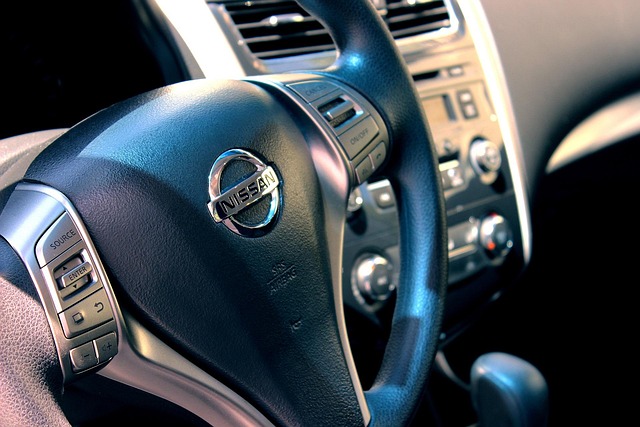
Fresh seat covers placed over worn or damaged upholstery, floor mats positioned to cover stained or water-damaged carpeting, and air fresheners placed to mask persistent odors are staging techniques that create a misleading first impression of interior condition that dissolves during independent inspection. Buyers who remove floor mats, lift seat covers, and check beneath removable interior panels during a viewing frequently discover the condition that the staging was designed to prevent them from encountering. The area beneath the driver’s seat, the boot floor beneath any mat or lining, and the door sill areas beneath rubber trim are the most consistently productive locations for finding evidence of the interior condition that staging is attempting to conceal. A systematic approach to interior inspection that treats all removable elements as potentially hiding information is one of the most consistently valuable habits a used car buyer can develop.
Misleading Descriptions

Vehicles described in listing copy using terms including recently serviced, minor cosmetic wear, drives perfectly, or one careful owner carry no legal specificity and are routinely applied to vehicles whose condition would be described in significantly more alarming terms if the language used were required to be precise and verifiable. Consumer protection legislation in most countries covers material misrepresentation in vehicle sales but the cost and complexity of pursuing a legal remedy after a problematic purchase makes prevention through rigorous pre-purchase inspection a far more practical strategy than reliance on post-sale legal recourse. The interpretation of vague positive descriptors in a used car listing should default to scepticism rather than reassurance, with every claim treated as requiring independent verification rather than seller confirmation. Buyers who ask sellers to define and document their listing claims in writing before proceeding with an inspection frequently find that the precision required by a written commitment produces a significantly more cautious and qualified version of the original description.
Selective Photo Angles

Online listings that feature multiple photographs of the vehicle’s best angles while systematically avoiding photographs of the rear quarter panels, sill sections, wheel arches, and underside are curating the buyer’s visual impression of the vehicle in ways that make travel to an in-person viewing more likely while concealing the condition that would make it less so. Professional photography that consistently avoids specific areas of the vehicle is more suspicious than amateur photography that captures the vehicle completely because the selection reflects a deliberate choice rather than photographic inexperience. Buyers should specifically request photographs of any area of the vehicle not shown in the original listing before agreeing to travel for an in-person viewing. Any seller who declines to provide additional photographs of unshown areas is communicating something significant about the condition of those areas.
Arbitrary Price Anchoring

Opening a negotiation at a significantly inflated price creates a psychological anchor that makes a subsequent reduction to the actual intended sale price feel like a buyer victory even when the final price remains above market value for the vehicle’s genuine condition and history. Consumer behavior research consistently demonstrates that the first number introduced into a negotiation disproportionately influences the final agreed figure regardless of the objective market data available to both parties. Buyers who research the realistic market value of a specific vehicle in its actual condition before entering any price negotiation are substantially better protected against anchor pricing than those who rely on the seller’s opening figure as a reference point. Independent valuation tools, completed sale data from major automotive platforms, and the price histories of comparable vehicles currently listed provide the objective reference framework that eliminates the psychological power of an inflated anchor price.
Clone Vehicles

A cloned vehicle is one that has had its identity documents and registration plates replaced with those of a legitimately registered vehicle of the same make, model, and color in order to conceal the cloned vehicle’s true history including theft, write-off status, or outstanding finance obligations. The buyer of a cloned vehicle purchases a car whose legal identity does not match its physical identity, meaning that any subsequent checks of the registration number will return clean results for the legitimate vehicle rather than the damaged or criminal history of the actual car being sold. The only reliable protection against purchasing a cloned vehicle is a physical verification of every VIN location on the vehicle against the documentation provided and against an independent database check that confirms the vehicle’s identity at the component level rather than the registration level. Any discrepancy between physical identifiers and documentation in a used car transaction is sufficient reason to disengage from the purchase and report the listing to the relevant consumer protection or law enforcement authority.
If you have ever been caught in a used car sales trap or discovered hidden damage after a purchase, share what happened in the comments.