
The security deposit is one of the most contested financial transactions in the entire rental relationship, representing a significant sum of money that tenants are entitled to recover but frequently never see again. What many renters do not realize is that a substantial portion of deposit withholding practices cross the line from aggressive into outright illegal, relying on tenant ignorance of local law and a general reluctance to pursue formal legal action. Landlords operating in bad faith have refined a set of tactics over decades of rental practice that exploit procedural loopholes, documentation gaps, and the power imbalance inherent in the landlord-tenant relationship. Understanding these tactics in detail is the single most effective tool a renter has for protecting money that the law already recognizes as theirs. Here are 23 sneaky tricks landlords use to illegally keep your entire security deposit.
Deadline Manipulation
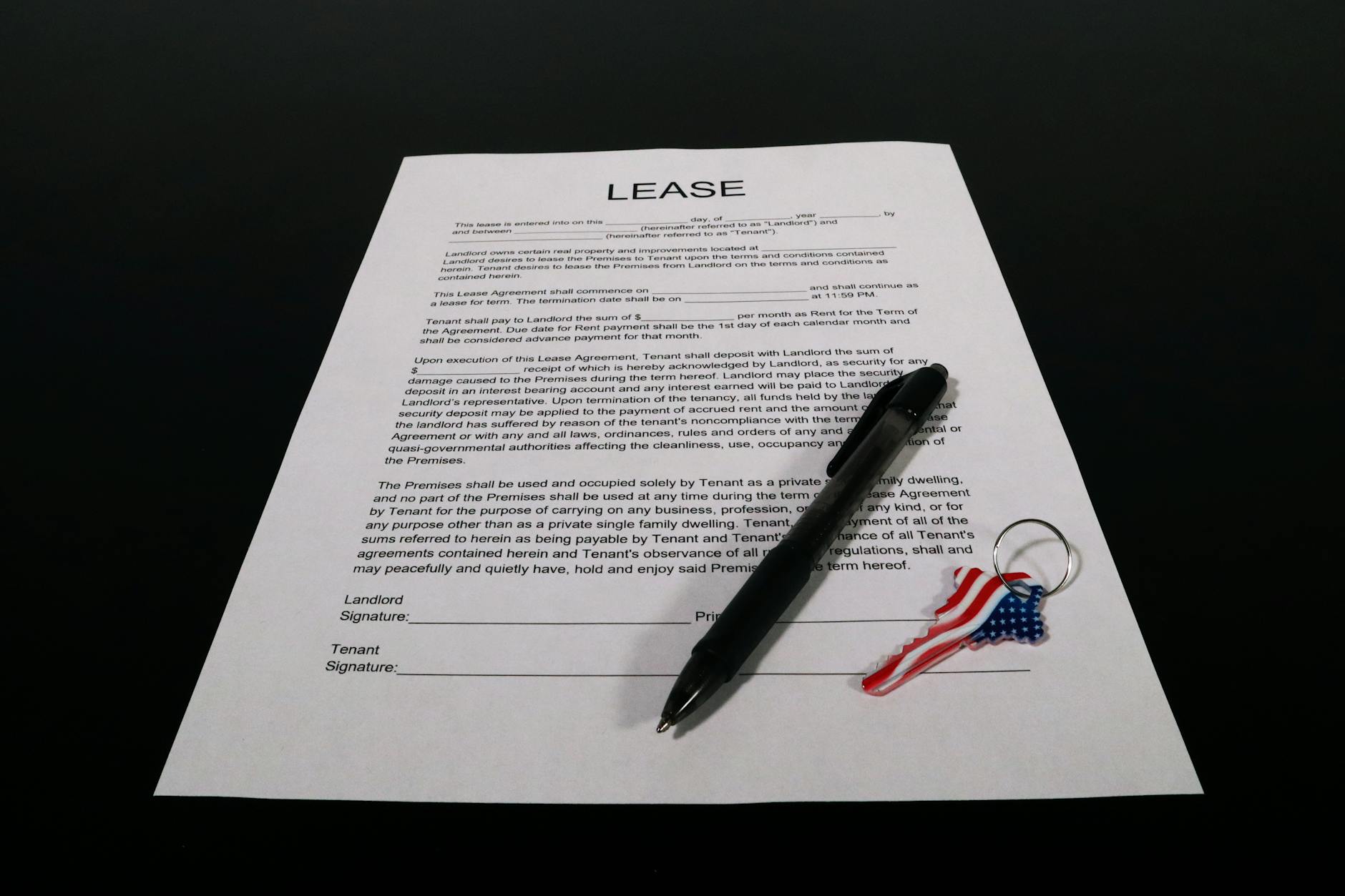
Most jurisdictions impose a strict legal deadline by which landlords must return a security deposit after a tenancy ends, typically ranging from fourteen to forty-five days depending on local law. A common illegal tactic involves landlords deliberately allowing this deadline to pass without returning funds or providing an itemized statement, banking on the tenant being unaware that missing the deadline alone can constitute an automatic forfeiture of the right to make any deductions. In many states and countries, a landlord who misses the statutory return deadline loses the legal right to withhold any portion of the deposit regardless of the actual condition of the property. Some landlords send itemized deduction letters just after the deadline has passed and present them as timely, hoping tenants will not check the postmark or delivery date against the legal requirement. Tenants who document the date they receive any deposit-related correspondence have a straightforward legal argument when the timeline does not comply with local statutes.
Normal Wear Charging
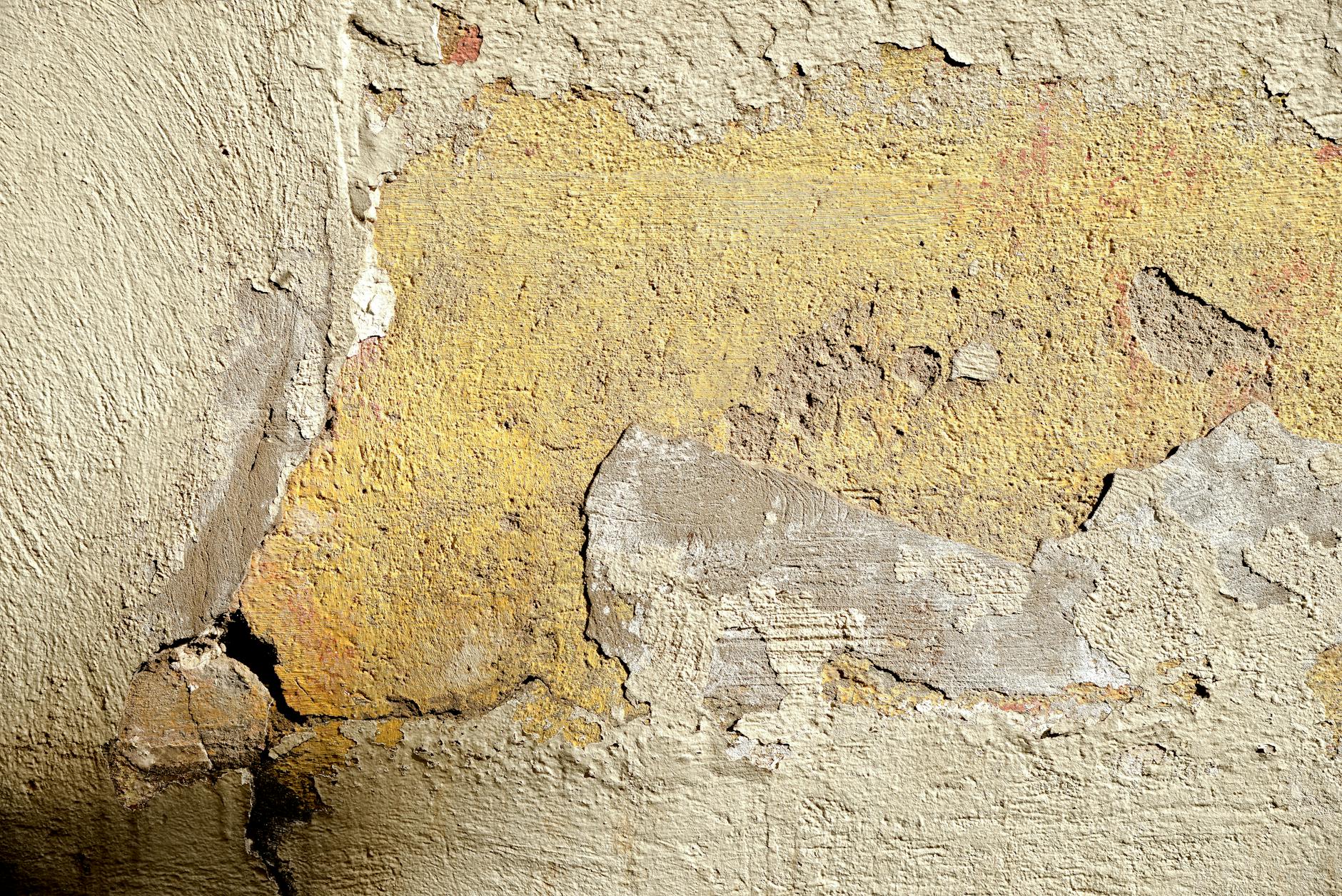
Charging tenants for normal wear and tear is one of the most pervasive and clearly illegal deposit withholding tactics in residential tenancy law. Normal wear and tear refers to the expected and unavoidable deterioration that occurs in a property through ordinary daily living, including minor scuffs on walls, carpet compression from furniture, and small nail holes from picture hanging. Landlords frequently present itemized deductions for repainting entire rooms due to minor scuffs, full carpet replacement due to general flattening, or refinishing hardwood floors that show only the expected patina of regular foot traffic. The legal distinction between damage and wear is well-established in tenancy law across most jurisdictions, and courts consistently side with tenants when landlords attempt to charge for deterioration attributable to normal habitation. Photographing the property thoroughly at both move-in and move-out creates the documentary record needed to challenge wear-and-tear deductions effectively.
Vague Itemization

The law in most rental jurisdictions requires landlords to provide a specific and detailed written itemization of any deductions made from a security deposit. A common illegal tactic involves submitting a deduction letter containing broad and unverifiable line items such as cleaning fees, repairs, or damages without specifying the nature of the cleaning required, the location of the damage, or the work actually performed. Courts and tenant protection agencies consistently find that vague itemization does not meet the legal standard for deposit deduction documentation, making the associated charges unenforceable. Some landlords combine vague line items with inflated round-number costs that bear no relationship to actual market rates for the described work. Tenants who respond in writing requesting specific documentation for each vague line item create a paper trail that demonstrates both the landlord’s non-compliance and the tenant’s good-faith effort to resolve the matter.
Fake Receipts

Fabricating or inflating repair receipts to justify deposit deductions is a form of fraud that occurs with significant frequency in the residential rental market. Some landlords submit invoices from companies they own or control, from associates who provide inflated quotes without performing actual work, or from legitimate contractors whose invoices have been altered to reflect higher amounts. Receipts for work that was never performed, or that was performed at a fraction of the stated cost, are used to create a paper trail that appears to justify large deposit deductions. Tenants can challenge the legitimacy of submitted receipts by requesting proof of payment, checking business registration details of the invoiced company, and obtaining independent quotes for the same work from legitimate contractors. A pattern of receipts from the same contractor across multiple tenancies at inflated rates is a recognized indicator of fraudulent documentation in landlord-tenant legal proceedings.
Pre-Existing Damage
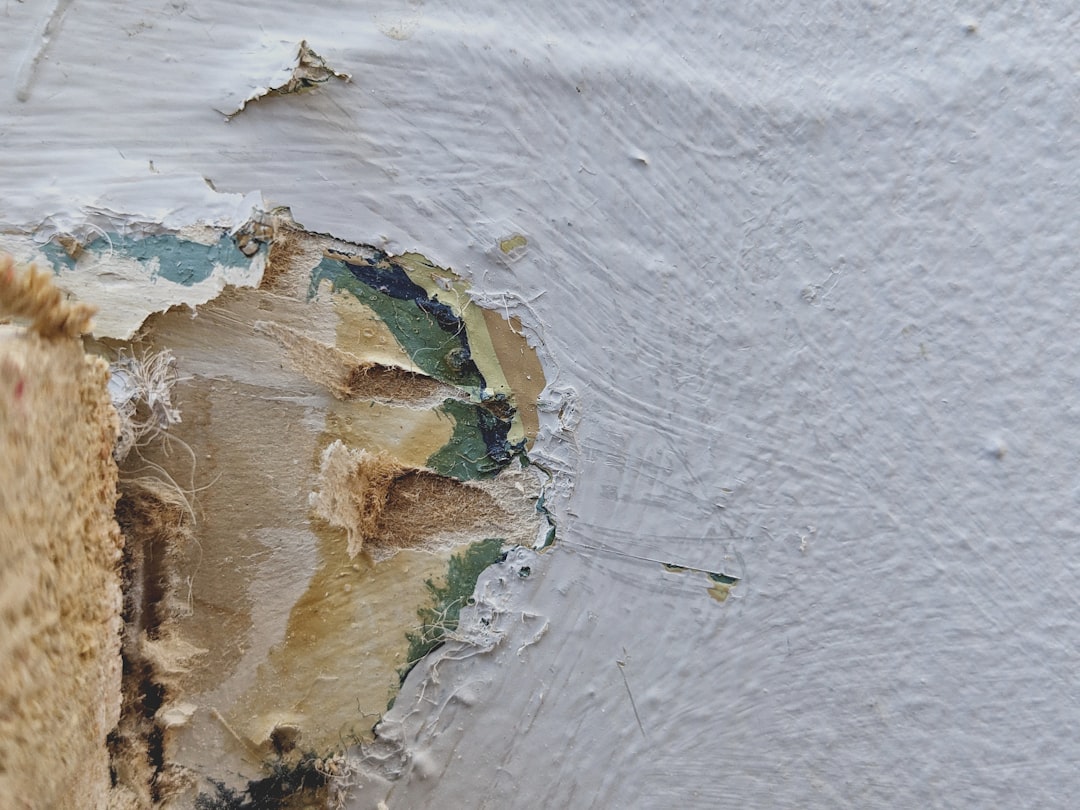
Charging tenants for damage that existed in the property before they moved in is an illegal tactic made possible by inadequate move-in documentation. Landlords who do not provide a detailed move-in inspection report, or who provide one that is incomplete or intentionally vague, create conditions under which pre-existing damage can later be attributed to the outgoing tenant. Without a signed move-in condition report documenting the state of every room, fixture, and surface, the tenant has no formal record to counter claims that a stain, crack, or broken fitting was caused during their tenancy. The burden of proving that damage occurred during the tenancy and was not pre-existing falls legally on the landlord in most jurisdictions, but without documentation, this burden becomes practically impossible to enforce. Tenants who photograph and video every imperfection at move-in and email these to the landlord immediately create timestamped evidence that establishes the baseline condition of the property.
Depreciation Ignoring

When a landlord deducts for damaged or replaced items such as carpets, appliances, or blinds, the law in most jurisdictions requires that deductions reflect the remaining useful life of the item rather than its full replacement cost. A carpet with a standard useful life of ten years that is five years old at the time of damage has a remaining useful life value of fifty percent of replacement cost, meaning a tenant can only lawfully be charged half the cost of replacement even if they caused the damage. Landlords routinely ignore this depreciation principle and charge tenants the full cost of brand-new replacement items, effectively profiting from the damage by receiving a new item paid entirely by the outgoing tenant. This practice is explicitly prohibited in many tenancy codes and has been the subject of consistent findings against landlords in small claims court proceedings. Tenants should research the standard useful life tables applied in their jurisdiction when reviewing any deduction for replaced items.
Cleaning Overcharges

Charging excessive or fabricated professional cleaning fees is one of the most common mechanisms for illegally retaining deposit funds. Landlords submit invoices for deep cleaning services that were never ordered or performed, or present legitimate cleaning invoices from properties cleaned to a standard far beyond what the tenant’s lease agreement required them to maintain. Most lease clauses requiring tenants to return the property in a clean condition refer to a standard of ordinary domestic cleanliness rather than professional deep-cleaning specification. A landlord who charges for professional carpet steam cleaning when the carpet showed only normal use, or who invoices for full property sanitization when the tenant left the property in reasonable condition, is making a deduction that exceeds their legal entitlement. Tenants who clean the property themselves before vacating and document the result with photographs and video substantially weaken any subsequent claim for cleaning charges.
Improper Interest

In jurisdictions where landlords are legally required to hold security deposits in interest-bearing accounts and pass the accrued interest to tenants, failing to do so constitutes an illegal withholding of funds. Some landlords hold deposits in standard operating accounts or personal accounts, collecting interest that legally belongs to the tenant while never disclosing this arrangement. Others hold deposits in interest-bearing accounts but deduct fabricated administrative fees from the interest before returning it, reducing the amount owed to the tenant below what the law requires. Tenants in jurisdictions with interest requirements can request documentation of the account in which their deposit was held and calculate the expected interest independently using the applicable legal rate. The failure to comply with deposit holding requirements is treated as a serious violation in many jurisdictions and can result in penalties against the landlord that exceed the original deposit amount.
No Written Notice
Many jurisdictions require landlords to provide tenants with written notification of their right to a move-out inspection, the name and address of the institution holding the deposit, and the specific terms under which deductions may be made. Landlords who fail to provide these legally required notices at the start of the tenancy frequently lose their legal right to make any deposit deductions, regardless of the condition of the property at the end of the lease. This procedural violation is routinely overlooked by tenants who are unaware that their landlord’s failure to comply with notification requirements eliminates the legal basis for withholding. Some landlords compensate for their failure to provide initial notices by presenting fabricated notification documentation during deposit disputes, claiming documents were provided at move-in when they were not. Tenants who request and retain copies of all documentation provided at lease signing have a clear evidentiary advantage when procedural compliance becomes disputed.
Abandonment Claims

A tactic used by landlords against tenants who vacate without formal written notice involves declaring the tenancy an abandonment and treating the deposit as forfeited under abandonment provisions rather than returning it through the standard deposit process. Abandonment provisions carry different legal requirements than standard tenancy termination and are frequently misapplied to situations that do not meet the legal definition of abandonment. A tenant who communicates departure by phone, email, or text message rather than formal written notice may find their landlord claiming abandonment, even when the intent to vacate was clearly communicated and understood by both parties. This tactic is particularly common at the end of fixed-term leases where tenants assume that the lease expiration date constitutes sufficient notice of their departure. Written notice of vacating provided through a documented channel, even a simple email, eliminates the legal basis for an abandonment claim in most jurisdictions.
Delayed Repairs

Some landlords deliberately delay performing repairs for which they intend to charge the outgoing tenant, waiting until the cost has escalated or the seasonal rate for tradespeople has peaked before commissioning the work. The inflated cost of a repair performed months after the tenancy ended is then presented as a deduction from the deposit, despite the fact that the tenant could have performed the repair themselves for a fraction of the cost during the tenancy if given the opportunity. Most tenancy laws require that repairs be performed within a reasonable time frame after the tenancy ends, and delays that cause cost escalation are not lawfully transferred to the outgoing tenant. Some landlords use the extended delay period to co-mingle damage from a subsequent tenant with damage attributed to the previous tenant, creating a larger deduction than either tenancy alone would justify. Tenants who request written confirmation of the completion date and total cost of any repair cited in a deduction letter gain the information needed to challenge both the timing and the amount of the charge.
Utility Debt Claims
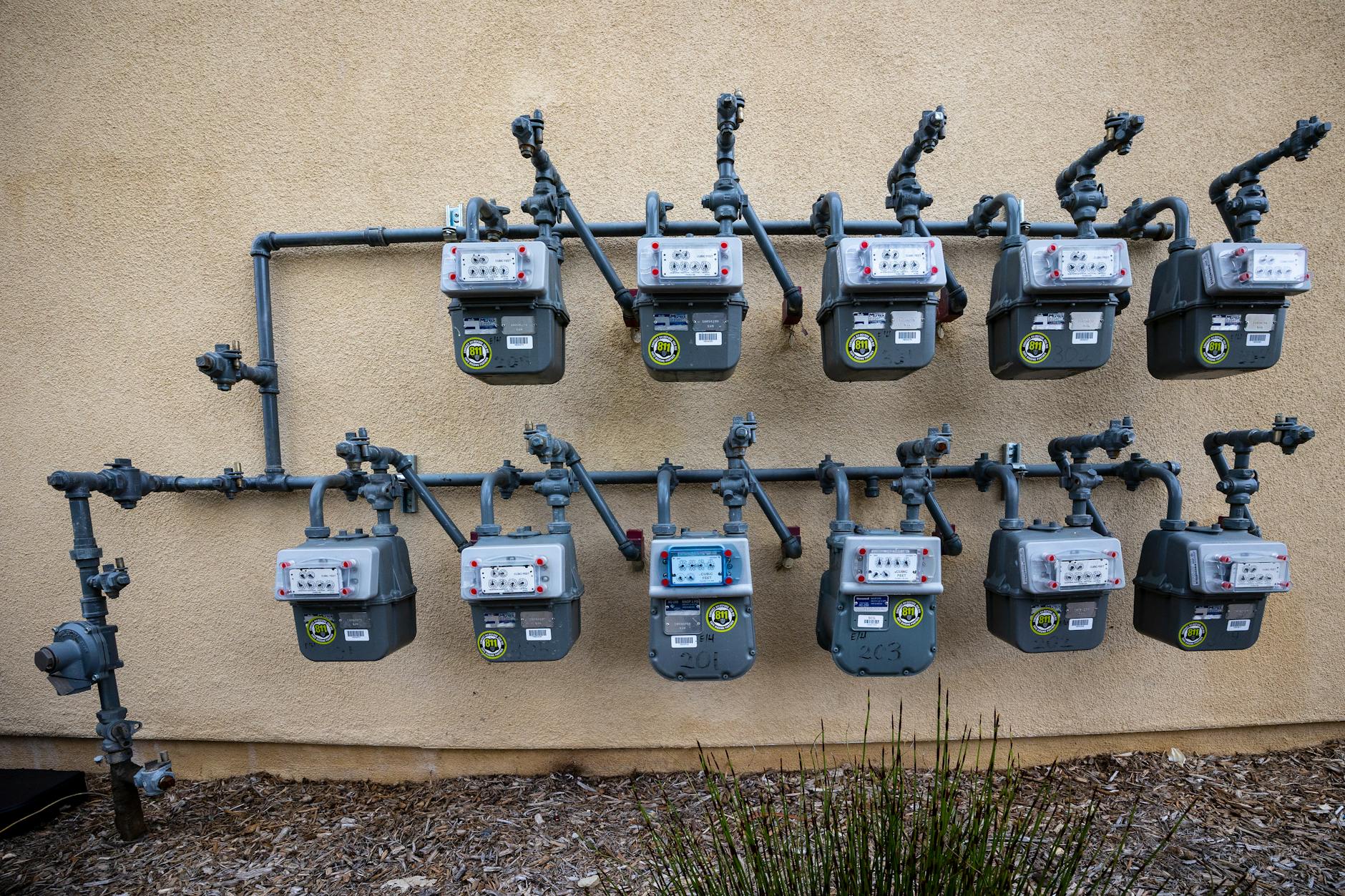
Deducting unpaid utility balances from a security deposit is a practice that operates in a legal grey area but is frequently applied in ways that are wholly illegal. In most jurisdictions, a landlord can only deduct utility debts from a deposit if the lease explicitly names the deposit as collateral for utility obligations and if the utility account is held in the landlord’s name. Landlords who deduct claimed utility debts without providing actual account statements, or who deduct amounts that exceed the documented debt, are making deductions that go beyond any legal basis. Some landlords fabricate utility arrears for accounts that were held in the tenant’s name and therefore never the landlord’s financial obligation in the first place. Tenants should obtain final account statements from all utilities in their name before vacating and retain these documents as evidence against any subsequent claim of utility debt.
Renovation Offloading
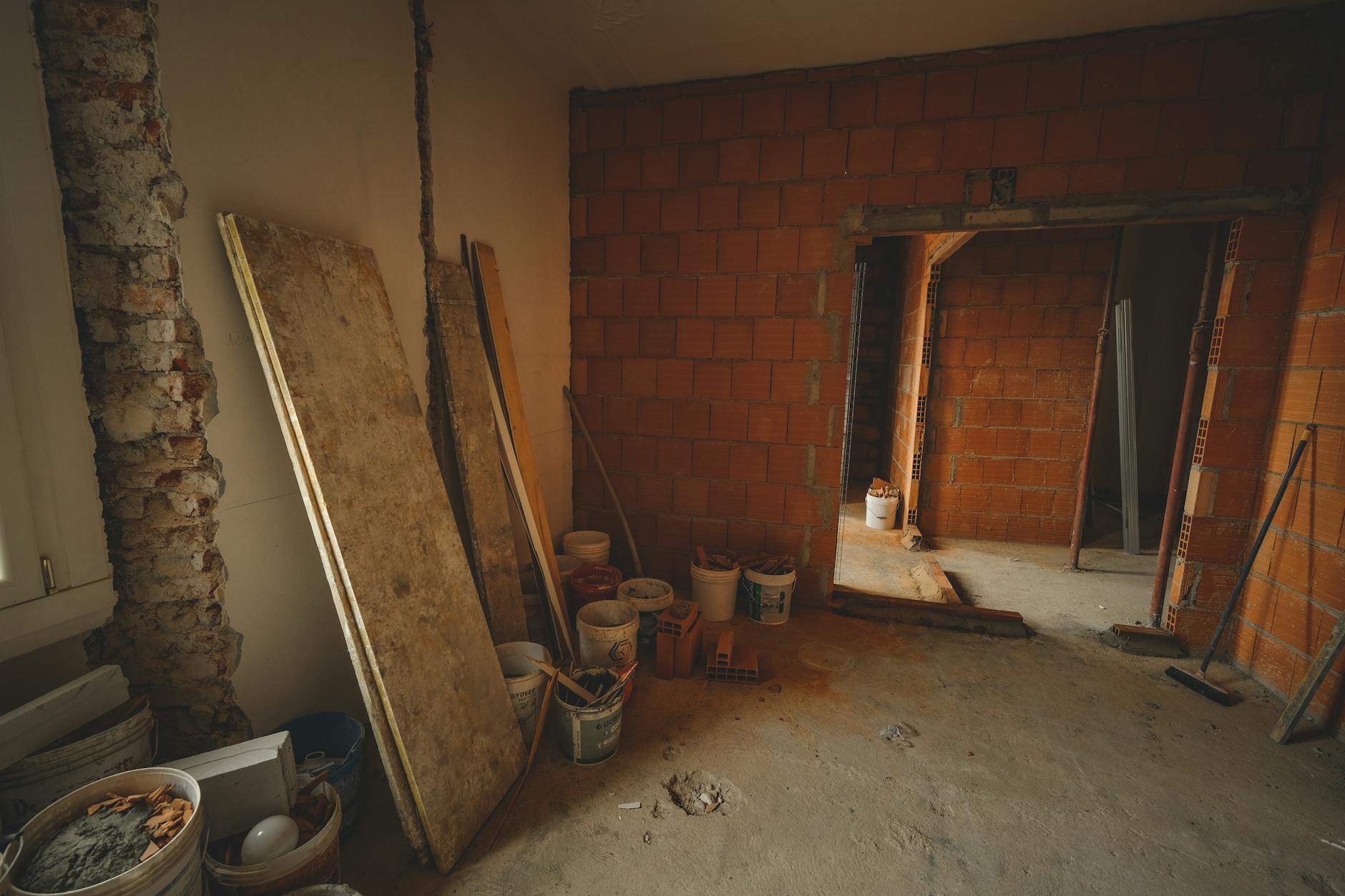
A sophisticated and increasingly common tactic involves landlords using the end of a tenancy as an opportunity to undertake planned renovations and offset the cost against the outgoing tenant’s deposit through fabricated or exaggerated damage claims. A landlord who intended to replace the kitchen countertops or update the bathroom regardless of tenant behavior will cite damage to existing fixtures as justification for charging the tenant for improvements that were already planned. The resulting renovation produces a property improvement that increases rental value or sale price, effectively subsidized by the departing tenant’s deposit. Courts have found against landlords in cases where the scope of claimed repairs significantly exceeds what the documented damage could reasonably require, particularly when renovation work is performed immediately and comprehensively following the tenancy. Tenants can strengthen their position by documenting the pre-vacating condition of all fixtures against which renovations are subsequently charged.
Lease Clause Abuse

Some landlords insert clauses into lease agreements that purport to authorize deposit deductions that would otherwise be illegal under local tenancy law. Common examples include clauses specifying that the tenant forfeits the entire deposit if they break the lease for any reason, clauses that define normal wear and tear as damage for which the tenant is financially liable, or clauses that waive the tenant’s right to a move-out inspection. In most jurisdictions, lease clauses that contradict the minimum protections established by tenancy law are unenforceable regardless of whether the tenant signed the agreement. Landlords rely on tenants not knowing that a signed lease cannot legally override statutory tenant protections, and present these clauses as binding obligations during deposit disputes. Tenants who identify potentially unlawful lease clauses should seek guidance from a local tenant advocacy organization or housing authority before accepting any deduction based on those clauses.
Photograph Manipulation

The widespread availability of photo editing software has made it possible for landlords to manipulate move-out photographs to create evidence of damage that did not exist or to exaggerate the severity of actual damage. Photographs submitted as evidence of deposit deduction justification can be altered to show stains, holes, or damage that was not present at the time of photography, or taken selectively in ways that misrepresent the overall condition of the property. Some landlords use photographs taken during the tenancy for maintenance purposes and present them out of context as move-out condition documentation. Tenants who take their own comprehensive timestamped photographic and video documentation at move-out have an independently verified record that can be compared against any photographs submitted by the landlord. Metadata embedded in digital photographs, including the date, time, and device used to take the image, provides additional evidentiary tools for challenging manipulated documentation.
Third-Party Management

When a property is managed by a third-party management company, landlords sometimes exploit the separation between ownership and management to obscure responsibility for deposit handling and create bureaucratic delays that outlast the legal return window. Tenants dealing with a management company are often passed between agents and departments when requesting deposit information, with each handoff consuming days that count toward the statutory return deadline. The management company may claim the deposit decision rests with the owner, while the owner claims to be awaiting the management company’s report, creating a responsibility vacuum that exists solely to delay return. In jurisdictions where the legal deadline for deposit return is absolute, these bureaucratic delays do not extend the timeline and leave the landlord in violation regardless of which party caused the delay. Tenants should address all deposit correspondence simultaneously to both the management company and the property owner in writing to prevent responsibility deflection.
Inspection Denial

The right to be present at a move-out inspection is a legal entitlement for tenants in many jurisdictions, providing an opportunity to address minor issues before they become the basis of deposit deductions. Some landlords perform move-out inspections without notifying the tenant, deny the tenant’s request to be present during inspection, or conduct the inspection after the tenant has surrendered keys and access. A move-out inspection performed without tenant presence, in jurisdictions where presence is a legal right, may produce findings that are legally inadmissible as the basis for deposit deductions. Landlords who deny tenants the opportunity to remedy minor deficiencies that they identify during a joint inspection are acting contrary to the purpose of the inspection process as defined in tenancy regulations. Tenants who request a joint move-out inspection in writing and document any refusal or failure to schedule one have a strong procedural argument against any deductions that follow.
Mold Responsibility Shifting
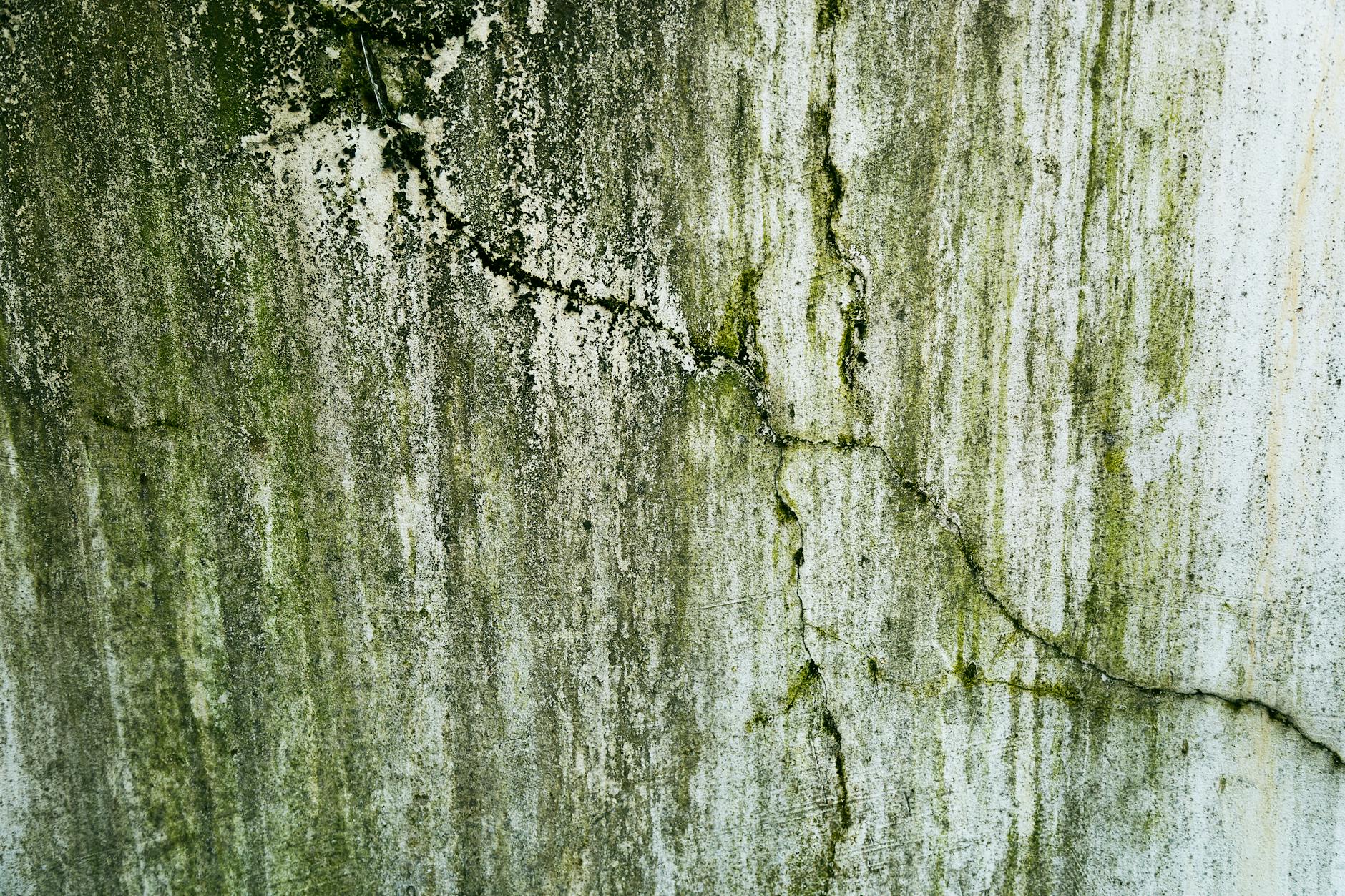
Mold remediation is an expensive process, and some landlords illegally transfer the cost to outgoing tenants by attributing mold growth to tenant behavior rather than acknowledging the structural or ventilation deficiencies that are almost always the underlying cause. Mold is considered a maintenance and habitability issue in most tenancy frameworks, and landlords who fail to address reported mold during a tenancy cannot legally charge the outgoing tenant for the resulting remediation cost. A landlord who claims mold growth was caused by tenant lifestyle choices such as inadequate ventilation while cooking or bathing is rarely able to substantiate this attribution against evidence of an underlying structural moisture issue. Tenants who reported mold or moisture concerns in writing during their tenancy have documentation demonstrating that the landlord was already aware of the condition and failed to address it. Mold remediation charges presented without a professional assessment attributing the cause to tenant behavior rather than building deficiency are among the most legally challengeable deposit deductions.
Pet Deposit Confusion

In jurisdictions where landlords are permitted to collect a separate pet deposit in addition to the standard security deposit, there are strict rules governing what each deposit can be applied to and the total amount that can be held. Some landlords collect both a general security deposit and a pet deposit and then apply both against general property damage that has no demonstrated connection to the presence of a pet. Others collect combined deposits that exceed the maximum total deposit permitted under local law, a violation that in some jurisdictions automatically renders the entire deposit returnable without deduction. Landlords who claim pet-related damage without demonstrating a specific causal connection between the tenant’s animal and the documented damage are making a deduction that lacks legal foundation. Tenants with pets who document the property’s condition at move-out with particular attention to flooring, baseboards, and doors are best positioned to refute generalized claims of pet damage.
Verbal Agreement Traps

Some landlords make verbal agreements with departing tenants regarding deposit deductions and then dishonor these agreements entirely once the tenant has vacated and surrendered keys. A verbal agreement in which a landlord promises to return the full deposit in exchange for the tenant completing certain repairs or cleaning tasks, and then claims to have found additional damage after the tenant has no further access to the property, is a deliberate bad-faith tactic. Tenants who enter into any agreement regarding deposit conditions during the move-out process should insist on written confirmation of the terms and any acknowledgment of work completed before surrendering access. Some landlords explicitly use the urgency of key surrender to prevent tenants from documenting their compliance with agreed conditions, creating a window in which additional claims can be introduced without challenge. Any communication that reaches a specific agreement about deposit terms should be confirmed in a follow-up email to the landlord on the same day, creating a written record of the verbal commitment.
Forwarding Address Exploitation

The legal process for returning a security deposit in most jurisdictions requires the landlord to send the deposit or itemized deductions to the tenant’s forwarding address within the statutory deadline. Some landlords exploit situations where the tenant has not provided a formal written forwarding address to claim that they were unable to return the deposit through no fault of their own, using this as justification for missing the statutory deadline. Others send deposit-related correspondence to the vacated rental address knowing that the tenant no longer has access, creating a situation where the return appears to have been attempted while ensuring the tenant never receives the funds. Tenants should provide their forwarding address in writing to the landlord before or at the point of vacating, retaining proof that this communication was sent and received. The legal obligation to make a good-faith effort to contact the tenant and return deposit funds remains with the landlord regardless of whether a formal forwarding address was provided in writing.
Court Intimidation

A tactic used by landlords against tenants who formally dispute deposit deductions involves threatening or implying counter-litigation for damages exceeding the deposit amount, using the prospect of a larger legal battle to discourage the tenant from pursuing their legitimate claim. A landlord who suggests that the tenant’s legal challenge will result in the landlord pursuing them for additional repair costs, unpaid rent claims, or other financial liabilities is engaging in a pressure tactic designed to make recovering the deposit seem more costly than simply abandoning the claim. In practice, landlords who make counter-claims in small claims court proceedings involving disputed deposits bear the same evidentiary burden as the tenant and are subject to the same scrutiny of their documentation and claimed costs. Many jurisdictions provide for penalty damages against landlords found to have illegally withheld deposits, meaning a successful tenant claim can result in a court award of double or triple the original deposit amount. Tenants who understand the potential for penalty damages and the procedural simplicity of small claims court are significantly less susceptible to landlord intimidation tactics.
Successor Landlord Blame

When a rental property changes ownership during a tenancy, the deposit handling responsibilities transfer to the new owner under most tenancy frameworks, but this transition is frequently exploited as an opportunity to deny deposit liability entirely. A departing landlord may claim the deposit was transferred to the new owner as part of the property sale, while the new owner claims no deposit was received, leaving the tenant without a clear responsible party from whom to claim. The legal reality in most jurisdictions is that both parties carry responsibility for ensuring the proper transfer of deposit funds, and a tenant who never received formal written notification of the deposit transfer retains their claim against the original landlord regardless of what was agreed between buyer and seller. Some landlords deliberately time property sales to coincide with the end of a tenancy, using the transactional complexity to create the conditions for deposit disappearance. Tenants who receive notice of a property ownership change during their tenancy should immediately request written confirmation of the deposit transfer and acknowledgment from the new owner of the amount held.
If this list has helped you recognize tactics being used against you or someone you know, share your experience in the comments.