
The used car market is one of the most strategically manipulated retail environments a consumer will ever navigate. Sellers with years of practiced technique can move a problem vehicle before a buyer has had time to process what just happened. The tactics range from psychological sleight of hand to outright deception, and many are so well rehearsed that they feel entirely natural in the moment. The following list ranks the most commonly reported methods from the least to the most damaging.
Lot Shine
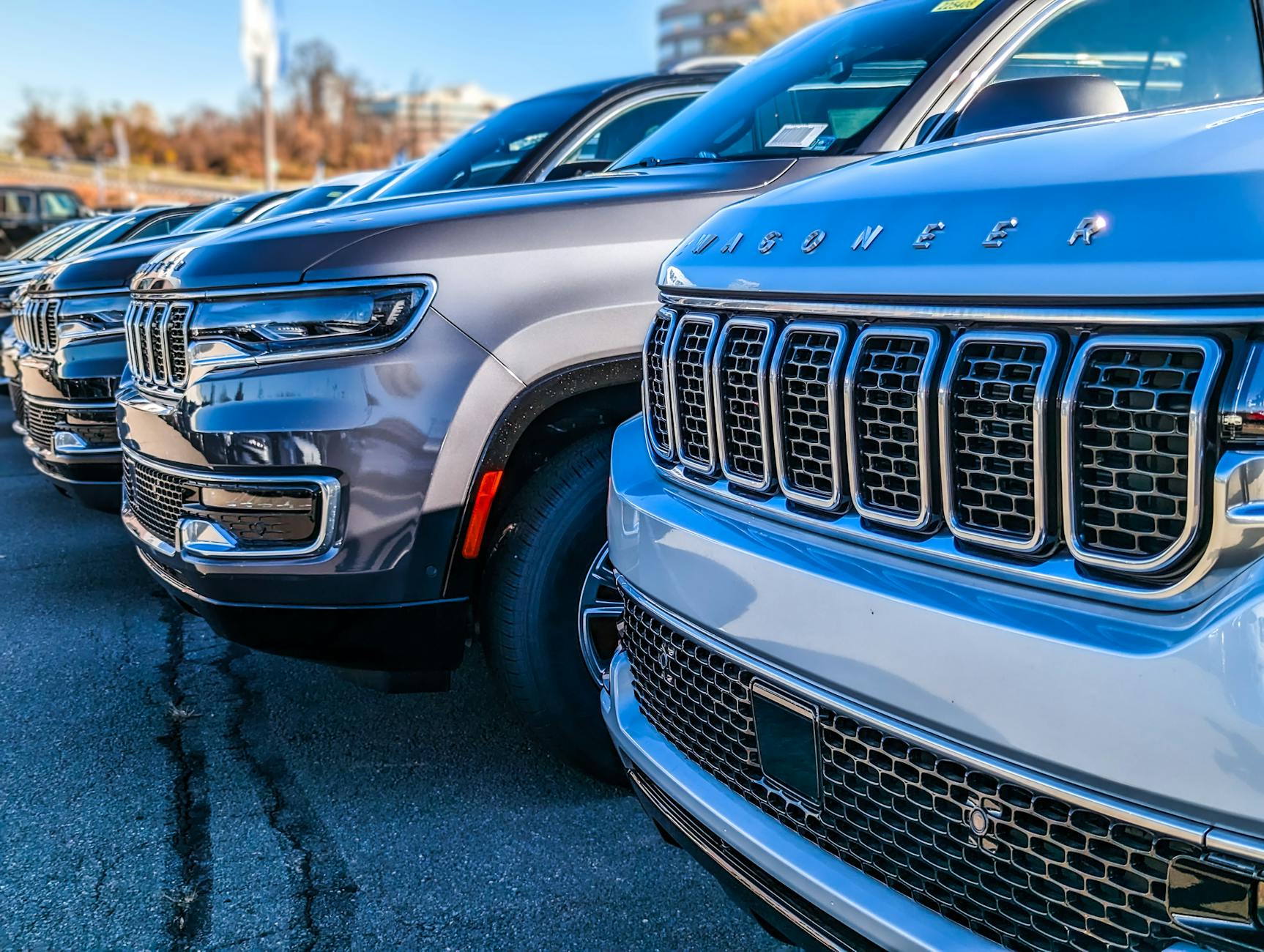
Vehicles are detailed to a level far beyond their actual condition before hitting the forecourt. Fresh wax, steam-cleaned engines, and professionally shampooed interiors create a sensory impression of quality that has nothing to do with mechanical reliability. The visual and olfactory cues trigger a positive emotional response that bypasses rational evaluation. Buyers who would otherwise scrutinize a vehicle carefully find themselves already emotionally invested before asking a single question. A clean car and a sound car are two entirely different things.
Odometer Fraud

Rolling back a vehicle’s recorded mileage is one of the oldest tricks in the used car industry and remains surprisingly prevalent despite digital odometer technology. A car showing 60,000 miles on the clock feels meaningfully different from one showing 140,000, even when the mechanical reality is identical. Buyers who skip an independent vehicle history check are particularly vulnerable to this form of manipulation. In many jurisdictions odometer tampering is a criminal offense but prosecution is rare without clear forensic evidence. Cross-referencing the displayed mileage against service records and inspection stickers inside the door frame can reveal inconsistencies.
Flood Damage Concealment

Vehicles that have been submerged or heavily water-damaged are cosmetically restored and re-entered into the market without disclosure. Mold is chemically suppressed, electrical components are temporarily dried out, and upholstery is replaced to eliminate visible evidence. The damage embedded in the vehicle’s wiring, subframe, and airbag systems remains invisible to the untrained eye. Problems typically resurface weeks or months after purchase when the financial and legal recourse options have narrowed. A professional pre-purchase inspection and a thorough vehicle history report are the most reliable defenses against buying a flood car.
The Bait Vehicle

A single attractively priced vehicle is advertised online to generate foot traffic, with no genuine intention of selling it at that price or in that condition. When the buyer arrives they are told the advertised car has just sold, developed a fault, or is no longer available at that price. The salesperson immediately pivots to alternative stock at a higher price point, capitalizing on the buyer’s existing emotional commitment to making a purchase that day. The journey, the time invested, and the anticipation all create pressure to find a substitute rather than leave empty-handed. Confirming availability and price in writing before traveling to any dealership is a basic but effective safeguard.
Salvage Title Hiding

A vehicle with a salvage or rebuilt title has been declared a total loss by an insurance company at some point in its history and subsequently repaired for resale. Sellers who fail to disclose this status are concealing information that materially affects the vehicle’s value, insurability, and long-term safety. The car may look and drive adequately at the time of sale while carrying structural compromises that will only become apparent in a subsequent collision. Running a title check through an official registry takes minutes and costs very little relative to the financial risk involved. Any reluctance from a seller to provide title documentation before a sale is a significant warning sign.
Finance Manipulation

The monthly payment is presented as the primary measure of affordability rather than the total cost of the vehicle. A salesperson who can get a buyer focused on hitting a target monthly figure has enormous room to extend the loan term, inflate the sale price, and layer in additional products without the buyer noticing. A car that costs significantly more than its market value can appear affordable when the repayment is spread over six or seven years. The true cost of the transaction only becomes clear when the full loan schedule is examined in detail. Buyers should always calculate the total amount repayable before agreeing to any financing arrangement.
The Rushed Test Drive

Test drives are kept deliberately short, confined to familiar roads, and conducted at times or speeds that prevent any meaningful mechanical assessment. A salesperson who accompanies the drive maintains a constant stream of conversation that diverts attention from sounds, vibrations, and handling irregularities. Routes that avoid motorway speeds, sharp braking situations, or rough road surfaces are chosen specifically to prevent stress-testing the vehicle. Buyers who ask to extend the route or drive solo are met with policy objections or subtle time pressure. A test drive that cannot be conducted on a buyer’s own terms is a test drive that is not worth taking.
Service History Fabrication
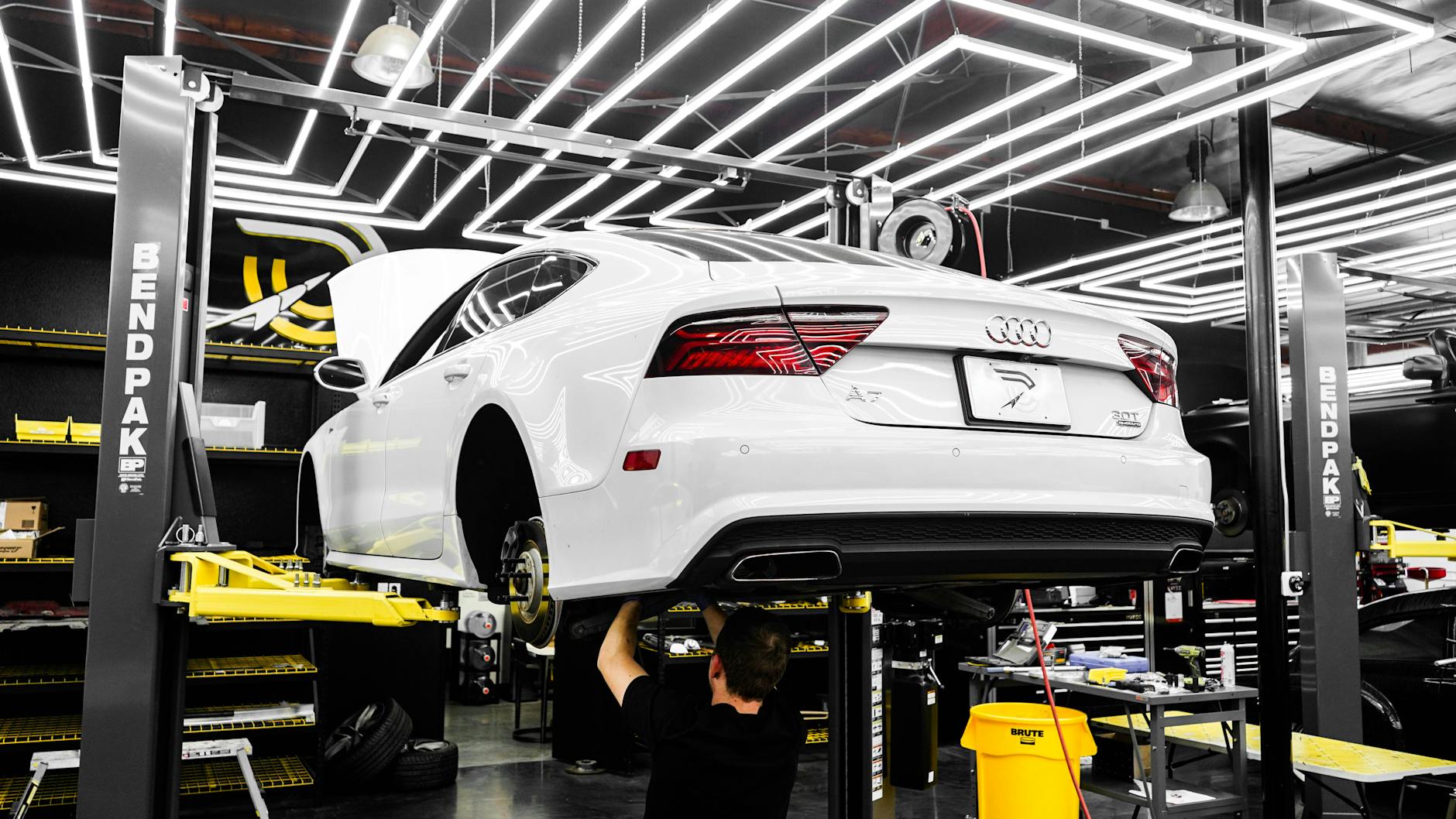
Printed service records can be falsified with basic desktop publishing tools and a working knowledge of common garage formats. A manufactured history creates the impression of diligent maintenance without any of the corresponding mechanical benefit. Buyers who rely on paperwork alone without corroborating it against the actual condition of fluids, filters, and wear components are making an expensive assumption. Calling the listed garages directly to verify the records is a straightforward step that most buyers never think to take. Genuine service histories show consistent intervals, realistic mileage progression, and verifiable contact details for every listed provider.
Pre-Sale Masking

Thicker engine oils are added to quiet noisy components, leaks are temporarily sealed with chemical compounds, and suspension noise is masked with lubricants that will dissipate within days of purchase. These interventions are designed to ensure the vehicle performs adequately during the brief window of inspection and test drive. None of them address the underlying mechanical faults and all of them are formulated to break down shortly after the sale is completed. A professional mechanic conducting a pre-purchase inspection can often identify the signs of recent masking through fluid analysis and component assessment. The presence of unusually fresh lubricant in a high-mileage vehicle is itself a flag worth investigating.
The Fake Competing Buyer

A salesperson who mentions that another customer is also seriously interested in the same vehicle is applying one of the most psychologically effective pressure tactics in retail. The implied scarcity transforms a considered financial decision into a competitive situation where the fear of losing takes priority over due diligence. In the vast majority of cases no competing buyer exists and the story is fabricated to compress the decision timeline. The tactic works because it reframes walking away not as prudence but as defeat. Any artificial urgency introduced by a seller is a reliable indicator that slowing down and taking more time is exactly the right response.
Paint and Bodywork Deception

Professional paint correction and filler work can make a vehicle with significant collision damage look factory fresh under showroom lighting. Sellers use specific lighting conditions, strategic vehicle positioning, and freshly applied gloss products to prevent buyers from detecting inconsistencies. Panel gaps, overspray on rubber seals, and color variation between adjacent panels are telltale signs that are easy to miss without systematic inspection. Checking the vehicle in natural daylight at different angles takes very little time but reveals bodywork imperfections that artificial lighting is specifically designed to conceal. A paint depth gauge is an inexpensive tool that can detect filler beneath a smooth surface in seconds.
Warranty Washing

Vehicles are promoted with warranty coverage that sounds comprehensive but contains exclusions so broad that virtually no realistic repair scenario would qualify for a claim. The warranty is used as a reassurance tool during the sale rather than as a genuine consumer protection mechanism. Key exclusions for pre-existing conditions, wear components, and anything deemed driver error are buried in dense small print that buyers rarely read in full before signing. When a fault emerges and a claim is submitted the exclusions are cited and the repair cost falls entirely on the buyer. Reading the full warranty document before purchase and asking the seller to confirm in writing exactly what the most common fault categories would be covered under is an essential step.
The Four-Square Method

This sales technique divides the transaction into four variables including vehicle price, trade-in value, monthly payment, and down payment, and manipulates them simultaneously to obscure where the buyer is losing money. A salesperson who concedes on one square while quietly taking it back on another can structure a deal that appears favorable while delivering a significant profit on every dimension. The visual complexity of the four-square sheet is intentional and prevents buyers from tracking the overall value of the transaction in real time. Experienced buyers negotiate each element of the deal in complete isolation before combining them. Refusing to discuss monthly payments until the vehicle price has been agreed independently is a straightforward way to neutralize this technique.
Undisclosed Accident History
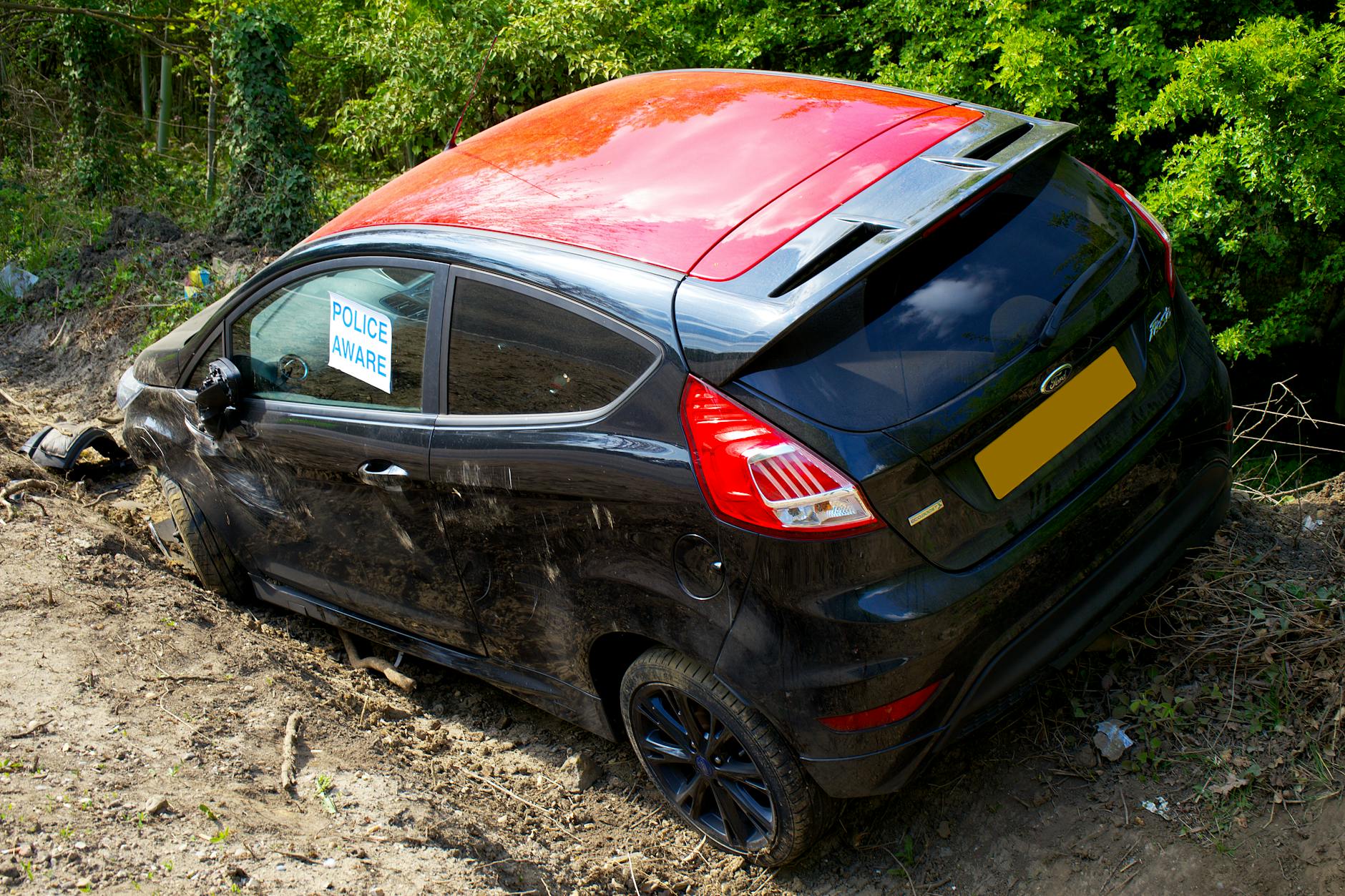
Vehicles involved in significant collisions can be cosmetically restored to a standard that passes casual inspection while retaining structural damage that affects safety in subsequent impacts. Sellers who know the history and choose not to disclose it are creating liability while simultaneously degrading the buyer’s crash protection. Airbag systems that were deployed and inadequately replaced, crumple zones that have already crumpled, and chassis geometry that has shifted all represent genuine safety concerns. Running the vehicle identification number through an official accident and insurance database takes minutes and costs a fraction of what a structural repair would. Sellers who are reluctant to provide the VIN before a viewing appointment are signaling that a history check is something they would prefer not to happen.
Title Washing

This practice involves re-registering a vehicle across multiple states or jurisdictions specifically to strip negative designations such as salvage, lemon law buyback, or flood from the official record. The result is a vehicle with a clean title in its current jurisdiction that carries a history of serious problems invisible to any standard title search. It represents one of the most technically sophisticated forms of consumer deception in the used vehicle market and is deliberately structured to defeat standard due diligence. Cross-referencing the vehicle history across multiple national databases rather than relying solely on the most recent title jurisdiction is the most effective defense. Buyers in markets with less rigorous inter-state data sharing are disproportionately exposed to this risk and should seek specialist pre-purchase verification accordingly.
If you have encountered any of these tactics or have advice for fellow buyers navigating the used car market, share your experience in the comments.