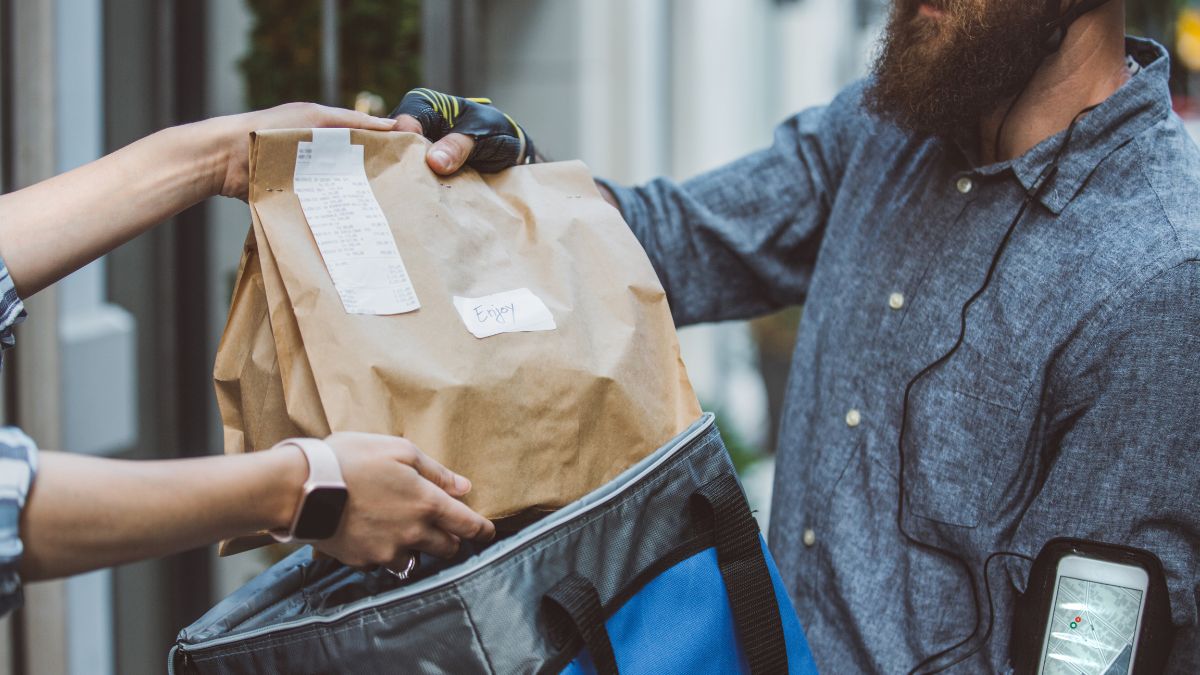
The tamper-evident seal has become the food delivery industry’s primary assurance to customers that their order arrives exactly as it left the restaurant. Billions of dollars in annual food delivery revenue rest on the assumption that a sticker or zip tie represents meaningful protection. However, a growing body of consumer complaints and documented incidents suggests that determined individuals have developed methods for accessing food that leave packaging appearing entirely untouched. Understanding these methods is the first step toward protecting yourself and making more informed decisions about the services and packaging systems you trust.
Bag Unzipping

Many restaurants use simple zip-close plastic bags rather than heat-sealed or adhesive-sealed packaging meaning the entire bag can be opened and resealed without disturbing any tamper-evident sticker applied to the exterior. The sticker in these cases is attached to the outer bag surface rather than across any actual closure point making it purely decorative as a security measure. Drivers who are familiar with this packaging format know that the seal can remain completely pristine while the contents have been fully accessed. Customers who receive orders in zip-close bags should check whether the tamper sticker actually bridges a functional closure or is simply applied to a flat surface.
Straw Insertion
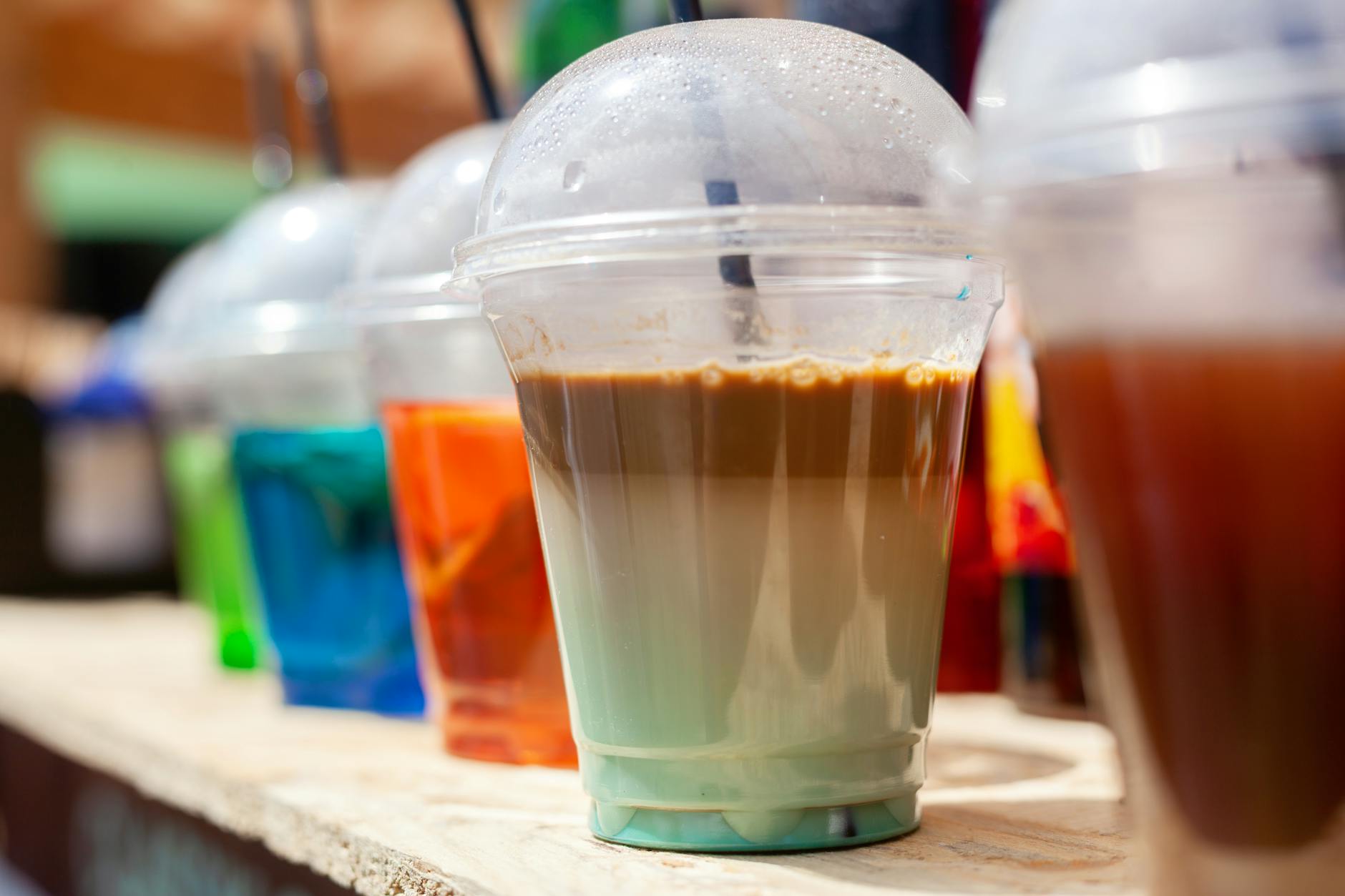
Lidded drinks sealed with a sticker across the top can be accessed by carefully inserting a straw through the side of the lid at an angle that bypasses the sealed portion entirely. The structural design of most disposable drink lids includes a perimeter gap between the lid and cup rim that is wide enough to accommodate a thin straw without breaking the seal on top. This method leaves both the lid and the sticker completely intact while allowing a significant portion of the drink volume to be consumed in transit. Customers who notice their sealed drinks arriving noticeably less full than expected despite an unbroken seal should consider whether their packaging design creates this particular vulnerability.
Box Refolding
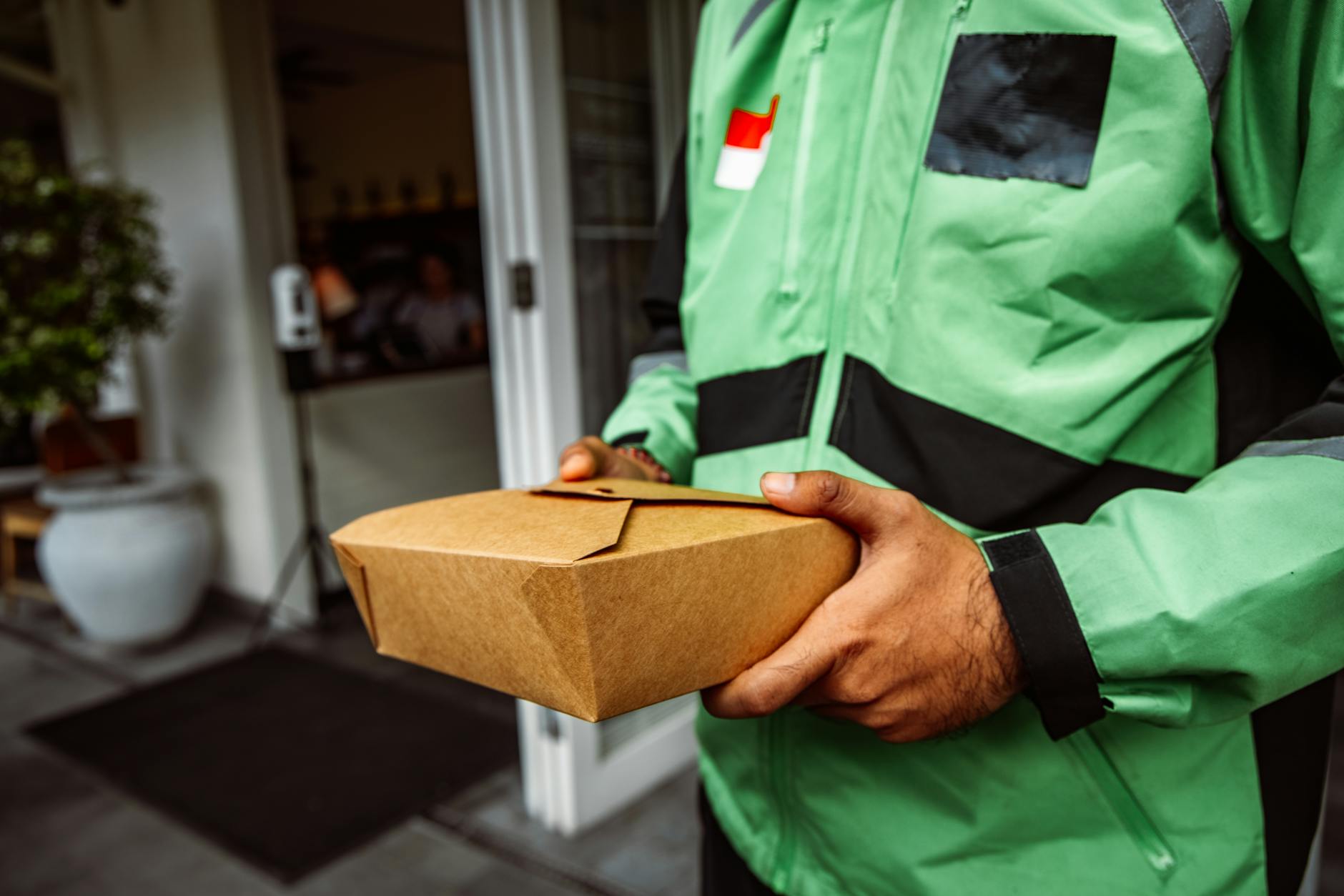
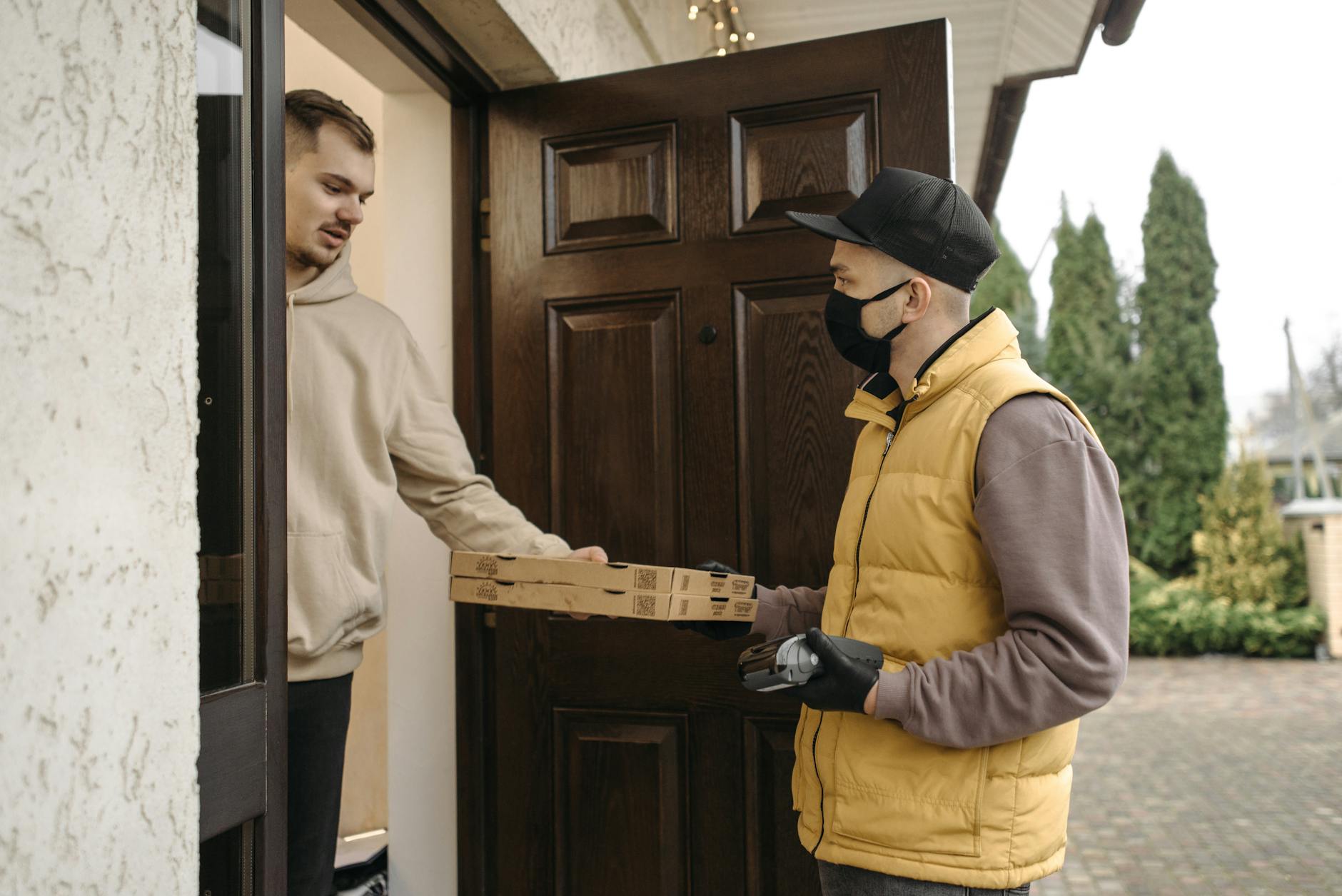
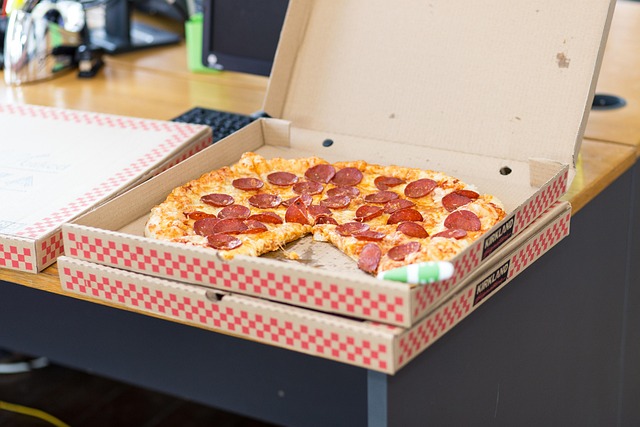
Cardboard food boxes that close through interlocking flap systems rather than adhesive sealing can be fully opened and refolded to their original closed position without leaving any visible evidence of access. Pizza boxes are the most widely recognized example of this design but the same folded-flap closure system is used for fried chicken boxes, burger containers, and numerous other fast food packaging formats. A tamper-evident sticker applied only to one side of a multi-flap box can remain entirely undisturbed while access is gained through the opposite side or through the base. Consumers who want meaningful tamper evidence on box-format packaging should look for seals that span multiple flap junctions rather than covering a single surface point.
Foil Peeling
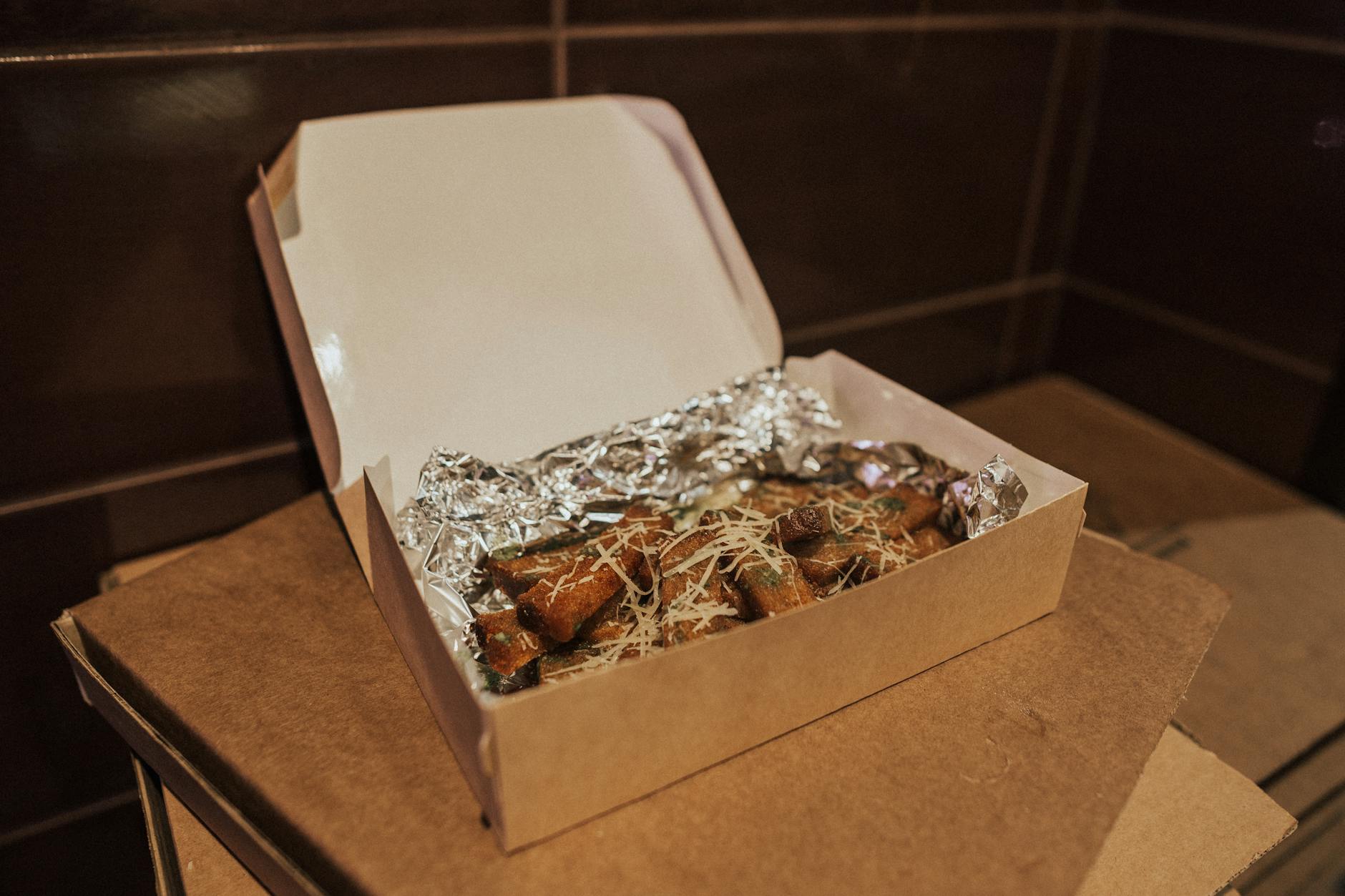
Aluminum foil containers commonly used for hot dishes, curries, and rice meals can be carefully separated from their cardboard lids along the crimped edge without disturbing a sticker applied across the top surface. The mechanical join between a foil tray and its pressed cardboard lid relies on friction and folded material rather than adhesive meaning it can be separated and rejoined with moderate manual dexterity. This method is particularly effective when food is delivered hot because heat softens the foil slightly and makes the separation process easier to execute cleanly. Restaurants that use foil tray formats should consider applying seals that wrap around the junction between tray and lid rather than sitting flat on the lid surface.
Shrink Wrap Manipulation
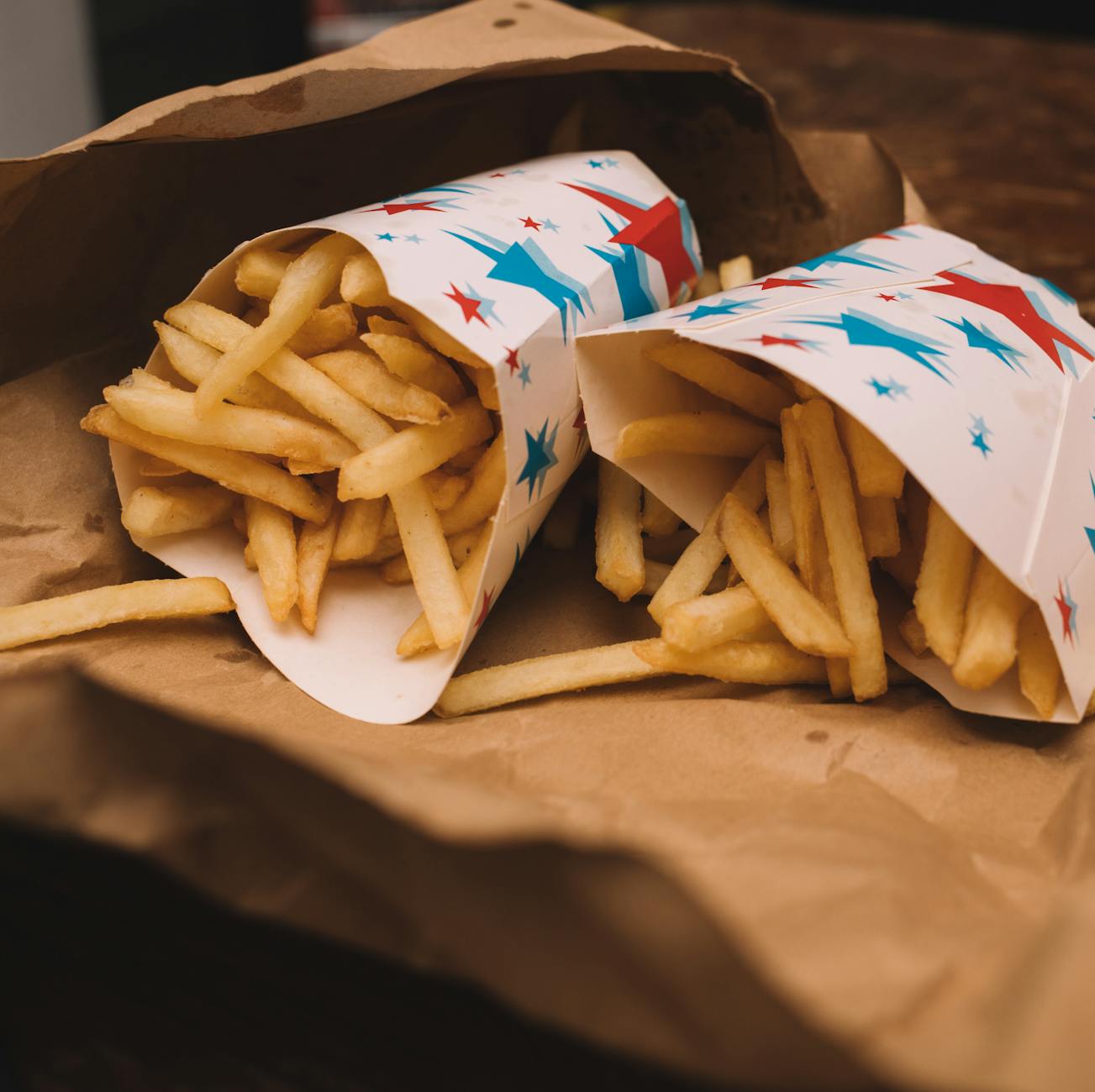
Heat shrink wrap applied loosely rather than under proper tension can sometimes be carefully rolled down from the top of a container, access gained, and then rolled back up to a position that appears factory-applied to an untrained eye. Professional shrink wrap application requires calibrated heat and specific tension that creates a visibly tight and uniform film but inadequate equipment or technique produces a looser wrap that behaves more like a sleeve. This vulnerability is most common in independent restaurants that wrap containers manually with handheld shrink film equipment rather than industrial sealing machines. Customers receiving shrink-wrapped items should check whether the film is uniformly taut or shows areas of looseness that might indicate it has been repositioned.
Seal Steaming
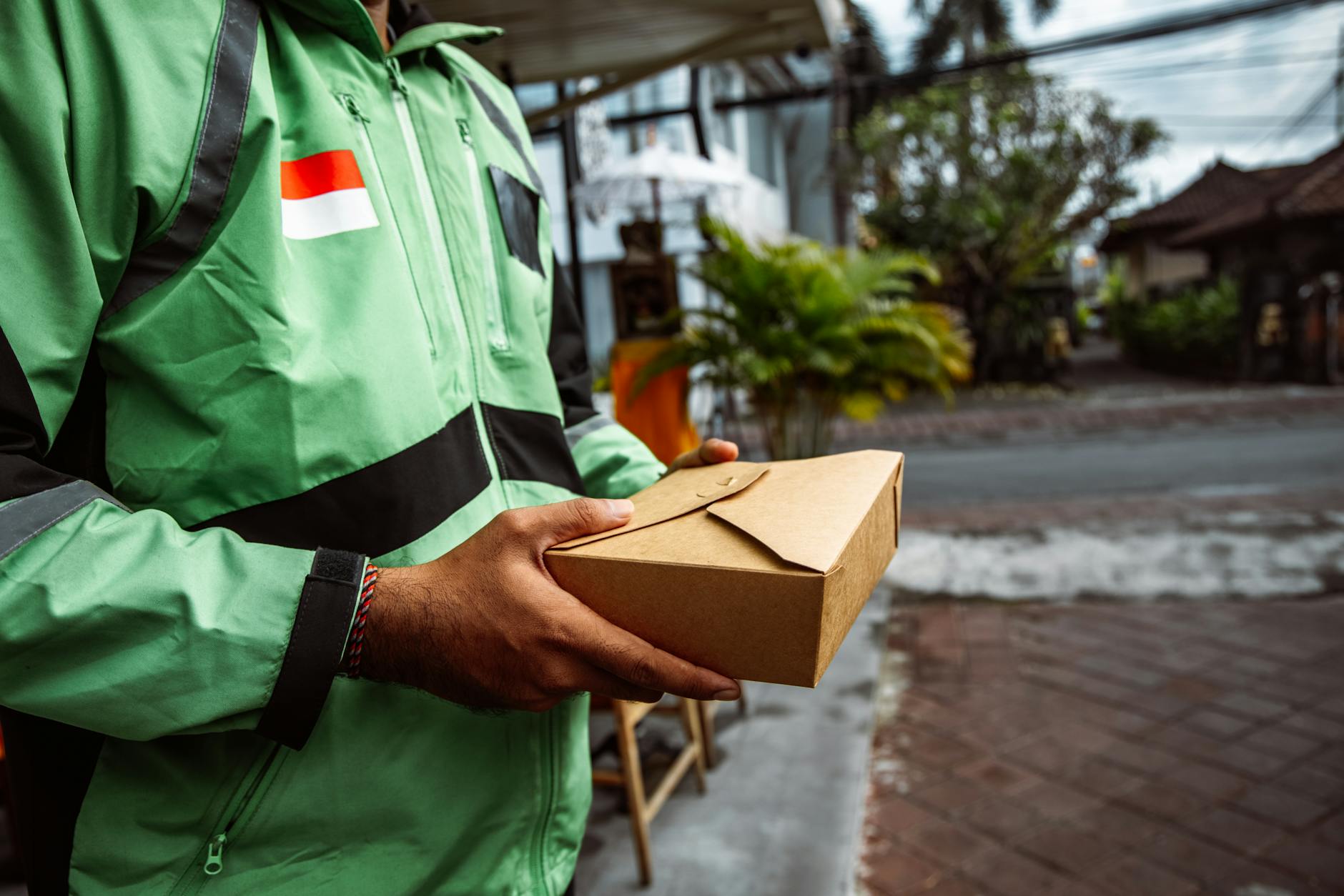
Applying gentle steam or heat to a tamper-evident sticker softens the adhesive sufficiently to allow the sticker to be peeled cleanly away and then repositioned onto the packaging after access has been gained. This method is documented extensively in the context of mail tampering and letter opening and the same physical chemistry that makes it effective on envelope glue applies equally to food packaging adhesive. The effectiveness of this technique varies significantly depending on the quality and formulation of the adhesive used by different sticker manufacturers. Premium tamper-evident labels are specifically engineered to leave a visible residue pattern or color change when removed but budget stickers used by many restaurants do not include these security features.
Duplicate Container

A driver with access to matching restaurant containers can transfer a portion of the food into an identical spare container, consume or remove the contents they have taken, and redistribute the remaining food between the two vessels before resealing with an undisturbed sticker. This method requires specific preparation and knowledge of the restaurant’s packaging format making it more sophisticated than opportunistic methods but also effectively undetectable through visual inspection alone. The feasibility of this approach is higher for drivers who regularly service the same restaurants and have accumulated familiarity with packaging formats over time. Customers who receive orders that appear sealed but arrive significantly lighter or less full than expected may be encountering this particular method.
Lid Swapping
Containers with standardized lid formats such as clear plastic deli containers allow the lid to be removed from the base while a tamper sticker applied only to the lid surface remains attached to the lid throughout. Once the contents have been accessed the original lid with its intact sticker is replaced onto the base and nothing in the external appearance of the package suggests any interference has occurred. This vulnerability is inherent to any packaging design where the tamper evidence is applied to a removable component rather than bridging the joint between two components. Effective tamper evidence for this container type requires a sticker that extends from the lid surface down onto the container body across the closure line.
Bag Bottom Access
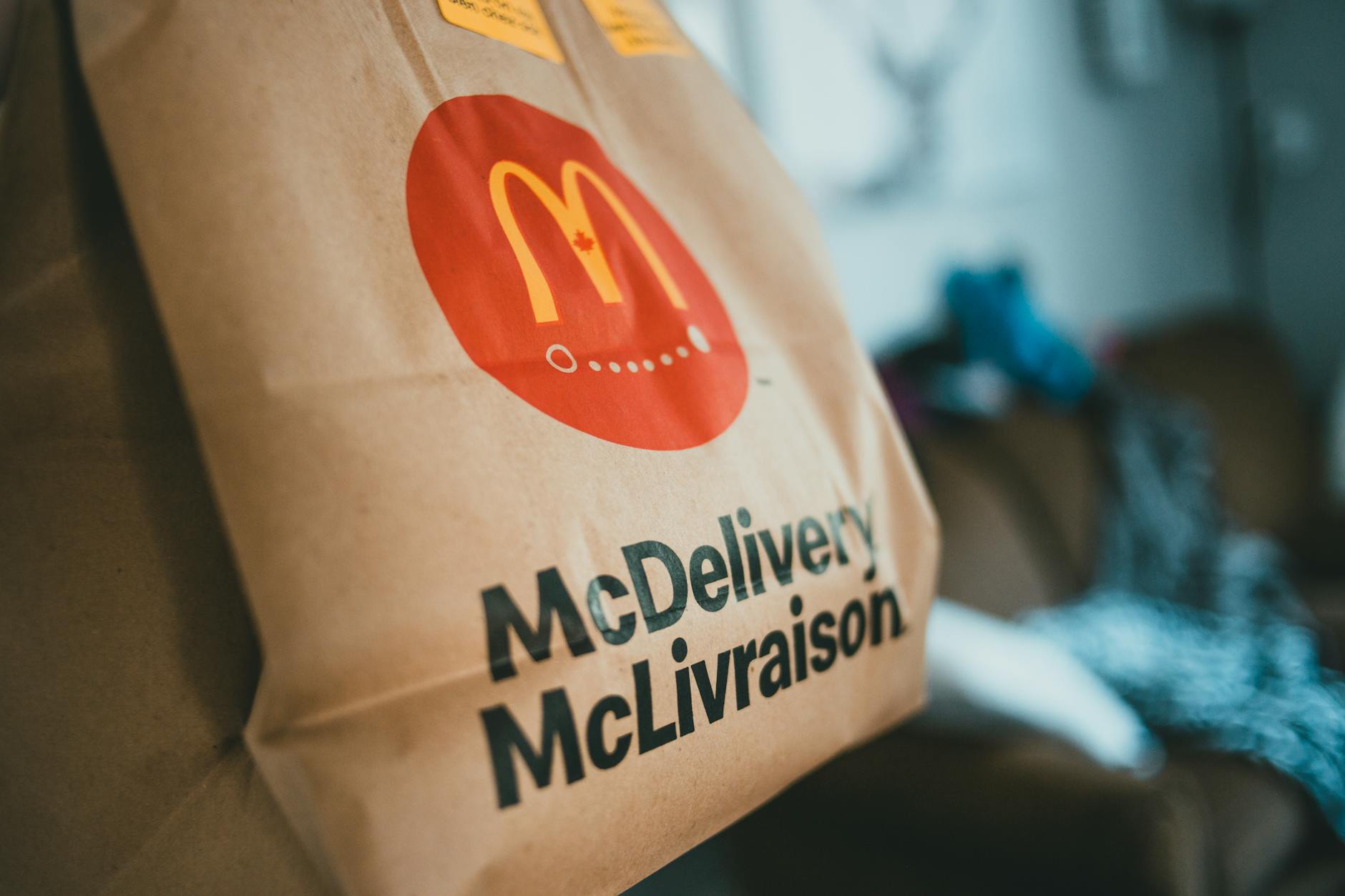
Sealed delivery bags that are stapled or stickered at the top can in some formats be accessed through the base seam particularly when the bag is constructed from materials that allow the bottom fold to be carefully separated and then refolded. This approach is less common because it requires more physical manipulation but it is specifically effective against the security assumption that monitoring the top closure is sufficient. The industry standard focus on top sealing as the primary tamper evidence point creates a predictable blind spot that the base access method exploits directly. Restaurants that want comprehensive bag security should use bags where the base is heat-welded rather than folded and where tamper evidence is applied in multiple locations.
Divider Removal

Multi-compartment meal containers that use removable internal dividers to separate food components allow contents from one compartment to be accessed without disturbing a seal applied to the external lid. The divider creates the visual impression of a fully intact and separated meal even if one section has been partially consumed and rearranged before delivery. This method is particularly relevant for meal prep style delivery services that use segmented containers with protein, carbohydrate, and vegetable portions in separate sections. Customers who are particular about portion accuracy in segmented meal deliveries should weigh their containers upon arrival if precision matters to their dietary tracking.
Sticker Lifting
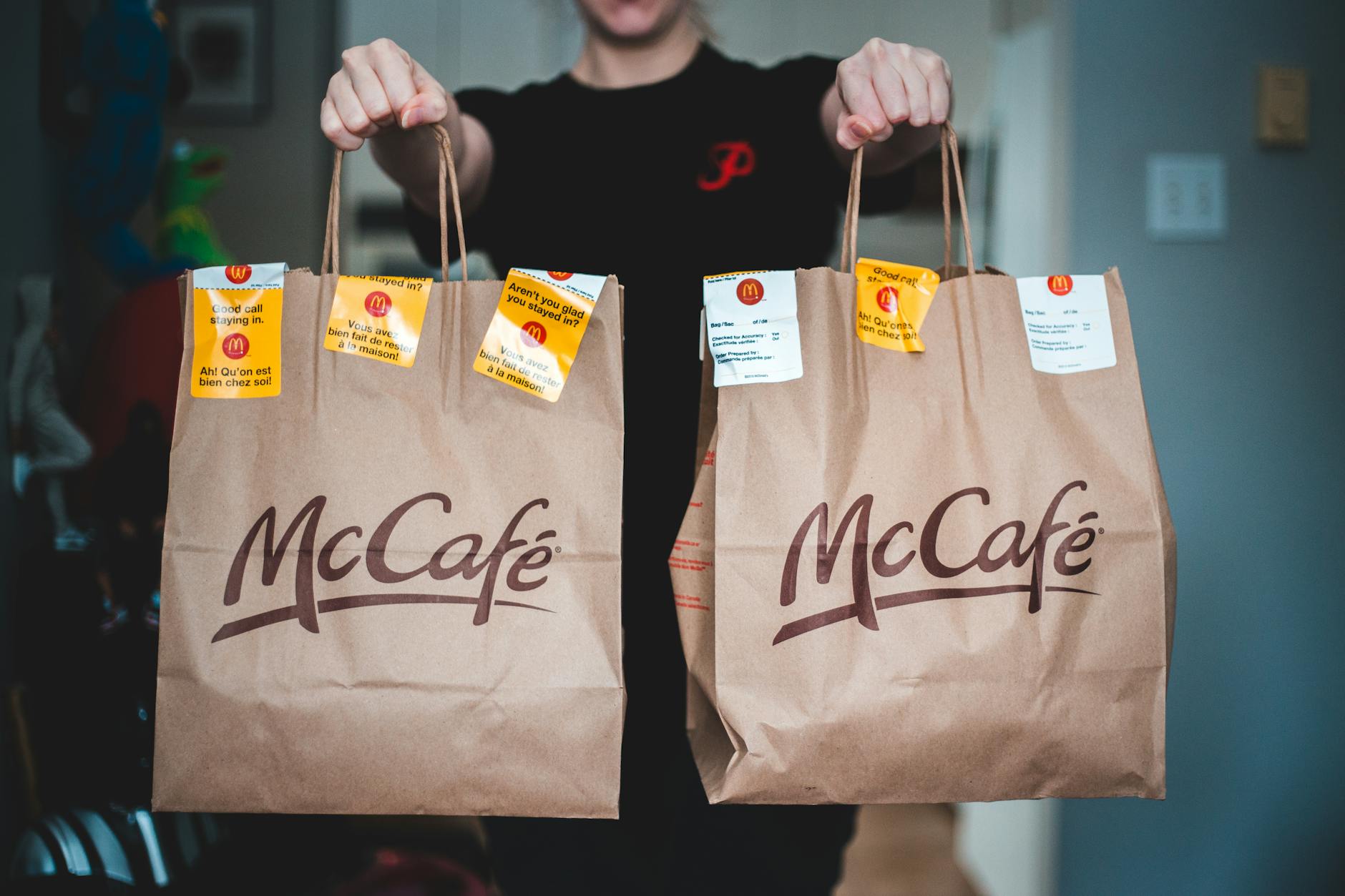
Low-quality tamper-evident stickers printed on standard label stock rather than engineered security material can be carefully lifted at one corner using a fine implement and then pressed back into position with minimal visible disturbance to the adhesive surface. The difference between a genuine tamper-evident label and a standard printed sticker is entirely in the material engineering and many restaurants source the cheapest available sticker option without understanding this distinction. A properly engineered tamper-evident label will fracture, void-pattern, or discolor when any separation attempt is made but a standard label behaves more like a repositionable sticky note in the hands of someone who knows how to handle it carefully. Consumers who want to test their packaging can try gently pressing on the edge of their tamper sticker to see whether it shows any evidence of previous lifting.
Heat Bag Exploitation
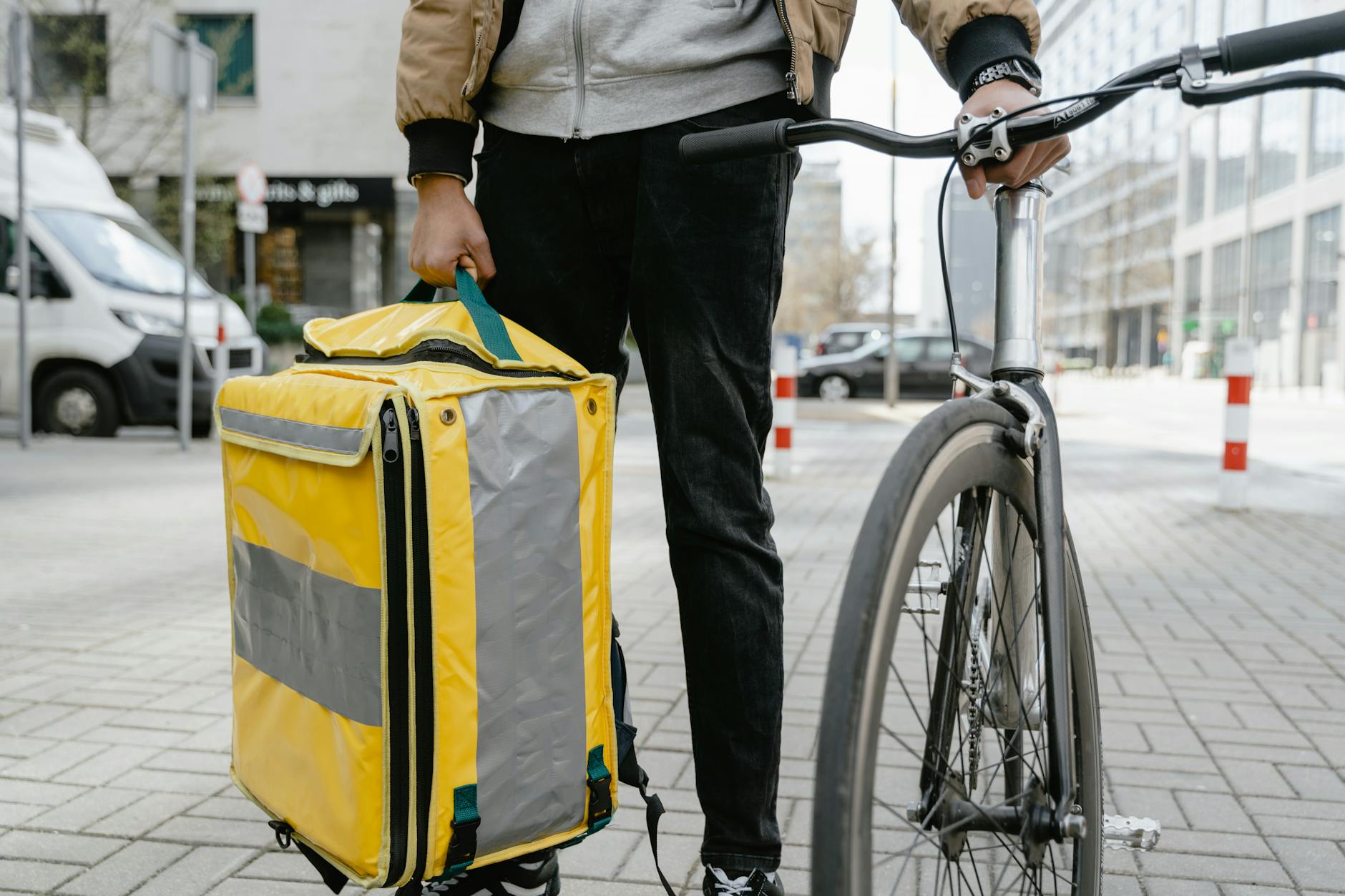
The insulated heat bags used by drivers to maintain food temperature create an enclosed environment that is entirely unobserved for the duration of the journey providing extended unmonitored access time to anyone motivated to use it. Unlike a transparent carrier bag that creates at least some social visibility of the package state an opaque insulated bag means that any interaction with the food inside is completely invisible to any passersby or bystanders. This environmental privacy combined with the time pressure of a delivery run creates a specific window of opportunity that other carrying methods do not provide to the same degree. The heat bag is an essential quality tool for food temperature maintenance but its opacity is a structural feature that simultaneously removes a layer of passive social accountability.
Skewer Method

Solid food items packaged in sealed containers can be partially accessed through a small puncture made with a thin implement such as a skewer or toothpick that leaves a hole small enough to be overlooked on visual inspection of the packaging. This method is most applicable to liquid-adjacent foods such as sauces, soups, or items packaged in fluid where a small puncture allows extraction of liquid content without requiring the main seal to be compromised. The hole itself is typically located at the base of the container or along a seam where it is least likely to be noticed during a casual examination of the packaging. Consumers receiving liquid-heavy items should run a finger along the base and seam lines of their containers to check for puncture evidence before assuming sealed packaging is intact.
Receipt Distraction
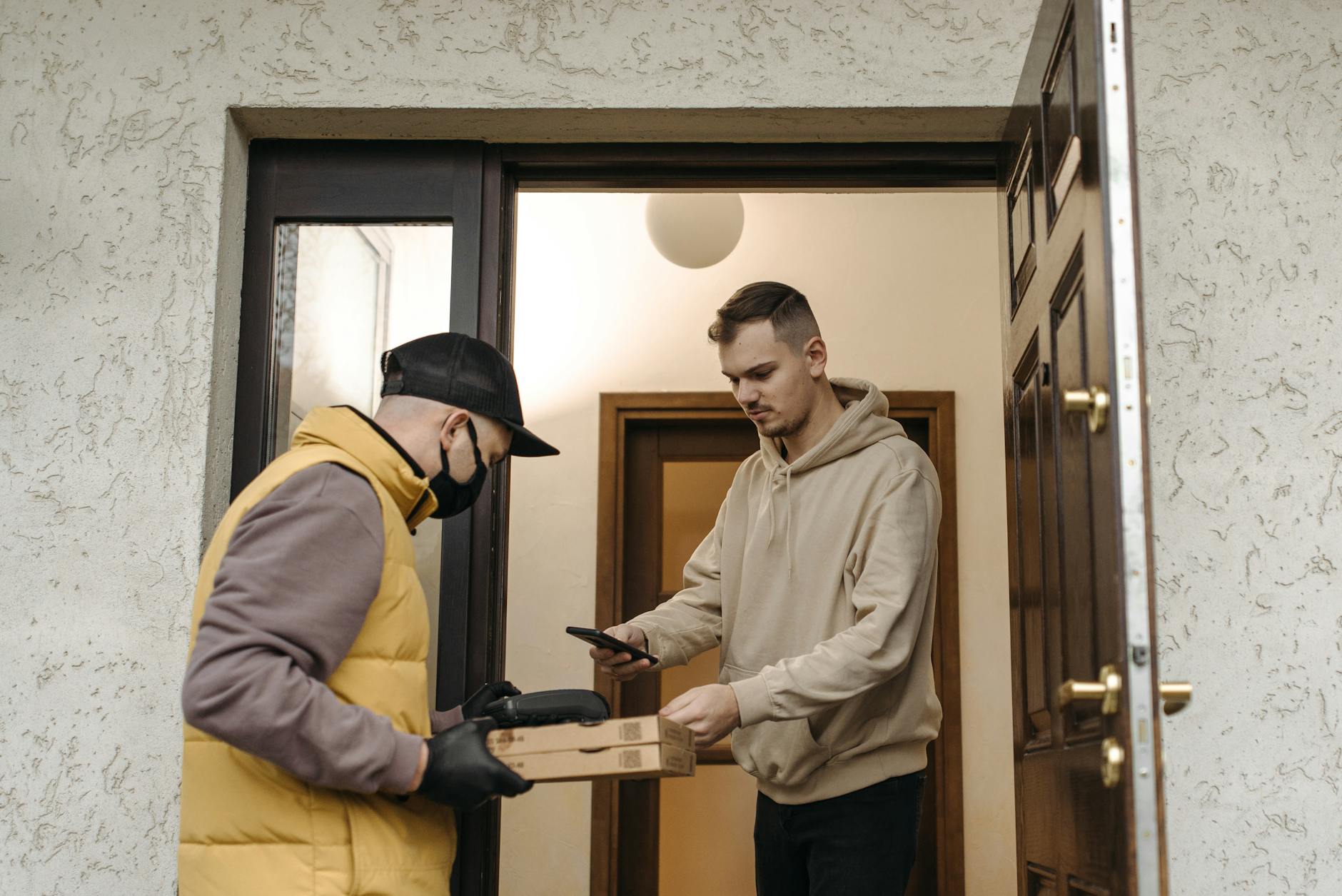
Presenting a detailed receipt attached to the outside of the bag creates a psychological focal point that draws the customer’s visual attention to the paper documentation rather than to a careful examination of the actual packaging and seals. The moment of handoff is typically brief and socially pressured by the expectation of a swift exchange and the presence of official-looking documentation further shortcuts the customer’s instinct to inspect. This is less a physical access method and more a social engineering technique that creates the conditions under which other forms of access go unnoticed at the delivery moment. Customers who want to conduct a meaningful inspection of their packaging should do so inside after the driver has departed rather than attempting it during the brief handoff interaction.
Portion Skimming
Rather than accessing a fully sealed container a driver may intercept an order at the restaurant pickup stage before sealing occurs and simply remove a portion of the food directly from an open container before the tamper seal is applied. This method requires no seal-defeating technique whatsoever because the interference happens upstream of the sealing process entirely. Restaurants that allow drivers to collect orders from open preparation areas rather than sealed handoff stations create a structural opportunity for this kind of pre-seal access. Customers who receive orders with correct seals but noticeably reduced quantities are more likely experiencing this upstream method than any form of seal manipulation during transport.
Squeeze Extraction
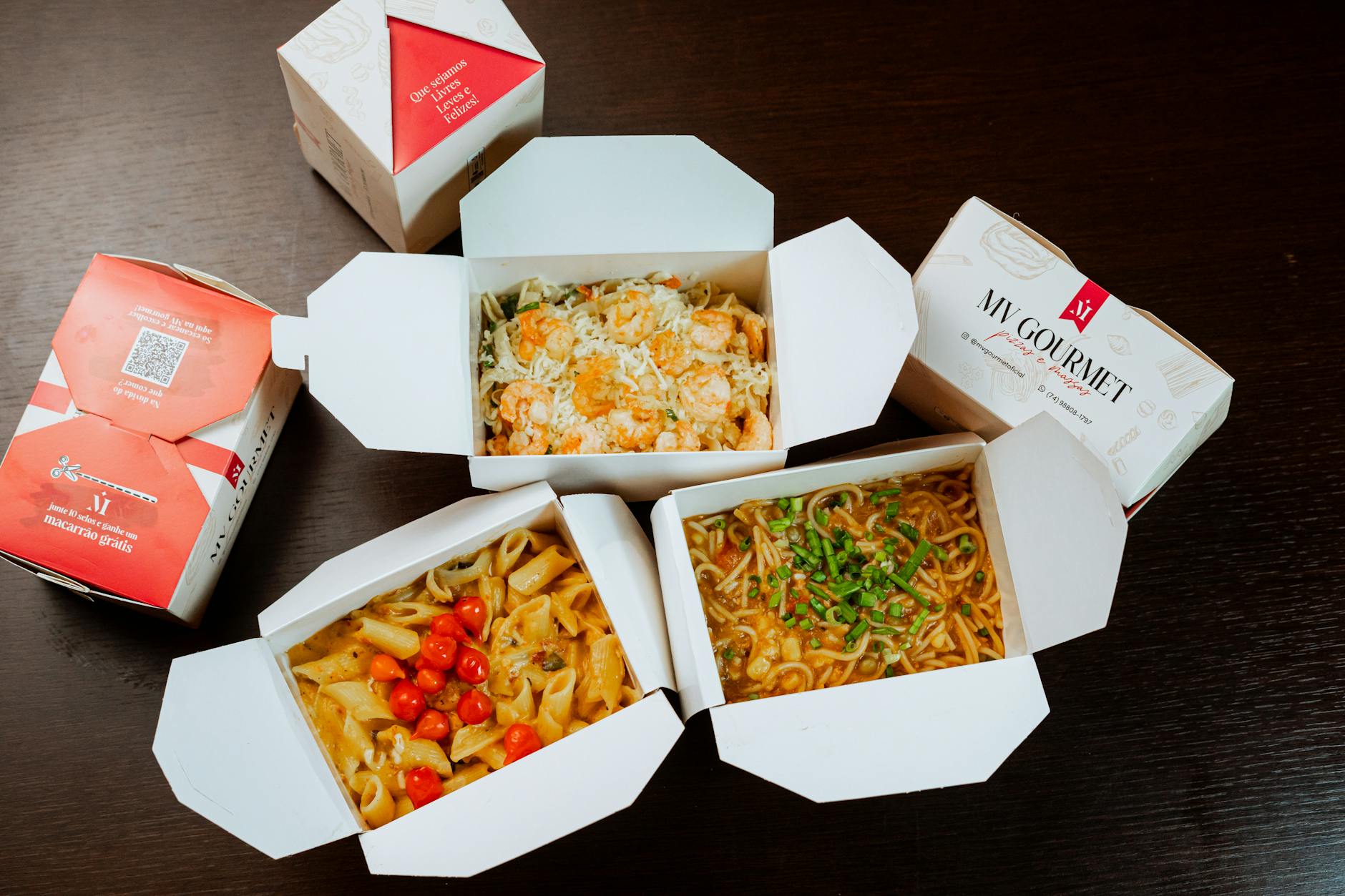
Flexible plastic packaging such as sauce pouches, squeeze bottles, or soft-sided containers can be compressed to force content through a partially loosened cap without fully opening or removing the closure. The cap in these cases remains attached and appears closed to visual inspection while the compression method has extracted a meaningful portion of the liquid or semi-liquid content. This approach is most applicable to condiment-style accompaniments, dipping sauces, and beverages in flexible formats that accompany main meal items. Customers who find their sauce pouches or squeeze containers arriving with less content than the weight or feel of the container suggests should check whether the cap shows any evidence of loosening.
Thermal Bag Delay
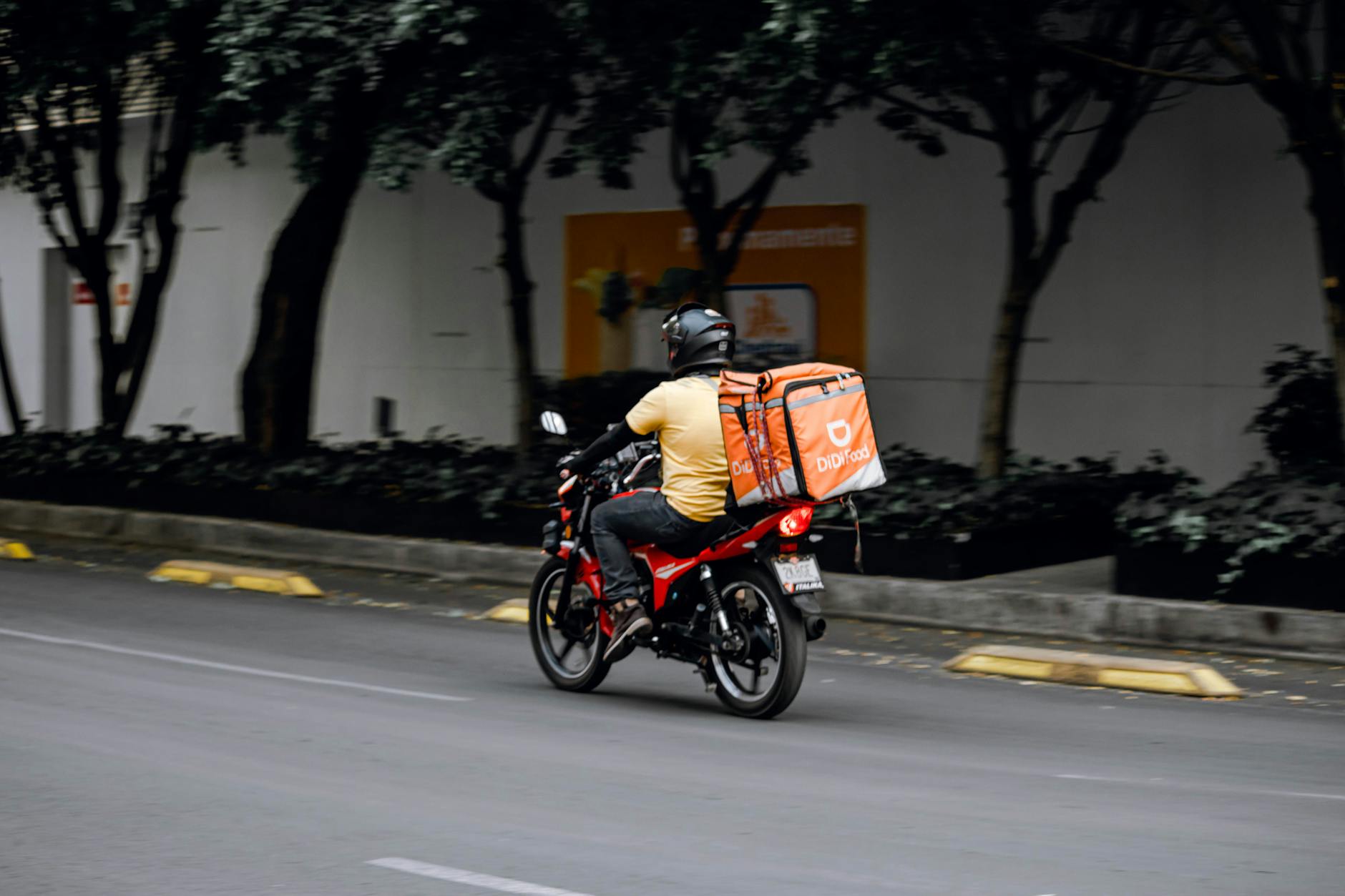
Deliberately extending the delivery route to create additional time in transit while food sits in an unmonitored heat bag increases the opportunity window for access without changing any observable aspect of the packaging that the customer will inspect. The extra time created by route extension has no visible consequence on the packaging itself and appears to the customer and the platform algorithm purely as a delayed delivery. This behavioral method is particularly difficult to identify because it produces no physical evidence in the packaging and manifests only as an unusual delivery duration on the tracking record. Customers who regularly notice that their deliveries from the same restaurant via the same platform take significantly longer than the estimated time should examine their route history for patterns of unexplained deviation.
Napkin Padding
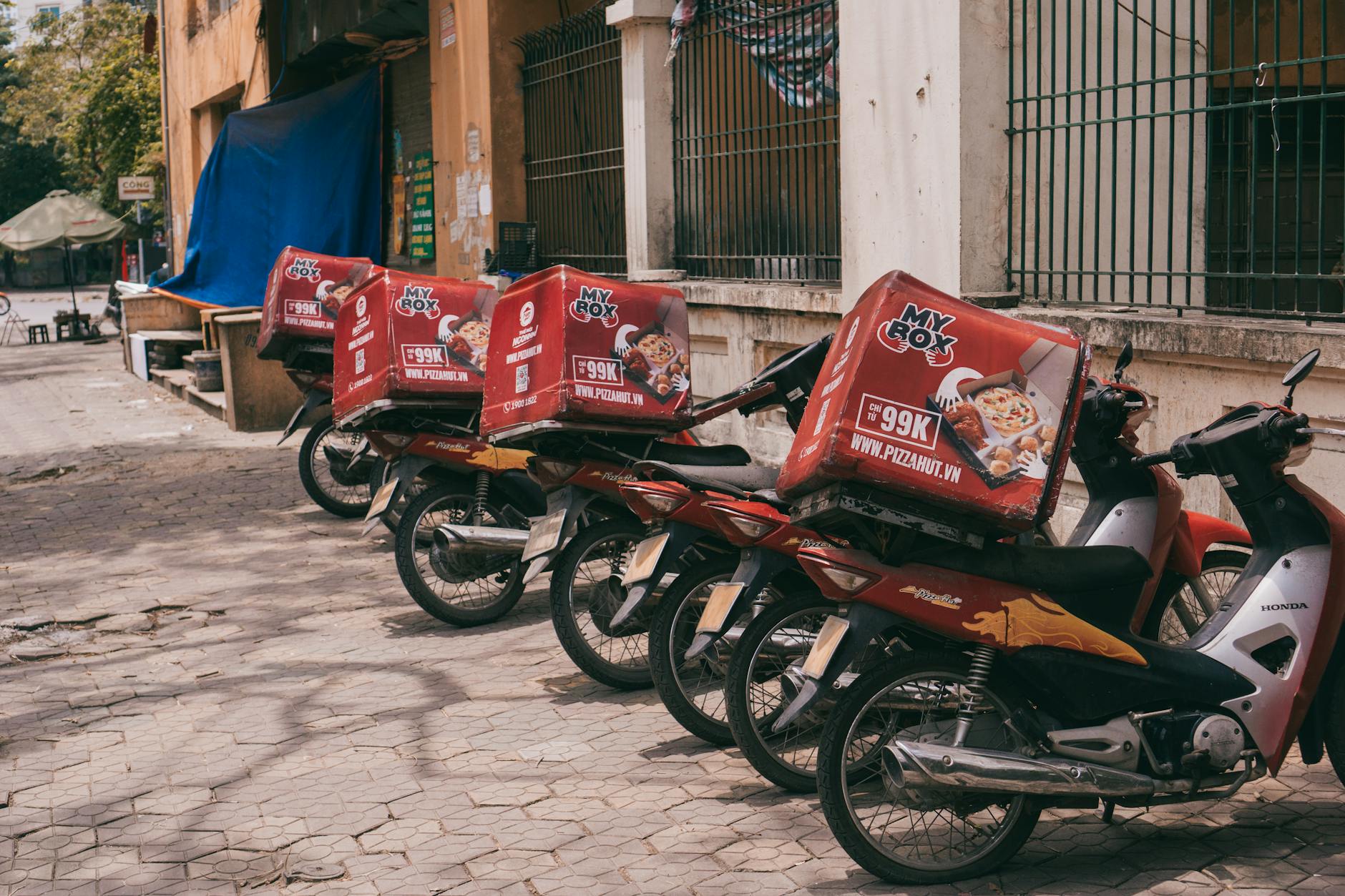
Replacing removed food volume with napkins, paper padding, or other low-weight filler materials inside a resealed bag creates the tactile impression of a full order when the bag is handled during the handoff. The customer’s natural assumption that weight and resistance in a sealed bag corresponds to food content is exploited by substituting non-food material that replicates the physical sensation of a full order without contributing to its actual content. This method requires the seal to have been compromised and replaced but adds the additional step of physical deception through filler material. Customers who open a sealed delivery bag to find unusual amounts of napkins or paper padding alongside their food should consider whether the volume of that material is proportionate to the order or suspiciously excessive.
Condensation Masking
Accessing a cold or iced beverage container and then returning it to a cold environment within the delivery bag allows condensation to reform on the exterior surface obscuring any fingerprint evidence or surface disturbance that handling might have left behind. The natural presence of moisture on cold containers creates a plausible innocent explanation for any surface irregularity that a customer might otherwise notice and question. This masking effect is specific to cold items and represents a form of evidence removal that exploits the physical properties of the packaging environment rather than any mechanical manipulation of the seal itself. Customers who are particularly careful about cold beverage security should inspect the seal condition before condensation obscures the surface rather than after the container has been in their own refrigerator.
App Complaint Harvesting
Some documented cases involve drivers who have identified that certain customers routinely file missing item complaints with the delivery platform and subsequently receive refunds regardless of whether the complaint is verified. This knowledge creates a perverse incentive in which a driver selectively targets orders associated with these accounts on the assumption that the theft will be attributed to a restaurant error or platform glitch rather than to driver behavior. The delivery platform’s refund mechanism is designed to protect genuine victims but its accessibility creates an exploitable pattern when behavioral data about complaint history is visible or inferable to drivers within the system. Platforms that make complaint history data inaccessible to drivers and that apply behavioral analytics to identify suspicious patterns on the driver side represent the most robust structural defense against this specific method.
Seal Replica Printing
Printed tamper-evident stickers that use publicly visible branding and simple graphic design can be replicated using a color printer and standard label stock by anyone who has photographed or scanned the original design. A driver who has replicated a restaurant’s seal format can remove the original sticker, access the food, and apply a visually identical printed replacement that the customer has no practical way of distinguishing from the original at the point of delivery. This method is sophisticated enough to require deliberate preparation and represents the upper end of the effort spectrum for seal-defeating techniques. Restaurants that want to create meaningful protection against this method should use serially numbered seals, holographic elements, or thermochromic inks that cannot be replicated with consumer-grade printing equipment.
Weight Distribution Shifting

Removing a component from a multi-item order and redistributing the remaining items within the bag can replicate the approximate weight and movement feel of a complete order when the sealed bag is handled by the receiving customer. Most customers make a rapid judgment about order completeness based on the weight and bulk feel of the sealed bag during the handoff rather than opening and verifying each item immediately. This redistribution method is most effective when the removed item is a lower-density component such as a side salad, bread roll, or dessert item whose absence does not dramatically change the overall package weight. Customers who want to verify completeness accurately should open and itemize their order immediately rather than making tactile judgments about sealed bag contents.
Cold Item Substitution

A sealed cold item such as a bottled drink or packaged dessert can be replaced with an identical product purchased separately while the original is consumed, leaving the customer with a complete-looking order that contains a different unit than the one the restaurant packed. This substitution method requires the driver to have access to an identical product which limits it to widely available items sold at convenience stores or petrol stations encountered during the delivery route. The customer receives something that appears entirely correct in format and seal condition while the original restaurant-packed item has been switched out entirely. Restaurants that want to protect against this method for high-value packaged items can apply their own branded seals directly to individual products rather than relying solely on bag-level tamper evidence.
Gap Seal Exploitation
Tamper-evident stickers applied carelessly by restaurant staff who do not fully press the adhesive surface down across the entire seal area leave edge gaps where the sticker has not fully bonded to the packaging surface. These unbonded edges create a natural entry point for separation that requires no adhesive softening or special technique and can be exploited with nothing more than a fingernail. The security of a tamper-evident seal is entirely dependent on proper application technique and a sticker applied at speed during a busy service period may provide far less actual security than it appears to. Customers who examine their seals carefully will sometimes find that apparent edge lifting was present before any interference occurred purely because the seal was never properly applied in the first place.
Bag Hole Cutting

A small cut or puncture made in the side or base of a paper delivery bag allows access to contents without disturbing the sealed top closure that represents the primary tamper evidence point for bag-format delivery packaging. The hole is typically made in a location that is obscured by the bag’s position during carrying or by the natural folding of the bag material and is small enough to be overlooked during a casual visual inspection at handoff. Paper bag construction means that a small cut does not propagate into a visible tear under normal handling conditions allowing the access point to remain discreet throughout the delivery. Customers who inspect their paper delivery bags should check the base and lower sides rather than focusing exclusively on the top seal where tamper evidence is typically applied.
Loyalty Targeting
Drivers who work the same geographic area repeatedly over time develop familiarity with regular customers and can identify households that consistently leave positive ratings and avoid filing complaints regardless of order condition. These customers represent lower-risk targets for any form of order interference because their behavioral pattern suggests they are unlikely to report anomalies even if noticed. This targeting is entirely behavioral rather than technical and requires no packaging manipulation skill beyond whatever access method is used once a low-risk target has been identified. Customers who make a practice of reporting genuine order issues accurately through platform channels contribute to a data environment that makes behavioral targeting of compliant customers less rewarding and therefore less likely to occur.
Share your own experiences with suspicious deliveries and the signs that made you question what arrived in the comments.