
The supplement aisle of a pharmacy looks orderly, well-lit and trustworthy, but behind that clean presentation lies a set of retail practices that consistently work against the consumer. Pharmacy chains operate under significant commercial pressure to move inventory and reduce waste-related losses, and vitamins and supplements with their long shelf lives and high margins are particularly vulnerable to stock management shortcuts. Many of these practices are technically legal but ethically questionable, and most shoppers have no idea they are happening. Learning to recognize them transforms a routine pharmacy visit into a more informed and self-protective experience. These are the methods most commonly used to push aging and expired supplement inventory onto unsuspecting customers.
Front Facing

Retail staff are routinely instructed to pull older stock to the front of the shelf and push newer inventory toward the back during restocking. This practice means that the bottles a customer naturally reaches for first are the ones closest to or already past their expiration date. The technique is standard across most retail environments but carries particular consequences in the supplement aisle where potency degradation is a real concern beyond mere labeling compliance. Customers who do not instinctively reach past the front row are consistently handed the oldest available product without any indication that newer stock sits directly behind it. Awareness of this practice alone is enough to significantly reduce the likelihood of purchasing a product with limited remaining shelf life.
Small Print Dates

Expiration dates on vitamin and supplement packaging are frequently printed in the smallest legally permissible font size and placed in the least conspicuous location on the bottle or box. Manufacturers and retailers both benefit from a date that is technically present but practically invisible to a customer making a quick purchasing decision in store. Common placement choices include the base of a dark-colored bottle, the crimped edge of a foil seal or the underside of a folded cardboard flap that requires deliberate opening to access. Older customers and anyone shopping without reading glasses are particularly disadvantaged by this formatting choice. The contrast between the date text and its background is often deliberately low, compounding the difficulty of a quick visual check.
Clearance Misdirection

Clearance and sale signage attached to supplement products in pharmacy chains frequently omits the reason for the discount, leaving customers to assume the reduction reflects a general promotion rather than an approaching or passed expiration date. A bright yellow sale tag attached to a row of vitamin bottles creates a positive purchasing impulse that overrides the scrutiny a customer might otherwise apply to the product itself. Staff in many pharmacy chains are not trained or required to communicate the reason for a markdown to a customer who asks, and in some cases staff are themselves unaware of why a specific product has been discounted. The clearance section placement near checkout areas exploits the impulse-buying behavior that is already heightened at that point in the shopping experience. Customers who check the date on a clearance supplement frequently discover an expiration window of only weeks remaining.
Bundle Packaging

Multi-pack and bundle offers that group several bottles of the same supplement together at a discounted price are a common strategy for moving aging inventory in large quantities. A customer who purchases a three-pack of a vitamin assumes they are receiving a supply that will outlast the individual bottle purchase, but the expiration date on all three bottles is identical to the single units already on the shelf. The time required to consume three bottles of a supplement often exceeds the remaining shelf life printed on the packaging, rendering a significant portion of the purchase expired before it is used. The bundle format also makes individual date checking more difficult because the outer packaging frequently obscures the dates printed on the inner bottles. The apparent value of a bundle offer is one of the most effective tools for suspending the critical attention that a solo purchase might receive.
Loyalty Point Incentives

Pharmacy loyalty programs that award bonus points on specific products are occasionally deployed strategically on supplement lines that are approaching their expiration window. A customer who sees that a particular vitamin brand is offering double or triple loyalty points may interpret this as a routine promotional offer rather than a reactive measure to accelerate the sale of aging stock. The points-based reward creates a financial incentive that competes directly with the instinct to scrutinize the product more carefully before purchasing. Loyalty app notifications pushing specific supplement offers are sometimes timed to inventory cycles rather than genuine promotional calendars. The emotional satisfaction of accumulating loyalty points is a well-documented factor in reducing critical evaluation of the product being purchased.
Repackaging

Some supplement products that do not sell within their original retail window are repackaged into store-brand or white-label bottles with a new label applied over or in place of the original. The underlying product may carry the same or a closely related expiration date to the original but the new packaging presents a fresher visual identity that obscures the product’s actual age. Repackaged supplements are most commonly found under pharmacy own-brand supplement lines, which are typically priced attractively enough to discourage close inspection. The absence of a manufacturing date alongside the expiration date on own-brand products makes it impossible for a customer to calculate how long the product has already been sitting in the supply chain. Regulatory requirements for supplement labeling are less stringent than for pharmaceutical products, which gives pharmacy chains more flexibility in how they present repackaged inventory.
Dim Shelf Lighting

The lighting levels in pharmacy supplement aisles are frequently lower than those in adjacent sections of the store, a design choice that makes reading small printed dates significantly more difficult at the shelf. Warm-toned lighting commonly used in retail pharmacy environments reduces the visual contrast between text and packaging background, compounding the difficulty of spotting a date printed in grey on a beige label. Customers who rely on overhead store lighting rather than their own devices to read packaging are at a consistent disadvantage in these conditions. The aesthetic effect of warmer dimmer lighting also creates a calm browsing environment that slows the critical pace a customer might bring to a product check. Using a phone torch while reading supplement dates in a pharmacy aisle is a practical countermeasure that most shoppers do not think to employ.
Category Crowding

Supplement aisles in major pharmacy chains are typically stocked with an overwhelming number of products presented in closely spaced rows that create visual noise and decision fatigue. When a shopper faces dozens of nearly identical bottles across multiple brands and formulations the cognitive load of evaluating each product individually becomes impractical. Decision fatigue in a crowded supplement aisle reduces the likelihood that a customer will take the time to locate and read the expiration date on the bottle they select. Older or slower-moving stock is strategically integrated into these high-density displays rather than isolated in a way that would draw attention to its age. The more crowded and varied the display, the less scrutiny any individual product receives from the average shopper.
Seasonal Rotation Gaps
The intervals between formal stock rotation cycles in pharmacy supplement aisles can be significantly longer than in food retail sections of the same store, creating windows during which expired or near-expired products sit undisturbed on shelves. Many pharmacy chains operate on a stock rotation schedule tied to delivery cycles rather than expiration date monitoring, meaning that products are only reviewed when new inventory arrives to replace them. In slow-moving supplement categories such as specialized herbal products or niche mineral formulas the gap between rotation checks can extend to several months. Products that are overlooked during a rotation cycle can remain on the shelf past their printed expiration date until a customer or a random audit identifies them. The consequence of slower supplement sales relative to food products is a systematic undermonitoring of supplement shelf dates in many retail pharmacy environments.
Staff Training Gaps

Pharmacy retail staff who work the supplement aisle are often undertrained in the specific shelf-life and potency implications of expired vitamins compared to their counterparts managing pharmaceutical inventory. The regulatory and legal consequences of selling an expired pharmaceutical are significantly more severe than those associated with an expired supplement, which creates a de facto difference in the vigilance applied to each category. Staff who are aware that an expired supplement is unlikely to cause direct harm may deprioritize removal of near-date stock in favor of other tasks during a busy shift. Customer questions about supplement expiration are frequently met with reassurance that the product is still safe rather than a detailed explanation of potency loss and efficacy concerns. The gap between pharmaceutical expertise and supplement knowledge within the same store creates an environment where supplement date management is treated as a lower priority.
Misleading Terminology

The language printed on supplement packaging and used in in-store promotional materials frequently obscures the meaning and implications of expiration information in ways that disadvantage the consumer. Phrases such as best before, use by, guaranteed potency until and expiry date each carry different technical meanings but are used interchangeably on supplement labeling in ways that confuse rather than inform. A product labeled best before implies that consumption after the date is still acceptable, creating a permissive attitude in the customer that may not reflect the actual state of the product’s active ingredients. Some supplement brands print a manufactured on date without a corresponding expiration date, leaving the consumer to research the appropriate shelf life independently rather than providing it directly. The variability in expiration language across supplement products is rarely explained to customers at the point of purchase.
High Shelf Placement

Products placed on the highest shelves in a supplement display are among the most difficult for customers to physically inspect before purchasing. Reaching for a product at eye level or above without being able to read the base of the bottle or the underside of the packaging makes date checking practically impossible without removing the item entirely and bringing it down to eye level. Retail shelf allocation in pharmacy chains is partly determined by supplier agreements and promotional contracts rather than purely by category logic, which means aging stock can end up in highly visible but physically inaccessible shelf positions. Shorter customers and those with limited mobility are disproportionately affected by high shelf placement and are less likely to remove an item for thorough inspection before purchasing. Asking staff to retrieve a product from a high shelf creates a social dynamic that subtly discourages the close inspection that would otherwise follow.
Digital Distraction

In-store digital screens, promotional videos and interactive kiosk displays positioned near supplement aisles create an attention-fragmenting environment that reduces the time and focus customers allocate to reading product packaging. A looping video screen positioned at the end of the supplement aisle draws the eye away from the product in hand at the exact moment when careful date-checking would be most valuable. Pharmacy chains invest in digital display technology partly because its ability to capture attention in the supplement aisle has a measurable effect on purchase behavior. Customers who are partly watching a screen while selecting a product from the shelf are significantly less likely to notice small print information including expiration dates. The deliberate placement of engaging digital content near high-inventory-risk supplement sections is a practice that serves commercial rather than consumer interests.
Subscription Auto-Ship

Pharmacy chain subscription services that offer discounted rates in exchange for scheduled automatic deliveries of supplements can create situations where products are shipped close to or past their expiration date without the customer’s awareness. A supplement ordered through an auto-ship program may be fulfilled from aging warehouse stock rather than fresh inventory because the subscription model guarantees the sale regardless of the product’s remaining shelf life. Customers who receive auto-ship deliveries often do not check expiration dates on familiar products with the same attention they would apply to a shelf purchase. The convenience and habit-forming nature of subscription delivery is itself a factor that suppresses critical inspection behavior. Cancellation processes for auto-ship programs are frequently complicated enough to discourage customers from leaving even after discovering a date-related concern with a delivered product.
Own Brand Promotion

Pharmacy chain own-brand supplements are consistently promoted through placement, pricing and staff recommendation in ways that redirect customers away from established brands with more transparent supply chains. The manufacturing and sourcing details for own-brand supplements are typically less accessible to the consumer than those for nationally advertised brands, making independent verification of product freshness and potency more difficult. Own-brand supplements are also more likely to be reformulated or repackaged using existing ingredient stock, which can introduce additional age-related uncertainty into the supply chain before the product reaches the shelf. Staff members who earn internal performance metrics based on own-brand sales conversion have a commercial incentive to recommend these products without full disclosure of their sourcing practices. The price advantage of own-brand supplements is real but it does not account for the reduced transparency that accompanies it.
Return Restocking

Supplement products returned by customers are sometimes returned to the shelf rather than quarantined and inspected for tampering, damage or expiration status. A returned bottle that was purchased close to its expiration date may re-enter shelf inventory past that date if the return and restocking cycle takes longer than the remaining shelf life of the product. Restocked returns are typically indistinguishable from original shelf stock because the packaging is intact and the store label or barcode remains in place. Customers who purchase a restocked return have no way of knowing the product was previously sold and handled by another consumer. Return management policies for supplements in many pharmacy chains lack the rigorous inspection protocols applied to pharmaceutical product returns.
Expiry Date Formatting

The format in which expiration dates are printed on supplement packaging varies significantly across manufacturers and is frequently presented in ways that require interpretation rather than immediate recognition. Dates presented as a batch code, a Julian date format, or an abbreviated month and year combination without clear labeling require the consumer to decode the information before acting on it. Some supplement manufacturers use a manufacturing date combined with a stated shelf life in months rather than a printed expiration date, placing the calculation burden on the customer. Formats that present the year before the month or use non-standard abbreviations for months create reading errors that lead customers to misidentify the expiration window. The lack of a standardized expiration date format across the supplement industry means that a consumer must remain alert to multiple presentation styles within a single shopping trip.
Sticker Obscurement

Promotional stickers, price reduction labels, additional warning stickers and barcode overlays applied to supplement packaging frequently land directly over the area of the bottle or box where the expiration date is printed. Whether by design or by coincidence, a sticker placed over a date makes that information inaccessible without physically removing the sticker, which many customers are reluctant to do in store. Staff applying promotional labels are not typically instructed to avoid placement over date information, and in high-volume restocking situations the location of the date on individual products is not considered during labeling. Customers who peel a promotional sticker away from a supplement bottle in a pharmacy aisle sometimes find a date that has already passed or is within days of passing. The frequency with which stickers coincidentally obscure dates is high enough that many experienced supplement shoppers treat any covered area of a package as a priority inspection point.
Near-Expiry Gifts with Purchase

Promotional gift-with-purchase offers that bundle a free supplement item alongside a primary product purchase are a recognized method for clearing near-expiry supplement stock without triggering the negative association of a clearance sale. A customer who receives a free bottle of vitamins alongside a cosmetic or healthcare purchase feels a positive emotional response that suppresses the instinct to check the expiration date on the free item. The free product is often presented in a stapled bag or alongside the receipt in a way that makes in-store inspection impractical before leaving the premises. By the time the customer unpacks the free supplement at home and notices a near-term expiration date the opportunity to return or query the product in store has passed. The gift-with-purchase mechanism transfers near-expiry stock efficiently while maintaining the positive brand association of a giveaway.
Planogram Compliance

Pharmacy chains use detailed shelf arrangement plans called planograms that specify exactly where each product should sit on the shelf, and these plans are updated based on commercial agreements rather than stock date monitoring. A product that has been assigned a specific shelf position by a planogram agreement will occupy that position regardless of the age of the units currently in stock. Retail staff who are evaluated on planogram compliance rather than date-checking accuracy prioritize maintaining the correct shelf layout over removing aging products that sit within their assigned position. The commercial relationships between pharmacy chains and supplement suppliers that produce planogram agreements are separate from the quality control processes that would normally flag near-expiry stock for removal. A customer browsing a supplement shelf that is planogram-compliant has no reason to suspect that commercial arrangements rather than stock freshness are determining what is placed in front of them.
Online Warehouse Stock

Supplements ordered through a pharmacy chain’s online platform are frequently fulfilled from centralized warehouse stock that operates on a different inventory rotation cycle to individual retail stores. Warehouse inventory for supplements can include slow-moving stock that has been held for extended periods before being allocated to online orders, resulting in delivery of products with shorter remaining shelf lives than a customer would expect. Online ordering removes the ability to physically inspect a product before purchasing, and date information is rarely displayed on supplement product pages in pharmacy online stores. Customers who receive an online supplement order with a near-term expiration date often have limited recourse because the product is technically within its labeled date at the time of delivery. The combination of warehouse storage duration and delivery transit time can leave an online supplement purchase with only a fraction of the expected remaining shelf life upon arrival.
Misleading Potency Claims
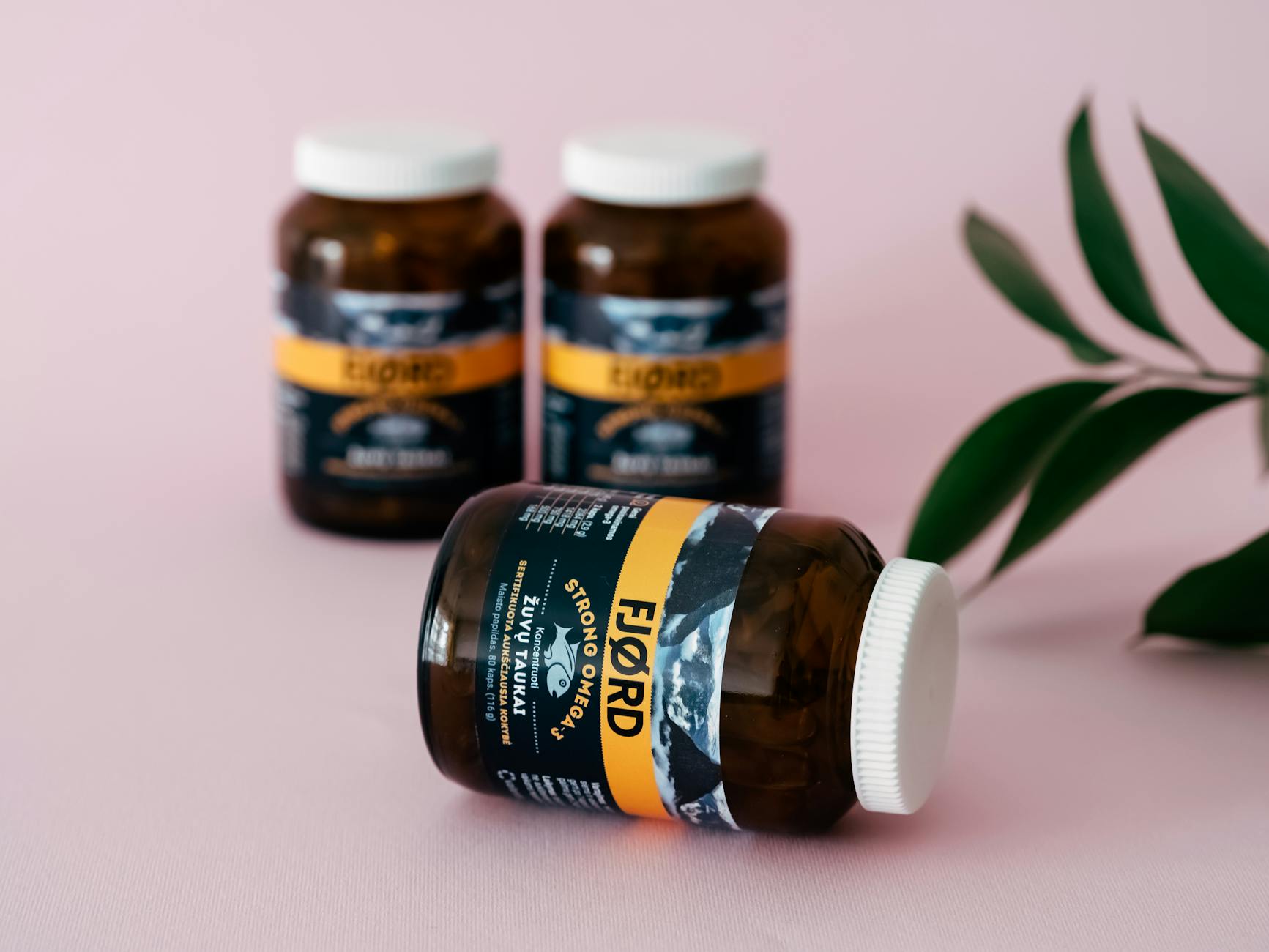
Marketing language on supplement packaging that emphasizes potency, strength and effectiveness creates a confident consumer impression that reduces the scrutiny applied to expiration information. A bottle labeled with maximum strength, triple action or clinical formula implies a product at the peak of its efficacy, which psychologically conflicts with the reality that the same bottle may be approaching the end of its shelf life. The marketing copy on supplement packaging is developed to sell the product at its moment of manufacture and does not adapt to reflect the product’s position in its shelf life at the point of sale. Customers who are persuaded by potency-forward language have their attention directed toward the product’s claimed effectiveness rather than toward the factual information about its remaining useful life. The gap between marketing impression and expiration reality is widest in the premium supplement segment where strong efficacy language and high price points create a trust that can override basic date-checking behavior.
Pharmacy Staff Recommendations

Verbal recommendations from pharmacy retail staff directing customers toward specific supplement products can accelerate the sale of near-expiry inventory without the customer being aware of the commercial reason behind the suggestion. Staff in some pharmacy chains receive training that emphasizes the promotion of specific products during certain periods, which can coincide with stock management priorities rather than purely with customer health needs. A customer who asks for a staff recommendation regarding a vitamin product and receives a confident answer directing them to a specific brand or bottle has no way of knowing whether that recommendation is driven by clinical knowledge or by a store-level instruction to move particular inventory. The trust relationship between a customer and pharmacy staff creates a receptive state that reduces independent verification behavior at the point of purchase. Recommendations given at the pharmacy counter carry an implicit authority that is not always deserved by the commercial context in which they are made.
Always check expiration dates before purchasing any supplement and share your own pharmacy shopping experiences in the comments.