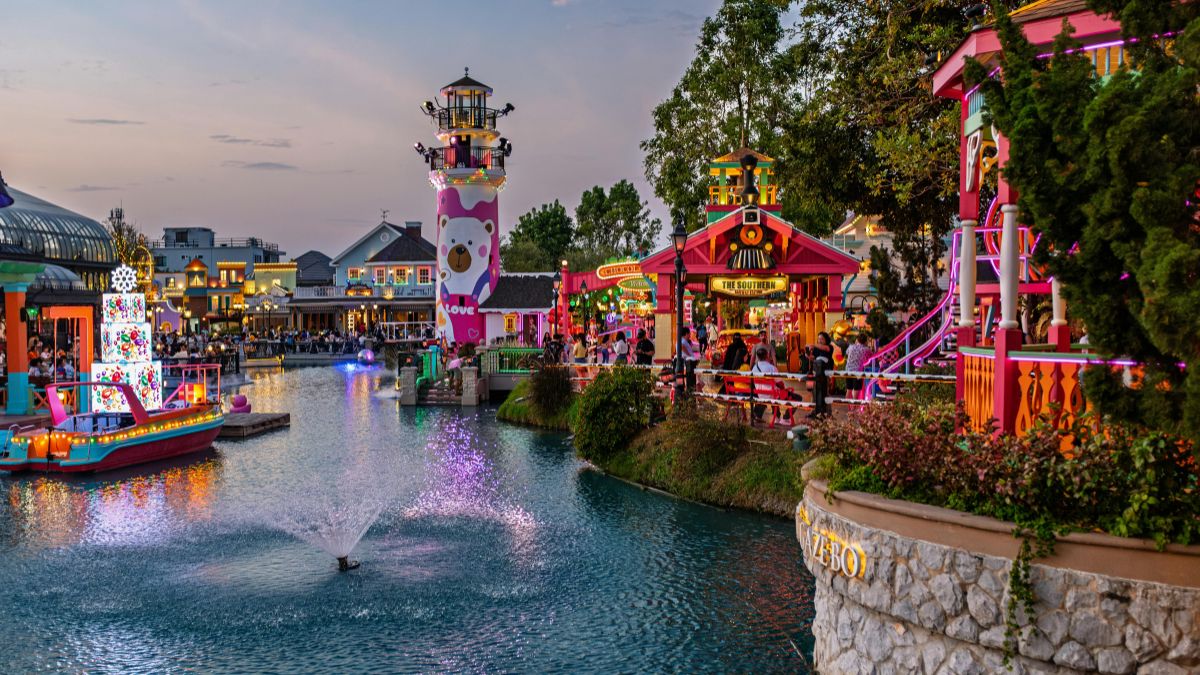
Theme parks are masterfully designed environments where every detail is carefully engineered to influence guest behavior. From the moment visitors pass through the gates, psychological and environmental tactics work together to shape purchasing decisions in ways most guests never notice. Food vendors operate within a system that prioritizes revenue over transparency, and understanding these tactics can help consumers make smarter choices during their next visit. The following list reveals 25 of the most commonly used methods parks use to move questionable food products onto unsuspecting guests.
Dim Lighting
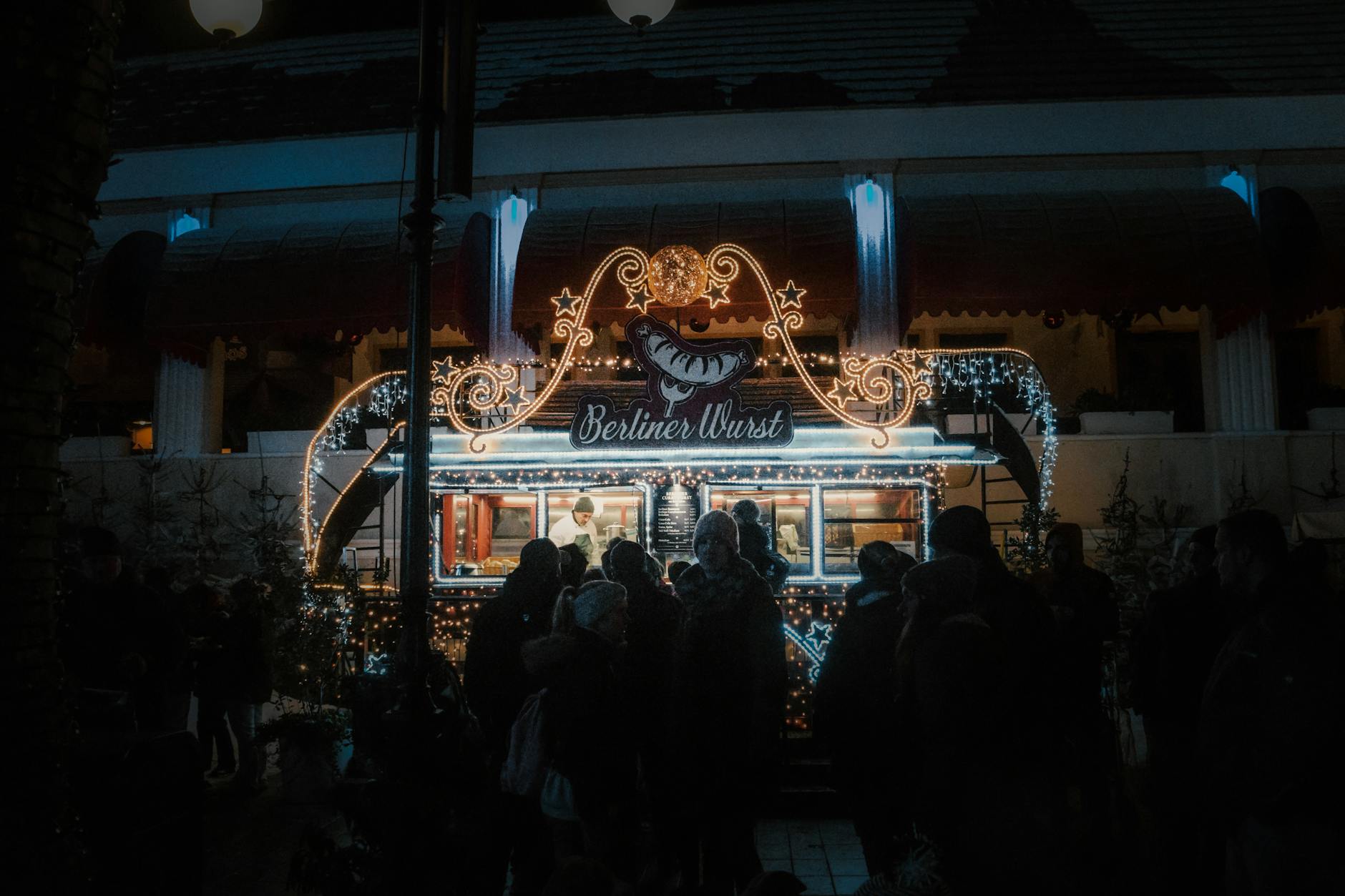
Theme park food stalls and indoor dining areas are frequently kept at low light levels that make visual food inspection nearly impossible. Mold growth on bread products and discoloration on meat are far harder to detect under warm amber or deeply shadowed lighting. The atmospheric glow that feels cozy and immersive actually serves a secondary function of concealing product quality. Food safety experts note that consistent bright lighting in food service environments is a standard requirement that indoor park venues routinely skirt. Guests conditioned to associate dim lighting with romance or ambiance rarely connect it to food concealment.
Sensory Overload
Loud music, moving crowds and overwhelming visual stimulation reduce a guest’s capacity for careful decision-making at food counters. Cognitive load research consistently shows that people under sensory stress default to faster and less critical purchasing behavior. When the brain is busy processing a parade, a character appearance or a nearby thrill ride, the food purchase becomes almost automatic. Staff are often trained to complete transactions quickly during peak sensory moments to minimize guest hesitation. This environment creates the ideal conditions for moving inventory that might otherwise face closer scrutiny.
Themed Packaging
Elaborate character-branded wrappers and decorative containers draw attention away from the food product itself and toward the collectible appeal of the packaging. A guest focused on the design of a limited-edition popcorn bucket is far less likely to examine the popcorn inside for freshness or smell. Parks invest heavily in packaging design precisely because it redirects consumer attention from product quality to product identity. The packaging often features no visible production or best-before date, which is a common and legally permitted omission in certain food service categories. Guests routinely pay premium prices for the container while the food inside receives no additional scrutiny.
Long Queue Psychology
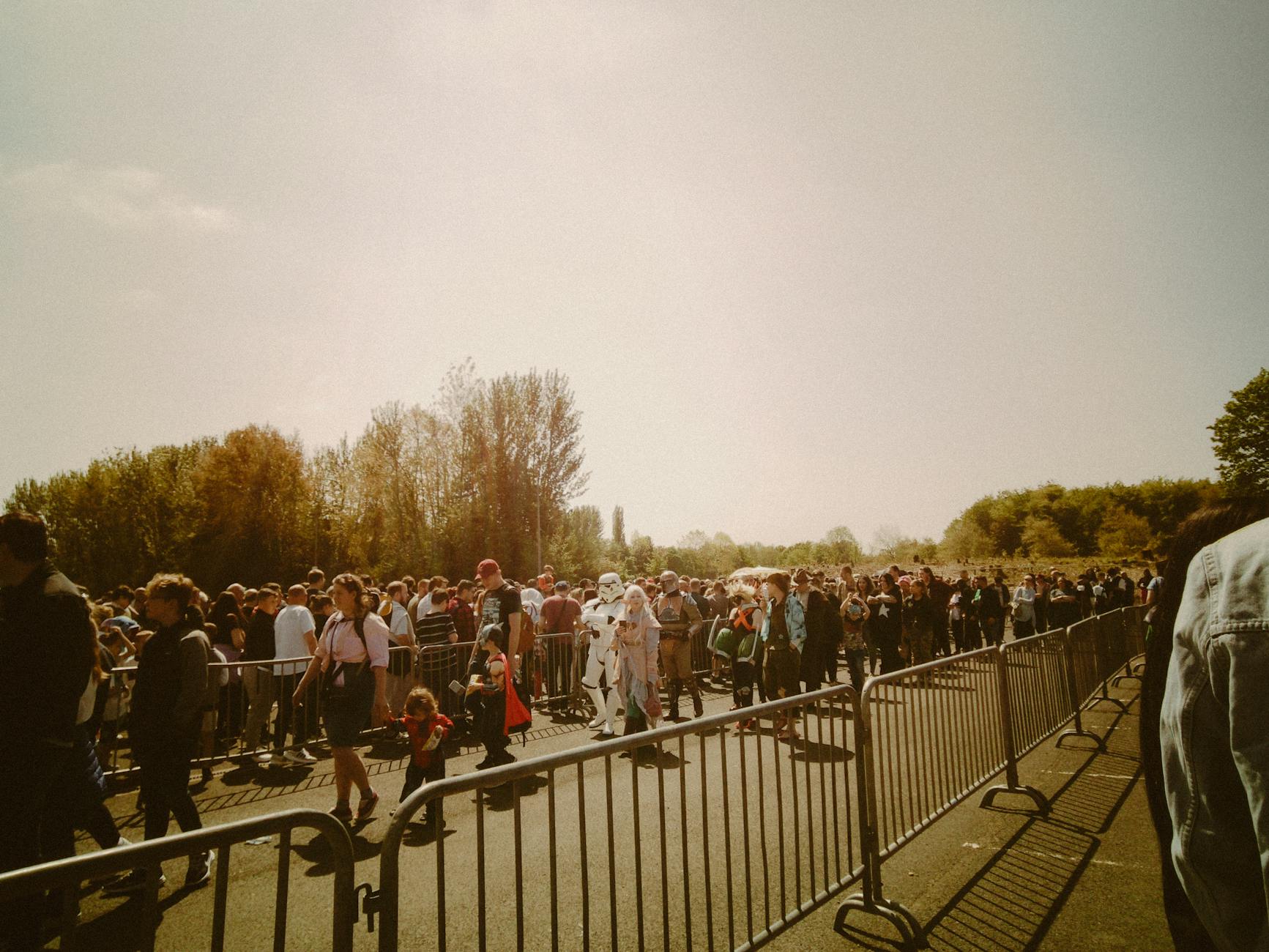
Extended waiting times of 45 minutes or more create a psychological state where guests become highly motivated to complete a purchase regardless of product quality. After a prolonged wait, abandoning the transaction feels like a sunk-cost loss, which drives people to accept whatever is handed to them. Research into consumer patience shows that long queues elevate purchase completion rates even when the product does not meet initial expectations. Food items rotating in warmers or sitting in display cases throughout the entire queue duration are frequently past their recommended holding times by the time they reach the customer. Guests conditioned by the wait rarely pause to assess what they are about to consume.
Rotating Display Cases
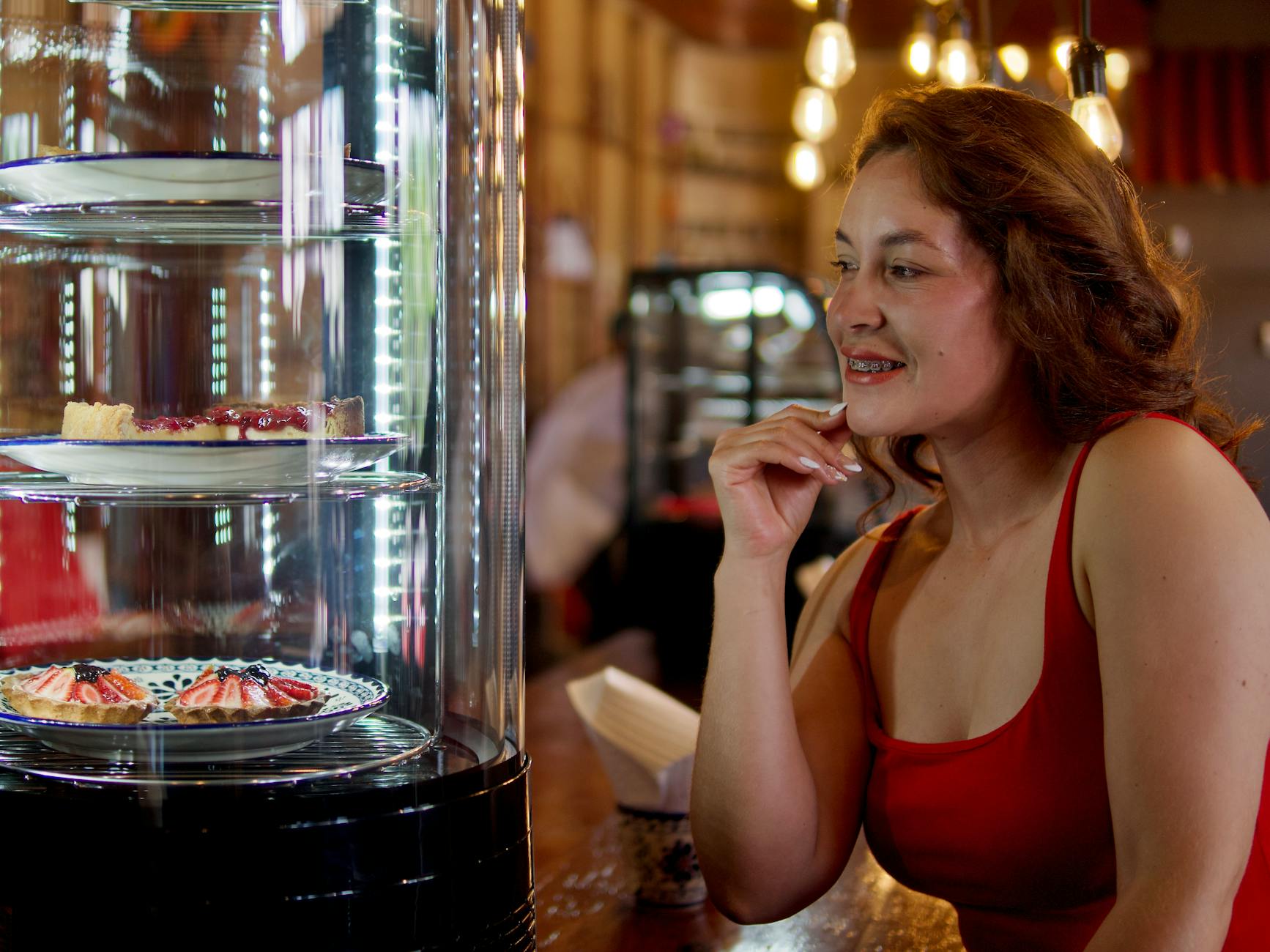
Glass-fronted rotating displays create an impression of freshness and abundance by keeping food items in constant motion. The visual effect mimics the appearance of a working bakery or active kitchen, even when products have been sitting for several hours. Rotation itself does not preserve food and in warm display environments can actually accelerate moisture loss and surface spoilage. Parks use these displays prominently at eye level near entry points where foot traffic is highest and purchasing impulse is strongest. The mechanical movement draws the eye and implies activity in a way that a static tray of aging pastries never could.
Aroma Engineering
Artificial scent diffusers pumping vanilla, cinnamon and fresh-baked bread aromas into park pathways trigger hunger responses in guests who might otherwise walk past a food stall. These scents are distributed through ventilation systems or dedicated scent machines and have no relationship to the actual food being sold nearby. A guest drawn in by the aroma of freshly baked goods may end up purchasing a packaged muffin that was delivered to the park two days earlier. Scent marketing is a well-documented retail strategy and theme parks have adopted it with particular effectiveness due to the captive and emotionally primed nature of their audience. The emotional memory associations tied to food aromas make guests less analytically critical and more impulse-driven.
Character Endorsement
Food items positioned alongside beloved characters or branded with familiar IP generate an emotional response that bypasses rational consumer evaluation. A child or nostalgic adult reaching for a snack decorated with a favorite character is responding to emotional affinity rather than assessing ingredient quality or freshness. Parks leverage licensing agreements to attach character branding to a wide range of food products including those with minimal quality controls. The emotional transaction of the character interaction is what guests remember, not the taste or condition of the food. This emotional displacement is one of the most effective tools available for moving product that would otherwise be unacceptable on quality grounds alone.
Cash-Only Stalls
Certain food stalls and pop-up vendors within theme parks operate exclusively on cash transactions, which reduces the digital footprint of individual sales. Without card transaction records, there is no itemized receipt trail that regulators or internal auditors can easily cross-reference with inventory logs. Cash stalls also tend to attract less oversight from park management than flagship dining locations. The informal feel of a cash-only cart creates the impression of a spontaneous and artisanal offering when in reality these carts can be a destination for product that has not moved in main dining areas. Guests associate cash stalls with authenticity rather than with reduced accountability.
Portion Distraction
Unusually large portion sizes create a perception of exceptional value that overrides quality assessment in most consumer minds. When a guest receives an enormous serving of nachos or an oversized funnel cake, the quantity itself becomes the dominant mental reference point. Parks experiencing surplus of a product approaching its use-by window will frequently increase portion sizes to accelerate clearance rather than discard inventory. Guests interpret the large portion as generosity and report positive experiences even when the product quality was poor. The size of the serving becomes the memory rather than the taste.
Heat and Exhaustion

Physical exhaustion from hours of walking in outdoor heat significantly impairs judgment and reduces a guest’s capacity to critically evaluate food purchases. Dehydration in particular has a measurable effect on decision-making quality, making guests more impulsive and less attentive to product details. Parks are designed to maximize walking distance between attractions, and food stalls are strategically placed at the moments of peak fatigue along those routes. A guest who is hot, tired and hungry is far more likely to accept food handed to them without question than one who is rested and alert. This physiological vulnerability is a consistent and reliable driver of food sales throughout the park day.
Limited Seating

Deliberately scarce seating in dining areas creates urgency around food purchases and reduces the amount of time guests spend evaluating their options. When the priority becomes securing a table rather than selecting food, the quality assessment step is bypassed entirely. Guests often purchase the first available item and rush to claim a seat before examining what they have bought. In fast-casual park venues, the seating shortage also accelerates guest turnover in ways that prevent prolonged product inspection or complaint escalation. The environmental pressure of a crowded dining zone works directly in favor of rapid inventory clearance.
Bundled Deals
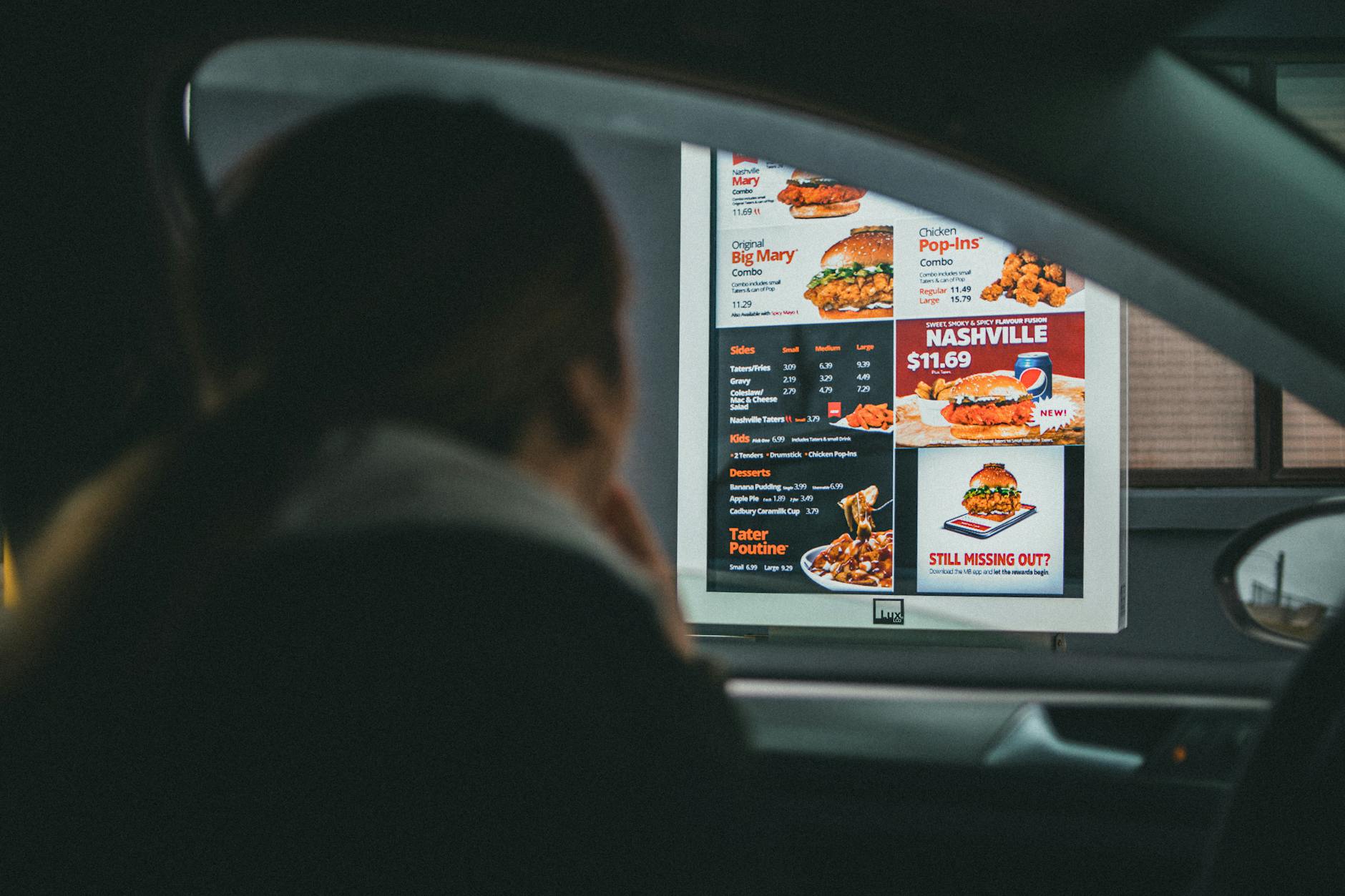
Meal bundle pricing encourages guests to accept a pre-selected combination of items rather than choosing individually and scrutinizing each product. When a drink, main and side are sold as a package at a single price point, the guest’s attention focuses on the total value rather than the individual component quality. Bundling is a known technique for including lower-quality or near-expiry items alongside more desirable products. A guest who would never independently choose a particular side dish will accept it without complaint when it arrives as part of a discounted bundle. The perceived savings eliminate the motivation to question the individual elements of the package.
Peak Hour Pressure
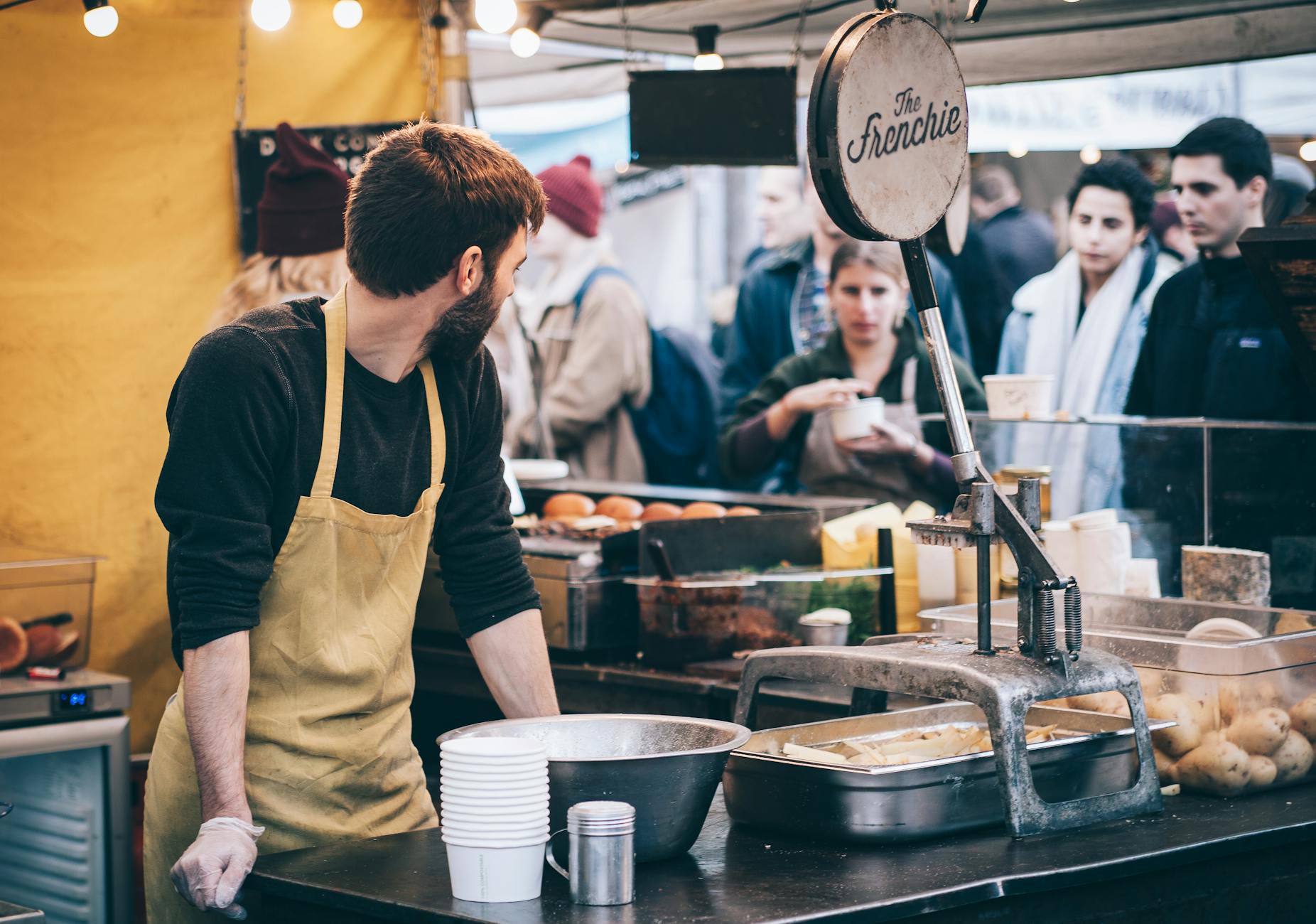
The concentrated surge of guests arriving at food stalls during parade intermissions or ride closures creates a high-pressure service environment where speed supersedes quality control. Staff members managing hundreds of transactions per hour have neither the time nor the incentive to pull questionable products from service during these windows. Parks are aware that peak periods generate the highest revenue and staff scheduling reflects this, with less experienced workers often managing high-volume moments. Inventory that might be reviewed and removed during quieter periods remains in rotation throughout rush periods without interruption. The chaos of peak service is one of the most consistent environments in which substandard food reaches guests undetected.
Nostalgia Pricing

Premium price points on classic or retro-branded food items create an assumption of quality that is entirely disconnected from the actual product. A guest paying a high price for a vintage-style treat interprets the cost itself as a signal of superior ingredients or preparation. Parks apply nostalgia branding to justify elevated prices while simultaneously using the premium price perception to shield the product from quality scrutiny. Price anchoring research consistently shows that consumers rate the same product higher when they have paid more for it, regardless of objective quality. The pricing strategy essentially pre-convinces the guest that what they are receiving must be worth the cost.
Visual Upselling
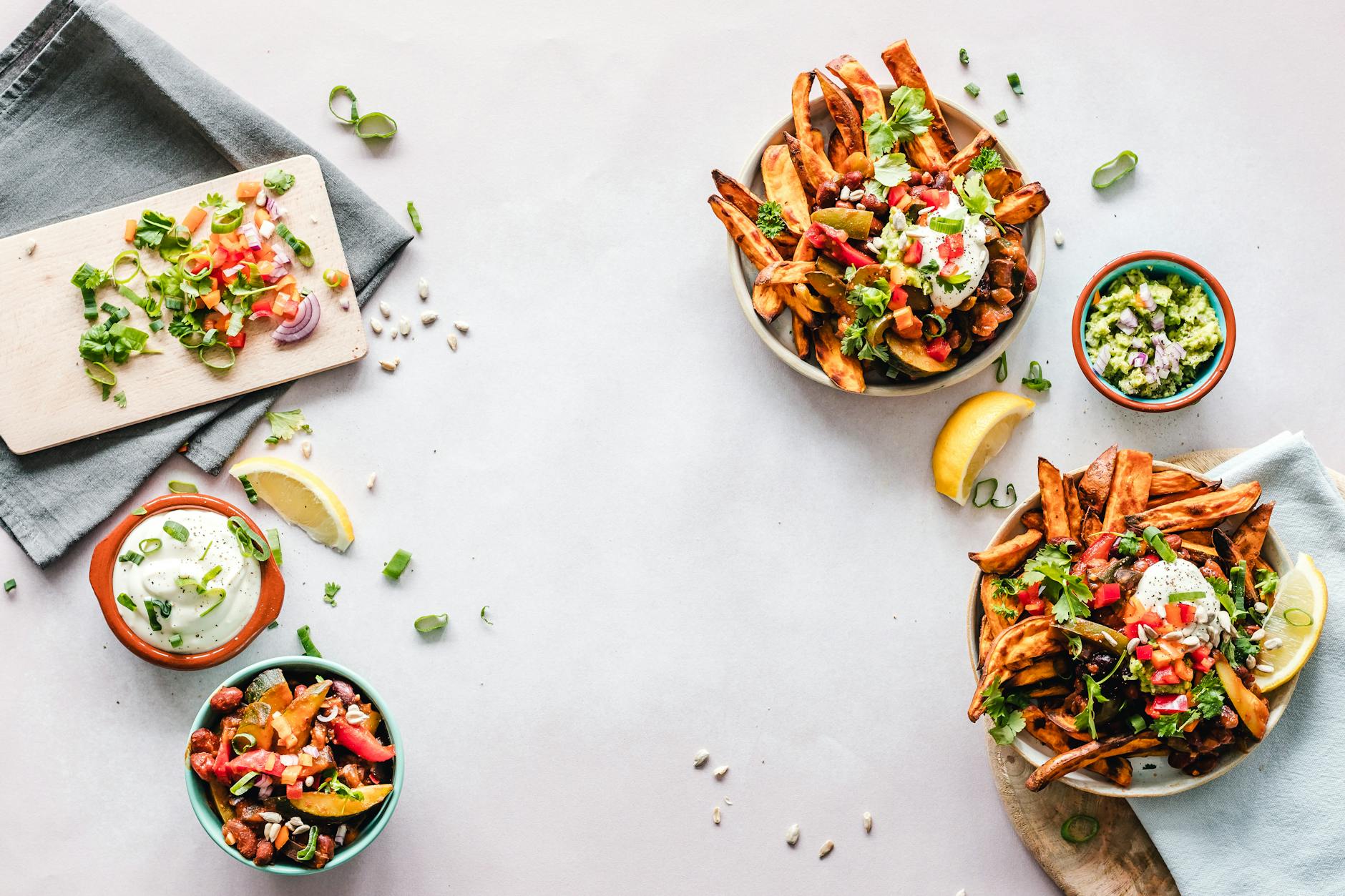
Staff training in theme park food service frequently includes prompts to direct guest attention toward garnishes, toppings or display elements rather than the base product. When a server enthusiastically draws attention to a caramel drizzle or a colorful sprinkle finish, the guest’s visual focus remains on the surface presentation. Surface-level additions like sauces, powders and decorative elements can effectively conceal textural or color changes in the underlying product that would otherwise be noticeable. The interactive element of a topping station or a visible finishing step creates the impression of fresh preparation even when the core item is not fresh. Guest attention is reliably redirected by the performance of the finishing process.
Seasonal Urgency
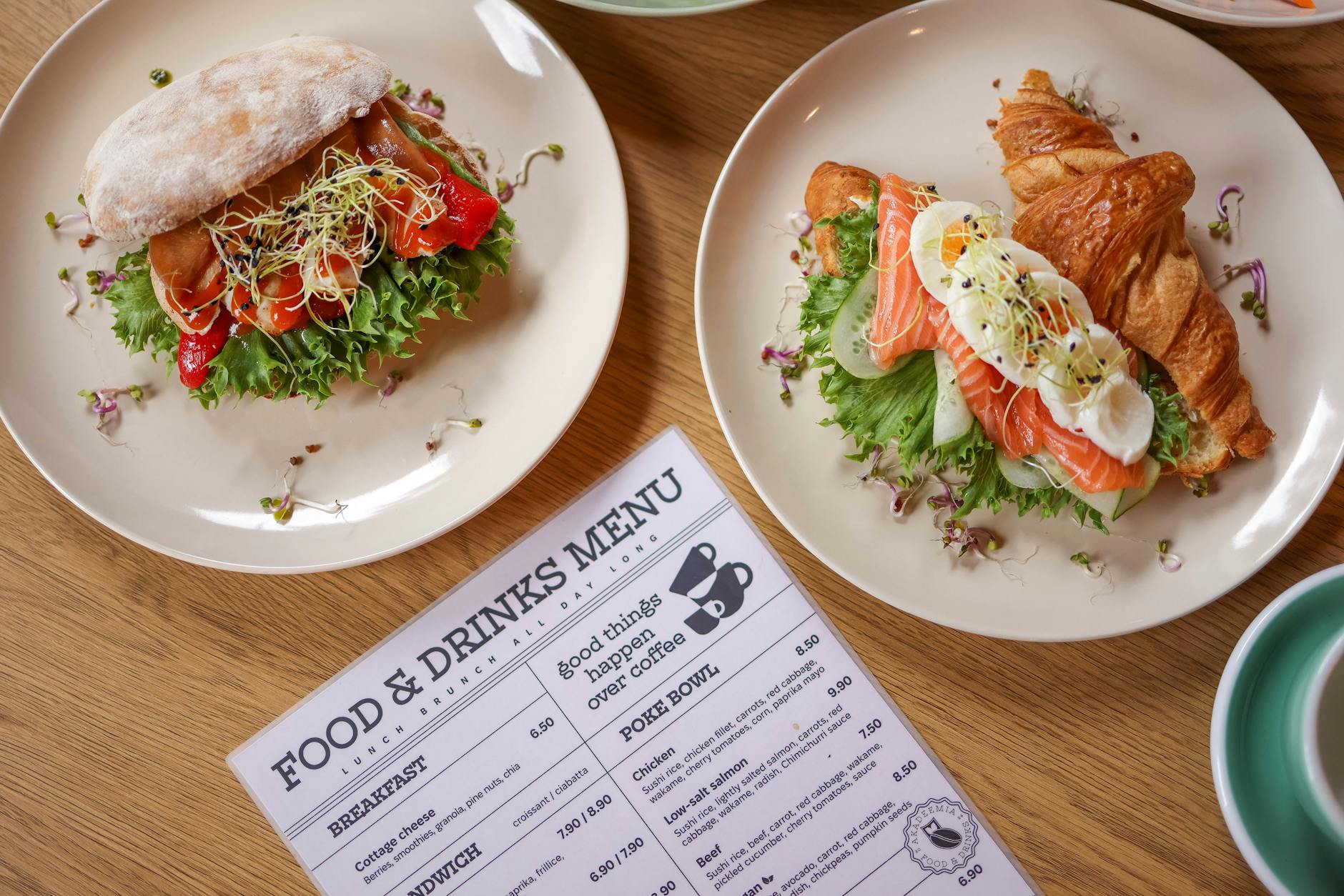
Limited-time seasonal menu items generate a fear-of-missing-out response that accelerates purchasing decisions and reduces quality evaluation time. A guest who believes a product is available for only a few weeks or a single annual event is motivated to purchase immediately rather than deliberate. Parks use seasonal framing as an inventory management tool, applying limited-edition language to clear surplus stock or reformulated products with near-term expiration. The exclusivity narrative creates emotional pressure that overrides the standard consumer instinct to pause and assess before committing. Scarcity language is among the most effective behavioral triggers in food retail and theme parks apply it with precision.
Mobile Ordering
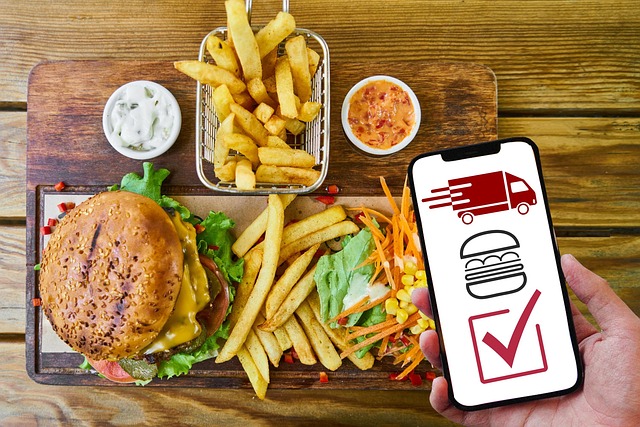
App-based ordering systems remove the guest from the physical point of sale, eliminating the opportunity to observe the food preparation area or assess product freshness before purchasing. When food is collected from a designated pickup shelf, it may have been sitting there for an indeterminate period with no visible time-stamp or warming indicator. The convenience framing of mobile ordering is marketed as a guest benefit while simultaneously reducing the quality accountability interaction between staff and customer. Digital interfaces present food through professionally styled photography that bears no obligation to reflect the actual product condition. The physical disconnection between ordering and collection is a structurally invisible quality control gap.
Souvenir Cup Refills
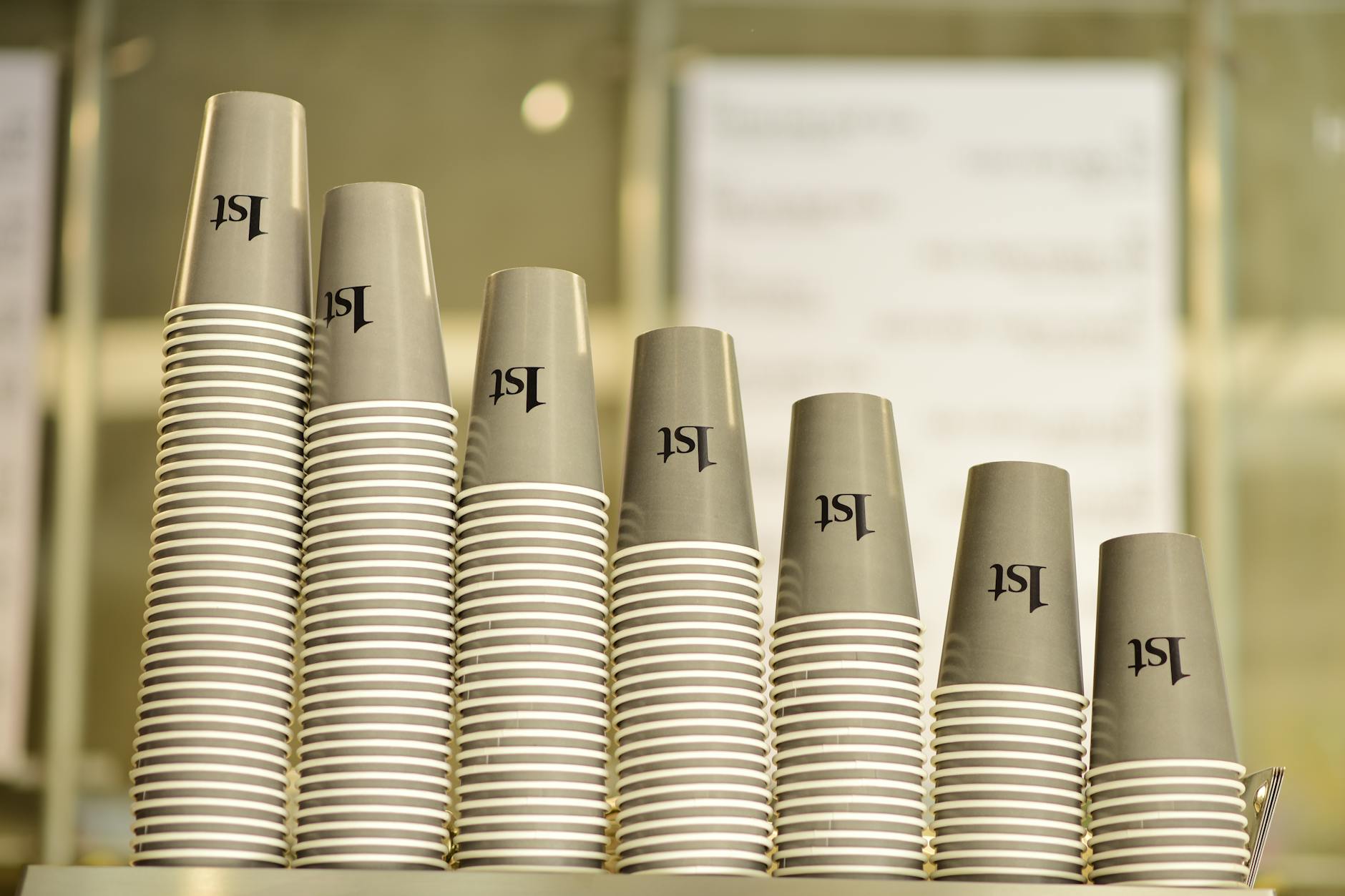
Refillable souvenir cup programs encourage guests to repeatedly visit beverage stations throughout the day, normalizing repeated transactions at food service points. Each refill visit creates an additional interaction opportunity for staff to suggest food add-ons from whatever inventory is currently in rotation. Beverage stations attached to food displays use the high-frequency refill traffic to maintain guest exposure to food products throughout the day including items that have been sitting since opening. The habitual nature of refill visits reduces the critical attention guests bring to the food service environment compared to a first-time purchase moment. The refill cup system essentially builds a recurring foot traffic pattern that serves food inventory clearance as a secondary function.
Darkness and Ride Exits
Food stalls positioned immediately at the exit of dark ride attractions intercept guests whose eyes have not yet adjusted from the low-light interior. In the moments following a dark ride, visual perception is temporarily reduced, making careful product inspection less likely during the immediate post-exit purchase window. Parks consistently locate impulse snack and photo merchandise stations at these exit points knowing that guest alertness is at a transition state. The emotional high of completing a thrilling ride also creates a reward-seeking mental state that favors impulsive purchasing. This combination of physical and emotional vulnerability creates one of the highest conversion environments in the park.
Opaque Containers
Drinks, frozen treats and mixed food items served in solid-colored or fully branded opaque containers prevent guests from visually inspecting the product before or during consumption. A smoothie or frozen beverage that has partially separated, discolored or begun to ferment is entirely concealed within an opaque branded cup. Parks have shifted heavily toward lidded and visually sealed serving formats across multiple product categories over the past decade. The branding printed on these containers redirects guest attention outward while the product inside remains unexamined. Without the ability to visually assess a product, guests rely entirely on trust and assumption about what they are consuming.
Entertainment Distraction
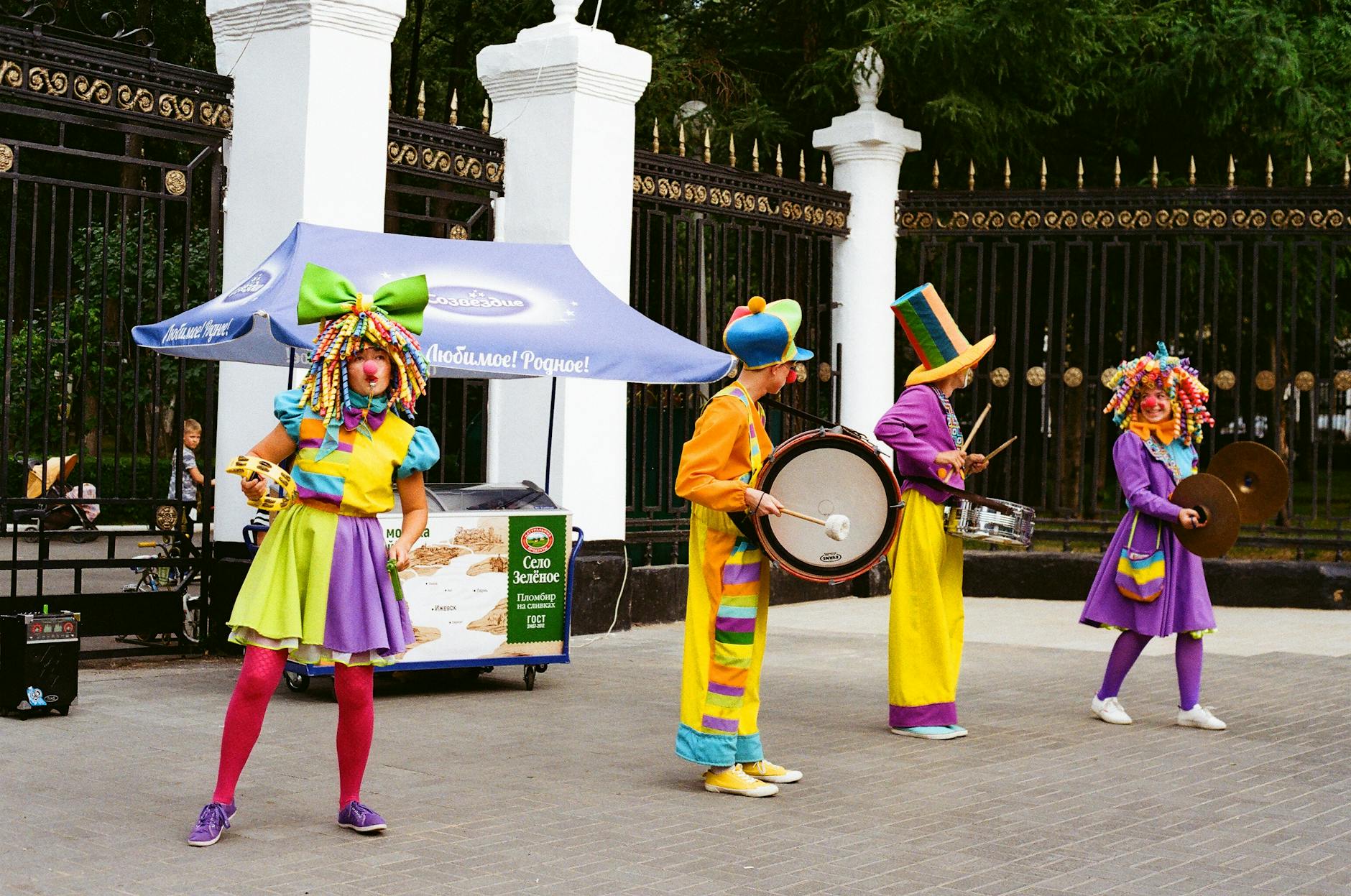
Live entertainment performances staged adjacent to food service areas create an attention split that prevents guests from focusing on the food transaction taking place. A guest watching a street performance or character show while queuing for food is not examining the products in the display case or observing how long items have been sitting. Parks schedule entertainment programming at times and locations specifically calibrated to peak food service windows. The entertainment creates a positive ambient mood that has been shown to increase purchase rates and decrease complaint rates in adjacent retail zones. Guests associate the positive emotion of the performance with the overall food service experience regardless of product quality.
Loyalty Rewards
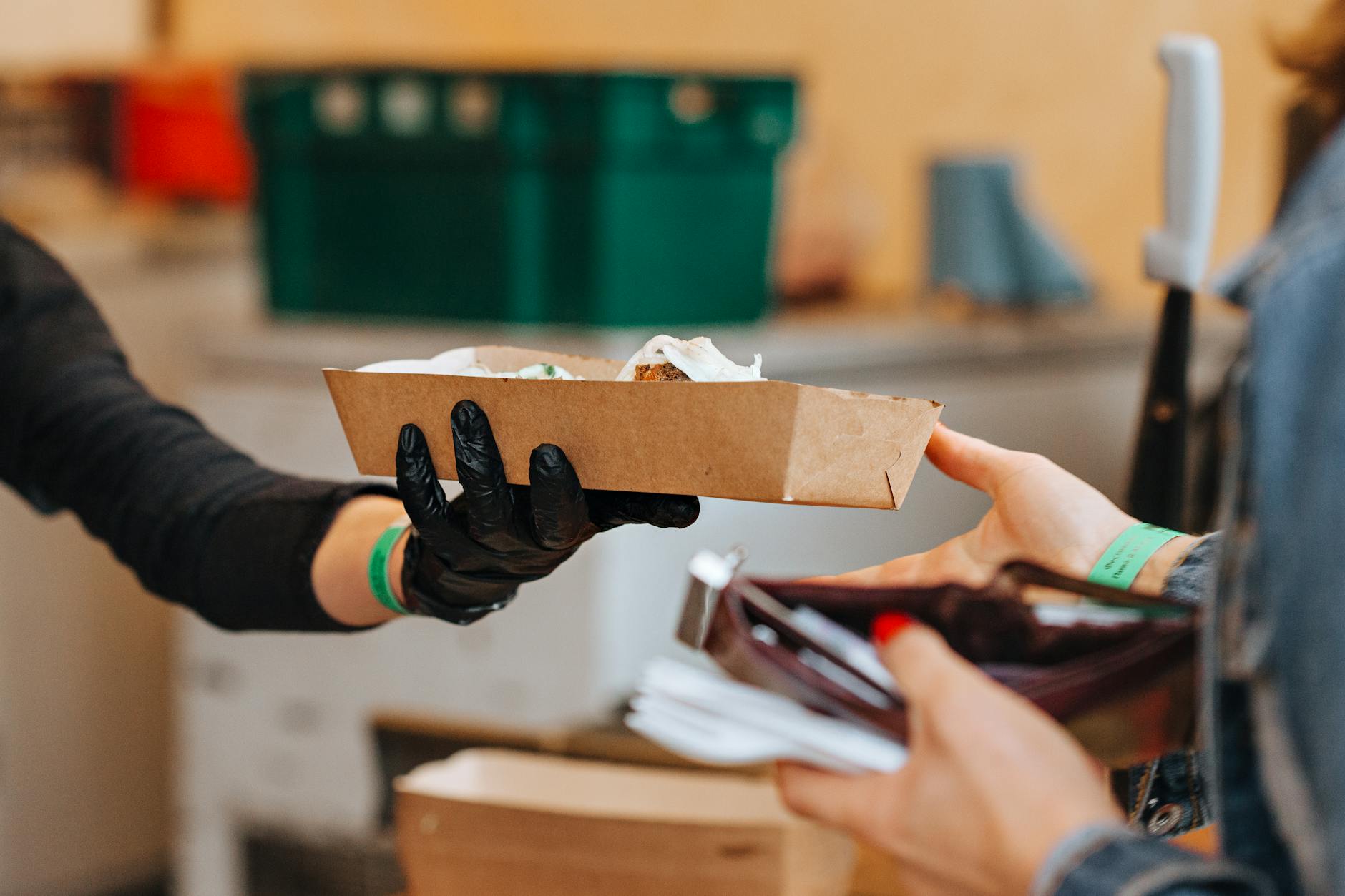
Points-based loyalty and rewards programs create behavioral momentum toward purchase that operates independently of product quality signals. A guest aware that a transaction will contribute to a reward milestone is motivated by the accumulation incentive rather than by genuine product desire or quality assessment. Parks have incorporated digital loyalty mechanics into food purchasing specifically because the reward structure insulates transactions from quality-based hesitation. The gamification of purchases shifts the guest’s primary focus from the product to the progress indicator on their app or card. Inventory that might otherwise sit unpurchased benefits directly from the motivational override that loyalty mechanics provide.
Signature Scarcity
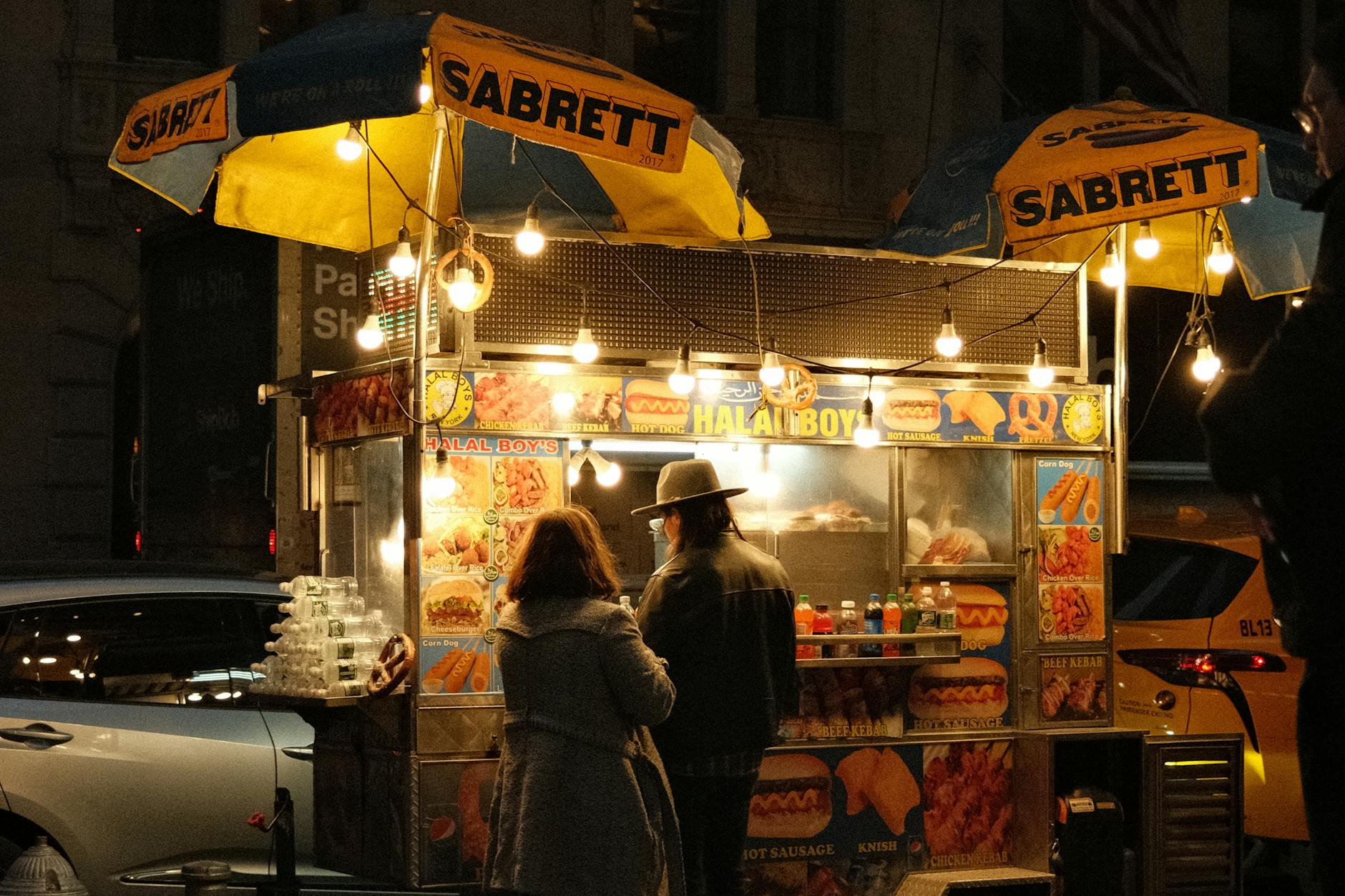
Parks frequently market specific food items as location-exclusive or recipe-secret products, creating the impression that the item cannot be found or replicated elsewhere. This manufactured exclusivity elevates perceived value and motivates purchase from guests who would otherwise apply standard quality evaluation. Exclusive items are also exempt from the comparative consumer behavior that drives quality accountability in competitive retail environments. A guest cannot compare a supposedly unique park recipe to an outside standard, which removes a primary mechanism for identifying poor quality. The exclusivity claim effectively places the product in a quality vacuum where guest perception is shaped entirely by park-controlled messaging.
Uniform Authority
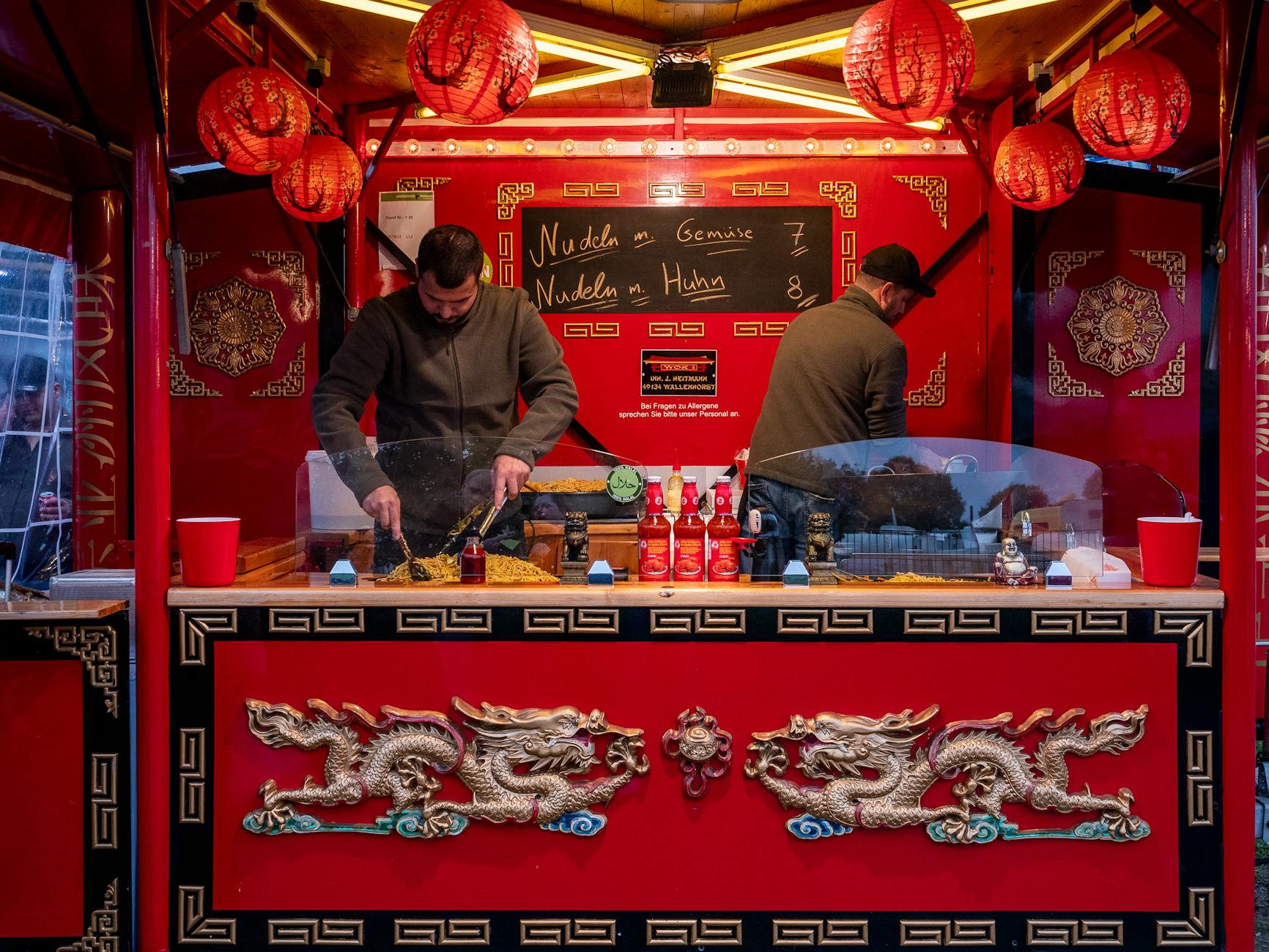
Staff uniforms, especially those incorporating food safety elements like gloves, caps and aprons, create a visual cue of hygiene and professional food handling standards. Research in consumer psychology consistently shows that visible hygiene theater increases trust in food service environments regardless of actual practice. Gloved hands that handle money, surfaces and food interchangeably are no more sanitary than ungloved ones, but the visual presence of the glove satisfies the guest’s expectation of compliance. Parks invest in uniform design specifically because the appearance of food safety protocol reduces complaint rates and increases willingness to purchase. The costume of professionalism functions as effectively as actual professionalism in shaping guest purchasing confidence.
Exit Hunger
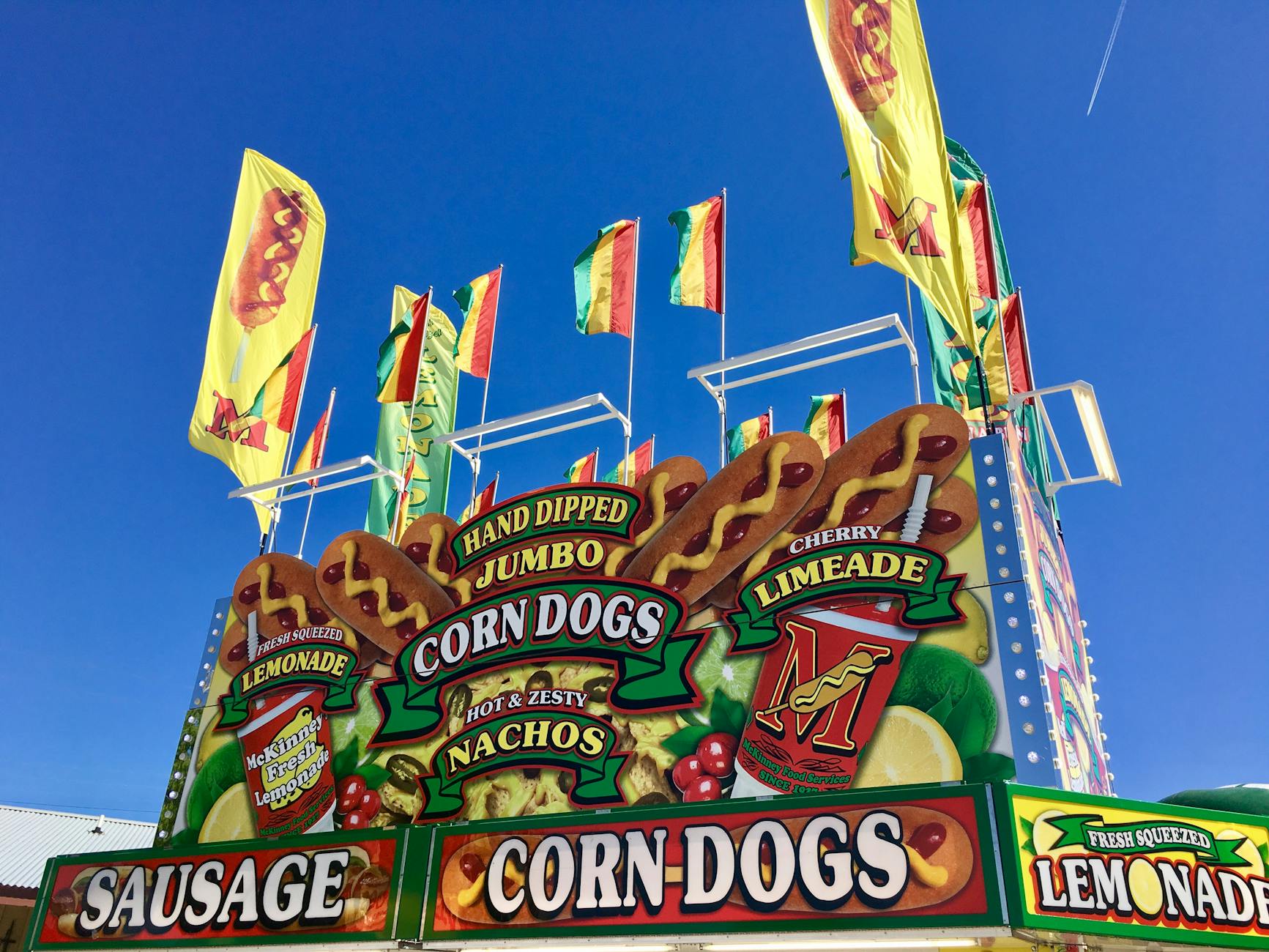
As guests approach park exits after a full day, depleted blood sugar, physical exhaustion and the psychological closure of the experience create a final purchasing vulnerability. Exit corridors are densely stocked with grab-and-go food items and snack displays positioned to intercept guests in this end-of-day state. Inventory that has been rotating in warmers or display cases throughout the entire park operating day is frequently still in circulation during the final hours before closing. The guest leaving the park is often in the lowest state of critical evaluation of the entire visit and the highest state of physical need. End-of-day food stocking strategies in many parks are specifically designed around this window as a final inventory clearance opportunity.
Have you ever noticed any of these tactics on your own theme park visits? Share your experiences and observations in the comments.