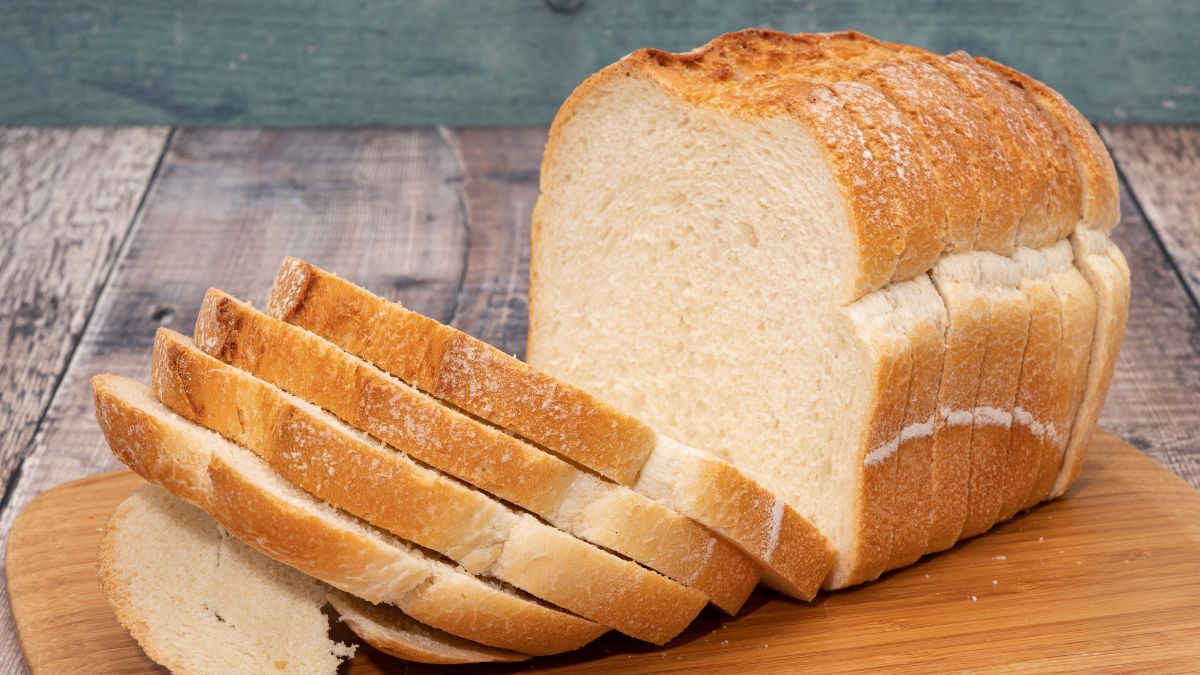
Forget the cabinet full of chemical sprays and heavy-duty degreasers. There is an old household trick that has been quietly circulating for years, and it turns out a simple slice of white bread might be all you need to tackle stubborn grease marks and fingerprints on kitchen walls and cabinets. The method is so low-tech that most people dismiss it without trying it, which is exactly what makes discovering it feel like stumbling onto a genuinely useful secret. Everything you need is likely already sitting in your pantry right now.
The process is straightforward and requires almost no setup. Start by taking a slice of soft white bread and cutting or tearing away the crust, since the softer interior is what does the actual work. Take the crumb portion and roll or press it into a compact ball between your palms. Then bring that ball to the stained surface and press it gently against the mark using a patting or dabbing motion rather than rubbing. This distinction matters more than it might seem: rubbing can spread the grease or push it further into the surface, while dabbing lifts it away cleanly.
Once the ball of bread has absorbed some of the grime, rotate it to expose a fresh, clean section and continue dabbing. You can keep working through the stain this way, flipping to clean surfaces of the ball as you go, until the mark has transferred fully off the wall or cabinet and onto the bread. For particularly stubborn patches, forming a fresh ball from another slice and repeating the process delivers the best results. The technique is patient work, but it requires almost no effort and zero scrubbing. You can watch YouTube video here.
The reason this works comes down to some straightforward chemistry. The soft, porous interior of white bread functions like a gentle sponge, capable of reaching into the microscopic texture of a painted or plastered wall surface without abrabing it. The gluten present in the bread acts as a mild adhesive, attracting and binding particles of dust, dried pigment, and light grease rather than simply pushing them around. The dirt lifts up and off the surface rather than smearing across it, which is the central advantage over more aggressive cleaning methods. As The Kitchn has noted, this makes the technique especially valuable for preserving the finish on painted walls, something that popular abrasive cleaning sponges can degrade over time with repeated use.
Not all bread performs equally well for this purpose. Soft white sandwich bread is the ideal choice because its texture provides the right balance of porosity and pliability. Crusty loaves like baguettes or sourdough are too firm and dense to conform to a surface or absorb grease effectively, so they should be set aside for eating rather than cleaning. Any standard soft white loaf from the grocery store works fine, and given that you only need a slice or two at a time, this is one of the most cost-effective cleaning solutions imaginable compared to a bottle of commercial degreaser.
The applications extend beyond just the kitchen. The bread method works well on matte-finish walls and cabinets, textured plaster surfaces, delicate wallpaper, and even oil paintings. In any of these situations, harsh chemical cleaners or rough sponges could cause damage, while a ball of soft bread poses virtually no risk to the underlying surface. Grease splatter near the stove, fingerprint smudges on cabinet doors, cooking residue on tile borders near the backsplash: all of these respond well to the technique. It also works in bathrooms and bedrooms for general wall marks, making it a versatile tool to keep in mind throughout the house, not just in the kitchen.
One practical note worth mentioning is that this trick performs best on relatively fresh or light stains. For very old, baked-on grease that has hardened and darkened over time, the bread method may need to be combined with a mild dish soap solution or a dedicated degreaser for a first pass before bread finishing off what remains. For everyday maintenance and light buildup, however, using a bread ball regularly means those heavier interventions become much less frequent.
White bread’s gluten content is actually what makes it an unexpectedly versatile cleaning material beyond kitchen use: conservators at museums have long used fresh bread crumbs to clean delicate artworks and historical documents without risking chemical damage. The average American household throws away approximately 25 percent of the bread it buys, which means many people are discarding the very slices they could be putting to secondary use before bread reaches the end of its edible life.
Have you ever tried cleaning with bread, or do you have another surprisingly simple household trick that actually works? Share your thoughts in the comments.