The human mind is capable of developing a fear response to almost anything, and the world of phobias stretches far beyond the commonly known fears of spiders or heights. Many people live with deeply unsettling anxieties tied to the most unexpected everyday objects, situations, or concepts. Psychologists continue to document new phobias as our understanding of anxiety disorders grows. These lesser-known fears are just as real and impactful as any other phobia, often significantly affecting the daily lives of those who experience them. From the seemingly absurd to the strangely logical, these are fifteen phobias that most people have never heard of.
Arachibutyrophobia

This is the fear of peanut butter sticking to the roof of the mouth and is considered a specific situational phobia. People who experience it often avoid peanut butter entirely or feel a strong sense of panic when eating sticky foods. The anxiety is typically rooted in a fear of choking or losing control over swallowing. It falls under a broader category of food-related phobias that can restrict diet and social eating experiences. Despite sounding unusual, it is a recognized condition that can be treated through cognitive behavioral therapy.
Nomophobia

This modern phobia refers to the intense fear of being without a mobile phone or losing phone signal. It has become increasingly prevalent in recent years as smartphones have become central to daily life. Sufferers experience significant anxiety when their battery dies, when they are in a signal-dead zone, or when they forget their phone at home. The condition is closely linked to dependency and the fear of missing out on communication or information. Mental health professionals have begun studying it more seriously as smartphone usage continues to rise globally.
Somniphobia

This is a fear of falling asleep and can have serious consequences for a person’s physical and mental health. Those affected often lie awake for hours dreading the moment they lose consciousness. The phobia is sometimes linked to a fear of nightmares, sleep paralysis, or the broader existential fear of losing control during unconsciousness. It can lead to chronic sleep deprivation and a host of secondary health problems over time. Treatment usually involves a combination of relaxation techniques and gradual exposure therapy.
Plutophobia

Plutophobia is the fear of wealth or becoming wealthy and is more psychologically complex than it first appears. Individuals with this phobia may actively sabotage their own financial success or feel intense anxiety when receiving unexpected money. It is often connected to feelings of unworthiness, fear of responsibility, or anxiety about becoming a target for others. The phobia can interfere with career advancement and personal relationships in meaningful ways. Therapy focused on identifying the root beliefs around money and self-worth is typically the most effective approach.
Xanthophobia

This is the fear of the color yellow, which can range from mild discomfort to a completely debilitating response. Sufferers may struggle to go outside on sunny days or feel distress when encountering yellow objects like flowers, traffic signs, or food packaging. Like most color-related phobias, it is often tied to a specific traumatic memory or association formed early in life. The condition can make navigating public spaces particularly challenging given how commonly yellow appears in everyday environments. Color therapy and exposure-based treatments have shown promising results in managing this phobia.
Pogonophobia
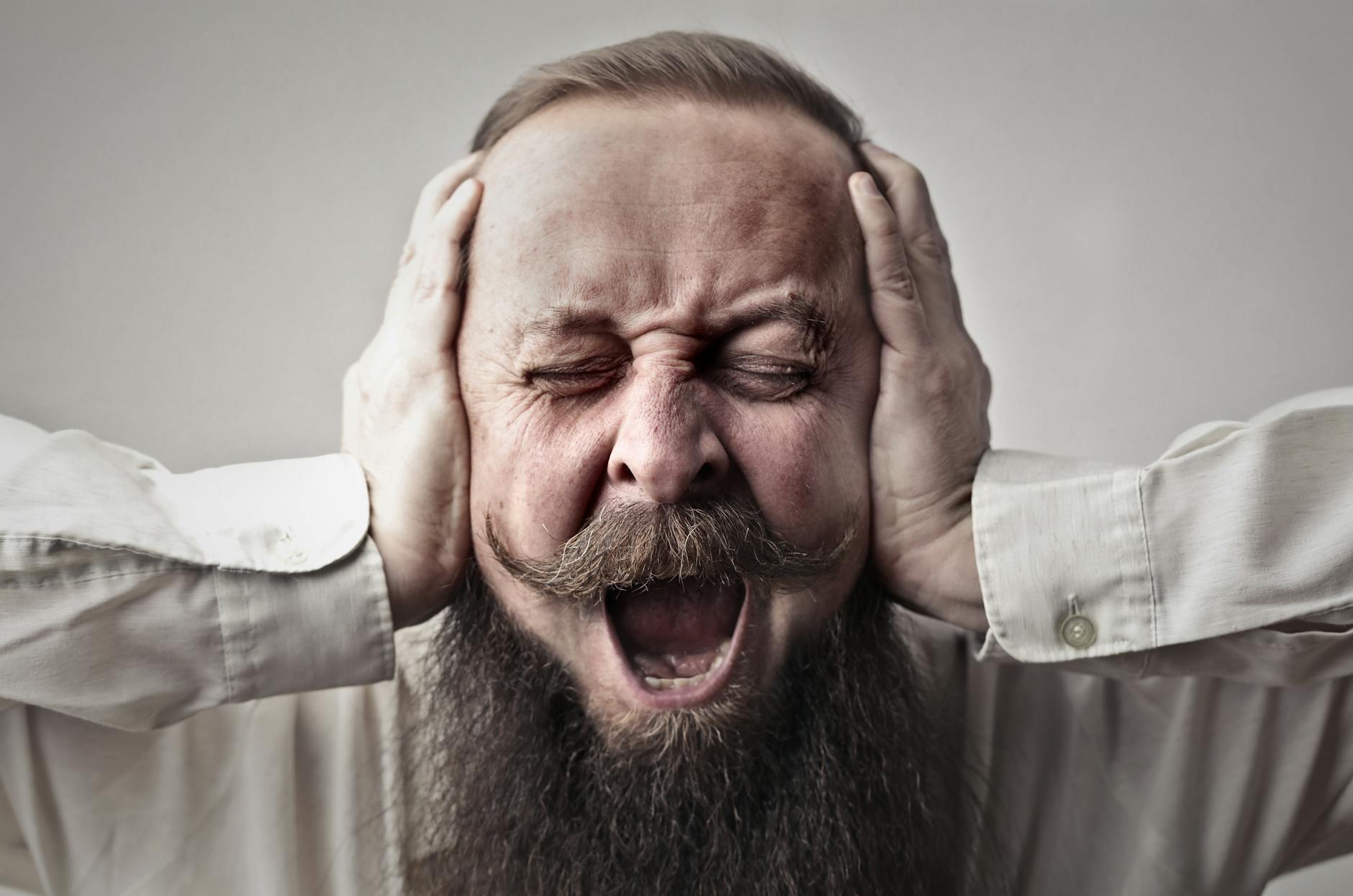
Pogonophobia is the fear of beards and can cause significant discomfort in social settings for those who experience it. Seeing a bearded person in close proximity may trigger feelings of dread, disgust, or a strong desire to flee. Some researchers link the phobia to associations between beards and perceived untrustworthiness or to early childhood encounters that created a negative imprint. The condition has become particularly discussed in recent years as beards have grown significantly in mainstream popularity. Sufferers often find crowded public spaces or professional environments difficult to navigate as a result.
Ephebiphobia

This phobia involves an intense fear or distrust of teenagers and young people. Adults who experience it may feel strong anxiety when entering spaces populated by adolescents such as shopping centers, parks, or schools. The fear is sometimes rooted in associations between youth culture and unpredictability, noise, or perceived danger. It is distinct from generational frustration and represents a genuine anxiety disorder when it begins to affect normal functioning. Awareness of the condition has grown as mental health professionals explore age-related social anxieties more thoroughly.
Optophobia

Optophobia is the fear of opening one’s eyes and is one of the more debilitating phobias a person can experience. Those affected may keep their eyes shut for extended periods and feel extreme anxiety at the thought of confronting visual reality. The phobia is often associated with severe depression or trauma and can make independent living nearly impossible without treatment. It is deeply linked to a desire to shut out the external world and avoid confrontation with one’s surroundings. Intensive therapeutic intervention is usually required for meaningful recovery.
Genuphobia

This phobia centers on a fear of knees, whether one’s own or those belonging to other people. Sufferers may feel deeply uncomfortable seeing exposed knees in person or in images and often avoid warm weather clothing or certain sporting events. The origin is frequently tied to a specific incident involving knees or a generalized disgust response that became amplified over time. It can affect clothing choices, relationships, and participation in activities like swimming, yoga, or hiking. Like many body-part phobias, it responds well to gradual desensitization techniques.
Ablutophobia

Ablutophobia is the fear of bathing or washing and is more commonly found in children though adults can experience it too. The idea of water touching the skin or the vulnerability of the bathing environment can trigger intense distress in those affected. Beyond hygiene consequences, the phobia can lead to significant social isolation and embarrassment. It is often rooted in a traumatic experience involving water or a loss of control in a bathing situation. Early therapeutic intervention tends to produce the best outcomes for managing this condition.
Chaetophobia
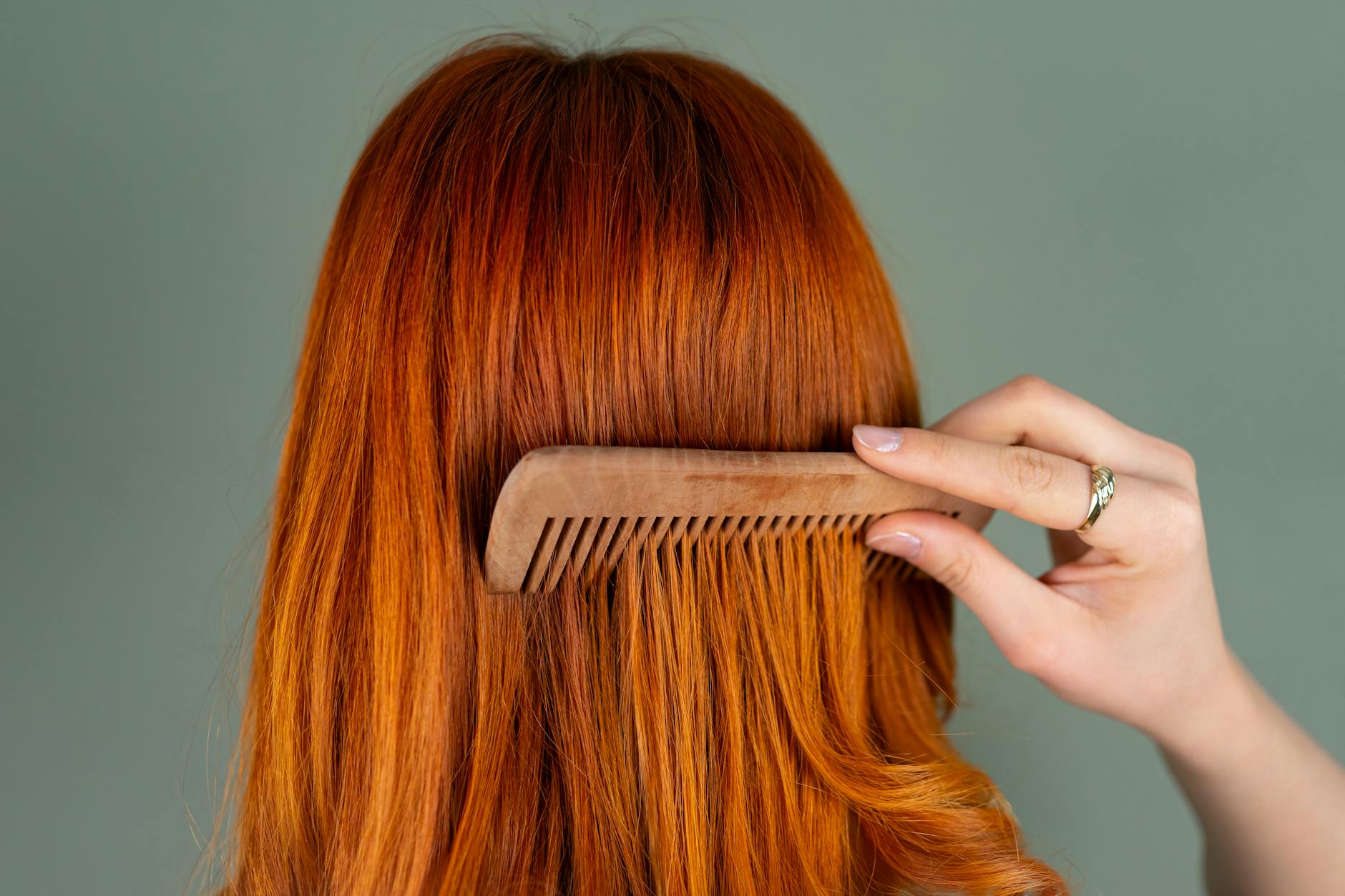
This is the fear of hair and can extend to hair found on the body, loose strands, or hair in unexpected places like a shower drain or a brush. Sufferers often describe a feeling of revulsion or panic when they come into contact with detached hair even if it belongs to themselves. The phobia can make visits to hair salons, swimming pools, or shared living spaces extremely difficult. It is sometimes connected to obsessive-compulsive tendencies around cleanliness and contamination. Behavioral therapy is frequently used to help sufferers gradually reduce their fear response.
Omphalophobia

Omphalophobia is the fear of belly buttons and causes genuine distress for a surprisingly large number of people worldwide. Those who have it may refuse to touch their own navel or feel anxious seeing another person’s belly button exposed. The fear is sometimes tied to a general discomfort with the concept of the umbilical cord or the vulnerability of the abdominal area. It can restrict clothing choices and make medical examinations particularly uncomfortable. Most people with this phobia manage it quietly though therapy is available for those severely affected.
Ergophobia

This phobia involves a fear of work or the workplace environment and goes well beyond ordinary job dissatisfaction or burnout. Individuals with ergophobia may experience panic attacks at the thought of returning to work or feel paralyzed by professional responsibilities. It is often intertwined with social anxiety, fear of failure, or trauma experienced in a previous workplace setting. The condition can make sustaining employment extremely difficult without professional support. Occupational therapy combined with anxiety management strategies is frequently recommended as a treatment path.
Turophobia

Turophobia is the fear of cheese and affects people across a spectrum from mild aversion to severe panic responses. The texture, smell, or appearance of cheese can trigger immediate distress in those with the condition. It is one of a broader group of specific food phobias that can complicate social dining, travel, and grocery shopping. Some sufferers trace the fear back to a childhood experience involving cheese while others report that it developed gradually without a clear cause. Exposure therapy conducted in a controlled and supportive setting has been shown to help reduce the intensity of the response.
Ambulophobia

This is the fear of walking and can leave sufferers feeling trapped or unable to engage with even the most basic physical activity. The phobia is distinct from a physical inability to walk and instead represents a psychological barrier to the act itself. It may stem from a past fall, an injury, or a fear of losing balance and experiencing public humiliation. People with ambulophobia often rely heavily on mobility aids or avoid leaving home entirely even when there is no physical reason to do so. Physical therapy paired with psychological support offers the most comprehensive route toward recovery.
If you have ever experienced an unusual or unexpected fear yourself, share your story in the comments.