
Parents today face a new and unsettling challenge as online marketplaces make it easier than ever for teenagers to access items they should not have. The warning signs are often easy to dismiss as typical teenage behavior, which is precisely why they go unnoticed for so long. Recognizing the subtle red flags early can open the door to an important conversation before a situation escalates. Here are ten clues that something may be off with what your teen is receiving through the mail.
Unusual Packages
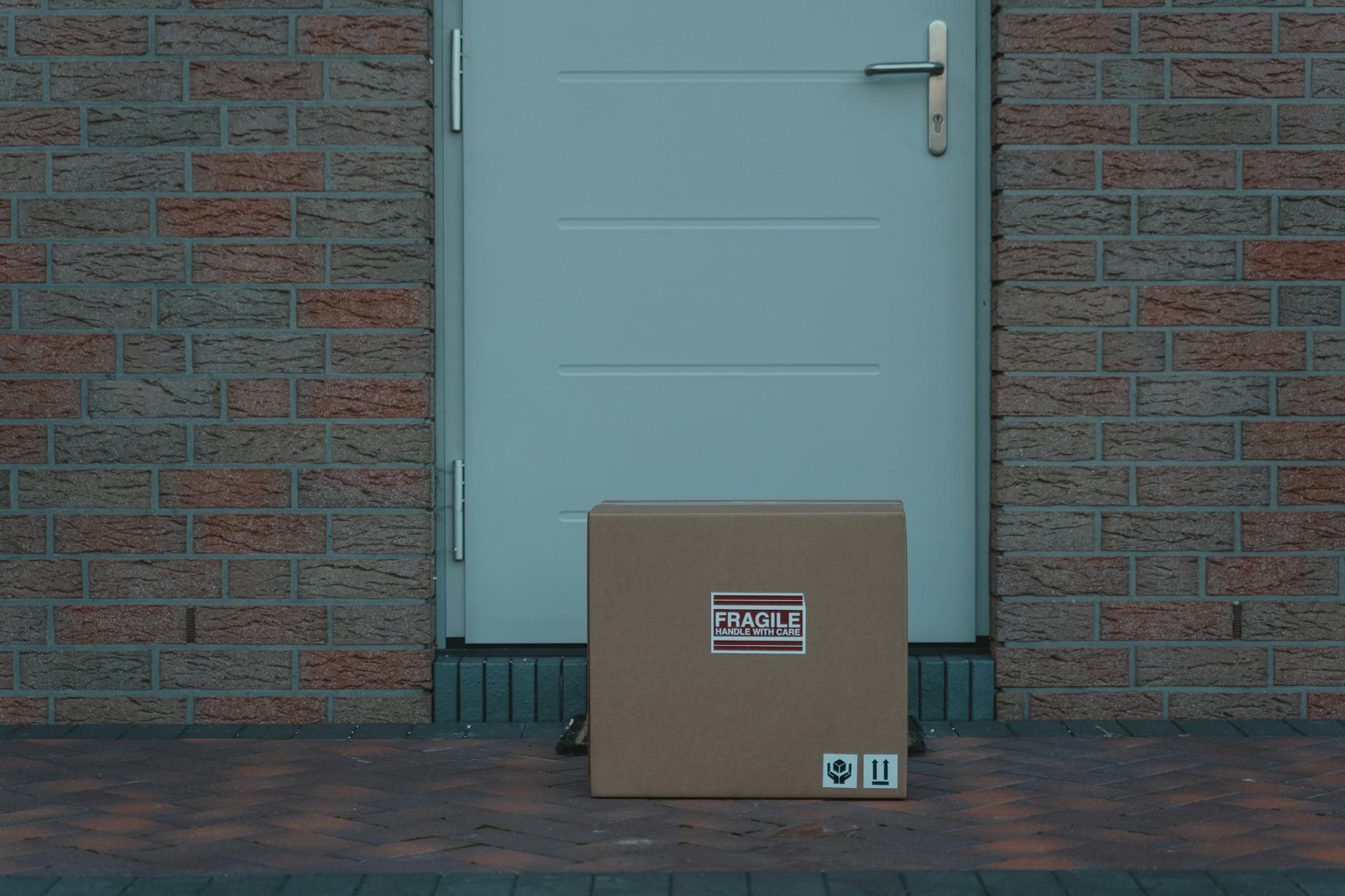
Small parcels begin arriving at the house addressed to your teen with no prior mention of an online order. The packaging may look generic or come from unfamiliar return addresses in other countries or states. Your teenager rushes to intercept deliveries before anyone else can see them. This pattern of secrecy around mail is one of the earliest and most telling warning signs a parent can notice.
Deleted History
A teenager who suddenly clears their browser history after every session is displaying a significant change in digital behavior. Most young people do not think to do this unless they have something specific they want to conceal. You may also notice new private browsing tabs being used far more frequently than before. This behavior alone does not confirm wrongdoing but warrants a calm and open conversation about online activity.
New Prepaid Cards

Finding prepaid debit or gift cards in your teen’s room that they cannot explain is a notable cause for concern. These cards are frequently used by younger buyers to make purchases without triggering bank statements that parents might review. They may claim the card was a gift or that they are saving it for something, but vague answers deserve follow-up. Monitoring how your teenager handles money can reveal financial patterns that point to secretive purchasing.
Cash Requests

A sudden and repeated need for cash without a clear explanation is a pattern worth paying attention to. Teenagers engaging in online purchases they want to hide will often avoid digital payment trails by using physical currency. They may ask family members, friends, or even neighbors for small amounts to avoid drawing attention. When cash requests become frequent and the reasons given feel inconsistent, it is time to take a closer look.
Behavioral Shifts

A noticeable change in mood, sleep patterns, or social habits can sometimes signal that something new has entered a teenager’s life. If your teen becomes increasingly secretive, irritable when questioned, or withdrawn from family activities, this deserves gentle attention. These behavioral shifts are not always linked to illegal purchases but are a common accompanying sign. Approaching the conversation with empathy rather than accusation tends to yield more honest responses.
Private Phone Use

Teens who suddenly angle their screens away from view or leave the room every time they receive a notification may be managing communications they do not want seen. While privacy is a healthy and normal part of adolescent development, a sharp and unexplained increase in secretive phone behavior is different. Watch for frequent use of disappearing message apps or platforms that are new to their routine. The combination of private phone use with other warning signs on this list creates a pattern that is harder to ignore.
Strange Symbols
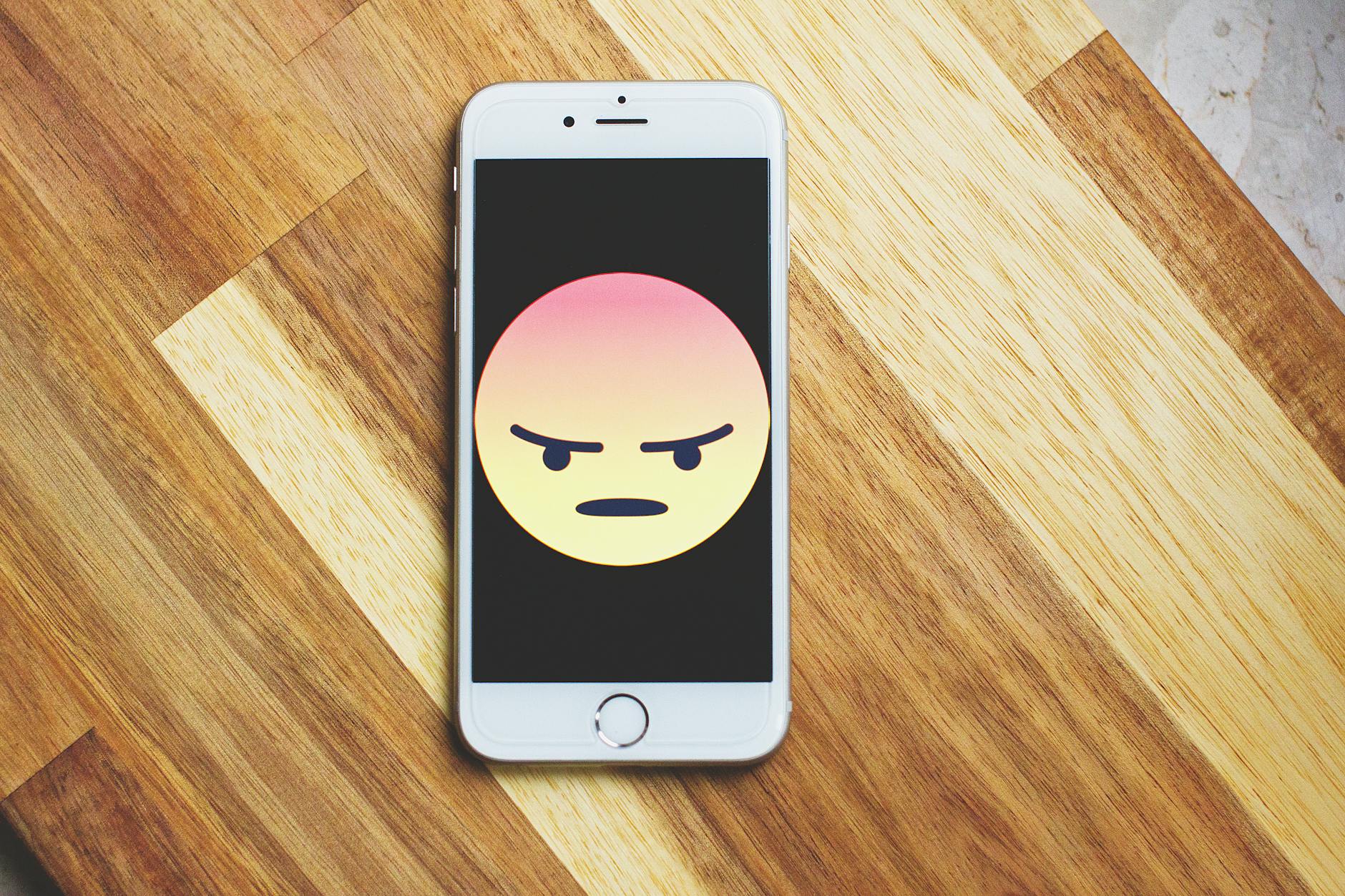
Some teenagers use coded language, symbols, or emojis in their messages and social media posts that relate to illicit marketplaces on the dark web or other hidden platforms. A parent who notices unfamiliar shorthand or recurring symbols that seem out of context may be seeing communication related to these communities. Online forums dedicated to helping parents decode teen slang can be a useful first resource. Staying loosely informed about evolving online language gives parents a meaningful advantage.
New Friend Groups

A sudden and unexplained shift in friend groups, particularly toward older or unfamiliar peers, can sometimes accompany access to illegal goods. New friendships formed primarily online and kept entirely separate from a teen’s known social circle are worth noting. If your teenager becomes protective or dismissive when asked about new contacts, this warrants a thoughtful response. Social changes paired with other signs on this list create a fuller picture worth addressing directly.
Locked Spaces

A bedroom or backpack that was previously accessible and is now always locked or aggressively guarded suggests something is being hidden from view. While teenagers naturally seek more privacy as they grow older, a sudden shift in how protective they are over their physical space is a meaningful distinction. Items may be stored in places like locked boxes, false-bottomed containers, or even in friends’ homes to avoid discovery. Noticing this change early gives parents an opportunity to intervene before a situation becomes more serious.
Sleep Pattern Changes

Staying awake unusually late and spending extended time on devices after the household has gone to sleep is a common behavior linked to accessing hidden online marketplaces. Many of these platforms operate across different time zones, and transaction activity often peaks late at night. A teenager who appears tired and unfocused during the day without a clear reason may be maintaining a secret nighttime routine. Monitoring household internet activity during late hours is one practical step parents can take to understand what is happening after dark.
Have you noticed any of these signs with your own teenager, and how did you handle it? Share your experience in the comments.