Teenagers have always tested boundaries but the methods used to conceal prohibited items have become increasingly sophisticated in the age of online information sharing. Parents who rely on obvious signs of concealment are frequently outpaced by the creativity and social knowledge teenagers bring to hiding things in plain sight. Understanding the behavioral and environmental signals that accompany this kind of concealment is a practical tool for any parent navigating this stage of family life. The following twenty-two clues are ordered from the most commonly observed down to the more subtle environmental and behavioral patterns that are easiest to overlook.
Excessive Tidiness
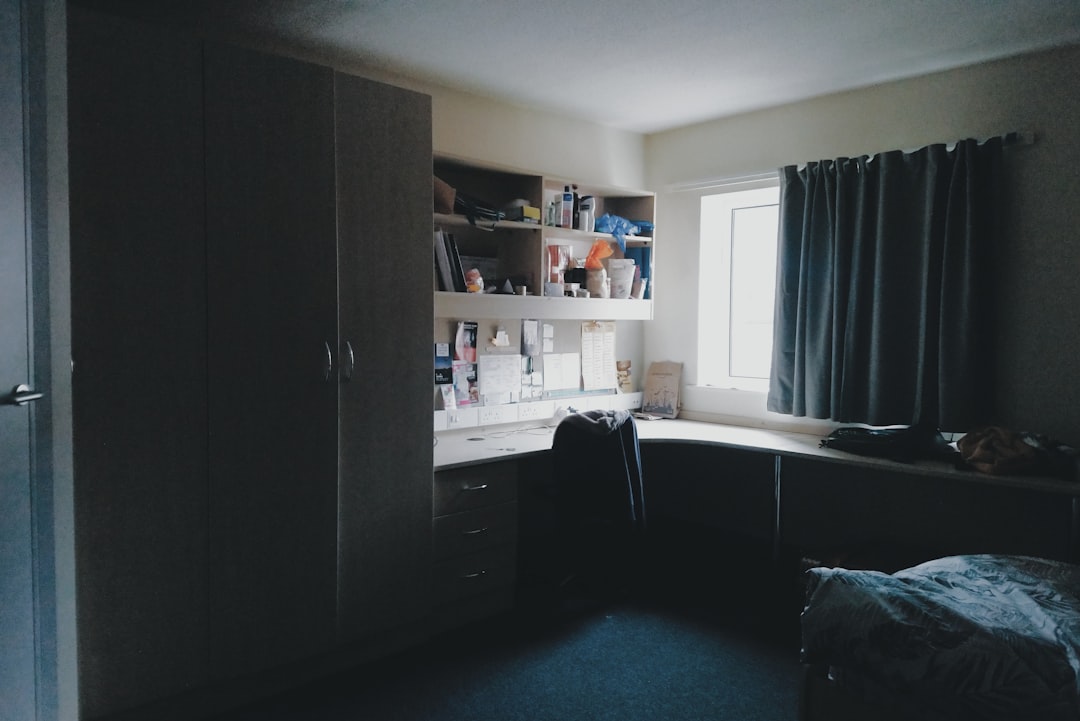
A bedroom that suddenly becomes immaculately organized by a teenager who previously showed no interest in cleanliness is a behavioral shift worth examining carefully. The motivation behind the newfound order is frequently the management of a specific zone or container that must remain undisturbed and unexamined by others. Excessive tidiness creates a social contract in which a parent entering the room feels reluctant to open drawers or move objects because doing so seems to violate the visible order. The cleanliness is not a reflection of personal development but rather a strategic environmental design. Teenagers who maintain this kind of selective neatness often become visibly uncomfortable when a parent casually moves or repositions an item.
Locked Boxes
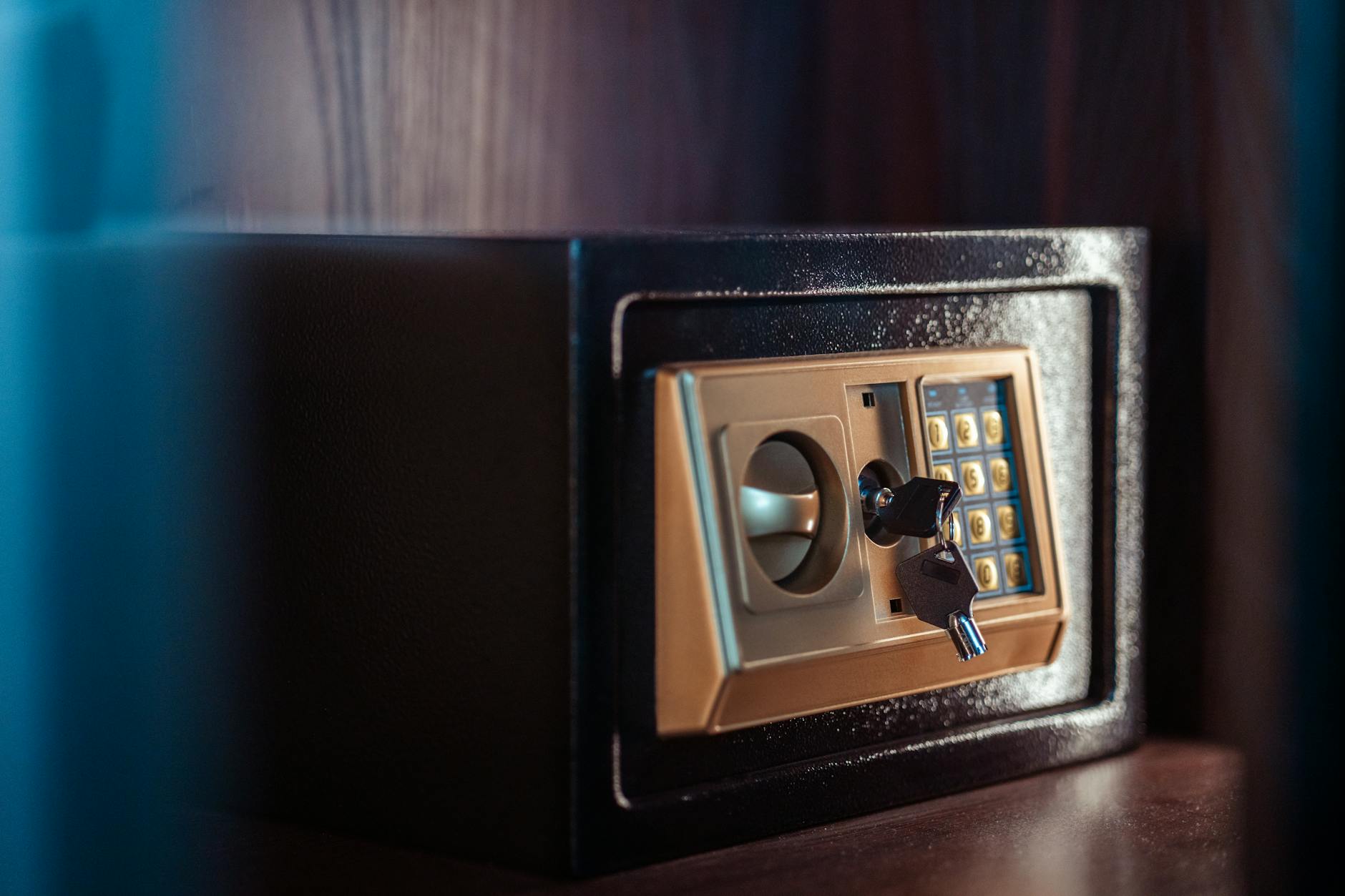
The appearance of a combination lock or padlock on a box, drawer, or container that previously had no security mechanism is a direct and concrete signal. Personal lock boxes are widely marketed to teenagers as privacy tools and are frequently purchased precisely for concealment purposes. A teenager who becomes agitated or dismissive when the locked container is mentioned is displaying protective behavior around its contents. The presence of the lock itself is less informative than the emotional response generated by any parental acknowledgment of it. Locked containers in bedrooms warrant a calm and direct conversation rather than immediate search or confiscation.
Smell Masking

An unusual concentration of air fresheners, scented candles, body spray, or incense in a teenager’s personal space is one of the most recognized signals among experienced school counselors and parents. The layering of multiple fragrance sources in a single small room creates an olfactory environment that is disproportionate to any legitimate aesthetic preference. Teenagers managing odor-producing contraband develop a habitual and automatic response to any scent that might escape their controlled environment. The purchase of odor-eliminating products specifically designed for this purpose is now sufficiently mainstream that these items appear in general retail environments. A room that smells aggressively of multiple competing fragrances deserves the same attention as one that smells of something specific and identifiable.
Backpack Guardianship

A teenager who carries their backpack into every room of the house including bathrooms, keeps it physically close at all times, and reacts with strong resistance to any request to leave it unattended is displaying guardianship behavior. Backpacks serve as the primary transit zone for contraband moving between social environments and the home. The same teenager who previously dropped their bag at the door and forgot about it entirely now treats it as an extension of their person. Resistance to the routine parental request to unpack or check the bag escalates noticeably compared to previous baseline behavior. The intensity of the protective response is typically proportional to the significance of what the bag contains.
Altered Containers
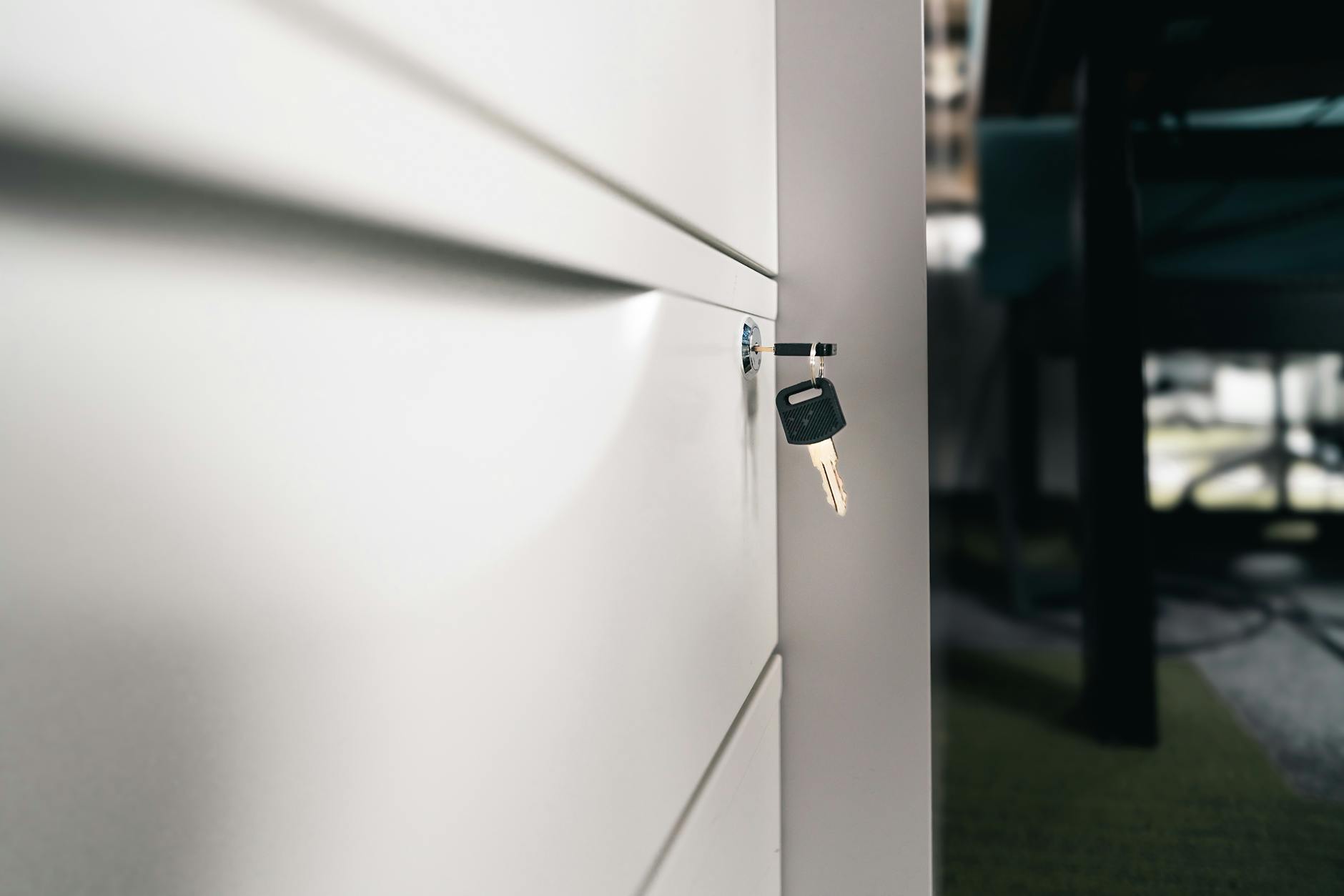
Commercially produced diversion safes designed to look like everyday household products including deodorant sticks, food cans, books, and electrical outlets are widely available and heavily marketed toward teenagers through social media platforms. A parent who notices a product that appears sealed or unused despite being present in the space for an extended period may be encountering one of these containers. Items that feel unusually light or heavy for their apparent contents are worth a second examination. The placement of these objects is typically deliberate and positioned to blend with legitimately used items of the same category. Awareness of what ordinary products look like and feel like in their genuine form is the most effective counter to this method.
Clothing Concealment

Specific items of clothing worn in layers regardless of temperature or kept bundled in ways that resist normal handling are sometimes used as temporary concealment methods. A jacket worn indoors that a teenager declines to remove or a hoodie kept folded in a specific configuration and never casually tossed aside may be functioning as more than apparel. Clothing pockets sewn shut or modified to create internal compartments are a reported concealment method among older teenagers. The pattern to observe is not any single garment but rather a consistent and defensive relationship with specific pieces of clothing. Teenagers using clothing for concealment often become tense when a parent handles or moves the relevant item casually.
Window Behavior

A persistent habit of opening a bedroom window regardless of outdoor temperature and particularly late at night or immediately after arriving home points toward odor or substance management. The window may also serve as a discreet access point for items passed from outside or as a disposal route for evidence. Teenagers who ventilate their rooms immediately and consistently upon entry are following a behavioral routine that has become automatic through repetition. The behavior is most telling when it occurs in cold weather or when the teenager appears to have no other plausible reason for wanting ventilation. Combined with other signals on this list the window pattern becomes a meaningful data point.
Hollowed Objects

Books with hollowed interiors, stuffed animals with accessible cavities, and electronics with removable backs are classic and still widely used concealment locations precisely because they blend with the ordinary landscape of a teenager’s room. A book that is never read but maintains a permanent and fixed position on a shelf warrants the kind of casual attention a parent can exercise without drama. Electronic items that have been opened and reassembled imperfectly often show subtle signs of handling around seams and screws. Stuffed animals kept beyond the age at which they would typically be displayed may be retained specifically for their concealment value. These objects rely entirely on their ordinariness to function as hiding places.
Phone Anxiety
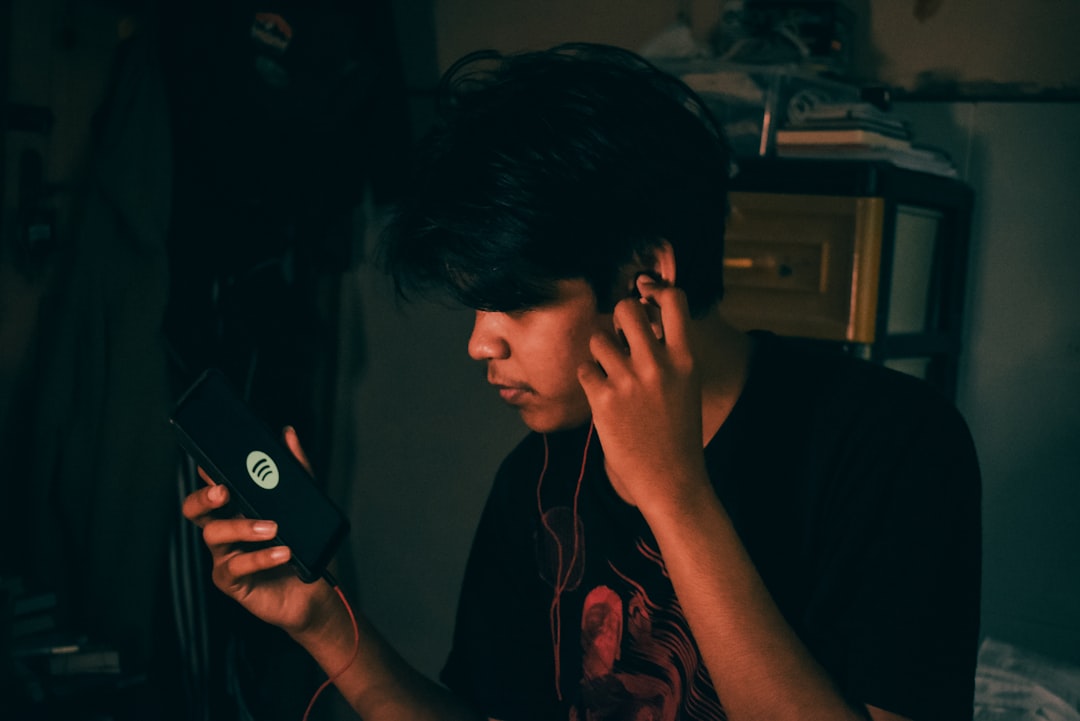
A level of anxiety around phone access that exceeds the normal teenage preference for privacy suggests the device is being used to manage communications related to concealed activity. Teenagers using phones to coordinate acquisition, arrange meetups, or document prohibited activities become acutely uncomfortable when a phone is picked up by someone else even briefly. The anxiety is distinct from standard privacy preferences in its intensity and in the physical responses it produces including reaching for the phone immediately and becoming verbally insistent. Specific apps used for concealment including those disguised as calculators or utility tools are widely documented and discussed openly in parenting resources. The behavior around the phone is frequently more telling than any content that might be found on it.
Schedule Changes
Unexplained alterations to a teenager’s typical weekly schedule including new and vaguely described commitments, extended absences, and a reluctance to provide specific information about whereabouts are behavioral signals with multiple possible explanations. When schedule changes coincide with other items on this list they become more specifically relevant to the question of concealment and acquisition. A teenager who previously shared routine information freely and now treats questions about their plans as intrusive is managing information as a protective strategy. The specific pattern to note is not the desire for independence which is developmentally normal but rather the substitution of vague deflection for previously comfortable transparency. Changes that cluster around particular days or times of day are worth gentle and consistent follow-up.
Cash Handling

The appearance of unexplained cash in small denominations that a teenager cannot account for through legitimate sources points toward undisclosed financial activity. Teenagers involved in contraband transactions frequently operate in cash specifically because it leaves no digital record accessible to parents reviewing shared accounts or statements. Conversely a teenager who consistently needs cash in amounts that seem disproportionate to their stated activities may be making regular purchases they prefer to keep off any visible financial record. The denomination of the cash is sometimes informative as specific transaction values recur predictably in certain contraband markets. A pattern of unexplained cash flow in either direction is worth addressing directly in conversation.
New Social Contacts

The appearance of new friends or contacts who are significantly older, unknown to any family member, and resistant to any form of parental introduction represents a social pattern associated with access to contraband. Teenagers do not typically conceal the existence of friends they feel comfortable about and actively avoid parental contact with individuals connected to activities they know would be disapproved of. The resistance to introduction is itself the signal rather than anything specific about the individuals concerned. A teenager who previously brought friends home or at least identified them by name and context now refers to companions only in vague terms or avoids the topic entirely. The social opacity that develops around new contacts in this pattern is distinct from ordinary teenage social independence.
Food Masking

Strong-smelling foods consumed or kept in a bedroom in quantities or patterns that seem inconsistent with genuine appetite can function as deliberate odor management tools. Specific foods documented for this purpose in online teenager communities include certain flavored chips, coffee grounds kept in open containers, and strongly scented herbs and spices used in cooking. A parent who notices these items in a bedroom context where food is not normally kept should consider their purpose alongside other behavioral signals. The use of food for odor masking is particularly common in households where scented products would attract more immediate attention. This method relies on the social plausibility of food consumption to avoid scrutiny.
Bathroom Timing
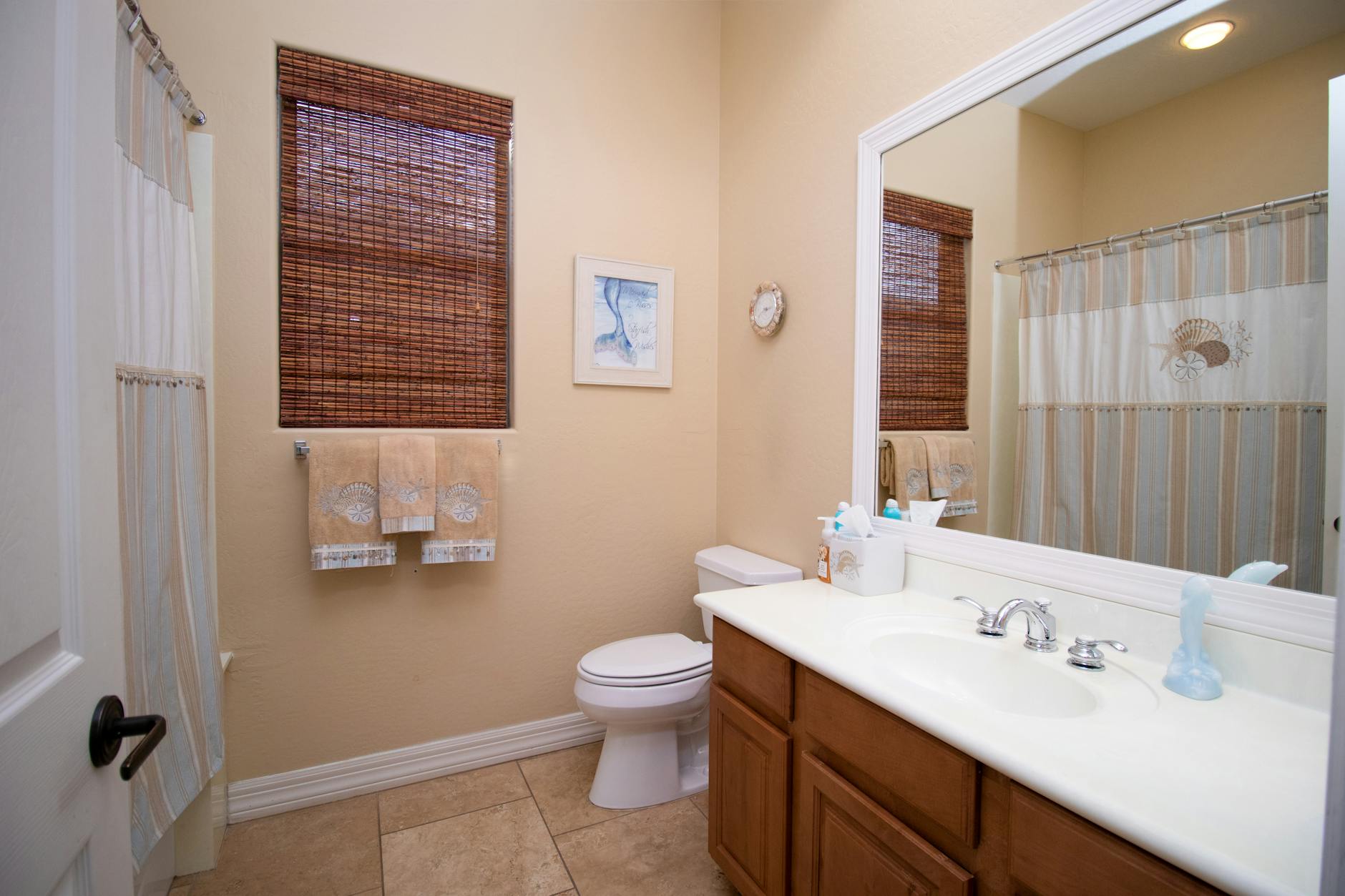
Extended and frequent bathroom use immediately after arriving home or at specific times that follow a consistent pattern is a behavioral routine associated with concealment management. The bathroom provides a private and lockable space that is socially accessible without explanation and where items can be quickly examined, used, or relocated. A teenager who did not previously spend significant time in the bathroom and now treats it as a regular destination upon arriving home has developed a new behavioral routine for a reason. The timing relative to arrival is particularly relevant as it suggests an urgency that precedes any other activity. Combined with other signals this pattern is worth noting without immediate confrontation.
Modified Furniture

Furniture that has been moved from its original position, shows signs of recent adjustment at its base or back, or has new damage to areas not typically handled points toward use as a concealment location. The undersides of drawers, the backs of furniture pushed against walls, and spaces beneath mattress support frames are documented and commonly discussed concealment locations. A teenager who is protective about a parent moving or cleaning behind specific pieces of furniture is displaying spatial guardianship. The presence of adhesive residue, disturbed dust patterns, or small marks on furniture surfaces can indicate that an area is accessed with a frequency inconsistent with its apparent purpose. These physical traces are subtle but consistent when a location is used regularly.
Unusual Purchases

Items appearing in a teenager’s possession that cannot be explained by known gift-giving occasions or their documented spending money introduce a financial and behavioral question worth exploring. Online purchasing using prepaid cards or digital payment methods has made undetected acquisition significantly easier for teenagers than in previous generations. Packaging materials discovered in household recycling that do not correspond to any acknowledged purchase are a physical trace of this activity. The items themselves may appear innocuous but their unexplained provenance is the relevant signal. A teenager who provides elaborate and specific explanations for the origin of new items without being asked may be deploying a prepared narrative.
Behavioral Timing

Moods, energy levels, and social behavior that fluctuate on a predictable schedule without any acknowledged cause can reflect the influence of consumed substances rather than emotional or developmental factors alone. The specific pattern most relevant to parental observation is a noticeable shift in disposition at consistent times that correlate with opportunities for private activity. A teenager who is reliably altered in mood or energy after specific periods of solitude, particular social outings, or certain times of day is displaying a behavioral rhythm worth understanding. This signal requires a baseline understanding of a teenager’s ordinary disposition to interpret accurately. Changes are more meaningful when assessed against a known and well-observed normal range of behavior.
Charging Anomalies

Electronic devices kept on charge in locations other than where a teenager normally charges them including unusual outlets in less visible areas of the home may be functioning as storage or concealment points. Charger bricks and cable assemblies can be modified to include small internal storage spaces and these products are commercially available through online retail channels. A teenager who is territorial about a specific charging location or becomes uncomfortable when a parent unplugs or moves their charger is displaying protective behavior around that space. The behavior is most significant when the charging location itself is in an area of the home with lower parental foot traffic. Charging habits that suddenly shift from visible shared areas to private and less observed locations are worth gentle attention.
Coded Language

The consistent use of specific phrases, abbreviations, or references in text conversations or spoken communication with peers that shift meaning when a parent is present is a social concealment technique rather than a physical one. Teenagers develop and share coded language through peer networks and online communities faster than most parental monitoring systems can track. The specific terminology is less important than the behavioral shift that occurs when a teenager realizes a parent is within earshot of a conversation involving these terms. A vocabulary that is used freely in private but modified or abandoned in parental presence suggests that the language carries information the teenager actively manages. Parents who engage genuinely with teenage social culture are better positioned to recognize when language is functioning as a concealment tool.
Visitor Patterns

Friends who arrive at the home with little advance notice, conduct very brief visits, and leave without meaningful social interaction are exhibiting a pattern consistent with exchange rather than socialization. The visit that lasts under ten minutes, involves a teenager stepping outside rather than inviting the visitor in, and is followed by a change in the teenager’s behavior or access to new items is a recognizable sequence. Teenagers facilitating transactions with peers use the social cover of a friendly visit to explain physical proximity and brief interaction. The frequency and brevity of these visits combined with the teenager’s behavior before and after them is the relevant pattern. Parents who observe this cycle repeatedly across different visitors are seeing a system rather than isolated social events.
Defensive Reactions

A response of disproportionate anger, extended sulking, or accusation-making when a parent asks a routine and non-accusatory question about activities or whereabouts is a protective behavioral reflex rather than a typical expression of teenage irritability. The intensity of the reaction is calibrated by the teenager’s internal threat assessment and tends to be strongest around topics most directly related to what is being concealed. A teenager who becomes loudly offended by a neutral inquiry has learned that escalating the emotional temperature of an exchange reduces the duration and depth of parental questioning. This strategy is effective precisely because parents often back away from conversations that feel like escalating conflict. The disproportion between the question asked and the reaction produced is itself the informative signal.
Sleep Pattern Shifts

A teenager who begins sleeping at markedly unusual hours including staying awake through the night and sleeping through the morning without any change in school schedule or acknowledged reason is displaying a behavioral shift that warrants gentle inquiry. Specific substances alter sleep architecture in ways that produce predictable and observable changes in sleep timing and quality. Late night activity conducted when other household members are asleep also provides a window of privacy that is practically useful for concealment management and communication. The sleep pattern itself is not diagnostic of any specific activity but represents a meaningful departure from established baseline behavior. Combined with other signals in this list a persistent and unexplained shift in sleep timing becomes more specifically relevant.
Territoriality

A sudden and intense increase in the enforcement of personal space boundaries within the home including strong objections to a parent entering a bedroom without extended advance notice represents a behavioral shift worth contextualizing carefully. While developing a desire for privacy is a healthy and expected part of adolescent development the specific quality of contraband-related territoriality is its urgency and its consistency across all circumstances regardless of what is happening in the room. A teenager engaged in ordinary private activity will typically relax this enforcement when the room is in a neutral state whereas concealment-related territoriality applies uniformly because the hidden items are always present. The shift from a household in which a parent’s entry was unremarkable to one in which it produces significant distress is the specific change to observe. The boundary itself is not the problem but the sudden intensity of its enforcement relative to the teenager’s previous baseline behavior provides meaningful context.
If any of these patterns feel familiar in your experience as a parent share your observations and strategies in the comments.