
The kitchen is where the most consequential decisions about digestive health get made, yet most of those decisions happen on autopilot shaped by habit, convenience, and assumptions absorbed from food packaging and popular culture. Chronic low-grade gut inflammation rarely announces itself dramatically and its origins are almost never traced back to the kitchen behaviors that sustain it daily. The cumulative effect of small repeated errors in food preparation, storage, cooking technique, and ingredient selection quietly degrades the intestinal environment over months and years before symptoms become impossible to ignore. Recognizing these patterns in a familiar kitchen is the first step toward changing the biological outcome they produce.
Reheated Cooking Oils
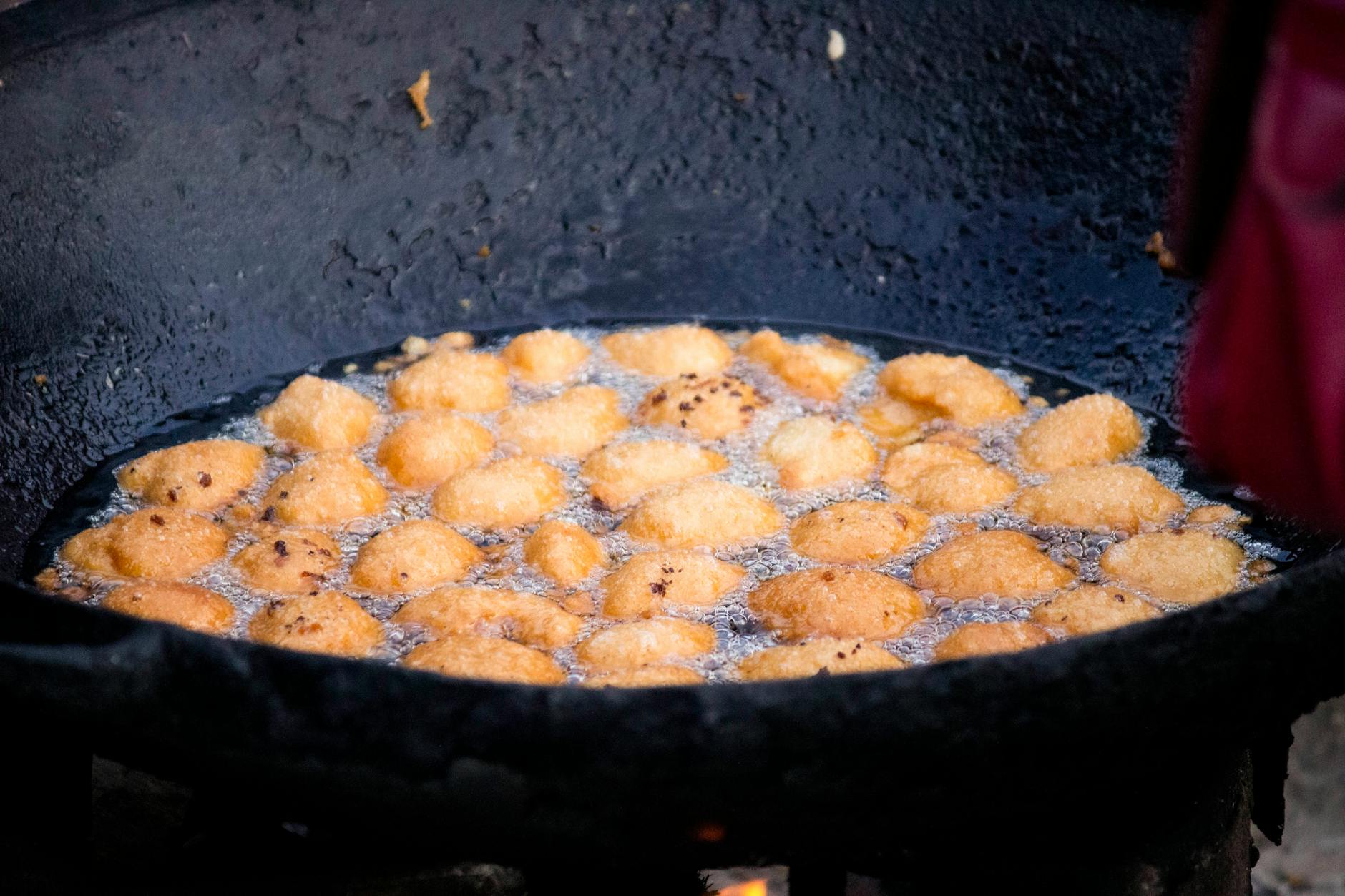
Cooking oils subjected to high heat undergo a cascade of chemical changes that produce oxidized lipids, aldehydes, and free radical compounds that are pro-inflammatory at the cellular level. The practice of leaving used cooking oil in a pan and reheating it for the next meal compounds these chemical changes with each additional heat cycle, producing a progressively more degraded fat with each use. Oils with low smoke points including olive oil and butter are particularly vulnerable to oxidative damage at cooking temperatures that many home cooks routinely use them at. Discarding used cooking oil after each meal and starting each session with fresh oil applied to a clean pan is a simple practice with meaningful implications for the inflammatory load of every meal prepared.
Plastic Cutting Boards
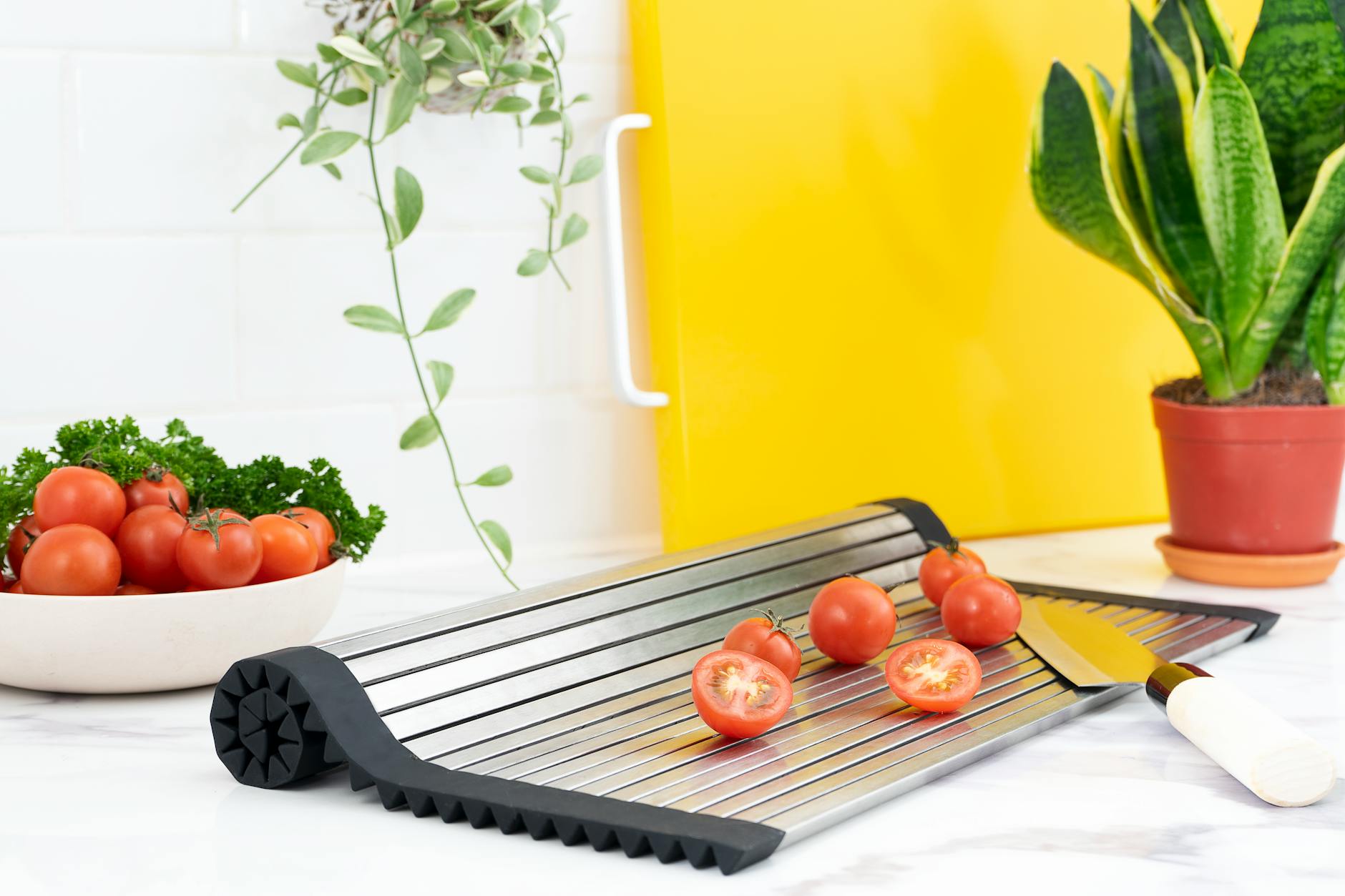
Standard plastic cutting boards develop knife score marks with regular use that harbor bacterial communities in grooves that routine washing cannot adequately penetrate or sterilize. The bacteria that colonize cutting board grooves include species capable of producing lipopolysaccharide compounds that are potent triggers of intestinal inflammation when ingested in sufficient quantities. Plastic boards are also a documented source of microplastic contamination introduced directly into food during cutting, with research indicating that a single cutting session on a scored plastic board can introduce measurable quantities of plastic particles into food. Hardwood cutting boards with naturally antimicrobial grain structure and no deep score grooves present a meaningfully lower contamination risk than plastic alternatives in regular home use.
Seed Oil Dominance
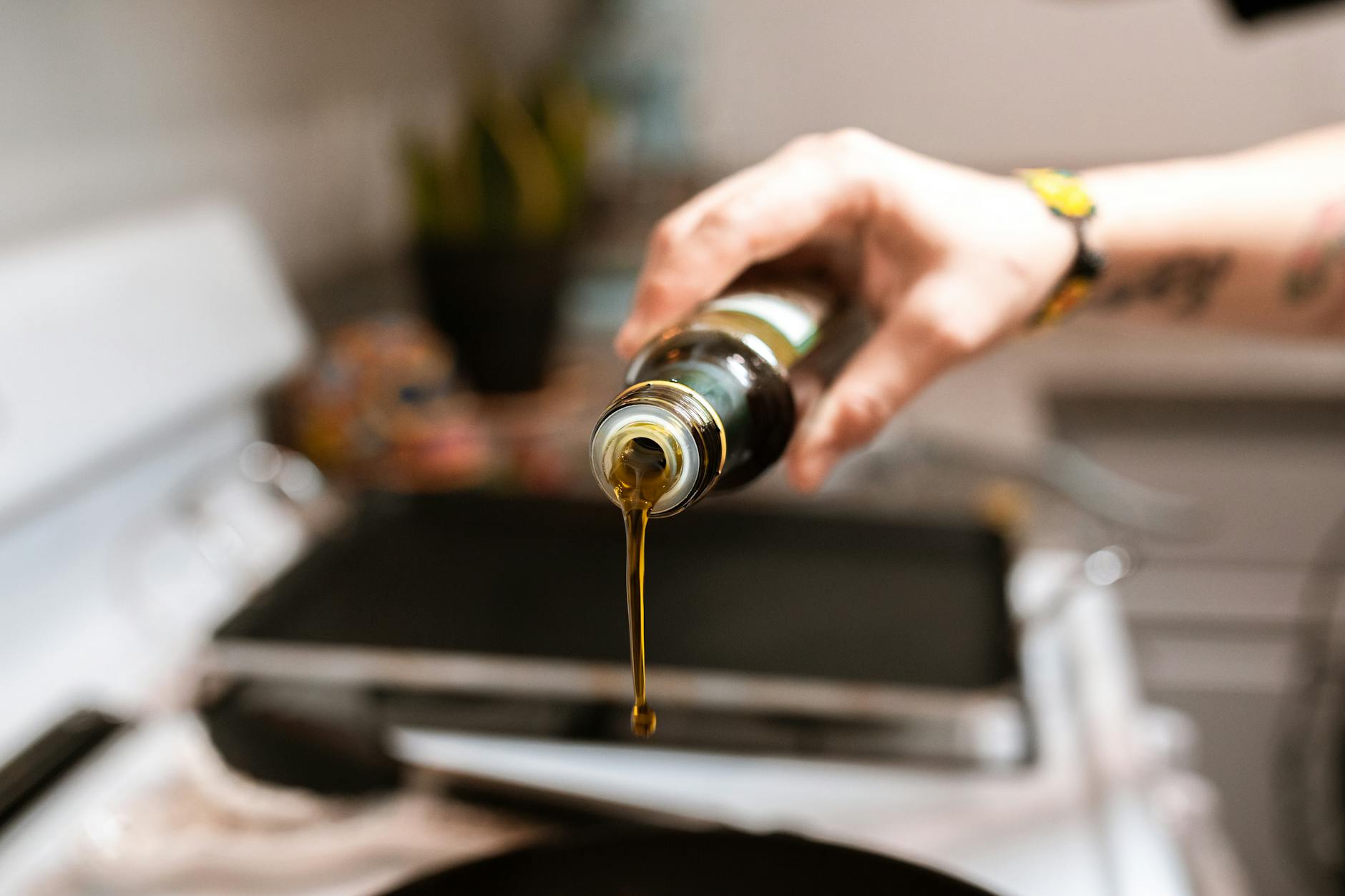
The displacement of traditional cooking fats by industrially processed seed oils including soybean, corn, cottonseed, and sunflower oil across the past several decades has dramatically altered the ratio of omega-6 to omega-3 fatty acids in the average diet in ways that nutritional research consistently associates with elevated inflammatory markers. These oils are extracted using high heat and chemical solvent processes that produce oxidized compounds before the oil ever reaches a kitchen. Their very high omega-6 fatty acid content competes with anti-inflammatory omega-3 pathways at the enzymatic level, shifting the body’s baseline inflammatory tone in a pro-inflammatory direction with consistent daily consumption. Replacing seed oil dominance in cooking with fats including butter, ghee, coconut oil, and genuine cold-pressed olive oil materially alters the fatty acid environment the gut is managing every day.
Unwashed Produce
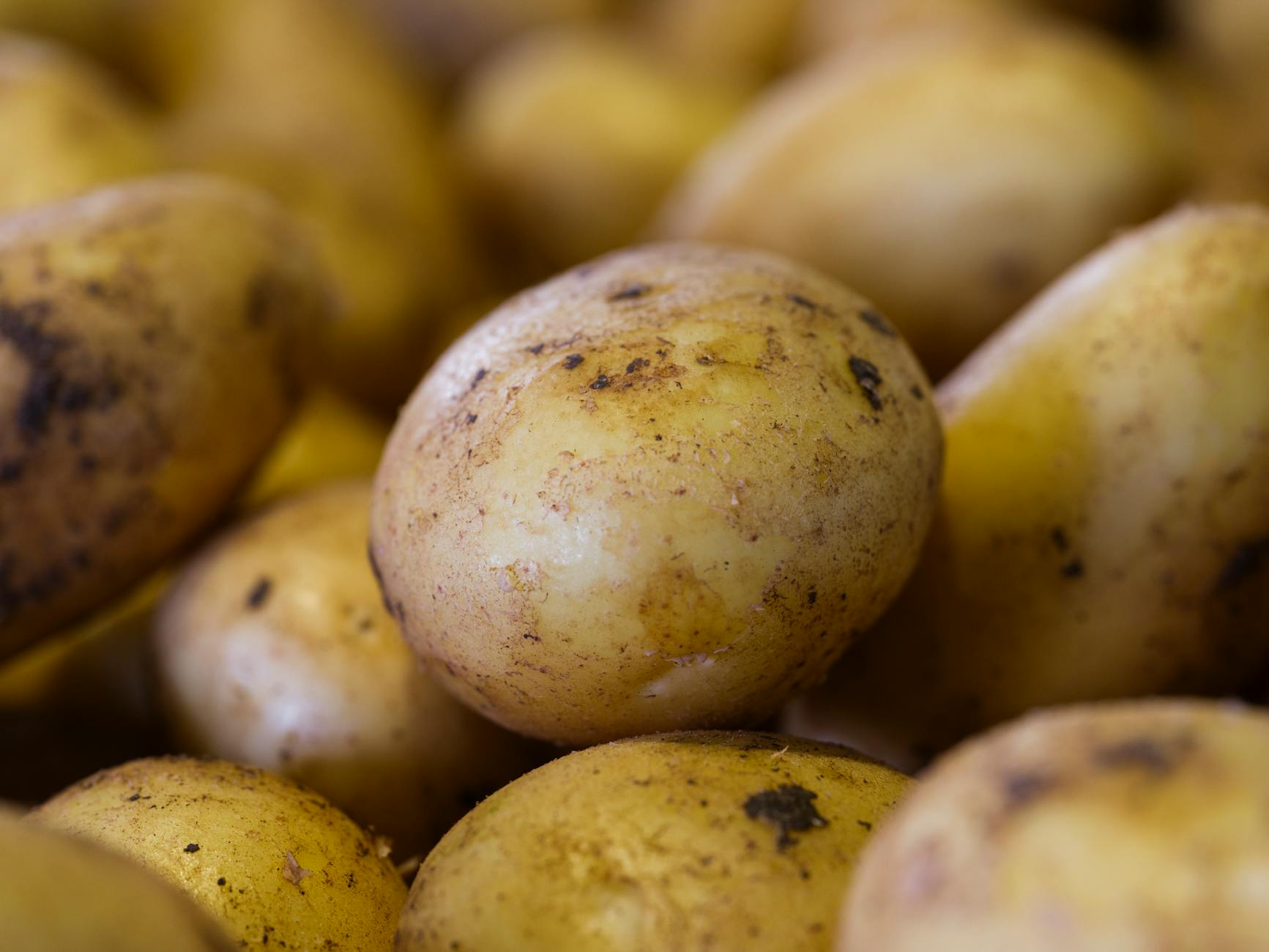
Pesticide residues on conventionally grown produce represent a chronic low-level chemical exposure that accumulates across repeated daily meals when washing is inadequate or skipped entirely. Several pesticide compounds used in conventional agriculture have documented effects on gut microbiome composition, specifically reducing populations of beneficial bacterial species while creating conditions more favorable to inflammatory microbial communities. Washing produce under running water while scrubbing with a brush removes a meaningful proportion of surface residues but does not eliminate systemic pesticides absorbed into the plant tissue during growth. Understanding which produce items carry the highest residue loads and prioritizing organic sourcing or thorough washing for those specific items is a practical risk reduction approach.
Non-Stick Cookware
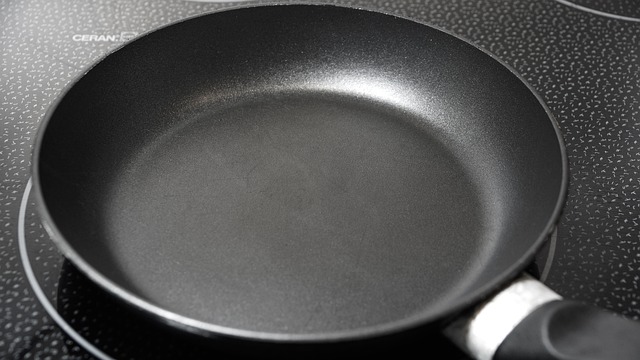
Polytetrafluoroethylene coatings on non-stick cookware begin degrading at temperatures that everyday stovetop cooking routinely reaches, releasing particulate and gaseous compounds into the cooking environment and directly into food. Scratched or damaged non-stick surfaces accelerate this degradation dramatically, introducing coating particles into food at levels measurable in laboratory analysis. The per-meal exposure from a single scratched non-stick pan may appear small but the cumulative effect of daily cooking on degraded surfaces over years represents a sustained chemical exposure with implications for the intestinal epithelial environment. Stainless steel, cast iron, carbon steel, and enameled cast iron present no equivalent degradation risk and improve in performance with appropriate seasoning and maintenance.
Gluten Overconsumption
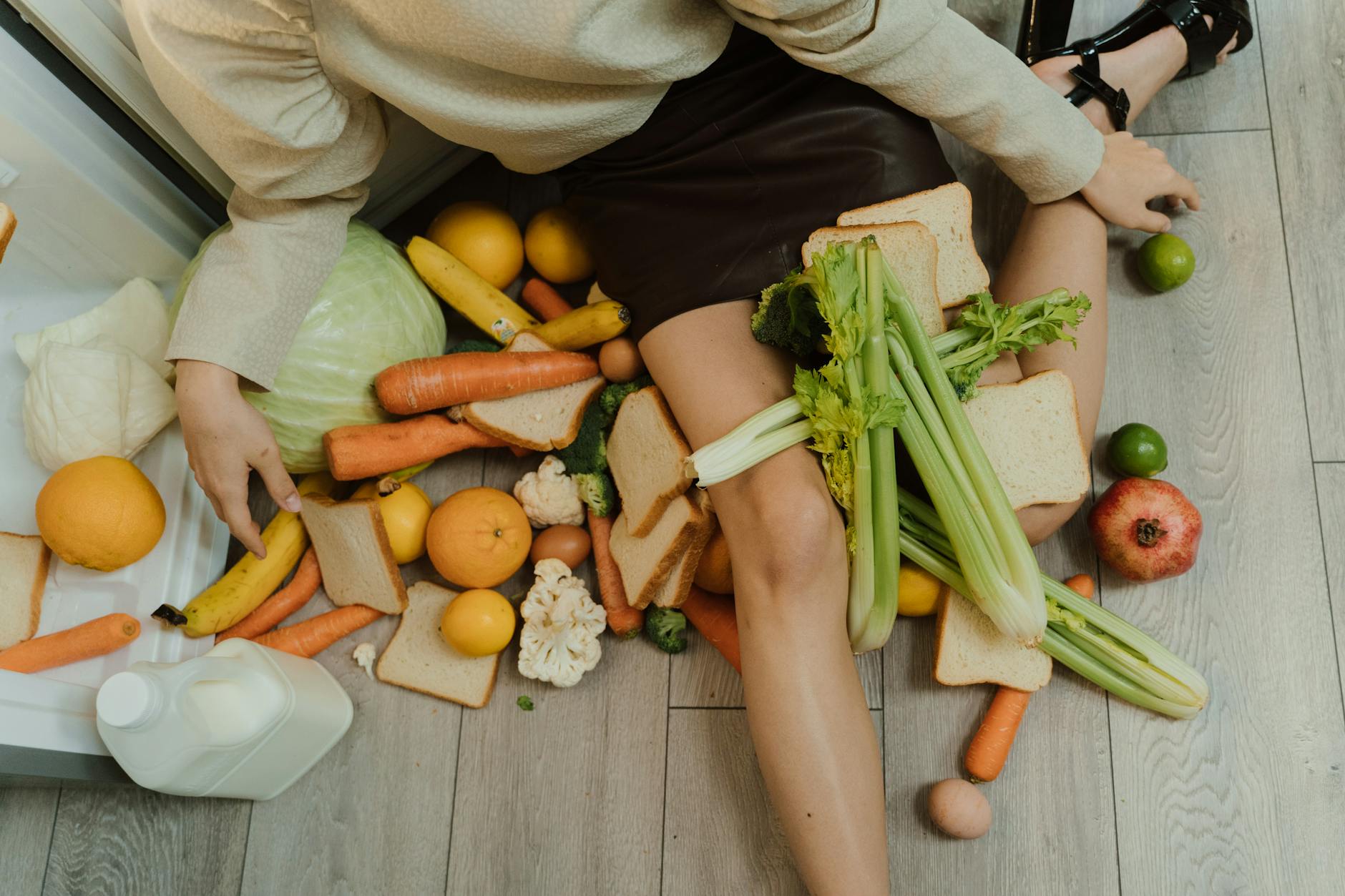
The quantity of gluten-containing foods in a typical daily eating pattern has expanded substantially beyond historical norms through the proliferation of ultra-processed products that use wheat as a primary structural ingredient across breakfast, lunch, dinner, and snack categories simultaneously. Research distinguishing celiac disease from non-celiac gluten sensitivity has identified a mechanism by which gliadin proteins in gluten trigger the release of zonulin, a protein that regulates intestinal permeability, in a significant proportion of the population without celiac diagnosis. Elevated intestinal permeability allows partially digested food particles and bacterial compounds to cross the epithelial barrier and interact with the immune system in ways that sustain chronic inflammatory activation. Reducing the total daily gluten load rather than eliminating it entirely is a meaningful intervention that does not require a formal diagnosis to be worth exploring.
Refrigerator Cross Contamination

Raw animal proteins stored above ready-to-eat foods in a refrigerator allow drip contamination to introduce pathogenic bacteria directly onto food that will not be cooked before consumption. The intestinal immune response to pathogenic bacterial exposure, even at sub-symptomatic levels that do not produce acute illness, activates inflammatory pathways that contribute to baseline gut inflammation when the exposure is repeated regularly. Consistent refrigerator organization placing raw proteins on the lowest shelf in sealed containers below all other food categories is a contamination control practice that most households maintain inconsistently. The sub-clinical inflammatory toll of repeated low-level pathogen exposure through cross contamination accumulates without ever producing an event dramatic enough to identify as a food safety incident.
Tap Water Cooking

Municipal tap water contains chlorine and chloramine compounds added as disinfectants that are effective at reducing pathogenic bacterial populations in water distribution systems but have documented inhibitory effects on beneficial gut bacterial populations when consumed regularly. Cooking grains, legumes, and vegetables in chlorinated tap water distributes these compounds into the food matrix where they are consumed along with the meal without any of the volatilization that occurs when tap water is simply left to stand. Filtered water using a carbon block or reverse osmosis system removes chlorine and chloramine compounds before they enter the cooking process. The gut microbiome impact of daily chlorine exposure through cooking water is an underappreciated variable in the dietary environment that the gut bacteria must manage.
Emulsifier-Heavy Products

Emulsifiers including carboxymethylcellulose, polysorbate-80, and carrageenan are added to processed foods to maintain texture and extend shelf life, and their prevalence across condiments, dairy alternatives, salad dressings, ice cream, and plant-based products means that their daily cumulative consumption in a typical kitchen is substantial. Peer-reviewed research in animal models and emerging human studies has demonstrated that common food emulsifiers disrupt the protective mucus layer lining the intestinal epithelium and alter gut microbiome composition in ways that increase intestinal permeability and inflammatory signaling. The doses used in these studies are consistent with realistic daily intake from consuming multiple emulsifier-containing products across a day’s eating. Reading ingredient labels and reducing the number of emulsifier-containing products in daily rotation is a practical step that reduces this specific inflammatory input.
High-Heat Meat Cooking

Cooking muscle proteins at very high temperatures using methods including charring, grilling over open flame, and extended high-temperature pan searing produces heterocyclic amines and polycyclic aromatic hydrocarbons in the browned and charred surfaces of the cooked meat. These compounds have documented pro-inflammatory and genotoxic properties and their formation is directly proportional to the temperature and duration of cooking beyond the point of adequate food safety. The charred crust that many cooking traditions prize as a flavor component is also the highest concentration point for these compounds on the cooked surface. Cooking muscle proteins to safe internal temperatures using lower ambient heat with shorter cooking durations produces substantially lower quantities of these compounds than high-temperature char-forward cooking methods.
Legume Under-Preparation
Dried legumes including beans and lentils contain lectin proteins in their raw state that are potent gut irritants capable of binding to the intestinal epithelial lining and disrupting normal cellular function. Adequate soaking and complete cooking at a full boil denatures these lectins and renders them harmless, but shortcuts in preparation including insufficient soaking time, discarding too little soaking water, or cooking at temperatures below a full rolling boil leave residual lectin activity in the finished dish. Slow cookers that operate below boiling temperature are a specific documented risk for inadequate lectin deactivation in red kidney beans. Understanding that legume preparation shortcuts have biological consequences beyond texture and digestibility motivates the investment in proper soaking and high-temperature cooking.
Artificial Sweetener Use
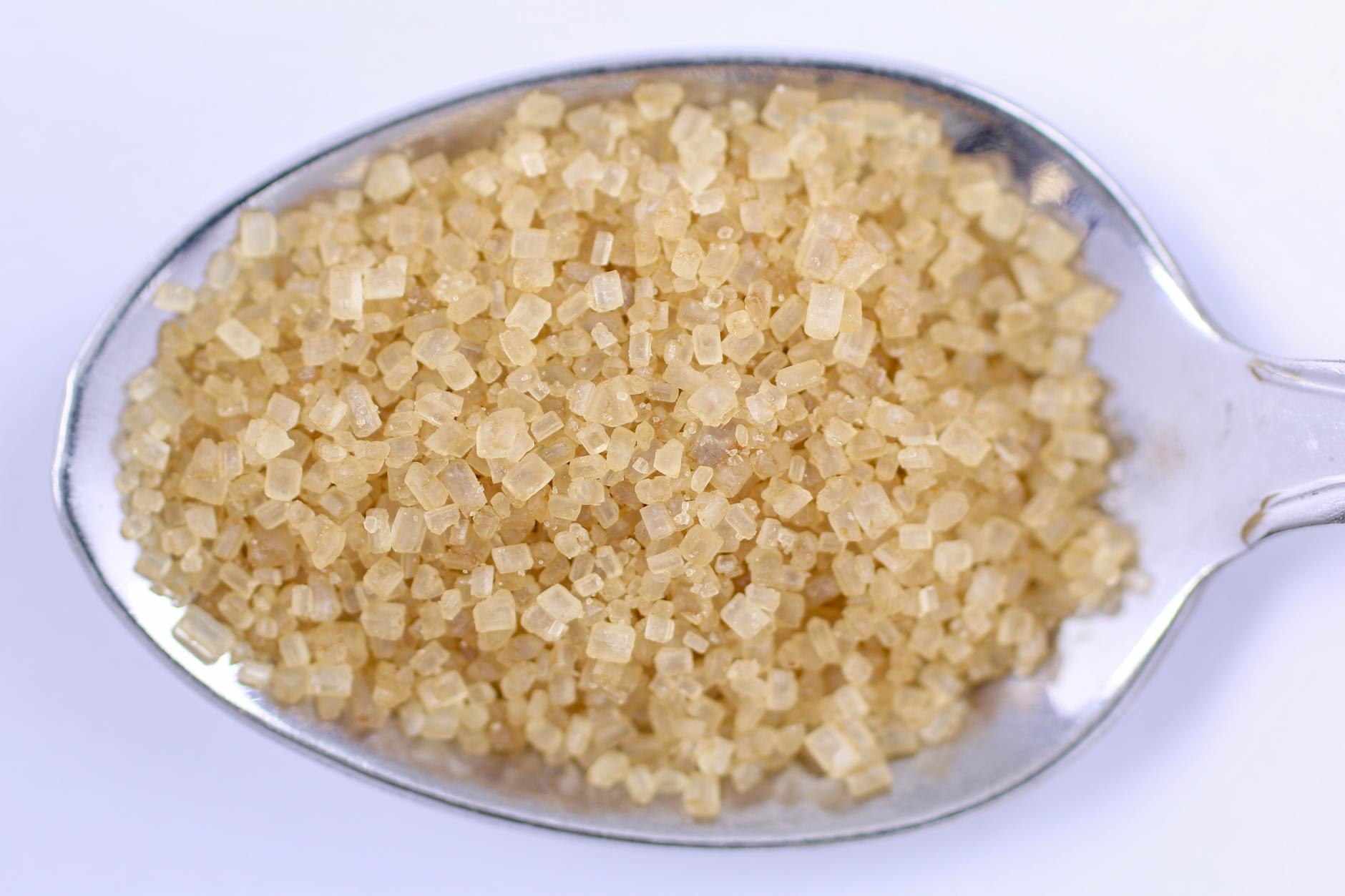
Non-caloric artificial sweeteners including sucralose, aspartame, and saccharin are present across a wide range of products marketed as healthy alternatives including diet beverages, flavored waters, protein powders, yogurts, and condiments. Research examining the gut microbiome effects of these compounds has consistently found alterations in bacterial community composition and reductions in beneficial species populations at consumption levels achievable through normal use of sweetener-containing products. Sucralose in particular has been shown to reduce populations of Lactobacillus and Bifidobacterium species that are central to maintaining intestinal barrier integrity and regulating inflammatory tone. The cumulative sweetener exposure from using multiple products across a day often substantially exceeds the amounts used in studies showing these microbiome effects.
Insufficient Fiber Variety
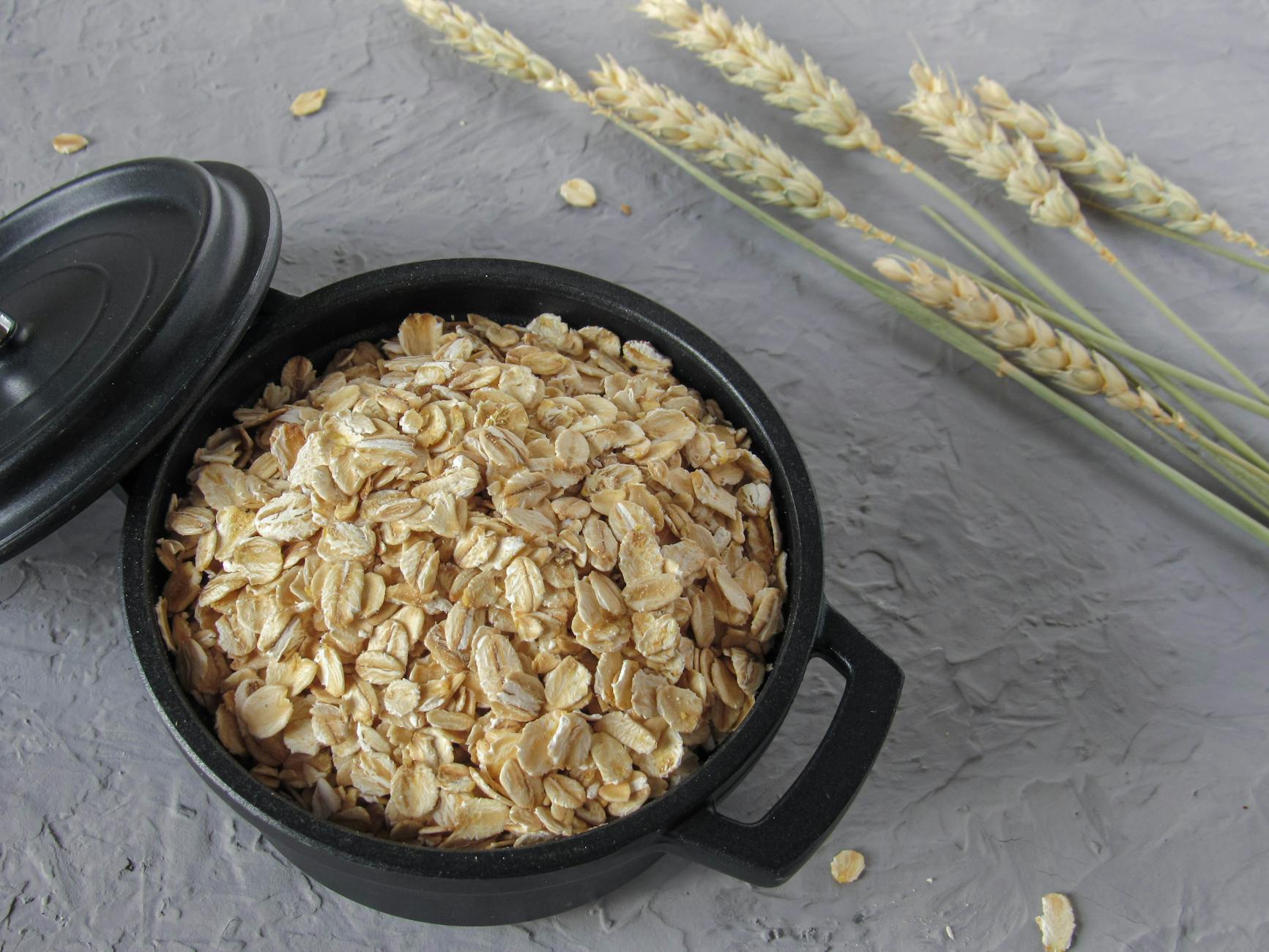
Consuming dietary fiber from a narrow range of sources feeds a correspondingly narrow subset of the gut bacterial community while leaving other species without adequate substrate, progressively reducing microbial diversity in a direction that research consistently associates with increased inflammatory susceptibility. The gut microbiome requires a diverse range of fermentable fiber types including inulin, pectin, resistant starch, arabinoxylans, and beta-glucans from varied plant sources to sustain the broad bacterial diversity that produces robust short-chain fatty acid output and maintained intestinal barrier integrity. A kitchen stocked with the same five vegetables and two fruit varieties week after week is producing a dietary pattern that feeds diversity contraction regardless of how nutritious those individual foods are. Expanding plant variety across weekly shopping and meal preparation is one of the highest-yield microbiome interventions available through dietary change alone.
Canned Food Reliance

The epoxy resin linings of metal food cans have historically been a significant source of dietary bisphenol A exposure, and while many manufacturers have transitioned to alternative linings in response to regulatory pressure, the replacement compounds including bisphenol S and bisphenol F share structural similarities with bisphenol A and emerging research suggests overlapping biological effects. Bisphenol compounds have documented endocrine disrupting properties and emerging research links them to intestinal inflammation through effects on the intestinal epithelial barrier and gut microbiome composition. The acidic and fatty foods that leach the highest concentrations of these compounds from can linings include tomatoes, tomato-based products, and fatty fish, which are among the most commonly purchased canned goods in typical households. Glass jar and Tetra Pak alternatives for the highest-risk canned product categories represent a meaningful reduction in this specific exposure route.
Fermented Food Absence
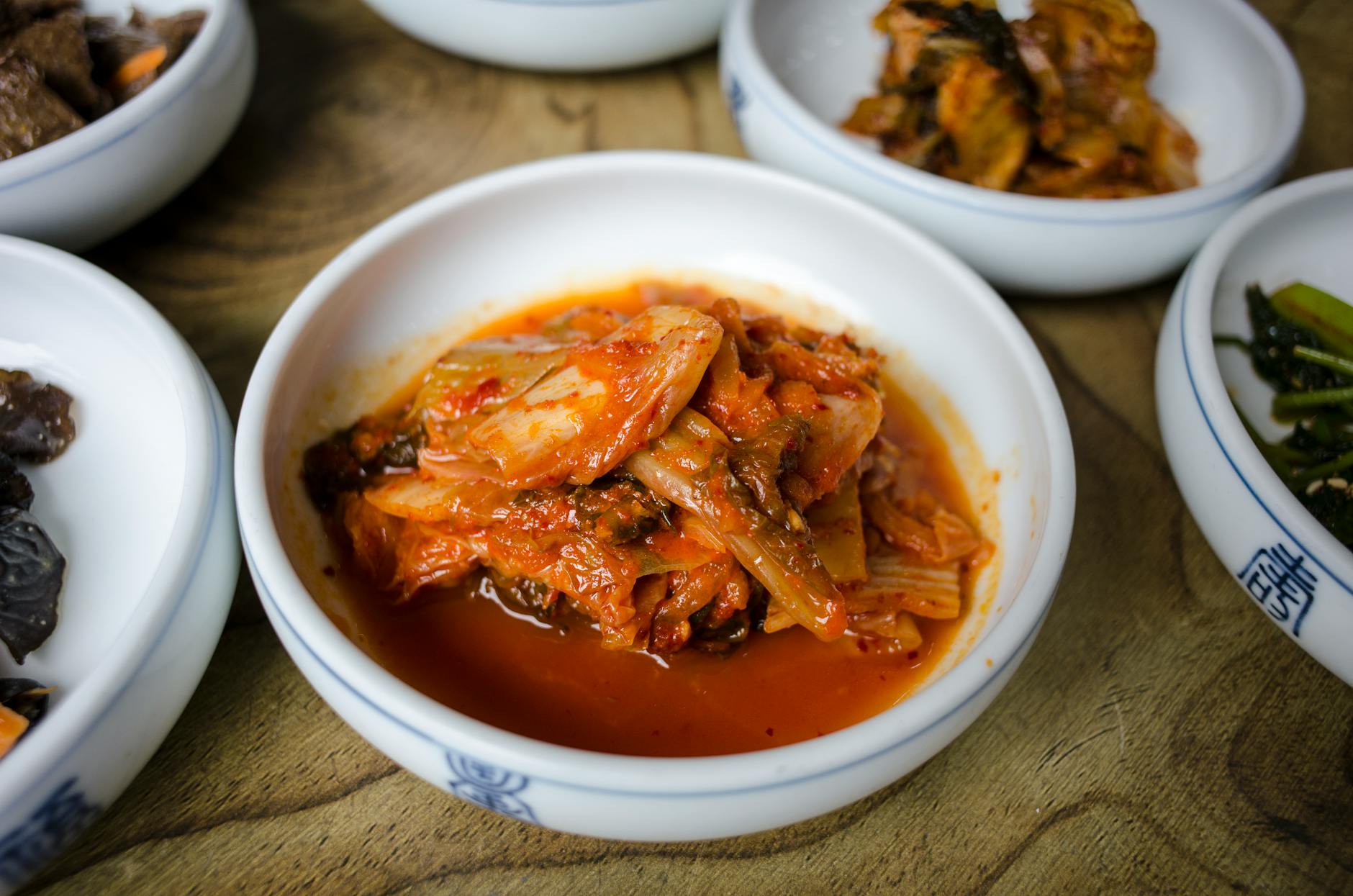
A kitchen that does not regularly include fermented foods in its weekly rotation is missing one of the most consistently supported dietary inputs for gut bacterial diversity and intestinal barrier maintenance available through ordinary food rather than supplementation. Fermented foods including genuine lacto-fermented vegetables, kefir, yogurt with live cultures, miso, and kombucha deliver live bacterial populations along with the organic acids and bioactive compounds produced during fermentation that collectively support a favorable intestinal environment. Clinical research has demonstrated that increasing fermented food consumption produces measurable increases in gut microbiome diversity and reductions in markers of inflammatory activation in healthy adults within a relatively short intervention period. Fermented foods are absent from the typical kitchen not because they are inaccessible but because the habit of including them has not been established.
Meal Timing Compression

Consuming the majority of daily caloric intake within a compressed window that begins immediately upon waking and extends to within one to two hours of sleep disrupts the circadian rhythm coordination between eating patterns and the diurnal cycling of gut microbiome activity, intestinal permeability regulation, and digestive enzyme secretion. The intestinal epithelium undergoes repair and regeneration processes during overnight fasting periods that are disrupted when food intake extends too close to sleep and resumes too quickly upon waking. Research examining the gut microbiome effects of meal timing has found that eating patterns misaligned with circadian biology produce shifts in bacterial community composition and metabolic output independent of what is eaten. Allowing a consistent overnight fasting window of twelve or more hours between the last meal and the first intake of the following day supports the intestinal maintenance cycling that eating compression interrupts.
Overcooked Vegetables
Vegetables cooked to the point of significant softening and color loss have lost a substantial portion of the prebiotic fiber structures and heat-sensitive phytochemicals that make them valuable inputs for gut bacterial communities and intestinal immune regulation. The cell wall structures of plant foods that survive light cooking provide the physical substrate that gut bacteria ferment into short-chain fatty acids including butyrate, propionate, and acetate that are the primary energy source for colonocytes and the primary chemical signal for intestinal barrier maintenance. Extended high-heat cooking collapses these structures into forms that are rapidly digested in the small intestine rather than reaching the colon where the microbiome resides. Cooking vegetables to a texture that retains some resistance preserves the fiber architecture that makes them genuinely valuable for the bacterial community downstream.
Alcohol in Cooking

Wine, beer, and spirits used as cooking ingredients contribute alcohol that does not fully volatilize during typical home cooking durations, leaving residual ethanol in the finished dish that reaches the intestinal epithelium following consumption. Ethanol at the intestinal level disrupts tight junction proteins between epithelial cells, increasing intestinal permeability through a mechanism that research has characterized in detail across both acute and chronic exposure models. The quantities of residual alcohol in wine-braised dishes, beer-based batters, and spirits-flamed preparations are modest relative to a standard drink but they act on an intestinal surface whose tight junction integrity may already be compromised by other dietary factors. The cumulative effect of regularly consuming alcohol-containing dishes alongside other permeability-increasing dietary inputs represents a combined load on intestinal barrier function that exceeds what any single input alone would suggest.
Food Dye Accumulation

Synthetic food colorings including Red 40, Yellow 5, Yellow 6, and Blue 1 are present across a wide range of packaged foods, beverages, condiments, and snacks that individually appear to contain only small amounts but collectively represent a substantial daily dye load when multiple products are consumed across a day. Research examining the gut effects of these compounds has found evidence of intestinal inflammation, disruption of the mucus layer, and alterations in gut microbiome composition at doses achievable through normal consumption of dye-containing products. The regulatory approval of these compounds was established before the current understanding of gut microbiome biology existed and the safety evaluations did not include microbiome endpoints. Reducing the number of artificially colored products in regular kitchen rotation reduces this specific inflammatory input without requiring any change in overall eating patterns.
Insufficient Cooking Fat
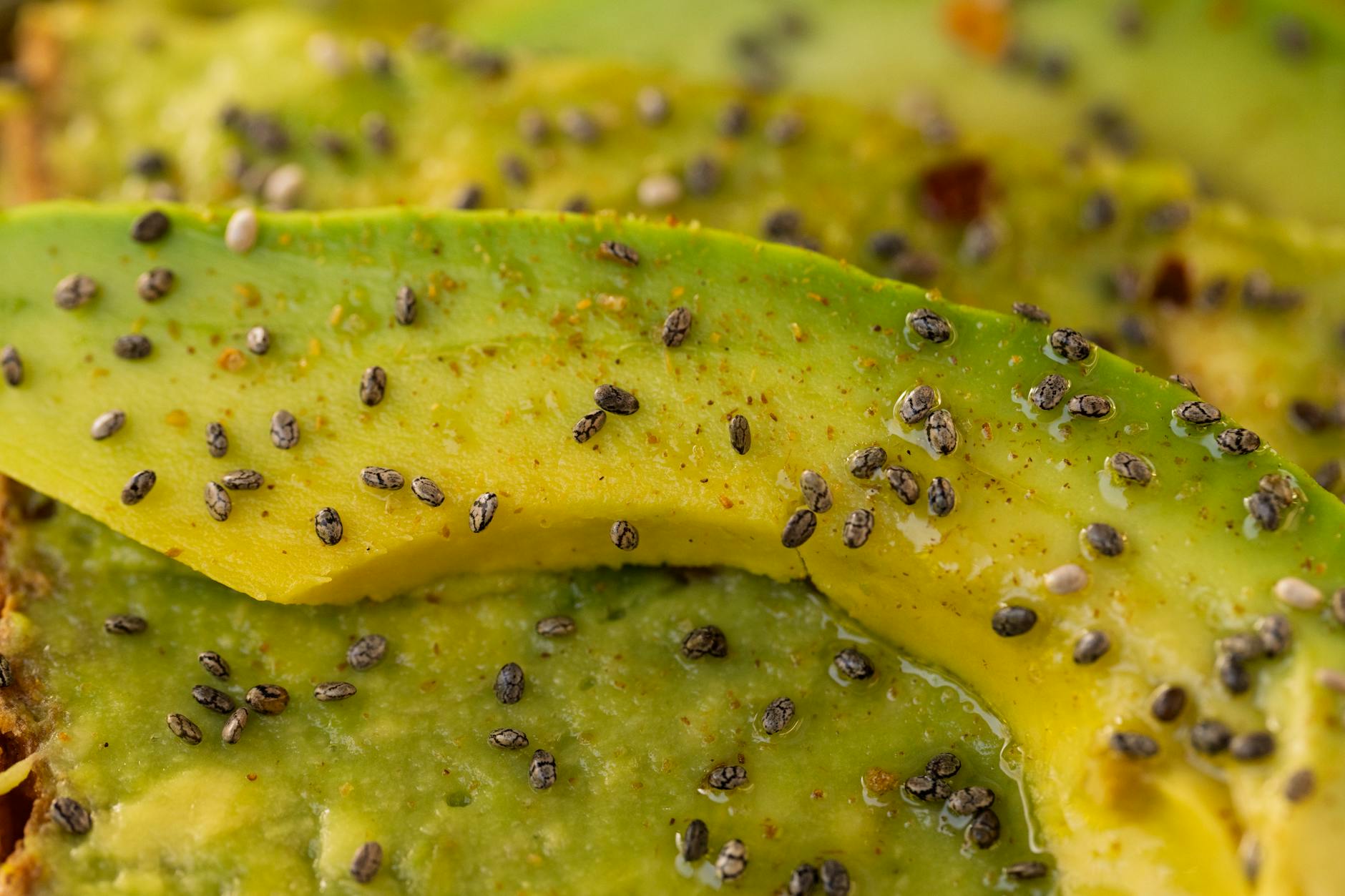
Using minimal cooking fat to reduce calorie density in meals produces dishes with inadequate fat content to support the fat-soluble nutrient absorption that makes vegetables and plant foods genuinely bioavailable rather than simply present in the diet. Vitamins A, D, E, and K and the carotenoid pigments present in colored vegetables require dietary fat present in the same meal for meaningful intestinal absorption. A salad dressed with a fat-free dressing delivers the fiber content of its vegetables but captures very little of their fat-soluble phytonutrient value. The intestinal immune system and epithelial barrier are both dependent on fat-soluble nutrients whose bioavailability is systematically reduced in low-fat cooking approaches.
Processed Meat Frequency
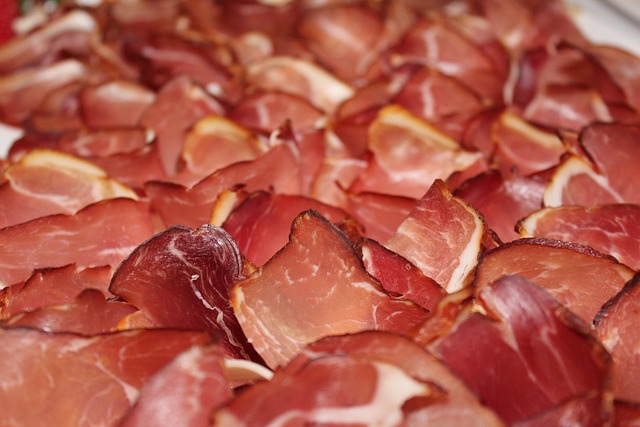
Deli meats, sausages, hot dogs, and other processed meat products contain sodium nitrite preservatives, high sodium concentrations, and various stabilizing additives that collectively represent a significant pro-inflammatory dietary input when consumed with the frequency that kitchen convenience makes them easy to default to. Nitrite compounds interact with meat proteins during processing and digestion to produce N-nitroso compounds that have documented irritant effects on the intestinal epithelium. The high sodium content of processed meats has separately been shown in research to alter gut microbiome composition in ways that promote inflammatory bacterial populations at the expense of anti-inflammatory species. Reducing processed meat frequency in favor of minimally processed protein sources is one of the most consistently supported dietary changes for reducing intestinal inflammatory load.
Raw Garlic and Onion Avoidance
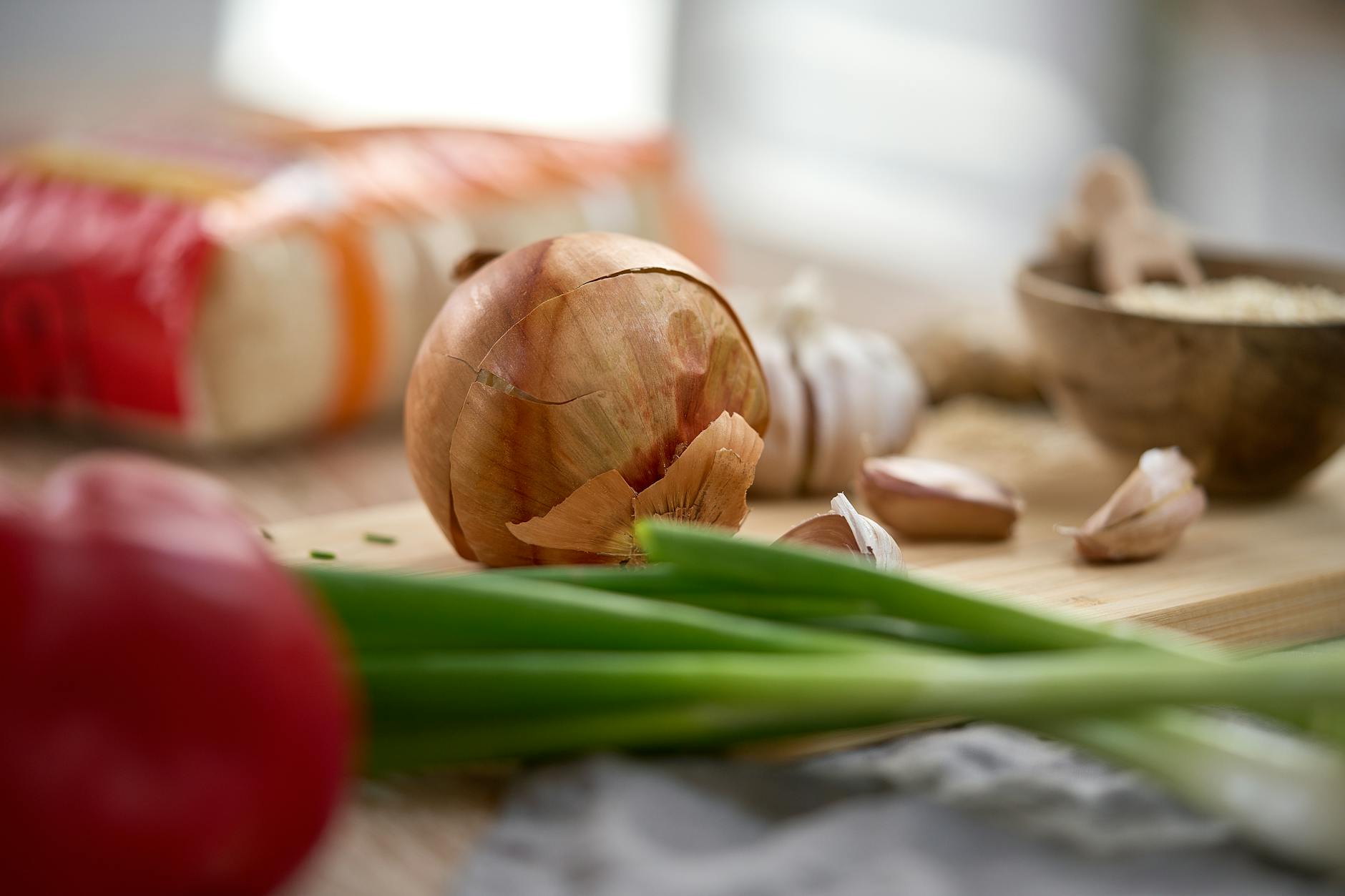
Kitchens where garlic and onion are routinely cooked to the point of complete flavor neutralization or omitted entirely from cooking are missing two of the most potent prebiotic and anti-inflammatory food inputs available in the ordinary produce section. The fructooligosaccharides in garlic and onion are among the most effective prebiotic substrates for beneficial gut bacterial species, selectively feeding Bifidobacterium and Lactobacillus populations that produce short-chain fatty acids and maintain intestinal barrier integrity. The organosulfur compounds in both alliums including allicin produced when raw garlic is cut or crushed have documented antimicrobial effects against pathogenic gut bacteria without the equivalent disruption to beneficial populations. Regular inclusion of both raw and lightly cooked garlic and onion in meal preparation represents a high-value, low-cost investment in gut bacterial community support.
Leftover Storage Errors

Storing cooked foods in large deep containers that cool slowly through the temperature range in which bacterial proliferation is most rapid allows pathogenic and inflammatory bacterial populations to accumulate in foods that appear and smell normal when consumed the following day. Shallow wide containers that allow rapid cooling through the bacterial growth zone before refrigerator temperatures are reached significantly reduce bacterial accumulation in stored leftovers. Foods stored in the refrigerator beyond three to four days develop bacterial populations that, while not necessarily sufficient to cause acute illness in a healthy adult, represent an inflammatory bacterial load that the intestinal immune system must respond to upon consumption. Portion-based storage planning that eliminates the need for extended leftover storage is a kitchen habit with direct implications for the bacterial content of regularly consumed meals.
Spice Cabinet Neglect
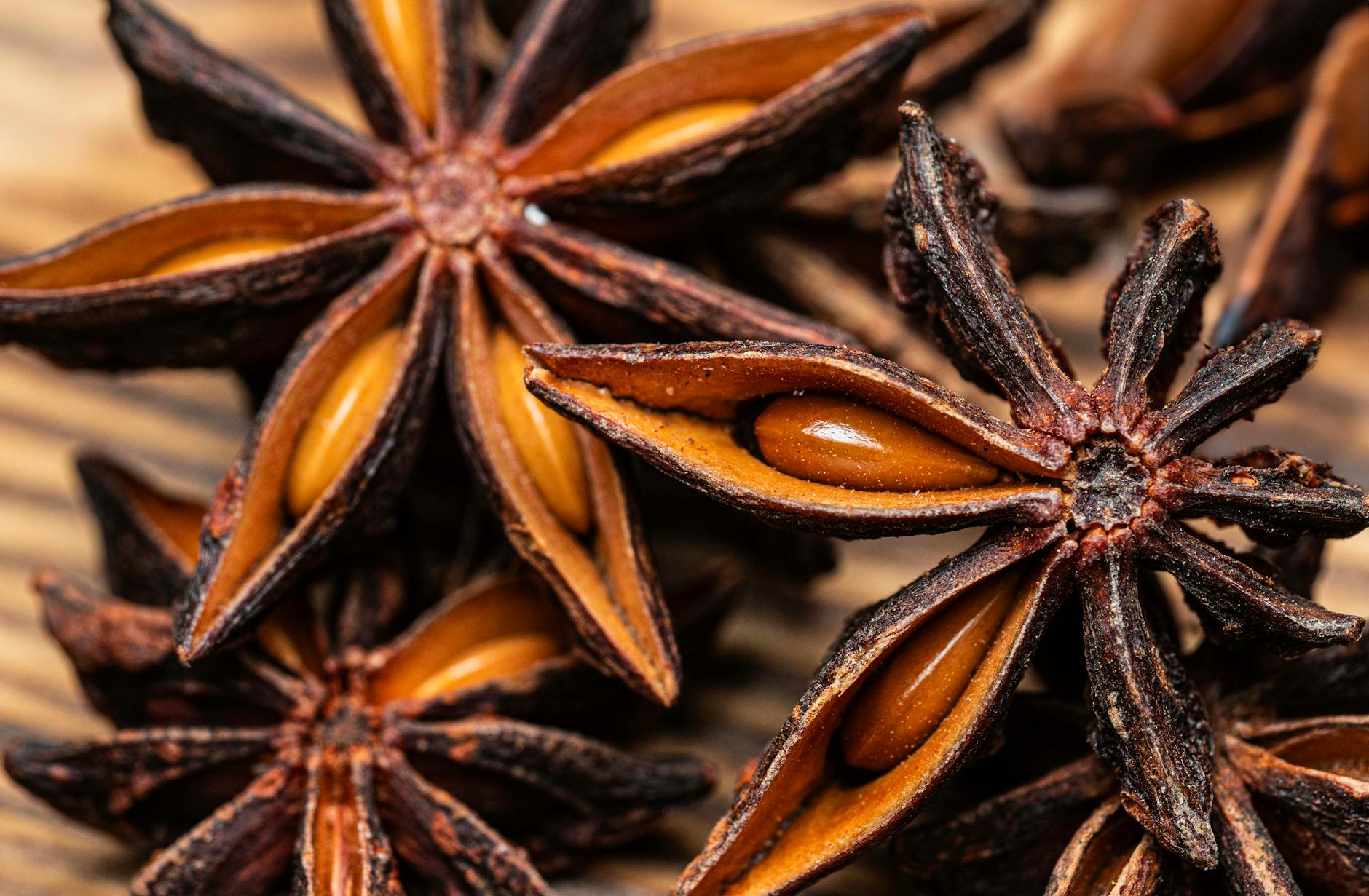
A kitchen operating primarily on salt and pepper as its flavor foundation and bypassing the broader spice cabinet is missing a category of food inputs with some of the most extensively researched anti-inflammatory properties in the dietary literature. Turmeric, ginger, black pepper, cinnamon, oregano, and rosemary each contain phytochemical compounds with documented effects on inflammatory signaling pathways relevant to gut health, and their activity is additive when multiple compounds are present simultaneously. Black pepper specifically contains piperine that increases the bioavailability of curcumin from turmeric by a substantial margin, making their combined use meaningfully more effective than either used alone. Incorporating a broader range of anti-inflammatory spices into daily cooking requires no additional meal preparation time and represents one of the most accessible modifications available in any existing kitchen routine.
Ultra-Processed Snack Normalization
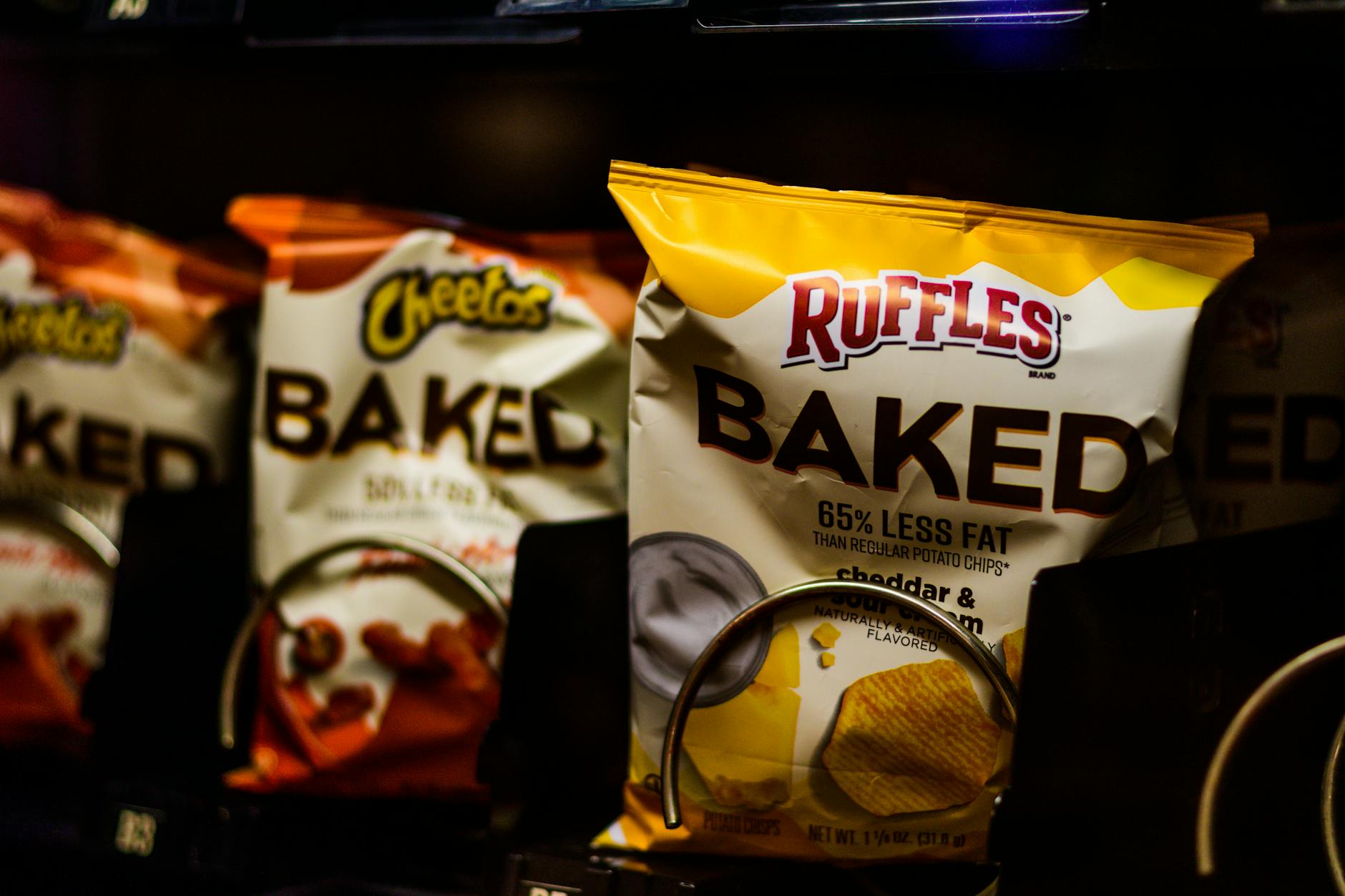
The normalization of ultra-processed snack foods as a standard component of daily eating has introduced a category of products that combine multiple gut-disrupting inputs simultaneously including refined flour, seed oils, emulsifiers, artificial flavors, synthetic dyes, and high fructose corn syrup into single items consumed between meals with no consideration of their cumulative gut impact. Each individual ingredient in a typical ultra-processed snack product might represent a modest inflammatory input but their combination in a single product consumed multiple times daily creates a compounded effect on the intestinal environment that exceeds what evaluating any single ingredient would suggest. The snack category is where kitchen purchasing decisions most consistently undermine the anti-inflammatory effort applied to main meal preparation. A kitchen stocked with whole food snack alternatives including nuts, seeds, fresh fruit, and fermented dairy effectively removes this category of compounded inflammatory input from daily rotation without requiring any change to main meal cooking practices.
If these kitchen habits have prompted a closer look at your own daily routine, share which one surprised you most in the comments.