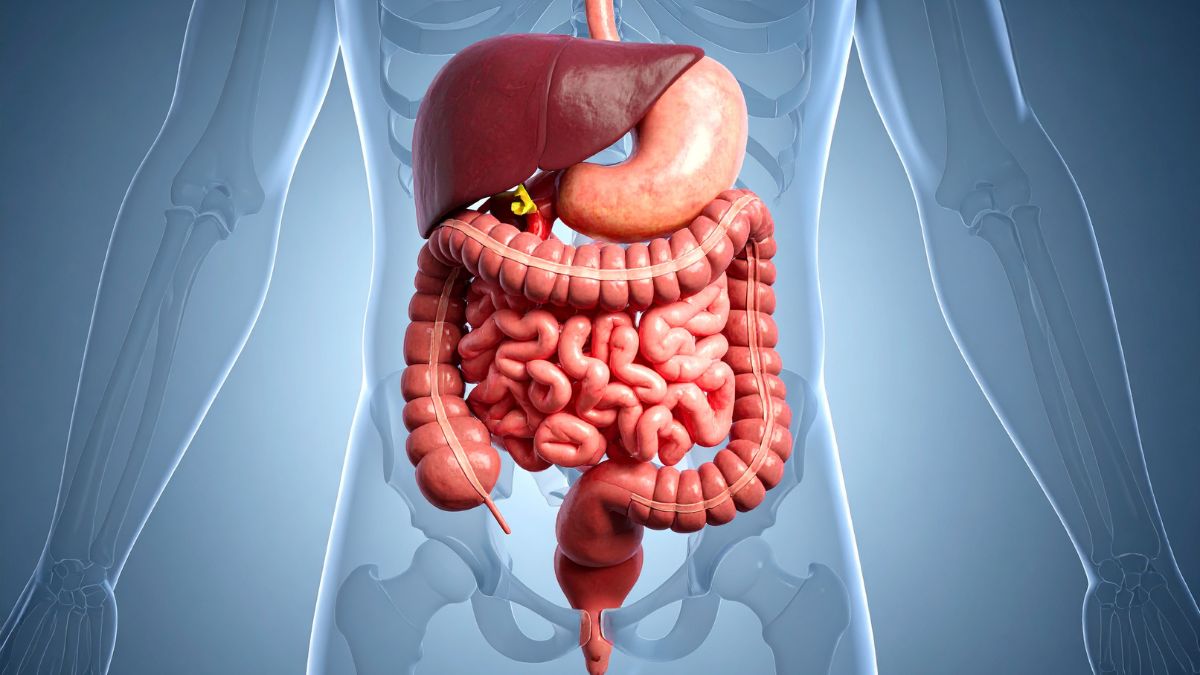
The gut microbiome is a vast and complex ecosystem of trillions of microorganisms that influence nearly every system in the human body. When this delicate balance is disrupted, the effects ripple outward in ways that are easy to overlook or attribute to other causes. Many people live for years with a dysbiotic gut without connecting their symptoms to microbial imbalance. Recognizing the early warning signs is the first step toward restoring internal harmony and supporting long-term wellbeing.
Bloating

Bloating that occurs regularly after meals is one of the most widely reported signs of gut imbalance. Excess gas production happens when harmful bacteria ferment foods that a healthy microbiome would process more efficiently. The discomfort often appears within an hour of eating and may be accompanied by a visibly distended abdomen. Certain foods like legumes, cruciferous vegetables, and gluten tend to trigger stronger reactions when microbial diversity is low. Persistent bloating unrelated to portion size is worth paying close attention to.
Brain Fog
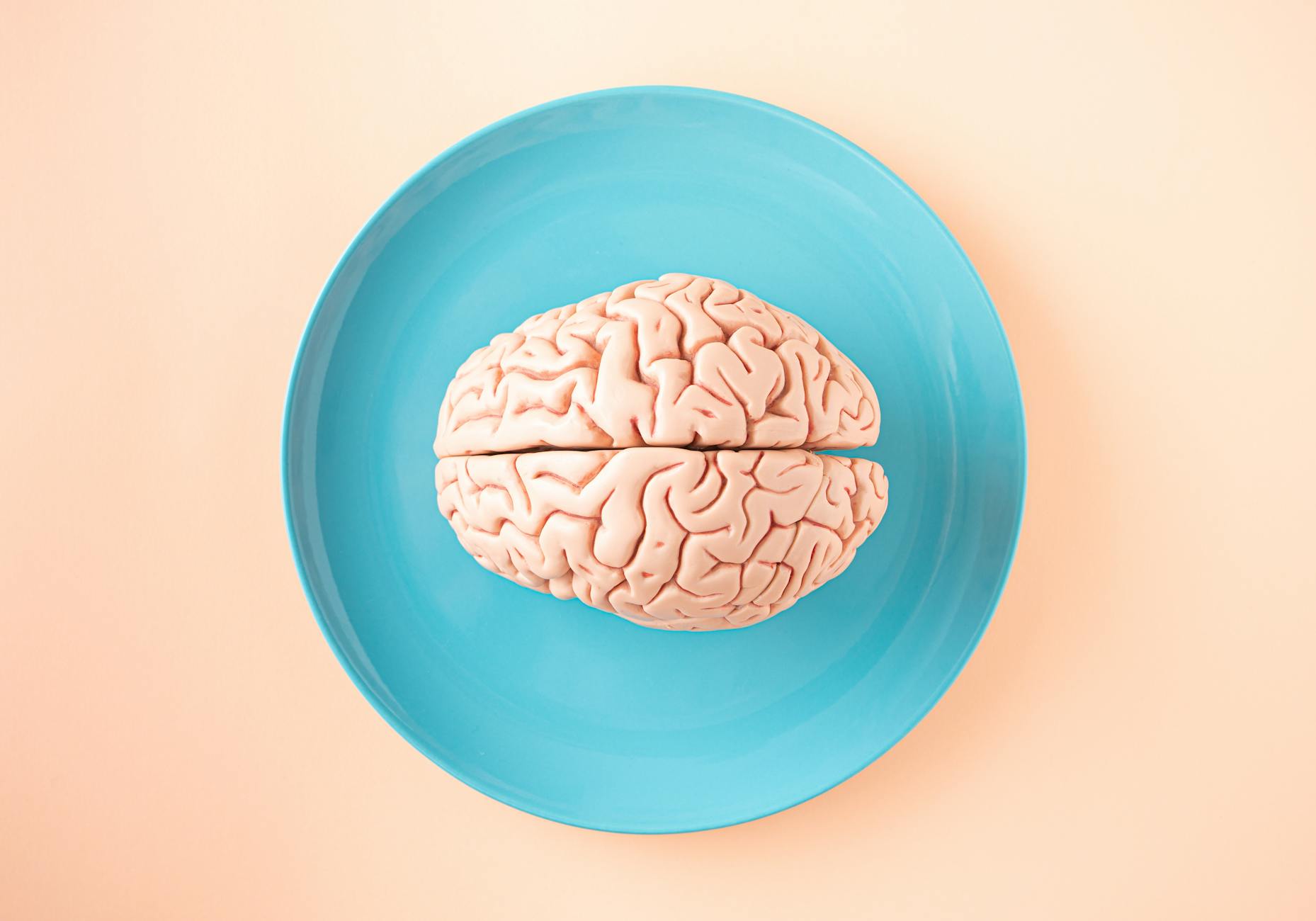
The gut and brain are connected through a complex communication network known as the gut-brain axis. When harmful bacteria outnumber beneficial ones, inflammatory compounds can travel through this pathway and affect cognitive function. Brain fog often presents as difficulty concentrating, slow mental processing, or a persistent sense of mental cloudiness. Research has linked gut dysbiosis to reduced production of neurotransmitters that support focus and clarity. This cognitive dullness is frequently dismissed as stress or poor sleep when the root cause may be microbial.
Sugar Cravings

Intense and frequent cravings for sugar and refined carbohydrates can signal an overgrowth of certain bacterial strains. Harmful microbes such as Candida thrive on glucose and are capable of sending chemical signals that influence food preference. These cravings tend to feel compulsive rather than tied to genuine hunger. Feeding these cravings creates a self-reinforcing cycle that further disrupts microbial balance. A shift toward whole foods often helps interrupt this pattern over time.
Bad Breath

Chronic bad breath that persists despite good oral hygiene can originate in the gut rather than the mouth. An imbalanced microbiome can produce volatile sulfur compounds and other odorous byproducts during the digestive process. These gases can travel upward through the digestive tract and affect the breath. Conditions like small intestinal bacterial overgrowth are commonly associated with this symptom. When mouthwash and brushing fail to resolve the issue, gut health is worth investigating.
Skin Breakouts

The skin is increasingly recognized as a mirror of gut health through what researchers call the gut-skin axis. Dysbiosis triggers systemic inflammation that can manifest as acne, eczema, rosacea, or general skin dullness. Increased intestinal permeability allows bacterial byproducts to enter the bloodstream and provoke immune responses that affect the skin. Many people experience clear improvements in skin clarity after addressing gut imbalances through dietary changes. Persistent unexplained breakouts in adults are often a meaningful signal worth exploring.
Poor Sleep

Gut bacteria play a direct role in the production of serotonin, a neurotransmitter that is a precursor to melatonin, the hormone that regulates sleep. When microbial balance is disrupted, this production pathway can be compromised, affecting sleep quality and duration. People with gut dysbiosis frequently report difficulty falling asleep, frequent waking, or unrefreshing sleep. The relationship is bidirectional, as poor sleep also negatively impacts the microbiome. Addressing gut health has been shown in several studies to improve sleep outcomes.
Food Intolerances

Developing new sensitivities to foods that were previously well tolerated is a common but underrecognized sign of gut imbalance. Increased intestinal permeability, sometimes called leaky gut, allows food particles to pass into the bloodstream and trigger immune reactions. Dairy, gluten, eggs, and certain fruits are among the most frequently implicated foods. These intolerances can appear gradually over months or years, making the gut connection easy to miss. Keeping a detailed food and symptom diary is a useful way to identify emerging patterns.
Mood Swings

Approximately 90 percent of the body’s serotonin is produced in the gut, making microbial health central to emotional regulation. An imbalanced microbiome can lead to erratic serotonin levels that contribute to irritability, low mood, and emotional instability. Research has found significant differences in microbiome composition between individuals with mood disorders and those without. Mood fluctuations that seem disproportionate to life circumstances may have a microbial component. The emerging field of psychobiotics explores how targeted probiotic strains can support emotional balance.
Chronic Fatigue

Persistent tiredness that does not resolve with adequate rest is a hallmark sign of systemic imbalance often rooted in the gut. A disrupted microbiome impairs nutrient absorption, meaning the body may be undernourished even on a seemingly healthy diet. Gut dysbiosis also promotes chronic low-grade inflammation, which is a known driver of fatigue. Mitochondrial function, which governs cellular energy production, has been linked to the health of the microbiome. Fatigue that lingers across seasons without a clear medical cause warrants a closer look at digestive health.
Frequent Illness

The gut houses roughly 70 percent of the immune system, making microbial balance foundational to immune resilience. When diversity in the microbiome declines, the immune system loses critical training and signaling support. People with gut dysbiosis often find themselves catching colds more frequently or taking longer to recover. Beneficial bacteria like Lactobacillus and Bifidobacterium strains actively support immune regulation and pathogen resistance. A pattern of recurring infections can be an indirect but meaningful indicator of gut imbalance.
Anxiety

Emerging research consistently links gut microbiome health to anxiety levels and stress responses. The vagus nerve serves as a major communication channel between the gut and the brain, transmitting microbial signals that influence the nervous system. Certain bacterial strains produce gamma-aminobutyric acid, a calming neurotransmitter that helps regulate the stress response. Reduced microbial diversity has been associated with heightened anxiety sensitivity in multiple human studies. Gut-focused interventions including dietary fiber and probiotic supplementation have shown measurable anxiety-reducing effects in clinical settings.
Weight Fluctuations

The microbiome plays an active role in how the body extracts calories from food and stores fat. Certain bacterial profiles are associated with higher caloric extraction efficiency, meaning the same diet can lead to different weight outcomes depending on gut composition. Unexpected weight gain or difficulty losing weight despite consistent habits can reflect microbial imbalance. Gut bacteria also influence hunger hormones like leptin and ghrelin, which regulate appetite and satiety signals. Research in this area continues to grow and reshape conventional thinking about weight management.
Joint Pain

Gut dysbiosis promotes systemic inflammation that can settle into the joints and present as stiffness or aching. The gut produces or regulates numerous inflammatory mediators that circulate throughout the body. Conditions such as rheumatoid arthritis and other inflammatory joint disorders have been linked to specific imbalances in gut bacterial communities. Joint discomfort that appears without injury or obvious cause may have an inflammatory and microbial origin. Reducing gut inflammation through dietary shifts has been shown to ease joint symptoms in some individuals.
Nutrient Deficiency

A compromised gut lining and disrupted microbiome significantly reduce the body’s ability to absorb essential nutrients from food. Deficiencies in iron, magnesium, zinc, vitamin B12, and vitamin D are commonly seen alongside gut imbalances. These shortfalls can produce a wide range of symptoms including hair thinning, brittle nails, fatigue, and low mood. Supplementing without addressing underlying gut health often produces limited results because absorption remains impaired. Comprehensive nutrient testing alongside microbiome assessment provides a more complete picture of what is occurring internally.
Irregular Bowels

Changes in bowel frequency, consistency, or predictability are among the most direct signals the gut can send. Alternating between constipation and loose stools is particularly associated with disrupted microbial communities. Beneficial bacteria contribute to healthy gut motility and the production of short-chain fatty acids that maintain the intestinal lining. When these populations decline, transit time becomes erratic and digestion less efficient. A bowel pattern that has shifted noticeably from an individual’s personal baseline is a signal worth discussing with a healthcare professional.
If any of these signs feel familiar, share your experience and questions in the comments.