
Choosing a daycare is one of the most significant decisions a parent or guardian will ever make, and the stakes are simply too high to overlook the warning signs. While most facilities present a polished exterior during tours and enrollment meetings, the true measure of safety often lies in the details that are easy to miss. Understanding what to look for beyond the brochure can make all the difference in protecting a child’s wellbeing. These subtle red flags are worth knowing before signing any agreement or leaving a child in someone else’s care.
Staff Turnover

High staff turnover at a childcare facility is one of the most telling indicators that something is wrong behind the scenes. When caregivers frequently leave, children are continuously exposed to unfamiliar adults who have not yet built trust or understanding with them. Consistent relationships between staff and children are foundational to emotional safety and proper supervision. A revolving door of employees often points to poor management, low wages, or an unhealthy working environment. Parents should ask directly how long current staff members have been employed before making any decisions.
Vague Policies

A reputable daycare will always have clear, written policies covering emergencies, discipline, illness, and visitor access. When a facility struggles to provide straightforward answers about its procedures, that ambiguity creates real gaps in child protection. Policies that are loosely defined or communicated only verbally are difficult to enforce and easy to ignore. Staff members at different levels of the organization should all be able to explain the same procedures consistently. Inconsistency in responses is a strong signal that formal safety training is lacking or outdated.
Restricted Access
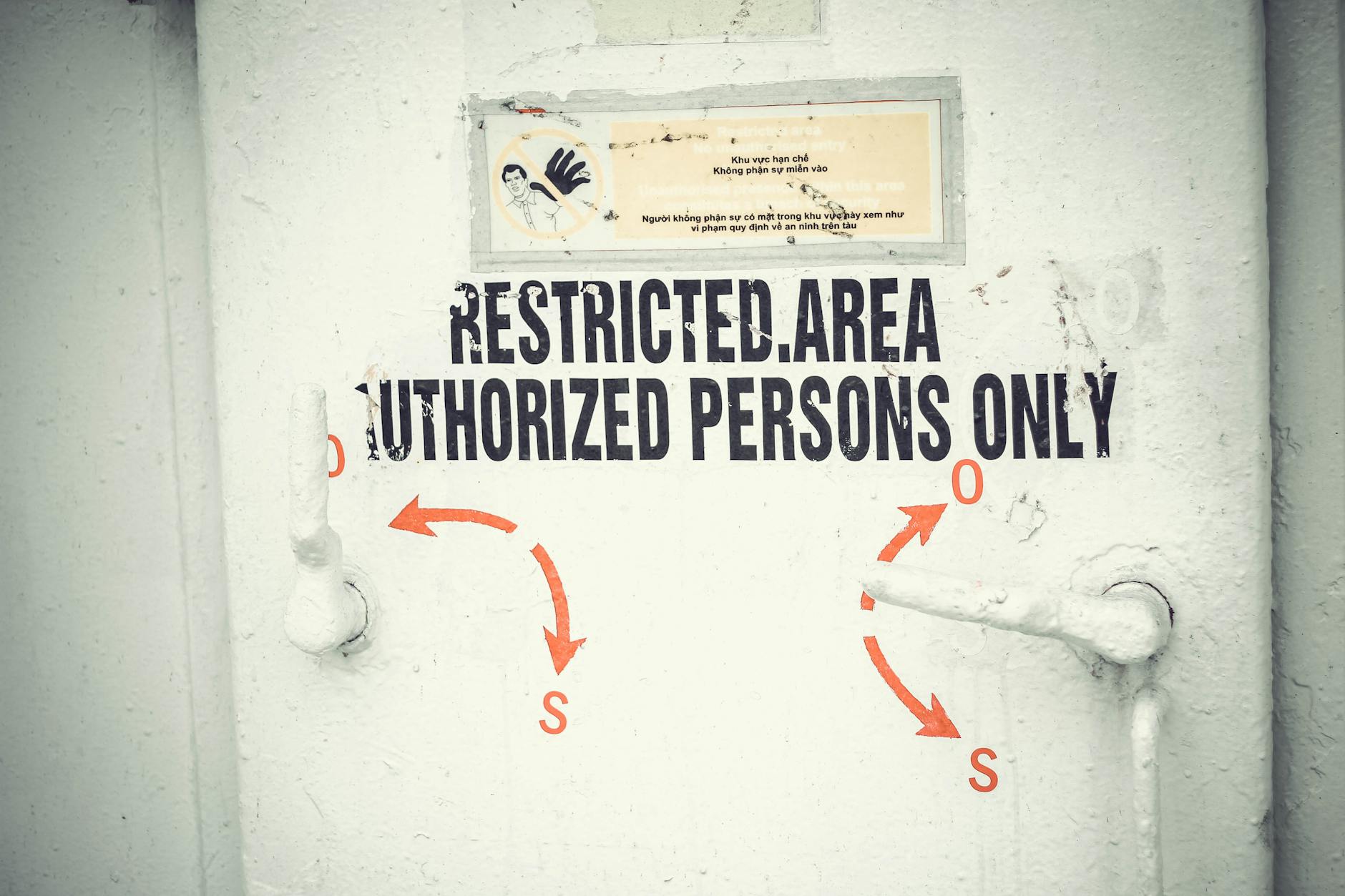
Parents should always be welcomed to visit their child’s daycare unannounced during operating hours. Facilities that require advance notice before every visit, or that discourage drop-ins altogether, raise immediate concerns about transparency. Legitimate childcare providers understand that open access builds trust and allows for ongoing parent involvement. Restrictions on parental entry can sometimes be used to conceal issues related to supervision, environment, or staff conduct. Any reluctance to allow spontaneous visits warrants a direct conversation and potentially a search for alternatives.
Supervision Gaps
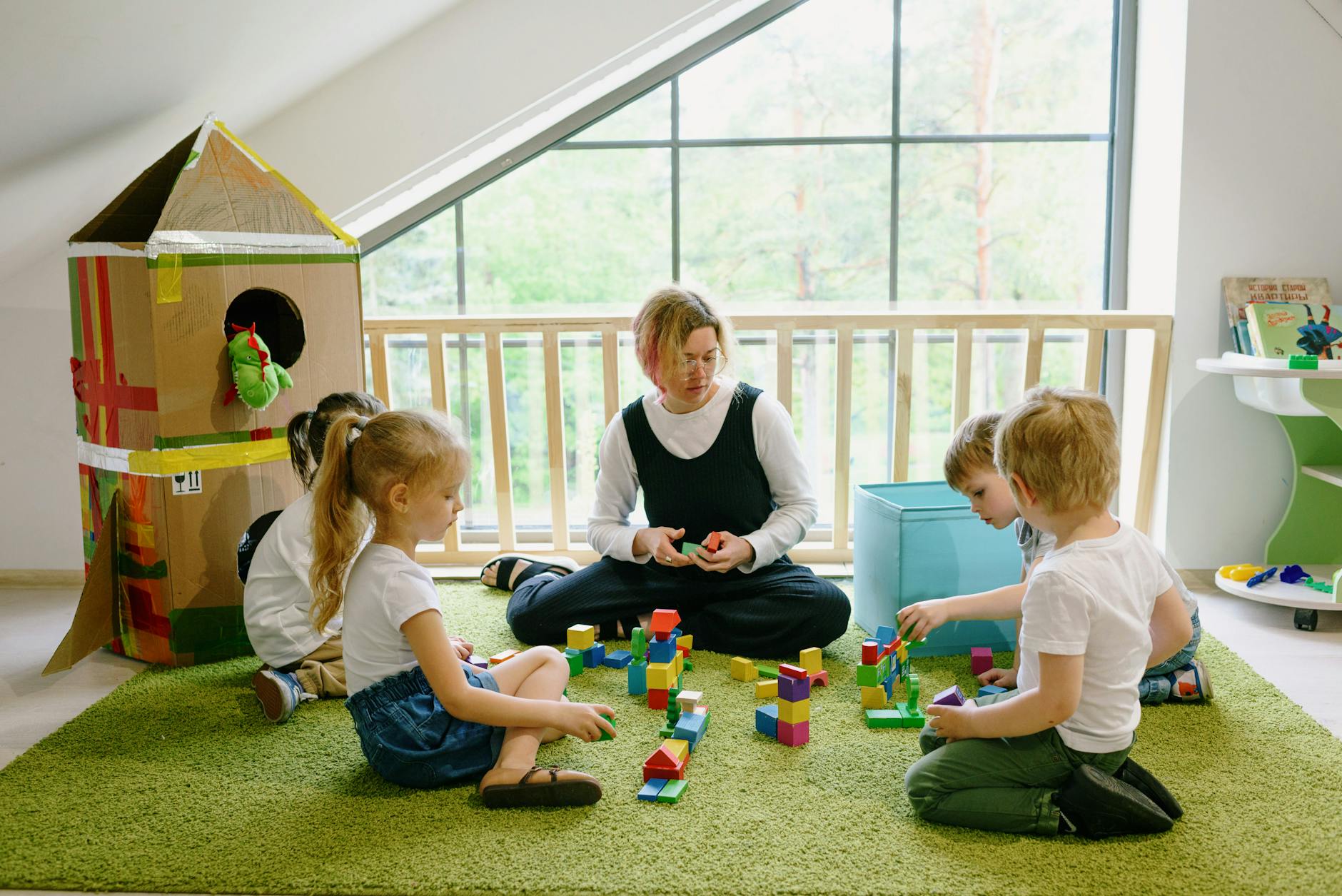
Proper child-to-staff ratios are a legal requirement in most regions and exist specifically to ensure that every child receives adequate supervision at all times. Observing a single caregiver managing a large group of toddlers or school-age children is a clear cause for concern. Even brief lapses in supervision can result in accidents, injuries, or harmful interactions between children. A well-run facility will always ensure that multiple staff members are present and actively engaged in monitoring the children in their care. Parents who notice consistently understaffed rooms should report their concerns to the appropriate licensing authority.
Unclean Bathrooms

The state of a daycare’s bathroom facilities reflects the overall standard of hygiene maintained throughout the entire space. Bathrooms that smell strongly of ammonia, lack soap dispensers, or show visible grime suggest that sanitation is not being prioritized. Young children are particularly vulnerable to infections spread through contact with contaminated surfaces, and proper cleaning must happen multiple times each day. Staff should be trained in hygiene protocols and actively supervise handwashing after bathroom use. A facility that cannot maintain clean restrooms is unlikely to be meeting broader health and safety standards consistently.
Dismissive Communication

How a daycare communicates with parents during ordinary interactions is a reliable preview of how it will respond during difficult situations. Staff or directors who brush off concerns, offer vague reassurances, or become defensive when asked questions are not demonstrating the accountability that parents deserve. Open and honest communication is a cornerstone of any trustworthy childcare environment. When parents feel discouraged from asking questions or are met with irritation rather than clarity, the power dynamic within the facility is misaligned. A childcare provider that respects families will always welcome dialogue and provide thoughtful, detailed responses.
Medication Handling

Any daycare that administers medication to children must have a strict, documented process for doing so safely and accurately. Facilities that store medications loosely, fail to maintain written consent forms, or allow unauthorized staff to administer doses are operating below an acceptable standard of care. Even over-the-counter medications require parent authorization and proper recording in most regulated environments. Errors in medication administration can have serious and immediate health consequences for young children. Parents should request a full explanation of the facility’s medication policy during the enrollment process and verify that it aligns with local regulations.
Cluttered Play Areas

Indoor and outdoor play areas that are cluttered, poorly maintained, or filled with broken equipment present a significant physical risk to children. Toys with missing parts, sharp edges, or surfaces that show heavy wear should be removed from circulation and replaced promptly. Pathways between play stations should be clear to prevent tripping and allow caregivers to move quickly in the event of an emergency. Outdoor equipment must be inspected regularly for rust, instability, and weather damage. A facility that does not invest in the upkeep of its physical environment is unlikely to be prioritizing safety in other areas either.
Unlocked Exits

All entry and exit points in a childcare facility should be secured in a way that prevents young children from wandering outside unsupervised. Doors that can be pushed open easily, gates that latch improperly, or unsecured stairwells represent serious structural hazards. Security systems or door codes are commonly used in well-run daycares to ensure that only authorized adults can enter or exit. Any facility where children could plausibly walk out unnoticed without triggering an alert or response fails a fundamental safety requirement. Parents should test exit security personally during a tour rather than simply accepting verbal assurances.
Unverified Staff

Every adult employed or volunteering in a childcare setting should have undergone a thorough background check before being granted access to children. Facilities that are evasive about their hiring and vetting procedures or that allow new staff to work unsupervised during a probationary period are taking unacceptable risks. Background screening should cover criminal history, sex offender registries, and in many jurisdictions, child abuse databases. Parents have the right to ask whether all staff members have been properly screened and should expect a confident and transparent answer. A hesitant or incomplete response to this question should be treated as a serious warning sign.
Ignored Complaints

A trustworthy daycare will take every parent complaint seriously and follow up with a documented response within a reasonable timeframe. When concerns are repeatedly acknowledged but never resolved, or when parents are made to feel that raising issues is unwelcome, the facility’s commitment to improvement is questionable. Complaints about a child’s emotional state, unexplained injuries, or behavioral changes in connection with daycare attendance deserve particular attention. Patterns of unresolved complaints are often visible in online reviews or through conversations with other parents in the same community. A facility with a consistent record of dismissing feedback is not one that can be trusted to act in a child’s best interest.
Nap Time Supervision

Safe sleep practices in a childcare setting are regulated for good reason, particularly for infants and very young toddlers. Facilities that place babies on soft bedding, allow children to share sleep surfaces, or leave sleeping children unmonitored for extended periods are not meeting current safety standards. Each child should have a dedicated, firm sleep surface positioned on their back in a space free from loose items. Staff must perform regular visual checks throughout nap periods and remain within sight or earshot of the sleeping area. Parents of infants in particular should ask detailed questions about nap time routines before enrollment.
Expired Certifications

Staff certifications in pediatric first aid and CPR are not permanent qualifications and must be renewed on a regular schedule. A daycare where certifications have lapsed or where only a small fraction of the team holds current credentials is operating with a preventable safety deficit. In an emergency involving choking, a seizure, or a serious injury, the response of a trained caregiver can be lifesaving. Licensing bodies in most regions require a minimum number of certified staff to be present at all times, and parents should verify compliance directly. Asking to see current certification records is a reasonable and responsible step during any facility evaluation.
Peer Conflict Patterns

Some level of conflict between children in a group setting is entirely normal and developmentally expected. However, when physical altercations, bullying, or persistent emotional distress are recurring themes without visible intervention from staff, the environment is not being managed safely. Caregivers should be trained in age-appropriate conflict resolution strategies and should be actively present enough to intervene before situations escalate. A pattern of unexplained bruises, scratches, or a child expressing fear about returning to daycare should never be treated as trivial. Repeated incidents that go unaddressed suggest inadequate supervision and a lack of structured behavioral guidance.
Poor Handwashing

Handwashing is the single most effective practice for preventing the spread of infectious illness in group childcare settings. Facilities where staff are not observed washing their hands after diaper changes, before food preparation, or after assisting sick children are creating unnecessary health risks for every child in their care. Children should also be guided through proper handwashing technique throughout the day, particularly before meals and after outdoor play. Soap and running water should be accessible at every sink used by staff and children alike. The absence of visible hygiene habits during a facility visit is a meaningful indicator of the overall standard of care being provided.
Emergency Preparedness

A well-prepared daycare will have practiced and documented emergency procedures for situations including fire, severe weather, intruder threats, and medical crises. Staff should be able to describe their emergency response plan without hesitation and should know precisely where evacuation routes and emergency supplies are located. Facilities that have never conducted a drill or cannot produce a written emergency plan are leaving children’s safety to chance. Emergency contact protocols should be clearly defined and communicated to all parents at the time of enrollment. The absence of visible emergency preparedness infrastructure during a tour is a gap that cannot be overlooked.
Inconsistent Schedules

Predictable daily routines provide young children with a sense of security that supports both emotional and cognitive development. Daycares that operate without a consistent structure for meals, naps, outdoor time, and learning activities create an environment that can feel chaotic and unsettling for small children. Staff who are unable to describe a typical day in specific terms may not be working within any organized framework at all. Inconsistency in scheduling can also make it harder for caregivers to notice when a child’s behavior or needs have changed in meaningful ways. A thoughtfully structured routine is one of the clearest signs that a facility is operating with both intention and professionalism.
Odor and Air Quality

Persistent unpleasant odors in a childcare environment are rarely a minor issue and often point to deeper problems with cleanliness or ventilation. Ammonia smells may indicate that urine or feces is not being cleaned promptly, while musty odors can suggest mold or moisture problems in the building structure. Poor air quality is particularly harmful to young children whose respiratory systems are still developing. Facilities located in older buildings should be asked directly about air quality testing, ventilation maintenance, and any history of mold remediation. A clean and well-ventilated space is a basic expectation that every family has the right to insist upon.
If you have noticed any of these warning signs in a childcare setting or have advice for other parents navigating this important decision, share your thoughts in the comments.