Counterfeit luxury goods have flooded the market at an unprecedented rate, making it harder than ever to tell the real from the replica. Skilled counterfeiters study authentic pieces with remarkable precision, replicating surface details that once made spotting fakes relatively straightforward. Knowing what separates genuine craftsmanship from an imitation requires looking beyond the obvious and paying close attention to the finer details. These telltale signs can save you from a costly mistake and help you shop with greater confidence.
Stitching
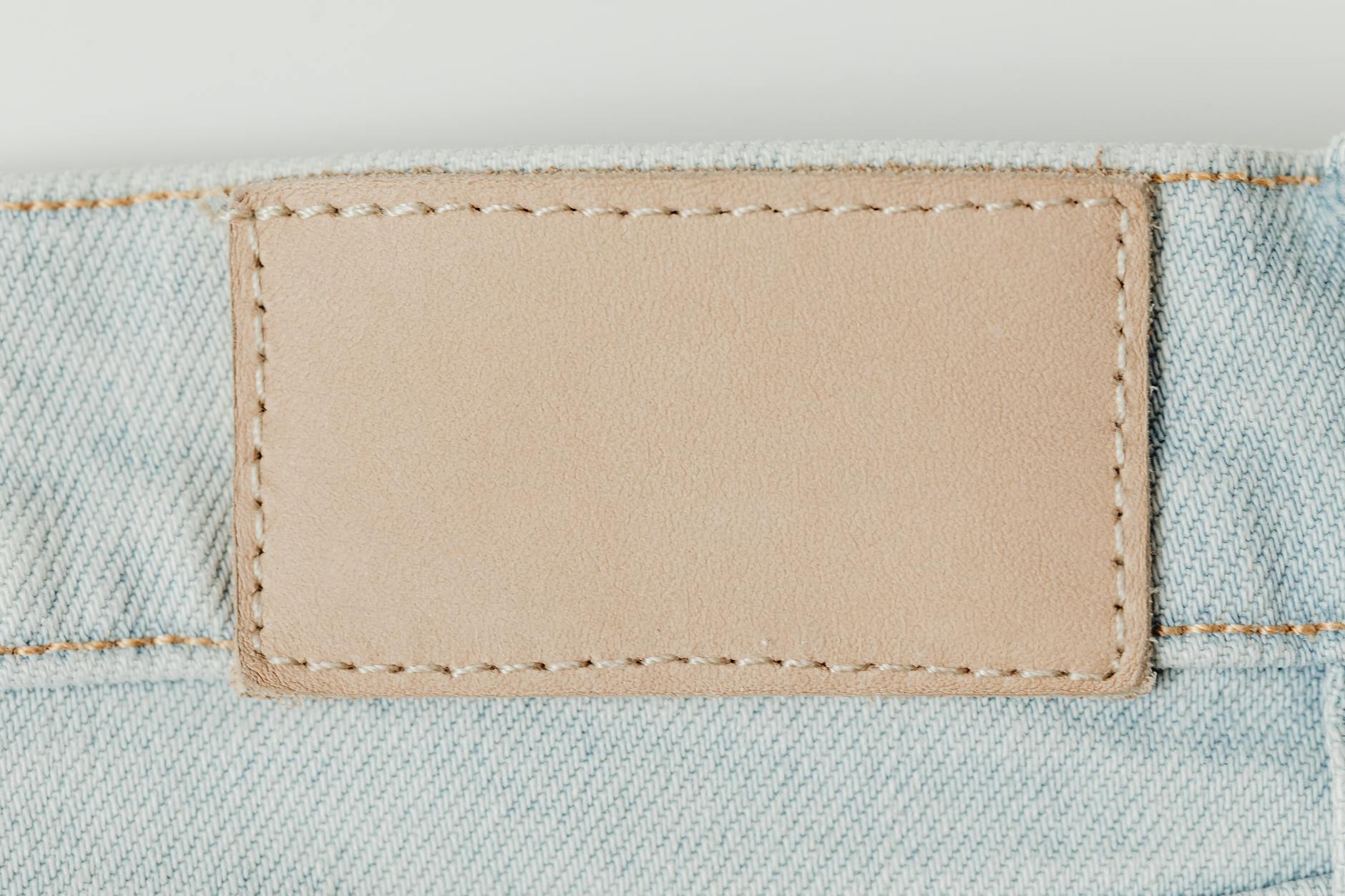
The stitching on a genuine designer item is one of the clearest indicators of authenticity and quality. Authentic pieces feature even, tight, and consistent stitching throughout, with no loose threads or uneven spacing anywhere on the garment or accessory. Counterfeit items frequently display irregular stitch counts per inch, which creates a slightly uneven or puckered appearance along seams. High-end brands train their artisans to meet precise stitch standards, and that level of care is extremely difficult to replicate at scale. Running your fingers slowly along a seam will often reveal imperfections that the eye alone might miss.
Hardware
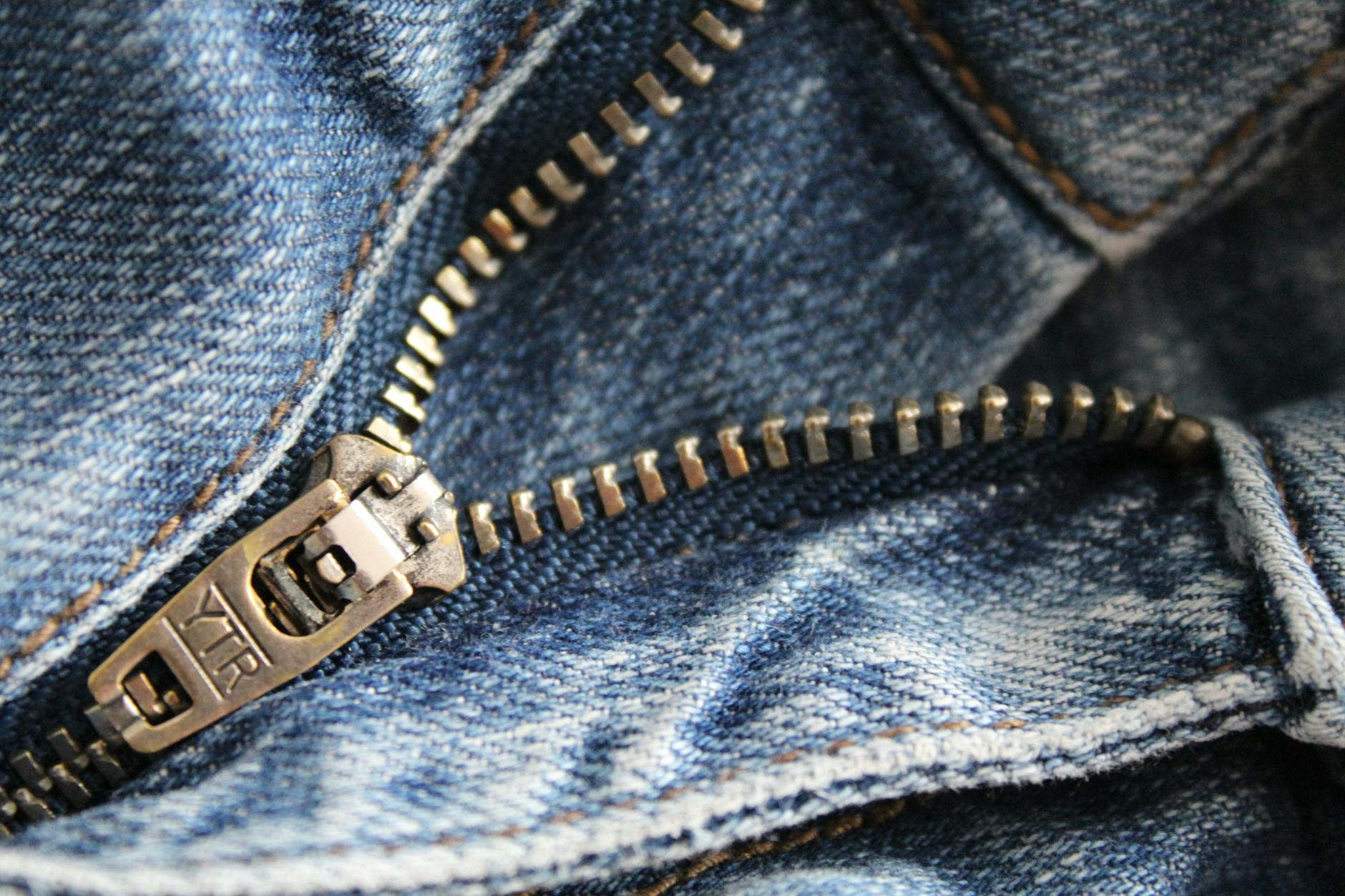
Authentic designer hardware carries a substantial weight and a smooth, precise finish that feels immediately different from cheaper alternatives. Zippers, clasps, and buckles on genuine items are typically made from solid brass or high-grade alloys, not lightweight pot metal or plastic composites. Counterfeit hardware often feels hollow or flimsy and may show uneven plating that begins to chip or tarnish within a short period of use. Engravings on authentic hardware are crisp, deeply cut, and perfectly centered, while fake versions tend to show shallow or slightly misaligned lettering. The sound a zipper makes as it moves along its track can also reveal a great deal about the quality of the underlying material.
Logo Placement
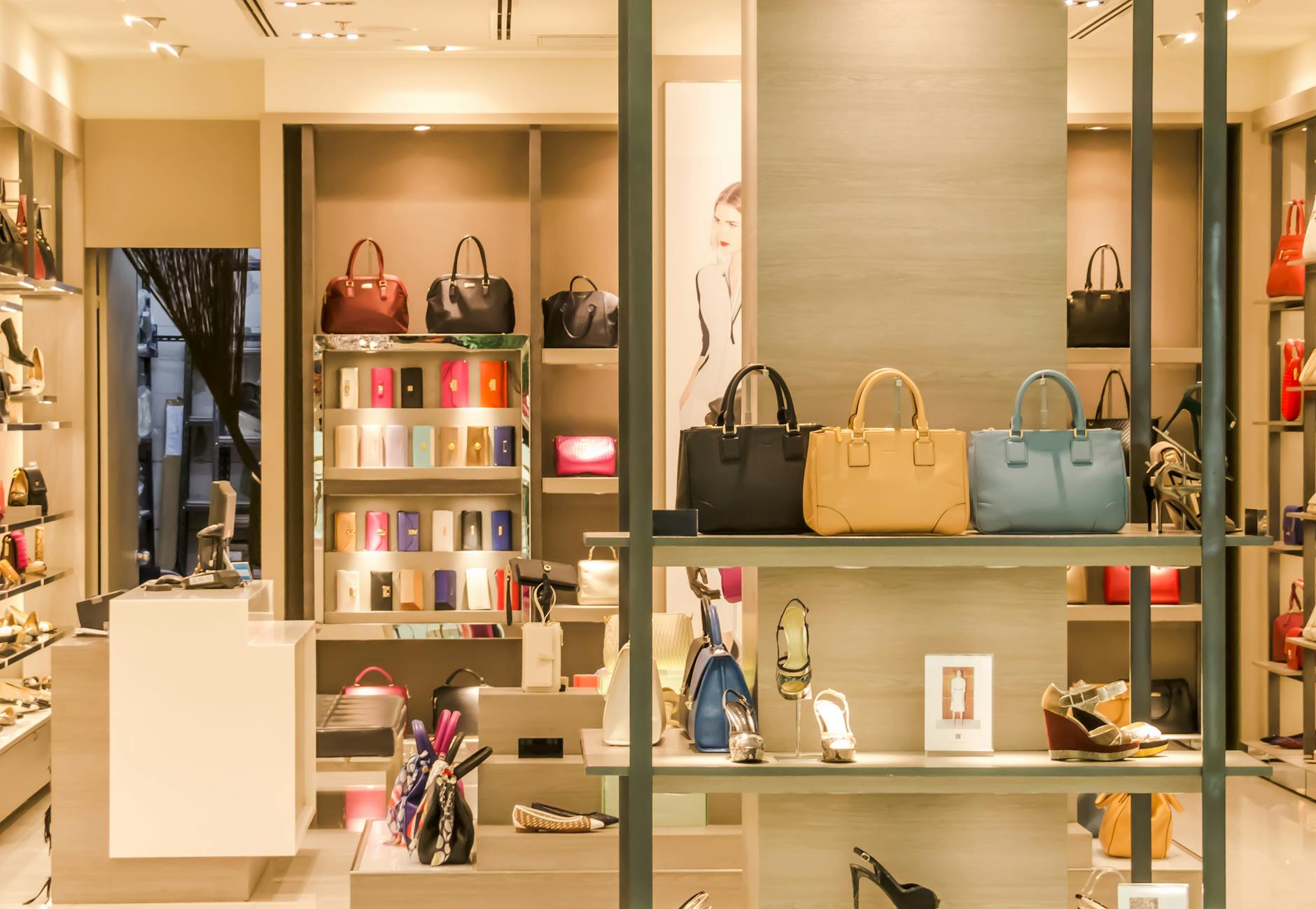
Designer brands position their logos and monogram patterns with extreme intentionality and geometric precision. On authentic bags and accessories, pattern repeat lines up perfectly at seams, pockets, and edges, a detail that requires significant technical effort to achieve. Counterfeit items frequently show logos that are slightly off-center, inconsistently spaced, or awkwardly cut off at a fold or seam. Some brands deliberately place a signature element such as a flap or pocket at a specific point within their monogram pattern, and that placement never varies on genuine pieces. Comparing the logo placement against verified reference images from the brand’s official catalogue is one of the most reliable ways to detect a fake.
Lining
The interior lining of a designer item communicates as much about quality as the exterior. Authentic pieces use fine, tightly woven fabrics for their linings, often featuring a specific weave, pattern, or subtle branding that matches the current season’s production. Counterfeit linings frequently feel thin, slightly rough, or have a faint chemical odor that quality materials do not carry. The way a lining is attached matters too, as genuine items show clean, flat seams inside the bag with no puckering or exposed raw edges. A lining that feels slippery, clings to clothing, or bunches unevenly is a strong indicator that the item did not come from an authorized manufacturer.
Date Codes
Many heritage luxury brands stamp or emboss a date code into their products to indicate the factory of origin and the period of production. These codes follow very specific alphanumeric formats that vary by brand and era, and learning how to read them is an essential authentication skill. Counterfeit items either omit the code entirely, place it in the wrong location, or use a format that does not correspond to any legitimate production period. On authentic pieces, the code is typically stamped cleanly into the leather or lining with consistent depth and font weight. Collectors and authentication services cross-reference these codes against known records to verify that the item matches its supposed production date and origin.
Leather Smell
Genuine leather has a natural, rich scent that develops through the tanning and finishing process and is immediately recognizable to experienced buyers. High-quality hides used by luxury brands are processed using methods that preserve this characteristic aroma without any synthetic undertones. Counterfeit bags made from PVC or bonded leather composites carry a distinctly plastic or chemical smell that cannot be disguised regardless of how the item is stored or aired out. The texture of authentic leather also feels supple and slightly warm to the touch, while fake materials tend to feel uniformly cool and rigid. Spending time handling confirmed authentic pieces at reputable retailers trains your senses to detect this difference quickly.
Font Consistency
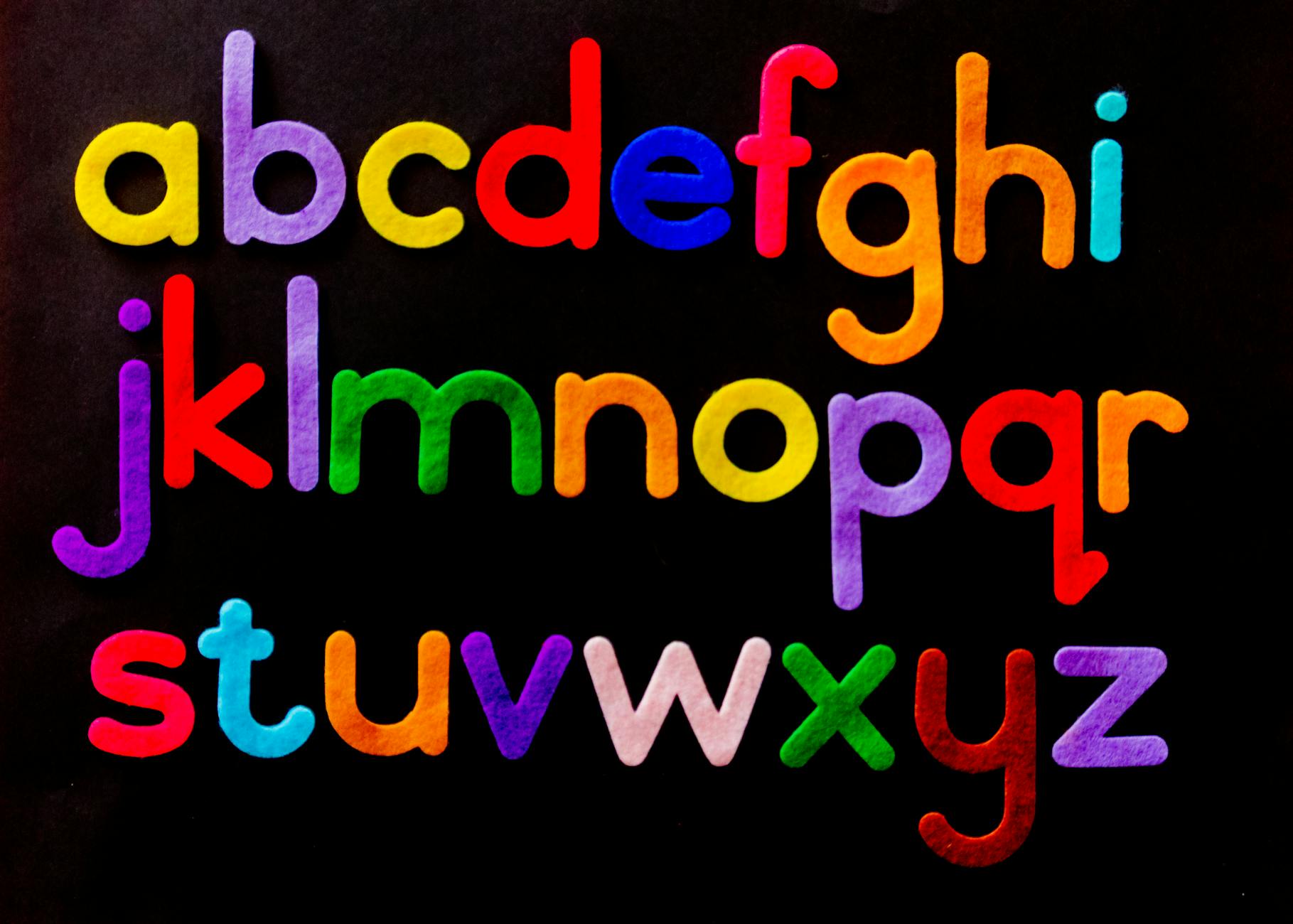
Typography is one of the most telling details on any designer item, from the label sewn inside a jacket to the lettering embossed on a wallet. Luxury brands maintain rigidly standardized fonts across all their products, and even a fractional variation in letter spacing or stroke weight is a red flag. Counterfeit items often show fonts that are subtly too bold, too narrow, or slightly rounded in ways that differ from the brand’s official typeface. The period placement, accent marks, and special characters in a brand name are particularly easy to get wrong, and counterfeiters frequently make small but detectable errors in these areas. Enlarging product photos and comparing the typography against images from the brand’s official channels is a simple and effective verification method.
Packaging
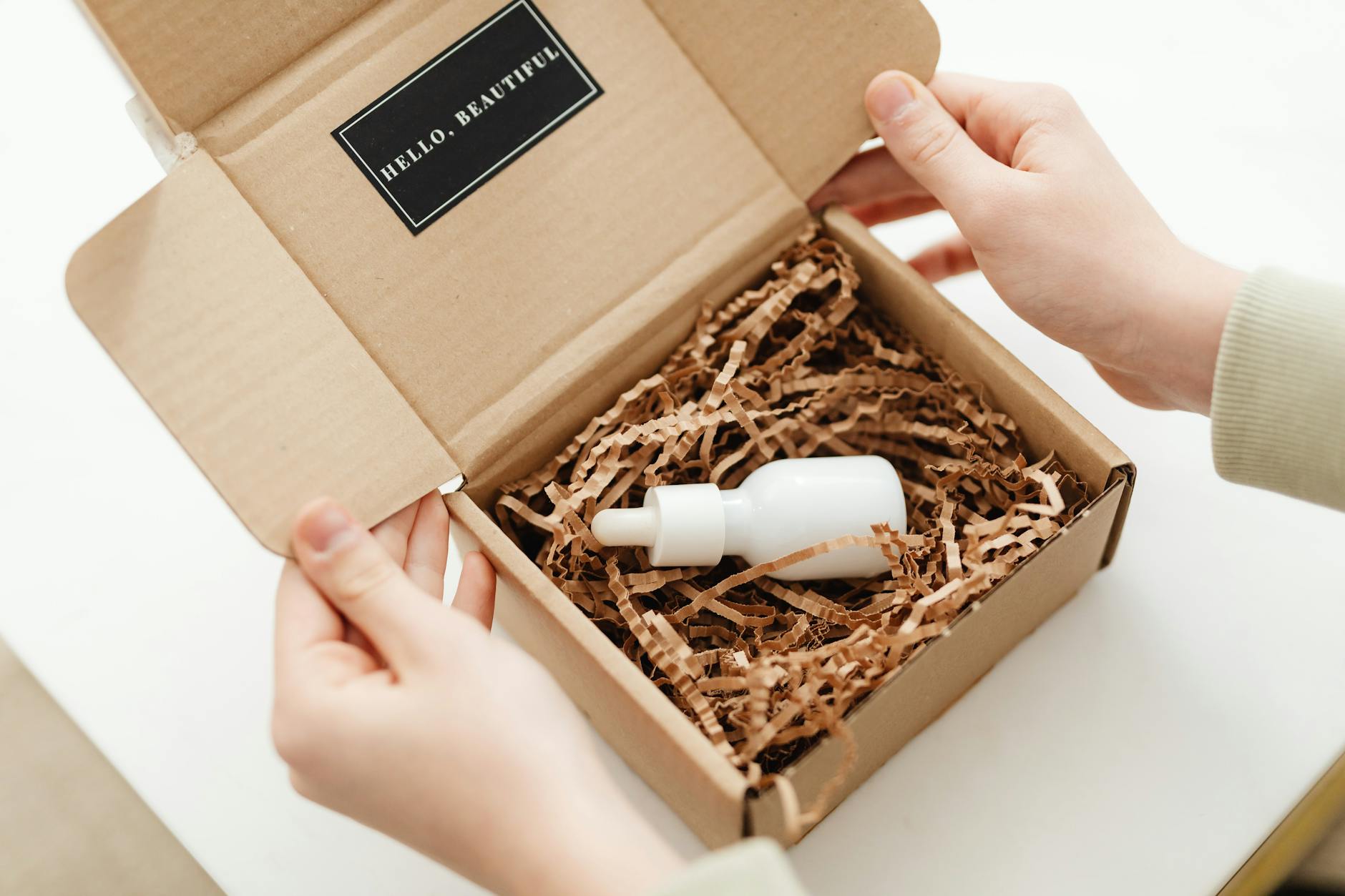
Authentic designer items arrive with packaging that reflects the same standards of quality as the product itself. Boxes are made from thick, rigid cardboard with a smooth matte or gloss finish, and dust bags use high-quality natural fabrics with clean, straight stitching around the edges. Counterfeit packaging often feels lighter than expected, with printing that appears slightly faded, blurry, or off-color when examined in natural light. Tissue paper, ribbon, and authenticity cards included with genuine items follow a consistent format that is updated seasonally and matches the brand’s current visual identity. Keeping original packaging also has resale value implications, as authenticated resale platforms factor packaging condition into their pricing assessments.
Serial Numbers

A serial number on a designer item serves as a traceable link back to its specific production run and point of sale. Genuine serial numbers are printed, stamped, or embossed using consistent methods that vary by brand but are always executed with precision and clarity. Counterfeit items sometimes include serial numbers but use formats that do not match the brand’s known numbering conventions or include character combinations that were never issued. Some brands allow customers to verify serial numbers directly through customer service channels or official authentication apps, which removes a great deal of guesswork. A serial number that looks faint, smudged, or inconsistent with the surrounding label material should be treated as an immediate warning sign.
Proportions
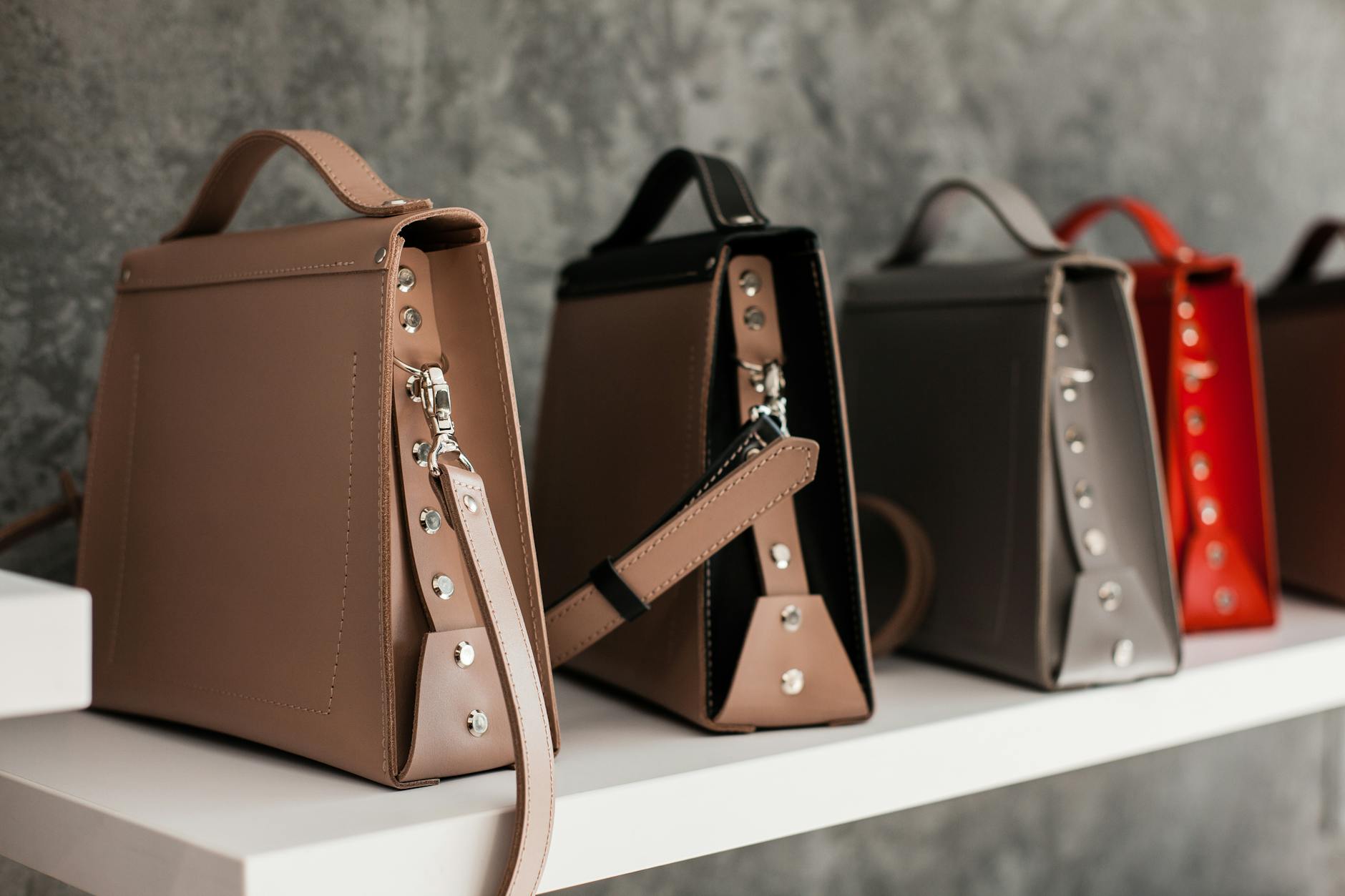
Every designer bag, shoe, or accessory is engineered to exact proportional specifications that remain consistent across every authentic unit produced. Even a millimeter of difference in handle length, strap width, or pocket placement can signal that an item was produced outside an authorized facility. Counterfeit manufacturers often work from photographs rather than technical specifications, leading to subtle dimensional errors that become obvious when the fake is placed next to an authentic version. The curves, angles, and structural lines of a genuine item have a visual harmony that reflects precision manufacturing, while fakes can appear slightly awkward or unbalanced. Comparing physical measurements against official product specifications published by the brand is a reliable and accessible verification method.
Color Accuracy
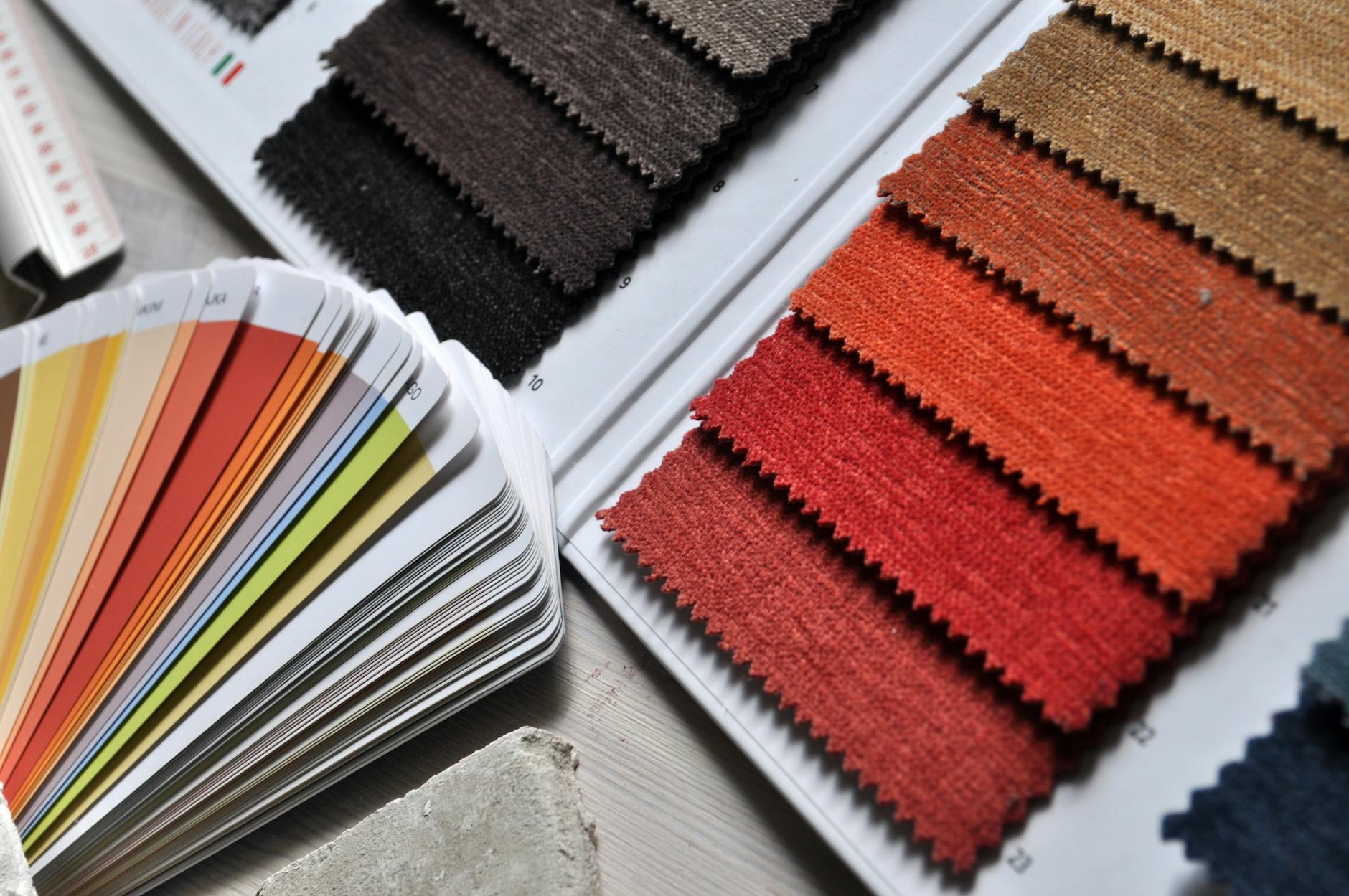
Luxury brands produce their seasonal colorways using proprietary dye formulations that are developed and refined in-house, making accurate color replication extremely difficult for counterfeiters. Authentic items display colors with depth, consistency, and a specific finish that ranges from matte to high-gloss depending on the intended design. Counterfeit versions frequently appear slightly brighter, flatter, or more saturated than the original because cheaper dyes behave differently on lower-grade materials. Color should also remain consistent across all components of a single item, including stitching, lining, hardware, and the main material, as authentic production ensures everything is coordinated at the factory level. Viewing an item under different light sources reveals how the color behaves, and significant shifts between indoor and natural light can indicate synthetic materials or inconsistent dye application.
Authenticity Cards

Many luxury brands include authenticity cards with their products as an additional layer of verification for the buyer. These cards follow precise design standards, using specific paper weights, font styles, and printing techniques that are updated regularly to stay ahead of counterfeiters. Fake authenticity cards often feature fonts that are slightly misaligned, paper that feels too thin or too smooth, and printed text that lacks the crispness of a professionally produced card. Some cards include holograms, embossed seals, or QR codes that link to official verification systems, and these elements are among the hardest for counterfeiters to reproduce accurately. An authenticity card alone is never sufficient proof of genuineness, but a card that shows any signs of poor production is a strong indicator that the accompanying item warrants further scrutiny.
Country of Origin Label
Every legitimate designer item carries a country of origin label that reflects where it was manufactured, and verifying that information against the brand’s known production locations is a key authentication step. Heritage brands like those based in France, Italy, and the United Kingdom maintain strict standards about where their products are made, and that information is always accurately represented on genuine pieces. Counterfeit items sometimes list incorrect countries of origin, use vague labeling, or omit origin information entirely to avoid scrutiny. The label itself should be neatly sewn, printed with consistent font weight, and free from fraying or adhesive residue that suggests it was applied after production. Researching a specific brand’s known manufacturing countries before purchasing is a straightforward step that can prevent a costly authentication mistake.
Seller Reputation

The credibility and history of the seller is one of the most practical filters available when evaluating a potential designer purchase. Authorized retailers, certified resale platforms, and brand boutiques operate under strict verification standards that significantly reduce the risk of encountering counterfeit goods. Private sellers with limited transaction histories, vague product descriptions, or an unwillingness to provide detailed photographs of labels and hardware should be approached with considerable caution. Pricing that sits well below the established market value for a specific item is one of the clearest signals that something about the sale is not legitimate. Consulting community-based authentication forums and professional authentication services before finalizing a purchase adds an important layer of protection regardless of where you are shopping.
Return Policy

A clearly stated and generous return policy is one of the most reliable markers of a trustworthy seller in the luxury resale and retail space. Established platforms and boutiques that deal in authentic goods stand behind their products and offer straightforward return or refund processes when an item does not meet expectations. Counterfeit sellers frequently impose strict no-return policies, cite vague final-sale conditions, or become difficult to reach once a transaction is complete. The absence of a transparent return window is a deliberate strategy to prevent buyers from having items independently authenticated after purchase. Before committing to any significant luxury purchase, reading the return policy in full and verifying that a refund pathway exists in the event of an authenticity dispute is an essential step that experienced collectors never skip.
Have you ever spotted a fake designer item using any of these signs? Share your experience in the comments.