Many drivers mistakenly view their auto insurance premium as a fixed monthly expense that cannot be negotiated or altered. This passive approach often leads to significant overpayment as life circumstances and market rates shift without the policyholder noticing. Insurance companies rarely reach out to inform customers that they are eligible for a lower rate or that their coverage needs have changed. A proactive review of your policy details can reveal hidden costs and outdated information that inflate your bill unnecessarily. Identifying these common indicators is the first step toward reclaiming your hard-earned money and ensuring you only pay for what you actually need.
Automatic Policy Renewal

Allowing your insurance policy to renew automatically often results in missed savings opportunities and creeping rate increases. Insurers count on customer inertia to maintain higher premiums even when market conditions might offer better alternatives. You likely miss out on competitive new customer rates offered by rival companies when you stay put without checking the current market. Reviewing your policy details before the renewal date allows you to spot unannounced price hikes or coverage changes. A simple annual comparison shop can save hundreds of dollars by forcing your current provider to compete for your business.
Unclaimed Mileage Reductions

A significant decrease in your daily driving distance is a primary factor that should lower your insurance costs. Remote work or a change in job location often drastically cuts the number of miles you put on your vehicle annually. Insurance companies assess risk based heavily on how much time a car spends on the road. failing to update this information means you are paying for a high-mileage risk profile that no longer applies to your lifestyle. A quick call to your agent to update your odometer reading can trigger an immediate reduction in your premium.
Outdated Address Information

Moving to a new neighborhood or city frequently impacts insurance rates due to changes in local crime and accident statistics. Your premium is calculated using zip code data that assesses the likelihood of theft and collisions in your specific area. Relocating to a safer suburb with secure parking often qualifies you for a significantly lower rate than living in a dense urban center. Failing to update your address immediately after a move can leave you paying for the higher risk associated with your previous location. Always confirm that your insurer has your current garageing address to ensure accurate pricing.
Ignored Bundling Opportunities

Keeping your home and auto insurance policies with different providers is a classic sign that you are missing out on easy savings. Most major insurance carriers offer substantial discounts to customers who consolidate their business under one roof. The savings from bundling can sometimes equal the cost of a month or two of premiums. Splitting your policies often creates administrative hassle while simultaneously costing you more money. You should ask your current homeowners or renters insurance provider for a quote to see how much the multi-policy discount would lower your total bill.
Unadjusted Deductible Levels

Carrying a low deductible on your policy is an expensive luxury that significantly drives up your monthly payments. Many drivers choose a low deductible out of habit without realizing they have enough emergency savings to cover a higher amount. Raising your deductible from a minimal amount to a higher figure can drastically reduce your premium costs immediately. This strategy shifts a small amount of risk to you in exchange for guaranteed monthly savings. You are likely overpaying if your emergency fund is robust but you are still paying a premium for a low deductible.
Redundant Roadside Assistance

Paying for roadside assistance through your auto insurer is unnecessary if you already have coverage through a separate provider. Memberships with organizations like AAA or benefits included with new credit cards often provide superior towing and service options. Double coverage means you are paying two different companies for the exact same service. Reviewing your credit card perks and independent memberships can reveal that the insurer add-on is completely superfluous. Removing this duplicate line item is a quick way to trim fat from your policy without losing any protection.
Expired Traffic Violations

Traffic tickets and minor accidents typically affect your insurance rates for only three to five years before falling off your record. Insurers do not always automatically remove the surcharges associated with these past infractions the moment they expire. You may be paying a penalty for a speeding ticket that is no longer relevant to your current risk profile. Checking your driving record dates and reminding your agent of clean driving years is crucial for rate adjustment. A clean record should be rewarded with the best possible standard rates rather than lingering high-risk pricing.
Unreported Credit Score Improvements

Your credit score is a major factor that insurers in many states use to determine your reliability and risk level. A significant improvement in your credit rating suggests you are a more stable customer and often warrants a lower premium. Insurers do not constantly monitor your credit report for positive changes and will keep charging you the old rate. Notifying your provider of a boosted credit score can trigger a re-evaluation of your policy pricing. You are effectively subsidizing your old financial self if you fail to leverage your improved credit standing.
Overlooked Professional Discounts
Many insurance companies offer specific discounts for professionals in low-risk fields such as teaching or engineering. Alumni associations and professional trade groups often negotiate group rates that are unavailable to the general public. You might be paying full retail price when your job title or degree qualifies you for a preferred tier. These affiliations are rarely applied automatically and require you to ask for them specifically. checking the list of partner organizations on your insurer’s website can reveal surprising opportunities for instant savings.
Unnecessary Comprehensive Coverage

Paying for full collision and comprehensive coverage on an old vehicle with low market value is a financial misstep. The cost of the premiums over a few years might exceed the total payout you would receive if the car were totaled. Dropping these optional coverages makes financial sense when your car is worth less than ten times the annual premium. You are essentially paying for insurance that will never pay out a significant benefit. Switching to liability-only coverage for an aging commuter car is a smart way to stop overpaying.
Missed Good Student Benefits

Parents often forget to inform their insurance company when a teen driver achieves excellent grades in school. Most insurers offer a “good student discount” because data shows that responsible students tend to be responsible drivers. This discount can be substantial and helps offset the typically high cost of insuring a young driver. You need to submit report cards or transcripts proactively to prove eligibility for this rate reduction. Failing to update this status means you are paying the full high-risk rate for a driver who qualifies for a break.
Unused Telematics Programs

Refusing to use a telematics app or device is a missed opportunity for safe drivers to prove their low-risk behavior. These programs track habits like braking smoothness and time of day to calculate a personalized discount. Ignoring this technology means you are paying a generic rate based on average drivers rather than your own safe performance. Significant discounts are often available after just a few months of demonstrated safe driving. You are overpaying if you are a cautious driver but refuse to let the data prove it to your insurer.
Hidden Membership Perks

Wholesale clubs and credit unions frequently offer exclusive insurance programs or discounts to their members. These partnerships can provide rates that undercut the standard market offers significantly. You may be buying a policy directly from a major carrier when purchasing through your membership would be cheaper. It is worth investigating every membership card in your wallet for potential insurance affiliations. bypassing these group deals is a common way to pay more than necessary for standard coverage.
Forgotten Anti-Theft Upgrades

Installing an aftermarket alarm or GPS tracking system reduces the risk of theft and should lower your comprehensive premium. Insurance companies rarely know about these upgrades unless you explicitly provide documentation. You are paying for the theft risk of a stock vehicle even after you have paid to make it more secure. Discount codes for security devices are often substantial enough to offset the installation cost over time. Always inform your agent immediately after adding any security features to your vehicle.
Separate Partner Policies
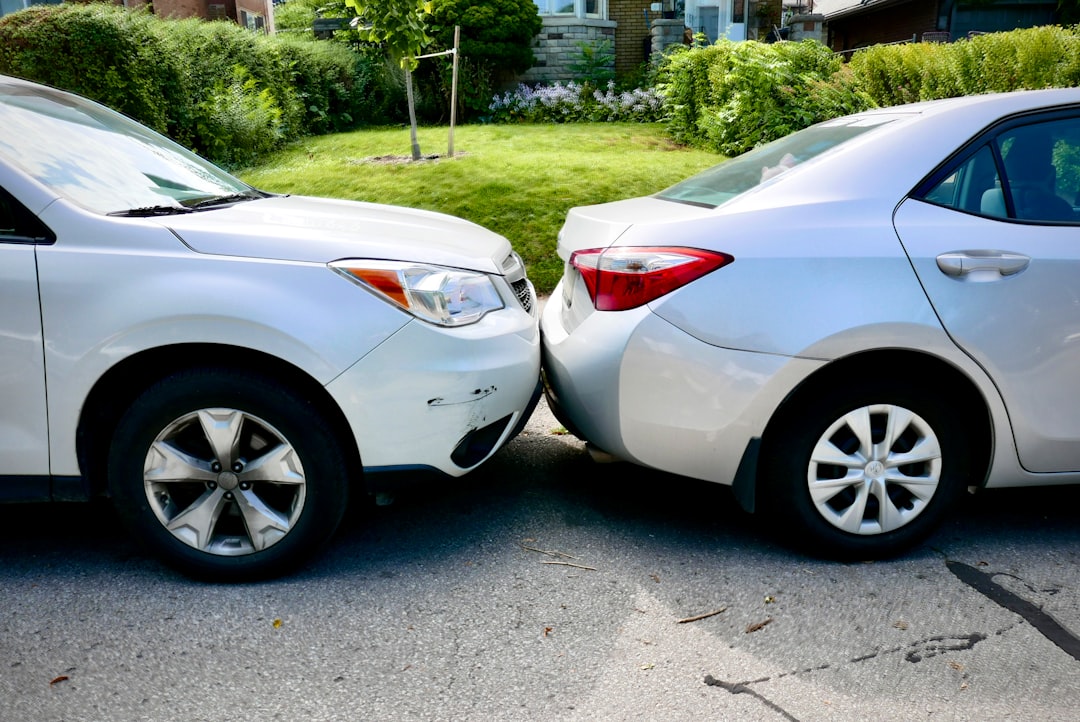
Couples who live together often keep separate policies out of habit rather than combining them for a discount. Most insurers offer a multi-car discount that rewards households for insuring more than one vehicle. Merging policies simplifies billing and unlocks rate reductions that single-vehicle policies cannot match. You are missing out on economies of scale by treating your household vehicles as separate entities. A quick conversation can merge the accounts and apply the multi-vehicle savings immediately.
Unlisted Winter Tire Usage

Drivers in colder climates often swap to winter tires but fail to mention this safety measure to their insurer. Some regions and insurance providers mandate a discount for the use of proper seasonal tires. This omission means you are not being credited for the reduced risk of accidents during winter months. You should check if your provider offers this specific safety incentive in your province or state. providing proof of purchase or installation is usually all it takes to trigger the adjustment.
Duplicate Medical Protection

Paying for Personal Injury Protection or Medical Payments coverage is often redundant if you have excellent health insurance. Your primary health insurance plan likely covers medical costs from accidents without the need for the auto policy add-on. Reviewing your health plan limits can confirm whether the extra auto coverage is providing any real value. You are essentially paying twice for the same medical safety net. limiting this coverage to the state-required minimum can free up cash flow without compromising your health care.
Absent Away-From-Home Student Status

College students who attend school more than 100 miles away without a car represent a much lower risk to the insurer. Parents often keep these students listed as primary daily drivers on the household policy erroneously. Listing them as “student away at school” drastically reduces the premium while still covering them when they visit home. You are paying for daily driving risk for a car that sits in your driveway unused. This simple classification change is one of the easiest ways to lower premiums for families with college-aged kids.
Unclaimed Upfront Payment Savings

Paying your insurance premium in monthly installments often incurs convenience fees and higher overall rates. Most insurers offer a significant discount for paying the entire six-month or annual premium in one lump sum. You are effectively paying a high interest rate for the privilege of monthly billing. Switching to a paid-in-full plan eliminates these hidden fees and locks in a lower base rate. If your cash flow permits it this is an instant return on investment.
Legacy Brand Loyalty

Assuming that a well-known national brand is always the safest or cheapest option can be a costly mistake. Regional and local insurance carriers often offer competitive rates with superior customer service to gain market share. You might be paying a “brand tax” for marketing budgets rather than for better coverage. Comparing quotes from smaller but highly rated carriers can reveal significant price discrepancies. Blind loyalty to a famous logo often blinds consumers to better deals elsewhere.
Unchecked VIN Data

Errors in the Vehicle Identification Number recording can lead to your car being classified as a different or higher-trim model. You might be paying premiums for a turbo-charged sport version of your car when you actually drive the base model. Insurers rely on these codes to determine the replacement cost and performance capabilities of the vehicle. Verifying that the VIN on your policy matches your registration exactly is a critical audit step. A simple data entry typo could be costing you extra money every single month.
Excessive Rental Reimbursement

Carrying rental car reimbursement coverage is unnecessary if you have a second vehicle available in your household. You are paying for a backup transportation plan that you already own. Families with multiple cars can usually manage with one fewer vehicle during a repair period. This optional coverage adds a small but useless fee to your premium. removing it allows you to self-insure using your own fleet of vehicles.
High-Risk Driver Grouping

Listing a high-risk driver on your policy can inflate the premiums for every vehicle in the household. It is often cheaper to isolate a driver with a bad record on their own separate policy with a different carrier. You are allowing one bad record to poison the pricing for all the good drivers in the home. separating the policies protects your clean driving discount from being eroded. Analyzing the cost of combined versus separate policies is essential for households with mixed driving records.
Unreported Retirement Status

Retiring from the workforce eliminates the daily commute and changes your driving profile significantly. Retirees are often eligible for “pleasure use” ratings rather than “commuter” ratings. This lifestyle change is a major risk reduction that insurers will not know about until you tell them. You are overpaying if your policy still lists you as commuting five days a week during rush hour. updating your employment status is a quick way to align your premium with your new freedom.
Paper Billing Preferences

Sticking with traditional paper mail for bills and policy documents often disqualifies you from a “paperless discount.” Insurance companies are eager to reduce printing and postage costs and will pay you to switch to digital. You are missing out on the easiest discount available by clinging to physical mail. Digital accounts also provide faster access to proof of insurance cards. checking a single box in your online portal can instantly lower your next bill.
Do you have a personal tip for lowering insurance costs that we missed? Share your thoughts in the comments.